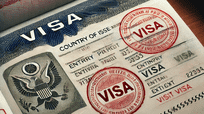
What Is A Diplomatic Visa?
A Diplomatic Visa is a special category of visa issued to individuals who represent their government in an official capacity, such as diplomats, consular officers, government officials, and members of international organizations. Unlike standard tourist or business visas, diplomatic visas are granted based on the holder’s official government role and the purpose of their travel, which is usually to engage in diplomatic missions, attend international conferences, negotiate treaties, or perform other state functions. Diplomatic visas often come with privileges such as expedited processing, reduced fees, or exemptions from certain legal requirements. However, these visas are strictly for official duties and do not permit the holder to engage in employment unrelated to their diplomatic role.
Eligibility Requirements For A Diplomatic Visa
To obtain a diplomatic visa, the applicant must be officially nominated by their home government and provide formal documentation proving their diplomatic status, such as a diplomatic passport or official letter of assignment. The applicant may also need to submit proof of their role within an international organization or government ministry, along with supporting documents from the host country confirming acceptance of the diplomat. Eligibility is typically limited to high-ranking officials, embassy staff, and government representatives, and the host country often reserves the right to approve or deny the visa based on reciprocity, international agreements, or national security considerations. This ensures that only legitimate diplomatic personnel benefit from the visa privileges.
How To Apply For A Diplomatic Visa
Applying for a diplomatic visa generally involves submitting a formal request through the applicant’s home government or embassy. The process typically requires a completed visa application form, a valid diplomatic passport, an official letter of appointment or assignment, and, in some cases, proof of prior diplomatic clearance. The applicant may also need to provide details about their travel itinerary, purpose of visit, and duration of stay. Many countries offer expedited processing for diplomatic visa applications, recognizing the importance of timely international engagements. After submission, the host country reviews the documents, confirms the diplomatic status, and issues the visa, which can be collected at the embassy or consulate.
How Long Does A Diplomatic Visa Last
The validity period of a diplomatic visa varies depending on the issuing country, the applicant’s role, and the specific purpose of travel. Typically, diplomatic visas are issued for short-term visits ranging from a few weeks to several months, though long-term diplomatic postings may receive visas valid for one to three years. Some countries allow extensions based on official assignments, while others require renewal or reapplication after the initial period expires. The validity is often linked to the duration of the diplomat’s assignment and may be subject to termination if the holder leaves their official post. Understanding the visa’s validity is crucial for planning international travel and complying with host country regulations.
Conditions And Limitations Of Diplomatic Visas
Diplomatic visas come with specific conditions and limitations to ensure they are used solely for official purposes. Holders are generally prohibited from engaging in employment, business, or commercial activities outside their diplomatic duties. The visa may require the diplomat to register with the local foreign ministry or embassy and adhere to host country laws while enjoying diplomatic privileges. Some countries restrict travel within certain regions, limit the number of entries, or impose mandatory reporting requirements. Non-compliance with these conditions can result in revocation of the visa, fines, or diplomatic sanctions. Therefore, understanding these rules is essential for maintaining the privileges and legal protections of a diplomatic visa.
Diplomatic Visa Renewal And Extension
Renewing or extending a diplomatic visa depends on the host country’s policies and the diplomat’s ongoing official assignment. Most countries require a new application or an extension request through the embassy or foreign ministry, supported by official documentation confirming the continued need for the diplomatic presence. Renewal periods are often shorter than the original visa validity, and some countries may impose limits on consecutive extensions. Processing times vary, and diplomats are advised to submit requests well before the visa expires to avoid interruptions in legal status. Maintaining accurate records and complying with host country requirements ensures smooth extension or renewal without jeopardizing diplomatic privileges.
Differences Between Diplomatic And Other Visa Types
Diplomatic visas differ significantly from tourist, business, or work visas in terms of eligibility, privileges, and legal protections. While tourist visas are issued for leisure travel and business visas for commercial activities, diplomatic visas are reserved for government representatives and international officials performing official duties. Diplomatic visa holders often benefit from faster processing, lower or waived fees, and certain immunities under international law, including limited legal jurisdiction protections. Unlike standard visas, these visas cannot be used for personal employment or commercial endeavors. Understanding these differences is essential for governments, diplomats, and host countries to ensure proper usage and compliance with international protocols.
Impact Of International Agreements On Diplomatic Visas
International agreements, treaties, and conventions play a significant role in determining the issuance, validity, and privileges of diplomatic visas. The Vienna Convention on Diplomatic Relations establishes the framework for diplomatic immunity, recognition, and visa protocols between countries. Bilateral and multilateral agreements often influence visa duration, renewal procedures, and entry requirements. Countries with reciprocal diplomatic arrangements may offer similar visa privileges to each other’s officials. Compliance with these international norms is crucial for maintaining diplomatic relations, facilitating official travel, and ensuring that diplomats can perform their duties without unnecessary administrative hurdles or legal complications.
Common Issues And Challenges With Diplomatic Visas
Diplomatic visa applicants may encounter challenges such as delays in processing, incomplete documentation, or discrepancies in official status verification. Political tensions between countries can also affect visa issuance, potentially resulting in travel restrictions, temporary denials, or shortened validity periods. Misuse of diplomatic visas for personal gain or unauthorized employment can lead to revocation and international disputes. Additionally, changes in assignments, early termination of diplomatic posts, or changes in host country regulations may impact visa status. Awareness of potential issues and proactive communication with the home and host governments can mitigate challenges and ensure smooth diplomatic travel.
Conclusion
Understanding the validity period of a diplomatic visa is essential for diplomats and government representatives planning international travel. Diplomatic visas are distinct from other visa types, offering privileges and protections for official duties while imposing specific limitations. The duration of validity depends on the issuing country, official assignments, and international agreements. Compliance with host country regulations, proper documentation, and timely renewal requests are critical to maintaining legal status and diplomatic privileges. By being well-informed, diplomats can avoid legal complications, ensure uninterrupted international service, and fulfill their official responsibilities efficiently and effectively.
Frequently Asked Questions
1. What Is The Validity Period Of A Diplomatic Visa?
The validity period of a diplomatic visa varies based on the issuing country, the purpose of the diplomat’s travel, and the official assignment duration. Generally, short-term visits are granted visas lasting a few weeks to several months, whereas long-term diplomatic postings may receive visas valid for one to three years. Extensions may be granted based on continued assignments, but expiration occurs if the diplomat leaves their official role. Understanding this period is crucial for planning international travel and maintaining legal compliance. Failure to adhere to the visa’s validity can lead to fines, revocation, or loss of diplomatic privileges, making careful monitoring essential.
2. How Do I Apply For And Get A Diplomatic Visa?
To apply for a diplomatic visa, applicants must submit a formal request through their home government or embassy, providing a completed visa application form, diplomatic passport, and official letter of appointment or assignment. Additional documents may include travel itineraries and prior diplomatic clearances. The host country reviews the submission to verify diplomatic status and issues the visa, often with expedited processing due to official duties. Following these procedures ensures the diplomat receives proper authorization to perform official tasks abroad without delays or legal complications, maintaining compliance with international norms and host country regulations.
3. What Are The Eligibility Requirements For Obtaining A Diplomatic Visa?
Eligibility for a diplomatic visa requires official nomination by the applicant’s home government, proof of diplomatic status through a passport or assignment letter, and often confirmation from the host country. Eligibility is typically limited to diplomats, consular staff, government officials, and international organization members. The host country may consider reciprocity, international treaties, and national security in granting visas. Applicants must meet all criteria to ensure lawful issuance, enjoy privileges, and maintain diplomatic protections. This ensures that only legitimate personnel can access the benefits and responsibilities associated with diplomatic travel.
4. How Long Does It Take To Get A Diplomatic Visa?
Processing times for diplomatic visas vary by country and applicant status. Some countries offer expedited processing due to the urgent nature of official diplomatic duties, which can take only a few days to weeks. Standard procedures may require additional time for verification, documentation, and coordination between the home and host governments. Delays can occur due to incomplete applications, political considerations, or verification of official appointments. Diplomats are advised to submit requests well in advance of travel to ensure sufficient time for approval, minimizing disruptions to international assignments and official engagements.
5. How Much Does A Diplomatic Visa Cost?
Many countries waive or significantly reduce fees for diplomatic visas, recognizing the official government role of applicants. Where fees exist, they vary depending on the country, duration of stay, and number of entries. Some nations may charge administrative fees for processing or additional services such as expedited review. The cost is generally much lower than standard visa categories, reflecting the privileges granted to diplomats. Understanding applicable fees helps applicants budget appropriately, ensures compliance with host country requirements, and avoids unexpected charges or delays during diplomatic travel.
6. Can A Diplomatic Visa Be Extended?
Yes, diplomatic visas can often be extended if the official assignment continues beyond the original validity period. Extensions require submission of documentation confirming ongoing duties and approval from the host country. The duration of extensions may be shorter than the initial visa period, and some countries impose limits on consecutive extensions. Timely applications are essential to avoid lapses in legal status. Compliance with extension procedures ensures uninterrupted diplomatic privileges, maintains good standing with host country authorities, and supports the diplomat’s ability to fulfill official responsibilities without administrative disruptions.
7. What Are The Privileges Of A Diplomatic Visa?
Diplomatic visa holders enjoy privileges such as expedited processing, lower or waived fees, limited legal immunities, and certain exemptions from local regulations. These benefits are designed to facilitate the diplomat’s official duties while protecting them from undue interference. Privileges vary by host country and are often governed by international treaties, including the Vienna Convention on Diplomatic Relations. Understanding these privileges helps diplomats operate efficiently, maintain international protocol, and exercise official responsibilities without unnecessary hindrance while respecting the laws and customs of the host country.
8. Are Diplomatic Visas Valid For Multiple Entries?
Many diplomatic visas allow multiple entries, especially when diplomats need to travel frequently between countries for official duties. The host country may specify the number of allowed entries or limit them based on the assignment duration. Multiple-entry visas reduce administrative burden, ensure flexibility for official travel, and help maintain continuous diplomatic engagement. Diplomats should verify entry conditions before travel and adhere to any reporting requirements to preserve legal status and privileges, avoiding complications from exceeding authorized entries or overstaying.
9. Can A Diplomatic Visa Be Revoked?
Yes, diplomatic visas can be revoked if the holder violates conditions, misuses the visa, or no longer holds an official appointment. Host countries may revoke visas for illegal activities, non-compliance with regulations, or political reasons. Revocation terminates the privileges associated with the visa, and the diplomat may be required to leave the country immediately. Understanding revocation conditions is essential to maintaining lawful status, avoiding legal issues, and upholding diplomatic protocol during international assignments.
10. How Are Diplomatic Visa Rules Different From Other Visas?
Diplomatic visas differ from tourist, business, or work visas in eligibility, purpose, and privileges. They are reserved for government representatives and international officials performing official duties, often with expedited processing, lower fees, and certain immunities. Unlike standard visas, they cannot be used for personal employment or commercial activities. Awareness of these differences ensures proper usage, compliance with host country laws, and preservation of diplomatic privileges during official travel.
11. Do Diplomatic Visas Require Health Checks?
Some countries may require diplomatic visa applicants to undergo health screenings, particularly for long-term assignments. The requirements vary based on local regulations, the nature of the posting, and global health considerations. Health checks ensure that diplomats do not pose a public health risk and comply with host country laws. While diplomatic privileges may reduce certain bureaucratic steps, compliance with health requirements is essential for lawful entry, maintaining privileges, and avoiding delays in assignment commencement.
12. Is Travel Insurance Required For Diplomatic Visa Holders?
While not always mandatory, some host countries may request proof of travel or medical insurance for diplomatic visa applicants. Insurance provides coverage for emergencies, medical treatment, or repatriation during official travel. It ensures that diplomats are prepared for unexpected incidents without burdening the host country’s resources. Even if optional, carrying insurance is advisable to maintain uninterrupted service, protect personal safety, and comply with international travel best practices for government representatives.
13. How Does The Vienna Convention Affect Diplomatic Visas?
The Vienna Convention on Diplomatic Relations establishes international standards for diplomatic privileges, including visa issuance, legal immunities, and treatment by host countries. It influences the validity, renewal, and rights of diplomatic visa holders, ensuring that diplomats can perform official duties safely and efficiently. Compliance with the convention fosters mutual respect, reciprocity, and proper conduct between countries, reducing legal disputes and facilitating smooth diplomatic operations. Understanding these provisions is crucial for both diplomats and host countries.
14. Are Family Members Eligible For Diplomatic Visas?
Family members of diplomats, such as spouses and dependent children, are often eligible for diplomatic visas or derivative visas. These visas allow families to accompany diplomats during official postings, enjoy similar privileges, and remain legally resident in the host country. Eligibility typically requires proof of relationship and documentation linking family members to the primary diplomat. Ensuring family members have valid visas supports personal well-being, legal compliance, and the diplomat’s ability to focus on official duties without administrative concerns.
15. Can Diplomatic Visas Be Used For Personal Travel?
Diplomatic visas are strictly intended for official duties and cannot legally be used for personal travel or employment outside assigned roles. Unauthorized use can result in revocation, fines, or diplomatic disputes. Diplomats should obtain separate visas or permissions for personal trips to comply with host country regulations. Proper usage maintains privileges, upholds international protocol, and ensures uninterrupted diplomatic service while respecting the purpose and limitations of the visa.
16. How Are Diplomatic Visa Validity Periods Determined?
Validity periods are determined by the issuing country based on assignment duration, diplomatic status, bilateral agreements, and international treaties. Short-term missions receive shorter visas, while long-term postings may be granted extended validity. Extensions may be possible if assignments continue. These periods ensure that visas align with official duties, host country regulations, and international protocols, preventing overstays or misuse and facilitating smooth diplomatic operations.
17. Can Diplomatic Visa Holders Work In The Host Country?
No, diplomatic visa holders are restricted to performing official duties outlined in their appointment and cannot engage in local employment or commercial activities. Violating this rule may result in revocation or legal action. Compliance ensures that privileges are maintained, international norms are respected, and the diplomat fulfills their official responsibilities without conflict with local labor laws or regulations.
18. What Documents Are Required For Diplomatic Visa Renewal?
Renewal requires a current diplomatic passport, official assignment confirmation, visa application forms, and any additional documentation requested by the host country. Some nations may require proof of ongoing duties, updated itineraries, or letters of support from home government authorities. Timely submission ensures uninterrupted diplomatic privileges, compliance with host country rules, and continuation of official duties without administrative delays.
19. Are There Restrictions On Diplomatic Visa Travel Locations?
Some countries restrict areas diplomats may visit, especially sensitive or high-security zones. Travel restrictions can also apply to specific regions during emergencies, political tensions, or health crises. Adhering to these restrictions is crucial to maintaining legal status, avoiding diplomatic conflicts, and ensuring personal safety. Diplomats must coordinate travel plans with host authorities to comply with limitations while fulfilling official responsibilities.
20. How Can Diplomatic Visa Holders Maintain Compliance?
Diplomatic visa holders maintain compliance by adhering to visa conditions, reporting to local authorities, renewing or extending visas timely, and using the visa exclusively for official duties. Understanding legal limitations, respecting host country laws, and staying informed about policy changes are essential. Compliance safeguards privileges, prevents revocation, and ensures uninterrupted performance of diplomatic assignments, promoting smooth international relations and professional integrity.
FURTHER READING
- How Much Does A Diplomatic Visa Cost?
- How Long Does It Take To Get A Diplomatic Visa?
- What Are The Eligibility Requirements For Obtaining A Diplomatic Visa?
- How To Apply For And Get A Diplomatic Visa
- What Is A Diplomatic Visa? | Definition, Eligibility Requirements, Types, Cost, Benefits, Validity, Duration, How To Apply For A Diplomatic Visa
- What Is The Validity Period Of A Non-Immigrant Visa?
- How Much Does A Non-Immigrant Visa Cost?
- How Long Does It Take To Get A Non-Immigrant Visa?
- What Are The Eligibility Requirements For Obtaining A Non-Immigrant Visa?
- How Do I Apply For And Get A Non-Immigrant Visa?
- What Is A Non-Immigrant Visa? | Definition, Eligibility Requirements, Validity Period, Cost, How To Apply For A Non-Immigrant Visa