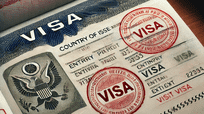
What Is A Diplomatic Visa?
A diplomatic visa is a special type of visa issued to individuals representing their home country’s government or international organizations. These visas facilitate official travel for diplomatic missions, such as attending international conferences, meetings, or negotiations. Diplomatic visas are typically granted to ambassadors, consuls, government ministers, and their immediate family members. The primary purpose of these visas is to ensure that diplomats can carry out their duties abroad without hindrance.
Diplomatic Visa Fees in the United States
In the United States, diplomatic visas are generally exempt from application fees. This exemption applies to various categories, including A, G, C-2, C-3, NATO, and other diplomatic visas as defined under 22 CFR 41.26. Applicants holding diplomatic passports may also be exempt from visa fees, regardless of visa classification and purpose of travel, if they meet specific qualifying categories. However, possession of a diplomatic passport alone is not sufficient; consular officers assess whether the applicant qualifies for a fee exemption based on U.S. immigration laws .
Diplomatic Visa Fees in the United Kingdom
In the United Kingdom, diplomatic visas are also exempt from application fees. This policy applies to diplomats and their dependents traveling to the UK for official duties. The exemption covers various visa types, including diplomatic posting and official visits. It’s important to note that while the visa application fee is waived, other associated costs, such as travel expenses and accommodation, may still apply .
Diplomatic Visa Fees in Nigeria
In Nigeria, the cost of a diplomatic visa can vary depending on the applicant’s nationality and the specific visa category. For instance, Nigerian diplomatic missions abroad may charge different fees for visa processing. It’s advisable for applicants to consult the specific Nigerian mission in their country of residence to obtain accurate and up-to-date information on visa fees .
Factors Influencing Diplomatic Visa Costs
Several factors can influence the cost of obtaining a diplomatic visa:
- Country of Application: Different countries have varying policies regarding diplomatic visa fees. Some may offer exemptions, while others may charge nominal fees.
- Visa Category: The specific type of diplomatic visa (e.g., A, G, C-2, C-3, NATO) can affect the fee structure.
- Duration of Stay: Longer stays may incur higher processing fees.
- Family Members: Including dependents in the visa application may increase costs due to additional documentation and processing requirements.
Conclusion
The cost of a diplomatic visa varies by country and specific circumstances. While many nations offer exemptions or reduced fees for diplomatic visa applicants, it’s essential to consult the relevant embassy or consulate for the most accurate and current information. Understanding these costs and requirements can help ensure a smooth application process for diplomats and their families.
Frequently Asked Questions
1. How Much Does A Diplomatic Visa Cost?
The cost of a diplomatic visa varies by country and specific circumstances. In the United States, diplomatic visas are generally exempt from application fees for individuals holding diplomatic passports and meeting specific qualifying categories. Similarly, the United Kingdom offers exemptions for diplomats and their dependents traveling for official duties. However, other associated costs, such as travel expenses and accommodation, may still apply. It’s advisable to consult the relevant embassy or consulate for the most accurate and current information on diplomatic visa fees.
2. Are Diplomatic Visas Free?
Yes, in many countries, diplomatic visas are free of charge. For instance, the United States and the United Kingdom offer exemptions from visa application fees for diplomats and their immediate family members. However, these exemptions typically apply to official duties and may not extend to personal travel. It’s important to verify the specific requirements and exemptions with the respective embassy or consulate.
3. Do I Need A Visa For Diplomatic Travel?
Whether you need a visa for diplomatic travel depends on the destination country and your nationality. Many countries require diplomats to obtain a visa before entering, while others may grant visa exemptions based on diplomatic status. It’s crucial to check with the embassy or consulate of the country you plan to visit to determine the specific visa requirements for diplomatic travel.
4. How Do I Apply For A Diplomatic Visa?
Applying for a diplomatic visa typically involves submitting a visa application form, providing proof of diplomatic status (such as a diplomatic passport), and presenting a note verbale from your country’s Ministry of Foreign Affairs. Some countries may also require an official invitation or additional documentation. It’s recommended to contact the embassy or consulate of the destination country for detailed application procedures.
5. Can Family Members Accompany Me On A Diplomatic Visa?
Yes, family members can often accompany diplomats on official assignments. Many countries allow spouses, children, and sometimes other dependents to join diplomats under specific visa categories. These visas may have different conditions and durations, so it’s essential to inquire about the requirements for family members when applying for a diplomatic visa.
6. What Is A Note Verbale?
A note verbale is a formal diplomatic communication issued by a government or its representative. In the context of visa applications, it serves as an official request from your country’s Ministry of Foreign Affairs to the host country’s embassy or consulate, supporting your application for a diplomatic visa. The note verbale outlines the purpose of your visit and confirms your diplomatic status.
7. Are There Any Additional Fees For Diplomatic Visas?
While many countries waive visa application fees for diplomats, there may be other associated costs. These can include administrative fees, biometric fees, or charges for expedited processing. It’s advisable to inquire about all potential fees when applying for a diplomatic visa to avoid unexpected expenses.
8. How Long Does It Take To Process A Diplomatic Visa?
The processing time for a diplomatic visa can vary depending on the country and specific circumstances. Some countries may process diplomatic visas more quickly due to their priority status, while others may take longer. It’s recommended to apply well in advance of your intended travel date and consult the embassy or consulate for estimated processing times.
9. Can I Extend My Diplomatic Visa?
The ability to extend a diplomatic visa depends on the host country’s policies and the specific visa category. Some diplomatic visas are issued for fixed durations and may not be extendable, while others may allow for extensions under certain conditions. It’s important to check the terms of your visa and consult the relevant authorities if you need to extend your stay.
10. Do Diplomatic Visas Allow Employment?
Diplomatic visas are typically issued for official government duties and do not permit employment in the host country beyond those duties. Engaging in unauthorized employment on a diplomatic visa can lead to legal issues and potential revocation of the visa. If you intend to work in the host country, you may need to apply for a different type of visa.
11. What Is The Difference Between A Diplomatic Visa And An Official Visa?
A diplomatic visa is issued to individuals representing their country’s government in an official capacity, such as ambassadors or consuls. An official visa, on the other hand, is typically granted to government employees traveling abroad for official business but not necessarily in a diplomatic role. The requirements and privileges associated with each type of visa can vary by country.
12. Can I Travel For Personal Reasons On A Diplomatic Visa?
Diplomatic visas are intended for official government business and typically do not cover personal travel. If you wish to travel for personal reasons, you may need to apply for a different type of visa that permits personal travel. It’s important to adhere to the conditions of your diplomatic visa to avoid potential legal issues.
13. Are Diplomatic Visas Valid For Multiple Entries?
The validity of a diplomatic visa for multiple entries depends on the issuing country’s policies and the specific visa category. Some diplomatic visas may allow multiple entries during their validity period, while others may be single-entry only. It’s essential to verify the terms of your visa before planning multiple trips.
14. Can I Apply For A Diplomatic Visa If I’m Not A Diplomat?
Generally, diplomatic visas are reserved for individuals holding diplomatic status. If you do not hold a diplomatic passport or equivalent, you may not be eligible for a diplomatic visa. However, some countries offer official visas for government employees traveling for official business, which may have different eligibility criteria.
15. What Documents Are Required For A Diplomatic Visa?
Commonly required documents for a diplomatic visa application include a valid diplomatic passport, a note verbale from your country’s Ministry of Foreign Affairs, an official invitation from the host country, and any additional forms or documentation specified by the embassy or consulate. It’s advisable to consult the specific requirements of the destination country.
16. Can I Use A Diplomatic Visa For Tourism?
Diplomatic visas are intended for official government business and typically do not permit tourism activities. If you wish to travel for tourism, you may need to apply for a tourist visa. It’s important to comply with the conditions of your diplomatic visa to avoid potential legal issues.
17. Are Diplomatic Visas Issued For Short-Term Or Long-Term Stays?
The duration of a diplomatic visa depends on the purpose of the visit and the issuing country’s policies. Some diplomatic visas are issued for short-term stays, such as attending a conference, while others may be valid for longer periods, such as a diplomatic posting. It’s essential to verify the terms of your visa before planning your stay.
18. Can I Change My Status From A Diplomatic Visa To Another Visa Type?
Changing your visa status from a diplomatic visa to another type, such as a work or tourist visa, can be complex and may not be permitted in all cases. The ability to change visa status depends on the host country’s immigration laws and policies. It’s advisable to consult with the relevant authorities if you wish to change your visa status.
19. Do Diplomatic Visas Require Biometrics?
Some countries may require biometric data, such as fingerprints and photographs, as part of the diplomatic visa application process. However, many countries exempt diplomats and their immediate family members from biometric requirements. It’s important to check the specific requirements of the destination country.
20. Can Diplomatic Visa Fees Be Refunded?
In most cases, diplomatic visa application fees are waived, so there is no fee to refund. However, if a fee was paid in error or under special circumstances, it’s advisable to consult the embassy or consulate for information on refund policies.
FURTHER READING
- How Long Does It Take To Get A Diplomatic Visa?
- What Are The Eligibility Requirements For Obtaining A Diplomatic Visa?
- How To Apply For And Get A Diplomatic Visa
- What Is A Diplomatic Visa? | Definition, Eligibility Requirements, Types, Cost, Benefits, Validity, Duration, How To Apply For A Diplomatic Visa
- What Is The Validity Period Of A Non-Immigrant Visa?
- How Much Does A Non-Immigrant Visa Cost?
- How Long Does It Take To Get A Non-Immigrant Visa?
- What Are The Eligibility Requirements For Obtaining A Non-Immigrant Visa?
- How Do I Apply For And Get A Non-Immigrant Visa?
- What Is A Non-Immigrant Visa? | Definition, Eligibility Requirements, Validity Period, Cost, How To Apply For A Non-Immigrant Visa
- What Is The Validity Period Of An Immigrant Visa?
- How Much Does An Immigrant Visa Cost?