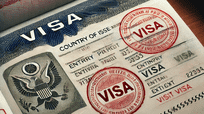
What Is A Diplomatic Visa?
A Diplomatic Visa is a special category of visa issued to individuals who are traveling on official government business, such as diplomats, government officials, or representatives of international organizations. This visa allows holders to enter a foreign country for official duties and is often granted privileges not available to ordinary tourists or business travelers, such as expedited processing, immunity from certain local laws, and exemption from visa fees in some cases. Diplomatic visas are typically issued under strict eligibility criteria, requiring proof of official status, a letter of invitation from the host country’s government, and sometimes additional documentation depending on the bilateral agreements between countries.
Eligibility Requirements For A Diplomatic Visa
To qualify for a diplomatic visa, applicants must meet stringent eligibility requirements. Generally, this includes proof of diplomatic status, such as an official government letter or diplomatic passport. Some countries also require that the applicant’s mission or assignment in the host country be verified through official communication from both governments. Additionally, the applicant may need to demonstrate that their travel is strictly for diplomatic purposes, such as attending international conferences, negotiating treaties, or official government missions. Certain countries may require security clearance checks, health clearances, or prior approval from their Ministry of Foreign Affairs, ensuring that only authorized personnel receive the diplomatic privileges associated with this visa.
How To Apply For A Diplomatic Visa
Applying for a diplomatic visa involves a specific procedure that differs from standard visa applications. Typically, the applicant or their government must submit a formal request to the consulate or embassy of the host country, accompanied by necessary documentation including a diplomatic passport, official letters of assignment, and any supporting authorization from the home country’s foreign ministry. In many cases, the embassy schedules an interview to verify the applicant’s purpose of travel and official status. Some nations allow direct submission through official government channels rather than personal visits. Accuracy and completeness of the application are crucial, as incomplete or inaccurate submissions may delay approval or result in denial.
Required Documentation For A Diplomatic Visa
The documentation required for a diplomatic visa is more extensive than for regular visas. Typically, applicants need a valid diplomatic passport, an official letter of assignment, a formal invitation from the host government, and proof of prior authorization from the home country’s foreign ministry. Additional requirements may include security clearance certificates, health clearance, and travel itinerary detailing the official mission. Each embassy has specific documentation standards, and failure to provide the correct paperwork can result in delays or rejection. Ensuring that documents are correctly authenticated and translated, if necessary, is essential for smooth processing. Diplomatic visa applications often undergo rigorous verification to confirm the legitimacy of the applicant’s mission.
Processing Time For A Diplomatic Visa
The time it takes to get a diplomatic visa varies by country and the urgency of the official mission. Some countries offer expedited processing that can take as little as a few days, especially for high-level government officials or emergency diplomatic assignments. Standard processing may range from one to four weeks, depending on the complexity of the application, the volume of requests, and any additional security or background checks required. Factors such as bilateral agreements between countries, completeness of documentation, and embassy workload significantly influence the timeline. Applicants are encouraged to apply well in advance of travel to accommodate unforeseen delays, ensuring they receive their visa before the scheduled official engagement.
Common Challenges In Obtaining A Diplomatic Visa
Obtaining a diplomatic visa is generally smoother than regular visas, but challenges can arise. Common issues include missing or incomplete documentation, discrepancies in official letters, or delays in verification by government authorities. Security checks or clearance procedures can also extend processing times, especially if the applicant has had recent travel to restricted regions. Miscommunication between the home and host country’s foreign ministries may further complicate the process. To minimize challenges, applicants should confirm all documentation requirements in advance, ensure correct authentication, and maintain direct communication with the relevant embassy or consulate. Planning and adherence to protocols are essential for successful issuance.
Privileges And Limitations Of A Diplomatic Visa
Diplomatic visas come with unique privileges, such as expedited processing, exemption from certain visa fees, and special entry or exit facilitation at airports. Some countries grant immunity from local laws for official duties or provide certain tax exemptions. However, these visas also have limitations; they are typically valid only for the duration of official assignments, and personal travel unrelated to diplomatic duties may not be permitted. Additionally, overstaying a diplomatic visa can lead to revocation of diplomatic privileges or restrictions on future travel. Understanding both the benefits and responsibilities associated with a diplomatic visa ensures that holders comply with the rules while enjoying the advantages granted to official representatives.
Conclusion
In summary, obtaining a diplomatic visa requires careful preparation, official authorization, and thorough documentation. The processing time varies depending on the host country, the applicant’s official status, and the completeness of the application. By understanding the eligibility requirements, application procedures, necessary documents, and potential challenges, diplomats and government officials can navigate the process efficiently. While diplomatic visas offer significant privileges, it is important to respect the limitations and legal responsibilities attached to them. Proper planning ensures timely visa issuance, allowing official missions to proceed without interruption and maintaining positive diplomatic relations between nations.
Frequently Asked Questions
1. How Long Does It Take To Get A Diplomatic Visa?
The time it takes to get a diplomatic visa depends on several factors including the host country, the applicant’s diplomatic status, and the completeness of submitted documents. Standard processing can range from one to four weeks, but expedited processing may take as little as a few days for high-ranking officials or emergency missions. Delays often arise due to missing documents, required security clearances, or intergovernmental communication. Applicants are advised to submit applications well in advance, ensuring all letters of assignment, passports, and authorizations are properly verified. Early preparation helps avoid last-minute delays and ensures diplomatic duties proceed on schedule.
2. What Is The Eligibility For Obtaining A Diplomatic Visa?
Eligibility for a diplomatic visa requires official diplomatic status, usually verified through a diplomatic passport and a formal letter of assignment from the home government. Applicants must prove that their travel is for official government purposes, such as attending conferences, treaty negotiations, or international meetings. Additional requirements may include security clearance, approval from the home country’s foreign ministry, and compliance with any bilateral agreements between the host and home nations. Meeting these eligibility criteria ensures that only authorized government personnel receive the diplomatic privileges associated with the visa, maintaining proper international protocol.
3. How Do I Apply For And Get A Diplomatic Visa?
To apply for a diplomatic visa, the applicant or their government must submit an official request to the host country’s embassy or consulate. The application usually includes a diplomatic passport, official letters of assignment, and authorization from the home country’s foreign ministry. Some countries may require an in-person interview or verification call. Submission through official government channels is common, and accurate, complete documentation is critical. Once processed, the embassy issues the visa, allowing entry for official duties. Early submission is recommended to account for verification and potential delays in the diplomatic clearance process.
4. How Much Does A Diplomatic Visa Cost?
Diplomatic visas are often exempt from standard visa fees due to their official nature. However, some countries may charge nominal administrative fees or service charges, especially for expedited processing. Costs vary depending on bilateral agreements, the purpose of the visit, and the specific embassy or consulate’s regulations. Applicants should verify fee structures with the host country prior to submission. Generally, the exemption of fees is part of the privileges granted to diplomats and government officials, emphasizing the official nature of the travel rather than personal or commercial purposes.
5. What Documents Are Required For A Diplomatic Visa?
Required documents for a diplomatic visa typically include a valid diplomatic passport, official letters of assignment from the home government, a formal invitation from the host government, and prior approval from the foreign ministry. Additional documents may include security clearance certificates, health clearance, travel itinerary, and proof of the official purpose of the mission. Accurate authentication and translation, if necessary, are essential. Providing complete and verified documentation ensures smooth processing and minimizes the risk of delays or denials by the host country’s authorities.
6. Can A Diplomatic Visa Be Expedited?
Yes, diplomatic visas can often be expedited, especially for high-ranking officials or emergency government missions. Expedited processing can reduce standard timelines from several weeks to a few days. Requests for faster processing usually require a formal note from the home country’s foreign ministry or government agency justifying the urgency. Expedited services may involve additional administrative procedures, but fees are typically minimal or waived. Early communication with the embassy ensures that expedited processing is considered and implemented correctly without compromising the legitimacy or verification process.
7. What Are The Common Challenges In Obtaining A Diplomatic Visa?
Common challenges include incomplete or inaccurate documentation, delays in verification by home or host country authorities, and extended security clearance procedures. Miscommunication between governments or missing authentication of official letters may also lead to delays or denials. To mitigate these issues, applicants should carefully review requirements, submit all necessary documentation, and maintain consistent communication with the embassy or consulate. Understanding procedural expectations and planning ahead are essential to overcoming these challenges and securing the diplomatic visa on time.
8. How Long Is A Diplomatic Visa Valid?
The validity of a diplomatic visa usually corresponds to the duration of the official assignment or mission. This can range from a few weeks for short-term meetings to several years for extended postings. Some countries issue visas with multiple entries, allowing repeated travel during the assignment period. Expired diplomatic visas must be renewed or extended through the appropriate government channels to maintain legal diplomatic status. The validity period is strictly linked to the official purpose of travel, and personal or unrelated activities are not typically covered.
9. Are There Any Privileges With A Diplomatic Visa?
Diplomatic visas offer several privileges including expedited processing, exemption from certain fees, facilitated entry and exit at borders, and sometimes immunity from specific local laws. Diplomats may also receive special assistance from embassies or consulates while traveling abroad. These privileges are granted to facilitate official duties and ensure smooth international relations. However, holders must adhere to the regulations governing diplomatic travel, and misuse of these privileges can lead to revocation of the visa or diplomatic sanctions.
10. Can A Diplomatic Visa Be Denied?
Yes, diplomatic visas can be denied if the applicant fails to meet eligibility requirements, provides incomplete or inaccurate documentation, or if there are security concerns. Diplomatic visa denial can also occur due to strained bilateral relations or policy restrictions between the home and host countries. In such cases, embassies typically provide official reasons, and applicants may appeal or resubmit applications with corrected documentation. Proper adherence to guidelines and thorough preparation reduces the likelihood of denial.
11. How Does Bilateral Agreement Affect Diplomatic Visa Processing?
Bilateral agreements between countries can streamline or complicate diplomatic visa processing. These agreements define privileges, exemptions, and procedural requirements for diplomats. Strong agreements may allow expedited processing, visa fee waivers, and longer validity periods. Conversely, limited or strict agreements may require additional verification, paperwork, or longer processing times. Understanding these agreements helps diplomats anticipate timelines, prepare necessary documents, and ensure compliance with host country protocols.
12. Do Security Checks Delay Diplomatic Visa Issuance?
Security checks are standard for many diplomatic visa applications and can affect processing time. These checks verify the applicant’s background, official status, and ensure they do not pose a security risk. Delays often occur if additional investigation or intergovernmental communication is required. Although diplomats generally receive priority, thorough security verification is critical to maintaining international trust and compliance with local regulations. Timely submission of complete documentation helps reduce potential delays.
13. Are Interviews Required For Diplomatic Visa Applications?
Some countries require interviews for diplomatic visa applicants, though not always for high-ranking officials. Interviews are used to verify the purpose of travel, official status, and authenticity of documents. They may be conducted in person, via video conferencing, or through official diplomatic channels. Proper preparation for these interviews is essential, including a clear explanation of the mission and presentation of all supporting documents. The interview process ensures that the applicant’s travel is strictly for official diplomatic purposes.
14. Can Diplomatic Visa Holders Travel For Personal Reasons?
Diplomatic visas are generally intended strictly for official government business. Personal travel unrelated to the official mission is usually restricted and may require a separate visa or authorization. Some countries allow limited personal travel within the assignment period but expect notification and compliance with local regulations. Misuse of a diplomatic visa for personal purposes can result in revocation of diplomatic privileges, fines, or future travel restrictions. Understanding the scope of permitted travel is crucial to maintaining legal diplomatic status.
15. How Do Embassy Workloads Affect Visa Processing?
Embassy workloads can significantly impact the processing time of diplomatic visas. High application volumes, staffing limitations, or administrative backlogs may delay approval even for official applicants. Planning ahead, submitting complete documentation, and maintaining communication with embassy staff can help mitigate delays. Some embassies provide estimated timelines or priority services for urgent diplomatic missions. Awareness of embassy workload factors allows applicants to better anticipate processing schedules.
16. Is Health Clearance Required For Diplomatic Visas?
Some countries require health clearance for diplomatic visa applicants, especially when travel involves long-term assignments or postings in regions with specific health regulations. This may include vaccination records, medical exams, or proof of immunity to certain diseases. Health clearance ensures the safety of the applicant and compliance with host country public health laws. Providing timely and accurate medical documentation can prevent processing delays and facilitate smooth entry.
17. Can Diplomatic Visa Expiration Affect Official Duties?
Yes, expiration of a diplomatic visa can disrupt official duties if the holder is not authorized to remain legally in the host country. Expired visas require renewal or extension through the appropriate government channels. Failure to address expiration may result in loss of privileges, legal penalties, or restrictions on future diplomatic travel. Monitoring visa validity and planning extensions in advance ensures continuity of official responsibilities without interruption.
18. Are There Multiple Entry Diplomatic Visas?
Some countries issue multiple-entry diplomatic visas, allowing diplomats to travel in and out of the host country during the validity period. These visas are useful for officials attending conferences, bilateral meetings, or multiple missions. Requirements and privileges vary by country, and multiple-entry visas may have specific conditions attached. Confirming eligibility and submission procedures for multiple-entry visas helps optimize travel plans and ensures uninterrupted official duties.
19. How Does Incomplete Documentation Affect Diplomatic Visa Timelines?
Incomplete documentation is a leading cause of delays in diplomatic visa issuance. Missing letters, unclear authorization, or improperly authenticated papers can extend processing times or result in denial. To avoid delays, applicants must carefully review embassy requirements, ensure all documents are complete and properly formatted, and verify translations if needed. Early submission and double-checking of paperwork minimize risk, helping secure timely issuance of the visa for official missions.
20. Can Diplomatic Visa Holders Extend Their Stay?
Diplomatic visa holders may request extensions through official channels if the original assignment is prolonged. Extension approval depends on host country regulations, continued official purpose, and verification from the home government. Timely submission of extension requests is crucial to maintain legal status and avoid penalties. Extensions ensure that diplomats can complete their missions without interruption and remain compliant with host country laws, preserving diplomatic privileges and operational efficiency.
FURTHER READING
- What Are The Eligibility Requirements For Obtaining A Diplomatic Visa?
- How To Apply For And Get A Diplomatic Visa
- What Is A Diplomatic Visa? | Definition, Eligibility Requirements, Types, Cost, Benefits, Validity, Duration, How To Apply For A Diplomatic Visa
- What Is The Validity Period Of A Non-Immigrant Visa?
- How Much Does A Non-Immigrant Visa Cost?
- How Long Does It Take To Get A Non-Immigrant Visa?
- What Are The Eligibility Requirements For Obtaining A Non-Immigrant Visa?
- How Do I Apply For And Get A Non-Immigrant Visa?
- What Is A Non-Immigrant Visa? | Definition, Eligibility Requirements, Validity Period, Cost, How To Apply For A Non-Immigrant Visa
- What Is The Validity Period Of An Immigrant Visa?
- How Much Does An Immigrant Visa Cost?