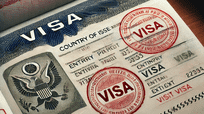
What Is A Diplomatic Visa?
A diplomatic visa is a specialized travel document issued to individuals who are traveling on behalf of their government for official diplomatic duties. Unlike tourist or business visas, diplomatic visas are designed for ambassadors, government officials, and members of international organizations who need to perform official duties abroad. These visas typically provide privileges such as expedited processing, immunity in certain legal matters, and exemption from some standard immigration regulations. Countries issue diplomatic visas to maintain international relations, facilitate negotiations, and support government representatives in foreign missions. The eligibility, application process, and validity of a diplomatic visa depend on bilateral agreements between the sending and receiving countries. Understanding these visas is crucial for government representatives to operate effectively while abroad.
Types Of Diplomatic Visas
Diplomatic visas are not uniform and can vary based on the purpose and rank of the traveler. Common types include visas for ambassadors, consular officials, government ministers, and international organization representatives. Some countries also issue visas for family members of diplomats, allowing them to reside legally in the host country. The distinctions are important because each type may come with different rights and privileges, such as diplomatic immunity, tax exemptions, or access to certain government facilities. Understanding the type of visa required ensures proper documentation and compliance with international protocols, avoiding complications during diplomatic missions. Certain countries also provide temporary diplomatic visas for short-term assignments or conferences.
Eligibility Requirements For A Diplomatic Visa
To obtain a diplomatic visa, applicants generally need official endorsement from their home country’s foreign affairs ministry. This ensures the individual is traveling for legitimate governmental or international purposes. Other eligibility requirements may include a valid passport, proof of official position, and a letter of assignment detailing the diplomatic mission. Background checks are often conducted to verify the applicant’s credentials and intentions. Some countries may require additional documentation for family members accompanying diplomats. Meeting these eligibility criteria is essential to ensure smooth processing, avoid delays, and guarantee that the diplomatic visa aligns with international agreements governing official diplomatic travel.
How To Apply For A Diplomatic Visa
The application process for a diplomatic visa usually begins with an official request from the government or organization the applicant represents. The application is submitted through the embassy or consulate of the destination country, accompanied by required documentation such as passports, official letters, and proof of employment. Some countries provide expedited online processing for diplomatic visas, while others require in-person submission. After submission, the application is reviewed to confirm eligibility, verify diplomatic status, and ensure compliance with bilateral agreements. Processing times can vary, and applicants may receive additional guidance from their foreign affairs ministry. Proper preparation and adherence to protocol are critical for a successful diplomatic visa application.
Validity And Duration Of Diplomatic Visas
Diplomatic visas generally have flexible validity periods depending on the nature of the assignment and bilateral agreements. Some visas are valid for short-term missions lasting weeks, while others allow extended stays of several years. Renewal procedures may vary, and diplomats often coordinate with the host country to extend their visas if required. The validity period typically aligns with the duration of the diplomatic mission, ensuring that government representatives remain legally authorized throughout their stay. Monitoring the visa’s expiration is crucial to maintain diplomatic immunity and avoid legal issues, particularly when transferring to different posts or when assignments are extended beyond the original period.
Benefits And Privileges Of Diplomatic Visas
Holders of diplomatic visas enjoy several advantages not available to ordinary travelers. These privileges often include immunity from certain local laws, exemption from taxes, and access to consular protection services. Diplomatic visa holders may also experience expedited entry and exit procedures at international borders, simplifying travel logistics. These benefits are designed to facilitate the official work of diplomats, enabling them to focus on representing their countries and negotiating international matters. While diplomatic privileges are extensive, they are also governed by international laws and conventions, such as the Vienna Convention on Diplomatic Relations, ensuring that both the sending and receiving countries respect each diplomat’s legal protections.
Common Challenges With Diplomatic Visas
Despite the advantages, obtaining and maintaining a diplomatic visa can present challenges. Administrative delays, incomplete documentation, or discrepancies in official credentials may result in prolonged processing times. Diplomatic relations between countries can also influence visa issuance, particularly in politically sensitive situations. Additionally, family members accompanying diplomats may face limitations or require separate visas. Understanding these challenges and maintaining clear communication with both the sending and receiving governments is essential. By preparing thoroughly and adhering to established protocols, diplomats can navigate potential obstacles and ensure their missions proceed smoothly without legal or bureaucratic complications.
Importance Of Diplomatic Visas In International Relations
Diplomatic visas play a critical role in maintaining international relations by enabling official representatives to travel, negotiate, and conduct governmental functions abroad. They facilitate communication between nations, support trade agreements, and contribute to global cooperation on issues such as security, climate change, and human rights. By providing legal recognition and privileges to diplomats, these visas strengthen trust between countries and ensure that international protocols are observed. Governments rely on diplomatic visas to deploy officials effectively, protect their personnel, and advance foreign policy objectives, making them an indispensable component of global diplomacy.
Conclusion
Diplomatic visas are essential instruments for international diplomacy, granting government officials, diplomats, and representatives of international organizations the legal authority and privileges necessary to perform their duties abroad. These visas ensure smooth travel, legal protections, and adherence to international protocols, while supporting global cooperation and foreign policy objectives. By understanding the types, eligibility requirements, application processes, benefits, and challenges associated with diplomatic visas, individuals and governments can navigate international relations effectively. The proper management of diplomatic visas ensures both compliance with legal standards and the successful execution of official missions in foreign countries.
Frequently Asked Questions
1. What Is A Diplomatic Visa?
A diplomatic visa is a specialized travel authorization issued to government officials, diplomats, and representatives of international organizations who are traveling abroad for official duties. This visa allows holders to perform diplomatic functions with legal recognition and privileges such as expedited entry, tax exemptions, and limited diplomatic immunity. Eligibility typically requires an official endorsement from the applicant’s home country, proof of position, and a valid passport. Diplomatic visas are issued according to bilateral agreements between countries and are essential for facilitating international relations. They differ from tourist or business visas by focusing exclusively on official governmental or international assignments, ensuring that the individual can operate legally and effectively in the host nation.
2. How Do I Apply For And Get A Diplomatic Visa?
Applying for a diplomatic visa involves coordination between the applicant, their home government, and the embassy or consulate of the destination country. The process begins with an official request from the foreign affairs ministry, accompanied by supporting documentation such as passports, letters of assignment, and proof of diplomatic status. The embassy reviews the application to ensure eligibility, verify credentials, and confirm compliance with bilateral agreements. Processing times vary depending on the country and type of mission. Some nations offer online submission or expedited services for diplomats. Accurate preparation, adherence to official procedures, and timely communication with relevant authorities are essential to obtain the diplomatic visa without delays or administrative complications.
3. What Are The Eligibility Requirements For Obtaining A Diplomatic Visa?
Eligibility for a diplomatic visa typically requires the applicant to be an official government representative, ambassador, or member of an international organization. Applicants must hold a valid passport, provide proof of official position, and submit letters confirming their assignment and purpose of travel. Some countries also require background checks to verify credentials and intentions. Family members accompanying diplomats may have additional eligibility requirements. Bilateral agreements between the sending and receiving countries influence specific criteria. Meeting these requirements ensures smooth visa processing, legal compliance, and recognition of diplomatic privileges. Failure to meet eligibility standards can result in delays or denial, highlighting the importance of thorough preparation and adherence to international protocols.
4. How Long Does It Take To Get A Diplomatic Visa?
The processing time for a diplomatic visa varies depending on the destination country, type of diplomatic mission, and completeness of submitted documentation. In some cases, visas may be issued within a few days for urgent assignments, while others may require several weeks. Coordination between the applicant, the home government, and the foreign embassy affects processing speed. Delays can occur due to administrative backlogs, verification of credentials, or political considerations. Applicants should plan ahead, submit accurate documentation, and maintain communication with the embassy to minimize delays. Understanding the estimated processing time helps ensure that diplomats can travel in alignment with their official assignments and maintain compliance with international regulations.
5. How Much Does A Diplomatic Visa Cost?
Diplomatic visas are generally exempt from standard visa fees due to the official nature of the travel and bilateral agreements between countries. However, some nations may charge nominal administrative fees for processing or document handling. Costs can vary depending on the country, duration of the mission, and type of visa required. Governments usually cover these expenses as part of their diplomatic operations budget. It is important to confirm fee structures in advance with the issuing embassy or consulate to avoid unexpected charges. Overall, the financial burden for diplomatic visas is minimal compared to standard travel visas, reflecting their purpose in facilitating official governmental and international work.
6. What Is The Validity Period Of A Diplomatic Visa?
The validity period of a diplomatic visa depends on the nature and duration of the diplomatic assignment, as well as bilateral agreements between countries. Some visas are valid for short-term missions lasting a few weeks, while others may cover long-term postings spanning several years. Diplomatic visa holders must ensure that their visa remains valid throughout their stay, renewing it if necessary. The validity period often aligns with the official assignment to maintain legal recognition and access to diplomatic privileges. Monitoring expiration dates is crucial to avoid legal complications and to ensure continuous compliance with international protocols during official missions abroad.
7. Can Family Members Accompany A Diplomat On A Diplomatic Visa?
Yes, family members of diplomats are often eligible to accompany the primary visa holder, subject to specific regulations of the host country. They may receive separate visas or be included under the primary diplomatic visa, allowing them to reside legally and enjoy certain privileges during the diplomat’s assignment. Eligibility typically requires proof of relationship, such as marriage or birth certificates, and submission of supporting documents. Family members may have limited rights compared to the principal diplomat but often benefit from expedited processing and legal recognition. Proper documentation and adherence to host country rules ensure that the diplomat’s family can reside safely and legally while accompanying official assignments abroad.
8. What Rights And Privileges Do Diplomatic Visa Holders Have?
Diplomatic visa holders enjoy various rights and privileges designed to facilitate their official duties. These include immunity from certain local laws, exemption from taxes, access to consular protection, and expedited entry and exit procedures. Such privileges are governed by international conventions like the Vienna Convention on Diplomatic Relations, ensuring legal recognition and protection. While extensive, these privileges do not grant absolute freedom; diplomats must respect host country laws and international protocols. The benefits are intended to enable diplomats to perform their official functions efficiently, negotiate on behalf of their governments, and maintain smooth international relations, reflecting the importance of diplomatic visas in global governance.
9. Are Diplomatic Visas Recognized Worldwide?
Diplomatic visas are recognized internationally, but their acceptance depends on bilateral agreements and the host country’s diplomatic policies. Most countries honor diplomatic visas issued by recognized governments and international organizations, granting the holder legal entry and privileges. However, political tensions or lack of formal relations between countries can influence recognition. Certain nations may impose restrictions or require additional documentation. It is crucial for diplomats to verify visa acceptance before travel and ensure compliance with host country regulations. Worldwide recognition of diplomatic visas underscores their role in facilitating official governmental and international duties while promoting adherence to global diplomatic norms and conventions.
10. What Is The Difference Between A Diplomatic Visa And A Regular Visa?
The main difference lies in purpose and privileges. Diplomatic visas are issued exclusively for official government or international assignments, while regular visas, such as tourist or business visas, are for personal or commercial travel. Diplomatic visas provide privileges including legal immunity, tax exemptions, and expedited border procedures, which regular visas do not offer. Eligibility for diplomatic visas requires official government endorsement and proof of diplomatic status, whereas regular visas focus on personal credentials and travel intent. Diplomatic visas often have flexible validity aligned with assignments, while regular visas have fixed durations. These distinctions ensure that government representatives can perform their duties efficiently and legally in foreign countries.
11. Can Diplomatic Visas Be Revoked?
Yes, diplomatic visas can be revoked under certain circumstances, typically if the diplomat violates the host country’s laws, breaches international protocols, or if diplomatic relations deteriorate. Revocation may also occur if the diplomat’s assignment ends or if incorrect information was provided during the application process. Governments generally communicate revocations formally and provide instructions for departure. While diplomatic privileges offer legal protections, they do not guarantee immunity from consequences. Understanding the conditions under which a diplomatic visa can be revoked helps diplomats maintain compliance, protect their legal status, and preserve the integrity of international relations, emphasizing the importance of adhering to both host country regulations and diplomatic protocols.
12. How Are Diplomatic Visas Processed At Embassies?
Embassies process diplomatic visas through official channels coordinated with the applicant’s home government. Applications are submitted with supporting documentation verifying diplomatic status, mission purpose, and credentials. Embassy staff review the application for eligibility, compliance with bilateral agreements, and accuracy of documents. Some countries offer expedited processing for urgent missions, while others may conduct additional background checks. Once approved, the visa is issued, and the diplomat can travel with legal recognition and privileges. Processing procedures ensure that the visa aligns with international protocols, protects host country interests, and facilitates smooth diplomatic operations, highlighting the embassy’s critical role in managing official governmental and international travel.
13. Are Diplomatic Visas Required For All Diplomatic Missions?
Most diplomatic missions require a diplomatic visa to ensure legal recognition and access to privileges. However, some countries may waive visas for short-term visits under specific agreements or for high-ranking officials. The necessity depends on bilateral treaties, the host country’s policies, and the diplomat’s purpose of travel. Even if a visa is not mandatory, proper notification and accreditation are often required to maintain diplomatic status and ensure adherence to international protocols. Understanding when a diplomatic visa is required helps avoid legal issues, facilitates smooth travel, and guarantees that official functions are conducted in compliance with host country regulations and global diplomatic norms.
14. Can Diplomatic Visa Holders Work In The Host Country?
Diplomatic visa holders are authorized to perform official governmental or international duties in the host country, but they are generally restricted from engaging in local employment outside their diplomatic assignment. Working in private or commercial sectors may violate host country laws and the terms of the visa. Certain roles, such as consular or administrative tasks, are considered part of the diplomatic mission and are permitted. Any deviation from authorized work can risk visa revocation or loss of diplomatic privileges. Understanding these limitations ensures that diplomats comply with legal requirements while effectively performing official functions, highlighting the importance of adhering to the scope of work authorized under a diplomatic visa.
15. How Do Diplomatic Visas Impact International Law?
Diplomatic visas are a cornerstone of international law, particularly under the Vienna Convention on Diplomatic Relations. They formalize the legal recognition of diplomats, granting them privileges and immunities necessary for conducting official duties abroad. These visas support compliance with treaties, protect representatives from legal interference, and facilitate international negotiations. By establishing clear rules for entry, stay, and diplomatic conduct, diplomatic visas reinforce mutual respect between nations and uphold the principles of sovereignty and diplomatic immunity. Their role in international law ensures that government representatives can operate efficiently while safeguarding the legal framework governing diplomatic interactions and global relations.
16. Are Diplomatic Visas Renewable?
Yes, diplomatic visas can often be renewed if the diplomat’s assignment is extended or if they are transferred to another post. Renewal procedures vary by country and typically require updated documentation from the home government, proof of ongoing diplomatic duties, and submission of renewal applications through the embassy or consulate. Timely renewal is crucial to maintain legal recognition, diplomatic privileges, and compliance with international protocols. Some countries provide guidelines for seamless renewal, while others may conduct additional verification or background checks. Understanding the renewal process ensures that diplomats continue to operate legally and effectively throughout the duration of their assignments abroad.
17. What Documents Are Needed For A Diplomatic Visa Application?
Key documents for a diplomatic visa application include a valid passport, official letters of assignment from the home government, proof of diplomatic status, and sometimes background checks. Family members accompanying the diplomat may require proof of relationship, such as marriage or birth certificates. Additional forms may be requested depending on the host country’s regulations or the type of diplomatic mission. Submitting complete and accurate documentation is essential to avoid delays or denials. Embassies and consulates often provide detailed guidance on required documents, ensuring that the diplomatic visa application aligns with bilateral agreements, international law, and the host country’s legal framework for official governmental and international travel.
18. Do Diplomatic Visas Offer Immunity From Legal Actions?
Diplomatic visas provide holders with certain immunities, primarily concerning actions taken in the performance of official duties. This includes limited protection from local laws, taxation, and legal proceedings, as outlined in international conventions such as the Vienna Convention. However, immunity is not absolute; diplomats must comply with host country regulations and international law. Abuse of privileges can lead to revocation or expulsion. The purpose of immunity is to facilitate diplomatic work without interference, ensuring government representatives can negotiate, communicate, and perform their duties effectively. Understanding the scope and limits of legal protections is essential for maintaining proper conduct and upholding the integrity of international diplomacy.
19. How Does A Diplomatic Visa Differ Between Countries?
The specifics of a diplomatic visa, including application procedures, privileges, and validity, can vary between countries based on bilateral agreements and national regulations. While the general purpose of facilitating official travel remains consistent, individual countries may impose unique requirements, such as specific documentation, additional security checks, or limitations on family members. Some nations offer expedited processing, while others have stricter verification procedures. Understanding these differences is critical for diplomats and government officials to ensure compliance, avoid delays, and maximize the benefits of diplomatic privileges. Preparation tailored to the destination country enhances the effectiveness of official missions abroad.
20. Can Diplomatic Visa Holders Travel To Third Countries?
Diplomatic visa holders may travel to third countries, but this often requires coordination with the respective embassies and adherence to each nation’s visa and diplomatic regulations. Transit or entry into additional countries may necessitate separate diplomatic or travel authorizations. Such travel is typically allowed when related to official duties, international meetings, or conferences. Ensuring compliance with third-country regulations helps maintain diplomatic privileges and avoids legal complications. Planning international itineraries carefully, coordinating with foreign ministries, and securing appropriate documentation ensures smooth travel between multiple nations while preserving the legal protections and benefits associated with the primary diplomatic visa.
Further Reading
- What Is The Validity Period Of A Non-Immigrant Visa?
- How Much Does A Non-Immigrant Visa Cost?
- How Long Does It Take To Get A Non-Immigrant Visa?
- What Are The Eligibility Requirements For Obtaining A Non-Immigrant Visa?
- How Do I Apply For And Get A Non-Immigrant Visa?
- What Is A Non-Immigrant Visa? | Definition, Eligibility Requirements, Validity Period, Cost, How To Apply For A Non-Immigrant Visa
- What Is The Validity Period Of An Immigrant Visa?
- How Much Does An Immigrant Visa Cost?
- How Long Does It Take To Get An Immigrant Visa?
- What Are The Eligibility Requirements For Obtaining An Immigrant Visa?
- How To Apply For And Get An Immigrant Visa