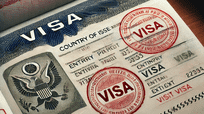
What Is An Immigrant Visa?
An immigrant visa is an official document issued by a country’s government that allows a foreign national to enter the country with the intention of living there permanently. Unlike temporary or nonimmigrant visas, which allow visits for tourism, study, or work for a limited time, an immigrant visa is specifically designed for individuals who plan to establish permanent residence. The process of obtaining an immigrant visa typically involves a series of eligibility checks, background screenings, and interviews. Applicants must submit extensive documentation to demonstrate their qualifications, family connections, employment sponsorship, or refugee status, depending on the visa category. Immigrant visas are a critical first step in the path toward lawful permanent residency and eventual citizenship in most countries.
Understanding The Types Of Immigrant Visas
Immigrant visas come in several categories, including family-sponsored, employment-based, diversity lottery, and humanitarian visas. Family-sponsored visas are granted to close relatives of citizens or permanent residents, while employment-based visas are typically granted to skilled workers, investors, or professionals with extraordinary ability. Diversity visas are allocated through a lottery system to promote diversity among immigrant populations, and humanitarian visas include refugee or asylum applications. Each visa type has specific eligibility criteria, required documentation, and processing timelines. Understanding the type of immigrant visa suitable for your situation is essential for planning your application, preparing necessary evidence, and estimating the potential waiting period for approval.
Factors Affecting Immigrant Visa Processing Time
The time it takes to get an immigrant visa depends on multiple factors. Processing speed varies based on visa type, country of origin, the complexity of the application, and government resources. Family-sponsored visas, particularly for immediate relatives of citizens, are often processed faster, while other categories may face longer waits due to annual quotas and priority dates. Background checks, security screenings, and administrative processing can also add significant delays. Additionally, incomplete applications or missing documentation may result in further delays. Understanding these factors helps applicants manage expectations, avoid unnecessary mistakes, and take proactive steps to ensure their application progresses smoothly and efficiently through the immigration system.
Steps In The Immigrant Visa Application Process
The immigrant visa application process generally begins with submitting a petition to the relevant immigration authority. For family-sponsored visas, a U.S. citizen or permanent resident relative must file a petition on the applicant’s behalf. Employment-based visas require a sponsoring employer to submit a petition. Once the petition is approved, the application moves to the consular processing stage, which includes completing forms, submitting supporting documents, paying fees, and attending an interview at a designated consulate or embassy. Applicants may also undergo medical examinations and provide biometric information. Adhering to the correct procedure and submitting a complete application package is crucial to avoid delays and ensure timely scheduling of interviews and visa issuance.
Typical Timeline For Immigrant Visa Approval
The timeline for obtaining an immigrant visa varies widely depending on the category and country of origin. Immediate family-sponsored visas may take six months to one year, while other family preference visas can take several years due to annual quotas. Employment-based visas may range from months to years, depending on priority dates, country caps, and processing times. Diversity visa applicants generally wait approximately one year from lottery selection to visa issuance. Delays may also occur due to additional administrative processing, security clearance checks, or documentation issues. Tracking priority dates, maintaining communication with immigration authorities, and preparing documentation in advance are essential strategies for minimizing waiting periods and understanding realistic expectations for visa approval.
Tips To Expedite The Immigrant Visa Process
Applicants can take several measures to streamline their immigrant visa process. Submitting a complete and accurate application, including all supporting documentation, reduces the risk of delays. Ensuring all forms are signed, fees are paid, and background checks are addressed promptly is essential. Regularly monitoring application status, responding quickly to any requests from immigration authorities, and preparing thoroughly for interviews can prevent unnecessary setbacks. Legal advice or consultation with an experienced immigration attorney can also help applicants navigate complex rules, identify potential obstacles, and maximize efficiency. While some delays are unavoidable, proactive management and careful attention to detail often result in a faster and smoother immigrant visa process.
Understanding Visa Denials And Appeals
Visa denials may occur due to incomplete applications, missing documents, ineligibility, security concerns, or failure to meet specific visa requirements. Understanding the reasons for denial is crucial for planning a successful appeal or reapplication. Some denials may be overcome through administrative review, submission of additional documentation, or legal appeals, depending on the country’s immigration laws. Applicants should carefully follow instructions provided by consular officers, ensure all eligibility requirements are satisfied, and consult legal expertise if necessary. Learning from prior applications and addressing deficiencies proactively can improve the chances of approval during a subsequent attempt.
Conclusion
Obtaining an immigrant visa is a multi-step process influenced by visa type, eligibility criteria, country-specific quotas, and administrative procedures. Understanding the types of visas, eligibility requirements, application process, and potential delays is crucial for planning and managing expectations. Proactive preparation, accurate documentation, and timely responses to consular requests significantly improve the chances of a successful and expedited visa issuance. While processing times vary, careful attention to detail and adherence to guidelines can ensure a smoother journey toward permanent residency.
Frequently Asked Questions
1. How Long Does It Take To Get An Immigrant Visa?
The time it takes to get an immigrant visa varies depending on visa type, country of origin, and application complexity. Immediate family-sponsored visas may be processed within six months to one year, while family preference or employment-based visas may take several years due to annual quotas and priority dates. Diversity visa applicants often wait around one year from selection to issuance. Administrative processing, security checks, incomplete documentation, or background screenings can further extend timelines. Monitoring priority dates, preparing accurate documentation, and responding promptly to consular requests are critical for minimizing delays. Consulting immigration professionals can help streamline the process and provide realistic expectations.
2. What Are The Eligibility Requirements For Obtaining An Immigrant Visa?
Eligibility requirements vary by visa category but typically include proof of family relationship, employment sponsorship, or eligibility under a diversity or humanitarian program. Applicants must meet health, financial, and character requirements, including medical exams, background checks, and police clearances. Some visas require a minimum level of education, work experience, or financial stability. Demonstrating strong ties to the sponsoring entity, such as a relative or employer, is crucial. Immigration authorities may request additional documentation to verify claims. Ensuring all criteria are met before applying increases the likelihood of approval and reduces processing delays.
3. How Do I Apply For And Get An Immigrant Visa?
To apply, submit a petition through the relevant immigration authority, usually by a sponsoring relative or employer. After petition approval, complete forms, submit supporting documents, pay fees, undergo a medical exam, and attend a consular interview. Timely and accurate submission of all required paperwork is essential. Respond promptly to additional requests or administrative processing notifications. After approval, the immigrant visa is issued for entry into the destination country, leading toward permanent residency.
4. What Is The Cost Of An Immigrant Visa?
Immigrant visa costs vary depending on the country, visa category, and application stage. Fees typically include petition filing, application processing, medical examinations, and consular interviews. Additional costs may arise from translations, document authentication, legal assistance, and travel. Some countries offer fee waivers or reduced fees for eligible applicants. Being aware of all associated expenses in advance ensures financial preparedness and avoids delays caused by incomplete payment.
5. What Documents Are Required For An Immigrant Visa?
Required documents usually include a valid passport, birth and marriage certificates, police clearance certificates, financial statements, employment verification, medical examination results, and completed visa forms. Family-sponsored visas require proof of relationship, while employment-based visas need employer sponsorship documentation. Diversity visa applicants provide lottery confirmation and supporting identification. Ensuring all documents are accurate, translated if necessary, and properly authenticated is crucial for avoiding delays or denial.
6. How Long Is An Immigrant Visa Valid?
The validity of an immigrant visa generally ranges from six months to one year from issuance, depending on the country. The visa allows entry into the destination country within this period. After arrival, the visa holder may transition to permanent residency or lawful status. Delays in travel may require reapplication or additional consular approval. Applicants should plan entry promptly and understand the expiration terms to maintain eligibility.
7. Can I Track The Status Of My Immigrant Visa Application?
Yes, most countries provide online portals or consular services for tracking visa applications. Tracking allows applicants to monitor petition approval, document submission, interview scheduling, and administrative processing. Regularly checking the status helps identify required actions, respond promptly to requests, and manage expectations regarding processing timelines. Some delays may not be reflected in real-time, but tracking provides overall guidance.
8. How Does Country Of Origin Affect Immigrant Visa Processing Time?
Country of origin significantly impacts processing due to per-country visa quotas, demand, and administrative workload. Applicants from countries with high demand may experience longer waits, especially for family preference or employment-based visas. Immediate relative categories are generally less affected. Understanding priority dates, visa bulletin updates, and country-specific processing trends helps applicants anticipate timelines and plan accordingly.
9. What Happens During The Immigrant Visa Interview?
During the consular interview, applicants present their documents, answer questions about eligibility, background, and intentions, and undergo identity verification. The officer may request clarification or additional evidence. The interview assesses admissibility and eligibility for permanent residency. Applicants must be honest, prepared, and organized. Passing the interview is a critical step before visa issuance, and failure may result in denial or additional processing.
10. Can My Immigrant Visa Application Be Expedited?
Expedited processing is possible in certain circumstances, such as urgent family reunification, humanitarian concerns, or military service. Requests must be supported with valid documentation and submitted through the appropriate channels. While not guaranteed, demonstrating genuine urgency may accelerate review. Consulting immigration authorities or professionals can provide guidance on eligibility for expediting a visa application.
11. What Are Common Reasons For Immigrant Visa Delays?
Common causes include incomplete or inaccurate applications, missing documentation, security or background checks, administrative processing, and high demand for certain visa categories. Errors in forms, insufficient evidence, or delayed responses to consular requests often result in extended processing. Understanding potential pitfalls, double-checking submissions, and maintaining communication with consular offices helps minimize delays.
12. Can I Appeal A Denied Immigrant Visa?
Yes, depending on the country’s immigration laws, applicants may appeal a denied visa. Appeals often require addressing the reasons for denial, submitting additional documentation, or requesting administrative review. Legal assistance can help navigate the appeals process effectively. Some denials, such as ineligibility based on criminal history, may not be appealable, making pre-application compliance crucial.
13. Do I Need A Medical Examination For An Immigrant Visa?
Most immigrant visas require a medical examination conducted by authorized physicians. The exam ensures applicants meet health standards and are free from communicable diseases. Medical records are submitted to consular officers as part of the application. Completing the examination in a timely manner prevents delays and is mandatory for visa issuance in most countries.
14. How Are Immigrant Visa Quotas Managed?
Immigrant visa quotas are regulated annually by government authorities and vary by visa category and country of origin. Family preference, employment-based, and diversity visas often have fixed numerical limits. Immediate relative visas are typically exempt from quotas. Understanding quota systems, monitoring priority dates, and tracking visa bulletins helps applicants anticipate waiting periods and plan their applications effectively.
15. Can I Work In The Destination Country With An Immigrant Visa?
After entry on an immigrant visa, the holder may apply for work authorization or automatically receive permanent residency that includes work rights, depending on the country. Employment-based visas already have specific work authorizations tied to the sponsoring employer. Family-sponsored or diversity visa holders may need to apply for work permits. Understanding work eligibility is essential for planning employment and financial stability upon arrival.
16. Can I Travel While My Immigrant Visa Is Being Processed?
Travel during processing is often restricted, particularly for dependent visas or when consular interviews are pending. Exiting the home country may impact interview scheduling, documentation submission, or administrative processing. Advance planning and consultation with immigration authorities help ensure travel does not jeopardize the application. Some visas allow limited travel with special authorization.
17. How Do Security Checks Affect Immigrant Visa Processing?
Security and background checks are mandatory to ensure applicants pose no risk to the destination country. These checks may include criminal records, terrorism watchlists, and national security evaluations. Extensive checks can extend processing timelines significantly, especially for applicants from certain regions. Accurate disclosure of personal information and timely responses to inquiries help prevent unnecessary delays.
18. What Role Does Legal Assistance Play In Immigrant Visa Applications?
Legal assistance can provide guidance on eligibility, document preparation, petition submission, and interview readiness. Immigration attorneys help navigate complex laws, anticipate challenges, and minimize errors. While not mandatory, legal support often improves application accuracy, expedites processing, and increases the likelihood of approval, particularly for complex or employment-based cases.
19. How Do I Prepare For My Immigrant Visa Interview?
Preparation involves organizing all required documentation, understanding eligibility requirements, and practicing answers to common interview questions. Applicants should review petition information, anticipate potential concerns, and ensure clarity on personal, professional, and family details. Dressing appropriately, arriving on time, and remaining honest and confident during the interview significantly enhance the likelihood of approval.
20. What Happens After My Immigrant Visa Is Approved?
After approval, applicants receive a visa stamped in their passport, allowing entry into the destination country. Upon arrival, they may receive permanent residency documents or instructions for adjustment of status. It is important to follow entry procedures, complete any remaining requirements, and comply with residency rules. Successful entry marks the start of permanent residency and eventual eligibility for citizenship, depending on the country’s immigration regulations.
FURTHER READING
- What Are The Eligibility Requirements For Obtaining An Immigrant Visa?
- How To Apply For And Get An Immigrant Visa
- What Is An Immigrant Visa? | Definition, Eligibility Requirements, Cost, Types, Benefits, Mistakes, Documents, How To Apply For An Immigrant Visa
- What Is The Validity Period Of A Business Visa?
- How Much Does A Business Visa Cost?
- How Long Does It Take To Get A Business Visa?
- What Are The Eligibility Requirements For Obtaining A Business Visa?
- How Do I Apply For And Get A Business Visa?
- What Is A Business Visa? | Definition, Documents, Eligibility Requirements, Interview Questions, Duration, Validity, How To Apply For A Business Visa
- What Is The Validity Period Of A Transit Visa?
- How Much Does A Transit Visa Cost?