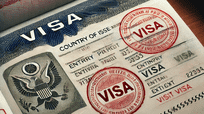
What Is A Business Visa?
A business visa is a temporary travel document that allows individuals to enter a foreign country for business-related purposes without the intention of long-term employment or permanent residency. It is designed for entrepreneurs, investors, company representatives, or employees who need to attend meetings, conferences, training, negotiations, or trade shows abroad. Business visas vary in requirements and validity depending on the country issuing them, but generally, applicants must show proof of professional activity, financial stability, and sometimes an invitation letter from the host company. Unlike work visas, a business visa does not permit permanent job placement but focuses solely on short-term business engagements that promote international trade, networking, and cross-border collaborations.
Importance Of A Business Visa
A business visa plays a crucial role in international commerce, as it enables professionals to expand networks, explore markets, and foster partnerships across borders. Without it, entrepreneurs would face difficulties attending global trade fairs, conducting negotiations, or exploring investment opportunities abroad. Business visas also help countries attract foreign investment and stimulate their economies by allowing easy movement of international investors and business representatives. For professionals, holding a business visa enhances credibility and legitimacy when visiting a foreign country for official matters. It ensures compliance with immigration laws, reduces legal risks, and demonstrates seriousness about professional commitments. Overall, a business visa facilitates seamless cross-border interactions and strengthens global economic cooperation.
Types Of Business Visas
Business visas differ from country to country, but most can be categorized into short-term and long-term permits. A short-term business visa typically allows entry for a few weeks or months, usually for attending meetings, conferences, or trade exhibitions. Long-term business visas, on the other hand, may last up to a year or more and are often issued to entrepreneurs or investors who frequently travel for international ventures. Some countries also issue multiple-entry business visas that allow travelers to enter and exit several times within a validity period. Examples include the United States B1 visa, the United Kingdom Standard Visitor visa for business, the Schengen business visa for Europe, and India’s e-Business visa.
Eligibility Requirements For A Business Visa
Eligibility for a business visa often depends on the applicant’s nationality, purpose of travel, and host country regulations. Generally, applicants must hold a valid passport with sufficient validity, complete the visa application form, and provide passport-sized photographs. Supporting documents usually include an invitation letter from a host company, proof of financial resources to cover expenses, and evidence of professional or business activities. Some countries also require proof of accommodation, flight reservations, or travel insurance. Applicants with previous criminal records or immigration violations may face stricter scrutiny or denial. Meeting these requirements shows that the traveler intends to engage only in authorized business activities without overstaying or seeking unauthorized employment.
Documents Required For A Business Visa
When applying for a business visa, several supporting documents are essential to prove eligibility. Commonly requested documents include a valid passport, recent passport-sized photographs, a completed visa application form, and proof of paid visa fees. Additionally, most embassies require an official invitation letter from the host company or organization, detailing the purpose and duration of the visit. Bank statements or financial evidence are also required to show the applicant can sustain themselves during their stay. Other important documents may include flight bookings, hotel reservations, business registration certificates, and previous travel history. Providing clear, accurate, and complete documentation increases the chances of visa approval while avoiding unnecessary delays or rejections.
How To Apply For A Business Visa
The application process for a business visa typically begins online or at an embassy or consulate of the host country. Applicants must fill out the visa form accurately, attach all required documents, and pay the prescribed fee. After submission, an interview may be scheduled, during which officials ask about the purpose of the trip, financial means, and intended duration of stay. Some countries also require biometric data, including fingerprints and photographs. In certain cases, business travelers may apply for e-visas or visas on arrival, depending on international agreements. Once approved, the applicant receives a stamped visa in their passport or a digital confirmation, which must be presented upon arrival at immigration checkpoints.
Duration And Validity Of A Business Visa
Business visas vary in validity depending on the issuing country and applicant’s profile. Some are valid for a few weeks, while others may last several months or even years. Multiple-entry visas allow travelers to visit the host country multiple times within the validity period, while single-entry visas restrict entry to one visit only. For example, the United States B1 business visa can be issued for up to 10 years, though each stay is usually limited to six months. Similarly, Schengen business visas permit stays of up to 90 days within 180 days. Adhering to these validity rules ensures compliance with immigration laws and avoids penalties.
Benefits Of A Business Visa
Holding a business visa provides numerous advantages for international professionals and entrepreneurs. It facilitates participation in global trade fairs, exhibitions, and networking events, which can open doors to new business opportunities. A business visa also allows negotiations with international clients, securing contracts, and exploring investment prospects. For companies, it strengthens global partnerships and expands market reach. Additionally, multiple-entry business visas make frequent travel more convenient for executives who manage cross-border operations. Business visas also enhance credibility during international dealings, as they confirm the legal basis for travel. Ultimately, a business visa empowers individuals and organizations to build stronger international relationships while complying with foreign regulations.
Differences Between A Business Visa And A Work Visa
While both business and work visas allow international travel, their purposes are distinct. A business visa is designed for short-term professional activities, such as attending meetings, conferences, or trade exhibitions. It does not permit long-term employment or receiving a salary from a local employer. A work visa, on the other hand, allows foreign nationals to live and work in a country under a local employment contract. Work visas often require sponsorship by an employer and may involve stricter requirements, such as labor market tests or skills verification. Understanding this difference ensures travelers apply for the correct visa type, avoiding legal complications and immigration violations.
Common Reasons For Business Visa Rejection
Business visa applications can be denied for several reasons, including incomplete documentation, insufficient financial proof, or unclear purpose of travel. Past immigration violations, overstays, or criminal records can also lead to rejection. Another common reason is inconsistency between the stated purpose of travel and supporting documents, such as invitation letters or business agendas. Sometimes, applications are rejected if officials suspect that the applicant intends to seek unauthorized employment or overstay. To avoid rejection, applicants must ensure accuracy, honesty, and completeness in their applications, while providing convincing evidence of genuine business intentions and strong ties to their home country.
Tips To Increase Business Visa Approval Chances
Applicants can improve their chances of business visa approval by carefully preparing their documentation and presenting a strong case. First, ensure all forms are filled accurately and completely. Second, provide a clear invitation letter from the host company with details of meetings or conferences. Third, demonstrate financial stability with recent bank statements and proof of employment or business ownership. Fourth, show strong ties to the home country, such as family obligations, property ownership, or ongoing employment. Attending the visa interview with confidence, honesty, and well-prepared answers also strengthens credibility. Proper preparation reduces the risk of rejection and increases approval chances significantly.
Business Visa Interview Questions
During a business visa interview, immigration officers typically ask questions to verify the applicant’s purpose of travel and professional background. Common questions include: What is the purpose of your visit? Who is sponsoring your trip? Where will you stay during your time abroad? How long will you remain in the country? What company are you representing, and what is your role there? Applicants may also be asked to provide details about financial capacity, business agendas, and previous travel history. Clear, concise, and honest answers are crucial to gaining approval. Confidence, professional demeanor, and consistency between documents and responses are key.
Countries Offering Business Visas
Many countries provide specific business visa categories to promote international trade and cooperation. For example, the United States offers the B1 business visa, while the United Kingdom issues the Standard Visitor visa for business purposes. European nations under the Schengen Agreement provide a common business visa valid across multiple countries. India, China, Australia, and Canada also issue dedicated business visas with varying validity periods and requirements. These visas cater to entrepreneurs, investors, and professionals attending conferences or business meetings. Each country sets its own conditions, fees, and processing times, so applicants must research thoroughly before applying.
Business Visa Fees And Processing Time
The cost of a business visa varies widely depending on the destination country, nationality of the applicant, and type of visa. Fees can range from as little as $20 for e-visas to several hundred dollars for long-term permits. Processing times also differ, from a few days to several weeks. Some countries offer expedited or premium processing services for additional fees. Factors influencing processing time include background checks, interview requirements, and workload at the embassy or consulate. Applicants should apply well in advance to avoid delays. Checking official embassy websites provides the most accurate information about current fees and timelines.
Conclusion
A business visa is an essential tool for professionals, entrepreneurs, and companies engaging in cross-border activities. It allows individuals to attend meetings, conferences, exhibitions, and negotiations legally, without violating immigration laws. Business visas encourage global trade, investment, and partnerships, while also protecting countries from illegal employment. Understanding the requirements, documentation, and processes involved ensures higher chances of approval and smoother travel experiences. By carefully preparing applications and demonstrating genuine professional intentions, business travelers can successfully secure visas that facilitate international opportunities, strengthen global relationships, and promote economic growth worldwide.
Frequently Asked Questions
1. What Is A Business Visa?
A business visa is a temporary authorization issued by a foreign government that permits individuals to enter a country for professional purposes without engaging in permanent employment. It is typically used by entrepreneurs, investors, company representatives, or employees who need to attend business meetings, seminars, training sessions, negotiations, or trade exhibitions. Unlike a work visa, it does not allow long-term job placement or earning a salary from a local employer. Instead, it focuses on short-term business activities such as networking, exploring investment opportunities, or signing contracts. Business visas vary by country in terms of eligibility, validity, and application requirements, but they all serve the purpose of facilitating cross-border commercial activities.
2. How Do I Apply For A Business Visa?
Applying for a business visa requires careful planning and adherence to embassy or consulate guidelines. The process usually begins by filling out an application form online or at a diplomatic mission of the host country. Applicants must provide supporting documents such as a valid passport, recent photographs, proof of financial stability, and an invitation letter from a host company abroad. Visa fees must be paid, and in some cases, an in-person interview is required. Some countries request biometric data, including fingerprints and photographs. Applicants should also check whether their country of citizenship is eligible for an e-visa or visa-on-arrival. Submitting accurate documents and demonstrating genuine business intentions greatly improves the likelihood of approval.
3. What Are The Eligibility Requirements For A Business Visa?
Eligibility for a business visa depends on the regulations of the host country and the applicant’s background. Common requirements include a valid passport with at least six months’ validity, completed visa application forms, and passport-sized photographs. Applicants must also demonstrate proof of financial means to cover travel expenses, such as bank statements or sponsorship letters. An invitation from a host company or conference organizer is often mandatory. Strong ties to the home country, including employment, property ownership, or family commitments, help prove the applicant’s intent to return. Previous compliance with immigration laws also improves approval chances. Each country may add specific criteria, so applicants should consult official embassy guidelines.
4. How Long Does It Take To Get A Business Visa?
The time required to obtain a business visa varies depending on the destination country and the applicant’s nationality. In many cases, processing times range from five business days to several weeks. Factors that affect processing include embassy workload, background checks, and whether an interview or biometric submission is necessary. Some countries offer expedited or premium services that allow faster approval for an additional fee. E-visas and visas-on-arrival are typically processed more quickly, sometimes within a few hours to a few days. To avoid unnecessary delays, applicants are advised to apply well in advance of travel dates and track their applications closely through official channels.
5. How Much Does A Business Visa Cost?
The cost of a business visa depends on the country issuing it, the applicant’s nationality, and the duration of the visa. Fees can range from as low as $20 for short-term e-visas to over $300 for multiple-entry or long-term permits. Some countries also charge additional service or processing fees. Expedited services, when available, come at a higher cost but reduce waiting times. Payment is usually required upfront during the application process, and fees are generally non-refundable even if the visa is denied. Applicants should always check the latest fee schedule from the official embassy or consulate website to avoid misinformation and unexpected costs.
6. What Is The Validity Period Of A Business Visa?
The validity period of a business visa refers to how long it remains valid for travel. This varies greatly depending on the country. Some visas are valid for 30 to 90 days, while others extend up to a year or more. Multiple-entry business visas may last several years, allowing frequent travel without reapplying. For instance, the U.S. B1 visa may be valid for up to 10 years, though stays are usually limited to six months per visit. The Schengen business visa typically allows 90 days within 180 days. Travelers must check specific country guidelines and avoid overstaying to maintain compliance.
7. Can I Work On A Business Visa?
A business visa does not permit full-time employment or earning a salary from a local employer in the host country. It is strictly limited to short-term professional activities such as attending meetings, conferences, training sessions, and negotiations. However, applicants may engage in business transactions, sign contracts, or explore investment opportunities. Anyone seeking long-term employment must apply for a work visa, which typically requires employer sponsorship and compliance with labor regulations. Violating the conditions of a business visa by working illegally can lead to penalties, deportation, or future visa bans. Understanding these restrictions helps travelers remain compliant with immigration laws.
8. What Documents Are Required For A Business Visa?
Business visa applications generally require a set of official documents to confirm eligibility. These include a valid passport, recent passport-sized photographs, and a completed visa application form. Most embassies request an invitation letter from the host company, detailing the purpose, duration, and nature of the visit. Financial proof, such as bank statements or sponsorship letters, ensures that the traveler can sustain themselves abroad. Additional documents may include hotel reservations, flight tickets, travel insurance, and business registration certificates. Providing accurate and complete paperwork reduces the likelihood of rejection and demonstrates professionalism. Requirements may differ across countries, so applicants must review embassy-specific instructions carefully.
9. What Are The Differences Between A Business Visa And A Work Visa?
A business visa and a work visa serve distinct purposes despite both being related to professional travel. A business visa is for short-term activities such as attending conferences, signing contracts, or exploring investment opportunities. It does not allow employment under a local contract or receiving wages from a host-country employer. A work visa, however, permits long-term residency for the purpose of working legally under local labor laws. Work visas often require employer sponsorship and labor certification. Applying for the wrong visa can result in rejection or penalties, so travelers must carefully distinguish between these two categories based on their professional needs.
10. Why Was My Business Visa Application Rejected?
Business visa rejections can occur for several reasons. Incomplete or inaccurate documentation is one of the most common causes. If the stated purpose of travel does not match supporting documents, such as invitation letters, the application may be denied. Insufficient proof of financial stability, previous immigration violations, or overstays can also harm an applicant’s chances. Suspicion that the traveler intends to seek unauthorized work may further lead to rejection. To avoid this, applicants should prepare meticulously, provide truthful information, and demonstrate strong ties to their home country. Following embassy guidelines closely increases approval chances and prevents unnecessary delays.
11. Can I Extend My Business Visa?
In many countries, business visas may be extended under certain conditions. Extensions are usually granted if the applicant demonstrates a genuine need to stay longer, such as ongoing negotiations, conferences, or business projects. The process often requires submitting an extension application to local immigration authorities before the visa expires, along with updated financial documents, accommodation details, and a valid reason for extension. Approval is not guaranteed and depends on country-specific rules. Overstaying without authorization can result in fines, deportation, or bans. Travelers should always check embassy policies and apply early if they anticipate the need for a longer stay.
12. Do All Countries Require A Business Visa For Professional Travel?
Not all countries require a business visa for short-term professional travel. Some nations have bilateral agreements that allow visa-free entry for certain nationalities. For example, many passport holders can enter Schengen Area countries or the United States for business purposes under visa waiver programs, provided the stay is short and complies with regulations. However, travelers from other regions may still require formal business visas. Requirements vary greatly, and failure to obtain the correct authorization can result in denied entry. It is essential to verify country-specific visa rules well in advance of travel to ensure compliance and avoid disruptions.
13. What Are The Benefits Of Holding A Business Visa?
A business visa provides multiple benefits to professionals and organizations. It enables legal entry into a country for networking, negotiations, and participation in conferences or exhibitions. Business visas strengthen credibility when meeting international clients, showing that the traveler has legitimate authorization to conduct business. Multiple-entry visas make frequent travel easier, supporting long-term partnerships and investment opportunities. For companies, business visas allow representatives to expand global reach and explore new markets. For individuals, they create opportunities for professional growth and exposure to international trade practices. Overall, holding a business visa fosters trust, compliance, and smoother business operations abroad.
14. How Do I Prepare For A Business Visa Interview?
Preparing for a business visa interview requires organization, confidence, and honesty. Applicants should review their application forms and documents carefully to ensure consistency with interview responses. Common questions cover the purpose of travel, host company details, financial stability, and intended duration of stay. Practicing clear and concise answers in advance helps reduce nervousness. Bringing all supporting documents, such as invitation letters, bank statements, and hotel bookings, demonstrates readiness. Dressing professionally and maintaining a polite demeanor also leave a positive impression. Honesty is crucial, as misleading answers can lead to rejection. Thorough preparation greatly increases the chances of a successful interview.
15. Can A Business Visa Be Converted Into A Work Visa?
In most countries, a business visa cannot be directly converted into a work visa. Business visas are strictly for temporary professional activities and do not grant permission for employment under local labor laws. However, if an applicant secures a job offer during their business trip, they may need to return to their home country and apply for a work visa separately. Some countries allow in-country visa category changes, but this is rare and subject to strict regulations. Attempting to work on a business visa without proper authorization can result in fines, deportation, or bans. Compliance with visa rules is essential.
16. What Are Common Business Visa Interview Questions?
Business visa interviews focus on verifying the applicant’s intentions and eligibility. Officers may ask: What is the purpose of your trip? Who is inviting you? What company do you represent, and what is your role? How long will you stay in the host country? Where will you stay during your visit? Can you provide proof of financial means to cover expenses? Have you traveled internationally before? These questions help assess whether the applicant intends to comply with visa conditions. Providing clear, consistent, and truthful answers builds trust and credibility. Preparing well ensures smoother interviews and higher approval rates.
17. What Countries Offer Business Visas?
Many countries issue business visas as part of their immigration programs to facilitate global trade and investment. The United States offers the B1 business visa, while the United Kingdom provides a Standard Visitor visa for business activities. European Schengen states issue a common business visa valid across multiple countries. India, China, Canada, and Australia also provide business visas with varying durations and conditions. Each country has specific eligibility rules, fees, and application processes, so research is essential before applying. Business visas demonstrate a country’s commitment to international cooperation and enable entrepreneurs, investors, and professionals to explore new opportunities.
18. What Is The Processing Time For A Business Visa?
Processing times for a business visa depend on the destination country, the applicant’s nationality, and embassy workload. Typically, visas are processed within 5 to 15 business days, but in some cases, it may take several weeks. Delays can occur due to incomplete applications, additional background checks, or high seasonal demand. Certain countries offer expedited services for extra fees, which may reduce waiting times significantly. E-visas and visas-on-arrival are generally faster, often approved within hours or days. Applying early is recommended to account for unexpected delays. Checking official embassy websites provides the most reliable timeline estimates for processing.
19. How Can I Increase My Chances Of Getting A Business Visa Approved?
Improving business visa approval chances requires thorough preparation and careful presentation. Applicants should submit complete and accurate documents, including valid passports, invitation letters, and financial statements. Demonstrating ties to the home country, such as employment, property ownership, or family commitments, reassures officials of intent to return. Practicing clear and professional answers for the interview adds credibility. Providing travel insurance, accommodation proof, and a detailed business agenda further strengthens applications. Avoiding errors, inconsistencies, and misleading information is essential. Applying early, staying updated on embassy guidelines, and seeking professional visa assistance when necessary can also boost approval chances significantly.
20. Can I Travel To Multiple Countries On A Business Visa?
Whether a business visa allows travel to multiple countries depends on the visa type and international agreements. For example, the Schengen business visa permits entry into 27 European countries within the agreement zone. Similarly, multiple-entry visas in some regions allow repeated visits across borders during their validity. However, a business visa for one country, such as the United States, typically allows entry only into that country. Travelers planning multi-country trips must ensure they hold the correct visas for each destination. Careful planning, understanding entry conditions, and securing the appropriate permits are essential for smooth international business travel.
FURTHER READING
- What Is The Validity Period Of A Transit Visa?
- How Much Does A Transit Visa Cost?
- How Long Does It Take To Get A Transit Visa?
- What Are The Eligibility Requirements For Obtaining A Transit Visa?
- How To Apply For And Get A Transit Visa
- What Is A Transit Visa? | Definition, Types, Cost, Eligibility Requirements, Duration, Validity Period, How To Apply For A Transit Visa
- What Is The Validity Period Of A Work Visa?
- How Much Does A Work Visa Cost?
- How Long Does It Take To Get A Work Visa?
- What Are The Eligibility Requirements For Obtaining A Work Visa?
- How To Apply For And Get A Work Visa