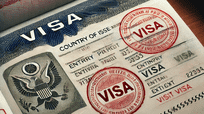
What Is A Work Visa?
A work visa is an official document issued by a country’s immigration authority that allows a foreign national to live and work legally within that country for a specific period. Work visas are essential for international employment and are typically tied to a particular employer, job position, or industry. They often require sponsorship from the hiring organization and proof of qualifications or experience relevant to the role. The application process varies depending on the destination country, type of employment, and the applicant’s nationality. Work visas help regulate the labor market, ensure compliance with local employment laws, and provide a legal framework for foreign workers seeking professional opportunities abroad.
Types Of Work Visas
Different countries offer multiple types of work visas based on the nature of employment. Some common categories include temporary work visas for seasonal or project-based employment, skilled worker visas for high-demand occupations, intra-company transfer visas for employees moving within multinational organizations, and permanent work visas for long-term employment. Each visa type has unique requirements, including education, experience, sponsorship, and language proficiency. Understanding the specific work visa category is crucial, as it influences eligibility, application processing time, fees, and documentation needed. Researching and choosing the appropriate visa type is the first step to ensure a successful and timely application process.
Eligibility Requirements For A Work Visa
Eligibility for a work visa typically includes a combination of professional qualifications, relevant work experience, and an approved job offer from a recognized employer. Many countries require that applicants demonstrate they possess the skills or expertise not readily available in the local labor market. Some nations may also require proof of financial stability, health insurance, and a clean criminal record. Language proficiency in the official language of the host country can be essential, depending on the role. Meeting these eligibility criteria is critical because failure to provide adequate documentation or proof of qualifications can result in application rejection or delays in processing the work visa.
Work Visa Application Process
Applying for a work visa generally involves multiple steps. First, the applicant must secure a job offer from a licensed employer in the host country. Once the offer is confirmed, the applicant submits the required documents, including a valid passport, proof of qualifications, employment contract, and sometimes health and character certificates. Many countries require the employer to submit a sponsorship application or labor market test. The application is then reviewed by the immigration authority, which may conduct background checks and request additional information. Once approved, the visa is issued, allowing the applicant to legally enter and work in the country.
How Long Does It Take To Get A Work Visa
The time it takes to obtain a work visa varies depending on the country, type of visa, completeness of application, and government processing efficiency. Some countries process visas within a few weeks, while others may take several months due to extensive background checks, labor market assessments, or high application volume. Factors that influence processing time include the applicant’s nationality, the employer’s status, the complexity of the role, and whether additional documents such as medical exams or police clearances are required. Planning ahead, submitting complete and accurate documentation, and maintaining communication with the sponsoring employer can help expedite the process.
Work Visa Processing Time By Country
Different countries have varying work visa processing timelines. For example, the United States typically requires several months for H-1B or L-1 visas due to quota restrictions and security checks. Canada and Australia often process skilled worker visas within a few weeks to a few months, depending on the point-based system and demand. European countries like Germany and the UK may process visas in one to three months, factoring in employer sponsorship and labor market tests. Applicants should consult the official immigration websites of their target country for the most up-to-date processing estimates and consider applying well in advance to avoid delays that could affect employment start dates.
Common Challenges In Work Visa Applications
Common challenges in obtaining a work visa include incomplete documentation, missed deadlines, inaccurate information, or failing to meet eligibility requirements. Delays may also occur due to high application volumes or additional verification processes, such as background checks or health screenings. Language barriers, misunderstandings about visa categories, and employer errors in sponsorship submissions are other frequent issues. Applicants can mitigate these challenges by carefully reviewing requirements, ensuring all forms are complete, and seeking professional guidance if needed. Proactively addressing potential obstacles increases the likelihood of approval and reduces the risk of unexpected delays in obtaining the work visa.
Tips To Expedite Work Visa Approval
To speed up work visa approval, applicants should ensure all documents are accurate, complete, and properly authenticated. Engaging a reputable immigration consultant or attorney can help navigate complex procedures and prevent common mistakes. Early submission of required documents, prompt responses to additional information requests, and consistent follow-up with the employer and immigration authorities can significantly reduce delays. Staying informed about country-specific regulations, processing timelines, and priority application options is also beneficial. By planning strategically and maintaining organized records, applicants can enhance the chances of a smoother and faster work visa approval process.
Conclusion
Obtaining a work visa is a structured but sometimes time-consuming process that requires careful preparation, attention to detail, and understanding of country-specific requirements. Processing times vary significantly across countries and visa categories, making it essential for applicants to plan ahead and submit thorough applications. Awareness of eligibility requirements, potential challenges, and strategies to expedite approval can improve the overall experience and reduce delays. Securing a work visa opens the door to legal employment opportunities abroad and helps ensure compliance with immigration regulations, allowing professionals to advance their careers internationally.
Frequently Asked Questions
1. How Long Does It Take To Get A Work Visa
The time it takes to get a work visa depends on multiple factors, including the country of application, the type of work visa, completeness of documentation, and government processing timelines. Some countries may process visas in a few weeks for straightforward cases, while others can take several months due to high application volume, background checks, labor market assessments, and security screenings. Employer sponsorship efficiency and nationality-specific processing requirements also affect timelines. Applicants should ensure all documents are accurate and submitted on time to avoid delays. Planning in advance, following official guidelines, and maintaining communication with the employer and immigration authorities are essential strategies to manage expectations for obtaining a work visa.
2. What Is A Work Visa
A work visa is an official authorization allowing foreign nationals to live and work legally in another country for a defined period. It typically requires sponsorship from an employer, proof of qualifications, and sometimes additional documentation such as health or police clearance certificates. Work visas are designed to regulate foreign labor and ensure compliance with local employment laws.
3. What Are The Eligibility Requirements For Obtaining A Work Visa
Eligibility requirements vary but generally include a valid job offer, relevant qualifications, work experience, financial stability, health insurance, clean criminal record, and sometimes language proficiency. Meeting these ensures compliance with immigration laws and improves chances of approval.
4. How Do I Apply For And Get A Work Visa
Applying for a work visa involves securing a job offer, gathering required documents such as passports, contracts, and certificates, submitting the application to the relevant immigration authority, and sometimes attending interviews or medical exams.
5. How Much Does A Work Visa Cost
The cost of a work visa varies by country, visa type, and processing speed. Fees can include application charges, legal or consultant fees, medical examinations, and biometric processing. Checking the official immigration website is recommended.
6. What Is The Validity Period Of A Work Visa
The validity period differs by visa type and country, typically ranging from one to five years. Some visas are extendable, while others are tied to the duration of employment with the sponsoring employer.
7. Can I Renew My Work Visa
Yes, many countries allow work visa renewal, provided eligibility criteria are still met. Renewal often requires employer sponsorship, updated documentation, and application submission before the existing visa expires.
8. Can My Work Visa Be Transferred To Another Employer
In several countries, transferring a work visa to a different employer is possible but requires approval from immigration authorities. The new employer usually must file a sponsorship application, and processing times may vary.
9. Do I Need Health Insurance For A Work Visa
Most countries require applicants to have valid health insurance coverage. Proof of insurance is often necessary to complete the application and may be a condition for visa issuance or renewal.
10. Can I Include Family Members On My Work Visa
Dependent family members may be included or apply for separate dependent visas. Eligibility, documentation, and processing times for family members vary by country, with some requiring proof of relationship and financial support.
11. Are There Age Limits For Work Visa Applicants
Certain countries have age restrictions for specific work visa categories, often favoring younger professionals or skilled workers. Age limits and requirements should be verified before applying.
12. Do I Need To Pass A Language Test For A Work Visa
Language requirements depend on the host country and job role. Some visas mandate proficiency tests or certifications in the official language to ensure effective communication in the workplace.
13. Can A Work Visa Lead To Permanent Residency
Some work visas provide pathways to permanent residency or citizenship, depending on the host country’s immigration policies and the applicant’s employment duration, qualifications, and contributions.
14. How Long Does It Take To Process A Work Visa Application
Processing times vary widely by country, visa type, and applicant circumstances. Simple applications may be processed in weeks, while complex or high-demand visa types can take several months.
15. What Happens If My Work Visa Application Is Rejected
Rejection may occur due to incomplete documents, ineligibility, or errors. Applicants can often appeal, reapply with corrections, or consult immigration experts to improve future applications.
16. Can I Travel While My Work Visa Is Being Processed
Some countries allow travel with a valid passport during visa processing, while others require applicants to remain in their home country. Policies vary and should be confirmed with official immigration authorities.
17. Is Sponsorship Mandatory For A Work Visa
Most work visas require sponsorship from a recognized employer. Sponsorship confirms the legitimacy of employment, compliance with labor regulations, and commitment to the foreign worker.
18. Can I Study While On A Work Visa
Studying while on a work visa depends on the country and visa conditions. Some allow part-time education, while others restrict activities to employment only. Checking regulations is essential.
19. How Do I Check The Status Of My Work Visa Application
Visa application status can often be tracked online using reference numbers or through the sponsoring employer. Official immigration portals provide updates on processing stages and additional document requests.
20. What Are The Common Mistakes To Avoid When Applying For A Work Visa
Common mistakes include incomplete documentation, missed deadlines, incorrect information, misunderstanding visa categories, and failure to meet eligibility requirements. Careful preparation and attention to detail improve approval chances.
FURTHER READING
- What Are The Eligibility Requirements For Obtaining A Work Visa?
- How To Apply For And Get A Work Visa
- What Is A Work Visa? | Definition, Types, Cost, Duration, Validity Period, Eligibility Requirements, How To Apply For And Get A Work Visa
- What Is The Validity Period Of A Tourist Visa?
- How Much Does A Tourist Visa Cost?
- How Long Does It Take To Get A Tourist Visa?
- What Are The Eligibility Requirements For Obtaining A Tourist Visa?
- How Do I Apply For And Get A Tourist Visa?
- What Is A Tourist Visa? | Definition, Meaning, Cost, Eligibility Requirements, Importance, Duration, Validity, How To Apply For A Tourist Visa
- Can A Student Visa Be Approved Without Proof Of Funds?