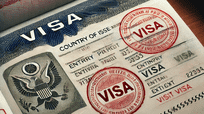
What Is A Tourist Visa?
A tourist visa is an official document or stamp issued by a country that allows foreign nationals to enter, stay, and travel within its borders for a limited period, primarily for leisure, vacation, or tourism purposes. This type of visa is distinct from business, student, or work visas as it does not permit employment or long-term residence. The application process for a tourist visa typically requires submitting identification documents, proof of travel plans, and sometimes financial statements to demonstrate the ability to support oneself during the visit. Understanding the purpose, requirements, and cost of a tourist visa is essential for smooth travel planning and avoiding legal complications during your stay in a foreign country.
Factors That Affect The Cost Of A Tourist Visa
The cost of a tourist visa varies depending on several factors including the destination country, duration of stay, nationality of the applicant, and processing type. Some countries charge higher fees for citizens of specific nations, while others offer reduced fees for children, students, or senior travelers. Additionally, expedited processing or multiple-entry visas generally cost more than standard single-entry visas. Currency fluctuations, consulate service charges, and administrative fees can also affect the overall expense. It is crucial for applicants to research the specific fee structure of the country they plan to visit and include all ancillary costs such as service charges, courier fees, and any mandatory travel insurance requirements to accurately estimate the total cost.
How To Calculate The Total Tourist Visa Expenses
Calculating the total tourist visa expenses involves more than just the official government fee. Applicants should consider application form submission charges, biometric or medical fees if required, document translation and notarization costs, travel insurance, and courier or postage fees for submitting and receiving documents. Some travel agencies offer full-service packages for visa processing, which may include additional service charges. To get an accurate estimate, it’s recommended to consult the official consulate or embassy website of the destination country and create a detailed breakdown of all potential expenses. Planning in advance ensures you are financially prepared and reduces the risk of delays due to incomplete payments.
Payment Methods For Tourist Visa Fees
Most countries accept a variety of payment methods for tourist visa fees including credit or debit cards, bank transfers, online payment portals, and in-person payments at consulates. Some countries allow payments through certified checks or money orders, while others require payment directly at the embassy. It is important to verify the accepted payment methods before applying, as incorrect or incomplete payments can lead to visa delays or rejections. Additionally, keeping proof of payment such as receipts, transaction confirmations, or bank statements is necessary in case of disputes or inquiries during the visa processing period.
Tips To Reduce Tourist Visa Costs
While the official visa fee is usually non-negotiable, travelers can take steps to reduce associated costs. Planning the trip well in advance allows access to standard processing fees and avoids expensive expedited services. Applying directly through official embassy portals instead of third-party agencies can save on service charges. Sharing documents with family members traveling together may reduce duplication of translation or notarization costs. Additionally, some countries offer discounted or waived fees for students, children, or senior citizens, so checking eligibility for such exemptions can further reduce expenses. Proper planning and research ensure you minimize overall costs without compromising compliance or legal requirements.
Common Misconceptions About Tourist Visa Costs
Many travelers assume that the visa fee is the only cost involved, overlooking additional expenses like document preparation, travel insurance, or courier services. Others believe that a higher fee guarantees faster approval, which is not always the case as processing times are largely determined by consulate procedures. Some people also assume that visa costs are the same for all applicants regardless of nationality or type of entry, which can lead to financial surprises. Understanding these misconceptions and planning for all potential costs ensures transparency and avoids last-minute budgetary challenges, making your travel experience smoother and more predictable.
Planning For Multiple Destinations And Visas
Travelers planning to visit multiple countries must account for separate tourist visa fees for each destination. Schengen visas, for example, allow travel across 26 European countries but require a single application fee, whereas traveling to non-Schengen countries in Europe would involve additional visa applications and fees. Similarly, countries in Asia, Africa, and the Americas have distinct visa requirements and costs. Combining destinations in one travel plan requires careful budgeting and scheduling to avoid overlapping or missed applications. Researching each country’s visa policies and associated costs ensures proper preparation and helps travelers avoid unexpected expenses or legal complications.
Conclusion
The cost of a tourist visa is influenced by multiple factors including destination, duration of stay, nationality, and type of visa. Additional expenses like document preparation, service fees, travel insurance, and courier charges also contribute to the total cost. Proper planning, research, and understanding of visa requirements help travelers estimate expenses accurately, avoid unnecessary charges, and ensure smooth processing. By taking these factors into account, you can make informed financial decisions for your travel plans and enjoy a hassle-free experience while exploring new countries.
Frequently Asked Questions
1. How Much Does A Tourist Visa Cost?
The cost of a tourist visa varies widely depending on the country you plan to visit, your nationality, the duration of your stay, and whether you need a single-entry or multiple-entry visa. Generally, fees range from $20 to $250 for standard visas, with some countries offering discounted rates for children, students, or senior citizens. Additional expenses may include processing fees, biometric charges, document translation, courier services, and travel insurance. Some countries allow online payment while others require payment at the embassy. It is crucial to consult the official consulate website of your destination to get an accurate, up-to-date fee and understand all associated costs before applying for your tourist visa.
2. What Are The Factors That Influence The Cost Of A Tourist Visa?
The cost of a tourist visa is influenced by multiple factors including your nationality, destination country, duration of stay, type of visa (single-entry or multiple-entry), and processing speed. Other factors include age-based discounts, additional service charges, travel insurance requirements, and consulate-specific administrative fees. Currency exchange rates and local regulations can also affect the final cost. Understanding these factors helps travelers budget effectively and avoid surprises. Checking the official embassy or consulate website ensures that all factors affecting the visa cost are considered and allows you to plan ahead for a smooth and financially prepared travel experience.
3. How Do I Pay For A Tourist Visa?
Tourist visa payments are usually made via accepted methods such as credit or debit cards, online payment portals, bank transfers, certified checks, money orders, or in-person payments at the embassy. Some countries allow multiple payment methods, while others may require specific procedures. Ensuring payment is completed correctly is essential, as incorrect or incomplete payments can lead to delays or visa rejection. Travelers should retain proof of payment like receipts or transaction confirmations. Always confirm accepted payment methods through the official consulate or embassy website to avoid unnecessary complications and ensure that your tourist visa application proceeds smoothly without additional financial obstacles.
4. Can I Reduce The Cost Of A Tourist Visa?
Yes, while the official visa fee itself is generally fixed, travelers can reduce overall costs by applying directly through official consulate portals, avoiding third-party service charges, and planning in advance to avoid expedited processing fees. Discounts may apply to students, senior citizens, and children in some countries. Sharing document translations and notarizations with family members or travel companions can also reduce duplicate expenses. Properly preparing applications, combining trips efficiently, and researching eligibility for fee waivers or exemptions helps minimize total tourist visa costs. Being informed and strategic in your approach ensures you save money while remaining compliant with all visa regulations.
5. Do Different Countries Charge Different Tourist Visa Fees?
Yes, tourist visa fees vary significantly between countries. Developed nations often have higher fees, while some developing countries offer lower costs to encourage tourism. Visa fees can also differ based on nationality, age, or purpose of travel. Additionally, some countries offer free visas for specific nationalities or short-term visits. Checking the embassy or consulate website of the country you plan to visit provides accurate and up-to-date information on fees and potential discounts. Understanding these differences is essential for budget planning and helps travelers avoid unexpected expenses during their international trips.
6. Are There Additional Charges Beyond The Standard Tourist Visa Fee?
Yes, additional charges beyond the official visa fee may include biometric fees, document translation and notarization costs, travel insurance, courier or postage fees, and service charges from travel agencies. Expedited processing or multiple-entry visas may also incur higher costs. These additional charges can significantly impact the total expenses of obtaining a tourist visa. Travelers should prepare a comprehensive budget including all possible fees to ensure they are financially ready. Consulting the official consulate or embassy website is essential to identify all potential additional charges and avoid surprises during the application process.
7. How Long Does It Take To Process A Tourist Visa?
Processing times for tourist visas vary by country and type of visa. Standard processing usually takes between 5 and 20 business days, while expedited or priority services may reduce the time to 1–5 business days. Factors influencing processing times include the volume of applications, your nationality, completeness of documentation, and whether biometric data or interviews are required. Delays may occur during peak travel seasons or due to additional verification requirements. Applying early and ensuring all documentation is accurate helps avoid last-minute travel disruptions. Understanding the expected processing time allows travelers to plan their trips effectively and minimize stress.
8. Do Children And Seniors Pay The Same Tourist Visa Fee?
Not necessarily. Many countries offer reduced or waived tourist visa fees for children, students, or senior citizens. Age-specific discounts are designed to encourage family travel and make tourism more accessible. It is essential to check the consulate or embassy website for eligibility criteria, required documentation, and exact fees applicable to different age groups. Planning in advance and taking advantage of these exemptions can significantly reduce total travel costs. Being aware of such provisions ensures that families and senior travelers can budget appropriately and enjoy the benefits of cost savings while complying with visa regulations.
9. Does The Type Of Entry Affect Tourist Visa Costs?
Yes, the type of entry directly affects the cost of a tourist visa. Single-entry visas are generally cheaper, allowing one entry into the country for a specified duration. Multiple-entry visas are more expensive but permit travelers to enter and exit the country multiple times within a validity period, which is beneficial for extended or multi-destination trips. The type of visa also influences processing requirements and potential additional fees. Understanding your travel plans and selecting the appropriate entry type helps you avoid unnecessary expenses, ensures compliance with immigration rules, and allows for a cost-effective travel experience.
10. Are Online Tourist Visa Applications Cheaper?
Online tourist visa applications, often referred to as e-visas, can sometimes be cheaper than traditional embassy applications, primarily due to reduced administrative and courier costs. Some countries also offer discounts for early online applications. However, e-visa fees vary by country and may include online processing charges. Travelers must ensure they meet eligibility requirements and submit accurate information to avoid rejection. Using official government portals for online applications ensures safety, reliability, and potential cost savings. Comparing online versus in-person application costs is a prudent step in planning a financially efficient travel strategy.
11. How Does Travel Insurance Affect Tourist Visa Costs?
Travel insurance is often mandatory for obtaining a tourist visa, and the cost varies based on the destination, coverage period, and insured amount. Insurance protects travelers against medical emergencies, trip cancellations, and unforeseen incidents. Including insurance in the total visa cost ensures an accurate budget for the trip. Some countries allow combining visa fees with insurance purchases through official portals, while others require separate arrangements. Choosing a comprehensive insurance plan suitable for your travel plans not only ensures compliance with visa requirements but also provides peace of mind and financial security during your international trip.
12. Are Expedited Visa Services Worth The Extra Cost?
Expedited or priority visa services can be worth the extra cost if you have limited time before travel. These services reduce processing times significantly, sometimes completing in just a few business days. While the fees are higher than standard processing, they offer convenience and certainty, especially during peak travel periods. Travelers must weigh the additional expense against the urgency of their travel plans. Ensuring all documents are complete and accurate is still necessary to avoid delays. Expedited services provide a practical solution for last-minute trips but should be budgeted carefully to avoid unexpected financial strain.
13. Do Embassy Service Fees Affect Tourist Visa Costs?
Yes, some embassies charge service fees in addition to the official visa application fee. These fees cover administrative tasks, document handling, and appointment scheduling. Service fees vary by country and can increase the total cost of obtaining a tourist visa. It is important to check whether the consulate or embassy includes these fees in the listed visa cost or if they are separate charges. Understanding all applicable service fees helps travelers budget accurately and avoid surprises during the visa application process. Proper research ensures financial preparedness and smooth visa processing.
14. Can Group Applications Reduce Tourist Visa Costs?
Yes, some countries allow group visa applications, which can reduce costs per applicant by consolidating document processing, translation, and courier fees. Family or group travel often benefits from shared services, making it more cost-effective than applying individually. Certain consulates also offer group discounts or streamlined procedures for multiple applicants traveling together. Checking the embassy or consulate’s guidelines for group applications is essential to ensure eligibility and proper documentation. Utilizing group application options can save both time and money, making it an efficient choice for families, friends, or tour groups traveling together.
15. Do Currency Exchange Rates Affect Tourist Visa Costs?
Yes, visa fees are usually charged in the local currency of the destination country. Fluctuations in currency exchange rates can increase or decrease the cost for international applicants. Paying through banks or online portals may include conversion fees or additional charges, affecting the total expense. Travelers should monitor exchange rates and choose the most cost-effective payment method. Planning payments in advance and understanding the impact of currency variations ensures accurate budgeting and prevents unexpected financial burdens. Being aware of these factors contributes to a smoother visa application process and better financial management.
16. Are Multiple-Destination Trips More Expensive For Tourist Visas?
Yes, traveling to multiple countries often requires separate tourist visas for each destination, significantly increasing costs. For example, visiting multiple European countries outside the Schengen zone may involve multiple visa applications and fees. Similarly, multi-country trips in Asia or Africa require distinct visa approvals. Budgeting for each visa separately ensures financial preparedness and avoids last-minute complications. Planning itineraries carefully and checking for multi-entry or regional visas can help reduce total costs. Understanding visa requirements for all destinations is essential for effective travel planning and cost management.
17. How Often Do Tourist Visa Fees Change?
Tourist visa fees can change periodically due to government policy updates, inflation, or currency fluctuations. Embassies and consulates may adjust fees without prior notice, making it essential to verify current rates before application. Relying on outdated information can lead to incorrect budgeting or payment issues. Official government portals and embassy websites provide the most accurate and up-to-date fee information. Staying informed about fee changes ensures travelers are financially prepared and compliant with the latest regulations, avoiding delays or rejections during the visa application process.
18. Are There Free Tourist Visa Options?
Some countries offer visa-free entry for certain nationalities, allowing short-term travel without paying a tourist visa fee. Others provide visa-on-arrival options that may include minimal processing charges. Eligibility is typically based on bilateral agreements, duration of stay, or purpose of visit. Travelers should check official government websites for up-to-date information on visa exemptions or free entry programs. Understanding these options can significantly reduce travel costs and simplify planning. Being aware of visa-free or visa-on-arrival provisions allows travelers to optimize their itineraries and budget efficiently for international trips.
19. How Does Nationality Affect Tourist Visa Costs?
Nationality is a major factor in determining tourist visa fees, as some countries charge higher fees for citizens of specific nations due to bilateral agreements or security regulations. Conversely, certain nationalities may enjoy reduced fees, exemptions, or visa-free travel. Checking the visa policy applicable to your nationality is essential for accurate cost estimation. Failing to account for nationality-based differences can result in unexpected expenses or application rejection. Consulting official embassy or consulate resources ensures you understand applicable fees and any special conditions associated with your nationality, enabling proper financial planning and compliance with visa requirements.
20. Is It Necessary To Budget For Additional Costs Beyond The Tourist Visa Fee?
Absolutely. Beyond the official visa fee, travelers should budget for document preparation, translations, notarizations, biometric requirements, travel insurance, courier or postage fees, and potential service charges from third-party agencies. Accounting for these expenses ensures a realistic estimate of total travel costs and prevents financial surprises. Proper budgeting and planning allow travelers to complete visa applications efficiently, comply with all regulations, and avoid unnecessary delays. Being aware of all associated costs supports a smoother, stress-free international travel experience while ensuring compliance with immigration requirements and financial preparedness.
FURTHER READING
- How Long Does It Take To Get A Tourist Visa?
- What Are The Eligibility Requirements For Obtaining A Tourist Visa?
- How Do I Apply For And Get A Tourist Visa?
- What Is A Tourist Visa? | Definition, Meaning, Cost, Eligibility Requirements, Importance, Duration, Validity, How To Apply For A Tourist Visa
- Can A Student Visa Be Approved Without Proof Of Funds?
- Can A Student Visa Holder Bring Parents?
- Can I Get A Refund If My Student Visa Is Rejected?
- Can I Apply For A Student Visa Without Sponsorship?
- Can A Student Visa Be Extended After Graduation?
- Can I Apply For A Student Visa Without An Offer Letter?