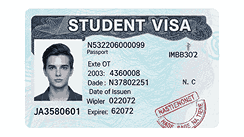
What Is A Student Visa?
A student visa is a legal authorization granted by a country to foreign nationals who wish to study at accredited educational institutions within its borders. These visas are designed to allow international students to reside in the host country for the duration of their academic program, whether it is for undergraduate, graduate, or specialized courses. Student visas often come with specific requirements such as full-time enrollment, maintaining a certain academic standard, and sometimes restrictions on employment. Understanding what a student visa entails is crucial for international students who wish to plan for potential extensions or transitions after graduation, especially if they want to work or continue their studies in the host country.
Eligibility Criteria For Extending A Student Visa After Graduation
Extending a student visa after graduation typically depends on the immigration policies of the host country. Many countries allow graduates to remain temporarily to seek employment, pursue further education, or participate in internship programs. Eligibility often includes having successfully completed an eligible program, maintaining valid visa status throughout study, and sometimes demonstrating sufficient financial resources to support oneself. Certain countries may also require students to apply within a specific period after graduation, and some may impose age or language proficiency requirements. Understanding these criteria helps graduates plan their post-graduation stay without violating visa regulations.
Types Of Post-Graduation Visa Extensions
There are several pathways for extending a student visa after graduation. Common options include post-study work visas, graduate visas, and temporary employment visas designed for international students. Some countries also allow transition to skilled work visas if graduates secure employment in relevant fields. Post-graduation extensions may differ in duration, eligibility, and conditions, such as job search limits or full-time employment requirements. Additionally, some countries provide bridging visas for graduates awaiting a change in visa status. Being aware of all types of extensions allows graduates to choose the most suitable option based on career goals, long-term residency plans, and immigration pathways.
Application Process For Extending A Student Visa
The process of extending a student visa after graduation generally involves submitting an application to the relevant immigration authority. Applicants must provide supporting documents, which may include proof of graduation, valid passport, financial statements, employment offers if applicable, and completed application forms. In some countries, an online application system is used, while others require in-person submission. Processing times vary depending on the type of extension and the host country’s regulations. Understanding and following the exact procedural requirements is essential to avoid visa lapses, rejections, or penalties that could affect future residency or work eligibility.
Required Documents For Visa Extension
When applying to extend a student visa after graduation, accurate and complete documentation is critical. Typically required documents include a valid passport, graduation certificate or transcripts, current visa, proof of financial stability, and sometimes an offer of employment or enrollment in a further study program. Some countries may also request medical examinations, police clearance certificates, or proof of accommodation. Missing or incorrect documents can lead to delays or denials, making it important for graduates to carefully review the host country’s official immigration guidelines. Preparing all necessary documents beforehand increases the likelihood of a successful visa extension.
Duration And Limitations Of Post-Graduation Extensions
The duration of post-graduation visa extensions varies by country and visa type. Commonly, post-study work visas range from six months to three years, depending on the level of education completed and field of study. Limitations may include restrictions on the type of employment, working hours, or eligibility to switch to permanent residency. Some countries allow multiple extensions, while others permit only a single post-graduation visa. Understanding these durations and limitations enables graduates to plan career and residency paths effectively, ensuring compliance with immigration laws while maximizing professional and educational opportunities.
Work Opportunities During Extended Stay
One of the key benefits of extending a student visa after graduation is the ability to gain work experience in the host country. Graduates may access full-time employment, internships, or part-time work depending on visa regulations. Certain visas also allow self-employment or entrepreneurship opportunities. Gaining professional experience while on a post-graduation extension can improve career prospects and may serve as a pathway to permanent residency or skilled work visas. Understanding the specific work privileges tied to an extended visa helps graduates make informed decisions and avoid inadvertent violations of visa conditions.
Transition From Student Visa To Permanent Residency
In some countries, extending a student visa after graduation can act as a stepping stone toward permanent residency. Post-graduation work experience, qualifications, and skills may contribute points under skilled migration systems. Countries with points-based immigration often favor graduates in high-demand occupations, giving them advantages in residency applications. Proper planning, compliance with visa rules, and timely application for extensions can facilitate this transition. Awareness of long-term residency pathways empowers graduates to strategically align their academic and career choices with immigration opportunities.
Common Challenges And How To Overcome Them
Graduates may face challenges when seeking to extend a student visa, including changing immigration policies, high documentation requirements, and processing delays. Employment gaps, insufficient funds, or incomplete applications can result in denials. To overcome these obstacles, students should stay informed about updates from immigration authorities, maintain accurate records, seek professional guidance if necessary, and apply well in advance of visa expiration. Proactive planning reduces stress and increases the likelihood of a smooth transition from student status to post-graduation or work-based visa status.
Conclusion
Extending a student visa after graduation is a critical step for international students seeking to continue living, working, or studying in a host country. By understanding eligibility criteria, available visa types, application procedures, required documents, and work opportunities, graduates can make informed decisions that align with career goals and long-term residency plans. Awareness of challenges and careful preparation ensures a seamless post-graduation experience while remaining compliant with immigration regulations. Ultimately, knowing the pathways to extend a student visa empowers graduates to maximize opportunities and secure a productive future abroad.
Frequently Asked Questions
1. Can A Student Visa Be Extended After Graduation?
Yes, a student visa can often be extended after graduation, depending on the host country’s immigration policies. Post-graduation visa extensions allow graduates to remain temporarily for employment, further study, or internships. Eligibility usually requires completion of an eligible program, maintaining valid visa status, and applying within a specific timeframe after graduation. Extensions may vary in duration, with some countries offering six months to three years. Additional requirements might include proof of employment, sufficient funds, or enrollment in further study programs. Proper planning, timely application, and adherence to immigration regulations are essential to ensure successful extension and avoid visa lapses.
2. What Are The Eligibility Requirements For Extending A Student Visa After Graduation?
Eligibility requirements for extending a student visa after graduation typically include completion of a recognized academic program, maintaining valid visa status during studies, and submitting an application within the prescribed period after graduation. Some countries also require evidence of sufficient financial resources, proficiency in the local language, and compliance with immigration regulations. Certain extensions may require graduates to secure a job in a field related to their studies or enroll in a higher degree program. Meeting these requirements ensures that graduates can legally remain in the host country, gain work experience, or pursue further education without violating visa conditions.
3. How Long Can A Student Visa Be Extended After Graduation?
The duration of a student visa extension after graduation varies depending on the country and type of extension. Post-study work visas can range from six months to three years, depending on the graduate’s level of education and the host country’s immigration rules. Some extensions may be limited to the period required to find employment or complete an internship. Others may allow multiple extensions or lead to permanent residency. Understanding these durations helps graduates plan career transitions and long-term residency options. It is important to comply with all visa conditions during this period to avoid jeopardizing future immigration opportunities or legal status in the host country.
4. What Types Of Visa Extensions Are Available After Graduation?
Several types of visa extensions may be available after graduation, including post-study work visas, graduate visas, temporary employment visas, and bridging visas. Post-study work visas allow graduates to gain professional experience, while graduate visas may facilitate further study. Temporary employment visas often enable graduates to work in sectors aligned with their field of study. Some countries also provide pathways to skilled work visas or permanent residency through specific programs. Understanding the different visa types ensures graduates can choose an extension that aligns with career goals, residency plans, and long-term aspirations while complying with immigration regulations.
5. What Documents Are Required To Extend A Student Visa After Graduation?
Required documents for extending a student visa after graduation generally include a valid passport, proof of graduation or transcripts, current visa, financial statements, and, in some cases, an employment offer or further study enrollment. Additional documents may include medical examinations, police clearance, or proof of accommodation. Each country has specific documentation requirements, and missing or incorrect documents can result in delays or denials. Preparing documents accurately and in advance is crucial. Reviewing official immigration guidelines ensures compliance and increases the chances of a successful application, enabling graduates to legally extend their stay and pursue work or further studies.
6. Can Graduates Work While On A Post-Graduation Visa Extension?
Yes, many post-graduation visa extensions permit graduates to work full-time, part-time, or engage in internships. Some countries also allow self-employment or entrepreneurial activities. Work opportunities help graduates gain valuable professional experience and may serve as a pathway to permanent residency or skilled work visas. The scope of permitted work varies by visa type and country regulations. Graduates should carefully review their visa conditions to ensure compliance, avoid penalties, and maximize employment benefits. Proper planning can optimize career growth while legally remaining in the host country after graduation.
7. Are There Age Restrictions For Extending A Student Visa After Graduation?
Some countries impose age restrictions for post-graduation visa extensions, while others do not. Age limits often apply to specific visa categories or programs, such as post-study work visas or skilled migration pathways. These restrictions may be designed to prioritize younger graduates or align with workforce planning policies. Understanding the host country’s rules regarding age eligibility is essential for planning extensions. Graduates nearing or exceeding age limits should explore alternative immigration pathways, such as employer-sponsored visas, further study, or other residency options, to continue their stay legally after graduation.
8. How Soon Should Graduates Apply For Visa Extensions After Graduation?
Graduates should apply for visa extensions as soon as possible after graduation and within the timeframe specified by the host country. Early application reduces the risk of visa lapses and ensures sufficient processing time. Some countries allow applications before graduation, while others require submission within weeks or months post-graduation. Timely submission is crucial for maintaining legal status, securing work opportunities, or transitioning to further study. Planning ahead, gathering required documents, and monitoring immigration guidelines can prevent delays and increase the likelihood of successful post-graduation visa extensions.
9. Can International Students Switch To A Work Visa After Graduation?
Yes, many countries allow international students to switch from a student visa to a work visa after graduation. Post-study work visas, temporary employment visas, and skilled migration visas often serve this purpose. Eligibility generally requires completion of an eligible program, valid visa status, and sometimes securing a job in a field related to the degree. Switching to a work visa provides a pathway to gain professional experience and may contribute to permanent residency eligibility. Understanding the specific procedures, required documentation, and timelines ensures a smooth transition without violating immigration regulations.
10. What Happens If A Student Visa Expires Before Applying For Extension?
If a student visa expires before applying for an extension, graduates may face penalties, fines, or legal complications. Overstaying can result in visa refusal, bans on future entry, or deportation. Some countries offer grace periods or bridging visas for late applications, but these must be carefully managed. To avoid these issues, graduates should monitor visa expiration dates, prepare applications in advance, and follow immigration guidelines meticulously. Timely action is crucial to maintain legal status, access work opportunities, and ensure eligibility for future visas or residency programs.
11. Is There A Limit On How Many Times A Student Visa Can Be Extended?
The number of times a student visa can be extended varies by country and visa type. Some countries allow multiple extensions, particularly for further study or post-graduation work purposes, while others restrict extensions to a single post-study period. Understanding these limits helps graduates plan educational or professional pathways effectively. Repeated extensions may require additional documentation, eligibility verification, and compliance with changing immigration rules. Being aware of extension limits ensures graduates can maximize opportunities while avoiding breaches of visa conditions.
12. Can A Student Visa Extension Lead To Permanent Residency?
In certain countries, extending a student visa after graduation can contribute toward permanent residency. Post-graduation work experience, qualifications, and skills may be considered under points-based immigration or skilled migration programs. Graduates in high-demand occupations often receive advantages, increasing the likelihood of obtaining permanent residency. Careful planning, compliance with visa regulations, and timely applications are essential to leverage post-graduation extensions as a pathway to long-term residency. Understanding these opportunities allows graduates to align their academic and career choices with immigration strategies.
13. Are There Fees Associated With Extending A Student Visa After Graduation?
Yes, most countries charge fees for processing student visa extensions. The amount varies depending on visa type, duration, and immigration authority. Additional costs may include health insurance, document verification, or translation services. Being aware of these fees is important for financial planning and avoiding unexpected expenses. Paying fees accurately and on time is necessary for application acceptance. Graduates should consult official immigration websites to determine current fees and permissible payment methods to ensure a smooth post-graduation visa extension process.
14. Can Graduates Study Further While On A Student Visa Extension?
Many post-graduation visa extensions allow graduates to enroll in further studies, including advanced degrees or short courses. Some visas may require evidence of enrollment in an eligible program, while others permit flexible study alongside work. Pursuing additional education can enhance career prospects, support visa eligibility, or contribute to permanent residency pathways. Graduates should verify host country regulations regarding study during visa extensions to ensure compliance. Combining work and further study strategically can maximize professional development while legally maintaining residence after graduation.
15. What Are The Risks Of Applying Late For A Student Visa Extension?
Applying late for a student visa extension carries risks such as denial, overstaying penalties, and potential bans on future entry. Delays in processing can also limit work opportunities or access to services. Late applications may require additional documentation, proof of extenuating circumstances, or payment of fines. To mitigate risks, graduates should track visa expiration dates, prepare documents early, and submit applications promptly. Being proactive ensures legal compliance, uninterrupted residency, and smooth transition to work, study, or permanent residency opportunities after graduation.
16. Do All Countries Allow Student Visa Extensions After Graduation?
Not all countries permit student visa extensions after graduation. Policies vary widely depending on national immigration laws, workforce needs, and education systems. Some countries provide post-study work visas, while others require graduates to leave immediately upon program completion. It is important for international students to research host country regulations in advance, understand available options, and plan career or residency pathways accordingly. Consulting official immigration sources ensures accurate information, helping graduates make informed decisions about staying, working, or continuing studies abroad.
17. Can Family Members Stay On A Dependent Visa During Post-Graduation Extensions?
In many countries, dependents on a family visa can remain with graduates during post-graduation extensions, but rules vary. Eligibility may depend on the primary visa holder maintaining valid status, financial sufficiency, and compliance with visa conditions. Some visas may limit work or study rights for dependents. Understanding dependent visa policies ensures families can remain together legally while graduates pursue work or further studies. Proper planning and timely applications for dependents’ visa extensions are essential to avoid legal issues and maintain family stability during post-graduation stays.
18. How Can Graduates Check Their Eligibility For A Visa Extension?
Graduates can check eligibility for visa extensions by consulting official immigration websites, reviewing visa guidelines, or seeking advice from educational institutions and immigration advisors. Eligibility criteria typically include program completion, valid visa status, financial sufficiency, and sometimes job offers or further study enrollment. Staying updated on policy changes, understanding documentation requirements, and adhering to application timelines are essential. By proactively verifying eligibility, graduates can plan their post-graduation stay, avoid penalties, and maximize opportunities for work, study, or permanent residency.
19. Are There Language Requirements For Extending A Student Visa After Graduation?
Some countries impose language requirements for post-graduation visa extensions, particularly for skilled migration or work visa pathways. Proof of proficiency in the host country’s language may be required through standardized tests or educational credentials. Language requirements ensure graduates can integrate into the workforce or society effectively. Understanding these requirements early allows graduates to prepare documentation or complete language assessments in time. Meeting language proficiency standards is crucial for approval of visa extensions, employment opportunities, and long-term residency prospects.
20. What Resources Are Available To Help With Post-Graduation Visa Extensions?
Various resources can assist graduates with post-graduation visa extensions, including official immigration websites, educational institution international offices, legal advisors, and professional immigration consultants. Online guides, forums, and webinars also provide practical advice and tips. Utilizing these resources ensures accurate information on eligibility, documentation, application processes, and timelines. Graduates should cross-reference multiple sources to avoid misinformation, plan effectively, and increase the likelihood of successful visa extension. Accessing these resources proactively supports smooth transition from student status to work or further studies abroad.
FURTHER READING
- Can I Apply For A Student Visa Without An Offer Letter?
- Can I Study Abroad Without A Student Visa?
- Can I Switch From A Student Visa To A Tourist Visa?
- What Are The Chances Of Getting A Student Visa Approved?
- Can I Work After My Student Visa Expires?
- What Happens If My Student Visa Application Is Pending?
- What Are The Reasons For A Student Visa Revocation?
- Can I Travel During My Student Visa Application Process?
- Can I Apply For A Student Visa Without TOEFL
- Can A Student Visa Holder Start A Business?
- Can I Transfer My Student Visa To Another Program?
- What Is The Easiest Way To Get A Student Visa?