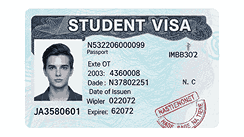
What Is A Student Visa?
A student visa is a legal authorization granted by a government that allows international students to enter a foreign country for the purpose of pursuing education. It is typically tied to a specific academic institution and course of study, meaning the visa holder must comply with the conditions set by immigration authorities. A student visa often comes with limitations, such as restricted working hours, prohibition on full-time employment, and restrictions on starting or managing a business. Its main purpose is to ensure the individual remains focused on academic goals rather than engaging in commercial activities. Understanding the scope, rights, and limitations of a student visa is the foundation for knowing whether business ventures are possible while studying abroad.
Business Restrictions On Student Visa Holders
Most student visa holders face significant restrictions when it comes to engaging in business activities. Immigration laws are designed to ensure that students dedicate their time primarily to academic pursuits. In countries like the United States, United Kingdom, Canada, and Australia, student visa regulations explicitly prohibit visa holders from starting or running a business. Instead, they are usually only permitted to work part-time jobs within specific limits, often up to 20 hours per week during school terms. Attempting to start or operate a business while on a student visa can be considered a violation of visa conditions and may result in penalties, including visa cancellation, deportation, or bans from re-entry into the host country.
Legal Consequences Of Violating Student Visa Rules
Violating student visa conditions by starting a business can have serious consequences for international students. Immigration authorities take compliance very seriously, and even small infractions can affect future immigration prospects. If a student visa holder is caught running or attempting to run a business, they may face immediate visa cancellation, loss of legal status, and potential deportation. Additionally, violations can leave a negative record that affects future visa applications, making it difficult to apply for work permits, permanent residency, or future student visas. For this reason, it is crucial for students to understand their visa restrictions and consult with authorized immigration advisors before pursuing any entrepreneurial activity while studying abroad.
Countries With Strict Student Visa Policies
Different countries have different approaches to student visa rules, but most enforce strict policies regarding business activities. In the United States, F-1 visa holders are not permitted to engage in business operations. Similarly, in the United Kingdom, Tier 4 student visa holders cannot run a business or be self-employed. Canada also prohibits international students from establishing businesses while studying, and Australia enforces similar rules under its Subclass 500 visa. These regulations are meant to prevent misuse of student visas and ensure that students focus primarily on their academic commitments. While part-time work is allowed under strict conditions, entrepreneurship is generally restricted until after graduation when proper visas or permits can be obtained.
Options For Entrepreneurial Students
For student visa holders who wish to explore business ideas, there are alternative options available. One possibility is to pursue entrepreneurial training programs or business incubators offered by universities, which allow students to develop business ideas without violating visa conditions. Another option is to collaborate with business partners who hold the proper legal status to run the company while the student contributes ideas or research without directly managing operations. After graduation, many countries provide post-study work visas or startup visas designed for graduates who want to start a business. These programs allow former students to transition legally into entrepreneurship while maintaining compliance with immigration laws.
Post-Graduation Business Opportunities
After completing studies, many countries offer opportunities for international students to remain and start businesses legally. For example, the United Kingdom has a Graduate Route visa that allows recent graduates to work or establish a business. In Canada, graduates may apply for a Post-Graduation Work Permit, which can eventually lead to permanent residency and business ownership rights. The United States provides options like Optional Practical Training (OPT) and, in some cases, pathways to entrepreneurial visas. Australia also has post-study work visas with options for graduates to become entrepreneurs. These pathways ensure that international students who wish to transition from academics to entrepreneurship can do so legally without jeopardizing their immigration status.
Benefits Of Waiting To Start A Business
While the restrictions may feel frustrating, waiting until after graduation to start a business can have long-term benefits. During studies, students can focus on developing strong academic knowledge, networking with industry professionals, and building a solid foundation for future business success. Post-graduation work permits or startup visas usually provide more freedom to pursue entrepreneurial goals without the risk of violating immigration laws. Additionally, by waiting, students can take advantage of post-study resources, alumni networks, and business mentorship programs. This approach allows them to launch a business with better preparation, legal security, and greater chances of success, compared to rushing into entrepreneurship while still on a restricted student visa.
Alternatives To Running A Business As A Student
International students who wish to gain entrepreneurial experience without directly running a business have several options. They can participate in student entrepreneurship clubs, join innovation labs, or work on startup projects as team members rather than founders. Students may also intern with startups to learn firsthand how businesses operate in the host country. Another option is freelancing or consulting in areas where the visa permits limited self-employment, although this depends heavily on the country’s regulations. These alternatives allow students to gain practical entrepreneurial skills and experience while staying compliant with visa restrictions. Such exposure is invaluable for future ventures after graduation, where full legal business opportunities become available.
Conclusion
A student visa is primarily designed for education and comes with strict restrictions that limit entrepreneurial activities. Most countries prohibit student visa holders from starting or running businesses, with penalties for violations ranging from visa cancellation to deportation. However, students who aspire to become entrepreneurs can take advantage of alternative opportunities, such as university programs, business incubators, and collaborations with legal partners. Post-graduation visas provide legitimate pathways to entrepreneurship, offering a safer and more sustainable approach. Waiting until after completing studies ensures compliance with immigration laws, provides better preparation, and improves the chances of long-term business success.
Frequently Asked Questions
1. Can A Student Visa Holder Start A Business?
A student visa holder is generally not permitted to start or run a business while studying abroad. Immigration laws in most countries restrict students from engaging in entrepreneurial activities to ensure their primary focus remains on academics. Violating this rule can lead to severe consequences, including visa cancellation, deportation, and restrictions on future visa applications. However, students can explore entrepreneurial programs offered by universities, participate in innovation labs, or work on ideas informally without registering a business. After graduation, many countries offer startup visas or post-study work permits that allow international students to legally start a business. The best approach is to wait until studies are complete before pursuing entrepreneurship.
2. What Is A Student Visa?
A student visa is an official authorization granted by a government that allows an international student to enter and stay in a country for educational purposes. It is typically issued for the duration of a program at a recognized institution and comes with strict conditions. These may include limitations on working hours, restrictions on business ownership, and the requirement to remain enrolled in studies. The primary purpose of a student visa is to support education, not business. Immigration authorities often conduct checks to ensure compliance. Failure to adhere to these rules may result in penalties, including the loss of legal status. Therefore, understanding student visa restrictions is essential before considering entrepreneurial activities abroad.
3. Can A Student Visa Holder Work While Studying?
Yes, most student visas allow limited work rights, but with specific restrictions. For example, international students in countries like the United States, United Kingdom, Canada, and Australia are often permitted to work part-time, usually up to 20 hours per week during academic terms. During holidays or breaks, full-time work may be allowed. However, these jobs must typically be traditional employment rather than self-employment or running a business. Students are not allowed to engage in freelance or entrepreneurial activities that count as business ownership. Violating these conditions can result in penalties. For students needing additional income or work experience, part-time jobs or internships are the safest legal options under a student visa.
4. Why Can’t A Student Visa Holder Start A Business?
Student visa holders cannot start businesses primarily because immigration policies prioritize education over commercial activities. Governments design these rules to ensure international students remain focused on their studies without distractions from entrepreneurial ventures. Running a business involves managing operations, earning profits, and taking on legal responsibilities that could conflict with student obligations. Furthermore, business activities may compete with local entrepreneurs, which some governments aim to restrict. These rules also protect students from inadvertently violating tax, employment, and corporate laws. By prohibiting business ownership, authorities maintain clear boundaries between education and entrepreneurship. Students interested in starting businesses must wait until they transition to a visa category that permits such activities.
5. What Happens If A Student Visa Holder Starts A Business Illegally?
If a student visa holder is caught starting or operating a business illegally, the consequences can be severe. Immigration authorities often take violations seriously and may cancel the visa immediately, leading to deportation and loss of legal status. In some cases, the student may also face fines, restrictions on future visa applications, and bans on re-entry into the host country. Illegal business activities can also create tax and legal liabilities, further complicating matters. Such violations can damage long-term career and immigration opportunities. Therefore, it is strongly advised that students avoid starting businesses while on a student visa and instead explore legal alternatives until their visa status changes.
6. Are There Any Legal Ways For Students To Pursue Entrepreneurship?
Yes, there are legal ways for students to pursue entrepreneurship without violating visa rules. Many universities offer business incubators, startup accelerators, and innovation labs where students can develop entrepreneurial ideas in a safe, supportive environment. Students may also join entrepreneurship clubs or competitions that simulate business experiences without requiring legal company registration. Additionally, students can partner with individuals who have the legal right to run a business while they contribute ideas, research, or creativity. Some countries also allow limited freelance or self-employment under certain conditions, though this varies widely. The safest approach is to explore programs provided by the educational institution and transition to an appropriate visa after graduation.
7. Which Countries Allow Students To Start Businesses After Graduation?
Several countries offer post-graduation pathways for international students to start businesses. The United Kingdom provides a Graduate Route visa that enables graduates to establish businesses legally. Canada offers a Post-Graduation Work Permit, which can eventually lead to permanent residency and business ownership rights. Australia’s post-study work visas allow graduates to pursue entrepreneurial opportunities. In the United States, programs such as Optional Practical Training (OPT) and specific entrepreneurial visas support graduates who wish to start companies. These pathways encourage international talent to contribute to the economy while ensuring compliance with immigration laws. Thus, while students cannot usually start businesses during studies, post-graduation options provide legitimate opportunities.
8. Can A Student Visa Holder Be Self-Employed?
In most cases, student visa holders are prohibited from being self-employed. Immigration rules usually define self-employment as running or managing a business, offering freelance services, or operating as an independent contractor. Such activities are not allowed because they conflict with visa conditions that prioritize academic study. Instead, student visas typically allow only part-time work for an employer under set limits. Some countries may have narrow exceptions, but they are rare and strictly regulated. Engaging in self-employment without authorization can result in penalties such as visa cancellation, deportation, and bans on future entry. Therefore, it is safest for student visa holders to avoid self-employment entirely until eligible.
9. What Are The Risks Of Violating Student Visa Rules?
Violating student visa rules carries serious risks for international students. The most immediate consequence is the cancellation of the visa, which leads to the loss of legal status and possible deportation. Students may also be banned from re-entering the country or face restrictions on applying for other visas in the future. Additionally, violations can damage academic opportunities, as universities may expel students for non-compliance. Engaging in unauthorized work or business can also create tax and legal issues that compound the problem. The long-term impact includes reduced chances of permanent residency or employment visas. Hence, it is crucial for students to fully understand and comply with their visa conditions.
10. Can A Student Visa Holder Partner With Someone To Run A Business?
While student visa holders are not permitted to directly run a business, they may collaborate with partners who have the legal right to operate one. For example, a local citizen or permanent resident can legally register and manage the business while the student contributes ideas, research, or advisory support. However, the student must not take on managerial or ownership roles that could violate visa conditions. Such collaborations can provide valuable entrepreneurial experience without legal risks. Students should consult immigration advisors before engaging in such partnerships to ensure compliance. The best long-term option remains waiting until after graduation when business-friendly visas become available.
11. Can A Student Visa Holder Invest In A Business?
Yes, in some countries, student visa holders may invest in businesses as passive investors, provided they are not actively involved in managing or running the company. Passive investment means putting money into a business without participating in daily operations or decision-making. For example, buying shares in a publicly traded company or contributing funds to a business owned by someone else may be allowed. However, actively running the business is prohibited. Immigration authorities distinguish between investment and management, with the latter being a violation of visa conditions. Students should seek legal advice before investing to ensure they remain compliant with immigration rules.
12. Can A Student Visa Holder Join A Startup Team?
Yes, a student visa holder can join a startup team, but only under conditions permitted by their visa. For example, if the role is structured as a part-time job within the allowed working hours, the student may legally work for the startup as an employee. However, the student cannot be the business owner or take on responsibilities that classify them as self-employed. Instead, they may contribute as interns, researchers, or part-time staff. This allows them to gain entrepreneurial experience while staying compliant with immigration laws. Joining a startup team in this manner can provide valuable exposure to business operations without violating visa restrictions.
13. Can A Student Visa Holder Do Freelancing Work?
In most countries, freelancing is considered self-employment, which is typically prohibited for student visa holders. Freelancers work independently, offering services to clients without a traditional employer-employee relationship. Immigration rules often define this as running a business, which violates student visa conditions. While some countries may allow limited freelance work under specific circumstances, this is rare and usually requires additional authorization. Students caught freelancing illegally risk visa cancellation and deportation. The safer alternatives include part-time employment through authorized employers, internships, or university-based programs. Students should always check their visa terms and seek advice before engaging in freelance activities to avoid legal complications.
14. Can A Student Visa Holder Transition To A Business Visa?
Yes, in many countries, student visa holders can transition to business visas after completing their studies. For example, graduates in the United Kingdom may apply for a Startup Visa or Innovator Visa to pursue entrepreneurship. Canada offers permanent residency pathways that allow business ownership. In the United States, students may explore entrepreneurial visa categories after Optional Practical Training (OPT). Australia also provides graduate visas that can lead to business opportunities. Transitioning requires meeting specific eligibility criteria, such as proof of financial resources, business plans, and compliance with immigration laws. This pathway offers international students a legal and structured method to become entrepreneurs.
15. Can A Student Visa Holder Take Part In Business Competitions?
Yes, student visa holders can usually participate in business competitions organized by universities or recognized institutions. These competitions are often educational in nature and do not require legal company registration. Students can pitch business ideas, create business plans, and even win prizes without violating visa conditions. Participation in these events is considered academic or extracurricular activity, not commercial operation. Such competitions provide an excellent opportunity for students to test their entrepreneurial skills, gain mentorship, and network with industry experts. They also help build a foundation for future business ventures after graduation when legal restrictions on business ownership are lifted.
16. Can A Student Visa Holder Volunteer For A Business?
Yes, student visa holders may be able to volunteer for businesses, but only under specific conditions. Volunteering must be genuine, unpaid work that does not replace paid employment or violate labor laws. Immigration authorities generally allow volunteering in non-profit organizations, charities, or community services, but volunteering for a profit-making business can be legally questionable. If it resembles unpaid labor or disguised employment, it may be considered a violation of visa conditions. Therefore, students should limit volunteering to legal and recognized organizations, avoiding roles that mimic self-employment or regular jobs. When in doubt, it is safer to volunteer within academic or non-profit environments.
17. Can A Student Visa Holder Own Property For Business Purposes?
Owning property for business purposes while on a student visa depends on the country’s laws. In most cases, student visa holders can legally purchase property but cannot actively run a business from it. For example, they may own real estate as a passive investment, such as renting out property through authorized channels, but they cannot operate businesses like retail shops or companies from it. Immigration authorities distinguish between ownership and management, with the latter being restricted. Students interested in property investments should ensure compliance with local real estate and immigration laws. It is best to pursue active business opportunities after transitioning to a different visa.
18. Can A Student Visa Holder Get Funding For A Business Idea?
While student visa holders may have innovative business ideas, securing funding can be challenging due to legal restrictions. Most funding options, such as venture capital or government grants, require the applicant to have the legal right to run a business, which student visa holders typically lack. However, students can participate in business pitch competitions that offer grants or scholarships for entrepreneurial ideas without requiring company registration. They can also network with potential investors and mentors to prepare for future ventures. The best strategy is to use the study period to develop strong business plans and seek funding after transitioning to an appropriate visa.
19. Can A Student Visa Holder Start An Online Business?
Starting an online business while on a student visa is generally prohibited if it involves managing operations, offering services, or generating profits in a self-employed capacity. Immigration authorities consider online businesses as the same as physical businesses since they require management and decision-making. However, some countries may allow students to run passive online activities, such as maintaining a blog with limited ad revenue, provided it does not interfere with studies or exceed income thresholds. Still, the risks are high, and violations may result in penalties. Students are better off waiting until graduation or securing a visa that allows entrepreneurship before starting an online venture.
20. Can A Student Visa Holder Apply For A Startup Visa After Graduation?
Yes, many countries offer startup visas specifically designed for graduates who wish to become entrepreneurs. These visas usually require applicants to present a viable business plan, demonstrate financial capacity, and sometimes secure support from recognized institutions or investors. For example, the United Kingdom offers a Startup Visa, and Canada has programs for graduate entrepreneurs. The United States provides limited options through certain visa categories, while Australia supports graduate entrepreneurs through innovation visas. Applying for a startup visa after graduation is one of the most reliable ways for former student visa holders to transition legally into business ownership and entrepreneurship.
Further Reading
- Can I Transfer My Student Visa To Another Program?
- What Is The Easiest Way To Get A Student Visa?
- Can A Student Visa Be Revoked? | Consequences Of Student Visa Revocation Explained
- Can I Work As A Freelancer On A Student Visa?
- Can I Apply For Jobs On A Student Visa?
- What Happens If I Overstay My Student Visa?
- Can A Student Visa Be Issued Without An Interview?
- Can I Apply For A Student Visa Without Passport?
- Do I Need To Show Bank Statements For A Student Visa?
- Can I Apply For A Student Visa Without GRE Or GMAT?
- Can I Extend My Stay On A Student Visa?