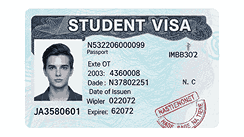
What Is A Student Visa?
A student visa is an official document issued by a country that allows foreign nationals to enter, study, and reside temporarily for educational purposes. Student visas are essential for individuals who wish to pursue academic programs abroad, including undergraduate, graduate, diploma, and exchange programs. The application process generally involves providing proof of admission to an accredited institution, financial support, and sometimes language proficiency, such as TOEFL or IELTS scores. However, some countries and institutions may have alternative pathways for applicants who do not have TOEFL scores, including other standardized tests, proof of English proficiency through prior education, or conditional admissions programs. Student visas also often require adherence to immigration rules, including limits on work hours and maintaining full-time enrollment.
Requirements For A Student Visa
Applying for a student visa typically involves submitting several documents, including an acceptance letter from the host institution, a valid passport, financial statements demonstrating sufficient funds, and sometimes health records. Some countries mandate proof of English proficiency, commonly in the form of TOEFL or IELTS scores, while others accept alternative forms of evidence. Additional requirements may include a personal statement, academic transcripts, letters of recommendation, and a visa application fee. It is crucial to review the specific requirements of the destination country, as rules vary widely. Ensuring that all documents are accurate, complete, and submitted on time increases the likelihood of visa approval, while failing to meet these requirements can result in delays or rejection.
Alternatives To TOEFL For Student Visa Applications
Not every student visa application requires TOEFL scores. Many universities and countries offer alternatives such as IELTS, Duolingo English Test, PTE Academic, or proof of English proficiency through prior education in English-speaking institutions. Some schools provide conditional admission programs where students can enroll in English preparatory courses before starting their main degree. Additionally, certain countries may waive the language requirement if the applicant has studied in English previously or if the program is taught in another recognized language. Exploring these alternatives can broaden opportunities for students who are proficient in English but lack formal TOEFL certification, making it possible to obtain a student visa without this specific test.
How To Apply For A Student Visa Without TOEFL
Applying for a student visa without TOEFL involves careful research and strategic planning. First, identify institutions and countries that either waive the TOEFL requirement or accept alternative tests. Next, gather necessary documentation such as transcripts, acceptance letters, financial proof, and any other required materials. Some applications may require a written statement explaining why TOEFL scores are unavailable and evidence of English proficiency through previous education or interviews. Submitting a complete application with all supporting documents increases the chances of approval. It is also advisable to consult the embassy or consulate of the destination country for guidance and to ensure compliance with specific visa policies.
Countries That Allow Student Visas Without TOEFL
Several countries have flexible policies regarding English proficiency for student visas. For example, Canada, Germany, and the Netherlands may accept other tests or waive requirements for students from English-instructed programs. Similarly, some institutions in the United States and the United Kingdom allow alternative assessments, conditional admission, or pathway programs. Researching each country’s student visa guidelines is essential to understand which options are available. This approach not only saves time and application costs but also allows students to plan for additional language support if necessary. Being aware of these countries’ flexibility empowers applicants to pursue international education even without TOEFL scores.
Benefits Of Applying Without TOEFL
Applying for a student visa without TOEFL offers several advantages. It reduces the stress and financial burden of taking standardized language tests, allows faster application processing, and provides more flexible entry pathways. Students with strong academic backgrounds or prior English education can focus on preparing other essential documents, such as financial proof or recommendation letters. Additionally, some students may access conditional admissions programs or intensive language courses, enhancing their skills while still progressing toward their degrees. This approach also opens doors to students from diverse linguistic backgrounds, promoting inclusivity and expanding access to international education opportunities.
Challenges Of Applying Without TOEFL
Despite the benefits, applying for a student visa without TOEFL can present challenges. Some institutions or countries may view the lack of a standardized language test as a gap in assessing English proficiency, potentially affecting admission or visa approval. Applicants may need to provide additional evidence, such as prior academic performance in English, interviews, or alternative testing, which can be time-consuming. Moreover, navigating different requirements across countries requires thorough research and precise documentation. Applicants must be proactive in meeting these conditions to ensure a smooth visa process. Understanding and preparing for these challenges is crucial to avoid delays, rejection, or the need for additional preparatory programs.
Tips For Successfully Obtaining A Student Visa Without TOEFL
To successfully obtain a student visa without TOEFL, students should first research institutions that accept alternative proofs of English proficiency. Providing strong academic transcripts, recommendation letters, and detailed statements can compensate for the absence of TOEFL scores. Engaging with admission offices or embassy representatives ensures clarity on acceptable documentation. Enrolling in conditional or preparatory programs can demonstrate commitment and improve language skills. Being meticulous in document preparation, meeting deadlines, and following all procedural requirements significantly improves approval chances. Lastly, maintaining an organized application and demonstrating genuine academic intent helps establish credibility and increases the likelihood of obtaining a student visa without TOEFL.
Conclusion
Securing a student visa without TOEFL is increasingly possible due to flexible language requirements, alternative assessments, and conditional admission programs. By understanding visa policies, preparing strong supporting documents, and leveraging alternative proofs of English proficiency, students can pursue international education without standardized TOEFL testing. While challenges exist, thorough research, proactive communication, and strategic application preparation make the process achievable. Students who explore these options can benefit from reduced costs, faster processing, and expanded access to global educational opportunities. Overall, with careful planning and attention to requirements, obtaining a student visa without TOEFL is a realistic and attainable goal.
Frequently Asked Questions
1. Can I Apply For A Student Visa Without TOEFL?
Yes, you can apply for a student visa without TOEFL in several countries and institutions that offer alternative assessments of English proficiency. Options include IELTS, Duolingo English Test, PTE Academic, or proof of prior education in English. Some schools provide conditional admissions programs that allow students to complete language preparation courses before starting their degree. It is essential to research visa regulations in your target country, as policies vary. Providing comprehensive documentation, such as academic transcripts, acceptance letters, financial proof, and recommendation letters, is crucial. Communicating directly with admission offices or consulates ensures you understand acceptable alternatives, increasing the likelihood of obtaining a student visa without TOEFL.
2. What Countries Allow Student Visas Without TOEFL?
Countries such as Canada, Germany, the Netherlands, and some institutions in the United States and the United Kingdom offer flexibility for applicants without TOEFL. These countries may accept alternative English tests, waive requirements for students in English-instructed programs, or offer conditional admission pathways. Applicants should check the specific requirements of each country and institution before applying. Additionally, verifying eligibility through embassy websites or contacting admissions offices ensures compliance with visa regulations. By exploring countries with flexible policies, students can find pathways to pursue international education without standardized TOEFL scores while maintaining eligibility for student visas and academic programs.
3. Are There Alternatives To TOEFL For Student Visa Applications?
Yes, alternatives to TOEFL include IELTS, Duolingo English Test, PTE Academic, Cambridge English exams, or proof of prior education conducted in English. Some universities may also consider interviews, internal English assessments, or English preparatory programs. Conditional admissions can allow students to improve language proficiency before starting their main degree. These alternatives provide options for students who are proficient in English but lack standardized test scores. Researching the institution’s specific language policies and providing strong supporting documentation increases the chances of approval. Being proactive in demonstrating English proficiency is key to successfully applying for a student visa without TOEFL.
4. Can Conditional Admission Help Without TOEFL?
Conditional admission can significantly help students who do not have TOEFL scores. It allows enrollment in English preparatory programs before starting the main degree, ensuring that applicants meet language requirements. Conditional programs often include intensive language courses and academic support, enabling students to transition successfully into their chosen programs. Institutions may accept students based on prior education in English or alternative tests, contingent upon successful completion of the language program. This pathway increases accessibility, reduces the stress of standardized testing, and aligns with visa requirements. By completing conditional programs, students demonstrate commitment and readiness, improving their chances of obtaining a student visa without TOEFL.
5. How Do I Prove English Proficiency Without TOEFL?
Proving English proficiency without TOEFL involves submitting alternative evidence such as IELTS scores, PTE Academic results, Duolingo English Test certificates, transcripts from English-medium schools, or academic letters confirming prior education in English. Some institutions accept interviews or internal assessments to evaluate language skills. Providing detailed documentation and a well-written statement explaining your English proficiency can strengthen the application. Conditional admission programs or preparatory courses also serve as proof of language ability. Demonstrating consistent academic performance in English and offering alternative evidence reassures admission officers and visa authorities of your capability, making it possible to obtain a student visa without TOEFL.
6. Will Not Having TOEFL Affect My Visa Approval?
Not having TOEFL does not necessarily prevent visa approval, but it may require additional steps to demonstrate English proficiency. Many countries and institutions offer alternatives, such as other standardized tests, interviews, or conditional admission programs. The absence of TOEFL might slow the application process if extra documentation or verification is required. Proactively providing evidence of English proficiency, including prior education or alternative assessments, ensures that the application remains competitive. By thoroughly preparing and meeting all other visa requirements, such as financial proof and valid admission letters, applicants can secure student visas successfully without TOEFL.
7. Can I Apply Directly To Universities Without TOEFL?
Yes, certain universities accept applications without TOEFL if other proof of English proficiency is provided. Many institutions offer alternative assessments like IELTS, Duolingo English Test, PTE Academic, or conditional admission programs with language courses. Applicants may also demonstrate proficiency through previous education in English or internal evaluations. Direct application without TOEFL requires careful review of university policies, ensuring all other academic and financial requirements are met. Proactively communicating with admissions offices can clarify acceptable alternatives. With proper documentation and evidence of English ability, students can gain admission and subsequently apply for a student visa even without TOEFL scores.
8. How Can I Find Universities That Don’t Require TOEFL?
Finding universities that don’t require TOEFL involves online research, using official university websites, and exploring international education portals. Many universities clearly state their language requirements and acceptable alternatives. Consulting educational agents or embassy websites can also provide guidance. Students should look for programs that offer conditional admissions, alternative language tests, or waive the English requirement for students with prior English education. Creating a shortlist based on eligibility criteria and communication with admissions offices ensures clarity. By targeting these universities, students can apply without TOEFL while remaining compliant with student visa regulations.
9. Is Duolingo Accepted Instead Of TOEFL For Student Visa?
Yes, Duolingo English Test is increasingly accepted by universities and visa authorities as an alternative to TOEFL. It is an online test, convenient, and often more affordable, measuring reading, writing, speaking, and listening skills. Many institutions consider Duolingo scores equivalent to TOEFL or IELTS, while some countries allow it as proof of English proficiency for visa purposes. It is important to check both university admission policies and visa regulations, as acceptance may vary. Preparing thoroughly for the Duolingo test and submitting official scores along with other supporting documents ensures compliance, allowing students to apply for a student visa without TOEFL successfully.
10. Can Prior Education In English Waive TOEFL?
Yes, prior education conducted in English can often waive TOEFL requirements. Many universities and visa authorities accept transcripts and certificates from English-medium schools or higher education institutions. Documentation typically includes academic transcripts, letters from schools confirming instruction in English, and sometimes additional supporting statements. This evidence demonstrates adequate language skills, allowing students to bypass standardized tests. Policies vary across institutions and countries, so verification with admissions offices and embassies is essential. Using prior education as proof can reduce testing costs, simplify applications, and enable students to pursue international studies and student visas without submitting TOEFL scores.
11. What Are The Costs Associated With Applying Without TOEFL?
Applying without TOEFL can reduce costs associated with standardized testing fees, preparation courses, and travel to testing centers. However, applicants may incur expenses related to alternative tests, language programs, or document verification. Conditional admission programs may involve additional tuition for preparatory courses. Administrative fees for visa applications, document translations, and courier services should also be considered. While avoiding TOEFL may save money upfront, it is important to plan for any additional costs associated with proving English proficiency through alternative means. A detailed budget ensures applicants are financially prepared, maintaining compliance with both university and visa requirements.
12. How Long Does It Take To Apply Without TOEFL?
The application timeline without TOEFL can vary depending on the country, institution, and alternative requirements. Researching eligible universities, preparing supporting documents, and submitting alternative English proficiency evidence may extend the process slightly. Conditional admissions or preparatory courses can add weeks or months. Communication with admissions offices and embassy representatives is crucial to avoid delays. Being proactive and organized, including early submission of all documents, helps streamline the process. On average, students should plan for a timeline similar to regular applications, while allowing extra time for any additional verification needed when TOEFL is not included.
13. Are Online Programs Easier Without TOEFL?
Online programs may offer more flexibility regarding language requirements. Some institutions waive TOEFL for fully online courses, accepting prior education in English or alternative assessments. These programs allow students to demonstrate proficiency through written assignments, discussions, and evaluations conducted entirely in English. While visa requirements may still apply for in-person components or future transitions to on-campus programs, online courses provide accessible pathways. Students should verify language policies with the institution and ensure online program completion is recognized for visa purposes. Online programs can be a strategic way to pursue international education without TOEFL while maintaining academic progression and eligibility for future study abroad opportunities.
14. Can I Use IELTS Instead Of TOEFL For Student Visa?
Yes, IELTS is widely accepted as an alternative to TOEFL. Many institutions and visa authorities recognize IELTS scores for admission and visa applications. Both Academic and General Training versions may be considered depending on requirements. Preparing for IELTS involves testing listening, reading, writing, and speaking skills. Submitting official scores along with other required documents ensures compliance with student visa regulations. Some countries provide specific score thresholds for visa approval, so applicants should verify the exact requirements. Using IELTS instead of TOEFL offers a flexible pathway for students seeking international education and visa eligibility without taking the traditional TOEFL test.
15. Do All Universities Accept Students Without TOEFL?
Not all universities accept students without TOEFL. Some institutions have strict English language requirements and only recognize TOEFL or equivalent standardized tests. Acceptance without TOEFL depends on alternative assessments, prior education in English, conditional admissions, or language programs. Researching each university’s policies is essential to determine eligibility. Communicating directly with admission offices helps clarify acceptable alternatives and ensures all requirements are met. While many institutions offer flexibility, students must identify suitable universities where TOEFL is not mandatory to avoid delays or rejection during application and visa processes.
16. How To Prepare For A Student Visa Without TOEFL?
Preparing for a student visa without TOEFL requires compiling alternative evidence of English proficiency, such as IELTS, PTE Academic, Duolingo scores, or proof of prior English-medium education. Students should ensure all academic, financial, and personal documents are complete and accurate. Crafting detailed statements explaining language ability, along with recommendation letters and transcripts, strengthens the application. Researching visa policies, embassy requirements, and institution-specific guidelines ensures compliance. Proactive communication with admission officers and consulates can clarify ambiguities. By organizing documents, meeting deadlines, and demonstrating genuine academic intent, applicants enhance their chances of obtaining a student visa successfully without TOEFL.
17. Can Conditional Language Programs Replace TOEFL?
Yes, conditional language programs can replace TOEFL by providing intensive English instruction before starting the main degree. These programs demonstrate language proficiency, helping institutions assess readiness for academic coursework. Completion of such programs is often accepted by both universities and visa authorities. Applicants must provide proof of enrollment or completion, along with other supporting documents. Conditional programs reduce the need for standardized tests, allowing students to focus on academic and language development simultaneously. This pathway increases accessibility and ensures compliance with visa and university requirements, enabling students to pursue education abroad without submitting TOEFL scores.
18. What Documents Are Needed Without TOEFL?
Without TOEFL, students need alternative documents to prove English proficiency. Acceptable documents may include IELTS or PTE Academic scores, Duolingo certificates, transcripts from English-medium schools, letters from previous institutions, recommendation letters, personal statements, and acceptance letters. Financial proof, valid passport, and visa application forms remain essential. Conditional admission or language program certificates may also be required. Organizing these documents carefully and ensuring accuracy strengthens the application. Providing thorough and verifiable evidence compensates for the absence of TOEFL, ensuring compliance with both university and visa regulations, and enhancing the likelihood of a successful student visa application.
19. How To Increase Chances Of Visa Approval Without TOEFL?
Increasing chances of visa approval without TOEFL involves submitting complete documentation, demonstrating English proficiency through alternative tests or prior education, and ensuring financial stability. Clear communication with admissions offices and consulates helps clarify acceptable alternatives. Preparing detailed statements, recommendation letters, and transcripts reinforces credibility. Conditional admission or preparatory programs can also improve approval chances. Meeting deadlines, verifying document accuracy, and following application procedures meticulously reduces risk of rejection. By proactively addressing potential concerns and demonstrating readiness for academic study, applicants can enhance their likelihood of successfully obtaining a student visa without TOEFL.
20. Is It Worth Applying Without TOEFL?
Applying without TOEFL is worth considering for students who have strong academic backgrounds, prior English education, or access to alternative assessments. It reduces costs, eliminates standardized test stress, and offers flexible pathways like conditional admissions or preparatory programs. However, thorough research and careful documentation are essential to navigate challenges. Communicating with universities and embassies ensures compliance with language and visa requirements. For eligible applicants, pursuing a student visa without TOEFL provides a practical, accessible route to international education, enabling students to focus on academic achievement and cultural experiences without the barrier of a specific standardized test.
FURTHER READING
- Can A Student Visa Holder Start A Business?
- Can I Transfer My Student Visa To Another Program?
- What Is The Easiest Way To Get A Student Visa?
- Can A Student Visa Be Revoked? | Consequences Of Student Visa Revocation Explained
- Can I Work As A Freelancer On A Student Visa?
- Can I Apply For Jobs On A Student Visa?
- What Happens If I Overstay My Student Visa?
- Can A Student Visa Be Issued Without An Interview?
- Can I Apply For A Student Visa Without Passport?
- Do I Need To Show Bank Statements For A Student Visa?