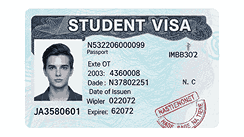
What Is A Student Visa?
A Student Visa is an official authorization granted by a country to allow a foreign national to enter, stay, and study within its borders for a specified period. Typically, student visas are issued for individuals enrolled in recognized educational institutions, such as universities, colleges, or language programs. This visa ensures that students can legally reside in the host country while pursuing their academic goals. The application process often requires proof of admission, financial stability, and compliance with immigration rules. Understanding the requirements, limitations, and rights associated with a student visa is crucial before planning travel or other activities during the application process.
Requirements For A Student Visa Application
When applying for a student visa, it is essential to meet specific requirements set by the immigration authorities of the host country. These requirements usually include an acceptance letter from a recognized institution, evidence of sufficient funds to cover tuition and living expenses, valid passport, and sometimes proof of English proficiency or other language tests. Additional documents may include health insurance, academic transcripts, and a personal statement. Meeting all these requirements accurately can significantly influence the processing time of the application. Any missing documents or incorrect information can lead to delays, rejections, or complications when planning to travel during the application process.
Travel Restrictions During Student Visa Processing
Traveling while a student visa application is pending can be complex and is generally subject to specific restrictions. Immigration authorities often advise applicants to avoid leaving their home country until the visa is approved because doing so may lead to the application being considered abandoned or delayed. Some countries may allow temporary travel under certain conditions, but this usually requires notifying the embassy or consulate and sometimes obtaining a travel permit. It is essential to understand that leaving the country may prevent you from attending visa interviews, providing additional documentation, or responding promptly to any requests from immigration officials.
Risks Of Traveling During The Application Process
Traveling while waiting for your student visa carries several risks. Firstly, your application could be delayed if you are unavailable to respond to embassy requests or attend mandatory interviews. Secondly, if the visa is denied while you are abroad, returning to the home country may involve additional travel costs and legal complications. Thirdly, some countries may require biometric verification, which cannot be completed outside the host country. Ignoring these risks can lead to unnecessary stress and potential financial loss. Therefore, careful planning and consultation with immigration experts or the relevant embassy are highly recommended before deciding to travel.
Alternatives To Traveling While Awaiting A Visa
If travel is unavoidable during the student visa application process, consider alternatives that minimize risk. One option is to request an expedited visa process if eligible, allowing you to complete all necessary steps sooner. Another alternative is to schedule travel after receiving conditional approval or after a temporary permit is granted by immigration authorities. Virtual participation in academic or preparatory programs can also reduce the urgency of travel. Keeping close communication with your school, immigration office, and travel authorities ensures that you remain informed of any updates that could impact your travel plans and ensures a smoother transition once your visa is approved.
How To Minimize Travel Risks During The Application Process
To minimize risks while traveling during your student visa application, thorough preparation is essential. Ensure all required documents are submitted accurately and maintain copies for reference. Inform the relevant embassy or consulate about your travel intentions, and seek guidance on any necessary permissions or forms. Keep updated on the visa processing status, potential delays, and any interviews you might need to attend. Additionally, consider purchasing refundable tickets or travel insurance to mitigate unexpected complications. Staying organized, informed, and proactive can reduce the risk of jeopardizing your application and help ensure that your travel does not interfere with your academic and immigration plans.
Processing Time And Travel Considerations
The processing time for a student visa varies depending on the country, the time of year, and the completeness of your application. Some visas may be processed within a few weeks, while others can take several months. During this period, planning travel can be challenging, especially if last-minute documents or interviews are required. Understanding the estimated processing timeline and maintaining flexibility in travel plans is critical. Students should always monitor updates from immigration authorities and be prepared to adjust travel schedules if necessary. Awareness of processing times helps prevent conflicts between travel plans and visa obligations.
Conclusion
Traveling during a student visa application process is generally discouraged due to the potential risks of delays, missed interviews, and application complications. Understanding the requirements, restrictions, and alternatives is essential for students planning international travel. Careful preparation, close communication with immigration authorities, and staying informed about the application status can help mitigate risks. Ultimately, prioritizing the timely and successful processing of your student visa should guide any decisions about travel, ensuring a smooth transition into your studies abroad.
Frequently Asked Questions
1. Can I Travel During My Student Visa Application Process?
Traveling during your student visa application process is generally not recommended because leaving your home country can lead to delays, complications, or even the abandonment of your application. Most immigration authorities require applicants to remain available for interviews, biometric data collection, or additional documentation requests. If travel is absolutely necessary, it is crucial to notify the embassy or consulate, obtain written guidance, and ensure that all documents are properly submitted before departure. Additionally, travelers should consider refundable tickets, travel insurance, and monitoring their visa status closely to avoid unexpected complications. Careful planning minimizes risk and ensures compliance with immigration requirements.
2. What Documents Are Needed For A Student Visa Application?
A student visa application typically requires an acceptance letter from a recognized institution, a valid passport, proof of financial resources to cover tuition and living expenses, academic transcripts, and sometimes language proficiency certificates. Some countries also request medical records, health insurance, and personal statements or letters of recommendation. Ensuring that all documents are accurate, complete, and up-to-date is crucial to prevent delays or rejection. Missing or inconsistent documents can lead to extended processing times or additional scrutiny. Preparing all required documents in advance, keeping copies, and double-checking each requirement can increase the likelihood of a successful student visa application.
3. How Long Does A Student Visa Application Take?
The duration of a student visa application depends on the country, type of program, and completeness of your application. Processing can range from a few weeks to several months. Factors such as peak application seasons, additional documentation requests, and security checks can affect timelines. Applicants should consider processing time when planning travel, enrollment, or housing arrangements. Staying informed about estimated timelines and maintaining flexible plans is important to avoid conflicts. Monitoring your application status through official channels ensures that you can respond promptly to any additional requests. Early submission and thorough preparation often help reduce processing delays.
4. Can I Attend Interviews Remotely While Traveling?
Most countries require student visa interviews to be conducted in person, and remote attendance is rarely accepted. Traveling without being able to attend the interview can result in delays or denial of the visa application. Some exceptions may exist, such as online document verification or video calls in special circumstances, but these are uncommon and must be pre-approved by the embassy. It is essential to verify the official requirements with the relevant immigration authorities before planning travel. Failure to comply with interview protocols can jeopardize the visa application, so students should prioritize attending all mandatory appointments, even if it requires postponing travel.
5. What Are The Risks Of Leaving The Country During Application?
Leaving the country while your student visa application is pending carries risks such as delays in processing, missing mandatory interviews, inability to submit additional documents, and potential application abandonment. If your visa is denied while you are abroad, returning may require additional steps, travel costs, and legal procedures. Some countries require biometric data collection that cannot be completed outside the home country. These risks can complicate your travel plans and potentially delay the start of your academic program. Consulting immigration experts and maintaining open communication with the embassy helps reduce these risks, ensuring that your application process proceeds smoothly.
6. Are There Countries That Allow Travel During Student Visa Processing?
Some countries may allow limited travel during student visa processing, but this is uncommon and often requires formal approval. Travel may be permitted if applicants notify the embassy or consulate, provide proof of urgent reasons, and ensure that all documentation is submitted. Certain countries issue temporary travel permits or conditional approvals in special circumstances. However, the general recommendation remains to avoid travel until the visa is granted. Understanding the specific regulations of the host country, seeking guidance from immigration authorities, and documenting any travel approvals are crucial to avoid jeopardizing your student visa application and to ensure compliance with all immigration rules.
7. How Can I Expedite My Student Visa Application?
Expedited student visa processing is sometimes possible through priority or premium service options offered by certain embassies or consulates. Providing a complete and accurate application, paying additional processing fees if applicable, and submitting all required documentation promptly can reduce processing time. Some institutions also issue letters requesting expedited processing for urgent academic reasons. Communication with the immigration office and staying informed about timelines are essential. Expediting a visa helps minimize the need for travel during the application process and ensures timely arrival for the academic program. Early preparation and adherence to embassy guidelines are key to success.
8. What Should I Do If Travel Is Unavoidable?
If travel is unavoidable during a student visa application, you should first notify the relevant embassy or consulate and request guidance. Ensure all documents are complete and submitted before departure, maintain copies of important paperwork, and consider refundable travel arrangements. Monitor the application status regularly and be prepared to return promptly if required. Consulting with immigration experts or legal advisors can also provide personalized strategies to minimize risk. Careful planning, communication, and flexibility are crucial to ensure that travel does not negatively impact your student visa application or delay your academic plans.
9. Can Travel Affect Visa Approval?
Yes, traveling without following the proper procedures can affect visa approval. Leaving the country may prevent attendance at interviews, submission of requested documents, or biometric data collection, potentially leading to delays or denial. Immigration authorities may consider absence as non-compliance or abandonment of the application. Proper planning, communication with the embassy, and adherence to rules are essential to avoid negative outcomes. Maintaining transparency and ensuring that travel is approved and documented helps protect the status of your student visa application and increases the likelihood of a smooth approval process.
10. Is Travel Insurance Necessary During Application?
Travel insurance is highly recommended if travel is necessary during the student visa application process. Insurance can cover unexpected cancellations, medical emergencies, or travel disruptions, which are especially important if sudden return is required for interviews or documentation. While not always mandatory, having travel insurance ensures financial protection and peace of mind. Additionally, some countries may request proof of insurance as part of the visa process, making it a valuable precaution. Selecting comprehensive insurance that covers delays and emergencies can help safeguard both your travel plans and the student visa application process.
11. How Do I Communicate With The Embassy While Traveling?
Communication with the embassy during travel should be proactive and thorough. Maintain official contact via email, phone, or online portals provided by the immigration authorities. Notify them of your travel plans, and provide all requested updates promptly. Keep copies of correspondence for reference. Regularly checking for status updates, responding to requests immediately, and seeking guidance for any travel-related concerns is essential. Effective communication ensures that your absence does not negatively impact the student visa application process and demonstrates compliance with immigration requirements, which can be beneficial for a timely and successful visa approval.
12. Can I Apply For Multiple Student Visas At Once?
Applying for multiple student visas simultaneously is generally not recommended, as it can lead to confusion, conflicts, and potential denial. Immigration authorities typically expect applicants to pursue one active application at a time, demonstrating intent and eligibility for a specific program. Managing multiple applications may also complicate travel plans and require additional documentation. Focus on completing one application accurately and efficiently before considering any other applications. Doing so ensures compliance with immigration regulations and reduces the risk of delays or rejection, thereby streamlining your path to obtaining a student visa.
13. What Happens If My Visa Is Denied While I Am Traveling?
If your student visa is denied while traveling, returning to your home country may involve additional legal procedures, travel costs, and resubmission of your application. You may need to provide additional documentation or appeal the decision, depending on the host country’s immigration rules. Denial during travel can also delay your academic program start dates. It is critical to maintain communication with the embassy, have contingency travel plans, and consider legal or expert advice to navigate the situation. Proper planning and adherence to travel recommendations help minimize the likelihood of denial complications during the student visa application process.
14. Can I Track My Student Visa Application Online?
Most countries provide online portals or tracking systems for student visa applications. Applicants can monitor the status, receive updates on required documents, and check processing times. Tracking the application online is especially important if travel is unavoidable, as it allows you to respond promptly to requests and avoid delays. Some systems offer notifications via email or SMS, ensuring applicants stay informed. Regularly checking the application status ensures that travel plans do not interfere with essential steps and helps maintain compliance with immigration requirements, thereby reducing the risk of complications during the student visa application process.
15. How Important Is Embassy Guidance Before Traveling?
Embassy guidance is crucial before traveling during a student visa application process. The embassy can provide authoritative advice on whether travel is permissible, any documentation needed, and potential risks. Following this guidance ensures compliance with immigration regulations and helps avoid delays or denials. Embassies may also offer alternative solutions or temporary travel permits for special circumstances. Ignoring official guidance increases the likelihood of complications, jeopardizing your student visa approval. Consulting the embassy ensures that your travel decisions align with immigration policies and supports a smooth, uninterrupted application process.
16. Can I Re-Enter The Country After Travel If My Visa Is Pending?
Re-entry into the country while your student visa is pending can be challenging and is often restricted. Immigration authorities may require applicants to remain in the home country until approval. If re-entry is permitted, it usually involves notifying the embassy, carrying proper documentation, and ensuring compliance with all visa conditions. Failure to follow procedures can lead to denial or delay of the visa. Planning travel around these restrictions, consulting with immigration officials, and maintaining flexibility are critical steps to ensure that your student visa application continues without interruption, and that you can successfully re-enter the host country for your studies.
17. Are There Emergency Situations That Allow Travel?
Emergency situations such as medical issues, family emergencies, or urgent professional obligations may allow travel during the student visa application process. In such cases, applicants must notify the embassy or consulate, provide supporting documentation, and request temporary travel approval. These exceptions are assessed on a case-by-case basis, and authorities may impose specific conditions or deadlines. Proper communication and documentation are essential to ensure that emergency travel does not negatively impact the visa application. Following official guidance ensures compliance while addressing urgent personal or professional needs without compromising the chances of visa approval.
18. How Can I Ensure My Application Isn’t Abandoned?
To ensure your student visa application is not considered abandoned, maintain continuous communication with the embassy, respond promptly to document requests, and attend all scheduled interviews. Avoid leaving the home country without proper authorization or notification, and track your application status regularly. Keeping copies of all submitted documents and correspondence helps demonstrate compliance. Following embassy instructions carefully reduces the risk of abandonment and increases the likelihood of timely approval. Remaining proactive and organized throughout the process ensures that your application remains active, even if travel is necessary under special circumstances, safeguarding your eligibility for the student visa.
19. Should I Consult An Immigration Lawyer Before Traveling?
Consulting an immigration lawyer before traveling during your student visa application can provide valuable guidance and risk assessment. Lawyers can clarify travel restrictions, ensure compliance with embassy requirements, and offer strategies for emergencies. Their expertise helps minimize potential delays, denials, or legal complications. Professional advice is particularly important if travel is unavoidable or if the application involves complex circumstances. A qualified immigration lawyer ensures that your travel plans do not interfere with the visa process, protects your legal standing, and increases the likelihood of a smooth, successful approval while maintaining peace of mind throughout the application process.
20. What Steps Can I Take To Protect My Application While Traveling?
To protect your student visa application while traveling, ensure that all required documents are complete and submitted before departure, maintain copies, and inform the embassy or consulate of your travel plans. Monitor your application status regularly, respond promptly to requests, and keep contact details updated. Consider refundable tickets, travel insurance, and flexible travel arrangements in case of urgent return needs. Stay organized, maintain open communication with immigration authorities, and consult legal or academic advisors as necessary. These proactive measures help safeguard your application, minimize risks associated with travel, and ensure compliance with all immigration regulations during the student visa process.
FURTHER READING
- Can I Apply For A Student Visa Without TOEFL
- Can A Student Visa Holder Start A Business?
- Can I Transfer My Student Visa To Another Program?
- What Is The Easiest Way To Get A Student Visa?
- Can A Student Visa Be Revoked? | Consequences Of Student Visa Revocation Explained
- Can I Work As A Freelancer On A Student Visa?
- Can I Apply For Jobs On A Student Visa?
- What Happens If I Overstay My Student Visa?
- Can A Student Visa Be Issued Without An Interview?
- Can I Apply For A Student Visa Without Passport?
- Do I Need To Show Bank Statements For A Student Visa?