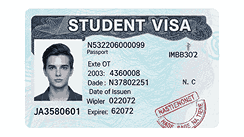
What Is A Student Visa?
A student visa is a legal authorization granted by a government that allows international students to enter and stay in a country for the purpose of pursuing education. Different nations have their own categories of student visas, such as the F-1 visa in the United States, Tier 4 student visa in the United Kingdom, or Study Permit in Canada. The student visa not only permits study at an accredited institution but may also provide work rights under specific conditions. Compliance with visa rules, such as full-time enrollment and academic progress, is essential for maintaining legal status. Understanding how a student visa works is the first step before considering any transfer to another program.
Requirements For Obtaining A Student Visa
To obtain a student visa, applicants must demonstrate acceptance into an accredited educational institution, sufficient financial resources to cover tuition and living expenses, and intent to return home after studies unless transitioning legally to another status. Most countries require proof of English language proficiency through exams like IELTS or TOEFL. Additionally, applicants may need to present health records, background checks, and evidence of accommodation arrangements. Meeting these requirements helps immigration authorities ensure that students are genuine applicants and can sustain themselves without becoming a public burden. Each nation has slightly different rules, so reviewing the official government website is crucial before applying.
Reasons Students Consider Transferring Programs
Students may want to transfer their student visa to another program for several reasons. Some discover that their initial field of study does not align with career goals, while others seek programs that offer better opportunities, scholarships, or research prospects. Situations like poor academic performance, changes in personal interests, or receiving admission into a more prestigious university also motivate transfers. In some cases, international students realize the original institution is not a good fit due to teaching quality, cultural environment, or location. Transferring ensures they make the most out of their education abroad, but the process must comply with immigration laws.
The Process Of Transferring A Student Visa
Transferring a student visa to another program typically involves notifying immigration authorities and obtaining approval before making the switch. In most countries, students must first be admitted into the new program, after which they submit updated documentation, such as the new admission letter, proof of finances, and enrollment confirmation. Some nations allow students to update their visa status internally without leaving the country, while others require applying for a new visa altogether. Timely communication with both the academic institution and the immigration office is crucial to avoid falling out of legal status. Failure to follow the right procedure may result in visa cancellation or deportation.
Transferring Between Universities
International students often wonder whether they can transfer their visa when moving between universities. In most cases, this is possible if the new institution is accredited and approved by the government’s immigration department. The student must apply for a transfer by presenting proof of enrollment in the new university and may also need to request a new visa document. For instance, in the U.S., an F-1 student transferring universities requires a new I-20 form from the new institution. Immigration officers monitor such transfers to ensure compliance with visa conditions. It is essential to act early to avoid gaps in legal status.
Changing Programs Within The Same Institution
Changing a program of study within the same institution is often simpler than transferring between universities. Students generally need to inform their designated school official or international student advisor about the program change. Immigration authorities may require proof that the new program still aligns with the visa category. For example, if moving from an undergraduate to a postgraduate course, students may need a new visa form or updated authorization. The key is ensuring that the change does not violate visa conditions, such as maintaining full-time enrollment and continuing progress toward academic goals. Proper documentation helps maintain legal compliance.
Financial Implications Of Transferring A Student Visa
Transferring a student visa to another program can involve additional financial costs, including application fees, visa processing charges, and possible higher tuition fees at the new institution. Some countries require proof of increased financial capacity, especially if the cost of living in the new city or tuition in the new program is higher. Scholarships or funding at the original institution may not transfer, requiring students to seek new financial aid. Moreover, some countries demand updated bank statements to demonstrate sustainability. Students should plan ahead financially to avoid disruptions and ensure smooth approval of their transfer application.
Academic Considerations Before Transferring
Before transferring a student visa to another program, students should carefully consider the academic impact of the move. Credits earned in the original program may not fully transfer to the new one, possibly extending the time required to graduate. Additionally, academic requirements, curriculum structure, and prerequisites may differ, requiring students to repeat certain courses. Students should discuss these issues with academic advisors at both institutions before making a final decision. Ensuring that the transfer aligns with long-term career and educational goals is crucial to avoid wasting time, money, and effort.
Immigration Rules And Regulations
Every country has strict immigration rules governing student visa transfers. Some nations allow internal program transfers easily, while others require students to apply for a completely new visa. For instance, in Australia, a student transferring before completing six months of their primary program needs formal release approval. In Canada, students must notify the immigration office through an online portal when changing institutions. Failure to comply can result in visa revocation and future immigration bans. Understanding the legal requirements of the host country before starting a transfer process is essential to protect legal student status.
How To Maintain Visa Status During Transfer
Maintaining visa status during a transfer process is critical. Students must remain enrolled full-time in their current program until the transfer is officially approved. Unauthorized withdrawal or failure to attend classes can lead to status termination. It is also important to maintain valid travel documents, such as a passport and current visa stamp. Keeping communication open with international student offices, following deadlines, and submitting complete applications will help maintain status. Students should avoid any gap in enrollment, as immigration officials often view such gaps as violations. Careful planning ensures uninterrupted legal residency during transitions.
Risks Of Transferring A Student Visa
While transferring a student visa can open better opportunities, it also carries risks. Delays in approval may cause students to miss classes in the new program. In some cases, visa applications may be denied if authorities believe the student lacks genuine intent to study. Furthermore, transferring too often can raise red flags with immigration officials, leading to additional scrutiny. Students who fail to follow proper procedures may face cancellation of their visas and deportation. Therefore, while transferring may be beneficial, it is important to weigh the risks carefully and ensure full compliance with immigration laws.
The Role Of Academic Advisors In Visa Transfers
Academic advisors and international student officers play a crucial role in the visa transfer process. They provide guidance on whether the new program aligns with immigration requirements and academic progression. Advisors help students prepare necessary documentation, communicate with immigration offices, and track deadlines. In many institutions, only designated officials are authorized to approve or recommend student visa transfers, especially in countries like the United States. Seeking guidance from advisors ensures that the transfer process is smooth, reduces the risk of mistakes, and helps students stay compliant with both academic and immigration regulations.
Benefits Of Successfully Transferring Programs
Successfully transferring a student visa to another program can bring many benefits. Students may find themselves in a program that better matches their career ambitions, offers improved networking opportunities, and provides access to better resources. Additionally, the new program may be located in a city with more employment options or offer research opportunities not available at the previous institution. In some cases, transferring can shorten the path to graduation if the new program is better structured. Ultimately, a successful transfer leads to greater satisfaction, improved academic outcomes, and enhanced future prospects.
Challenges Students Face During Visa Transfer
Despite the advantages, students often face challenges when attempting to transfer their student visas. These include bureaucratic delays, strict immigration requirements, and the financial burden of reapplying. Cultural adjustments and adapting to new academic systems can also create difficulties. In addition, transferring between programs may require obtaining new housing or moving to a different city, which can be stressful. Some students also experience rejection of credit transfers, forcing them to retake courses and extending graduation time. While challenging, with proper planning, support, and patience, these obstacles can be overcome to ensure a successful transition.
Strategies To Simplify The Transfer Process
To simplify the process of transferring a student visa to another program, students should start early, gather all necessary documents, and maintain regular contact with their institution’s international student office. Researching immigration regulations of the host country before applying can prevent mistakes. Seeking legal or professional advice from immigration lawyers or consultants can also help in complex cases. Another strategy is to ensure financial readiness by preparing updated bank statements and securing funding before initiating the transfer. Taking a proactive approach ensures fewer delays and a smoother transition to the new program.
Tips For Choosing The Right Program Before Transfer
When planning to transfer a student visa, choosing the right program is critical to long-term success. Students should evaluate whether the program aligns with career aspirations, offers relevant courses, and is recognized by employers globally. They should also consider the institution’s reputation, faculty expertise, research facilities, and industry connections. Location, cost of living, and available scholarships also influence the choice. Seeking feedback from current or past students can provide valuable insights. By carefully selecting the right program, students reduce the risk of regretting the transfer and ensure a rewarding academic journey.
Legal Assistance For Student Visa Transfers
Sometimes, the transfer process can be complicated, requiring legal expertise. Immigration lawyers specialize in guiding international students through program changes, ensuring all documents are correctly filed and deadlines met. They can also represent students in case of disputes with immigration authorities or if the transfer involves complex situations, such as visa expiration or academic suspension. Although legal services can be expensive, they provide peace of mind and reduce the risk of costly mistakes. Consulting a qualified immigration lawyer is often the safest option for students facing uncertainty in their visa transfer process.
Common Mistakes To Avoid When Transferring
Students often make mistakes that can jeopardize their student visa transfer process. Common errors include failing to inform immigration authorities, neglecting deadlines, and assuming that all credits will transfer. Others withdraw from their current program before receiving approval, leading to a loss of legal status. Another mistake is not preparing financially for higher tuition fees or visa processing costs. Students may also overlook the requirement of maintaining full-time enrollment. By being aware of these pitfalls and seeking guidance early, international students can avoid setbacks and ensure a successful transfer to their desired program.
Long-Term Implications Of Transferring Programs
Transferring a student visa to another program can affect long-term academic and career plans. If managed well, it may lead to enhanced opportunities, a better educational experience, and stronger qualifications. However, poorly planned transfers can extend the study duration, increase financial strain, and complicate future immigration applications. Immigration officers often evaluate an applicant’s academic history when considering post-study work permits or permanent residency. A consistent academic path demonstrates commitment, while frequent transfers may raise doubts about the student’s intentions. Careful planning and clear goals ensure that transfers positively impact long-term prospects.
Conclusion
Transferring a student visa to another program is possible, but it requires careful planning, financial preparation, and strict adherence to immigration regulations. Students must evaluate the academic and personal benefits of the transfer while understanding the risks and challenges involved. By maintaining legal status, seeking advice from international student offices, and making informed decisions, international students can successfully transition into programs that better suit their aspirations. A well-planned transfer not only enhances academic outcomes but also paves the way for future career opportunities and long-term success.
Frequently Asked Questions
1. Can I Transfer My Student Visa To Another Program?
Yes, you can transfer your student visa to another program, but the process depends on the country where you are studying and the rules of its immigration department. Generally, you need to first gain admission into the new program, then notify your current institution and immigration office about the change. You may be required to submit new documents, including an updated admission letter, proof of financial capacity, and a transfer request form. In some countries, you may only need to update your records, while in others, you must apply for a new visa. Ensuring compliance with immigration regulations is vital.
2. What Documents Are Required To Transfer My Student Visa To Another Program?
To transfer a student visa to another program, you typically need an acceptance letter from the new institution, updated financial documents such as bank statements, proof of tuition payment or scholarship funding, and valid identification like your passport. Depending on the country, immigration authorities may also request academic transcripts, proof of previous enrollment, and a statement explaining the transfer. In cases of international transfers within the same country, a transfer request form may be required. Providing complete and accurate documentation increases the chances of quick approval and ensures your visa status remains valid throughout the process.
3. Can I Transfer My Student Visa To Another Program At A Different University?
Yes, transferring your student visa to another program at a different university is often allowed, but it requires proper documentation and approval from immigration authorities. The new institution must be accredited and authorized to host international students. You will need an admission letter from the new university and updated financial proof to show you can afford tuition and living expenses. Some countries, like the United States, issue a new immigration document, such as an updated I-20 form. Failing to follow the transfer procedure properly may result in loss of visa status or denial of future applications.
4. How Long Does It Take To Transfer My Student Visa To Another Program?
The time required to transfer a student visa to another program depends on the host country’s immigration policies and the completeness of your application. In many cases, the process may take several weeks to a few months. Delays can occur if you fail to submit required documents or if the immigration office experiences a high volume of applications. Transferring within the same institution may be quicker than moving to a new university. Students are encouraged to start the process early and maintain active enrollment to avoid gaps in legal status while waiting for approval.
5. Will I Need To Apply For A New Visa If I Transfer My Student Visa To Another Program?
Whether you need a new visa depends on your host country’s immigration rules. Some countries allow you to update your visa details internally by submitting new admission documents and maintaining full-time enrollment. In other cases, especially when transferring to a new institution, you may be required to apply for an entirely new visa. For instance, Australia may require a new student visa application if the transfer occurs before six months of the primary course. Always check with the immigration authority to determine whether your transfer qualifies for an update or requires a completely new visa application.
6. Can I Transfer My Student Visa To Another Program If I Already Started Classes?
Yes, it is possible to transfer your student visa to another program even if you have already started classes, but you must follow the correct legal process. You will need to remain enrolled in your current program until your transfer is officially approved to avoid losing legal status. Immigration authorities will request an admission letter from the new institution and updated financial proof. Depending on the timing, some countries may require you to apply for a new visa, while others allow an internal transfer. Proper planning ensures that you can continue studying without interruption.
7. What Happens To My Current Student Visa If I Transfer To Another Program?
When you transfer to another program, your current student visa is either updated or replaced depending on the regulations of the host country. In most cases, immigration authorities cancel the existing authorization and issue a new one linked to your new program. Some countries allow a simple update to visa records, while others require filing for a new visa entirely. It is important not to withdraw from your current course until the new approval is granted. Maintaining compliance with all requirements ensures your legal status remains intact throughout the transition process.
8. Can I Transfer My Student Visa To Another Program Without Leaving The Country?
In many cases, yes, you can transfer your student visa to another program without leaving the country, provided your immigration department allows in-country processing. Countries like Canada and the United States often permit students to update visa details locally through their designated institutions. However, certain cases may require leaving and reapplying from your home country, especially if the transfer involves a major program change or visa category adjustment. To avoid unnecessary travel and expenses, consult with your international student office and immigration authorities to determine whether an internal transfer is allowed in your situation.
9. Can I Transfer My Student Visa To Another Program If I Am On Scholarship?
Yes, students on scholarships can often transfer their visas to another program, but the process may involve additional steps. You must check whether your scholarship terms allow transfers since many funding organizations restrict changes to approved programs. If permitted, you will need to provide updated scholarship documentation and possibly reapply for funding with the new institution. Immigration authorities will require proof that your new financial arrangements still cover tuition and living costs. Failing to update scholarship records or provide financial proof may delay the transfer process or result in denial of visa approval.
10. Can I Transfer My Student Visa To Another Program If I Am Failing My Current Course?
It is possible to transfer your student visa to another program if you are struggling academically, but immigration authorities may scrutinize your application more closely. They may request academic records, proof of enrollment in the new program, and a valid explanation for the transfer. If authorities suspect misuse of the visa system, your transfer could be denied. It is better to seek academic counseling and show intent to improve in the new program. Maintaining full-time enrollment and demonstrating financial readiness increases your chances of a successful transfer despite previous academic challenges.
11. Can I Transfer My Student Visa To Another Program In A Different City?
Yes, transferring a student visa to another program in a different city is possible, as long as the new institution is accredited and authorized to accept international students. Immigration authorities require updated documentation, including the new admission letter, proof of financial support, and sometimes housing details. Moving to a new city may also require updating your residential address with the immigration department. Although relocation can be challenging, students must ensure compliance with local laws and maintain continuous enrollment. This helps them transition smoothly into their new program while preserving their legal visa status.
12. Can I Transfer My Student Visa To Another Program In A Different Country?
No, you generally cannot directly transfer a student visa to another program in a different country. Student visas are issued by the immigration authorities of a specific nation and are only valid within that jurisdiction. If you wish to study in another country, you must apply for a new student visa following that country’s requirements. However, your existing academic transcripts and previous visa experience may support your new application. While it is not possible to transfer internationally, you can prepare in advance to meet the new country’s admission, financial, and visa requirements to ensure a smooth transition.
13. Can I Transfer My Student Visa To Another Program If I Have Work Authorization?
Yes, but the transfer process may affect your work authorization depending on your host country’s rules. If your student visa comes with limited work rights, such as part-time employment during studies, these rights may carry over to your new program, provided you remain enrolled full-time. However, in some cases, changing programs may require an update to your work permit. Students should confirm with immigration authorities and their international office whether their employment rights will remain valid after the transfer. Ensuring compliance prevents problems with both studies and legal work eligibility during the transfer process.
14. Can I Transfer My Student Visa To Another Program Before Finishing The First One?
Yes, transferring before finishing your current program is allowed in many countries, but you must follow strict rules. Immigration authorities require that you remain enrolled in the initial program until your transfer is approved. You must also present a valid admission letter from the new program and updated financial evidence. Transferring too frequently or without strong justification may raise concerns about your intentions as a student. Authorities may deny transfers if they suspect you are avoiding academic responsibilities. Careful planning, documentation, and communication with your school and immigration office are crucial for a smooth process.
15. Can I Transfer My Student Visa To Another Program Online?
Yes, in many countries, you can initiate a student visa transfer to another program online through immigration portals. For example, Canada requires students to update their new institution details on the Immigration, Refugees, and Citizenship Canada website. Similarly, the United States requires schools to update SEVIS records electronically. Online transfers usually involve uploading documents such as admission letters, bank statements, and personal identification. While online submissions simplify the process, students must ensure they meet all deadlines and keep copies of confirmations. If additional requirements exist, authorities may still request physical documents or in-person verification.
16. Can I Transfer My Student Visa To Another Program If My Current Visa Is Expiring?
Yes, but transferring your student visa to another program when your visa is close to expiring can be complicated. Immigration authorities usually require that you have valid status during the transfer process. If your visa expires before the transfer is approved, you may fall out of status and face penalties. In some cases, you may need to apply for a visa renewal or extension alongside your transfer application. Starting the transfer process early is the best way to avoid complications. Consulting with international student advisors and immigration authorities ensures you maintain uninterrupted legal residency.
17. Can I Transfer My Student Visa To Another Program If I Want To Change My Major?
Yes, changing your major often requires transferring your student visa details to reflect your new program. This process is usually straightforward if you remain within the same institution, but it still requires updating immigration records. Some countries require approval if the new major is significantly different from the original program, especially if it involves a shift in academic level. For example, moving from business administration to engineering may need a new visa authorization. Providing a valid explanation for the change and ensuring you remain enrolled full-time helps make the transfer smoother and legally compliant.
18. Can I Transfer My Student Visa To Another Program If I Am On A Leave Of Absence?
Yes, but transferring while on a leave of absence can be more challenging. Immigration authorities typically require students to remain continuously enrolled in an academic program to maintain legal status. If you take a break without approval, your visa status may be terminated. However, if you are on an officially approved leave, you can apply for a transfer once you are ready to return to studies. You will need updated admission documents, proof of finances, and explanations for the leave. Consulting with your international student office ensures you follow proper steps without jeopardizing your status.
19. Can I Transfer My Student Visa To Another Program If I Am Already Graduating?
Generally, you cannot transfer your student visa to another program once you have already graduated, since the visa is tied to your status as a student. However, you may be eligible to apply for a new student visa if you wish to begin another degree or diploma program. In some countries, you may also transition to a post-study work visa before applying for a new student visa. It is important to avoid overstaying after graduation, as this may impact future visa applications. Planning ahead ensures you can legally continue your academic journey if desired.
20. Can I Transfer My Student Visa To Another Program If I Want To Study Part-Time?
In most countries, no, you cannot transfer your student visa to another program if you intend to study part-time. Student visas typically require full-time enrollment as a condition of maintaining legal status. Transferring to a part-time program may lead to visa cancellation unless you qualify for a special exemption. Immigration authorities issue student visas under the expectation that students will dedicate themselves fully to academic study. If your circumstances require part-time study, you may need to change your visa type or request special permission. Always confirm with immigration offices before making program changes.
Further Reading
- What Is The Easiest Way To Get A Student Visa?
- Can A Student Visa Be Revoked? | Consequences Of Student Visa Revocation Explained
- Can I Work As A Freelancer On A Student Visa?
- Can I Apply For Jobs On A Student Visa?
- What Happens If I Overstay My Student Visa?
- Can A Student Visa Be Issued Without An Interview?
- Can I Apply For A Student Visa Without Passport?
- Do I Need To Show Bank Statements For A Student Visa?
- Can I Apply For A Student Visa Without GRE Or GMAT?
- Can I Extend My Stay On A Student Visa?
- How Much Time Does It Take To Renew A Student Visa?