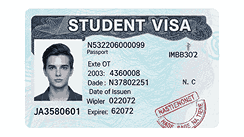
What Is A Student Visa?
A student visa is an official document issued by a country that allows an international student to enter, study, and remain in the country for the duration of their educational program. It is typically required for students who plan to attend colleges, universities, or vocational schools abroad. Student visas are granted after a rigorous application process that includes submitting proof of admission to an accredited institution, financial stability, and sometimes health and security clearances. The purpose of the student visa is to legally authorize your stay while you pursue your studies and to ensure compliance with immigration regulations. The requirements and processing times vary depending on the destination country and type of program.
How Long Does A Student Visa Application Take?
The processing time for a student visa application can vary widely depending on the country, type of visa, time of year, and completeness of submitted documents. Some countries may process visas within a few weeks, while others may take several months. Factors such as additional background checks, administrative reviews, and high demand during peak academic seasons can extend processing times. Students are advised to apply as early as possible and monitor application portals or communication from the visa office. Delays do not necessarily indicate denial, but they can affect your ability to plan travel, accommodation, and enrollment timelines.
Common Reasons Why Student Visa Applications Are Pending
A student visa application can remain pending due to several reasons. Missing documentation, verification of educational records, financial proof checks, or security background reviews are typical causes. Some applications may require additional interviews or clarifications, which can prolong the process. Administrative backlogs, especially during high-volume periods, also contribute to extended waiting times. Additionally, discrepancies in application forms, errors in supporting documents, or the need for translation of records can cause delays. Understanding the common causes of pending status can help applicants proactively provide required information and communicate with visa authorities to reduce unnecessary delays.
What To Do While Your Student Visa Is Pending
While your student visa application is pending, there are several steps you can take to stay prepared. Monitor email and application portals for updates, ensure all requested documents are submitted promptly, and maintain communication with your school and embassy. Avoid making non-refundable travel arrangements until the visa is granted. Students can also begin preparing for their arrival by arranging accommodation, understanding local regulations, and researching cultural and academic expectations. Maintaining patience and proactive organization is crucial during this period. In some cases, consulting with immigration advisors or the international office of your school can provide additional guidance on pending applications.
Can I Travel While My Student Visa Is Pending?
Traveling while your student visa application is pending is generally not recommended. Most countries require the visa to be approved before entry, and attempting to travel without it can result in denied boarding or refusal at the border. Some students may be eligible for emergency travel under certain conditions, but this typically requires prior authorization from immigration authorities. It is safer to plan travel after receiving visa approval to avoid unnecessary complications or delays. Checking with the embassy or consulate handling your visa application is essential if urgent travel is unavoidable.
Impact Of Pending Visa On Enrollment And Orientation
A pending student visa can directly affect your enrollment and participation in orientation activities. Universities often require students to present valid visas before attending classes or registering for courses. Delays in visa approval can postpone enrollment, which may affect your academic progress or ability to access student services. Orientation sessions and initial administrative processes might also require proof of legal entry, making timely visa approval crucial. Communicating with your institution about visa delays allows schools to provide alternative arrangements, such as online registration or deferred orientation, reducing disruption to your academic journey.
How To Check The Status Of Your Student Visa Application
Checking the status of your student visa application usually involves using the online portal provided by the visa issuing authority or contacting the consulate or embassy directly. Applicants may receive a reference number or application ID to track progress. Some countries offer automated email updates or notifications. It is important to regularly check the official channels, as third-party information may be unreliable. If delays exceed the typical processing time, contacting the visa office politely for updates can clarify any outstanding requirements. Accurate and timely status checks help ensure that any issues are addressed promptly, preventing further delays.
Steps To Take If Your Student Visa Is Delayed
If your student visa is delayed beyond the standard processing time, there are several steps to consider. First, review your application to ensure all documents were correctly submitted. Contact the visa office for updates and clarification on pending issues. Notify your educational institution about the delay to explore alternative arrangements for enrollment or deferral. Maintaining documentation of all communication with immigration authorities is important. In some cases, engaging an immigration consultant or legal advisor can provide additional support. Proactive action ensures that delays do not negatively impact your academic schedule or travel plans.
Conclusion
A pending student visa application can cause anxiety and uncertainty for international students, but understanding the process, common reasons for delays, and steps to manage the situation can alleviate stress. Staying informed, maintaining communication with visa authorities and educational institutions, and preparing for alternative scenarios ensures that students are ready to embark on their studies as soon as the visa is approved. Patience, diligence, and careful planning are key to navigating the pending period successfully and achieving a smooth transition to study abroad.
Frequently Asked Questions
1. What Happens If My Student Visa Application Is Pending?
If your student visa application is pending, it means your submitted documents and information are under review by the immigration authorities. During this period, you cannot travel or attend classes until approval is granted. The pending status may result from administrative checks, verification of documents, background investigations, or high application volumes. It is essential to monitor your application portal, respond promptly to any requests for additional information, and maintain communication with your educational institution. While waiting, you can prepare for travel, accommodation, and academic requirements. Patience is crucial, and understanding the reasons for delays can help manage expectations and plan accordingly.
2. How Long Can A Student Visa Application Remain Pending?
A student visa application can remain pending anywhere from a few weeks to several months, depending on the country and complexity of the case. Processing times vary due to document verification, background checks, embassy workload, and peak application periods. Some delays may arise from incomplete documents or additional requests for clarification. Students should apply well in advance and monitor their application status regularly. While a pending application is not a denial, prolonged delays may require proactive follow-ups with the visa office. Communicating with your school about the pending status ensures alternative arrangements for enrollment and orientation if necessary.
3. Can I Study Online While My Student Visa Is Pending?
Studying online while your student visa is pending may be possible depending on your educational institution. Many universities offer virtual classes for international students who have not yet arrived due to visa delays. Participating online allows students to keep up with coursework and engage in academic activities while awaiting visa approval. It is essential to confirm with the institution whether online attendance meets enrollment requirements and maintains visa eligibility. Although online study cannot replace in-person experiences entirely, it ensures academic progress continues without interruption. Maintaining communication with professors and the international office is vital during this transition.
4. Will A Pending Student Visa Affect My Admission?
A pending student visa does not automatically affect your admission, but it may delay your ability to enroll or attend classes. Universities usually require proof of valid visa status for registration, housing, and participation in campus activities. Informing your institution of delays allows them to offer alternatives, such as deferred enrollment or online coursework. Proactive communication ensures your admission remains secure while accommodating visa processing timelines. Maintaining accurate documentation and monitoring application updates can minimize the impact of pending status on your academic schedule and provide reassurance to both you and your school.
5. What Documents Can Cause My Student Visa To Be Pending?
Several documents can cause a student visa application to remain pending, including incomplete admission letters, missing financial statements, unclear identification, or incorrect academic transcripts. In some cases, security background checks or health certificates may require additional verification. Translating documents or providing notarized copies may also extend processing times. Ensuring that all required documents are submitted correctly and in a timely manner reduces the likelihood of delays. Responding promptly to any requests from the visa office and maintaining organized records of all submissions is essential for smooth processing and minimizing the duration of a pending application.
6. How Do Embassies Notify Applicants About Pending Status?
Embassies or consulates typically notify applicants about pending visa status via email, online portals, or official letters. Notifications may include reference numbers, expected processing times, or requests for additional information. Some countries provide automated updates, while others require applicants to check status manually. It is crucial to rely only on official communication channels and avoid third-party sources. Timely responses to embassy inquiries or document requests can help expedite processing. Understanding the notification process and monitoring updates regularly ensures applicants remain informed and prepared to address any issues that may prolong the pending status of their student visa application.
7. Can I Extend My Travel Plans While Waiting For A Student Visa?
Extending travel plans while waiting for a student visa is generally not advisable until approval is confirmed. Traveling without a valid visa can lead to denied entry or border complications. In rare cases, emergency travel may be approved with prior authorization, but this requires direct communication with the embassy or consulate. Planning travel cautiously and only after visa approval ensures compliance with immigration rules and prevents unnecessary stress. Meanwhile, applicants can focus on preparatory tasks such as accommodation arrangements, academic planning, and understanding local regulations, so they are ready to travel immediately once the visa is granted.
8. Are There Fees Associated With Pending Student Visa Applications?
While the majority of visa fees are paid at the time of application, some countries may require additional administrative fees if supplemental documents or expedited processing is requested during the pending period. Applicants should carefully review the visa fee structure and maintain proof of all payments. Understanding fee policies prevents unexpected financial burdens and ensures that the application process proceeds smoothly. Monitoring official updates from the embassy or consulate will provide guidance on any additional fees that may arise. Clear documentation and timely payment are crucial for avoiding processing delays during the pending status of your student visa application.
9. How Can I Speed Up A Pending Student Visa Application?
To potentially speed up a pending student visa application, ensure all required documents are complete, accurate, and submitted promptly. Respond quickly to any additional requests from the embassy or consulate. Communicating with your educational institution for verification or letters of support can also be helpful. While processing times are largely dependent on the visa authority, staying organized, proactive, and polite in inquiries can reduce unnecessary delays. Avoiding repeated follow-ups and relying on official channels ensures your application remains prioritized without complications. Preparation and attention to detail are key to minimizing the pending period effectively.
10. What Should I Avoid While My Student Visa Is Pending?
While your student visa is pending, avoid traveling without authorization, submitting incomplete documents, or providing false information. Refrain from making non-refundable travel or accommodation arrangements until approval. Avoid third-party intermediaries that claim to expedite the process unofficially, as this can result in delays or complications. Maintaining clear communication with the embassy and your school, responding promptly to requests, and staying informed about processing timelines ensures a smooth application experience. Patience, organization, and compliance with official instructions are essential to prevent issues that could prolong the pending status of your student visa.
11. Can Delays In Student Visa Processing Affect Scholarships?
Delays in student visa processing can impact scholarships that have strict enrollment or attendance deadlines. Some scholarship programs require proof of enrollment or visa status to release funds. A pending visa can postpone these processes, potentially risking financial support. Students should inform scholarship providers about pending visa issues to explore extensions or alternative arrangements. Proactive communication ensures scholarship obligations are met while minimizing the risk of losing funding. Planning ahead and maintaining documentation of the pending status can provide necessary evidence for scholarship administrators.
12. Do All Countries Have The Same Student Visa Processing Time?
No, student visa processing times vary significantly between countries. Factors influencing processing times include visa type, background checks, embassy workload, peak application periods, and specific national immigration policies. Some countries offer expedited services, while others have longer average waiting periods. Applicants should research destination-specific processing times and plan accordingly. Understanding differences helps manage expectations, avoid last-minute complications, and allows students to prepare for potential delays while ensuring compliance with international immigration regulations.
13. Can A Pending Student Visa Be Rejected?
Yes, a pending student visa can ultimately be rejected if the applicant fails to meet requirements, submits incomplete or false documents, or fails background or security checks. Rejection can occur at any stage of the review process. Applicants should carefully follow guidelines, submit accurate documentation, and respond promptly to any additional requests to minimize the risk of denial. If rejected, understanding the reason allows for the possibility of reapplication or appeal. Being proactive and attentive during the pending period is essential to maintaining eligibility and increasing the chances of approval.
14. How Do I Communicate With The Visa Office During Pending Status?
Communication with the visa office during pending status should be polite, concise, and limited to official channels such as email, phone, or online portals. Include application reference numbers, full name, and specific inquiries when contacting authorities. Avoid excessive follow-ups, as this can slow processing. Keeping records of all correspondence ensures documentation is available if questions arise. Clear and professional communication demonstrates responsibility and can facilitate smoother processing of your student visa application.
15. What Are Administrative Processing Delays In Student Visas?
Administrative processing delays occur when additional verification or review is required for your student visa application. This can include security checks, background investigations, or validation of academic and financial documents. The duration of administrative processing is unpredictable and can vary from weeks to months. Applicants should continue monitoring their application status, provide requested documents promptly, and maintain communication with the embassy. Understanding that administrative delays are common helps manage expectations and reduces stress while awaiting approval.
16. Can I Begin Preparations For Arrival While Visa Is Pending?
Yes, you can prepare for your arrival while your visa is pending. This includes arranging housing, planning finances, researching local culture and regulations, and preparing academic materials. Avoid booking flights or making commitments dependent on visa approval until your application is granted. Proactive preparation ensures a smooth transition once the visa is approved. Communicating with your institution about potential arrival timelines allows them to provide guidance and resources for international students during the pending period.
17. Will A Pending Student Visa Affect Travel Insurance?
A pending student visa can affect travel insurance policies that require confirmed travel dates or visa approval. Most providers issue coverage only once travel is confirmed. Students should inform insurers about pending visa status and check policy flexibility. Delays may require adjustments or extensions of insurance coverage. Understanding policy requirements and communicating proactively ensures adequate protection while minimizing financial risks during the pending period.
18. Can I Request Expedited Processing For A Student Visa?
Expedited processing may be available in some countries under specific circumstances, such as urgent academic start dates or emergency situations. Applicants must submit formal requests with supporting documentation to the visa office. Expedited processing is not guaranteed and may incur additional fees. Clear communication and valid justification increase the likelihood of approval. Understanding the country-specific policies on expediting applications helps students explore this option responsibly while their visa remains pending.
19. How Can Universities Assist Students With Pending Visas?
Universities often provide support for students with pending visas through international offices, guidance counselors, and administrative staff. Assistance can include providing letters verifying admission, extending deadlines, offering online coursework, and advising on communication with consulates. Engaging with university support ensures that students maintain academic progress and comply with institutional requirements. Proactive communication with the school allows for practical solutions to mitigate the impact of a pending visa on enrollment and orientation.
20. What Are My Rights While My Student Visa Is Pending?
While your student visa is pending, you have the right to be informed about the status of your application, receive timely notifications from the embassy or consulate, and respond to requests for additional documents. You are entitled to privacy and fairness in processing and should be treated without discrimination. Students can also appeal decisions or provide clarifications if necessary. Understanding your rights ensures you can advocate effectively, maintain compliance with regulations, and take appropriate steps to secure approval without unnecessary delay or stress.
FURTHER READING
- What Are The Reasons For A Student Visa Revocation?
- Can I Travel During My Student Visa Application Process?
- Can I Apply For A Student Visa Without TOEFL
- Can A Student Visa Holder Start A Business?
- Can I Transfer My Student Visa To Another Program?
- What Is The Easiest Way To Get A Student Visa?
- Can A Student Visa Be Revoked? | Consequences Of Student Visa Revocation Explained
- Can I Work As A Freelancer On A Student Visa?
- Can I Apply For Jobs On A Student Visa?
- What Happens If I Overstay My Student Visa?
- Can A Student Visa Be Issued Without An Interview?