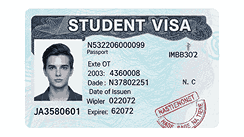
What Is A Student Visa?
A student visa is an official authorization issued by a country allowing foreign nationals to study at an accredited educational institution within its borders. Typically, a student visa outlines the period you are allowed to stay, the type of studies you are permitted to undertake, and specific conditions related to employment, travel, and other activities. Student visas are often temporary and strictly regulated, requiring proof of enrollment, financial stability, and adherence to academic and legal responsibilities. Understanding the parameters of a student visa is essential because violating these terms, such as working beyond authorized hours or after the visa expires, can result in penalties, deportation, or future restrictions on re-entry. Compliance ensures legal protection while pursuing education abroad.
Types Of Student Visas And Eligibility Requirements
Student visas vary depending on the country, program type, and duration of study. Some common types include short-term visas for language courses, long-term visas for undergraduate or postgraduate programs, and exchange visas for cultural or study exchanges. Eligibility requirements usually include admission to a recognized institution, proof of sufficient funds to cover tuition and living expenses, a clean criminal record, and sometimes language proficiency tests such as TOEFL or IELTS. Certain countries also require medical examinations. Knowing which visa type applies to your situation ensures compliance and facilitates the proper planning for studies and permitted work opportunities while on a student visa.
Work Authorization While On A Student Visa
Many countries allow limited work opportunities for student visa holders. This work can include on-campus employment, internships, or part-time jobs off-campus under strict regulations. For instance, in countries like the United States, students on an F-1 visa may work up to 20 hours per week during the semester and full-time during breaks, while in Canada, study permit holders may work on-campus or off-campus for up to 20 hours per week. Understanding work authorization rules is crucial, as unauthorized work can jeopardize your visa status. Staying informed about work eligibility ensures students gain valuable experience without violating immigration laws.
What Happens When Your Student Visa Expires
Once a student visa expires, legal permission to reside and work in the host country ends. Continuing to work or remain in the country without valid authorization is considered illegal and can result in serious consequences, including fines, deportation, bans on re-entry, and complications in future visa applications. Some countries offer a grace period after graduation or visa expiration, allowing students to prepare for departure or apply for a new visa category. It is important to know the expiration date, apply for extensions in advance if eligible, and explore transition options such as work visas or post-graduation permits to maintain lawful status.
Post-Graduation Work Options
After completing studies, many countries provide post-graduation work permits or temporary work visas that allow students to gain professional experience. For example, Canada offers a Post-Graduation Work Permit (PGWP) that can last up to three years depending on the length of study, while Australia offers Temporary Graduate Visas (subclass 485) for similar purposes. These permits require application within a set time frame after graduation and may allow full-time employment. Exploring post-graduation work options is vital for international students seeking to transition from student status to professional work while maintaining compliance with immigration regulations.
Consequences Of Working After Visa Expiration
Working after your student visa expires is considered unauthorized employment and can have long-term repercussions. Consequences may include removal from the country, legal penalties, and difficulty obtaining future visas or immigration benefits. Employers may also face fines or sanctions for hiring individuals without valid work authorization. Beyond legal penalties, unauthorized work can impact your professional reputation and create barriers to pursuing permanent residency or career opportunities abroad. Maintaining legal status and exploring authorized work options is essential to protect your career trajectory and ensure compliance with immigration policies.
How To Maintain Legal Status After Studies
To maintain legal status after completing your studies, students should explore available visa extensions, transition to work permits, or apply for alternative visa categories, such as skilled worker or employer-sponsored visas. It is essential to track visa expiration dates and adhere strictly to application deadlines. Consulting with immigration advisors or the international student office of your institution can provide guidance on available options and procedural requirements. By proactively planning and applying for appropriate visas, students can continue living and working legally in their host country, avoid penalties, and maximize opportunities for career development and professional growth.
Frequently Asked Questions
1. Can I Work After My Student Visa Expires?
Working after your student visa expires is illegal in most countries unless you have transitioned to a valid work permit or another authorized visa category. Unauthorized work can lead to deportation, fines, bans on future entry, and difficulties with future immigration applications. Many countries provide grace periods or post-graduation work options, but it is critical to apply for these permits on time. Transitioning to a proper work visa allows you to gain professional experience legally while avoiding long-term penalties. Staying informed about your visa status and permitted employment is essential to maintain compliance and protect your career and immigration future.
2. How Long Can I Stay In The Country After My Student Visa Expires?
The length of time you can stay depends on the host country’s regulations. Some countries provide a grace period, typically ranging from 30 to 90 days, to prepare for departure, apply for a post-graduation work visa, or adjust to another legal status. Overstaying beyond this period without proper authorization can result in penalties, deportation, and restrictions on future travel. It is crucial to confirm the grace period allowed, maintain proper documentation, and apply for extensions or alternative visas promptly to avoid complications with your immigration record and future opportunities in the country.
3. What Are The Risks Of Working Without A Valid Visa?
Working without a valid visa exposes you to serious legal consequences, including deportation, fines, and bans on re-entry. Employers hiring unauthorized workers may also face penalties, which can affect your professional credibility. Additionally, illegal employment can create complications in securing future visas, permanent residency, or professional licenses. Unauthorized work may void post-graduation work permits or other immigration benefits. It is critical to ensure that any work you undertake is permitted by your visa status to safeguard your career, protect your legal record, and maintain eligibility for future immigration or employment opportunities.
4. Can I Apply For A Work Visa Before My Student Visa Expires?
Yes, in most countries, applying for a work visa before your student visa expires is the recommended approach. Timely application ensures you remain in legal status during the transition and avoids gaps in authorization. Many countries require that applications for post-graduation or skilled worker visas be submitted within a specific period after graduation or visa expiration. Consulting your institution’s international office or immigration authorities can provide guidance on application procedures and eligibility. Applying proactively allows you to continue residing and working legally without violating immigration laws and protects your long-term career and residency prospects.
5. Are There Any Post-Graduation Work Permits Available?
Many countries offer post-graduation work permits for international students to gain professional experience. For example, Canada’s PGWP allows graduates to work for up to three years, depending on the program’s duration, while Australia provides Temporary Graduate Visas (subclass 485). Eligibility usually requires completion of an accredited program and application within a set time frame after graduation. These permits allow full-time employment and provide pathways to permanent residency or professional growth. Understanding post-graduation work permit options enables students to legally transition from academic study to professional work while maintaining compliance with immigration regulations.
6. How Do Grace Periods Work After Student Visa Expiration?
Grace periods are limited time frames after visa expiration that allow students to prepare for departure, apply for work permits, or change visa status. Typically, grace periods last from 30 to 90 days, depending on the country’s immigration rules. During this period, students cannot legally work unless they have applied for and received an authorized visa. Grace periods are not extensions of work authorization but offer a legal buffer to complete administrative processes. Adhering to the grace period ensures compliance with immigration laws and avoids penalties such as fines, deportation, or bans on future entry.
7. Can I Switch From A Student Visa To A Skilled Worker Visa?
Yes, in many countries, students can transition from a student visa to a skilled worker or employment-based visa if they meet eligibility requirements. Requirements often include a job offer from a licensed employer, relevant qualifications, and work experience. Timely application before the student visa expires is critical. Switching visa categories allows graduates to continue living and working legally, gain professional experience, and potentially pursue permanent residency. Consulting immigration advisors or legal experts can help navigate the application process and increase the likelihood of approval while maintaining compliance with immigration regulations.
8. Is Unauthorized Work Considered A Serious Violation?
Yes, unauthorized work is considered a significant violation of immigration laws. Consequences can include fines, deportation, bans on re-entry, and future visa application challenges. Both the employee and employer may face legal repercussions. Unauthorized work can also affect eligibility for post-graduation permits, professional licenses, and permanent residency. Maintaining legal work status is essential to protect your career, immigration record, and future opportunities abroad. Understanding work limitations and adhering strictly to visa regulations is crucial for international students transitioning to professional life.
9. Can I Volunteer After My Student Visa Expires?
Volunteering without proper authorization may also be considered illegal work, depending on the country’s immigration laws. Some countries allow volunteer activities without pay under specific conditions, but many require a valid visa or work permit. It is essential to verify with immigration authorities or your institution whether volunteering is permitted after your student visa expires. Engaging in unauthorized volunteer work can jeopardize your legal status and future visa applications. Always ensure that your activities comply with immigration regulations to maintain legal residency and protect your long-term career and residency prospects.
10. What Should I Do If My Student Visa Has Already Expired?
If your student visa has already expired, it is important to act immediately. Contact immigration authorities to discuss options such as applying for a temporary extension, work permit, or voluntary departure. Avoid continuing work, as unauthorized employment can worsen legal consequences. Documenting your situation and seeking professional guidance can help mitigate penalties and explore potential avenues to regularize your status. Prompt action demonstrates compliance and a willingness to rectify the situation, which may be considered favorably in future visa or immigration applications.
11. Can Employers Check My Visa Status?
Yes, employers can and often are required to verify your visa status before hiring. Employing someone without valid work authorization can result in fines, legal action, or loss of business licenses. Many employers use online verification systems or request documentation, such as work permits or visas, to ensure compliance with immigration laws. Ensuring your visa is valid before seeking employment protects both you and the employer from legal issues and maintains your professional reputation and eligibility for future opportunities abroad.
12. Can I Extend My Student Visa To Work Legally?
In some countries, student visa extensions are possible but typically only for continued study or additional academic programs. Extensions solely for work purposes are rare; instead, transitioning to a work permit or post-graduation visa is usually required. Timely application for the appropriate visa category is essential to avoid lapses in legal status. Consulting your institution’s international office or immigration experts can provide guidance on eligibility, timelines, and documentation requirements, ensuring you remain compliant while pursuing work opportunities.
13. How Do I Apply For Post-Study Work Visas?
Applying for post-study work visas usually involves submitting proof of program completion, valid identification, and documentation of enrollment in a recognized institution. Many countries require applications within a specific period after graduation. Some visas may also require a job offer or evidence of financial stability. Accurate documentation, timely submission, and adherence to immigration guidelines are essential to avoid rejection. Understanding the application process and maintaining legal status throughout ensures a smooth transition from student to professional status.
14. Are There Any Restrictions On Jobs After Graduation?
Yes, even after graduation, certain work visas may have restrictions. These can include limitations on sector, employer type, or duration of employment. Some visas allow full-time work, while others may require part-time limitations. Understanding these restrictions ensures compliance with immigration laws and protects your long-term career and residency prospects. Researching job eligibility and adhering to visa conditions is crucial for maintaining legal status and maximizing professional opportunities after completing studies.
15. Can I Travel While My Visa Is Expired?
Traveling with an expired visa is generally prohibited. Leaving the country may result in denial of re-entry, fines, or deportation. If you plan to travel, it is essential to obtain a valid visa, extension, or work permit before departure. Some countries allow limited exit and re-entry under special circumstances, but this is uncommon. Maintaining valid status is critical for both travel and continued residence in the host country. Always check immigration regulations before planning any travel after your student visa expires.
16. Does Overstaying Affect Future Visa Applications?
Yes, overstaying can negatively impact future visa or immigration applications. It may result in entry bans, increased scrutiny, and denial of visas. Immigration authorities view overstaying as a violation of the law, which can affect eligibility for permanent residency, work permits, or future study visas. Maintaining legal status and addressing any overstays promptly is essential to protect your immigration record and long-term ability to live, work, or study abroad.
17. Can I Work While Waiting For A Work Visa Approval?
Working while waiting for work visa approval is generally prohibited unless specific provisions allow it, such as continued authorization under a post-graduation or transition visa. Engaging in employment without legal authorization can invalidate your application and lead to penalties. Consulting immigration authorities or legal experts ensures clarity on whether you can work during processing. Compliance during the waiting period protects your legal status, maintains eligibility for current and future visas, and prevents potential fines or deportation.
18. How Can I Legally Stay And Work After My Studies?
Legally staying and working after studies typically involves applying for post-graduation work permits, skilled worker visas, or employer-sponsored visas. Timely application and meeting eligibility criteria, such as job offers or program completion, are essential. Consulting immigration advisors or your institution ensures proper guidance and documentation. Following legal procedures allows graduates to gain work experience, maintain lawful residency, and build a professional career without risking penalties or future immigration issues. Planning ahead is key to ensuring smooth transitions from student status to professional employment.
19. What Documents Do I Need To Work Legally After Graduation?
Required documents usually include proof of graduation, valid identification, immigration status records, and sometimes a job offer. Certain countries may require additional documentation, such as financial statements, medical checks, or police certificates. Ensuring accuracy, completeness, and timely submission is crucial to prevent delays or rejection. Having all required documentation prepared in advance helps maintain legal work status, facilitates smooth processing of work permits, and ensures compliance with immigration regulations, protecting both your professional and legal interests.
20. Can I Change Employers While On A Post-Graduation Work Visa?
Changing employers is possible in some countries, but certain work visas may have restrictions requiring approval for new employment. It is important to review the visa terms and consult immigration authorities before changing employers. Unauthorized job changes can lead to legal consequences, loss of visa status, or deportation. Following proper procedures ensures continued compliance with immigration laws, protects your employment rights, and allows you to gain professional experience safely while maintaining lawful residency in the host country.
FURTHER READING
- What Happens If My Student Visa Application Is Pending?
- What Are The Reasons For A Student Visa Revocation?
- Can I Travel During My Student Visa Application Process?
- Can I Apply For A Student Visa Without TOEFL
- Can A Student Visa Holder Start A Business?
- Can I Transfer My Student Visa To Another Program?
- What Is The Easiest Way To Get A Student Visa?
- Can A Student Visa Be Revoked? | Consequences Of Student Visa Revocation Explained
- Can I Work As A Freelancer On A Student Visa?
- Can I Apply For Jobs On A Student Visa?
- What Happens If I Overstay My Student Visa?