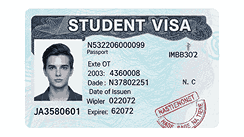
What Is A Student Visa?
A student visa is an official document issued by a country that allows foreign nationals to enter and stay for the purpose of pursuing academic studies at a recognized educational institution. It serves as legal permission for students to reside, attend classes, and often engage in limited work opportunities while completing their education. Obtaining a student visa is a crucial step in studying abroad, as it ensures compliance with immigration laws and enables students to focus on their academic goals without legal complications. The process typically involves providing proof of admission, financial stability, language proficiency, and ties to the home country.
Requirements For Obtaining A Student Visa
Most countries require applicants to submit detailed documentation to secure a student visa. Common requirements include a valid passport, proof of acceptance from an accredited educational institution, evidence of sufficient funds to cover tuition and living expenses, health insurance, and language proficiency test results such as TOEFL or IELTS. Additionally, applicants may need to provide a personal statement explaining their study plans, letters of recommendation, and a clean criminal record. Understanding these requirements before applying increases the likelihood of approval, as incomplete or inaccurate documentation is a leading cause of visa denial. Proper preparation and careful attention to detail are critical for success.
Factors Affecting Student Visa Approval
Student visa approval depends on several factors, including the applicant’s financial stability, academic readiness, and ties to their home country. Immigration authorities evaluate whether the applicant is genuinely interested in studying, has sufficient resources to support themselves, and plans to return home after completing their education. A strong academic record, credible financial documentation, and a clear study plan can significantly improve approval chances. Conversely, inconsistencies in documents, vague study intentions, or prior immigration violations may reduce the likelihood of success. Being transparent, honest, and thorough during the application process plays a vital role in obtaining a positive outcome.
Common Reasons Student Visas Are Denied
Student visas can be denied for several reasons, such as incomplete documentation, insufficient financial evidence, or lack of genuine academic intent. Authorities may also refuse applications if there are discrepancies in personal information, previous visa violations, or concerns about the applicant overstaying their visa. Other reasons include inadequate English proficiency, unclear study goals, or failure to demonstrate strong ties to the home country. Understanding these common pitfalls allows applicants to proactively address potential issues. Careful preparation, providing accurate information, and presenting a convincing case for studying abroad are essential strategies for avoiding denial and increasing the chances of approval.
Tips To Increase Student Visa Approval Chances
To maximize the likelihood of securing a student visa, applicants should prepare thoroughly and present a compelling case. This includes gathering all necessary documents, maintaining a clean immigration and criminal record, demonstrating financial capability, and clearly articulating study objectives. Engaging in mock interviews, reviewing potential questions, and seeking guidance from experienced advisors can further strengthen the application. Additionally, choosing reputable institutions and being transparent about intentions helps authorities assess credibility. Demonstrating strong academic preparedness, clear future goals, and ties to the home country significantly enhances approval chances. Consistency, honesty, and meticulous preparation are key to a successful student visa application.
Interview Preparation For Student Visa Approval
Many student visa applications require a personal interview to evaluate the applicant’s intentions, preparedness, and overall eligibility. Successful interview preparation involves practicing responses to common questions about study plans, financial sources, and career aspirations. Applicants should also be able to clearly explain why they chose a specific program and institution and how it aligns with their future goals. Dressing professionally, maintaining a confident and polite demeanor, and providing concise, honest answers increase credibility. Reviewing all submitted documents beforehand and being familiar with visa regulations can prevent miscommunication and help applicants confidently address any questions or concerns raised by immigration officers.
Conclusion
Securing a student visa requires careful planning, accurate documentation, and a clear demonstration of academic and financial readiness. Understanding the requirements, addressing potential challenges, and preparing thoroughly for interviews can significantly improve approval chances. By presenting a credible, well-supported application, students increase their likelihood of being granted a visa, allowing them to pursue their educational goals abroad without unnecessary delays or complications. Attention to detail, honesty, and careful preparation remain the most effective strategies for achieving student visa success.
Frequently Asked Questions
1. What Are The Chances Of Getting A Student Visa Approved?
The chances of getting a student visa approved vary depending on factors such as the applicant’s academic background, financial stability, ties to the home country, and completeness of documentation. Countries carefully assess whether an applicant has a genuine intent to study, sufficient funds to cover tuition and living costs, and a clear plan to return home after education. Providing thorough, accurate information and meeting all requirements, such as proof of admission, financial statements, and language proficiency, significantly improves approval chances. While there is no guaranteed success, well-prepared candidates with strong academic records, transparent study intentions, and credible financial evidence typically have high approval rates.
2. How Long Does It Take To Get A Student Visa Approved?
Student visa processing times vary by country and depend on the volume of applications, completeness of documentation, and the applicant’s individual circumstances. On average, processing can take anywhere from a few weeks to several months. Applicants should submit their applications well in advance of their intended travel date to allow for potential delays. Delays may occur due to additional document verification, background checks, or security screening. Maintaining constant communication with the visa office, providing accurate information, and promptly responding to requests for further documentation can help expedite the process and reduce waiting time, ensuring timely approval for the academic term.
3. Can Financial Status Affect Student Visa Approval?
Yes, financial status is a critical factor in student visa approval. Immigration authorities require applicants to demonstrate the ability to cover tuition fees, living expenses, and other costs while studying abroad. Insufficient funds or unclear financial documentation can lead to visa denial. Providing bank statements, scholarship letters, sponsorship documents, and proof of family support strengthens the application. Authorities need assurance that students will not rely on illegal work or public funds. Maintaining transparent, verifiable financial records and demonstrating consistent financial stability significantly enhances the likelihood of approval, showing that the applicant is prepared to sustain themselves during their studies.
4. Does Choosing A Reputable School Increase Student Visa Chances?
Yes, attending a recognized and accredited institution positively impacts student visa approval. Immigration authorities are more likely to approve visas for students enrolled in reputable schools with strong academic standards. This demonstrates the applicant’s genuine intent to pursue meaningful education and reduces concerns about fraudulent or low-quality programs. Additionally, reputable institutions often provide support with visa applications, offer guidance on documentation, and issue proper acceptance letters. Selecting a credible school with clear academic programs enhances the applicant’s credibility, making it easier for authorities to assess the legitimacy of the study plan and approve the visa.
5. How Important Is Ties To Home Country For Visa Approval?
Ties to the home country are extremely important for student visa approval, as authorities need assurance that applicants intend to return after completing their studies. Strong ties may include family relationships, property ownership, employment prospects, or ongoing commitments. Demonstrating these connections reassures immigration officials that the student’s primary objective is education, not permanent residency. Applicants should clearly explain their future plans in the home country, highlighting professional goals, family obligations, and personal commitments. Strong evidence of ties increases credibility, reduces concerns about overstaying, and significantly improves the likelihood of obtaining a student visa.
6. Can A Previous Visa Denial Affect My Student Visa Application?
Yes, a previous visa denial can affect a new student visa application, but it does not automatically result in rejection. Applicants must disclose past denials and provide explanations for the circumstances, including corrective measures or new supporting evidence. Authorities evaluate whether the applicant has addressed previous issues, such as insufficient documentation, financial instability, or incomplete information. Demonstrating transparency, improved preparation, and a genuine intent to study can help overcome prior denials. While past rejections may raise scrutiny, carefully addressing previous shortcomings increases the chances of approval for a subsequent student visa application.
7. Is Language Proficiency Required For Student Visa Approval?
Language proficiency is typically required for student visa approval, particularly for programs conducted in English or the official language of the host country. Applicants may need to provide standardized test scores, such as IELTS, TOEFL, or equivalent certifications, to demonstrate their ability to understand coursework and participate fully in academic activities. Adequate language skills indicate preparedness, commitment, and the likelihood of academic success. Failure to meet the language requirements can result in visa denial. Proper preparation, including language testing and documentation, ensures that applicants meet eligibility criteria, enhancing the chances of securing a student visa.
8. Can Part-Time Work Affect Student Visa Approval?
Yes, part-time work regulations are a consideration for student visa approval. Most countries allow students to work limited hours during their studies, but exceeding permitted limits or working illegally can lead to visa denial or revocation. Immigration authorities assess whether applicants understand and intend to comply with these regulations. Demonstrating awareness of work restrictions, providing proof of financial readiness, and emphasizing the focus on studies reassure officials. Ensuring compliance with part-time work rules strengthens the application, showing the student’s ability to balance academic and financial responsibilities within legal boundaries.
9. Does The Type Of Program Influence Visa Approval?
Yes, the type of academic program can influence visa approval. Programs recognized by the government, accredited institutions, and those with clear academic or professional relevance are viewed favorably. Authorities may scrutinize short-term, non-degree, or unconventional programs more closely to ensure they align with educational objectives. Providing documentation that explains program objectives, curriculum, and relevance to career goals helps demonstrate genuine academic intent. Choosing programs that meet regulatory standards and have clear academic value increases the likelihood of approval, as it assures immigration officials that the student’s primary purpose is legitimate education.
10. How Can A Well-Prepared Application Improve Approval Odds?
A well-prepared application is critical for improving student visa approval odds. Accurate documentation, financial proof, acceptance letters, personal statements, and clear study intentions demonstrate credibility and preparedness. Attention to detail prevents inconsistencies that could raise concerns. Applicants should also ensure they meet language and health requirements and address potential questions proactively. Organizing all materials neatly, providing supporting evidence, and presenting a coherent study plan reassures immigration authorities. Thorough preparation signals seriousness and reliability, significantly enhancing the probability of a positive decision, reducing processing delays, and minimizing the risk of visa denial.
11. Are Interviews A Critical Part Of Approval?
Yes, interviews are often a critical part of student visa approval. They allow immigration officers to assess the applicant’s intentions, preparedness, and authenticity. Successful interviews require clear, concise, and honest answers regarding study plans, financial resources, and future goals. Applicants should be ready to explain why they chose a particular program and institution and how it aligns with their career trajectory. Proper preparation, confident communication, and familiarity with submitted documents increase credibility. A well-handled interview strengthens the application, demonstrates genuine intent, and significantly improves the likelihood of student visa approval.
12. Can Scholarships Affect Visa Approval?
Yes, receiving a scholarship can positively affect visa approval. Scholarships provide proof of financial stability, academic merit, and recognition by the educational institution. They demonstrate that the student has been vetted by a credible organization and is capable of sustaining their studies. Immigration authorities view scholarships as an indicator of genuine academic intent and a reduced risk of financial dependence. Providing official scholarship letters and related documentation enhances credibility, strengthens the application, and increases the chances of obtaining a student visa successfully.
13. How Do Criminal Records Impact Approval?
Criminal records can significantly impact student visa approval. Immigration authorities require applicants to have a clean criminal history to ensure safety and compliance with legal standards. Certain offenses or convictions may result in denial, while minor or unrelated infractions might require explanation and supporting documentation. Being transparent about past records, providing rehabilitation evidence, and offering official documents, such as police clearances, can mitigate concerns. A clean record or thorough disclosure demonstrates honesty, integrity, and reliability, increasing the likelihood of successful student visa approval.
14. Does Previous Travel History Affect Student Visa Approval?
Yes, previous travel history can influence student visa approval. Positive travel experiences, such as previous study abroad or short-term visits without overstaying, indicate compliance with immigration rules. Conversely, a history of visa violations, overstays, or illegal work abroad can raise concerns. Documenting past travel experiences, providing supporting evidence, and demonstrating adherence to prior visa conditions enhances credibility. A strong, compliant travel history reassures authorities of the applicant’s reliability, contributing to higher chances of student visa approval.
15. How Important Is Clear Study Intent?
Clear study intent is crucial for student visa approval. Immigration authorities need assurance that the applicant’s primary purpose is education. Providing a detailed study plan, explaining program selection, career goals, and relevance to future plans, shows genuine academic interest. Ambiguous or inconsistent responses can lead to denial. Strong evidence of preparation, academic motivation, and clear objectives reassures officials that the applicant intends to focus on studies. A well-articulated study intent demonstrates commitment, credibility, and compliance, significantly improving the likelihood of obtaining a student visa.
16. Can Health Requirements Affect Approval?
Yes, meeting health requirements is often mandatory for student visa approval. Countries may require medical examinations, vaccinations, and proof of insurance to ensure students do not pose health risks and can cover medical expenses. Failing to provide health documentation or meet standards can result in delays or denial. Providing certified medical records, insurance proof, and vaccination certificates demonstrates compliance with regulations. Ensuring health requirements are met not only protects personal well-being but also strengthens the application, increasing the chances of successful student visa approval.
17. Does Age Affect Student Visa Approval?
Age can influence student visa approval in some countries, especially for very young or older applicants. Authorities may assess whether the age aligns with typical study timelines, program requirements, and maturity to live independently abroad. Younger students may require guardian arrangements, while older students may need to justify career and educational choices. Demonstrating readiness, appropriate planning, and a clear academic purpose regardless of age reassures immigration officials. Meeting eligibility criteria and providing a logical explanation for age-related considerations enhances the likelihood of approval.
18. How Do Changes In Immigration Policies Affect Approval?
Changes in immigration policies can directly affect student visa approval. Governments may revise eligibility criteria, processing timelines, documentation requirements, or financial thresholds. Staying updated on current regulations is essential to ensure compliance. Applicants must adjust their preparation to meet new standards, provide updated documents, and address policy-specific requirements. Awareness of policy changes, timely adaptation, and adherence to guidelines help maintain eligibility and improve approval chances, reducing risks of rejection due to outdated or non-compliant applications.
19. Can Family Support Influence Student Visa Approval?
Yes, family support can influence student visa approval. Demonstrating that family members provide financial assistance, guidance, and emotional support reassures authorities about the applicant’s ability to manage living expenses and successfully complete studies. Documents such as sponsorship letters, affidavits, and bank statements showing family backing strengthen the application. Family support also indicates strong ties to the home country, reducing concerns about overstaying. Clear evidence of familial backing enhances credibility, financial security, and overall approval likelihood.
20. Is Using A Visa Consultant Beneficial?
Using a visa consultant can be beneficial for student visa applications, especially for first-time applicants or those unfamiliar with the process. Consultants provide guidance on documentation, interview preparation, and understanding specific country requirements. They help avoid common mistakes, improve application organization, and offer insights on strengthening the case. However, choosing a reputable and experienced consultant is crucial to ensure accurate advice. Proper guidance can increase confidence, efficiency, and the likelihood of successful student visa approval, making the process smoother and more effective for applicants.
FURTHER READING
- Can I Work After My Student Visa Expires?
- What Happens If My Student Visa Application Is Pending?
- What Are The Reasons For A Student Visa Revocation?
- Can I Travel During My Student Visa Application Process?
- Can I Apply For A Student Visa Without TOEFL
- Can A Student Visa Holder Start A Business?
- Can I Transfer My Student Visa To Another Program?
- What Is The Easiest Way To Get A Student Visa?
- Can A Student Visa Be Revoked? | Consequences Of Student Visa Revocation Explained
- Can I Work As A Freelancer On A Student Visa?
- Can I Apply For Jobs On A Student Visa?