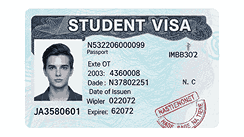
What Is A Student Visa?
A student visa is a legal document that allows international students to enter and stay in a foreign country for the purpose of pursuing education. Each country has its own student visa requirements, which typically include proof of admission from a recognized institution, proof of financial means, health insurance, and in some cases, language proficiency. A student visa ensures that students have legal permission to live and study abroad while complying with immigration rules. It also specifies whether a student can work part-time during studies. Without a valid student visa, it is impossible for most foreign nationals to legally enroll in universities abroad, making it a critical requirement for international education.
Importance Of Proof Of Funds In Student Visa Applications
Proof of funds is one of the most important requirements for obtaining a student visa. Immigration authorities request financial documents to ensure that applicants have enough money to cover tuition fees, accommodation, living expenses, health care, and other costs while studying abroad. The purpose is to confirm that students will not become financial burdens on the host country. Bank statements, scholarship letters, sponsor affidavits, and financial aid approval letters are commonly accepted as proof. Without sufficient financial evidence, most visa applications are denied because authorities assume the student may not sustain themselves. Thus, proof of funds is both a safeguard for the country and a measure of preparedness for the student.
Types Of Proof Of Funds Accepted For Student Visas
There are various types of proof of funds accepted when applying for a student visa. Commonly used evidence includes personal bank statements showing sufficient balance, fixed deposit certificates, loan approval letters from recognized banks, scholarship award letters, and affidavits of financial support from sponsors or family members. Some countries also accept income tax returns and salary slips of sponsors as supporting evidence. Additionally, certain universities provide official sponsorship or financial aid packages that can be submitted as proof. The type of financial document accepted depends on the country’s immigration policies, and applicants must carefully follow official requirements to avoid rejection.
Minimum Financial Requirements For Student Visa Approval
Each country sets a minimum financial requirement for student visa approval. For example, the United States requires evidence of tuition and living expenses for at least the first year of study. Canada requires proof of tuition plus a minimum of CAD 10,000 per year for living costs. The United Kingdom expects students to show funds to cover tuition and nine months of living expenses. Australia requires a set financial capacity to cover tuition, travel, and annual living costs. These minimums vary by country, but the common goal is to ensure students are financially capable of sustaining their stay without depending on illegal work or public funds.
Consequences Of Not Providing Proof Of Funds
Failure to provide proof of funds when applying for a student visa often results in outright rejection of the application. Immigration authorities prioritize financial security to avoid situations where foreign students may face hardships or resort to unlawful means of survival. Incomplete financial documentation raises doubts about an applicant’s ability to sustain themselves. In some cases, applicants may be allowed to reapply with complete documents, but repeated failures can damage their immigration history. Additionally, without proof of funds, even if admission has been granted by a school, visa approval will be nearly impossible. Thus, insufficient financial evidence is one of the most common causes of student visa denials worldwide.
Countries With Strict Proof Of Funds Requirements
Some countries are stricter than others when it comes to proof of funds. The United States, Canada, the United Kingdom, and Australia have very detailed financial requirements and rarely approve student visas without full documentation. These nations require evidence of tuition, accommodation, and personal expenses before approving any application. In contrast, some countries in Europe, Asia, and Africa may have more flexible rules, but most still require at least a minimum financial guarantee. For instance, Germany requires proof of a blocked bank account, while France mandates proof of monthly funds. Generally, developed nations enforce stricter financial scrutiny to ensure students meet the cost of living without struggling.
Role Of Sponsors And Scholarships In Proving Funds
Sponsors and scholarships play a vital role in student visa applications. A sponsor could be a parent, guardian, or relative willing to financially support the student. Proof of sponsorship usually requires a signed affidavit of support, bank statements, income tax documents, and employment details. Scholarships are considered strong financial proof because they come from recognized institutions, governments, or organizations. A scholarship letter guarantees partial or full coverage of tuition and living costs, reducing the financial burden on students. Both sponsors and scholarships help students who cannot afford to finance their education independently and are widely accepted by immigration authorities as valid proof of funds.
Alternative Options If Proof Of Funds Is Insufficient
Students who cannot provide sufficient proof of funds have alternative options. Applying for educational loans from recognized financial institutions is one common solution, as loan approval letters are often accepted as valid financial proof. Another option is applying for government or private scholarships that cover tuition and living expenses. Some students present a combination of personal funds and sponsorship documents to meet requirements. In rare cases, universities provide financial guarantee letters on behalf of students. It is also advisable for students to apply for part-time work permits where allowed, although this alone does not substitute for proof of funds. Ultimately, planning ahead and securing financial support is critical.
Differences In Proof Of Funds Requirements Across Countries
Proof of funds requirements vary significantly across countries. The United States emphasizes tuition and one year of living costs, while Canada requires a set annual living fund plus tuition. The United Kingdom demands tuition and at least nine months of living expenses. Germany requires a blocked bank account with a fixed amount, currently over €11,000. Australia sets specific annual living cost benchmarks. Smaller countries in Europe or Asia may require lower amounts but still insist on financial guarantees. These differences highlight the importance of carefully reviewing the official immigration guidelines of the country where one plans to study, since missing documents often cause rejections.
Importance Of Financial Planning Before Applying For A Student Visa
Financial planning is essential before applying for a student visa. Students must calculate tuition fees, accommodation, food, travel, and health insurance expenses well in advance. Many countries expect funds for at least the first year of study, while others may require proof for the entire duration. Creating a savings plan, securing scholarships, or arranging educational loans should be part of preparation. Poor financial planning often leads to application delays, visa denials, or academic interruptions. Successful applicants usually demonstrate not just sufficient funds but also strong evidence of financial stability. Therefore, organizing finances early increases the chances of visa approval.
Common Mistakes Students Make With Proof Of Funds
Many student visa applicants make avoidable mistakes when submitting proof of funds. Some provide outdated or incomplete bank statements, which are not accepted. Others submit unverifiable documents from unrecognized institutions. A common error is overestimating sponsor capacity without valid supporting documents. Some students believe that part-time work opportunities will substitute for proof of funds, which immigration authorities do not accept. Additionally, failing to maintain sufficient account balance until the visa is approved can lead to rejection. Students must carefully follow official guidelines, ensure their documents are legitimate, and submit them in the correct format to avoid unnecessary visa refusals.
How Educational Loans Help Meet Proof Of Funds Requirements
Educational loans are widely accepted as proof of funds for student visa applications. Many banks and financial institutions provide student loans to cover tuition, living expenses, and other costs. Once approved, the loan sanction letter can be submitted as evidence to immigration authorities. Loans are especially useful for students who cannot provide sufficient personal or family funds. In some cases, loans can also cover part of the required proof while sponsors provide the rest. However, not all countries accept unsecured loans, so it is advisable to obtain loans from recognized financial institutions. Educational loans provide students with an opportunity to pursue international education without financial barriers.
Proof Of Funds For Tuition Versus Living Expenses
Proof of funds is usually divided into two categories: tuition and living expenses. Tuition proof includes evidence of funds sufficient to cover school or university fees. This can be in the form of bank statements, scholarship letters, or loan approval letters. Living expenses proof ensures that students can pay for accommodation, food, transportation, and health insurance. Many countries specify minimum amounts for living expenses. For example, the UK requires living funds for at least nine months, while Canada sets a fixed annual cost requirement. Immigration officers assess both tuition and living funds separately before approving a student visa application.
How To Strengthen A Student Visa Application With Proof Of Funds
Students can strengthen their visa applications by providing clear, well-documented financial evidence. Submitting recent bank statements with consistent balances, verified scholarship letters, and loan approval documents increases credibility. Adding tax returns or income certificates from sponsors also builds trust. It is helpful to provide more funds than the minimum required, as this demonstrates stronger financial stability. Applicants should also organize documents neatly and in the order requested by immigration authorities. Having a letter of explanation that outlines financial sources can also make an application stronger. These measures show preparedness, increase transparency, and improve the chances of student visa approval.
Visa Interview Questions Related To Proof Of Funds
Many countries require visa interviews, and financial questions are commonly asked. Students may be asked to explain their source of funds, sponsor’s occupation, or scholarship details. Immigration officers want to confirm that applicants genuinely understand their financial situation. Some officers ask how students will manage expenses if costs increase. Applicants should answer confidently with supporting documents. Inconsistent or vague answers often raise doubts, leading to refusal. Preparing thoroughly for financial questions ensures that students demonstrate credibility and seriousness about studying abroad. Being transparent and honest during the interview builds trust and strengthens the application.
Why Immigration Authorities Emphasize Proof Of Funds
Immigration authorities emphasize proof of funds because financial stability directly impacts a student’s success abroad. Without sufficient funds, students may struggle to pay for tuition, accommodation, or basic living costs, leading to academic disruptions or violations of visa rules. Authorities aim to prevent situations where students drop out or resort to illegal work. Proof of funds also protects the host country’s resources by ensuring foreign students will not rely on government assistance. Ultimately, the requirement safeguards both the student’s welfare and the immigration system. For this reason, almost every country enforces strict financial proof requirements before granting a student visa.
How To Prepare Financial Documents For Student Visa Applications
Preparing financial documents correctly is essential for visa approval. Students should gather recent bank statements covering at least three to six months, scholarship award letters, and educational loan sanction letters. If using a sponsor, an affidavit of support with income proof should be included. All documents should be original or officially certified copies. Translations are required if documents are not in the host country’s official language. It is important to organize documents clearly in the order requested by the embassy or consulate. Careful preparation avoids delays, ensures transparency, and increases the likelihood of a successful student visa application.
Conclusion
Applying for a student visa requires thorough preparation, and proof of funds remains one of the most critical requirements. Immigration authorities around the world prioritize financial stability to ensure students can sustain themselves during their studies abroad. While loans, scholarships, and sponsors can support financial documentation, failing to provide sufficient proof almost always leads to rejection. Each country has unique financial requirements, making it important for students to review guidelines carefully. By planning early, securing legitimate funds, and preparing strong documentation, students can significantly improve their chances of visa approval and achieve their dream of studying abroad successfully.
Frequently Asked Questions
1. Can A Student Visa Be Approved Without Proof Of Funds?
A student visa is rarely approved without proof of funds because financial security is a fundamental requirement for immigration authorities. Countries want assurance that international students can afford tuition, accommodation, living costs, and health insurance without depending on illegal work or public assistance. If proof of funds is missing, the application is usually denied. However, students with scholarships, government sponsorships, or officially recognized financial aid may still qualify if proper documentation is provided. In some rare cases, universities issue financial guarantee letters, but these are exceptions rather than common practice. Overall, proof of funds remains essential for student visa approval.
2. What Types Of Proof Of Funds Are Accepted For A Student Visa?
Most countries accept a wide range of financial documents as proof of funds for student visas. Commonly accepted options include recent bank statements, fixed deposit certificates, educational loan approval letters, scholarship award letters, and affidavits of sponsorship from family members or guardians. In some cases, income tax returns and employment records of sponsors are also accepted. For countries like Germany, a blocked bank account is mandatory, while the UK and Canada require specific amounts shown in savings or approved loans. The key is to provide authentic, verifiable documents that meet the minimum financial requirements set by immigration authorities.
3. How Much Money Is Required To Prove Funds For A Student Visa?
The amount of money required to prove funds for a student visa varies by country. In the United States, students must show funds covering tuition and at least one year of living expenses. Canada requires tuition plus an additional CAD 10,000 per year for living costs. The United Kingdom expects proof of tuition and living funds for at least nine months, while Germany requires over €11,000 in a blocked account. Australia sets annual benchmarks for tuition and living expenses combined. Students must carefully review the official requirements of their destination country and ensure they meet the specific financial thresholds.
4. Can Scholarships Be Used As Proof Of Funds For A Student Visa?
Yes, scholarships are one of the strongest forms of proof of funds for a student visa. A scholarship award letter from a university, government, or private organization clearly shows that tuition and, in some cases, living expenses will be covered. Immigration authorities highly value scholarships because they provide reliable, verifiable financial support. Students with full scholarships often need to provide less additional proof, while partial scholarship holders may still need to show funds for uncovered expenses. Submitting official scholarship documents strengthens the visa application and demonstrates academic achievement as well as financial readiness. Scholarships are widely accepted worldwide.
5. Can Student Loans Be Used As Proof Of Funds For Visa Approval?
Educational loans are commonly accepted as valid proof of funds for student visa applications. Once a loan has been sanctioned by a recognized financial institution, the official approval letter serves as evidence of financial capacity. Immigration authorities often require that the loan covers tuition and living expenses for at least one academic year. Some countries may prefer secured loans over unsecured ones, but both can be valid if they come from reliable banks. Students often use loans alongside scholarships or sponsor affidavits to meet full requirements. Loans help students who cannot provide sufficient personal or family savings independently.
6. What Happens If A Student Fails To Provide Proof Of Funds?
If a student fails to provide proof of funds, the visa application is almost always rejected. Immigration authorities view financial stability as crucial for a student’s welfare and compliance with visa conditions. Without sufficient financial evidence, there is a risk the applicant may not complete their studies, struggle to afford living expenses, or resort to unlawful work. While some students are allowed to reapply with proper documentation, repeated failures can damage future immigration prospects. In rare situations, students with full scholarships or government sponsorship may still succeed, but generally, missing financial proof leads to refusal of the visa.
7. Can Part-Time Work Replace Proof Of Funds For A Student Visa?
No, part-time work cannot replace proof of funds for a student visa application. Immigration authorities require students to demonstrate financial stability before approval, and relying solely on future employment is not considered valid. While many countries allow students to work limited hours during their studies, these jobs are intended as supplementary income, not as the primary means of survival. Authorities want assurance that students can afford tuition, accommodation, and living costs even without employment. Depending on part-time work instead of savings, loans, or scholarships often results in rejection. Proof of funds must be shown independently of work opportunities.
8. Do All Countries Require Proof Of Funds For Student Visas?
Almost all countries require proof of funds for student visas, but the exact requirements vary. Highly developed nations such as the United States, Canada, the United Kingdom, Australia, and Germany enforce strict financial rules, demanding detailed documentation. Some smaller or less expensive destinations may have lower financial thresholds, but they still typically require some evidence of funds. Very few countries issue student visas without financial proof, and even then, exceptions usually involve government sponsorship or full scholarships. Therefore, students should expect to provide valid proof of funds regardless of where they plan to study, with rare exceptions existing.
9. What Documents Prove Funds For Tuition And Living Expenses?
Several documents can serve as proof of funds for tuition and living expenses when applying for a student visa. These include recent bank statements showing sufficient balances, fixed deposits, loan sanction letters, scholarship award letters, and affidavits of sponsorship. For tuition, an official payment receipt or university-issued invoice is also acceptable. For living expenses, authorities often expect funds for accommodation, food, health insurance, and transportation. Some countries, like Germany, require blocked accounts with a fixed deposit, while others prefer straightforward savings. The key requirement is that the documents are official, verifiable, and sufficient to meet the required minimums.
10. Can Family Sponsorship Count As Proof Of Funds For A Student Visa?
Yes, family sponsorship is a widely accepted form of proof of funds for student visas. Parents, guardians, or relatives can provide financial support by submitting an affidavit of sponsorship, bank statements, and income documents. Immigration authorities usually require evidence that the sponsor has sufficient income or savings to cover tuition and living expenses for the student. Additionally, consistent financial records and employment documents from the sponsor add credibility. Family sponsorship is especially common in countries like the United States, Canada, and the United Kingdom. As long as proper documentation is provided, sponsorship is considered valid proof of funds.
11. How Do Visa Officers Verify Proof Of Funds?
Visa officers verify proof of funds by carefully reviewing submitted documents and cross-checking their authenticity. They may contact banks or financial institutions to confirm account balances, verify scholarship details with issuing organizations, or check the validity of loan sanction letters. In some cases, consulates request notarized copies or officially certified translations of financial documents. During interviews, officers may ask questions about the source of funds, sponsor details, and future financial plans. Any inconsistencies or suspicious information can lead to rejection. Therefore, students must ensure their financial proof is genuine, accurate, and aligned with the details in their application.
12. Are Blocked Accounts Required As Proof Of Funds In Some Countries?
Yes, blocked accounts are mandatory proof of funds in certain countries, most notably Germany. A blocked account is a special bank account where a fixed amount of money, currently over €11,000, is deposited to cover one year of living expenses. The student can only withdraw a set amount each month, ensuring that funds last throughout the year. This system provides immigration authorities with confidence that the student has guaranteed financial stability. Other countries, like the Netherlands, also accept blocked accounts as proof. While not universally required, blocked accounts are an effective method to demonstrate sufficient financial capacity abroad.
13. Can Savings Accounts Alone Be Enough For Proof Of Funds?
Savings accounts are commonly used as proof of funds, and they can be enough if they meet the country’s required minimum. Students must provide recent bank statements, usually covering at least three to six months, showing a stable and sufficient balance. Sudden large deposits close to the application date may raise concerns, as immigration officers want evidence of consistent financial stability. While savings accounts are often acceptable, combining them with additional documents such as scholarships, loans, or sponsorship can strengthen the application. Savings are a simple and direct way to prove funds, but they must meet all official requirements.
14. What Is The Role Of An Affidavit Of Support In Proof Of Funds?
An affidavit of support is a legal document signed by a sponsor, usually a family member, guaranteeing financial responsibility for the student. It is commonly used in countries like the United States to demonstrate that someone else will cover tuition, living, and other expenses. The affidavit is accompanied by the sponsor’s bank statements, tax returns, salary slips, and employment verification. Immigration authorities use this document to ensure the student will not face financial hardship during studies. An affidavit of support is valid proof of funds as long as it is authentic, properly notarized, and supported with verifiable financial evidence.
15. Can Proof Of Funds Be Shared Between Multiple Sponsors?
Yes, proof of funds can be shared between multiple sponsors, provided each sponsor submits proper documentation. For example, one sponsor may cover tuition while another provides living expenses. Each sponsor must present an affidavit of support, bank statements, tax returns, and employment details. Immigration authorities generally accept multiple sponsors if the combined evidence meets the financial requirement. However, too many sponsors may complicate the application, so limiting it to a few reliable individuals is advisable. Multiple sponsorships are common in families where financial responsibility is shared, but all supporting documents must be genuine and consistent to be valid.
16. Can A Student Visa Be Approved With Only Partial Proof Of Funds?
A student visa may be approved with partial proof of funds only if additional support is provided, such as scholarships or officially sanctioned loans. For example, if tuition is covered by a scholarship, students may only need to show living expenses. Similarly, a loan letter can cover a portion of costs while savings cover the rest. However, if students fail to meet the minimum total requirement, approval is unlikely. Immigration authorities must be convinced that all expenses will be covered. Therefore, partial proof may work if it is combined with other strong financial documents, but never by itself.
17. How Do Scholarships And Loans Work Together As Proof Of Funds?
Scholarships and loans can work together to provide a complete proof of funds for student visa approval. For instance, a scholarship may cover tuition while a sanctioned educational loan covers living expenses. This combination shows immigration officers that all financial requirements are met. Submitting both documents together strengthens the application, as scholarships are reliable proof of institutional support and loans demonstrate secured external financing. Students often use this approach when personal savings are insufficient. By strategically combining scholarships and loans, applicants can meet visa requirements, reduce financial strain, and improve their chances of a successful visa outcome.
18. What Are The Risks Of Submitting Fake Proof Of Funds?
Submitting fake proof of funds is extremely risky and almost always results in visa rejection. Immigration authorities verify financial documents with banks, sponsors, and institutions, and fraudulent documents are easily detected. Beyond rejection, applicants caught using false proof may face long-term bans from applying again, damaging future immigration prospects permanently. Fake proof also undermines credibility in visa interviews, as inconsistent answers expose dishonesty. Instead of falsifying documents, students should seek genuine options like scholarships, loans, or sponsorships. Authentic, verifiable financial evidence is the only safe way to secure a student visa without risking severe consequences.
19. How Long Should Proof Of Funds Be Maintained After Visa Approval?
Proof of funds should be maintained even after visa approval, as immigration officers or border officials may request updated evidence upon arrival. Many countries expect students to keep sufficient funds throughout their studies, not just during the application process. If a student’s financial status changes drastically, it could impact future visa extensions or permit renewals. For example, Canada and Australia require proof of ongoing financial stability during subsequent years of study. Maintaining consistent account balances, renewing scholarships, or keeping loan accounts in good standing ensures compliance. Students must plan to sustain proof of funds for the entire academic period abroad.
20. Can Universities Provide Proof Of Funds On Behalf Of Students?
Some universities provide financial guarantee letters or sponsorships on behalf of students, which can serve as proof of funds. These letters confirm that the institution will cover tuition, housing, or even living expenses for the applicant. Such arrangements are common with full scholarships or special exchange programs. Immigration authorities generally accept official university guarantees because they are considered reliable. However, this is not common practice for most universities, and students are usually responsible for arranging their own financial proof. When available, university sponsorship significantly strengthens a visa application, but it remains relatively rare compared to traditional financial documents.
Further Reading
- Can A Student Visa Holder Bring Parents?
- Can I Get A Refund If My Student Visa Is Rejected?
- Can I Apply For A Student Visa Without Sponsorship?
- Can A Student Visa Be Extended After Graduation?
- Can I Apply For A Student Visa Without An Offer Letter?
- Can I Study Abroad Without A Student Visa?
- Can I Switch From A Student Visa To A Tourist Visa?
- What Are The Chances Of Getting A Student Visa Approved?
- Can I Work After My Student Visa Expires?
- What Happens If My Student Visa Application Is Pending?
- What Are The Reasons For A Student Visa Revocation?