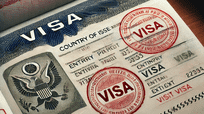
What Is A Tourist Visa?
A tourist visa is an official document issued by a country that allows foreign nationals to enter, stay, and travel within that country for leisure, sightseeing, or personal purposes. Unlike work or student visas, tourist visas are specifically designed for temporary visits without the right to engage in employment or long-term residence. They can be single-entry, allowing entry once, or multiple-entry, permitting several visits within a set period. Tourist visas require applicants to demonstrate sufficient funds, a clear travel itinerary, and often proof of return tickets. Immigration authorities use these visas to control and monitor tourism, ensuring visitors comply with local laws and regulations during their stay.
Importance Of Understanding Tourist Visa Validity
Knowing the validity period of a tourist visa is critical for international travelers. The validity period determines how long you can legally enter and stay in a foreign country, which directly impacts your travel planning and itinerary. Overstaying a tourist visa can lead to fines, legal issues, or bans on future travel. Understanding validity helps travelers align flight bookings, accommodation, and sightseeing plans within permitted timeframes. It also ensures compliance with immigration rules, avoiding unnecessary legal complications. Some countries may allow visa extensions under specific circumstances, but these are often limited and require early applications. Therefore, careful attention to validity periods ensures stress-free, lawful travel experiences.
Types Of Tourist Visas And Their Validity Periods
Tourist visas come in multiple forms, each with different validity periods. Single-entry visas typically allow a one-time entry for a set duration, often ranging from 30 to 90 days. Multiple-entry visas enable travelers to enter and exit the country several times within a longer validity period, usually six months to one year. Some nations offer long-term tourist visas for up to 10 years, primarily for frequent travelers or specific bilateral agreements. Additionally, e-visas and visa-on-arrival schemes often have short validity periods, generally 30 or 60 days, tailored to promote convenience and tourism. Understanding the type of visa is essential for planning the timing of your trips and avoiding overstays.
Factors Affecting The Validity Period Of Tourist Visas
The validity period of a tourist visa depends on various factors set by the issuing country. These include the traveler’s nationality, diplomatic relationships between countries, and security regulations. Individual factors such as travel history, intended length of stay, and financial stability can also influence the visa duration. Countries may impose shorter validity periods for visitors from certain regions or extend them for trusted travelers with prior compliance. Seasonal tourism demands or special events may also result in temporary changes to visa validity. By checking official immigration guidelines before travel, applicants can ensure they fully understand the permitted duration and avoid unforeseen complications.
How To Check And Maximize Your Tourist Visa Duration
Travelers should always verify the exact validity period printed on their visa. This includes both the entry window and maximum permitted stay. It’s crucial to note the difference between visa validity and allowed duration of stay; some visas are valid for several months but permit only a 30- or 90-day stay per visit. Planning trips carefully ensures the entire journey fits within these limits. If longer stays are required, applying for an extension well in advance or requesting a multiple-entry visa may be necessary. Maintaining a clear record of entry and exit dates and adhering strictly to immigration rules can prevent penalties and make future visa applications smoother.
Consequences Of Overstaying A Tourist Visa
Overstaying a tourist visa can have serious consequences, including fines, deportation, blacklisting, or temporary bans on re-entry. Immigration authorities often impose penalties based on the duration of the overstay, with longer violations attracting harsher consequences. Overstaying can also complicate future visa applications, leading to increased scrutiny and the possibility of outright rejection. Travelers may face difficulty accessing banking, accommodation, or transport services while overstaying. Therefore, careful planning and timely exit from the host country are essential. Knowing the exact validity period and understanding local immigration rules help prevent these legal and financial complications.
Tips For Maintaining Compliance With Tourist Visa Rules
Maintaining compliance with a tourist visa requires careful attention to travel dates, entry and exit stamps, and permitted activities. Travelers should avoid engaging in work or business activities unless explicitly authorized. Keeping copies of your visa, passport, and travel itinerary can assist in resolving disputes at immigration checkpoints. Utilizing reminders for visa expiry dates and monitoring local regulations for any sudden changes also helps prevent overstays. In some countries, registering with local authorities is mandatory, which further ensures compliance. Being proactive and informed about the visa validity period and local rules ensures a seamless travel experience and preserves a positive travel record for future applications.
Frequently Asked Questions
1. What Is The Validity Period Of A Tourist Visa?
The validity period of a tourist visa refers to the time frame during which the visa holder can enter and remain in the host country legally. This period is defined by the issuing country and typically appears on the visa document. It can vary depending on the type of visa, nationality of the traveler, and bilateral agreements between countries. Most tourist visas allow stays of 30, 60, or 90 days per entry, while multiple-entry visas may permit visits over six months to a year. Travelers should note the difference between visa validity and allowed duration of stay. Compliance is crucial, as overstaying may result in fines, deportation, or future travel restrictions.
2. How Long Can I Stay On A Tourist Visa?
The allowed stay on a tourist visa depends on the type of visa issued. Single-entry tourist visas usually permit stays ranging from 30 to 90 days. Multiple-entry visas may allow multiple visits, with each visit capped at a specific duration, commonly 30 to 90 days per entry. Some countries have long-term tourist visas that permit stays of up to six months or even one year. Immigration authorities assess your intended travel plans when granting visas, and extensions are possible in some cases but require formal approval. Staying within the permitted duration is essential to avoid penalties, deportation, or bans on future travel to the country.
3. Can The Validity Period Of A Tourist Visa Be Extended?
Yes, some countries allow extensions of tourist visas under certain circumstances. Travelers typically need to apply for an extension at local immigration offices before the original visa expires. Approval depends on factors such as travel history, reason for extension, and local regulations. Extensions are generally limited and may incur fees. Overstaying without approval can result in fines or legal consequences. Therefore, early planning and timely application for an extension are crucial. Checking the official immigration website of the host country provides accurate guidance. Being aware of extension rules helps travelers maximize their stay legally without violating visa regulations.
4. What Is The Difference Between Visa Validity And Duration Of Stay?
Visa validity refers to the period during which a traveler can enter the host country, while the duration of stay specifies the number of days allowed per visit. For example, a visa may be valid for six months, but each visit might only allow a 90-day stay. Travelers must exit the country before their permitted stay ends, even if the visa itself remains valid. Understanding this distinction prevents overstays and legal complications. Immigration authorities strictly monitor entry and exit dates, and violations can affect future visa applications. Always plan trips considering both visa validity and allowed duration of stay to ensure compliance with local regulations.
5. Are Tourist Visa Validity Periods The Same For All Countries?
No, tourist visa validity periods vary widely across countries. Each country sets its own rules based on diplomatic agreements, security policies, and tourism objectives. While some nations issue 30-day visas, others provide stays of 90 days or more. Multiple-entry visas may allow visits over six months to a year, and some long-term options extend even further. Nationality, travel history, and bilateral agreements also influence validity periods. Travelers must consult official immigration websites or embassies to obtain accurate information. Understanding these variations ensures proper planning and prevents unintentional overstays or compliance issues during travel.
6. How Does My Nationality Affect Tourist Visa Validity?
Nationality significantly affects tourist visa validity. Some countries offer longer validity periods for travelers from certain nations due to strong diplomatic relationships or reciprocal visa agreements. Conversely, travelers from countries with stricter entry requirements may receive shorter validity periods or single-entry visas. Security considerations, travel history, and previous visa compliance also influence duration. Understanding how nationality impacts visa validity helps travelers plan appropriately, choose suitable visa types, and anticipate the maximum allowed duration. Checking official embassy or consulate guidelines ensures accurate information and avoids surprises at the point of entry.
7. What Happens If I Overstay My Tourist Visa?
Overstaying a tourist visa can result in fines, deportation, temporary or permanent bans, and complications in future visa applications. Authorities may record overstays in immigration databases, affecting future travel. The severity of penalties depends on the length of overstay and country-specific regulations. Travelers may also face legal and financial challenges, including difficulties in accessing banking, accommodation, and transportation services. Maintaining awareness of visa validity and exit deadlines is crucial. Early applications for extensions or consulting immigration officials before expiry help prevent overstaying. Compliance ensures lawful travel and a positive record for future international visits.
8. Can I Enter A Country Multiple Times With A Tourist Visa?
Yes, multiple-entry tourist visas allow travelers to enter and exit a country several times within a specified validity period. Each visit typically has a maximum duration, such as 30, 60, or 90 days. Multiple-entry visas are ideal for travelers who plan frequent visits, transit trips, or cross-border excursions. Travelers must comply with the entry limits per visit and ensure they do not overstay. Renewals or extensions may be required for prolonged travel. Understanding multiple-entry rules helps maximize travel opportunities while staying within legal limits and avoiding penalties or complications with immigration authorities.
9. What Documents Are Needed To Determine Tourist Visa Validity?
The primary documents to determine tourist visa validity include the visa stamp or electronic visa, passport, entry and exit stamps, and sometimes the approval letter from immigration authorities. The visa itself specifies the validity period, type of entry (single or multiple), and allowed duration of stay per visit. Travelers should keep these documents accessible for inspection at immigration checkpoints. Additional documents such as return tickets, accommodation confirmations, and travel itineraries can support compliance. Understanding and maintaining these documents ensures awareness of your visa validity, prevents overstaying, and facilitates smooth international travel experiences.
10. Do E-Visas Have Different Validity Periods Than Regular Visas?
Yes, e-visas often have different validity periods compared to traditional visas. They are typically shorter, usually ranging from 30 to 90 days, and may allow single or multiple entries depending on the issuing country. E-visas are designed for convenience, enabling online applications and faster processing. However, travelers must strictly adhere to the allowed duration of stay, as overstaying may result in penalties. Unlike traditional visas, extensions are sometimes more limited with e-visas. Carefully reviewing the visa’s validity and entry conditions before travel ensures compliance and a seamless visit.
11. How Is Tourist Visa Validity Calculated?
Tourist visa validity is calculated from the date of issuance or the earliest allowed entry date until the expiration date specified by the issuing authority. The duration of stay per visit may be shorter than the total validity period. Some countries count validity from the first day of entry, while others count from the visa issue date. Travelers should carefully read the visa sticker or electronic visa confirmation for precise details. Understanding this calculation helps avoid overstays, fines, and other legal complications. Adhering to the stated validity ensures lawful entry, smooth travel, and a positive record for future visa applications.
12. Can Visa Validity Affect Travel Insurance Coverage?
Yes, travel insurance coverage is often tied to the validity period of your tourist visa. Insurance providers require proof of legal stay, and coverage may be limited to the permitted duration of your visa. Overstaying a visa could void insurance, leaving travelers unprotected for medical emergencies, accidents, or trip cancellations. Therefore, aligning travel insurance with your visa validity ensures full protection throughout your journey. Travelers should provide visa documents to insurers and clarify coverage dates. Being aware of these restrictions helps avoid financial risk and ensures that all contingencies are properly covered while traveling abroad.
13. Do Different Types Of Tourist Activities Affect Visa Validity?
Generally, tourist activities such as sightseeing, attending cultural events, or visiting family do not affect visa validity. However, engaging in activities outside the permitted scope, such as work, study, or business, may violate visa terms and impact future validity. Authorities monitor adherence to visa conditions, and violations can lead to penalties or bans. Staying within the allowed activities ensures compliance, smooth travel, and preservation of future visa eligibility. Travelers should consult official immigration guidelines to confirm permissible activities during their stay. Following the rules safeguards both current travel plans and long-term travel privileges.
14. How Early Should I Apply For A Tourist Visa To Maximize Validity?
Applying for a tourist visa early increases the likelihood of obtaining the maximum possible validity. Embassies and consulates recommend applying at least one to three months before planned travel. Early applications allow sufficient time for processing, document verification, and addressing potential delays. Some countries offer longer validity periods for applications submitted well in advance. Planning early also ensures alignment with travel itineraries and prevents last-minute issues that could limit visa duration. Travelers should review embassy guidelines and submit complete documentation promptly to secure the optimal visa validity for their trips.
15. Are There Seasonal Variations In Tourist Visa Validity?
Yes, some countries impose seasonal variations in tourist visa validity. During peak tourism seasons, authorities may issue shorter-term visas to manage visitor flow. Conversely, off-peak periods may allow longer stays to encourage tourism. Special events, festivals, or temporary government policies can also influence validity periods. Travelers should check official immigration sources for seasonal updates before applying. Being aware of seasonal variations allows travelers to plan visits effectively, select suitable visa types, and ensure compliance with regulations while maximizing their permitted stay. Accurate knowledge of these changes ensures a smooth travel experience.
16. How Do Transit Countries Affect Tourist Visa Validity?
Transit countries generally do not affect the validity of a tourist visa for your main destination. However, travelers may require separate transit visas if passing through countries that mandate them. Failing to secure necessary transit visas can prevent entry, interrupt travel plans, and lead to fines. Transit periods are usually short, but travelers must ensure compliance with all regulations to avoid overstays or entry denials. Understanding transit requirements ensures a smooth journey and maintains the legal status of your primary tourist visa. Always verify transit visa rules for connecting countries before departure.
17. Can Children Have Different Tourist Visa Validity?
Yes, children often have separate tourist visa validity periods from adults. While some countries issue the same validity as the accompanying parent or guardian, others set shorter durations or require special documentation. Factors such as age, travel purpose, and accompanying adult supervision influence validity. Parents must ensure that children’s visas align with travel plans and comply with entry and exit rules. Monitoring expiration dates and permitted stays prevents legal issues, ensures family travel safety, and facilitates hassle-free entry and exit at immigration checkpoints.
18. Is There A Maximum Aggregate Stay Across Multiple Visits?
Some countries enforce a maximum aggregate stay for tourists across multiple visits within a visa validity period. For example, a 90-day visa may allow multiple entries but restrict total days in-country to 90 over six months. Exceeding the aggregate limit can lead to fines, deportation, or future visa restrictions. Travelers should carefully track all entry and exit dates to avoid exceeding the permitted total stay. Maintaining an accurate record ensures compliance, allows multiple visits without penalties, and preserves eligibility for future visas. Consulting official immigration guidelines clarifies rules on aggregate stay limits.
19. How Can I Verify The Exact Validity Of My Tourist Visa?
To verify tourist visa validity, review the visa sticker, e-visa confirmation, or official immigration documents. Check the dates for permitted entry, expiration, and allowed duration of stay per visit. Confirm whether the visa is single or multiple-entry, and consult embassy or consulate guidelines for additional conditions. Cross-reference with flight bookings and travel plans to ensure alignment. Keeping digital and physical copies of visa documentation accessible at all times helps confirm validity during travel. Verification ensures compliance, prevents overstays, and reduces the risk of legal or financial consequences while visiting a foreign country.
20. Can Previous Visa Compliance Affect Future Tourist Visa Validity?
Yes, previous compliance with visa rules significantly affects future visa validity. Travelers with a history of overstays, violations, or illegal activities may receive shorter validity periods or face stricter conditions. Conversely, a record of timely departures and adherence to visa rules can result in longer durations, multiple-entry privileges, and smoother approvals. Immigration authorities consider past behavior as a measure of reliability. Maintaining compliance ensures easier future applications, maximizes allowed durations, and reduces scrutiny. Being aware of past records and correcting any violations before new applications can positively influence future tourist visa validity.
FURTHER READING
- How Much Does A Tourist Visa Cost?
- How Long Does It Take To Get A Tourist Visa?
- What Are The Eligibility Requirements For Obtaining A Tourist Visa?
- How Do I Apply For And Get A Tourist Visa?
- What Is A Tourist Visa? | Definition, Meaning, Cost, Eligibility Requirements, Importance, Duration, Validity, How To Apply For A Tourist Visa
- Can A Student Visa Be Approved Without Proof Of Funds?
- Can A Student Visa Holder Bring Parents?
- Can I Get A Refund If My Student Visa Is Rejected?
- Can I Apply For A Student Visa Without Sponsorship?
- Can A Student Visa Be Extended After Graduation?