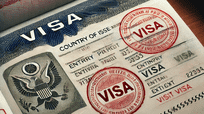
What Is A Tourist Visa?
A tourist visa is an official authorization issued by a country’s immigration authorities that allows a foreign national to enter, travel within, and stay in the country for a limited period, primarily for leisure, sightseeing, visiting family, or other non-business activities. Tourist visas are typically short-term, ranging from a few days to several months, depending on the country’s regulations. They often come with specific conditions, such as restrictions on employment or study, and require applicants to demonstrate financial stability, return intent, and valid travel documents. Understanding the tourist visa process is essential for planning international travel, as approval timelines vary by country and individual circumstances.
Types Of Tourist Visas
Tourist visas come in various types, including single-entry, multiple-entry, e-visas, and visa-on-arrival options. Single-entry visas allow entry into the host country only once, while multiple-entry visas permit repeated entries during the validity period. E-visas are obtained online, streamlining the application process, and are increasingly common in countries aiming to attract tourists efficiently. Visa-on-arrival visas are issued at the point of entry, reducing pre-departure paperwork but sometimes requiring longer processing times at border checkpoints. Each type has specific eligibility requirements, validity periods, and fees, which travelers should carefully consider to ensure compliance with immigration laws.
Requirements For Obtaining A Tourist Visa
To obtain a tourist visa, applicants generally need a valid passport, completed visa application forms, passport-sized photographs, proof of accommodation, and evidence of sufficient funds for the trip. Additional requirements may include travel itineraries, travel insurance, and proof of ties to the home country, such as employment or property ownership, to demonstrate intent to return. Some countries may also require vaccination records, police clearance certificates, or sponsorship letters. Meeting all requirements accurately is crucial, as incomplete or incorrect documentation can result in delays or denials. Early preparation can significantly influence how long it takes to get a tourist visa.
How To Apply For A Tourist Visa
Applying for a tourist visa involves several steps. First, travelers must determine the type of visa suitable for their trip and review the specific requirements of the destination country. Next, they complete the application form, pay the associated fees, and submit supporting documents. Submissions may be made online, at a consulate, or via a visa application center. After submission, applicants may need to attend an interview or provide biometric data. Following these steps carefully ensures the application is processed efficiently. Understanding this process and adhering to guidelines can reduce processing time and increase the likelihood of timely visa approval.
Factors Affecting Tourist Visa Processing Time
The time it takes to get a tourist visa depends on multiple factors. These include the destination country, visa type, applicant nationality, time of year, and the completeness of the application. Countries with high tourist demand may have longer processing times, especially during peak travel seasons. Missing documents, unclear financial records, or errors on forms can also cause delays. Additionally, some consulates offer expedited services for an extra fee, which can shorten the waiting period. Awareness of these variables allows travelers to plan ahead and submit applications well in advance of intended travel dates.
Average Processing Time For Tourist Visas
While processing times vary widely, most tourist visas are issued within 5 to 30 business days. Some countries provide e-visas or visa-on-arrival options that can be granted in a matter of hours to a few days. Single-entry visas often have quicker processing than multiple-entry visas, which may require more extensive background checks. Delays may occur due to security screenings, public holidays, or high demand. Tracking application status online or through the consulate can help applicants anticipate any delays. Travelers should submit their applications as early as possible to account for these variables and ensure timely approval.
Tips For Faster Tourist Visa Approval
To reduce waiting times, applicants should ensure all documents are complete and accurate before submission. Providing clear evidence of travel plans, financial stability, and intent to return to the home country can prevent additional requests from authorities. Using online or expedited application services, where available, can further speed up processing. Avoid submitting applications at peak travel periods if possible. Consulting official consulate websites for the most recent requirements and updates ensures compliance and minimizes delays. By proactively managing these steps, travelers can often reduce the time it takes to get a tourist visa significantly.
Common Reasons For Tourist Visa Delays
Visa delays often result from incomplete documentation, errors on application forms, or missing supporting evidence. Security concerns, background checks, and additional verification of financial or personal details can extend processing times. Seasonal peaks, such as holiday periods, also contribute to longer wait times. Applicants who do not follow the specific requirements of the consulate or submit requests through unofficial channels may experience further delays. Understanding these common causes and addressing them in advance can help ensure a smoother application process and minimize the uncertainty of waiting for visa approval.
Conclusion
Understanding how long it takes to get a tourist visa is essential for international travel planning. Processing times vary based on country, visa type, application completeness, and individual circumstances. Early preparation, accurate documentation, and awareness of potential delays can significantly enhance the likelihood of timely visa issuance. By following best practices and remaining informed about requirements, travelers can minimize stress and ensure their trips proceed smoothly. Planning ahead, choosing the right type of visa, and submitting accurate applications are key strategies to secure a tourist visa efficiently.
Frequently Asked Questions
1. How Long Does It Take To Get A Tourist Visa?
The time it takes to get a tourist visa varies depending on the country, type of visa, and individual circumstances. On average, most tourist visas are processed within 5 to 30 business days. Some countries provide e-visas or visa-on-arrival services, which can be granted in hours or a few days. Factors influencing processing time include the completeness of your application, supporting documents, seasonal demand, and security checks. Early submission and adherence to all requirements can help minimize delays. Expedited processing services, where available, may shorten waiting times further, allowing travelers to receive their tourist visas more quickly for planned trips.
2. What Are The Requirements For Obtaining A Tourist Visa?
Obtaining a tourist visa generally requires a valid passport, completed visa application forms, passport-sized photographs, proof of accommodation, financial statements, travel itineraries, and sometimes travel insurance. Some countries may request vaccination records, police clearance, or a sponsorship letter. Applicants must demonstrate sufficient funds and strong ties to their home country to ensure return after the trip. Providing accurate and complete documentation is crucial to avoid delays. Missing documents or errors can lead to longer processing times or denials. Understanding and fulfilling all requirements ahead of time helps ensure the application process is smooth and timely.
3. How Do I Apply For And Get A Tourist Visa?
To apply for a tourist visa, start by identifying the correct visa type and reviewing the country-specific requirements. Complete the application form, submit the necessary documents, and pay the visa fee. Submissions can be online, at a consulate, or through a visa application center. Some countries require interviews or biometric data collection. Following all instructions carefully and submitting accurate documents improves the chances of timely approval. Tracking the application status and using expedited services, if available, can also help. Planning well in advance ensures that you receive the tourist visa in time for your intended travel dates.
4. How Much Does A Tourist Visa Cost?
The cost of a tourist visa varies by country, visa type, and processing speed. Single-entry visas are generally less expensive than multiple-entry visas, and e-visas or visa-on-arrival services may have lower fees. Fees can range from $20 to over $200, depending on the destination and nationality. Additional charges may apply for expedited processing or premium services. Payment methods vary and may include online payments, bank transfers, or payments at the consulate. Understanding the fee structure before application ensures no surprises and allows travelers to budget accordingly. Accurate payment is essential for the processing of the visa.
5. What Is The Validity Period Of A Tourist Visa?
The validity period of a tourist visa depends on the country and visa type. It may range from a few days to six months or more, with some multiple-entry visas valid for up to a year. The visa typically specifies the maximum duration of stay per visit, which could be from 30 to 90 days. Overstaying the allowed period can lead to fines, deportation, or future visa denials. Travelers should check the validity dates carefully and plan their itinerary accordingly. Some countries allow extensions under specific conditions, while others strictly enforce exit dates. Compliance with validity terms is crucial for legal travel.
6. Can I Expedite The Processing Of A Tourist Visa?
Yes, many countries offer expedited processing options for tourist visas, often for an additional fee. Expedited services reduce processing times from several weeks to a few days or even hours, depending on the country. Applicants must submit all required documents accurately to qualify for faster processing. Not all countries provide this option, so it is essential to verify availability through official consulate websites. Expedited processing can be especially useful for urgent travel plans, last-minute trips, or visa renewals. Proper preparation and early application still improve the chances of timely approval, even when using fast-track services.
7. What Are Common Reasons For Tourist Visa Denial?
Tourist visas can be denied due to incomplete documentation, incorrect application forms, insufficient financial proof, or unclear travel intentions. Overstaying previous visas, criminal records, or providing misleading information may also result in denial. Security concerns, missing supporting evidence, and failure to demonstrate ties to the home country are other common factors. Understanding the reasons for denials can help applicants address issues proactively. Careful preparation, accurate documentation, and honest responses during interviews significantly reduce the likelihood of refusal. Consulting official guidelines before applying ensures all requirements are met to improve approval chances.
8. How Long Does It Take To Get A Tourist Visa On Arrival?
Tourist visas on arrival are generally processed at the port of entry and can take anywhere from a few minutes to several hours, depending on queues, security checks, and document verification. Travelers must carry all required documents, including passport, photographs, and visa fees. Some countries may also require proof of accommodation or return tickets. Arrival processing times can vary based on the season, airport congestion, and staffing levels. Planning ahead and arriving early ensures smoother processing. Although faster than traditional consulate applications, travelers should still be prepared for possible delays.
9. How Does An E-Visa Affect Tourist Visa Processing Time?
E-visas streamline the application process by allowing online submission of documents and payment of fees. Processing times for e-visas are usually shorter, ranging from a few hours to several days, depending on the country. E-visas reduce paperwork, minimize errors, and often allow applicants to track the status online. Some e-visas are issued instantly or within 48 hours, making them a convenient option for urgent travel. It is essential to apply through official portals and comply with all instructions to avoid delays or rejection. E-visas have specific validity periods and conditions that must be followed carefully.
10. Can Seasonal Demand Affect Tourist Visa Processing Time?
Yes, peak travel seasons, holidays, and major events can significantly affect tourist visa processing times. Consulates and visa application centers may experience higher demand, leading to longer wait times. Submitting applications during off-peak periods can reduce delays. Some countries provide priority or expedited services for travelers needing urgent approvals during busy seasons. Planning ahead and being aware of local holidays and peak travel periods ensures a smoother visa process. Seasonal awareness helps travelers avoid last-minute issues and allows adequate time for application review and approval.
11. How Do Applicant Nationality And Background Affect Tourist Visa Processing?
Applicant nationality, prior travel history, and personal background can influence visa processing time. Some countries have stricter requirements or additional checks for certain nationalities due to security concerns or immigration policies. Travelers with clean travel histories and strong ties to their home country often experience faster approvals. Conversely, first-time applicants, those from high-risk regions, or individuals with past immigration violations may face longer scrutiny. Providing complete and accurate information, along with supporting documentation, can help minimize delays and increase approval likelihood.
12. How Important Is Complete Documentation For Tourist Visa Processing?
Complete and accurate documentation is critical for timely tourist visa approval. Missing or incorrect information can result in delays, additional document requests, or denials. Essential documents include passports, photographs, application forms, financial statements, travel itineraries, and proof of accommodation. Meeting all country-specific requirements ensures smoother processing and avoids unnecessary complications. Double-checking forms and attachments before submission reduces errors. Proper preparation significantly affects how long it takes to get a tourist visa and improves the overall travel experience by ensuring timely approval.
13. Are Interviews Required For Tourist Visa Approval?
Some countries require interviews as part of the tourist visa process to verify the applicant’s intent, background, and travel plans. Interviews may take place at consulates, embassies, or visa application centers and typically involve questions about travel purpose, duration, accommodation, and financial capacity. While not all applicants undergo interviews, those who do must provide honest and complete answers. Interviews can add time to the overall processing period, but thorough preparation and documentation help ensure smooth interactions. Understanding interview requirements in advance allows applicants to plan and minimize potential delays.
14. How Do Financial Proof And Travel Plans Affect Tourist Visa Approval?
Providing sufficient financial proof and detailed travel plans demonstrates an applicant’s ability to support themselves during the trip and intent to return home. Bank statements, pay slips, and sponsorship letters are commonly requested. Clear travel itineraries, accommodation reservations, and return tickets strengthen the application. Lack of financial evidence or vague travel plans can lead to delays or denials. Proper preparation and transparent documentation help consular officers assess the application efficiently, reducing processing time and increasing the likelihood of timely tourist visa approval.
15. Can Travel Insurance Influence Tourist Visa Processing Time?
Travel insurance is often a mandatory requirement for tourist visas, especially for countries with strict entry regulations. Providing valid travel insurance covering medical emergencies, accidents, and repatriation demonstrates responsible planning. Some consulates verify insurance coverage during processing, and missing or inadequate insurance can cause delays or rejection. Submitting correct insurance documents with the application ensures smoother processing. Travel insurance not only satisfies legal requirements but also provides peace of mind, supporting overall readiness for international travel.
16. How Early Should I Apply For A Tourist Visa?
Applying for a tourist visa well in advance is crucial for avoiding delays. Most experts recommend submitting applications at least 4 to 6 weeks before the intended travel date, although some countries allow applications up to 3 months prior. Early application accounts for processing variability, document verification, security checks, and unforeseen delays. Planning ahead ensures ample time for submission, follow-up, and receipt of the visa. Timely application also allows travelers to adjust plans if additional documentation or clarifications are requested by consular authorities.
17. What Is The Role Of Visa Application Centers In Tourist Visa Processing?
Visa application centers (VACs) act as intermediaries between applicants and consulates to streamline submission and biometric processing. VACs assist with form completion, document verification, payment collection, and scheduling interviews. While they do not approve or deny visas, their services can reduce processing delays and improve application accuracy. Some VACs also provide expedited or premium services, further shortening processing times. Understanding the role of VACs helps applicants navigate the process efficiently and ensures timely submission of all required materials for tourist visa approval.
18. How Do Travel Restrictions Impact Tourist Visa Processing Time?
Travel restrictions due to health crises, political tensions, or security measures can affect tourist visa processing times. Temporary suspensions, reduced staffing, or additional health checks may cause delays. Staying informed about current restrictions and consular advisories ensures that applicants submit documentation in compliance with temporary measures. Understanding the impact of restrictions allows travelers to adjust timelines and anticipate potential delays. Proactive monitoring of official government websites and visa portals helps mitigate risks and plan applications effectively.
19. How Can Mistakes On The Application Form Delay Tourist Visa Approval?
Errors on visa application forms, such as incorrect personal information, mismatched travel dates, or missing signatures, can lead to additional verification requests or outright denial. Mistakes prolong processing because consular officers must review corrections and reassess supporting documentation. Careful proofreading, following official instructions, and double-checking entries before submission are essential steps. Accurate and complete forms minimize delays, improve approval chances, and reduce stress associated with waiting for tourist visa issuance.
20. Can Multiple-Entry Tourist Visas Take Longer To Process?
Multiple-entry tourist visas often require more thorough background checks and verification than single-entry visas, which can lengthen processing times. Authorities may review previous travel history, security clearances, and financial stability more extensively. Applicants must provide comprehensive documentation to support repeated travel intentions. Planning ahead, submitting complete applications, and adhering to country-specific requirements help ensure timely processing. While multiple-entry visas offer convenience for frequent travelers, understanding potential processing delays is important for proper trip planning.
FURTHER READING
- What Are The Eligibility Requirements For Obtaining A Tourist Visa?
- How Do I Apply For And Get A Tourist Visa?
- What Is A Tourist Visa? | Definition, Meaning, Cost, Eligibility Requirements, Importance, Duration, Validity, How To Apply For A Tourist Visa
- Can A Student Visa Be Approved Without Proof Of Funds?
- Can A Student Visa Holder Bring Parents?
- Can I Get A Refund If My Student Visa Is Rejected?
- Can I Apply For A Student Visa Without Sponsorship?
- Can A Student Visa Be Extended After Graduation?
- Can I Apply For A Student Visa Without An Offer Letter?
- Can I Study Abroad Without A Student Visa?