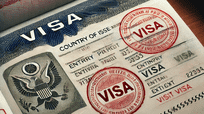
What Is A Work Visa?
A work visa is an official authorization issued by a country allowing a foreign national to enter, reside, and work within its borders for a specified period. Work visas vary depending on the type of employment, duration of stay, and the country’s immigration laws. They are generally sponsored by employers, requiring the applicant to meet specific criteria, including proof of a job offer, relevant qualifications, and sometimes work experience. Some countries also categorize work visas based on skill levels, professional fields, or temporary versus permanent employment. Understanding a work visa’s definition helps applicants navigate the legal requirements and ensures lawful employment abroad while protecting labor rights and compliance with immigration regulations.
Types Of Work Visas
Work visas come in multiple forms, including temporary, seasonal, skilled worker, intra-company transfer, and permanent employment visas. Temporary work visas allow foreign nationals to work for a limited period, often linked to specific projects or contractual agreements. Skilled worker visas target professionals with expertise in high-demand sectors, such as IT, healthcare, engineering, and finance. Seasonal or agricultural work visas permit employment in industries that experience periodic labor shortages. Intra-company transfer visas enable multinational employees to relocate within the same organization. Permanent employment visas provide pathways for long-term residence and work authorization. Understanding the different visa categories helps applicants identify eligibility requirements specific to each type of employment.
Eligibility Criteria For Obtaining A Work Visa
Eligibility requirements for a work visa typically include a confirmed job offer from a recognized employer, proof of relevant academic qualifications, and professional experience. Applicants often need to demonstrate sufficient financial resources to support themselves and their dependents during their stay. Health examinations and background checks may be mandatory to ensure public safety and compliance with immigration policies. Some countries require proficiency in the national language or completion of specific professional licensing exams. Additionally, certain work visas may prioritize applicants under bilateral agreements or targeted skill shortages. Meeting these criteria increases the likelihood of approval and ensures that foreign workers integrate successfully into the host country’s labor market.
Required Documentation For A Work Visa Application
A complete work visa application usually includes a valid passport, job offer or employment contract, academic and professional certificates, and proof of financial stability. Applicants may also need to submit medical reports, police clearance certificates, and passport-sized photographs. Certain countries request a detailed resume, letters of recommendation, and evidence of prior work experience in the relevant field. Visa application forms must be accurately completed and submitted with the prescribed fees. Employers often play a role in supporting documentation, such as sponsorship letters or proof of labor market tests. Organizing and preparing these documents meticulously is crucial, as missing or incorrect paperwork can result in delays or rejection.
Application Process For Work Visas
The process of obtaining a work visa involves multiple steps, beginning with employer sponsorship or a job offer. Applicants must complete the official visa application, submit all required documents, and pay applicable fees. Many countries require biometric data, such as fingerprints and photographs, during submission. Processing times vary depending on the country, visa type, and applicant background, ranging from a few weeks to several months. Interviews may also be conducted at consulates or embassies. Once approved, the visa is stamped or electronically issued, granting legal authorization to work in the host country. Familiarity with each stage of the application process improves efficiency and reduces the risk of delays.
Common Challenges In Obtaining A Work Visa
Foreign applicants often face challenges such as meeting strict eligibility criteria, securing employer sponsorship, or providing all necessary documentation. Processing delays, language barriers, and inconsistent regulations across countries can further complicate applications. Some applicants may encounter quotas or restrictions on specific job categories, while others face rejections due to incomplete forms or missing background checks. Changes in immigration policy can also affect the approval process, requiring continuous monitoring of official guidelines. Preparation, organization, and professional guidance significantly improve the chances of successfully obtaining a work visa and help avoid common pitfalls that can result in denials or prolonged processing times.
Tips For Increasing Work Visa Approval Chances
To enhance the likelihood of approval, applicants should thoroughly research visa requirements for their target country. Ensuring all documentation is complete, accurate, and properly certified is critical. Building strong employer support through sponsorship letters or contracts demonstrates credibility. Applicants should also meet all health, financial, and educational requirements and maintain a clear immigration record. Seeking guidance from immigration consultants or legal advisors can help navigate complex processes and country-specific regulations. Early submission of applications reduces the risk of last-minute delays, while familiarity with local labor market demands strengthens the applicant’s profile. Proper preparation ensures a smoother, faster work visa approval process.
Work Visa Validity And Renewal Options
Work visas are typically issued for a defined period, depending on the type of employment and host country regulations. Temporary visas may last from a few months to several years, while permanent work visas provide longer-term authorization. Renewal or extension options are often available, requiring the applicant to maintain employment, continue meeting eligibility requirements, and submit updated documentation. Some countries also allow visa holders to transition to permanent residency or citizenship under specific conditions. Understanding the duration and renewal procedures ensures compliance with immigration laws and helps workers plan their long-term employment and residency strategies effectively.
Frequently Asked Questions
What Are The Eligibility Requirements For Obtaining A Work Visa?
The eligibility requirements for obtaining a work visa include having a valid job offer from a recognized employer, possessing the necessary academic qualifications and professional experience relevant to the position, and meeting financial and health standards set by the host country. Applicants may need to demonstrate language proficiency, complete background checks, and provide medical certificates. Some countries impose age limits or prioritize certain professions based on skill shortages. Additional factors, such as bilateral agreements or international treaties, may influence eligibility. Meeting these requirements ensures lawful employment and residency, enhancing the likelihood of visa approval and allowing foreign workers to contribute effectively to the host country’s labor market.
How Do I Apply For And Get A Work Visa?
Applying for a work visa involves obtaining a confirmed job offer, completing the visa application form, gathering required documents like passport, education certificates, and employment contracts, and submitting them to the appropriate embassy or consulate. Many countries also require biometric data and visa fees. Some may conduct interviews or additional background checks. After submission, applicants must wait for processing, which can take weeks to months. Once approved, the visa is stamped or electronically issued. Careful attention to document accuracy, adherence to deadlines, and meeting all eligibility criteria significantly increases the chances of a successful work visa application.
What Are The Different Types Of Work Visas Available?
Work visas vary by country but generally include temporary, skilled worker, seasonal, intra-company transfer, and permanent employment visas. Temporary visas allow work for short-term projects or contracts, while skilled worker visas target professionals in high-demand sectors. Seasonal visas cater to agriculture or hospitality jobs requiring periodic labor. Intra-company transfer visas enable employees to relocate within the same organization, and permanent employment visas provide long-term work authorization. Understanding the distinctions among visa types helps applicants identify the most suitable option based on their qualifications, employment needs, and long-term residency plans, ensuring compliance with host country regulations.
What Documents Are Required To Apply For A Work Visa?
Typical documents required for a work visa include a valid passport, job offer or employment contract, educational certificates, proof of professional experience, financial statements, medical reports, and police clearance certificates. Additional documents may include letters of recommendation, resumes, language proficiency certificates, and sponsorship letters from employers. All documents should be accurate, properly certified, and submitted according to the specific country’s requirements. Missing or incorrect documentation can result in application delays or rejection. Proper organization and preparation of all required paperwork are crucial to demonstrating eligibility and increasing the likelihood of obtaining a work visa efficiently.
How Long Does It Take To Obtain A Work Visa?
The processing time for a work visa varies depending on the country, visa type, and individual circumstances. Temporary visas may take a few weeks, while skilled or permanent employment visas can take several months. Factors influencing processing time include the completeness of submitted documents, background checks, employer verification, and government processing capacity. Some countries offer expedited processing options for additional fees. Applicants should plan for potential delays, submit applications well in advance, and maintain regular communication with the issuing authority. Understanding expected timelines ensures better preparation, minimizes disruptions in employment, and facilitates a smoother transition to the host country.
How Much Does A Work Visa Cost?
The cost of a work visa depends on the country, visa type, and duration of stay. Typical fees include application charges, processing fees, biometric collection fees, and sometimes additional service charges. Temporary visas often cost less than permanent work visas, while expedited processing incurs extra charges. Employers may sometimes cover visa costs, but applicants should verify responsibilities before applying. Other potential expenses include translation or certification of documents, medical examinations, and travel to consulates or embassies. Being aware of all associated costs allows applicants to budget effectively and avoid financial surprises during the work visa application process.
Can Family Members Accompany A Work Visa Holder?
Many countries allow immediate family members, such as spouses and dependent children, to accompany a work visa holder through dependent or family visas. Eligibility for family accompaniment often requires proof of relationship, financial stability, and adequate accommodation. Some countries impose restrictions on work rights for dependents or require separate work permits. Healthcare and education provisions for accompanying family members may also vary. Understanding these regulations is essential for planning relocation, ensuring legal compliance, and maintaining family stability while working abroad. Proper documentation and adherence to host country requirements streamline the process of bringing family members along.
Are There Age Or Qualification Limits For Work Visas?
Certain work visas impose age restrictions, usually prioritizing younger applicants for temporary employment programs. Qualification requirements vary by visa type and sector, often requiring relevant degrees, certifications, or professional experience. Skilled worker visas generally target candidates with specialized expertise in demand areas, while temporary or seasonal visas may accept less formal qualifications. Meeting the specified age and education criteria is critical for eligibility and increases approval chances. Understanding these limits ensures applicants pursue appropriate visa categories and fulfill the host country’s labor and immigration standards effectively, avoiding unnecessary rejections.
What Happens If My Work Visa Is Rejected?
If a work visa is rejected, applicants typically receive a formal notice explaining the reason. Common reasons include incomplete documentation, failure to meet eligibility criteria, or discrepancies in application details. In some cases, applicants may appeal the decision, submit additional evidence, or reapply after addressing deficiencies. Consulting immigration lawyers or advisors can provide guidance on corrective measures. Understanding rejection causes prevents repeated mistakes, improves future applications, and ensures compliance with immigration laws. Planning for contingencies allows candidates to explore alternative employment or visa options while maintaining legal status.
Can A Work Visa Be Converted To Permanent Residency?
In many countries, certain work visas allow holders to transition to permanent residency after fulfilling criteria such as continuous employment, duration of stay, and tax compliance. Applicants may need to demonstrate contributions to the host country’s economy or community. Specific visa categories, such as skilled worker or intra-company transfer visas, often provide clear pathways to permanent residency. Understanding conversion eligibility ensures strategic long-term planning for foreign employees seeking stability, security, and continued employment benefits. Adhering to legal requirements during the work visa period is essential for successful transition to permanent residency.
Do I Need Health Insurance For A Work Visa?
Most countries require work visa applicants to have valid health insurance covering medical emergencies and routine care during their stay. Proof of health insurance may be mandatory for visa approval. Insurance requirements vary depending on visa type, duration, and host country regulations. Coverage must often meet minimum standards set by authorities. Some employers provide insurance as part of employment contracts, while others require applicants to secure personal policies. Maintaining adequate health coverage ensures legal compliance, access to medical services, and protection against unforeseen health expenses while living and working abroad.
Is Language Proficiency Required For Work Visas?
Certain work visas require applicants to demonstrate proficiency in the host country’s official language, particularly in professional or skilled sectors. Language tests may include speaking, reading, writing, and comprehension components. Proficiency requirements aim to facilitate workplace integration, communication, and productivity. Meeting these standards can enhance employability, improve adaptation to local culture, and increase the likelihood of visa approval. In some cases, employer-sponsored training or language certification can fulfill requirements. Understanding language expectations is crucial for successful application and long-term employment performance in the host country.
What Are The Legal Rights Of Work Visa Holders?
Work visa holders enjoy rights similar to local employees, including minimum wage, safe working conditions, anti-discrimination protections, and access to labor dispute mechanisms. Compliance with host country labor laws is mandatory, and employers must honor employment contracts. Certain restrictions, such as job change limitations or restricted work sectors, may apply depending on visa type. Knowledge of legal rights empowers foreign workers to safeguard their interests, resolve workplace conflicts, and avoid exploitation. Adhering to local regulations while asserting rights ensures a positive employment experience and maintains legal status in the host country.
Can I Change Employers On A Work Visa?
Changing employers on a work visa typically requires approval from immigration authorities and, in some cases, a new visa application. Regulations vary depending on visa type and country policies. Skilled worker visas may allow mobility within the same sector, while employer-specific visas often restrict job changes. Failure to comply can result in visa cancellation or legal penalties. Applicants should consult immigration regulations and seek guidance before switching employment. Understanding these rules helps maintain legal status, ensures continued employment, and prevents complications during work visa tenure.
Are There Quotas Or Limits On Work Visas?
Many countries impose quotas or annual limits on work visas to regulate foreign labor inflow. These quotas may be categorized by sector, skill level, or nationality. Meeting eligibility criteria does not guarantee approval if limits are reached, requiring early application and planning. Monitoring official announcements and applying promptly improves chances of securing a visa. Some countries may prioritize high-demand professions or bilateral agreements. Awareness of quotas allows applicants to strategize, avoid delays, and increase the probability of obtaining a work visa in competitive labor markets.
How Do I Renew Or Extend My Work Visa?
Renewing or extending a work visa requires submission of updated documentation, proof of ongoing employment, and compliance with original eligibility criteria. Applications must be submitted before the current visa expires to avoid illegal stay. Some countries may require additional fees, health checks, or employer confirmation. Timely renewals ensure uninterrupted legal employment, continued residency, and eligibility for future benefits like permanent residency. Understanding renewal procedures and deadlines allows workers to maintain status, avoid penalties, and plan long-term employment and living arrangements effectively.
What Should I Do If I Lose My Work Visa While Abroad?
Losing a work visa while abroad necessitates immediate reporting to the local immigration office or embassy. Applicants may need to file for a replacement, submit identification and supporting documentation, and potentially pay replacement fees. It is crucial to maintain legal status and avoid working illegally during this period. Employers should be notified, and temporary travel documentation may be issued for safe return. Understanding emergency protocols ensures compliance with immigration laws, mitigates risks of legal penalties, and facilitates prompt resolution to resume lawful employment.
Frequently Asked Questions
1. What Are The Eligibility Requirements For Obtaining A Work Visa?
The eligibility requirements for obtaining a work visa include having a valid job offer from a recognized employer, possessing the necessary academic qualifications and professional experience relevant to the position, and meeting financial and health standards set by the host country. Applicants may need to demonstrate language proficiency, complete background checks, and provide medical certificates. Some countries impose age limits or prioritize certain professions based on skill shortages. Additional factors, such as bilateral agreements or international treaties, may influence eligibility. Meeting these requirements ensures lawful employment and residency, enhancing the likelihood of visa approval and allowing foreign workers to contribute effectively to the host country’s labor market.
2. How Do I Apply For And Get A Work Visa?
Applying for a work visa involves obtaining a confirmed job offer, completing the visa application form, gathering required documents like passport, education certificates, and employment contracts, and submitting them to the appropriate embassy or consulate. Many countries also require biometric data and visa fees. Some may conduct interviews or additional background checks. After submission, applicants must wait for processing, which can take weeks to months. Once approved, the visa is stamped or electronically issued. Careful attention to document accuracy, adherence to deadlines, and meeting all eligibility criteria significantly increases the chances of a successful work visa application.
3. What Are The Different Types Of Work Visas Available?
Work visas vary by country but generally include temporary, skilled worker, seasonal, intra-company transfer, and permanent employment visas. Temporary visas allow work for short-term projects or contracts, while skilled worker visas target professionals in high-demand sectors. Seasonal visas cater to agriculture or hospitality jobs requiring periodic labor. Intra-company transfer visas enable employees to relocate within the same organization, and permanent employment visas provide long-term work authorization. Understanding the distinctions among visa types helps applicants identify the most suitable option based on their qualifications, employment needs, and long-term residency plans, ensuring compliance with host country regulations.
4. What Documents Are Required To Apply For A Work Visa?
Typical documents required for a work visa include a valid passport, job offer or employment contract, educational certificates, proof of professional experience, financial statements, medical reports, and police clearance certificates. Additional documents may include letters of recommendation, resumes, language proficiency certificates, and sponsorship letters from employers. All documents should be accurate, properly certified, and submitted according to the specific country’s requirements. Missing or incorrect documentation can result in application delays or rejection. Proper organization and preparation of all required paperwork are crucial to demonstrating eligibility and increasing the likelihood of obtaining a work visa efficiently.
5. How Long Does It Take To Obtain A Work Visa?
The processing time for a work visa varies depending on the country, visa type, and individual circumstances. Temporary visas may take a few weeks, while skilled or permanent employment visas can take several months. Factors influencing processing time include the completeness of submitted documents, background checks, employer verification, and government processing capacity. Some countries offer expedited processing options for additional fees. Applicants should plan for potential delays, submit applications well in advance, and maintain regular communication with the issuing authority. Understanding expected timelines ensures better preparation, minimizes disruptions in employment, and facilitates a smoother transition to the host country.
6. How Much Does A Work Visa Cost?
The cost of a work visa depends on the country, visa type, and duration of stay. Typical fees include application charges, processing fees, biometric collection fees, and sometimes additional service charges. Temporary visas often cost less than permanent work visas, while expedited processing incurs extra charges. Employers may sometimes cover visa costs, but applicants should verify responsibilities before applying. Other potential expenses include translation or certification of documents, medical examinations, and travel to consulates or embassies. Being aware of all associated costs allows applicants to budget effectively and avoid financial surprises during the work visa application process.
7. Can Family Members Accompany A Work Visa Holder?
Many countries allow immediate family members, such as spouses and dependent children, to accompany a work visa holder through dependent or family visas. Eligibility for family accompaniment often requires proof of relationship, financial stability, and adequate accommodation. Some countries impose restrictions on work rights for dependents or require separate work permits. Healthcare and education provisions for accompanying family members may also vary. Understanding these regulations is essential for planning relocation, ensuring legal compliance, and maintaining family stability while working abroad. Proper documentation and adherence to host country requirements streamline the process of bringing family members along.
8. Are There Age Or Qualification Limits For Work Visas?
Certain work visas impose age restrictions, usually prioritizing younger applicants for temporary employment programs. Qualification requirements vary by visa type and sector, often requiring relevant degrees, certifications, or professional experience. Skilled worker visas generally target candidates with specialized expertise in demand areas, while temporary or seasonal visas may accept less formal qualifications. Meeting the specified age and education criteria is critical for eligibility and increases approval chances. Understanding these limits ensures applicants pursue appropriate visa categories and fulfill the host country’s labor and immigration standards effectively, avoiding unnecessary rejections.
9. What Happens If My Work Visa Is Rejected?
If a work visa is rejected, applicants typically receive a formal notice explaining the reason. Common reasons include incomplete documentation, failure to meet eligibility criteria, or discrepancies in application details. In some cases, applicants may appeal the decision, submit additional evidence, or reapply after addressing deficiencies. Consulting immigration lawyers or advisors can provide guidance on corrective measures. Understanding rejection causes prevents repeated mistakes, improves future applications, and ensures compliance with immigration laws. Planning for contingencies allows candidates to explore alternative employment or visa options while maintaining legal status.
10. Can A Work Visa Be Converted To Permanent Residency?
In many countries, certain work visas allow holders to transition to permanent residency after fulfilling criteria such as continuous employment, duration of stay, and tax compliance. Applicants may need to demonstrate contributions to the host country’s economy or community. Specific visa categories, such as skilled worker or intra-company transfer visas, often provide clear pathways to permanent residency. Understanding conversion eligibility ensures strategic long-term planning for foreign employees seeking stability, security, and continued employment benefits. Adhering to legal requirements during the work visa period is essential for successful transition to permanent residency.
11. Do I Need Health Insurance For A Work Visa?
Most countries require work visa applicants to have valid health insurance covering medical emergencies and routine care during their stay. Proof of health insurance may be mandatory for visa approval. Insurance requirements vary depending on visa type, duration, and host country regulations. Coverage must often meet minimum standards set by authorities. Some employers provide insurance as part of employment contracts, while others require applicants to secure personal policies. Maintaining adequate health coverage ensures legal compliance, access to medical services, and protection against unforeseen health expenses while living and working abroad.
12. Is Language Proficiency Required For Work Visas?
Certain work visas require applicants to demonstrate proficiency in the host country’s official language, particularly in professional or skilled sectors. Language tests may include speaking, reading, writing, and comprehension components. Proficiency requirements aim to facilitate workplace integration, communication, and productivity. Meeting these standards can enhance employability, improve adaptation to local culture, and increase the likelihood of visa approval. In some cases, employer-sponsored training or language certification can fulfill requirements. Understanding language expectations is crucial for successful application and long-term employment performance in the host country.
13. What Are The Legal Rights Of Work Visa Holders?
Work visa holders enjoy rights similar to local employees, including minimum wage, safe working conditions, anti-discrimination protections, and access to labor dispute mechanisms. Compliance with host country labor laws is mandatory, and employers must honor employment contracts. Certain restrictions, such as job change limitations or restricted work sectors, may apply depending on visa type. Knowledge of legal rights empowers foreign workers to safeguard their interests, resolve workplace conflicts, and avoid exploitation. Adhering to local regulations while asserting rights ensures a positive employment experience and maintains legal status in the host country.
14. Can I Change Employers On A Work Visa?
Changing employers on a work visa typically requires approval from immigration authorities and, in some cases, a new visa application. Regulations vary depending on visa type and country policies. Skilled worker visas may allow mobility within the same sector, while employer-specific visas often restrict job changes. Failure to comply can result in visa cancellation or legal penalties. Applicants should consult immigration regulations and seek guidance before switching employment. Understanding these rules helps maintain legal status, ensures continued employment, and prevents complications during work visa tenure.
15. Are There Quotas Or Limits On Work Visas?
Many countries impose quotas or annual limits on work visas to regulate foreign labor inflow. These quotas may be categorized by sector, skill level, or nationality. Meeting eligibility criteria does not guarantee approval if limits are reached, requiring early application and planning. Monitoring official announcements and applying promptly improves chances of securing a visa. Some countries may prioritize high-demand professions or bilateral agreements. Awareness of quotas allows applicants to strategize, avoid delays, and increase the probability of obtaining a work visa in competitive labor markets.
16. How Do I Renew Or Extend My Work Visa?
Renewing or extending a work visa requires submission of updated documentation, proof of ongoing employment, and compliance with original eligibility criteria. Applications must be submitted before the current visa expires to avoid illegal stay. Some countries may require additional fees, health checks, or employer confirmation. Timely renewals ensure uninterrupted legal employment, continued residency, and eligibility for future benefits like permanent residency. Understanding renewal procedures and deadlines allows workers to maintain status, avoid penalties, and plan long-term employment and living arrangements effectively.
17. What Should I Do If I Lose My Work Visa While Abroad?
Losing a work visa while abroad necessitates immediate reporting to the local immigration office or embassy. Applicants may need to file for a replacement, submit identification and supporting documentation, and potentially pay replacement fees. It is crucial to maintain legal status and avoid working illegally during this period. Employers should be notified, and temporary travel documentation may be issued for safe return. Understanding emergency protocols ensures compliance with immigration laws, mitigates risks of legal penalties, and facilitates prompt resolution to resume lawful employment.
18. Can Work Visa Holders Study While Working Abroad?
Many countries allow work visa holders to pursue part-time education or professional training while employed, subject to visa regulations. Full-time study may require a separate student visa. Applicants should verify permissible activities under their specific work visa category to avoid violations. Combining work and study opportunities enhances skill development, career growth, and cultural integration. Awareness of restrictions ensures compliance, prevents legal issues, and allows workers to maximize both employment and educational benefits while residing in the host country.
19. Are Work Visa Holders Eligible For Social Benefits?
Eligibility for social benefits, such as healthcare, unemployment support, or pensions, varies depending on the host country and visa type. Some countries provide partial or full benefits for temporary work visa holders, while others limit access to permanent residents. Understanding available social protections ensures financial security and informed decision-making. Workers should maintain proper documentation, contribute to mandatory social schemes, and consult official sources to maximize benefits while complying with local laws. Awareness of entitlements safeguards welfare and promotes integration into the host country’s system.
20. Can Work Visa Holders Travel Internationally?
Work visa holders can often travel internationally, but re-entry depends on visa validity, host country regulations, and any travel restrictions. Short-term trips may require prior authorization or multiple-entry visas. It is essential to carry relevant documents, including visa copies, passports, and employer letters, during travel. Understanding travel policies prevents legal complications, visa cancellation, or denial of re-entry. Planning international travel carefully ensures uninterrupted employment, compliance with immigration laws, and seamless mobility for work-related or personal purposes while residing abroad.
FURTHER READING
- How To Apply For And Get A Work Visa
- What Is A Work Visa? | Definition, Types, Cost, Duration, Validity Period, Eligibility Requirements, How To Apply For And Get A Work Visa
- What Is The Validity Period Of A Tourist Visa?
- How Much Does A Tourist Visa Cost?
- How Long Does It Take To Get A Tourist Visa?
- What Are The Eligibility Requirements For Obtaining A Tourist Visa?
- How Do I Apply For And Get A Tourist Visa?
- What Is A Tourist Visa? | Definition, Meaning, Cost, Eligibility Requirements, Importance, Duration, Validity, How To Apply For A Tourist Visa
- Can A Student Visa Be Approved Without Proof Of Funds?
- Can A Student Visa Holder Bring Parents?