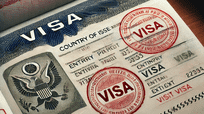
What Is A Work Visa?
A work visa is an official authorization issued by a government that allows a foreign national to enter, live, and work in a specific country for a defined period of time. Work visas vary depending on the type of employment, the applicant’s qualifications, and the immigration policies of the host country. Some work visas are temporary and granted for short-term projects, seasonal work, or internships, while others can lead to long-term residency or even permanent settlement. The work visa process often requires sponsorship from an employer, proof of qualifications, and compliance with immigration laws. Understanding what a work visa is and how it operates is essential for anyone planning to work legally in another country.
Importance Of Understanding Work Visa Validity Periods
Knowing the validity period of a work visa is crucial for both employees and employers. Employees need to comply with immigration laws to avoid overstaying, while employers must ensure they only hire individuals with valid authorization. The validity period also determines when a worker should apply for renewal, extension, or transition to another type of visa. Overstaying beyond the permitted period can result in penalties, fines, deportation, or bans from re-entry. Understanding the time frame ensures proper planning for long-term career goals, financial stability, and legal compliance. It also gives clarity on when to reapply, switch visas, or pursue permanent residency options.
Factors That Determine The Validity Period Of A Work Visa
Several factors influence how long a work visa is valid. The type of visa issued plays a significant role—temporary work visas are generally shorter, while skilled worker visas may last several years. The employment contract length often aligns with visa validity, ensuring that workers stay only as long as their job is active. Immigration policies in different countries also set maximum limits, ranging from a few months to several years. Additionally, the applicant’s nationality, employer sponsorship, and industry demand may impact validity. In some cases, security clearances and background checks also influence how long a visa is granted and whether extensions are possible.
Types Of Work Visas And Their Validity Periods
Different countries offer various types of work visas, each with unique validity periods. For example, short-term visas may last from 3 months to 1 year, designed for seasonal workers or temporary projects. Skilled worker visas or employer-sponsored visas can range between 2 to 5 years, depending on the host country’s policies. Some nations issue special visas for investors, entrepreneurs, or professionals in high-demand fields, which can have longer durations or lead to permanent residency. Student-to-work transition visas, such as post-study work permits, are also common, typically lasting 1–3 years. Understanding the type of visa applied for is critical in determining its duration.
Temporary Vs Permanent Work Visas
Temporary work visas allow individuals to work in a country for a limited time, often ranging from a few months to several years. These are typically issued for seasonal workers, interns, or project-based employment. Once the validity expires, the worker must either renew, switch visas, or leave the country. On the other hand, permanent work visas provide longer-term opportunities and can eventually lead to permanent residency or citizenship. These visas are usually reserved for skilled professionals, investors, or individuals filling labor shortages. The choice between temporary and permanent visas largely depends on employment needs, immigration goals, and qualifications of the applicant.
How Long Does A Typical Work Visa Last?
The duration of a typical work visa varies widely between countries and visa types. In many nations, temporary work visas range from 6 months to 2 years, with possible extensions. Employer-sponsored visas often last between 2 to 5 years, depending on the labor agreement. Countries with a high demand for skilled labor sometimes issue longer-term visas, lasting up to 10 years, but this is less common. For example, the H-1B visa in the United States is valid for three years initially and can be extended to six years. Ultimately, the specific visa category and national regulations determine its validity.
Can A Work Visa Be Extended?
Yes, many countries allow the extension of a work visa under certain conditions. The applicant must usually demonstrate ongoing employment, continued employer sponsorship, and compliance with immigration laws. Extensions may be granted for months or years, depending on the visa type and country. In some cases, workers may need to provide updated documentation, such as a valid employment contract, proof of financial stability, or medical records. However, not all work visas are renewable. Some are strictly non-extendable, requiring workers to reapply for a new visa or leave the country after expiration. Understanding extension rules is vital for planning long-term employment abroad.
Employer Sponsorship And Work Visa Validity
Employer sponsorship plays a major role in determining the validity period of a work visa. In most countries, an employer must submit a petition or job offer to support the foreign worker’s visa application. The visa’s validity often matches the length of the employment contract. For instance, if the employer hires someone for two years, the work visa may be issued for the same duration. When the contract is renewed, the visa can also be extended. However, if the employment relationship ends, the visa typically becomes invalid, requiring the worker to leave or switch to another visa.
Country-Specific Work Visa Validity Rules
Each country has unique rules for work visa validity. In the United States, the H-1B visa is initially valid for 3 years, extendable to 6 years. In the United Kingdom, skilled worker visas generally last up to 5 years. Canada issues work permits that often match the duration of the employment offer, while Australia grants temporary skill shortage visas for up to 4 years. Middle Eastern countries, like the UAE or Saudi Arabia, often tie work visas directly to labor contracts, typically lasting 1–3 years. Understanding country-specific regulations ensures compliance and helps applicants prepare accordingly.
Consequences Of Overstaying A Work Visa
Overstaying a work visa can lead to serious consequences. Immigration authorities may impose fines, cancel future visa applications, or deport the individual. In some cases, overstayers face bans from re-entering the country for several years. Employers who retain overstaying workers may also face legal penalties, including fines and restrictions on hiring foreign nationals. Beyond legal issues, overstaying damages the worker’s immigration record, making it harder to secure visas in other countries. To avoid these consequences, workers must track their visa’s expiration date and apply for extensions or alternative visas in advance. Legal compliance is crucial for career stability abroad.
Work Visa Renewal Process
Renewing a work visa typically involves submitting an application before the current visa expires. The applicant must provide updated documents, including a valid employment contract, employer sponsorship confirmation, and in some cases, biometric data. Immigration authorities review the application to ensure continued eligibility. Renewal fees may also apply. Processing times differ by country but usually take weeks to months. Failing to apply on time can result in the worker losing legal status. Many countries recommend applying at least 3–6 months before the visa expires. Proper planning ensures uninterrupted employment and legal residency in the host country.
Transitioning From A Work Visa To Permanent Residency
Many countries allow workers to transition from a temporary work visa to permanent residency. This process often requires several years of continuous employment, proof of contribution to the economy, and compliance with immigration regulations. For example, in Canada, work experience gained through certain programs can count toward permanent residency applications. In the United States, employer-sponsored workers may apply for green cards after meeting specific requirements. Transition pathways vary, but they often favor skilled professionals, investors, or individuals in shortage occupations. Understanding this possibility helps workers plan long-term goals and move from temporary to permanent settlement abroad.
Legal Rights Under A Work Visa
A work visa grants foreign employees specific legal rights in the host country. These typically include the right to live and work legally for the visa’s duration, access to healthcare in some countries, and the right to fair labor treatment. However, rights may vary depending on the visa type and the country. For example, some work visas restrict job changes, requiring employer sponsorship to remain valid. Others may allow dependents, such as spouses and children, to join the visa holder. Understanding the rights attached to a work visa ensures compliance with laws and helps workers avoid exploitation.
Common Challenges With Work Visa Validity
Many workers face challenges related to visa validity periods. Uncertainty about extensions, strict renewal timelines, and varying country-specific rules often cause stress. Some workers may face delays in processing, leading to gaps in employment authorization. Others struggle with non-renewable visas, requiring them to reapply from scratch or switch to a different visa category. Employers also face challenges, as they must handle sponsorship responsibilities, government paperwork, and potential costs. Awareness of these issues and careful planning help reduce complications. Seeking professional immigration advice often makes navigating visa validity challenges smoother and more efficient.
Best Practices To Maintain Work Visa Validity
To maintain a valid work visa, individuals must comply with immigration laws and employment rules. Keeping track of expiration dates is crucial, as is applying for renewal well in advance. Workers should maintain accurate documentation, including valid contracts and employer sponsorship letters. It’s also essential to avoid violations, such as working outside the permitted role or changing employers without authorization. Staying updated on immigration policy changes in the host country helps prevent unintentional breaches. By following best practices, workers can avoid legal issues, ensure continuous employment, and create opportunities for long-term residency or citizenship.
How Immigration Policy Affects Work Visa Validity
Immigration policy plays a direct role in setting the validity of work visas. Governments adjust visa durations based on labor needs, economic priorities, and security concerns. For instance, countries experiencing labor shortages may extend visa periods for skilled workers, while others may shorten them to limit immigration. Political changes and international relations also influence visa policies. Workers must stay informed about current laws, as sudden policy shifts can impact their eligibility and validity duration. Understanding how immigration policy works helps both employers and employees plan for stable and secure work opportunities abroad.
Preparing For Work Visa Expiration
Proper preparation for visa expiration helps workers avoid overstaying and legal problems. The first step is to know the exact expiration date and mark deadlines for renewal or application for another visa. Workers should also maintain updated employment contracts and necessary documentation to ensure smooth processing. Consulting with employers and immigration advisors before the expiration date is wise, as they can guide available options. Some individuals may need to plan for departure or consider permanent residency applications. Timely preparation ensures compliance with immigration laws and provides stability in professional and personal life abroad.
Differences Between Work Visa And Work Permit Validity
Though often used interchangeably, work visas and work permits differ in many countries. A work visa typically allows entry into the country, while a work permit authorizes employment once inside. The validity of each document may not always match. For example, a visa might be issued for two years, but the permit could expire earlier if tied to a contract. In some nations, permits must be renewed annually, regardless of visa length. Understanding the difference is critical to avoid confusion. Both documents are necessary for legal employment, and their validity must be carefully monitored.
Conclusion
The validity period of a work visa is a crucial aspect of international employment. It determines how long a worker can legally live and work in a foreign country, often aligning with employment contracts, visa types, and national immigration policies. While validity varies widely worldwide, understanding the specific rules of the host country helps workers and employers plan effectively. Renewals, extensions, and transitions to permanent residency are often possible, but timely preparation and compliance with immigration laws are essential. Ultimately, maintaining valid legal status ensures career stability, personal security, and long-term opportunities abroad.
Frequently Asked Questions
1. What Is The Validity Period Of A Work Visa?
The validity period of a work visa refers to the length of time a foreign national is legally permitted to work in a host country under that specific visa. Depending on the country, a work visa may last a few months, several years, or even longer in some cases. For instance, short-term visas might be valid for 6 to 12 months, while skilled worker visas could last 2 to 5 years. In the United States, an H-1B visa is typically valid for three years and extendable up to six years. The exact duration depends on visa type, employment contract, and national immigration policies.
2. How Long Is A Temporary Work Visa Valid For?
A temporary work visa is usually valid for a short period, often ranging from 3 months to 2 years. The length typically depends on the type of employment and the country’s immigration laws. For example, seasonal workers may receive a visa valid for only a few months to cover peak employment times. Interns or project-based workers might receive one-year visas, while other temporary categories could be extended up to two years. Temporary visas are designed to fill short-term labor needs and are not intended for long-term settlement. Renewal may be possible in some cases but not always guaranteed.
3. Can A Skilled Worker Visa Last Longer Than A Temporary Work Visa?
Yes, a skilled worker visa generally lasts longer than a temporary work visa. While temporary visas are often limited to a few months or a maximum of two years, skilled worker visas can last from two to five years depending on the country. Some nations even allow extensions beyond the initial period if the worker continues to meet eligibility requirements and has employer sponsorship. For example, the UK skilled worker visa can be valid for up to five years, while the U.S. H-1B is valid for three years with an option to extend to six years. Skilled worker visas usually provide more stability and longer-term opportunities.
4. How Does An Employment Contract Affect The Validity Period Of A Work Visa?
The employment contract often directly affects the validity period of a work visa, as many governments issue visas that align with the duration of the job offer. If a worker signs a one-year contract, the visa is likely to be valid for one year. Longer contracts, such as two to five years, usually result in visas of the same length. If the contract is extended, workers can apply for a visa renewal. Conversely, if employment ends early, the visa may become invalid. This close connection between contract length and visa validity ensures that workers remain only as long as their jobs require.
5. Are Work Visas Renewable After Their Validity Expires?
In many countries, work visas are renewable, provided the applicant continues to meet eligibility criteria. Renewal usually requires an ongoing employment contract, valid employer sponsorship, and compliance with immigration regulations. The renewal period may be equal to or shorter than the initial validity, depending on the visa type. For instance, some countries allow extensions of one to two years at a time. However, not all visas are renewable. Some are issued as single-entry, non-extendable permits, requiring applicants to reapply for a new visa after expiration. Workers should carefully check renewal policies before their current visa expires.
6. What Happens If A Worker Overstays Beyond The Validity Period Of A Work Visa?
Overstaying a work visa can have serious consequences, including fines, deportation, and bans from future entry into the country. Immigration authorities track visa compliance strictly, and overstayers risk damaging their immigration records. Employers may also face penalties for employing workers without valid authorization. In severe cases, overstayers may be banned from applying for visas in other countries due to a history of non-compliance. To avoid these issues, it is essential to monitor visa expiration dates closely and apply for renewal, extension, or alternative visas before the current one expires. Legal compliance protects both career and personal stability abroad.
7. How Do Different Countries Decide The Validity Period Of A Work Visa?
Different countries set validity periods for work visas based on their labor needs, economic policies, and immigration regulations. Some nations prioritize short-term visas to fill temporary labor shortages, while others encourage long-term skilled migration through visas lasting several years. For example, Canada often issues permits matching the duration of the employment contract, while Australia allows temporary skill shortage visas of up to four years. The U.S. H-1B is valid for three years initially, while the UK offers skilled worker visas valid for up to five years. Each country’s policies determine how long foreign workers can legally stay.
8. Can A Work Visa Be Shorter Than The Employment Contract Duration?
Yes, in some cases, a work visa may be shorter than the employment contract duration. This typically happens when immigration authorities impose maximum limits on visa validity, regardless of contract length. For instance, if a contract is for five years but the visa category allows only a maximum of three years, the visa will match the legal cap. Workers in this situation may need to apply for an extension or renewal to remain in the country for the full duration of the contract. This rule ensures immigration control while balancing labor market needs.
9. What Is The Difference Between A Work Visa Validity Period And A Work Permit Validity Period?
A work visa validity period refers to how long a worker can legally stay and enter the host country, while a work permit validity period defines how long they can legally work in that country. Although the terms are often used interchangeably, they are not always the same. For example, a visa might allow entry for two years, but the permit could expire sooner if tied to a short employment contract. In some nations, work permits must be renewed annually even if the visa remains valid. Understanding the distinction prevents confusion and ensures workers remain compliant with laws.
10. Can A Worker Switch Jobs During The Validity Period Of A Work Visa?
Whether a worker can switch jobs during the validity of a work visa depends on the visa type and country rules. In many cases, work visas are tied to a specific employer, meaning that changing jobs requires obtaining a new visa or permit. Some countries, however, provide more flexibility, allowing job changes without needing a new visa if the worker remains in the same industry or visa category. Switching jobs without authorization can invalidate the visa and lead to legal problems. Workers should always consult immigration authorities before making employment changes during their visa validity period.
11. How Do Immigration Policies Affect The Validity Of A Work Visa?
Immigration policies directly influence the validity of work visas, as governments set the rules regarding duration, extensions, and eligibility. Policies are often shaped by labor shortages, economic priorities, and security concerns. For example, a country seeking skilled labor may extend visa validity to attract workers, while stricter immigration environments may issue shorter-term visas. Political changes, international relations, and economic fluctuations can also cause adjustments in policy. Because immigration policies evolve frequently, workers must stay informed about current rules to ensure compliance and make informed career plans abroad.
12. Can Dependents Stay For The Same Validity Period As The Work Visa Holder?
In many countries, dependents of a work visa holder are granted visas that align with the primary applicant’s validity period. This means spouses and children can typically stay for the same length of time. However, dependent visas may come with restrictions, such as prohibiting employment or requiring separate applications for work authorization. If the worker’s visa is extended, dependents usually need to renew their permits as well. Policies vary across countries, so it is important to confirm the rules regarding dependent stays and rights before relocating. This ensures family members remain legally protected during their stay abroad.
13. How Does Employer Sponsorship Affect Work Visa Validity?
Employer sponsorship is often the foundation of work visa validity, as most countries require employers to petition on behalf of the foreign worker. The visa’s duration often mirrors the length of the employment contract or job offer. If the employer continues sponsorship and the job remains valid, extensions are usually possible. Conversely, if the employment ends early, the visa may automatically lose validity. This close link ensures that foreign workers remain tied to legal employment and do not overstay without authorization. Employer sponsorship therefore plays a vital role in determining how long a work visa remains valid.
14. Are There Non-Renewable Work Visas With Fixed Validity Periods?
Yes, some work visas are non-renewable and have fixed validity periods. These visas are often issued for specific projects, seasonal jobs, or government programs where extensions are not permitted. For example, certain cultural exchange or internship visas may only be valid for one year and cannot be extended under any circumstance. Once the validity expires, the worker must leave the country or apply for a new visa from outside the host nation. Non-renewable visas ensure tight immigration control and are designed for temporary labor needs rather than long-term settlement opportunities.
15. What Is The Longest Validity Period A Work Visa Can Have?
The longest validity period of a work visa varies depending on the country and visa type. In some nations, such as the United States, certain employment-based visas can be valid for up to ten years, though this is rare and usually linked to special categories like investors or diplomatic workers. More commonly, skilled worker visas range from 3 to 5 years, with possible extensions. Countries like the UK issue skilled worker visas for up to five years, while Canada often matches visa length to employment offers. Very long-term work visas are generally exceptions rather than the rule.
16. How Early Can A Worker Apply For Renewal Before The Expiry Of A Work Visa?
The timeframe for renewal applications depends on the immigration rules of the host country. Generally, workers are encouraged to apply for renewal 3 to 6 months before their visa expires to allow for processing time. Early application reduces the risk of gaps in legal status, ensuring continuous employment authorization. Some countries accept renewal requests only within a set period, such as 90 days before expiry. Applying too early may result in rejection, while applying too late can cause legal complications. Workers should always check the specific guidelines to apply at the right time.
17. What Is The Impact Of Visa Expiration On Employment Rights?
When a work visa expires, the worker immediately loses the legal right to remain employed in the host country. Employers are prohibited from continuing to hire workers with expired visas and may face penalties for doing so. The worker may also lose access to benefits such as healthcare, social security, or housing assistance tied to their legal status. Additionally, overstaying after expiration can lead to deportation and future visa bans. To protect employment rights, workers must renew or extend their visas on time, ensuring uninterrupted legal status and continued access to work-related benefits.
18. Can A Worker Travel Abroad And Re-Enter During The Validity Period Of A Work Visa?
In many cases, a work visa allows multiple entries, meaning the worker can travel abroad and return within the validity period. However, this depends on the visa type. Some visas are single-entry only, requiring a new application for re-entry once the worker leaves the host country. Others are multiple-entry visas, granting flexibility for international travel during the visa period. Travelers must also ensure their passport remains valid, as entry may be denied otherwise. Checking travel conditions and entry permissions attached to the visa is essential before planning any trips outside the host country.
19. How Does The Validity Period Of A Work Visa Relate To Permanent Residency Applications?
The validity period of a work visa often plays an important role in permanent residency applications. Many countries require applicants to demonstrate a certain number of years of legal residence and employment before qualifying for permanent residency. Work visas provide the legal foundation for this. For example, Canada allows workers with valid permits to count their work experience toward permanent residency programs. Similarly, U.S. employment-based visas can lead to green cards after meeting specific requirements. Therefore, maintaining continuous validity and legal status on a work visa is often the first step toward permanent settlement.
20. What Is The Role Of Immigration Authorities In Determining Work Visa Validity?
Immigration authorities are responsible for determining the validity of work visas by setting policies, reviewing applications, and ensuring compliance. They assess factors such as the type of employment, length of the contract, and labor market conditions before granting a visa. Authorities also enforce rules regarding renewals, extensions, and overstays. Their decisions directly impact how long foreign nationals can legally stay and work in a country. By regulating visa validity, immigration agencies balance the needs of employers, workers, and national interests. Applicants must comply with their regulations to secure and maintain valid work authorization.
FURTHER READING
- How Much Does A Work Visa Cost?
- How Long Does It Take To Get A Work Visa?
- What Are The Eligibility Requirements For Obtaining A Work Visa?
- How To Apply For And Get A Work Visa
- What Is A Work Visa? | Definition, Types, Cost, Duration, Validity Period, Eligibility Requirements, How To Apply For And Get A Work Visa
- What Is The Validity Period Of A Tourist Visa?
- How Much Does A Tourist Visa Cost?
- How Long Does It Take To Get A Tourist Visa?
- What Are The Eligibility Requirements For Obtaining A Tourist Visa?