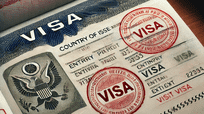
What Is A Transit Visa?
A transit visa is a short-term travel permit that allows a traveler to pass through a country while en route to another destination. It is usually required when travelers have a layover in a country where they must leave the airport or stay for a few hours to a few days before catching their connecting flight. Transit visas are not intended for tourism or long-term stays but serve as temporary authorization to remain in the transit country. The requirements, processing time, and costs of transit visas vary from one country to another, depending on immigration policies, duration of stay, and purpose of travel. Understanding how much a transit visa costs is important for smooth international travel.
Importance Of A Transit Visa
Transit visas are vital for international travelers, especially those crossing multiple borders or switching airlines in a different country. Without the right visa, passengers may not be allowed to board their flights or may face denial of entry upon arrival. Airlines often check transit visa requirements before issuing boarding passes, making them critical documents for seamless travel. For passengers traveling through countries like the United States, the United Kingdom, Canada, or Schengen zone countries, a transit visa might be mandatory. The cost of obtaining this document may influence travel budgets, making it necessary to research transit visa fees in advance.
Average Cost Of A Transit Visa Worldwide
The cost of a transit visa varies greatly depending on the country issuing it. On average, fees can range between $20 and $150. Some nations, like Singapore and Turkey, may issue low-cost or even free transit visas for short layovers. Conversely, developed countries such as the United States, United Kingdom, and Schengen states typically charge between $50 and $120. Additionally, applicants may incur extra costs such as service fees, biometrics, or expedited processing charges. Exchange rates also affect the exact amount travelers pay. Therefore, travelers should budget for both the application fee and possible hidden charges when estimating how much a transit visa will cost.
Factors That Affect The Cost Of A Transit Visa
Several factors determine the cost of a transit visa. First, the country of application plays a major role, as each nation sets its own visa fee structure. Second, the duration of the stay can influence the cost; longer transit stays may require higher fees. Third, nationality is an important factor since some countries impose different visa fees based on reciprocal agreements. Fourth, additional services such as fast-tracking or agency assistance add to the overall cost. Lastly, travelers applying online might pay less compared to those using in-person services. These factors highlight why transit visa prices vary widely across the globe.
Differences Between Airport Transit Visa And Regular Transit Visa
There are two main types of transit visas: airport transit visas and regular transit visas. An airport transit visa allows travelers to stay within the international zone of the airport while waiting for their connecting flight without entering the host country. Regular transit visas, however, allow travelers to leave the airport and move around the country for a limited period, often up to 72 hours. The cost of airport transit visas is generally lower than that of regular transit visas. Nonetheless, not all countries issue both types, so travelers must check entry requirements carefully to avoid unexpected expenses.
Transit Visa Costs In The United States
In the United States, the cost of a transit visa (C visa) is $185 as of 2025. This fee applies to all applicants regardless of nationality. Additional costs may include service fees charged by visa application centers or fees for expedited appointments. U.S. transit visas are valid for a short duration, typically aligned with the traveler’s transit schedule. While the fee is fixed, applicants may also face costs for required documentation such as passport photos or courier services. Since U.S. visa policies are strict, travelers should apply early and budget for both the application fee and additional associated expenses.
Transit Visa Costs In The United Kingdom
The United Kingdom charges £64 for a Direct Airside Transit Visa (DATV) as of 2025. For those requiring a Visitor in Transit Visa, the fee is higher, approximately £64 to £120 depending on the length of stay and type of visa. Additional costs such as biometric enrollment and service fees may apply. The UK transit visa allows travelers to pass through UK airports or remain in the country for up to 48 hours before continuing their journey. Travelers should confirm the latest fees, as immigration policies in the UK are subject to periodic updates, impacting overall transit visa costs.
Transit Visa Costs In Schengen Countries
Schengen countries, which include most of Europe, typically charge €80 for a short-stay visa, which also applies to transit visas. Reduced fees of €40 are often available for children between the ages of six and twelve, while younger children are usually exempt. Some travelers from specific countries may benefit from lower fees due to bilateral agreements. In addition, applicants may have to pay service charges at visa centers. Schengen transit visas are usually valid for up to five days. Since multiple countries are involved, travelers should carefully review individual consulate requirements when calculating their overall transit visa costs.
Transit Visa Costs In Asian Countries
Asian countries vary widely in their transit visa policies and fees. For instance, India charges approximately $40 for a transit visa valid for up to 15 days, while China charges around $30 to $60 depending on nationality. Some Asian countries like Singapore, Thailand, and Malaysia allow short visa-free transit periods, saving costs for travelers. Japan does not usually require a transit visa for short airport layovers. However, for longer stays outside airports, fees can range from $25 to $50. Travelers in Asia must check country-specific regulations as costs, exemptions, and requirements differ across the continent.
Transit Visa Costs In African Countries
Transit visa fees in African countries differ significantly from one nation to another. Nigeria charges around $25 to $50, depending on nationality, while South Africa’s fee is approximately $45. Kenya’s transit visa costs about $20 and allows travelers up to 72 hours of stay. Some African countries, however, grant visa-free or low-cost transits to citizens of neighboring nations as part of regional agreements. Processing centers may also add service charges to the base visa fee. Since regulations in African countries can change frequently, international travelers are advised to verify costs with embassies before budgeting for transit visa applications.
Hidden Costs Of A Transit Visa
While most travelers focus on the official application fee, hidden costs often add up. These may include biometric enrollment, courier services for document delivery, and service charges imposed by visa application centers. Currency conversion fees can also increase the actual cost if payments must be made in a foreign currency. Travelers using agents or third-party services may incur higher expenses. In some cases, rejection of applications leads to reapplication fees, further raising the total cost. Being aware of these hidden costs is essential when estimating how much a transit visa truly costs for international travel.
How To Apply For A Transit Visa
Applying for a transit visa usually involves submitting an online or paper application form, paying the required fee, and providing supporting documents. Applicants typically need a valid passport, proof of onward travel, flight itineraries, and sometimes hotel bookings if staying overnight. Some countries also require financial evidence to confirm the traveler can support themselves during transit. Applications may be processed at embassies, consulates, or visa application centers. Processing times vary from a few days to several weeks. To avoid unexpected issues, travelers should apply early, pay the correct fee, and ensure they meet all transit visa requirements.
Common Mistakes When Applying For A Transit Visa
Many travelers make mistakes that can delay or increase the cost of getting a transit visa. Submitting incomplete forms, providing invalid travel documents, or paying the wrong fee are common issues. Some fail to apply within the required timeframe, leading to last-minute expedited charges. Others overlook specific requirements, such as biometrics or passport validity, which can result in rejection. Using unreliable agents may also add unnecessary costs. To minimize expenses, applicants should carefully review official instructions, double-check application details, and confirm the current cost of transit visas before applying. Preparation reduces both delays and extra costs.
How To Save Money On A Transit Visa
Travelers can save money on transit visas by researching visa-free or visa-on-arrival options offered by some countries. Choosing layovers in nations with cheaper or no transit visa fees helps reduce travel expenses. Applying directly through official embassy websites avoids unnecessary service charges from third parties. Submitting complete applications reduces the risk of rejection and additional reapplication fees. Travelers should also check for exemptions based on nationality, as some countries offer discounts or free transit visas to citizens of specific regions. Smart planning and awareness of options can significantly lower the overall cost of transit visas.
Alternatives To A Transit Visa
In some cases, travelers may not need to pay for a transit visa at all. Visa-free transit agreements exist between certain countries, allowing passengers to pass through without paying additional fees. Many nations offer transit without a visa (TWOV) policies, which permit short stays in international airports. Some airlines also provide stopover packages that include transit arrangements. Additionally, choosing connecting flights that remain within the same airline alliance may reduce visa requirements. Understanding these alternatives helps travelers avoid unnecessary expenses while still complying with international travel regulations and maintaining smooth connections.
Duration And Validity Of A Transit Visa
Transit visas are usually valid for a short period, often between 24 hours and 10 days, depending on the issuing country. Some visas are valid for a single entry, while others may allow multiple entries within a set period. The cost of a transit visa can be influenced by its validity period, with longer stays sometimes requiring higher fees. Travelers should always align their visa validity with their travel itinerary to avoid overstaying, which can lead to fines or bans. Reviewing the duration and cost together ensures travelers budget accurately and comply with regulations.
Consequences Of Not Having A Transit Visa
Traveling without the required transit visa can lead to serious consequences. Airlines may deny boarding at the departure airport, causing missed flights and financial losses. If travelers arrive without the proper visa, immigration officials may refuse entry and send them back, often at their own expense. In some cases, fines or future entry bans may be imposed. These consequences can cost far more than the transit visa fee itself. Therefore, budgeting for the correct visa cost and obtaining the required documentation before departure is essential to avoid unnecessary disruptions in international travel.
Conclusion
The cost of a transit visa depends on the country, duration of stay, nationality of the traveler, and additional service fees. While average costs range between $20 and $150 worldwide, fees in countries like the United States and the United Kingdom can be higher. Hidden charges and mistakes can increase the final amount paid. To save money, travelers should research exemptions, apply early, and consider visa-free options. Ultimately, planning ahead and budgeting accurately for transit visa costs ensures smooth and stress-free international travel.
Frequently Asked Questions
1. How Much Does A Transit Visa Cost?
The cost of a transit visa varies greatly depending on the issuing country, nationality of the traveler, and type of visa required. On average, transit visa fees range between $20 and $150 worldwide. For example, the United States charges $185 for a C visa, while Schengen states usually require €80. Some countries, like Kenya and Turkey, offer cheaper options under $30, and others even allow free short-term transit visas. In addition to the official application fee, travelers should budget for hidden expenses such as biometric enrollment, courier services, or third-party service fees. Overall, planning ahead helps travelers accurately estimate how much a transit visa costs.
2. What Factors Influence How Much A Transit Visa Costs?
The cost of a transit visa is influenced by several key factors. The first is the country issuing the visa, since each nation has its own fee structure. The second is nationality, as some countries impose higher or lower fees based on reciprocal agreements. The third factor is the duration of transit, with longer periods sometimes requiring higher fees. Fourth, the type of transit visa—airport or regular—also affects cost. Additional expenses, such as biometrics, service center charges, and expedited processing, can further increase the final price. Understanding these factors helps travelers better predict how much a transit visa will cost.
3. How Much Does A Transit Visa Cost In The United States?
In the United States, the cost of a transit visa, also known as a C visa, is currently $185. This fee applies to all nationalities and must be paid at the time of application. Additional costs may include service fees charged by visa application centers or courier charges for document delivery. The U.S. does not typically waive this fee except under special circumstances, making it one of the higher transit visa costs globally. Travelers should also prepare for possible hidden expenses, such as biometrics or reapplication fees, if an application is rejected. Planning early helps avoid financial surprises.
4. How Much Does A Transit Visa Cost In The United Kingdom?
The United Kingdom charges £64 for a Direct Airside Transit Visa (DATV). For travelers needing a Visitor in Transit Visa, the fee may range from £64 to £120, depending on the length of stay and type of visa. Extra costs, such as biometric enrollment, service center fees, or courier delivery, can increase the total amount paid. While these fees may seem high, they are essential for travelers passing through UK airports or staying briefly in the country. Checking the latest updates from UK immigration authorities is recommended to avoid surprises, since visa costs may change over time.
5. How Much Does A Transit Visa Cost In Schengen Countries?
In Schengen countries, a short-stay visa fee of €80 is typically applied to transit visas. However, discounts are available in some cases. Children aged six to twelve usually pay €40, while those under six are exempt. Certain nationalities also benefit from reduced fees due to bilateral agreements. Additional service charges may apply if applications are submitted through visa centers. Schengen transit visas usually allow stays of up to five days, depending on itinerary needs. Travelers should check with individual consulates, as specific costs and requirements may differ slightly, even though the general €80 fee is widely standard across Europe.
6. How Much Does A Transit Visa Cost In Asian Countries?
Transit visa costs in Asia vary from country to country. For example, India charges about $40 for a transit visa, while China sets fees between $30 and $60 depending on nationality. Some countries, like Singapore, Malaysia, and Thailand, often allow visa-free transit for short layovers, eliminating costs altogether. Japan typically does not require transit visas for short airport stays but charges $25 to $50 for longer stopovers outside the airport. Since policies differ widely across Asia, travelers should always confirm fees and requirements before booking flights. This ensures accurate budgeting and avoids unexpected costs during travel.
7. How Much Does A Transit Visa Cost In African Countries?
The cost of transit visas in Africa depends on the specific nation. For example, Kenya charges about $20 for a transit visa, while Nigeria requires between $25 and $50. South Africa’s transit visa fee is around $45. Some African countries offer free or discounted transit visas to citizens of neighboring countries as part of regional agreements. Service centers may also add processing fees on top of the official charge. Since immigration policies can change frequently, it is advisable for travelers to check with embassies or consulates in advance to know exactly how much a transit visa will cost.
8. How Much Does An Airport Transit Visa Cost Compared To A Regular Transit Visa?
Airport transit visas are generally cheaper than regular transit visas, as they only allow travelers to stay in the international transit area without entering the country. Fees may range from $20 to $50, depending on the issuing nation. Regular transit visas, which permit travelers to leave the airport and remain in the country for a limited time, often cost more—between $40 and $150. For example, the UK Direct Airside Transit Visa costs £64, while a Visitor in Transit Visa may cost up to £120. Comparing the two types helps travelers plan expenses based on their transit needs.
9. How Much Does A Transit Visa Cost When Using A Third-Party Service?
Using third-party services, such as visa agencies, often increases the total cost of obtaining a transit visa. While the official visa fee may be between $20 and $150 depending on the country, agencies typically add service charges ranging from $30 to $100 or more. These additional fees cover application handling, form completion, and appointment scheduling. Although convenient, they significantly raise the overall expense compared to applying directly through embassies or consulates. To save money, travelers should carefully consider whether the added support is worth the extra cost or if applying independently is more practical and affordable.
10. How Much Does A Transit Visa Cost If Expedited?
Expedited processing usually increases the total cost of a transit visa. While standard visa fees may range from $20 to $150, travelers who require faster approval may need to pay extra, often between $50 and $200 depending on the country and urgency. Some nations offer priority or premium services that guarantee quicker turnaround times, while others rely on agencies that charge additional fees. Although expedited processing is useful for last-minute travelers, it can substantially increase expenses. To avoid these high costs, travelers are advised to apply early and allow enough time for normal processing of transit visas.
11. How Much Does A Transit Visa Cost For Multiple Entries?
A multiple-entry transit visa generally costs more than a single-entry visa. While single-entry transit visas may range from $20 to $80 depending on the country, multiple-entry versions can cost between $60 and $150. For instance, Schengen countries may issue multiple-entry short-stay visas at the same base fee of €80, but other nations add surcharges. The higher cost reflects the flexibility provided, allowing travelers to pass through the country multiple times within a set period. Travelers should evaluate their travel plans carefully to decide whether a multiple-entry transit visa justifies the additional expense compared to a standard option.
12. How Much Does A Transit Visa Cost For Children?
Transit visa costs for children vary by country. In Schengen states, children under six are exempt, while those between six and twelve pay €40. The United States requires the full $185 fee even for children, without discounts. In some countries, such as Kenya or Malaysia, children may either receive discounted fees or be granted free transit depending on nationality and age. Additional charges, such as biometrics or service center fees, may still apply. Since policies differ worldwide, parents should check the specific requirements of the country their children will transit through to accurately estimate visa costs.
13. How Much Does A Transit Visa Cost If Reapplied After Rejection?
If a transit visa application is rejected, the original fee is non-refundable, meaning travelers must pay again when reapplying. This doubles or even triples the overall cost, especially in countries with high fees such as the United States ($185) or Schengen nations (€80). In addition, applicants may need to cover new biometric fees, courier services, or service center charges. To avoid these repeated costs, travelers should ensure all documents are correct, fees are paid accurately, and eligibility requirements are met before submitting an application. Proper preparation reduces the financial burden of multiple applications.
14. How Much Does A Transit Visa Cost With Hidden Fees Included?
Beyond the official fee, hidden expenses can significantly increase how much a transit visa costs. These hidden fees often include biometric enrollment charges, courier services for passport delivery, and processing fees from visa application centers. Currency exchange rates can also raise costs when payments must be made in foreign currencies. Additionally, travelers using third-party agencies may face service charges that exceed the actual visa fee itself. In some cases, travelers may also need to pay for document translation or notarization, which further adds to expenses. To avoid surprises, applicants should budget for both the stated application fee and all potential hidden costs that may arise during the process.
15. How Much Does A Transit Visa Cost Compared To A Tourist Visa?
In most cases, a transit visa costs less than a tourist visa because it is valid for a shorter duration and has a more limited purpose. While transit visas typically cost between $20 and $150, tourist visas can range from $50 to over $300 depending on the country. For example, the United States charges $185 for a transit visa but around $185–$200 for a tourist visa, while Schengen countries charge €80 for both. Some nations keep fees equal regardless of visa type, but the documents required for tourist visas are often more extensive, leading to higher overall costs.
16. How Much Does A Transit Visa Cost In Emergency Situations?
Emergency situations, such as sudden travel changes or urgent medical reasons, may require expedited processing of transit visas. While the base fee remains the same, applicants often pay extra charges for priority services. These costs may range from an additional $50 to $200 depending on the country and the urgency of processing. For example, some embassies offer same-day services at a premium rate, while others allow applicants to use third-party agencies that charge high service fees. Planning ahead is the best way to avoid these emergency surcharges, as last-minute applications can make a transit visa far more expensive.
17. How Much Does A Transit Visa Cost If Applied Online?
Applying online can sometimes reduce the overall cost of obtaining a transit visa. While the base fee, which generally ranges from $20 to $150, remains the same, online applications often save travelers additional expenses such as transportation to consulates or service center handling charges. Some countries also offer discounted fees for online submissions as a way to encourage digital applications. However, applicants must still pay for mandatory services such as biometrics if required, and in some cases, online platforms may add a small processing fee. Overall, applying online is usually a more cost-effective and convenient option.
18. How Much Does A Transit Visa Cost If Paid In A Foreign Currency?
When paying transit visa fees in a foreign currency, the cost may increase due to exchange rates and bank charges. For instance, if a transit visa fee is $100 but must be paid in euros, the total expense could rise depending on the prevailing exchange rate. Banks and credit card companies may also add foreign transaction fees of 2–5% on top of the official amount. Additionally, some embassies and visa centers require exact currency payments, forcing applicants to purchase specific denominations at higher exchange rates. Travelers should calculate these factors when estimating the final cost of a transit visa.
19. How Much Does A Transit Visa Cost For Long Layovers?
For travelers with long layovers, the cost of a transit visa may differ depending on the country. Short airport transit visas that only allow passengers to remain in the terminal often cost less, usually $20 to $50. However, for layovers exceeding 24 to 48 hours that require leaving the airport, a regular transit visa may be necessary, costing between $40 and $150. In some countries, such as India or Kenya, transit visas for longer stays are still relatively affordable, while in places like the UK or U.S., fees remain fixed regardless of layover duration. Planning ahead avoids unexpected expenses.
20. How Much Does A Transit Visa Cost Compared To Transit Without Visa Policies?
Transit Without Visa (TWOV) policies allow travelers to pass through certain airports or countries without paying for a visa, significantly reducing travel expenses. In contrast, paying for a transit visa usually costs between $20 and $150 depending on the country. For example, Singapore and Qatar allow many passengers to transit without visas, making the cost zero, while Schengen and UK airports often require paid transit visas. Choosing routes through TWOV-friendly countries can help travelers save money on international journeys. Comparing these policies with official visa fees helps in making smarter financial and travel decisions.
Further Reading
- How Long Does It Take To Get A Transit Visa?
- What Are The Eligibility Requirements For Obtaining A Transit Visa?
- How To Apply For And Get A Transit Visa
- What Is A Transit Visa? | Definition, Types, Cost, Eligibility Requirements, Duration, Validity Period, How To Apply For A Transit Visa
- What Is The Validity Period Of A Work Visa?
- How Much Does A Work Visa Cost?
- How Long Does It Take To Get A Work Visa?
- What Are The Eligibility Requirements For Obtaining A Work Visa?
- How To Apply For And Get A Work Visa
- What Is A Work Visa? | Definition, Types, Cost, Duration, Validity Period, Eligibility Requirements, How To Apply For And Get A Work Visa