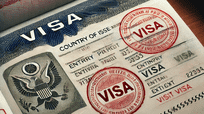
What Is An Immigrant Visa?
An immigrant visa is an official document issued by a country’s government that allows a foreign national to enter and reside permanently within that country. Unlike nonimmigrant visas, which are typically temporary and granted for specific purposes such as tourism, business, or study, immigrant visas provide a pathway to permanent residency, often referred to as a green card in the United States. The immigrant visa application process involves meeting eligibility requirements, undergoing background and medical checks, and sometimes sponsorship by family members or employers. Obtaining an immigrant visa is a critical step for individuals planning to build long-term careers, live with family, or secure permanent legal status in a new country.
Types Of Immigrant Visas
Immigrant visas can be broadly categorized into family-sponsored visas, employment-based visas, diversity lottery visas, and humanitarian visas such as refugee or asylum programs. Family-sponsored visas are for close relatives of citizens or permanent residents. Employment-based visas target individuals with specialized skills, extraordinary abilities, or investors willing to contribute to the economy. Diversity visas are typically lottery-based, promoting immigration from countries with historically low immigration rates. Humanitarian visas cater to individuals fleeing persecution or conflict. Understanding the specific type of immigrant visa that aligns with one’s situation is essential for navigating the complex application process successfully.
Eligibility Requirements For An Immigrant Visa
Eligibility for an immigrant visa depends on the visa category applied for. Family-sponsored applicants must prove their relationship to the sponsoring citizen or permanent resident. Employment-based applicants often need a job offer, labor certification, or proof of exceptional skills. Diversity visa applicants must meet educational or work experience criteria, while humanitarian applicants must provide evidence of persecution, danger, or urgent need for protection. All applicants undergo rigorous background checks, medical examinations, and security screenings. Demonstrating financial stability, absence of criminal history, and intent to reside permanently in the destination country are additional key factors that determine eligibility for an immigrant visa.
How To Apply For An Immigrant Visa
Applying for an immigrant visa typically involves submitting a petition through the appropriate government agency, such as the U.S. Citizenship and Immigration Services (USCIS) for the United States. Family or employment sponsors usually file the petition on behalf of the applicant. Once approved, the application moves to the National Visa Center for processing before a visa interview at a consulate or embassy. Applicants must provide supporting documents, including birth certificates, passports, financial affidavits, and medical records. Successfully completing the interview and meeting all requirements results in the issuance of the immigrant visa, granting legal permission to enter and reside permanently in the host country.
Processing Time For An Immigrant Visa
The processing time for an immigrant visa varies widely depending on the category, country of origin, and application complexity. Family-sponsored visas can take several months to over a decade, depending on relationship type and visa quota. Employment-based visas may be faster but still require months of processing, especially for high-demand categories. Diversity lottery winners generally experience shorter processing timelines. Delays can occur due to incomplete applications, additional background checks, or embassy backlogs. Applicants are advised to track their case status online, prepare thoroughly, and respond promptly to any requests to ensure smooth and timely processing of their immigrant visa application.
Costs Associated With Immigrant Visas
The cost of an immigrant visa depends on the country and visa category. U.S. immigrant visa fees include petition filing fees, application processing fees, medical examination costs, and, in some cases, fees for translations or document certification. Family-sponsored visas are generally less expensive than employment-based visas, which may require additional legal or administrative costs. Diversity visa applicants pay only the standard processing and medical fees. Applicants should budget for all associated expenses and consider potential hidden costs, such as travel to interviews and document procurement, to ensure financial readiness throughout the immigration process.
Benefits Of Holding An Immigrant Visa
Holding an immigrant visa provides numerous advantages, including the ability to reside permanently in the host country, work legally, and access social services and education. Visa holders can sponsor eligible family members for immigration and eventually apply for citizenship, depending on national laws. Immigrant visas offer stability and security, allowing individuals to plan long-term careers, pursue higher education, and integrate into society. For families, it enables reunification and strengthens social support networks. The legal status also protects against deportation and provides avenues for lawful travel, making an immigrant visa a crucial instrument for personal and professional growth in a new country.
Challenges In The Immigrant Visa Process
The immigrant visa process can be challenging due to its complexity, lengthy timelines, and strict eligibility criteria. Applicants often face bureaucratic hurdles, documentation requirements, and unexpected delays. Background checks, medical exams, and security screenings add layers of scrutiny, which can cause anxiety and uncertainty. Changes in immigration policy or visa quotas may further complicate the process. Preparing thoroughly, seeking professional legal guidance when necessary, and maintaining patience are essential strategies to overcome these challenges. Understanding potential obstacles and planning accordingly can improve the chances of successfully obtaining an immigrant visa.
Common Mistakes To Avoid When Applying
Common mistakes in immigrant visa applications include submitting incomplete forms, missing deadlines, failing to provide proper documentation, and not preparing adequately for interviews. Financial affidavits or sponsorship documents that are inconsistent or unclear can lead to delays or denials. Misrepresentation of information, whether intentional or accidental, can have serious legal consequences. It is also crucial to follow the specific guidelines of the embassy or consulate where the interview occurs. Carefully reviewing requirements, double-checking documents, and seeking professional advice when needed can prevent common errors and increase the likelihood of a successful immigrant visa application.
Conclusion
Obtaining an immigrant visa is a life-changing step that requires careful planning, thorough documentation, and understanding of the legal requirements. By identifying the correct visa type, meeting eligibility criteria, and avoiding common pitfalls, applicants can successfully navigate the immigration process. Immigrant visas open doors to permanent residency, employment, education, family reunification, and eventual citizenship, providing opportunities for personal and professional growth. Patience, preparation, and attention to detail are critical throughout the application process. Ultimately, an immigrant visa serves as the key to a new beginning in a foreign country, offering stability, security, and long-term prospects.
Frequently Asked Questions
1. What Is An Immigrant Visa?
An immigrant visa is a government-issued authorization allowing a foreign national to enter a country with the intention of permanent residence. Unlike temporary visas, immigrant visas are designed for long-term settlement and often lead to permanent residency or citizenship. Applicants must meet strict eligibility criteria, including family sponsorship, employment qualifications, or humanitarian grounds. The process involves petition submission, background and security checks, medical examinations, and a consular interview. Successfully obtaining an immigrant visa provides the holder with legal rights to live, work, and access social services in the host country. It also enables future family sponsorship and eventual citizenship, making it a crucial step for long-term immigration plans.
2. How Do I Apply For An Immigrant Visa?
Applying for an immigrant visa involves several key steps. First, determine the correct visa category, whether family-sponsored, employment-based, or diversity lottery. A sponsor may be required to file a petition on your behalf with the relevant immigration authority. Once the petition is approved, your case is forwarded to the consulate or embassy for processing. You must complete the visa application form, pay applicable fees, and schedule a medical examination. During the interview, provide all supporting documents, such as birth certificates, passports, and financial affidavits. Successful completion of these steps results in the issuance of an immigrant visa, allowing you to enter and reside permanently in the destination country.
3. What Are The Eligibility Requirements For Obtaining An Immigrant Visa?
Eligibility requirements for an immigrant visa vary by category. Family-sponsored applicants must prove the familial relationship with the sponsor. Employment-based visas require job offers, labor certifications, or evidence of extraordinary skills. Diversity visa applicants need to meet educational or work experience thresholds, while humanitarian visas necessitate proof of persecution or danger. All applicants undergo security screenings, background checks, and medical examinations. Financial stability, no criminal history, and intent to reside permanently in the host country are crucial. Meeting all these requirements ensures that applicants qualify for an immigrant visa and can navigate the process efficiently, improving the likelihood of approval.
4. How Long Does It Take To Get An Immigrant Visa?
The timeline for obtaining an immigrant visa depends on the visa category, applicant country, and case complexity. Family-sponsored visas can take months to years, particularly for sibling or extended family categories, due to annual visa quotas. Employment-based visas often require several months of processing, including labor certification and petition approval. Diversity lottery winners typically experience shorter processing periods. Delays may arise from incomplete documentation, additional background checks, or embassy backlogs. Applicants can track their case status online and respond promptly to any requests to facilitate timely processing. Proper preparation and adherence to procedures are essential for minimizing delays.
5. How Much Does An Immigrant Visa Cost?
The cost of an immigrant visa varies by country and visa type. U.S. immigrant visas, for example, involve fees for petition filing, application processing, medical examinations, and sometimes document translation or certification. Family-sponsored visas are generally less expensive than employment-based categories, which may include additional administrative or legal fees. Diversity visa applicants pay the standard processing and medical examination fees. Applicants should account for travel expenses to consulate interviews and costs associated with obtaining supporting documents. Proper budgeting ensures that all fees are covered and reduces the risk of application delays or complications due to financial issues.
6. Can I Work With An Immigrant Visa?
Yes, most immigrant visas allow holders to work legally in the host country. Employment rights may vary by visa type, but permanent residents typically enjoy unrestricted access to the job market. Employment-based visas may initially tie the visa to a specific employer or occupation, but permanent residency provides flexibility over time. Working legally ensures compliance with immigration laws and allows access to social security benefits, healthcare, and other services. Securing employment also strengthens financial stability, which is an important aspect of maintaining permanent residency. Immigrant visas thus offer both legal and economic benefits to individuals seeking to build a long-term life in a new country.
7. Can I Travel Abroad With An Immigrant Visa?
Holders of an immigrant visa can travel internationally, but travel may be subject to certain conditions. In the United States, for example, green card holders can leave and return without losing residency status, provided they do not remain outside the country for extended periods that suggest abandonment of residence. Travel documents, passports, and reentry permits are often required for longer trips. Immigrant visa holders should also be aware of any restrictions imposed by the host country or their home country. Careful planning ensures uninterrupted residency status and compliance with immigration regulations while traveling abroad.
8. What Happens After Receiving An Immigrant Visa?
After receiving an immigrant visa, the holder can enter the host country as a permanent resident. In the U.S., the visa allows entry at a port of entry, after which the individual receives a green card. Immigrant visa holders can live, work, and study legally, access social benefits, and sponsor eligible family members for immigration. They may eventually apply for citizenship, depending on residency duration and other legal requirements. It is important to comply with all immigration regulations, maintain residency, and update personal information with the government to secure long-term benefits associated with the immigrant visa.
9. Can Family Members Be Included In An Immigrant Visa Application?
Yes, many immigrant visa categories allow for the inclusion of immediate family members, such as spouses and children. Family members may receive derivative visas, granting them permanent residency alongside the principal applicant. Family-sponsored visas specifically target relatives, while employment-based or diversity visas may include spouses and minor children. Including family members requires submitting additional forms, financial support evidence, and proof of relationships. Successfully including family members ensures reunification and access to the same legal rights and benefits as the principal visa holder, making family inclusion a critical aspect of the immigration process.
10. Are Medical Examinations Required For An Immigrant Visa?
Yes, medical examinations are mandatory for most immigrant visa applications. Applicants must undergo a thorough health check conducted by an authorized physician to ensure they do not pose public health risks. Required vaccinations, screenings for communicable diseases, and overall health assessments are part of the examination. Medical reports must be submitted to the immigration authorities as part of the application. Failure to complete the medical examination or provide accurate results can delay processing or lead to denial of the immigrant visa. The medical requirement protects both the applicant and the host country’s population.
11. What Documents Are Needed For An Immigrant Visa?
Essential documents for an immigrant visa include a valid passport, birth certificate, police clearance certificates, financial affidavits, medical examination results, and evidence of eligibility such as family or employment sponsorship letters. Additional documentation may include marriage certificates, academic records, or proof of extraordinary ability, depending on the visa category. Accurate and complete documentation is critical for a smooth application process. Missing or incorrect documents can result in delays or denials. Preparing a comprehensive and organized document package ensures compliance with immigration requirements and increases the chances of successful approval for an immigrant visa.
12. Can An Immigrant Visa Be Denied?
Yes, immigrant visa applications can be denied for several reasons, including failure to meet eligibility criteria, incomplete or fraudulent documentation, criminal history, medical issues, or security concerns. Denials may also result from visa quota limitations or procedural errors. In many cases, applicants can appeal or reapply, provided they address the reasons for denial. Understanding the causes of rejection, carefully preparing the application, and seeking legal guidance when necessary can significantly reduce the risk of denial and improve the likelihood of obtaining an immigrant visa successfully.
13. Can I Change Visa Categories After Receiving An Immigrant Visa?
Changing visa categories after receiving an immigrant visa is possible but may require additional petitions or approvals. For example, an employment-based visa holder may later sponsor family members or transition to a different visa category if circumstances change. Changes typically involve submitting new applications, paying fees, and meeting the eligibility requirements of the new category. Immigration authorities review these requests carefully, ensuring the applicant continues to meet all legal and procedural standards. Proper planning and understanding of regulations are crucial when attempting to change visa categories after initial approval.
14. How Do Immigrant Visas Affect Citizenship?
Immigrant visas are often the first step toward citizenship. Permanent residency allows holders to live and work legally while meeting residency requirements for naturalization. After a specified period, typically ranging from three to five years, visa holders may apply for citizenship, provided they meet additional criteria such as language proficiency, good moral character, and knowledge of the country’s laws. Holding an immigrant visa ensures legal status, continuity of residency, and eligibility for future citizenship, making it an integral part of long-term immigration and integration planning.
15. What Are The Common Mistakes To Avoid When Applying?
Common mistakes include incomplete forms, missing deadlines, inaccurate documentation, and insufficient preparation for interviews. Misrepresentation of facts, financial support errors, or misunderstanding eligibility requirements can lead to delays or denials. Applicants should carefully review instructions, organize documents, and seek professional guidance when necessary. Avoiding these mistakes improves the likelihood of a successful application and ensures a smoother immigration process. Attention to detail and proactive preparation are key to navigating the immigrant visa system efficiently.
16. Can Immigrant Visa Holders Receive Social Benefits?
Yes, in most countries, immigrant visa holders who obtain permanent residency are eligible for certain social benefits. These may include access to healthcare, education, social security, and employment rights. Eligibility may vary depending on the host country’s laws, duration of residency, and visa category. Understanding which benefits are available and complying with all legal requirements ensures immigrant visa holders can fully utilize social services and support programs, enhancing their integration and quality of life in the host country.
17. How Are Immigrant Visa Interviews Conducted?
Immigrant visa interviews are conducted at consulates or embassies by trained immigration officers. Applicants are asked questions to verify identity, eligibility, relationship with sponsors, employment, and intent to reside permanently. Interviews may also cover background checks, financial stability, and security concerns. Supporting documents must be presented, and applicants should answer questions honestly and clearly. Successful interviews demonstrate preparedness, compliance with requirements, and credibility, which are essential for visa approval. Proper preparation is critical to ensure a smooth interview experience and increase the chances of obtaining an immigrant visa.
18. Can Immigrant Visa Holders Sponsor Relatives?
Yes, most immigrant visa holders can sponsor eligible relatives, typically spouses, children, and sometimes parents or siblings, depending on immigration laws. Sponsorship involves filing petitions, proving financial ability, and submitting supporting documentation to demonstrate the relationship. Sponsored relatives may then apply for immigrant visas themselves. Sponsoring family members helps reunify families and strengthens social and legal ties in the host country. Understanding eligibility criteria, required documentation, and procedural timelines is essential for successful family sponsorship under an immigrant visa.
19. Are Background Checks Required For Immigrant Visas?
Yes, thorough background checks are mandatory for immigrant visas to ensure applicants do not pose security risks. These checks include criminal history, previous immigration violations, and security screenings. Background investigations may also involve checking international records or databases. Clear and honest disclosure of information is critical, as discrepancies can lead to denial. Background checks protect both the host country and the applicant and are a fundamental part of the immigrant visa application process. Compliance ensures smooth processing and reduces the likelihood of delays or rejections.
20. What Should I Do If My Immigrant Visa Is Delayed?
If an immigrant visa is delayed, first track the application status through official channels and ensure all requested documents have been submitted. Contact the embassy or consulate handling your case for clarification. Delays may be caused by missing documents, additional security checks, or processing backlogs. Patience and proactive communication are essential, as repeated inquiries without cause may slow progress. Seeking guidance from immigration experts can provide advice on next steps. Staying informed and organized ensures that you are prepared to respond quickly and appropriately to any issues that may arise during the immigrant visa process.
Further Reading
- What Is The Validity Period Of A Business Visa?
- How Much Does A Business Visa Cost?
- How Long Does It Take To Get A Business Visa?
- What Are The Eligibility Requirements For Obtaining A Business Visa?
- How Do I Apply For And Get A Business Visa?
- What Is A Business Visa? | Definition, Documents, Eligibility Requirements, Interview Questions, Duration, Validity, How To Apply For A Business Visa
- What Is The Validity Period Of A Transit Visa?
- How Much Does A Transit Visa Cost?
- How Long Does It Take To Get A Transit Visa?
- What Are The Eligibility Requirements For Obtaining A Transit Visa?
- How To Apply For And Get A Transit Visa