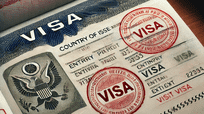
What Is A Diplomatic Visa?
A Diplomatic Visa is a special type of visa issued to individuals representing their home country in an official diplomatic capacity. This visa is typically granted to diplomats, government officials, and their immediate family members who are traveling for official government business or diplomatic missions. Unlike regular tourist or business visas, a diplomatic visa provides privileges such as expedited entry, exemptions from certain fees, and special legal protections under international law, including the Vienna Convention on Diplomatic Relations. The purpose of this visa is to facilitate international diplomacy and official governmental representation while ensuring that those traveling on diplomatic missions can operate efficiently and securely in foreign nations.
Who Is Eligible For A Diplomatic Visa?
Eligibility for a Diplomatic Visa is generally restricted to accredited diplomats, consular officers, government representatives, and certain international organization staff. Immediate family members, including spouses and dependent children, may also be eligible. Applicants must be officially nominated or certified by their government or international organization and provide valid documentation supporting their diplomatic status. Some countries may require prior security clearance or background checks before granting a diplomatic visa. Individuals holding honorary or ceremonial diplomatic titles may not always qualify, and eligibility rules can vary depending on the destination country. Confirming the specific requirements with the relevant embassy or consulate is essential before applying.
How Do I Apply For A Diplomatic Visa?
The process for applying for a Diplomatic Visa typically begins with a formal request from the applicant’s home government to the embassy or consulate of the destination country. The applicant must submit a completed visa application form, a valid passport, official diplomatic credentials, a letter from the relevant government department, and any other supporting documents required by the host country. Some countries may require biometric data, security clearance, or an interview. The application should be submitted well in advance of the intended travel date, as processing times can vary depending on the diplomatic relationship between the countries and the complexity of the applicant’s mission.
How Long Does It Take To Get A Diplomatic Visa?
The processing time for a Diplomatic Visa can vary significantly based on the country, applicant’s status, and urgency of travel. In some cases, visas may be issued within a few days for high-priority official missions, while other applications may take several weeks if additional security checks or intergovernmental consultations are required. Factors influencing processing times include the accuracy of the submitted documentation, the completeness of the diplomatic credentials, and the efficiency of the embassy or consulate handling the application. It is recommended to submit the application well in advance to accommodate potential delays and ensure that diplomatic obligations can be met without interruption.
What Are The Required Documents For A Diplomatic Visa?
Key documents for a Diplomatic Visa typically include a valid passport with sufficient validity, an official letter of request or diplomatic note from the applicant’s home government, proof of official appointment or diplomatic status, and completed visa application forms. Additional supporting documents may include security clearance certificates, proof of travel itinerary for official duties, and family documentation for dependents. Some countries also require photographs, payment of applicable visa fees, and confirmation of diplomatic accreditation. Ensuring that all documents meet the host country’s specifications is crucial, as incomplete or incorrectly formatted paperwork can result in delays or visa denial.
Are There Fees For Diplomatic Visas?
In most countries, Diplomatic Visas are exempt from regular visa fees, reflecting the official status and purpose of the travel. However, certain processing or administrative charges may still apply in specific cases, depending on bilateral agreements between the countries involved. These fees are usually nominal compared to standard visa costs and are sometimes covered directly by the government employing the diplomat. Applicants should verify any potential costs with the embassy or consulate before submission. Awareness of fee exemptions can prevent unnecessary payments and ensure compliance with the diplomatic norms that govern international official travel.
Can Family Members Accompany Diplomatic Visa Holders?
Yes, immediate family members such as spouses and dependent children can generally accompany holders of Diplomatic Visas. They are usually eligible for derivative diplomatic visas or accompanying dependent visas, which provide similar privileges and protections. The sponsoring diplomat must provide proof of family relationships and include relevant documents in the visa application. Some countries may impose age limits or additional requirements for dependent children. Family members often enjoy certain exemptions from local laws, taxes, and customs duties, similar to the primary diplomat. Ensuring that all accompanying family members are properly documented is essential to prevent complications during travel or at immigration checkpoints.
Are Diplomatic Visas Valid For Multiple Entries?
Many Diplomatic Visas are issued for multiple entries, allowing diplomats and officials to travel freely between the host country and other nations as part of their official duties. The duration of validity can range from a few months to several years, depending on the agreements between the sending and receiving countries. Some visas are single-entry only, particularly for short-term missions or specific assignments. It is important for applicants to verify the terms of entry, exit requirements, and validity period with the embassy or consulate to ensure uninterrupted diplomatic activity and avoid overstaying the authorized period.
What Are The Rights And Privileges Of Diplomatic Visa Holders?
Diplomatic Visa holders enjoy a variety of rights and privileges that facilitate their official duties. These typically include exemption from certain taxes, immunity from local jurisdiction for official acts, expedited entry and exit procedures, and special customs allowances. Diplomatic privileges are generally governed by international agreements such as the Vienna Convention on Diplomatic Relations. While enjoying these privileges, diplomats are expected to respect the host country’s laws and regulations outside their official capacity. Understanding these rights and limitations is crucial to maintaining good diplomatic relations and ensuring that the privileges granted are used appropriately and responsibly.
What Are The Restrictions Of A Diplomatic Visa?
Although Diplomatic Visas provide significant privileges, they also come with restrictions. Diplomatic activities are limited to official government functions, and personal business or commercial activities may be prohibited. Misuse of diplomatic status can result in visa revocation, diplomatic sanctions, or expulsion from the host country. Diplomats are generally required to register with the local authorities, provide updated information on their residence, and comply with reporting requirements. Unauthorized employment, overstaying, or engaging in political activities outside official duties can jeopardize diplomatic immunity and the privileges associated with the visa. Awareness of restrictions ensures compliance and preserves the integrity of diplomatic missions.
How To Renew Or Extend A Diplomatic Visa?
Renewal or extension of a Diplomatic Visa typically involves submitting a formal request through the home government or diplomatic mission to the host country’s embassy or consulate. The process usually requires updated diplomatic credentials, justification for continued presence, and verification that the official assignment remains valid. Some countries may require submission of new application forms or updated documentation. Early application for renewal is recommended, as processing times can vary depending on intergovernmental communication and verification procedures. Maintaining an active diplomatic status and ensuring compliance with all host country requirements is essential to avoid lapses in legal and diplomatic protections.
What Are Common Mistakes To Avoid When Applying For A Diplomatic Visa?
Common mistakes include submitting incomplete or incorrect documentation, failing to provide official diplomatic credentials, missing deadlines for submission, and misunderstanding host country requirements. Applicants sometimes neglect to include family member documentation, omit security clearances, or provide inconsistent information. Another frequent error is not consulting the embassy or consulate regarding specific country regulations, which can vary significantly. Ensuring that all forms are accurately completed, supporting documents are verified, and procedures are fully understood can prevent delays or visa denial. Attention to detail and timely submission are critical for a successful diplomatic visa application.
How Does The Application Process Differ By Country?
Each country may have specific procedures, requirements, and processing times for Diplomatic Visas. While the general principles remain similar, some nations require additional security checks, formal diplomatic notes, or interviews. Certain countries may have unique document formatting standards or demand additional proof of official duties. Awareness of bilateral agreements or reciprocity arrangements can also affect processing speed and privileges. It is essential to research the specific embassy or consulate instructions and maintain close coordination with the home government’s foreign affairs department to ensure compliance with all local and international protocols.
What Is The Role Of The Sending Government In The Process?
The sending government plays a central role in issuing Diplomatic Visas. It provides official letters of nomination, certifies diplomatic status, and communicates directly with the host country’s embassy or consulate. The government ensures that the applicant meets all eligibility requirements and maintains diplomatic accountability. Coordination between the applicant and the home government is essential for document verification, timely submission, and resolving potential issues. Government involvement guarantees that only accredited diplomats and officials gain entry under diplomatic status, reinforcing international law, security protocols, and bilateral relations between nations.
Can Diplomatic Visa Holders Engage In Business Activities?
Diplomatic Visa holders are generally prohibited from engaging in private business or commercial activities in the host country. The visa is intended solely for official government duties, and participation in personal business ventures can violate diplomatic norms and lead to revocation of visa privileges. Some countries may permit limited involvement in educational, cultural, or charitable activities, provided they are aligned with diplomatic objectives and authorized by the home government. Awareness of these restrictions is crucial to maintain compliance, uphold the integrity of the diplomatic mission, and prevent potential legal or diplomatic consequences.
How To Track The Status Of A Diplomatic Visa Application?
Tracking the status of a Diplomatic Visa application usually involves direct communication between the home government and the host country’s embassy or consulate. Some countries provide online portals or secure email updates for applicants or sponsoring officials. Regular follow-ups can help ensure timely processing and allow for early resolution of document or verification issues. Diplomatic channels often prioritize urgent requests, and maintaining contact with the relevant officials can prevent delays. Accurate record-keeping and proactive communication are key to monitoring the progress of the application and avoiding unexpected complications.
Are Diplomatic Visas Subject To Cancellation?
Yes, Diplomatic Visas can be revoked or canceled by the host country if the visa holder violates local laws, misuses diplomatic privileges, or engages in unauthorized activities. Cancellation can also occur due to changes in diplomatic status, termination of official assignment, or political reasons. Once canceled, the individual may lose diplomatic immunity and associated privileges, potentially facing legal consequences. Timely notification by the sending government and compliance with local regulations are critical to maintaining visa status. Understanding the conditions under which a visa may be revoked helps diplomats act responsibly and safeguard their official mission.
What Is The Difference Between Diplomatic And Official Visas?
Diplomatic Visas are granted to accredited diplomats and high-ranking government officials representing their countries in official capacities, while Official Visas are typically issued to government employees traveling on temporary official assignments without full diplomatic privileges. Diplomatic Visas usually confer immunity, multiple-entry privileges, and exemptions from certain fees, whereas Official Visas may have limited entry, duration, and protections. The distinction is important for determining the scope of activities permitted, family member eligibility, and legal rights in the host country. Understanding this difference ensures proper visa application and compliance with international diplomatic standards.
How To Prepare For A Diplomatic Visa Interview?
A Diplomatic Visa interview may be required for some countries, particularly for high-level or sensitive assignments. Preparation involves ensuring that all documents are accurate, understanding the purpose of the mission, and being able to clearly explain official duties. Applicants should also be familiar with bilateral relations, host country regulations, and relevant international agreements. Dressing professionally, maintaining composure, and providing concise, truthful answers enhances credibility. Proper preparation demonstrates respect for the host country’s procedures, expedites the interview process, and increases the likelihood of obtaining the visa without delays or complications.
Conclusion
Obtaining a Diplomatic Visa requires careful preparation, coordination with the sending government, and a clear understanding of eligibility, documentation, privileges, and restrictions. By following the outlined steps, maintaining compliance with local and international regulations, and ensuring timely submission, diplomats and their families can secure a visa that facilitates official missions while enjoying the necessary protections. Awareness of potential pitfalls, differences between visa types, and specific country requirements ensures a smooth application process and reinforces the integrity of diplomatic relations.
Frequently Asked Questions
1. How Do I Apply For And Get A Diplomatic Visa?
Applying for and obtaining a Diplomatic Visa requires submitting an official request through your home government to the embassy or consulate of the destination country. You must provide a valid passport, completed visa application forms, proof of diplomatic status, and an official letter from your government certifying your assignment. Additional documents may include biometric data, security clearances, and family documentation if dependents are traveling. Processing times vary depending on the country and complexity of the assignment. Coordination with your government’s foreign affairs department is essential, as they facilitate submission, follow-ups, and verification, ensuring that all requirements are met for successful issuance.
2. What Is A Diplomatic Visa?
A Diplomatic Visa is a special type of visa granted to diplomats, government officials, and accredited representatives traveling for official duties. It provides privileges such as exemptions from certain fees, expedited entry, and legal protections under international law. Unlike regular visas, diplomatic visas are issued exclusively for official government missions and facilitate efficient and secure international representation.
3. Who Is Eligible For A Diplomatic Visa?
Eligibility is generally limited to accredited diplomats, consular officers, government representatives, and certain international organization staff, along with immediate family members. Applicants must have official credentials issued by their home government, and eligibility may vary depending on the host country’s regulations.
4. How Long Does It Take To Get A Diplomatic Visa?
Processing times can range from a few days for urgent official missions to several weeks for standard applications, depending on security checks, documentation, and bilateral agreements. Early submission is recommended to accommodate potential delays.
5. What Documents Are Required For A Diplomatic Visa?
Required documents typically include a valid passport, completed application forms, official letters from the home government, proof of diplomatic status, security clearance certificates, and family documentation for dependents. Some countries also require photographs and biometric data.
6. Are There Fees For Diplomatic Visas?
Most diplomatic visas are fee-exempt, though minor administrative or processing charges may apply in some cases. Fees are often covered by the home government and are nominal compared to standard visa costs.
7. Can Family Members Accompany Diplomatic Visa Holders?
Yes, spouses and dependent children are generally eligible for derivative visas or dependent visas, enjoying similar privileges and protections. Proper documentation is required to ensure smooth entry and compliance.
8. Are Diplomatic Visas Valid For Multiple Entries?
Many diplomatic visas allow multiple entries, facilitating official missions and travel between countries. Validity periods vary, and some visas may be single-entry only.
9. What Rights And Privileges Do Diplomatic Visa Holders Have?
Holders enjoy tax exemptions, legal immunity for official acts, expedited processing, and customs allowances. These privileges are governed by international law and aim to support official diplomatic duties while maintaining compliance.
10. What Restrictions Apply To Diplomatic Visas?
Restrictions include prohibition from engaging in personal business, adherence to local laws, registration with local authorities, and compliance with reporting requirements. Misuse may result in revocation or expulsion.
11. How Can A Diplomatic Visa Be Renewed Or Extended?
Renewal requires submission of updated diplomatic credentials and justification for continued presence. Early application is recommended, and host country procedures may vary.
12. What Are Common Mistakes To Avoid When Applying?
Common errors include incomplete documentation, incorrect credentials, missed deadlines, and misunderstanding country-specific requirements. Accurate submission prevents delays or denial.
13. How Does The Application Process Differ By Country?
Procedures vary depending on bilateral agreements, security checks, document requirements, and embassy protocols. Research and coordination with the home government are essential.
14. What Role Does The Sending Government Play In The Process?
The sending government nominates applicants, certifies diplomatic status, provides official letters, and coordinates with the host country to ensure eligibility and compliance.
15. Can Diplomatic Visa Holders Engage In Business Activities?
Generally, no. Diplomatic visas are intended for official duties only, and unauthorized business activities can lead to visa revocation and legal consequences.
16. How Can I Track My Diplomatic Visa Application Status?
Status tracking involves communication between the home government and host country embassy. Some countries offer online portals or email updates, allowing monitoring of processing progress.
17. Can Diplomatic Visas Be Canceled?
Yes, visas can be revoked for misuse, violation of laws, termination of assignment, or political reasons. Cancellation results in loss of privileges and potential legal consequences.
18. What Is The Difference Between Diplomatic And Official Visas?
Diplomatic visas are for high-ranking officials with immunity and privileges, while official visas are for temporary government assignments with limited benefits. The distinction affects rights, family eligibility, and permitted activities.
19. How Should I Prepare For A Diplomatic Visa Interview?
Preparation involves ensuring all documents are accurate, understanding your mission, familiarity with host country regulations, and presenting yourself professionally with clear and truthful responses.
20. How To Avoid Delays In Diplomatic Visa Processing?
To avoid delays, submit complete and accurate documents, coordinate closely with your home government, follow embassy guidelines, and apply well in advance of your intended travel dates.
FURTHER READING
- What Is A Diplomatic Visa? | Definition, Eligibility Requirements, Types, Cost, Benefits, Validity, Duration, How To Apply For A Diplomatic Visa
- What Is The Validity Period Of A Non-Immigrant Visa?
- How Much Does A Non-Immigrant Visa Cost?
- How Long Does It Take To Get A Non-Immigrant Visa?
- What Are The Eligibility Requirements For Obtaining A Non-Immigrant Visa?
- How Do I Apply For And Get A Non-Immigrant Visa?
- What Is A Non-Immigrant Visa? | Definition, Eligibility Requirements, Validity Period, Cost, How To Apply For A Non-Immigrant Visa
- What Is The Validity Period Of An Immigrant Visa?
- How Much Does An Immigrant Visa Cost?
- How Long Does It Take To Get An Immigrant Visa?