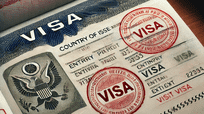
What Is A Diplomatic Visa?
A Diplomatic Visa is a special type of visa issued to individuals who represent their government in an official capacity while traveling abroad. This includes diplomats, government officials, and members of international organizations who require official travel to conduct state or international business. Diplomatic Visas differ from standard tourist or business visas because they grant privileges and immunities under international law, such as exemption from certain taxes and legal protections in the host country. The primary purpose of a Diplomatic Visa is to facilitate diplomatic relations, ensure smooth communication between governments, and provide protection for official personnel and their families during foreign assignments.
Types Of Diplomatic Visas
There are several categories of Diplomatic Visas, including A1 visas for ambassadors and high-ranking diplomats, A2 visas for government employees traveling on official duties, and G-series visas for representatives to international organizations such as the United Nations. Each type of visa serves a specific role in international relations, and eligibility depends on the individual’s position and purpose of travel. Some countries may also issue C1/D visas for crew members or special diplomatic assignments. Understanding the type of visa required is essential to ensure compliance with host country regulations and to secure the privileges and immunities intended for diplomatic personnel.
Eligibility Criteria For Obtaining A Diplomatic Visa
Eligibility for a Diplomatic Visa typically requires official designation by the sending government, proof of government employment, and a clear purpose for travel. Applicants must often provide a diplomatic note or official invitation, documentation of their position, and proof of government service. Certain countries may require background checks or security clearances before issuance. The applicant must also demonstrate that the travel is for official diplomatic duties rather than personal reasons. In addition, family members traveling with the diplomat may need to provide proof of relationship and meet additional eligibility criteria, such as age or dependent status, depending on the issuing country’s regulations.
Required Documentation For Diplomatic Visa Applications
The documentation required for a Diplomatic Visa usually includes a valid passport, a completed visa application form, an official diplomatic note from the home government, a letter of assignment, and sometimes proof of previous diplomatic experience. Additional documents may include proof of financial support, travel itineraries, and health or vaccination certificates depending on the host country’s requirements. For family members accompanying the diplomat, birth certificates, marriage certificates, and other relationship documentation may be required. Accurate and complete documentation is crucial to avoid delays or denials during the visa processing stage.
Visa Application Process For Diplomatic Visas
The application process for a Diplomatic Visa often begins with coordination between the sending government and the host country’s embassy or consulate. The applicant must submit all required documentation, including official letters and identification documents. Many countries require an in-person interview or formal submission at the embassy. Once submitted, the application undergoes verification, including checks of the applicant’s diplomatic status, purpose of travel, and security background. Processing times vary but are generally expedited compared to standard visas due to the official nature of the travel. The applicant is then notified of approval, and the visa is affixed to the passport with any applicable travel restrictions or privileges noted.
Privileges And Immunities Associated With Diplomatic Visas
Diplomatic Visas grant a range of privileges and immunities, including exemption from certain taxes, legal protections under host country law, and access to diplomatic channels for resolving issues. Diplomats may be allowed to carry diplomatic pouches, enjoy immunity from arrest or prosecution in many situations, and have the right to access government offices and facilities abroad. These privileges are governed by international conventions, such as the Vienna Convention on Diplomatic Relations, and are designed to ensure that diplomats can perform their duties effectively and safely without interference from local jurisdictions. Family members often enjoy similar protections depending on the type of visa issued.
Duration And Validity Of Diplomatic Visas
The validity period of a Diplomatic Visa depends on the country and the nature of the diplomatic assignment. Some visas are valid for short-term official missions, while others are issued for the duration of a posting that may last several years. Renewal processes vary, and the diplomat may need to provide updated documentation or letters of assignment to extend their stay. While in most cases, the visa grants multiple entries for official travel, the diplomat must adhere to the rules of the host country and notify authorities of any changes in status or family composition. Timely renewal is crucial to maintaining legal diplomatic status.
Common Challenges In Obtaining A Diplomatic Visa
Despite their official status, obtaining a Diplomatic Visa can involve challenges such as delays in processing, incomplete documentation, or host country restrictions. Miscommunication between the sending and receiving governments can also affect approval timelines. Security clearances or additional verification may be required if the diplomat’s role involves sensitive assignments. In some cases, political tensions between countries can impact the issuance of visas, resulting in temporary suspension or additional scrutiny. Awareness of these potential obstacles and proactive preparation of all required documents helps ensure a smooth application process.
Tips For A Successful Diplomatic Visa Application
To increase the likelihood of approval, applicants should ensure that all documentation is complete, accurate, and submitted in accordance with embassy requirements. Engaging with the home government’s diplomatic office early in the process, obtaining official letters, and clarifying the purpose of travel are essential. Checking host country regulations, understanding eligibility criteria, and complying with international conventions help prevent delays or denials. Maintaining professional communication, following up on application status, and ensuring that all family members’ documents are in order further improve the chances of a successful Diplomatic Visa application.
Conclusion
Obtaining a Diplomatic Visa requires careful adherence to eligibility requirements, thorough preparation of official documentation, and understanding the privileges, immunities, and obligations associated with diplomatic travel. By following the proper channels, coordinating with both sending and host governments, and ensuring all requirements are met, diplomats and their families can secure the necessary visas to perform their official duties abroad effectively and safely. Awareness of potential challenges and proactive planning are key components for a seamless visa application experience.
Frequently Asked Questions
1. What Are The Eligibility Requirements For Obtaining A Diplomatic Visa?
The eligibility requirements for obtaining a Diplomatic Visa include official designation by the sending government, proof of government employment, and a clear purpose for travel. Applicants must typically provide a diplomatic note or official invitation, documentation of their position, and evidence that the travel is for official duties rather than personal reasons. Background checks, security clearances, and verification of diplomatic status may also be required. Family members may need to provide proof of relationship and meet additional eligibility criteria depending on the host country’s regulations. Accurate documentation and adherence to official procedures are essential for approval.
2. What Documents Are Required To Apply For A Diplomatic Visa?
Applicants need a valid passport, completed visa application form, official diplomatic note, letter of assignment, and sometimes proof of previous diplomatic experience. Additional documents may include travel itineraries, proof of financial support, and health or vaccination certificates. Family members require birth or marriage certificates and other relationship proof. Complete and accurate documentation ensures a smooth visa application process.
3. How Long Does It Take To Get A Diplomatic Visa?
Processing times vary depending on the host country, type of visa, and completeness of the application. Diplomatic Visas are often expedited compared to standard visas, with processing ranging from a few days to several weeks. Delays may occur due to incomplete documentation, additional security checks, or political considerations. Planning and early submission help reduce wait times.
4. What Types Of Diplomatic Visas Are Available?
Common types include A1 visas for ambassadors and high-ranking diplomats, A2 visas for government employees on official duties, and G-series visas for representatives to international organizations. C1/D visas may also be issued for crew or special diplomatic assignments. Each type corresponds to the applicant’s role and purpose of travel.
5. Who Is Eligible For A Diplomatic Visa?
Eligibility extends to diplomats, government officials, and employees of international organizations traveling on official duties. Applicants must have formal designation from their government, proof of official capacity, and a clear mission for travel. Family members of diplomats may also qualify if documentation of relationship and dependent status is provided.
6. Can Family Members Travel With A Diplomat On A Diplomatic Visa?
Yes, family members often qualify to travel with diplomats. They must provide proof of relationship, such as marriage or birth certificates. Eligibility criteria may include age or dependent status requirements. Family members typically receive similar privileges and immunities under the visa.
7. Are There Any Fees Associated With Diplomatic Visas?
Diplomatic Visas often have reduced fees or are issued free of charge due to their official nature. However, some countries may charge administrative fees, processing fees, or nominal service charges. Applicants should verify fee requirements with the host country embassy.
8. What Privileges And Immunities Do Diplomatic Visas Provide?
Privileges include exemption from certain taxes, legal protections under host country law, immunity from arrest in many cases, and access to diplomatic channels. Family members may enjoy similar protections. These rights are governed by international conventions like the Vienna Convention on Diplomatic Relations.
9. How Long Is A Diplomatic Visa Valid?
Validity depends on the nature of the assignment. Some visas cover short-term missions, while others extend for the duration of a posting lasting several years. Renewal may require updated official letters or documentation. Multiple entries are often allowed for official travel.
10. Can Diplomatic Visas Be Renewed?
Yes, renewal is typically possible with updated diplomatic letters, continued employment proof, and compliance with host country regulations. Timely renewal is critical to maintain diplomatic status and associated privileges.
11. What Is The Process For Applying For A Diplomatic Visa?
The process includes submission of all required documentation through the embassy or consulate, verification of diplomatic status, security checks, and potential interviews. Coordination between sending and host governments ensures compliance with all regulations. Approval results in visa issuance with applicable travel privileges noted.
12. Are Security Checks Required For Diplomatic Visas?
Yes, many countries require security clearances to confirm the applicant’s official status and ensure they do not pose a security risk. Background checks may include employment verification, prior diplomatic experience, and any sensitive information relevant to the assignment.
13. Can Diplomatic Visas Be Denied?
Yes, visas can be denied due to incomplete documentation, failure to meet eligibility requirements, political tensions, or security concerns. Awareness of host country rules and proactive compliance helps reduce the risk of denial.
14. Are Diplomatic Visas The Same As Standard Business Visas?
No, Diplomatic Visas grant official privileges, immunities, and legal protections not available to standard business or tourist visas. They are strictly for government or international organization personnel conducting official duties.
15. Do Diplomatic Visas Allow Multiple Entries?
Most Diplomatic Visas allow multiple entries for official travel purposes. Entry limitations depend on host country regulations and visa type, but multiple entry is common to facilitate ongoing diplomatic work.
16. Is An Interview Required For Diplomatic Visa Approval?
Some countries may require an interview to verify official status, purpose of travel, and background. However, many diplomatic visa applications are processed primarily through official government correspondence without a formal interview.
17. What Happens If A Diplomat Travels Without Proper Documentation?
Traveling without proper documentation can lead to visa denial, detention, or restrictions on diplomatic privileges. It is essential to carry valid visas, official letters, and identification to avoid legal complications.
18. How Can Applicants Ensure Smooth Processing Of Diplomatic Visas?
Applicants should submit complete and accurate documentation, coordinate with both sending and host governments, verify eligibility criteria, and follow embassy guidelines. Early preparation and awareness of potential challenges improve approval chances.
19. Are Health Requirements Applicable For Diplomatic Visas?
Yes, some countries may require vaccinations, medical certificates, or proof of health status. Requirements depend on host country regulations and are typically necessary for extended stays or family members accompanying the diplomat.
20. What Are Common Mistakes To Avoid During Diplomatic Visa Application?
Common mistakes include incomplete documentation, missing official letters, miscommunication between governments, failure to meet eligibility requirements, and neglecting health or security checks. Careful preparation and adherence to embassy guidelines minimize delays or denials.
FURTHER READING
- How To Apply For And Get A Diplomatic Visa
- What Is A Diplomatic Visa? | Definition, Eligibility Requirements, Types, Cost, Benefits, Validity, Duration, How To Apply For A Diplomatic Visa
- What Is The Validity Period Of A Non-Immigrant Visa?
- How Much Does A Non-Immigrant Visa Cost?
- How Long Does It Take To Get A Non-Immigrant Visa?
- What Are The Eligibility Requirements For Obtaining A Non-Immigrant Visa?
- How Do I Apply For And Get A Non-Immigrant Visa?
- What Is A Non-Immigrant Visa? | Definition, Eligibility Requirements, Validity Period, Cost, How To Apply For A Non-Immigrant Visa
- What Is The Validity Period Of An Immigrant Visa?
- How Much Does An Immigrant Visa Cost?