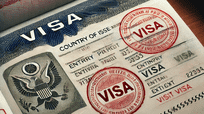
What Is An Immigrant Visa?
An immigrant visa is an official document issued by a country’s consulate or embassy that allows a foreign national to enter the country with the intention of living there permanently. Unlike temporary visas, immigrant visas are designed for individuals seeking permanent residence, often leading to citizenship. The process of obtaining an immigrant visa generally involves approval from immigration authorities, submission of relevant documents such as petitions, proof of family relationship or employment, medical examinations, and background checks. Immigrant visas are classified into categories such as family-sponsored, employment-based, diversity lottery, and special immigrant visas. Understanding the purpose, eligibility criteria, and benefits of an immigrant visa is crucial before beginning the application process.
Types Of Immigrant Visas
There are several types of immigrant visas available, each designed to serve specific applicants. Family-sponsored visas are issued to close relatives of citizens or permanent residents, such as spouses, children, and parents. Employment-based visas target individuals with specialized skills, education, or extraordinary abilities in fields like science, arts, or business. The diversity visa program provides opportunities for nationals from countries with historically low immigration rates. Special immigrant visas are often available for translators, religious workers, and certain humanitarian cases. Each visa category has unique eligibility requirements, application processes, and quotas, making it essential for applicants to carefully determine the category that best fits their situation.
Eligibility Requirements For An Immigrant Visa
Eligibility for an immigrant visa varies by category but generally requires proof of relationship or employment, financial stability, and good moral character. Family-sponsored applicants must provide documentation of their relationship to a citizen or permanent resident, such as birth certificates, marriage certificates, or adoption records. Employment-based applicants must have job offers, sponsorship letters, and evidence of professional qualifications. Applicants must also undergo medical examinations to ensure they meet health requirements and submit to background checks to verify criminal and immigration history. Meeting all eligibility criteria is crucial for avoiding delays or denials, as incomplete or incorrect documentation can lead to application rejection.
How To Apply For An Immigrant Visa
Applying for an immigrant visa begins with filing a petition with the immigration authorities in the applicant’s home country. Family-sponsored applications typically require a U.S. citizen or permanent resident relative to submit Form I-130, while employment-based applicants rely on Form I-140. After petition approval, the applicant must complete Form DS-260 online, pay applicable fees, and schedule an interview at the U.S. consulate or embassy. Applicants are also required to undergo medical examinations and submit necessary supporting documents. During the interview, consular officers assess eligibility, review submitted documents, and ask questions regarding the applicant’s intentions, background, and qualifications. Successful applicants receive their immigrant visas with instructions on entry procedures.
Required Documents For Immigrant Visa Applications
Immigrant visa applications require a variety of documents to support eligibility and verify identity. Key documents include a valid passport, birth certificate, marriage certificate (if applicable), police clearance certificates, and medical examination results. Family-sponsored applicants must submit proof of relationship, while employment-based applicants provide evidence of professional qualifications and job offers. Additional forms such as financial affidavits or sponsorship statements may also be required to demonstrate the ability to support oneself. Accurate, complete, and organized documentation is critical to avoid processing delays or denials, and applicants should carefully follow consular instructions to ensure all required evidence is included.
The Validity Period Of An Immigrant Visa
The validity period of an immigrant visa refers to the time frame within which the visa holder must enter the issuing country. Generally, immigrant visas are valid for six months from the date of issuance, although this can vary depending on individual circumstances or consular discretion. The clock typically starts from the date of the medical examination, and applicants must travel to the country before the visa expires. Failure to enter within the validity period may require reapplication and a new interview process. The validity period is intended to ensure applicants enter the country promptly, maintain eligibility, and begin their process toward permanent residency without unnecessary delays.
Extensions And Revalidations Of Immigrant Visas
While immigrant visas generally have strict validity periods, some circumstances allow for extensions or revalidations. Extensions are often granted if the applicant can demonstrate compelling reasons such as serious illness, travel restrictions, or unforeseen emergencies. Revalidation involves submitting new documentation, updating information, or attending a follow-up interview at the consulate. It is important to request any extension or revalidation well before the visa’s expiration to avoid lapses in legal entry rights. Applicants should consult immigration authorities for guidance, as rules vary by country and visa category, and failure to comply with extension procedures may result in denial of entry or the need to restart the application process.
Common Reasons Immigrant Visa Applications Are Denied
Immigrant visa applications may be denied for multiple reasons, including incomplete documentation, failure to meet eligibility requirements, criminal history, previous immigration violations, or health-related issues. Misrepresentation or fraudulent information can also result in permanent ineligibility. Financial instability or lack of proper sponsorship may lead to denial in family-sponsored or employment-based cases. Additionally, applicants who fail to attend interviews or follow consular instructions risk rejection. Understanding common pitfalls and thoroughly preparing applications, including double-checking documents and eligibility criteria, significantly increases the likelihood of approval.
Tips For Ensuring Immigrant Visa Approval
To maximize the chances of approval, applicants should ensure accurate and complete documentation, respond promptly to consular requests, and prepare thoroughly for interviews. Staying informed about visa category requirements, quotas, and processing timelines helps avoid delays. Seeking professional guidance from immigration attorneys or accredited representatives can provide clarity and minimize errors. Maintaining transparency, honesty, and compliance with all procedural instructions is critical. Additionally, applicants should schedule medical exams and background checks early to ensure all necessary reports are available for submission. Being proactive and diligent throughout the application process improves the likelihood of timely and successful immigrant visa issuance.
Conclusion
The immigrant visa process is complex and requires careful planning, accurate documentation, and compliance with eligibility requirements. Understanding the validity period of an immigrant visa, along with its types, application procedures, and necessary documentation, is essential for a successful journey to permanent residence. Being aware of potential challenges, preparing thoroughly for consular interviews, and knowing options for extensions or revalidations ensures applicants can navigate the process effectively. Adhering to guidelines, remaining transparent, and seeking guidance when needed greatly enhance the chances of approval and smooth entry into the desired country.
Frequently Asked Questions
1. What Is The Validity Period Of An Immigrant Visa?
The validity period of an immigrant visa generally refers to the six-month time frame from issuance within which an applicant must enter the country of intended residence. This period ensures that the individual meets medical, legal, and eligibility requirements at the time of entry. The validity typically starts from the date of the medical examination or visa approval, depending on consular regulations. If the visa holder fails to enter within this period, the visa becomes void, requiring reapplication and possibly a new interview. Extensions or revalidations may be possible in special circumstances, such as illness or travel restrictions, but applicants must seek consular approval before the expiration date to avoid delays or denial.
2. How Long Is An Immigrant Visa Valid After Issuance?
An immigrant visa is usually valid for six months from the date of issuance, although this can vary by consulate and visa category. The validity ensures the visa holder enters the country while still meeting the eligibility requirements, including medical examinations and background checks. Certain extraordinary circumstances may allow for an extension, but these require formal requests and approval from consular officials. Failure to enter within the specified period can invalidate the visa, and applicants may need to restart the application process. It is crucial to plan travel accordingly and monitor expiration dates to ensure smooth entry and compliance with immigration rules.
3. Can The Validity Period Of An Immigrant Visa Be Extended?
Yes, under specific circumstances, such as serious illness, travel restrictions, or emergencies, the validity period of an immigrant visa may be extended. The applicant must formally request an extension with the consulate or embassy before the visa expires, providing evidence to justify the delay. Extensions are not guaranteed and are evaluated on a case-by-case basis. Applicants should act early, submit all supporting documentation, and follow consular instructions carefully. Failure to obtain timely approval may result in the visa expiring and the need to reapply, including attending a new interview and completing the application process from the beginning.
4. What Happens If I Do Not Enter Before My Immigrant Visa Expires?
If an applicant fails to enter the country before the immigrant visa expires, the visa becomes invalid. Reentry with an expired visa is not allowed, and the individual must reapply, which typically involves filing a new petition, paying fees, attending a consular interview, and submitting updated documentation. Expired visas cannot be retroactively honored, and delays may result in extended processing times. Applicants should monitor their visa expiration dates carefully and plan travel accordingly. Exceptional circumstances, such as emergencies, may allow for extension requests, but approval is discretionary and requires consular evaluation before expiration.
5. Are There Different Validity Periods For Different Types Of Immigrant Visas?
Yes, validity periods can vary by visa type. Family-sponsored and employment-based visas typically follow a six-month validity standard, but certain categories, such as diversity visas or special immigrant visas, may have shorter or slightly longer periods based on administrative discretion. Some visas also consider the date of medical examination or petition approval as the start of the validity period. Understanding the specific requirements of the visa category is critical for timely travel planning and compliance with immigration regulations. Applicants should always verify the validity period indicated on their visa and consult consular instructions if there is any uncertainty.
6. How Is The Validity Period Determined For Immigrant Visas?
The validity period is determined by the issuing consulate based on factors like the completion of required medical examinations, approval of the petition, and current immigration regulations. It is intended to ensure the applicant can enter the country while still meeting eligibility criteria. The consulate sets this period to encourage timely entry and facilitate proper processing of permanent residency status. The applicant must adhere to this timeframe, and any delays beyond the validity period can result in visa cancellation and reapplication requirements. Understanding how the validity is calculated helps applicants plan their travel and avoid unnecessary complications.
7. Can I Travel Outside My Country During The Immigrant Visa Validity Period?
Yes, applicants can travel outside their home country while holding a valid immigrant visa, but they must enter the issuing country before the visa expires. International travel should be carefully timed, considering flight availability, consular requirements, and personal circumstances. Delays or extended stays outside the home country that prevent entry within the validity period can result in the visa becoming void. Applicants should carry all required documents during travel and ensure they comply with customs and immigration regulations of both their home country and the destination country. Planning travel with sufficient buffer time is essential.
8. What Documents Are Needed To Enter With A Valid Immigrant Visa?
To enter the country with a valid immigrant visa, the applicant must carry the visa-stamped passport, approval notice or petition, medical examination results, and any required supporting documentation, such as birth certificates or financial affidavits. Consular officers at the port of entry may review these documents to confirm eligibility for permanent residence. Missing or incomplete documents can result in delayed entry or denial at the border. Applicants should carefully follow consular instructions regarding required paperwork and ensure all documents are original or certified copies as specified by the immigration authorities.
9. How Does The Validity Period Affect Permanent Residency?
The validity period is critical because entering the country within this timeframe allows the visa holder to activate their path toward permanent residency. If the visa expires before entry, the applicant must restart the process, delaying residency and associated benefits. Timely entry ensures eligibility for adjustment of status, social security registration, and work authorization. Maintaining awareness of expiration dates and planning entry within the validity period prevents unnecessary delays in obtaining permanent residency and supports compliance with immigration regulations.
10. Is The Six-Month Validity Standard Universal For All Immigrant Visas?
While six months is a common standard, it is not universal. Certain visas may have shorter or longer validity periods based on category, consular discretion, or administrative rules. Factors such as the timing of medical exams, petition approvals, or country-specific policies can influence the exact duration. Applicants should verify the expiration date printed on their visa and consult consular guidance to avoid misunderstandings. Planning travel and entry based on the specific validity period ensures compliance and smooth transition to permanent residency.
11. Can Immigrant Visa Validity Be Reinstated If It Expires?
Reinstatement of an expired immigrant visa is generally not possible. Once the validity period lapses, the visa is void, and the applicant must reapply from the beginning. This includes filing a new petition, completing forms, paying fees, attending interviews, and providing updated documents. Some exceptions may exist for extremely rare circumstances, but these are highly discretionary and require formal consular evaluation. Timely entry and proactive management of travel plans are the best strategies to avoid expiration and the need for reapplication.
12. How Does The Medical Exam Impact Immigrant Visa Validity?
The medical exam is a prerequisite for immigrant visa issuance, and the date of its completion can influence the validity period. Most consulates consider the exam date as the starting point for the six-month validity, ensuring applicants remain medically eligible when entering the country. Delays in completing the exam or in scheduling entry can shorten the effective time available to travel. Applicants should schedule medical examinations promptly and ensure all documentation is correctly submitted to avoid affecting the visa’s validity and risking unnecessary complications during the entry process.
13. What Role Do Consular Interviews Play In Immigrant Visa Validity?
Consular interviews are mandatory for most immigrant visa applicants, and the visa’s validity generally begins after the successful completion of this interview. The consular officer assesses eligibility, verifies documentation, and determines whether the visa should be issued. Any delays or rescheduling of the interview may impact the timeline, affecting the remaining validity period for entry. Applicants should prepare thoroughly, attend interviews on time, and ensure all required documents are ready to maximize the effective duration of the visa and comply with immigration regulations.
14. Does The Immigrant Visa Validity Affect Family Members?
Yes, the validity period applies to each dependent listed on the primary applicant’s immigrant visa petition. Family members must enter the country within the same timeframe to ensure eligibility for permanent residency. Failure of any dependent to travel before expiration can result in separate reapplication processes, delays, and additional costs. Coordinating travel plans and ensuring all family members have valid documentation is essential for a smooth immigration process and unified entry into the country.
15. Can Travel Delays Invalidate My Immigrant Visa?
Yes, travel delays that extend beyond the immigrant visa’s validity period can render the visa void. Airlines, customs, or personal emergencies should be managed carefully to prevent missing the expiration date. Applicants should monitor validity, plan travel with sufficient buffer time, and seek consular guidance if delays are unavoidable. Ignoring expiration timelines risks cancellation, requiring a full reapplication, interviews, and additional fees. Proactive planning is essential to maintain compliance and avoid unnecessary obstacles in the immigration process.
16. How Do I Check My Immigrant Visa Validity?
The visa validity period is typically printed directly on the visa sticker in the passport, indicating the last date the visa can be used for entry. Applicants can also confirm this information through consular websites, official correspondence, or immigration portals. Verifying the expiration date well in advance allows for proper travel planning and consideration of potential extensions if necessary. Accurate knowledge of validity ensures compliance with immigration rules and prevents delays or invalidation at the port of entry.
17. Are Immigrant Visa Validity Rules The Same Worldwide?
No, immigrant visa validity rules can vary between countries, consulates, and visa categories. While six months is common for U.S. immigrant visas, other countries may establish shorter or longer periods based on local laws and administrative procedures. Applicants should consult official sources for the country they intend to enter, follow consular instructions, and be aware of any country-specific nuances to ensure timely entry and compliance with immigration regulations.
18. What Happens If I Lose My Immigrant Visa Before Traveling?
If an immigrant visa is lost before traveling, the applicant must report it to the issuing consulate immediately. A replacement visa application may be required, which includes submitting updated documentation, paying fees, and potentially attending a new interview. Travel should not occur without a valid visa, as entry will be denied. Reporting loss promptly and following consular procedures ensures the replacement process begins quickly, minimizing disruption and safeguarding the applicant’s path to permanent residency.
19. Can I Enter Multiple Times With One Immigrant Visa?
No, immigrant visas are intended for a single entry to activate permanent residency status. Once used to enter the country, the visa becomes void, and the individual receives a permanent resident card or documentation. Reentry after leaving requires proper travel documentation, typically the permanent resident card or reentry permit. Multiple entries on the same immigrant visa are not allowed, and understanding this rule prevents misunderstandings and issues at ports of entry.
20. What Should I Do If My Immigrant Visa Is About To Expire?
If the immigrant visa is about to expire, applicants should immediately plan to travel to the country before the expiration date. If travel is impossible due to unforeseen circumstances, contacting the issuing consulate to request an extension or guidance is essential. Acting proactively ensures compliance with immigration rules, prevents visa invalidation, and avoids the need for full reapplication. Monitoring validity and taking timely action is crucial to maintain eligibility for permanent residency and avoid unnecessary delays or complications.
Further Reading
- How Much Does An Immigrant Visa Cost?
- How Long Does It Take To Get An Immigrant Visa?
- What Are The Eligibility Requirements For Obtaining An Immigrant Visa?
- How To Apply For And Get An Immigrant Visa
- What Is An Immigrant Visa? | Definition, Eligibility Requirements, Cost, Types, Benefits, Mistakes, Documents, How To Apply For An Immigrant Visa
- What Is The Validity Period Of A Business Visa?
- How Much Does A Business Visa Cost?
- How Long Does It Take To Get A Business Visa?
- What Are The Eligibility Requirements For Obtaining A Business Visa?
- How Do I Apply For And Get A Business Visa?
- What Is A Business Visa? | Definition, Documents, Eligibility Requirements, Interview Questions, Duration, Validity, How To Apply For A Business Visa