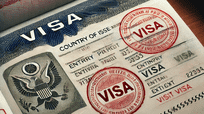
What Is A Refugee Visa?
A Refugee Visa is a type of visa issued to individuals who are seeking protection in a foreign country due to fear of persecution in their home country based on race, religion, nationality, political opinion, or membership in a particular social group. This visa allows refugees to legally reside in the host country, access basic social services, and eventually apply for permanent residency or citizenship depending on local laws. Refugee visas are part of international efforts to protect human rights and provide safety to vulnerable populations. Governments and international organizations, such as the United Nations High Commissioner for Refugees (UNHCR), play a critical role in processing applications and ensuring protection.
Who Is Eligible For A Refugee Visa?
Eligibility for a Refugee Visa typically requires proof that the applicant faces persecution or a well-founded fear of persecution in their home country. Applicants must demonstrate that they cannot return safely due to threats to their life, freedom, or safety. Evidence may include personal statements, official documents, police reports, or testimonies of witnesses. Many countries have additional requirements, such as health screenings, background checks, and interviews conducted by immigration authorities. Refugees are not generally required to have prior employment or educational qualifications, as the primary concern is safety and protection. Family members may also qualify for inclusion in the application under dependent status.
How To Apply For A Refugee Visa?
Applying for a Refugee Visa involves several steps. First, the applicant must submit a formal application either through the local embassy, consulate, or directly to the immigration authorities of the host country. Often, applicants are referred by UNHCR or other refugee assistance organizations. Supporting documentation proving persecution or risk is crucial. The process may include interviews, background checks, and medical evaluations. In some countries, asylum-seekers can apply upon arrival, while others require pre-departure applications. Legal guidance or assistance from refugee advocacy groups can improve the chances of approval. Patience is essential, as the process can take months or even years depending on the country and case complexity.
What Documents Are Required For A Refugee Visa?
Key documents required for a Refugee Visa include a valid passport or travel documents if available, identification cards, birth certificates, police reports, medical records, and proof of persecution or threats. Affidavits or statements from witnesses, family, or community leaders may also be necessary. Some countries require additional documents such as financial records, proof of education, or employment history. UNHCR registration papers or letters of referral from recognized international organizations are often critical in validating claims. Applicants must ensure all documents are authentic, translated into the host country’s official language if needed, and submitted according to specific immigration guidelines. Missing or incomplete documents may result in delays or denial.
How Long Does It Take To Get A Refugee Visa?
The processing time for a Refugee Visa varies widely depending on the host country, case complexity, and the volume of applications. On average, it can take anywhere from several months to several years for a final decision. Some countries provide temporary protection or conditional status during the application review period. Delays may occur due to the need for additional documentation, background checks, interviews, or security clearance. Refugees are encouraged to stay in contact with immigration authorities and support organizations throughout the process. Patience and persistence are critical, as the time invested ensures that refugees receive the legal protection and rights they require to safely rebuild their lives.
What Are The Benefits Of A Refugee Visa?
A Refugee Visa provides legal protection, allowing refugees to live safely in a foreign country without fear of deportation. It grants access to healthcare, education, employment, and social services in accordance with the host country’s laws. Refugees may also have the opportunity to reunite with family members and apply for permanent residency or citizenship. The visa ensures protection under international law, specifically the 1951 Refugee Convention and its 1967 Protocol. Additionally, refugees often gain access to support programs, language training, and community integration initiatives that help them adapt to their new environment. The overall goal is safety, stability, and the ability to rebuild a life free from persecution.
Can Family Members Apply With The Primary Refugee Applicant?
Yes, family members such as spouses and children are usually eligible to apply as dependents under the primary refugee applicant’s Refugee Visa. Many countries recognize family reunification as a fundamental right for refugees. Applicants must provide documentation proving familial relationships, such as marriage certificates, birth certificates, or adoption papers. Dependent family members often receive the same rights and protections as the principal applicant, including access to education, healthcare, and work authorization. However, some host countries may have specific restrictions or additional requirements, such as age limits for children or proof of dependency. Ensuring complete and accurate documentation is crucial for a successful family application.
What Is The Validity Period Of A Refugee Visa?
The validity period of a Refugee Visa varies by country but typically ranges from one to five years initially. Some countries may issue renewable visas or temporary protection status until permanent residency is granted. Refugees are usually eligible to apply for extensions before the visa expires, provided they maintain compliance with the host country’s regulations. In some cases, visas may lead to indefinite leave to remain or citizenship. Maintaining accurate records, following local laws, and reporting changes in circumstances are essential to avoid jeopardizing the visa status. Authorities may also require periodic updates on residence, employment, or integration progress.
How Much Does A Refugee Visa Cost?
In most cases, Refugee Visas are provided free of charge or at a minimal administrative fee, as they are intended to protect vulnerable individuals rather than generate revenue. Fees may vary depending on the country, processing requirements, or additional services such as biometric registration. Some host nations may also provide financial assistance or support for travel, healthcare, and resettlement programs. Refugees are advised to check official government websites or consult recognized organizations such as UNHCR to understand any potential costs associated with application, documentation, or legal support. Transparency and legitimate fee payments are crucial to avoid scams and unauthorized service providers.
Can A Refugee Visa Lead To Citizenship?
Yes, a Refugee Visa can eventually lead to permanent residency and citizenship in many countries. The process usually requires fulfilling residency requirements, demonstrating integration, and maintaining good legal standing. Some countries have expedited pathways for refugees due to humanitarian considerations. Citizenship allows refugees full participation in the host country’s political, social, and economic life, including voting rights, employment opportunities, and access to government programs. However, specific eligibility criteria, documentation, and timelines vary by country. Refugees seeking citizenship should familiarize themselves with local laws and seek guidance from legal aid or refugee support organizations to ensure a smooth and compliant transition.
What Are The Rights Of Refugees Under A Refugee Visa?
Refugees holding a Refugee Visa enjoy various rights under national laws and international conventions. These rights often include protection from deportation, access to education, healthcare, social services, and the right to work. Refugees also have freedom of movement within the host country, protection from discrimination, and the ability to reunite with family members. International law, including the 1951 Refugee Convention, provides a framework for safeguarding refugee rights and ensuring humane treatment. Refugees are also entitled to due process in case of disputes or legal challenges. Understanding and exercising these rights is essential for refugees to fully integrate and build safe, stable lives in the host country.
How Do Countries Assess Refugee Claims?
Countries assess refugee claims through detailed interviews, background checks, and documentation review. Immigration authorities evaluate whether applicants have a well-founded fear of persecution and whether they meet eligibility criteria under national and international law. Evidence such as personal statements, witness testimonies, and official documents is critical. Security, health, and identity checks are also conducted to ensure the safety of both the refugee and the host country. Decisions are often made in multiple stages, including initial review, appeals, and final determination. Legal counsel and assistance from recognized organizations can enhance the accuracy and credibility of the application, increasing the likelihood of approval.
Can Refugees Work While On A Refugee Visa?
In many countries, refugees are allowed to work while holding a Refugee Visa, though authorization may be required. Work rights vary by jurisdiction, including the types of employment, duration, and necessary permits. Employment helps refugees achieve financial independence, integrate into society, and develop language or professional skills. Host nations may offer job training, placement programs, or vocational courses specifically designed for refugees. Refugees are encouraged to comply with all employment regulations, report income accurately, and maintain records of legal work status. Gaining employment is often a key step toward permanent residency and social integration in the host country.
What Support Services Are Available For Refugees?
Refugees on a Refugee Visa have access to support services that facilitate resettlement and integration. These services may include housing assistance, healthcare, legal aid, language courses, employment support, and psychosocial counseling. Many countries work closely with non-governmental organizations (NGOs) and international agencies like UNHCR to provide comprehensive support. Community programs help refugees connect with local networks, understand cultural norms, and access education or vocational training. Support services are designed to empower refugees, ensuring they can safely rebuild their lives while contributing to the host country’s society. Early engagement with these programs significantly improves outcomes and quality of life.
What Challenges Do Refugees Face On A Refugee Visa?
Refugees often face challenges including language barriers, cultural adjustment, employment difficulties, and mental health issues resulting from trauma. Navigating complex legal systems and understanding local regulations can be stressful. Social integration may take time, and discrimination or xenophobia can pose additional obstacles. Accessing adequate housing, healthcare, and education may be limited in certain regions. Despite these challenges, host countries and NGOs provide resources, counseling, and community programs to assist refugees. Resilience, patience, and proactive engagement with available support services are essential for overcoming obstacles and successfully transitioning into a stable and secure life in the host country.
How Can Refugees Maintain Legal Status?
Maintaining legal status requires compliance with the host country’s laws, visa renewal deadlines, and reporting requirements. Refugees must update immigration authorities on changes in address, family status, or employment. Failure to comply can result in visa expiration, legal penalties, or deportation. Participating in integration programs, attending required interviews, and keeping accurate documentation are also essential. Legal assistance from refugee organizations can help navigate regulatory obligations and avoid misunderstandings. Staying informed about policy changes and maintaining communication with relevant authorities ensures that refugees retain protection and access to benefits, allowing them to safely build a new life.
What Are Common Misconceptions About Refugee Visas?
Common misconceptions include the belief that Refugee Visas are only for war survivors, that refugees receive unlimited financial support, or that the process guarantees immediate citizenship. In reality, Refugee Visas cover anyone facing persecution for recognized reasons, and financial aid varies by country. The process is rigorous, requiring documentation, interviews, and proof of eligibility. Refugees must actively participate in resettlement programs, comply with laws, and often wait years before permanent residency or citizenship. Understanding the legal framework, the rights and responsibilities of refugees, and available resources helps dispel myths and promotes informed decision-making among applicants, policymakers, and the general public.
What Is The Role Of The UNHCR In Refugee Visas?
The United Nations High Commissioner for Refugees (UNHCR) plays a crucial role in supporting Refugee Visa applicants by providing protection, advocacy, and resettlement assistance. UNHCR identifies individuals in need, helps prepare documentation, and refers applicants to host countries. The agency monitors conditions, ensures that refugee rights are respected, and collaborates with governments, NGOs, and local communities to facilitate integration. UNHCR also provides legal guidance, humanitarian aid, and psychosocial support, particularly in conflict zones or areas with mass displacement. By coordinating international protection efforts, UNHCR ensures that vulnerable populations have access to safe, legal, and sustainable solutions while upholding global refugee standards.
Conclusion
Refugee Visas are essential instruments for protecting individuals facing persecution and providing opportunities for a safe, stable life in host countries. Understanding eligibility, application processes, rights, and responsibilities is crucial for both applicants and policymakers. While challenges exist, legal pathways, international support, and comprehensive integration programs ensure that refugees can rebuild their lives, access social services, and contribute to society. Awareness, accurate information, and collaboration with international and local organizations empower refugees to navigate the complex visa system successfully and achieve long-term security.
Frequently Asked Questions
1. What Is A Refugee Visa?
A Refugee Visa is a legal document issued to individuals who are fleeing persecution or conflict in their home country and seeking protection in a host nation. It grants the holder permission to reside legally, access social services, work, and often reunite with family. The visa is grounded in international law, including the 1951 Refugee Convention, and aims to protect vulnerable individuals from threats to life, freedom, or safety. The application process usually involves proving the well-founded fear of persecution, submitting relevant documentation, undergoing interviews, and passing security and health checks. Refugee Visas may lead to permanent residency or citizenship depending on the host country’s policies.
2. Who Is Eligible For A Refugee Visa?
Eligibility for a Refugee Visa requires applicants to demonstrate a well-founded fear of persecution in their home country due to race, religion, nationality, political opinion, or membership in a particular social group. Supporting evidence may include personal statements, witness affidavits, or official documents. Refugees do not need prior employment or education, but must show they cannot safely return home. Family members such as spouses and dependent children may also qualify under the primary applicant. Countries often conduct interviews, background checks, and health assessments to verify eligibility. Legal aid or assistance from recognized organizations like UNHCR can significantly improve the chances of a successful application.
3. How To Apply For A Refugee Visa?
To apply for a Refugee Visa, applicants usually submit a formal application either through the host country’s embassy, consulate, or immigration authority. Some may apply upon arrival, while others need UNHCR referral or sponsorship. The process includes providing evidence of persecution, completing detailed forms, attending interviews, and undergoing security and health screenings. Documentation such as identification papers, birth certificates, and supporting letters are essential. Legal assistance or refugee advocacy groups can help prepare accurate submissions. The process can be lengthy, often taking months or years, and requires patience and persistence. Approval grants legal protection and access to services in the host country.
4. What Documents Are Required For A Refugee Visa?
Required documents for a Refugee Visa often include passports or travel documents, birth certificates, identification cards, police or medical reports, and proof of persecution. Affidavits from witnesses or community leaders may support claims. Some countries request UNHCR registration papers, letters of referral, or financial documentation. All documents should be authentic, translated into the host country’s language if necessary, and submitted following specific guidelines. Missing or incomplete documentation can delay processing or result in denial. Proper preparation and verification of paperwork are critical to ensure a smooth application process and improve the chances of securing a Refugee Visa.
5. How Long Does It Take To Get A Refugee Visa?
The processing time for a Refugee Visa varies, often ranging from several months to years, depending on country policies, case complexity, and applicant volume. Some countries provide temporary protection while applications are reviewed. Delays can occur due to additional documentation requests, security or background checks, and interviews. Refugees should maintain regular contact with immigration authorities or support organizations throughout the process. Patience is crucial, as thorough assessments are necessary to ensure applicants genuinely require protection. Despite the long wait, receiving a Refugee Visa provides legal security, access to social services, and a pathway toward permanent residency or citizenship in the host country.
6. What Are The Benefits Of A Refugee Visa?
The benefits of a Refugee Visa include legal protection from deportation, access to healthcare, education, and social services, and the right to work. It often allows family reunification and may lead to permanent residency or citizenship. Refugees gain protection under international law, specifically the 1951 Refugee Convention, and access to programs designed to support integration, such as language training and vocational opportunities. The visa enables refugees to rebuild their lives safely, participate in society, and achieve self-sufficiency. Overall, a Refugee Visa provides stability, legal recognition, and essential rights that empower individuals to escape persecution and establish a secure future in a host country.
7. Can Family Members Apply With The Primary Refugee Applicant?
Family members such as spouses and dependent children can typically apply alongside the primary refugee applicant. Countries often recognize family reunification as a right, allowing dependents to receive the same protections and access to services. Documentation such as marriage and birth certificates is required to verify relationships. Some nations may have additional restrictions, like age limits for children or proof of dependency. Successful inclusion of family members ensures that refugees maintain family unity and receive comprehensive protection. Complete and accurate documentation is crucial, as errors or omissions can delay processing or prevent dependents from obtaining legal status alongside the primary applicant.
8. What Is The Validity Period Of A Refugee Visa?
Refugee Visas typically have an initial validity period ranging from one to five years, depending on the country. Some visas are renewable and may lead to permanent residency or citizenship. Refugees are responsible for renewing visas before expiration and complying with host country laws. Authorities may require periodic updates on residence, employment, or integration progress. Maintaining accurate records and following regulations ensures uninterrupted protection. In some cases, visas may be extended automatically or converted to long-term status. Understanding the specific validity and renewal requirements is critical for refugees to maintain legal status and continue accessing essential rights and benefits in the host country.
9. How Much Does A Refugee Visa Cost?
Refugee Visas are generally free or involve minimal administrative fees, as they are intended for protection rather than revenue. Some countries may require small payments for processing or biometric registration. Additional costs may include medical examinations, translation of documents, or travel expenses. Governments and international organizations often provide financial support to assist refugees with resettlement. Applicants should consult official immigration websites or UNHCR guidance to verify costs and avoid scams. Transparency and proper documentation are essential to ensure legitimate fee payments. Overall, the financial burden for obtaining a Refugee Visa is usually low, emphasizing humanitarian protection rather than economic gain.
10. Can A Refugee Visa Lead To Citizenship?
Yes, many countries allow refugees to eventually apply for permanent residency or citizenship. Requirements vary, often including continuous residency, legal compliance, language proficiency, and integration into society. Some nations offer expedited pathways for humanitarian cases. Citizenship provides full participation in political, social, and economic life, including voting rights, employment opportunities, and access to government programs. Refugees must carefully follow national procedures, maintain proper documentation, and meet residency criteria. Consulting legal or refugee support organizations can guide applicants through the complex process. Transitioning from a Refugee Visa to citizenship ensures long-term security and stability for individuals and their families in the host country.
11. What Are The Rights Of Refugees Under A Refugee Visa?
Refugees on a Refugee Visa enjoy protection from deportation, access to education, healthcare, and social services, as well as the right to work in many countries. They have freedom of movement, protection against discrimination, and the ability to reunite with family members. International frameworks such as the 1951 Refugee Convention guarantee these rights. Refugees are also entitled to due process in legal matters and may access support services for integration and resettlement. Understanding and exercising these rights allows refugees to build stable, safe, and productive lives in the host country.
12. How Do Countries Assess Refugee Claims?
Countries assess refugee claims through detailed evaluations that involve interviews, documentation reviews, and security checks. Immigration officers or asylum authorities determine whether applicants meet the definition of a refugee under international and national law. Evidence such as police reports, witness statements, and personal testimonies is critical in proving a well-founded fear of persecution. Background checks and medical examinations are usually conducted to ensure safety and authenticity. Some nations have appeal processes if initial claims are denied, allowing refugees to present additional evidence. Legal aid and representation can strengthen the application. The process is rigorous to ensure that only genuine cases receive protection while maintaining the security of the host nation.
13. Can Refugees Work While On A Refugee Visa?
Yes, in many host countries, refugees with a Refugee Visa are granted the right to work legally. This access to employment helps refugees gain financial independence, support their families, and contribute to the local economy. Work authorization may be automatic, or refugees may need a work permit depending on the host nation’s policies. Some governments also provide vocational training, employment placement programs, or business grants to support integration. Refugees must comply with labor laws, taxation rules, and employment regulations. By engaging in work, refugees not only achieve self-sufficiency but also develop valuable skills and networks that enhance long-term integration and settlement.
14. What Support Services Are Available For Refugees?
Support services for refugees vary by country but commonly include housing assistance, healthcare access, language classes, and employment training. Many governments collaborate with NGOs and international organizations like UNHCR to provide essential aid. Services often include legal guidance, mental health counseling, community orientation, and educational opportunities for children and adults. Refugees may also receive financial assistance or subsidies to support their transition. These services aim to reduce barriers to integration and promote self-reliance. Early use of available resources is crucial for successful settlement, enabling refugees to adapt to new environments and participate actively in their host communities.
15. What Challenges Do Refugees Face On A Refugee Visa?
Despite the protections of a Refugee Visa, refugees often face numerous challenges. Language barriers, cultural differences, and difficulties in securing employment are common. Many refugees also deal with psychological trauma from past persecution or displacement, which can hinder integration. Access to affordable housing, healthcare, and education may be limited, particularly in countries with large refugee populations. Refugees may encounter discrimination, xenophobia, or lack of social acceptance. Navigating complex legal and bureaucratic systems is another significant challenge. However, with resilience, support from NGOs, and host country programs, many refugees overcome these obstacles and build stable, fulfilling lives in their new communities.
16. How Can Refugees Maintain Legal Status?
Refugees can maintain legal status by complying with the host country’s immigration laws, renewing visas on time, and reporting any changes in personal circumstances such as address, family status, or employment. Attending required interviews, submitting updated documents, and following residency conditions are essential. Refugees should avoid legal infractions that could jeopardize their visa status. Participation in integration programs and maintaining communication with immigration authorities demonstrates compliance and commitment to settlement. Legal aid organizations can assist in navigating renewal processes or addressing disputes. By fulfilling these obligations, refugees secure continued protection and eligibility for long-term residency or citizenship.
17. What Are Common Misconceptions About Refugee Visas?
Several misconceptions exist about Refugee Visas. One is the belief that refugees automatically gain citizenship, when in reality, the path to citizenship often requires years of residency and legal compliance. Another misconception is that refugees receive excessive financial support; however, assistance is usually temporary and limited. Some people wrongly assume Refugee Visas are only for victims of war, but eligibility also includes persecution based on religion, politics, race, or social group. Others mistakenly think the process is easy, when in fact it involves rigorous documentation, interviews, and background checks. Understanding the truth helps create informed discussions about refugee rights and responsibilities.
18. What Is The Role Of The UNHCR In Refugee Visas?
The United Nations High Commissioner for Refugees (UNHCR) plays a central role in refugee protection and resettlement. UNHCR registers refugees, assesses their protection needs, and often refers them to countries offering Refugee Visas. The agency provides legal assistance, humanitarian aid, and psychosocial support. It also works with governments to establish fair asylum processes and monitors conditions to ensure refugee rights are respected. UNHCR advocates for vulnerable individuals, coordinates resettlement programs, and helps integrate refugees into host communities. By acting as a global safety net, UNHCR ensures that people fleeing persecution can access legal protection, safe resettlement opportunities, and sustainable futures.
19. Can Refugees Travel Internationally With A Refugee Visa?
Refugees holding a Refugee Visa may face restrictions on international travel. In many cases, they must apply for a special travel document, often known as a Refugee Travel Document, issued under the 1951 Refugee Convention. This document allows refugees to travel outside the host country legally but may not grant access to every nation. Some countries still require separate visas, and re-entry to the host country must be authorized. Without proper documentation, international travel may jeopardize a refugee’s status. Refugees should always consult immigration authorities before traveling abroad to ensure compliance with legal requirements and avoid losing protection.
20. What Happens If A Refugee Visa Application Is Denied?
If a Refugee Visa application is denied, the applicant usually has the right to appeal or request a review of the decision. Denials may occur due to insufficient documentation, lack of credible evidence, or security concerns. Applicants can submit additional proof, seek legal aid, or involve UNHCR in supporting their case. In some countries, rejected applicants may still qualify for temporary humanitarian protection or apply under different visa categories. However, failure to act within appeal deadlines may result in deportation or loss of legal protection. Refugees facing denial should consult experienced immigration lawyers or refugee support organizations immediately.
Further Reading
Meta Description
- What Is The Validity Period Of A Diplomatic Visa?
- How Much Does A Diplomatic Visa Cost?
- How Long Does It Take To Get A Diplomatic Visa?
- What Are The Eligibility Requirements For Obtaining A Diplomatic Visa?
- How To Apply For And Get A Diplomatic Visa
- What Is A Diplomatic Visa? | Definition, Eligibility Requirements, Types, Cost, Benefits, Validity, Duration, How To Apply For A Diplomatic Visa
- What Is The Validity Period Of A Non-Immigrant Visa?
- How Much Does A Non-Immigrant Visa Cost?
- How Long Does It Take To Get A Non-Immigrant Visa?
- What Are The Eligibility Requirements For Obtaining A Non-Immigrant Visa?
- How Do I Apply For And Get A Non-Immigrant Visa?