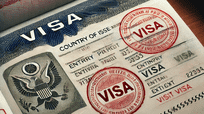
What Is A Medical Visa?
A medical visa is a special type of visa issued by a country to foreign nationals who wish to enter that country for medical treatment purposes. Unlike regular tourist or business visas, a medical visa specifically allows patients to seek healthcare services, including surgeries, consultations, therapies, or other specialized treatments that may not be available or affordable in their home country. Medical visas are usually time-bound and may include certain restrictions, such as requiring proof of medical appointments, hospital letters, or treatment plans from recognized healthcare institutions. These visas often play a crucial role in facilitating medical tourism, allowing patients to access advanced healthcare facilities while complying with immigration regulations.
Who Is Eligible For A Medical Visa?
Eligibility for a medical visa depends on several factors. Generally, applicants must demonstrate that they are seeking treatment that cannot be adequately provided in their home country. They must provide valid medical documents, such as diagnosis reports, doctor recommendations, and hospital admission letters. Some countries require proof of financial ability to cover medical expenses, travel, and accommodation. Additionally, applicants must have a valid passport, comply with immigration regulations, and sometimes submit proof of prior insurance coverage. Age, nationality, and prior travel history may also influence eligibility. Meeting these requirements ensures that only genuine medical tourists or patients seeking treatment abroad receive the visa.
How Do I Apply For A Medical Visa?
Applying for a medical visa involves a structured process. First, applicants must gather all necessary documents, including medical reports, hospital appointment letters, passport, photographs, and financial statements. The next step is to complete the visa application form accurately and submit it through the relevant embassy or consulate. Some countries allow online applications or require in-person submission. Following submission, applicants may need to attend an interview to verify the purpose of travel and the authenticity of medical documents. Processing times vary depending on the country and individual circumstances. Once approved, the visa is stamped in the passport, allowing entry for the purpose of medical treatment.
What Documents Are Required For A Medical Visa?
Key documents required for a medical visa typically include a valid passport, recent photographs, completed visa application form, hospital admission letter, doctor’s prescription or treatment plan, and proof of financial capacity. Some countries also request travel itinerary, medical insurance covering treatment abroad, and proof of accommodation arrangements. Additionally, depending on the destination, applicants may need to provide proof of prior medical consultations or diagnostic tests. Accurate documentation is critical to avoid delays or rejection. Embassies may also request additional supporting papers during the evaluation process, and it is recommended that applicants confirm the exact list of required documents from official sources before submission.
How Long Does It Take To Get A Medical Visa?
The processing time for a medical visa varies by country, embassy, and individual circumstances. Generally, it can take anywhere from a few days to several weeks. Factors influencing processing include completeness of documentation, verification of medical records, background checks, and appointment scheduling for interviews. Some countries offer expedited processing for urgent medical cases, while others adhere strictly to standard timelines. Applicants are advised to apply well in advance of planned treatment dates to ensure timely approval. Delays may occur if additional documentation or clarifications are required, making careful preparation and early submission essential for avoiding last-minute complications.
What Is The Validity Period Of A Medical Visa?
The validity period of a medical visa depends on the type of treatment and the policies of the host country. Typically, medical visas are issued for a few months, enough to cover consultation, treatment, and recovery periods. Extensions may be possible if ongoing treatment is required, but these must be requested through the relevant immigration authority with supporting medical documentation. Some countries allow single-entry visas, while others permit multiple entries within the validity period. Understanding the validity period is important for planning travel, accommodation, and follow-up treatments. Overstaying a medical visa can result in fines, penalties, or restrictions on future visa applications.
Can Family Members Travel On A Medical Visa?
Many countries allow immediate family members to accompany a patient traveling on a medical visa. Typically, this includes spouses, children, and sometimes parents or legal guardians. Family members may need to apply for dependent visas or special medical accompaniment permits, providing documents proving their relationship and ability to support the patient during treatment. Some countries may impose limits on the number of accompanying family members. Travel arrangements, accommodation, and financial responsibility must also be demonstrated. Allowing family members to travel ensures the patient has adequate support during treatment, recovery, and hospitalization, which can be essential for both emotional and practical reasons.
What Are The Costs Associated With A Medical Visa?
Costs for a medical visa vary depending on the destination country, duration of stay, and visa category. Typical fees include visa processing charges, service fees for the embassy or consulate, and any charges for expedited processing. In addition, applicants may need to pay for medical documents, translations, courier services, and travel insurance. The cost of treatment abroad is separate from visa fees and can vary widely based on the type of medical procedure, hospital, and country. It is important to consider all expenses to ensure financial preparedness. Some countries may provide fee waivers or discounts in urgent medical cases, but applicants must confirm these details from official sources.
Are Medical Visas Single Or Multiple Entry?
Medical visas can be either single-entry or multiple-entry depending on the country’s policy and the patient’s treatment plan. Single-entry visas permit entry only once, requiring the patient to leave the country upon completion of treatment or visa expiration. Multiple-entry visas allow patients or accompanying family members to enter and exit the country multiple times during the treatment period. Multiple-entry visas are often preferred when follow-up visits, ongoing therapy, or additional procedures are anticipated. Applicants must clarify entry requirements during application and ensure that travel plans align with visa type. Non-compliance with entry conditions can result in penalties or visa cancellation.
Can Medical Visa Be Extended?
In many countries, medical visas can be extended if ongoing treatment or recovery requires a longer stay. Extension requests usually require updated medical documentation, hospital letters, and sometimes financial proof. Applicants must submit their extension request before the original visa expires to avoid legal complications. Immigration authorities review each case individually, considering factors such as the nature of treatment, expected recovery period, and compliance with visa rules. Extensions may be approved for a limited time and might involve additional fees. Proper planning and communication with immigration offices are essential to ensure that patients can continue treatment without interruption.
How Does Medical Insurance Affect A Medical Visa?
Medical insurance plays a significant role in obtaining a medical visa. Many countries require applicants to have insurance that covers medical expenses abroad, including hospitalization, surgeries, and follow-up care. Insurance demonstrates the applicant’s ability to manage treatment costs and reduces financial risk for both the patient and host country. Some visas may be denied without adequate coverage, while others might require proof of insurance during application or at the point of entry. Insurance also provides peace of mind for patients and accompanying family members, ensuring access to high-quality care in case of unexpected complications during treatment abroad.
Can I Work While On A Medical Visa?
Medical visas are generally issued solely for treatment purposes, and work is typically not permitted. Engaging in employment while on a medical visa can result in visa violation, fines, deportation, or restrictions on future visa applications. Some countries may have strict monitoring to ensure compliance. Patients and accompanying family members should focus on recovery and support during the stay. If someone intends to work temporarily, they must apply for a separate work or employment visa. Understanding the restrictions of a medical visa is crucial to avoid legal complications and ensure uninterrupted medical care during the stay.
What Happens If Treatment Is Delayed While On A Medical Visa?
If treatment is delayed due to hospital scheduling, medical complications, or other unforeseen circumstances, patients may need to request a visa extension. Immigration authorities often require updated medical documentation explaining the delay. Failure to extend a medical visa before its expiration can lead to overstaying penalties, fines, or difficulties with future visa applications. Patients are encouraged to maintain close communication with healthcare providers and immigration offices to manage delays effectively. Planning for potential delays and having contingency options, such as temporary accommodation extensions or financial resources, ensures that patients can complete treatment safely and legally.
Are There Age Restrictions For Medical Visa Applicants?
Most countries do not impose strict age restrictions for medical visas, but applicants must be capable of traveling safely and undergoing treatment abroad. Pediatric patients or elderly individuals may require additional documentation, such as consent letters from guardians, specialized medical reports, or travel assistance plans. Some countries may prioritize urgent medical cases regardless of age. Age can influence travel requirements, insurance coverage, and eligibility for certain procedures. Ensuring proper preparation, medical support, and logistical arrangements is crucial for young children, elderly patients, or individuals with chronic conditions to safely access healthcare abroad.
How Do I Choose The Right Hospital For Medical Visa Purposes?
Selecting the right hospital is critical when applying for a medical visa. Applicants should research accredited healthcare institutions recognized by the destination country’s authorities. Factors to consider include the hospital’s specialization, success rates, certifications, patient reviews, language support, and proximity to accommodation. The hospital must provide official letters confirming appointments, treatment plans, and estimated costs, as these documents are essential for visa approval. Consulting medical tourism agencies or online platforms can provide guidance, but patients should verify all information independently. Choosing a reputable hospital ensures quality care, smooth visa processing, and a positive treatment experience abroad.
Is Medical Tourism Covered By A Medical Visa?
Medical tourism refers to traveling abroad to access medical treatment, often combining healthcare with leisure or recovery stays. A medical visa specifically supports medical tourism by granting legal entry for treatment purposes. While the visa does not cover tourism activities, patients may engage in light travel or wellness experiences during recovery, depending on medical advice. Some countries encourage medical tourism as a source of revenue, offering streamlined visa procedures, dedicated medical travel support, and access to accredited hospitals. Patients must focus primarily on medical treatment and follow the visa’s regulations to ensure compliance, avoiding activities that may be considered outside the scope of a medical visa.
What Are Common Reasons For Medical Visa Rejection?
Medical visa applications can be rejected for several reasons. Common causes include incomplete documentation, insufficient proof of treatment necessity, inadequate financial resources, or errors in the visa application form. Other factors include non-compliance with immigration rules, fraudulent medical documents, or prior visa violations. Health authorities may also reject applicants if treatment poses public health risks. Embassies provide specific guidelines for submission, and failure to adhere strictly to these can result in rejection. Applicants should double-check all requirements, obtain official medical letters, verify financial proofs, and consult official sources to minimize the risk of refusal, ensuring smoother visa approval.
How Do I Track My Medical Visa Application?
Tracking a medical visa application depends on the country and embassy procedures. Many embassies provide online tracking portals, email updates, or phone inquiry options. Applicants need their application reference number, passport details, and submission confirmation to monitor progress. Tracking allows applicants to anticipate processing times, schedule travel accordingly, and prepare for interviews if required. Some countries also provide notifications for document verification, approval, or additional information requests. Staying informed about the application status ensures timely responses to embassy requests, reduces uncertainty, and helps patients plan treatment schedules efficiently, avoiding unnecessary delays or complications.
Can I Travel To Multiple Countries With A Medical Visa?
A medical visa is generally restricted to the country issuing the visa and does not allow unrestricted travel to other nations. Traveling to multiple countries requires separate visas for each destination. Some countries may permit limited transit or short visits during treatment, but this is subject to specific immigration regulations. Patients planning multi-country travel must coordinate visas, travel itineraries, and medical appointments carefully to avoid overstaying or violating visa conditions. Consulting embassies or visa experts before planning travel ensures compliance and prevents complications during treatment abroad, particularly when combining medical care with tourism or visiting family members.
Conclusion
Medical visas are essential tools for facilitating access to healthcare abroad, allowing patients to receive necessary treatments legally and efficiently. They involve careful planning, proper documentation, and adherence to immigration regulations. Understanding eligibility, costs, validity, and the application process ensures a smooth experience. With increasing medical tourism and global healthcare options, medical visas play a vital role in connecting patients with advanced medical facilities. Choosing reputable hospitals, maintaining insurance coverage, and adhering to visa rules further enhance safety and compliance. Proper preparation and awareness can make medical travel both successful and stress-free, providing access to high-quality treatment beyond borders.
Frequently Asked Questions
1. What Is A Medical Visa?
A medical visa is a special type of visa issued to foreign nationals specifically for the purpose of receiving medical treatment in another country. It allows patients to access surgeries, therapies, consultations, or specialized medical care that may not be available or affordable in their home country. Applicants must provide hospital letters, treatment plans, and financial documentation to support their application. Medical visas are time-bound, with validity periods designed to cover treatment and recovery. They are integral to medical tourism, enabling patients to travel legally and safely for healthcare purposes. Compliance with visa conditions is essential to avoid legal complications and ensure uninterrupted treatment abroad.
2. Who Is Eligible For A Medical Visa?
Eligibility for a medical visa requires applicants to demonstrate a genuine need for medical treatment abroad. This includes providing diagnostic reports, hospital appointment letters, and sometimes a doctor’s recommendation confirming that adequate treatment is not available locally. Proof of financial capacity to cover medical expenses, travel, and accommodation is often required. Some countries may consider age, nationality, and previous travel history when evaluating eligibility. Meeting all requirements ensures that only legitimate patients seeking medical treatment receive approval. Eligibility rules may vary by country, so applicants should carefully check official guidelines before applying to avoid delays or rejection.
3. How Do I Apply For A Medical Visa?
To apply for a medical visa, applicants must gather all required documents, including medical reports, hospital letters, passport, photographs, and financial statements. The application form must be completed accurately and submitted through the embassy, consulate, or online portal of the destination country. An interview may be required to verify the purpose of travel and authenticity of documents. Processing times vary by country and case complexity. Once approved, the visa is stamped in the passport, allowing entry for treatment. It is crucial to apply in advance to ensure the visa is processed in time for the scheduled medical appointment, avoiding delays that could affect treatment plans.
4. What Documents Are Required For A Medical Visa?
Documents required include a valid passport, recent photographs, completed application form, hospital admission letter, doctor’s prescription or treatment plan, and proof of financial ability. Additional documents may include travel itinerary, medical insurance covering treatment abroad, and proof of accommodation. Some countries request diagnostic tests or prior medical consultations. Ensuring accurate documentation is critical to prevent delays or rejection. Embassies may ask for additional supporting papers during evaluation, so applicants must confirm the complete list of required documents from official sources before submission. Proper preparation improves approval chances and ensures a smooth visa process.
5. How Long Does It Take To Get A Medical Visa?
Processing times for medical visas vary from a few days to several weeks, depending on the country, embassy, and individual circumstances. Factors affecting processing include completeness of documents, verification of medical records, interviews, and background checks. Some countries offer expedited processing for urgent medical cases, while others adhere to standard timelines. Early application is recommended to ensure timely visa approval for scheduled treatments. Delays may occur if additional documentation or clarifications are needed. Preparing all required documents in advance and following embassy guidelines can help reduce processing time and ensure that treatment schedules are not disrupted.
6. What Is The Validity Period Of A Medical Visa?
Medical visas are typically issued for a duration sufficient to cover consultation, treatment, and recovery periods, often a few months. Extensions may be possible if ongoing treatment is needed, requiring submission of additional medical documentation to immigration authorities. Single-entry or multiple-entry visas may be granted depending on the country and treatment plan. Understanding the validity period helps patients plan travel, accommodation, and follow-up visits. Overstaying a medical visa can lead to fines, penalties, or future visa restrictions. Proper planning and timely extension requests ensure that patients can complete their medical care without legal complications.
7. Can Family Members Travel On A Medical Visa?
Immediate family members, such as spouses and children, are often allowed to accompany a patient traveling on a medical visa. Some countries may permit parents or guardians in special cases. Family members usually need to apply for dependent visas or special medical accompaniment permits and provide proof of relationship and ability to support the patient. Travel, accommodation, and financial arrangements must be demonstrated. Allowing family members ensures emotional and practical support for the patient during treatment, hospitalization, and recovery. Countries may have limits on the number of accompanying members, and applicants should verify requirements to comply with regulations.
8. What Are The Costs Associated With A Medical Visa?
Medical visa costs vary depending on the destination, duration of stay, and visa type. Fees may include processing charges, embassy service fees, expedited processing fees, and documentation costs. Additional expenses, such as translations, courier services, and travel insurance, may also apply. Treatment costs abroad are separate and can vary widely depending on the procedure, hospital, and country. Understanding all associated costs helps applicants prepare financially. Some countries may offer fee waivers for urgent medical cases, but confirmation from official sources is essential. Comprehensive financial planning ensures that patients can cover both visa-related and treatment expenses.
9. Are Medical Visas Single Or Multiple Entry?
Medical visas may be single-entry, allowing entry only once, or multiple-entry, permitting multiple entries during the treatment period. Single-entry visas require leaving the country upon treatment completion or visa expiration. Multiple-entry visas are preferred for ongoing treatments or follow-ups. Understanding the visa type is important for travel planning. Non-compliance with entry conditions can result in penalties or visa cancellation. Applicants should verify entry restrictions during application and align travel plans with visa type to ensure uninterrupted medical care and legal compliance during the treatment period abroad.
10. Can Medical Visa Be Extended?
Medical visas can often be extended if ongoing treatment or recovery requires a longer stay. Applicants must submit updated medical documentation, hospital letters, and sometimes financial proof before the original visa expires. Immigration authorities review each extension request individually. Extensions are usually approved for a limited period and may involve additional fees. Proper planning and communication with immigration offices are essential to avoid legal complications. Timely extension requests ensure that patients can continue treatment safely without overstaying their visa. Clear documentation and compliance with visa regulations increase the likelihood of approval for extensions.
11. How Does Medical Insurance Affect A Medical Visa?
Medical insurance is often mandatory for obtaining a medical visa, demonstrating the ability to cover treatment expenses abroad. Insurance protects patients from unexpected costs and reduces financial risk for both the patient and host country. Proof of coverage is usually required during visa application or at entry. Insufficient insurance may result in visa denial. Comprehensive insurance includes hospitalization, surgeries, consultations, and follow-up care. It ensures peace of mind for patients and family members and provides access to high-quality treatment without financial disruption. Adequate coverage is a critical aspect of a successful medical visa application.
12. Can I Work While On A Medical Visa?
Medical visas are intended solely for treatment purposes, and work is generally not permitted. Engaging in employment can result in visa violation, fines, deportation, or restrictions on future applications. Some countries enforce strict monitoring of visa compliance. Patients and accompanying family members should focus on recovery and medical support. If temporary employment is desired, a separate work or employment visa must be obtained. Understanding visa restrictions ensures uninterrupted treatment and legal compliance, avoiding complications that could jeopardize both medical care and future travel opportunities.
13. What Happens If Treatment Is Delayed While On A Medical Visa?
If treatment is delayed, patients may need to request a visa extension with updated medical documentation explaining the delay. Failure to extend the visa before expiration can lead to penalties, fines, or visa issues. Maintaining communication with healthcare providers and immigration authorities is essential to manage delays effectively. Planning for potential delays, including additional accommodation or financial resources, helps ensure treatment completion without legal complications. Timely extension requests and adherence to embassy guidelines reduce stress and allow patients to focus on recovery, even when unforeseen circumstances disrupt original treatment schedules.
14. Are There Age Restrictions For Medical Visa Applicants?
Most countries do not have strict age restrictions for medical visas. However, pediatric patients or elderly individuals may require additional documentation, such as guardian consent, specialized medical reports, or travel assistance plans. Age may influence insurance requirements, travel arrangements, and eligibility for certain treatments. Some countries prioritize urgent medical cases regardless of age. Proper preparation, medical support, and logistical arrangements are essential for safe travel and treatment for very young or elderly patients. Ensuring compliance with regulations and medical safety standards is critical to facilitate smooth and successful medical treatment abroad.
15. How Do I Choose The Right Hospital For Medical Visa Purposes?
Selecting the right hospital involves researching accredited healthcare institutions recognized by the host country. Key considerations include hospital specialization, certifications, success rates, language support, and proximity to accommodation. Hospitals must provide official letters confirming appointments, treatment plans, and estimated costs for visa purposes. Consulting medical tourism agencies can help, but independent verification is important. Choosing a reputable hospital ensures quality care, smooth visa processing, and a positive treatment experience. Accurate documentation from the chosen hospital is essential for approval and compliance with immigration regulations during the medical stay abroad.
16. Is Medical Tourism Covered By A Medical Visa?
Medical visas enable medical tourism by granting legal entry for treatment purposes. While they primarily support medical procedures, patients may engage in light travel or wellness activities during recovery, following medical advice. Some countries promote medical tourism with streamlined visa processes, access to accredited hospitals, and support services. Patients must focus on treatment and comply with visa regulations, avoiding activities outside the scope of medical care. A medical visa ensures legal status for patients seeking healthcare abroad, facilitating safe access to international medical services while allowing limited travel aligned with recovery and wellness requirements.
17. What Are Common Reasons For Medical Visa Rejection?
Common reasons for rejection include incomplete documentation, insufficient proof of treatment necessity, inadequate financial resources, errors in application forms, or prior visa violations. Fraudulent medical documents or failure to meet health and safety requirements may also result in denial. Embassies provide specific submission guidelines, and non-compliance increases the risk of rejection. Applicants should carefully follow instructions, submit authentic medical letters, verify financial documentation, and consult official sources. Proper preparation, attention to detail, and adherence to requirements improve the likelihood of approval, minimizing the risk of delays or denial for medical visa applications.
18. How Do I Track My Medical Visa Application?
Tracking a medical visa application can usually be done through online portals, email updates, or phone inquiries provided by the embassy or consulate. Applicants need their reference number, passport details, and submission confirmation. Tracking allows monitoring of application status, processing updates, and scheduling interviews if required. Notifications may include document verification, approval, or additional information requests. Staying informed enables timely responses to embassy queries, reduces uncertainty, and helps coordinate travel and medical treatment schedules. Tracking tools and official updates are essential to ensure that patients can plan their medical stay abroad efficiently without delays.
19. Can I Travel To Multiple Countries With A Medical Visa?
Medical visas are generally restricted to the issuing country and do not permit unrestricted travel to other nations. Traveling to multiple countries requires separate visas for each destination. Some countries may allow limited transit or short visits, but regulations must be confirmed. Multi-country travel requires careful coordination of visas, appointments, and medical schedules. Consulting embassies or visa experts is recommended before planning travel. Ensuring compliance prevents overstaying or visa violations, allowing uninterrupted treatment abroad. Patients should focus on medical care while adhering strictly to the rules of their medical visa to maintain legal status throughout their stay.
20. How Can I Ensure Smooth Approval For A Medical Visa?
Ensuring smooth approval involves careful preparation, accurate documentation, and compliance with embassy requirements. Applicants must provide hospital letters, treatment plans, financial proof, valid passport, photographs, and completed application forms. Medical insurance, travel arrangements, and supporting medical records enhance credibility. Verifying country-specific requirements, double-checking all documents, and responding promptly to embassy queries reduce the risk of delays or rejection. Choosing accredited hospitals, maintaining insurance coverage, and planning travel around visa validity are essential. Attention to detail, timely submission, and adherence to rules maximize the likelihood of a smooth approval process, allowing patients to access necessary treatment abroad safely.
Further Reading
- What Is The Validity Period Of A Religious Visa?
- How Much Does A Religious Visa Cost?
- How Long Does It Take To Get A Religious Visa?
- What Are The Eligibility Requirements For Obtaining A Religious Visa?
- How To Apply For And Get A Religious Visa
- What Is A Religious Visa? | Definition, Eligibility Requirements, Application, Cost, Renewal, Extension, Duration, Validity Of A Religious Visa
- What Is The Validity Period Of A Family Visa?
- How Much Does A Family Visa Cost?
- How Long Does It Take To Get A Family Visa?
- What Are The Eligibility Requirements For Obtaining A Family Visa?
- How To Apply For And Get A Family Visa
- What Is A Family Visa? | Definition, Eligibility Requirements, Benefits, Challenges, Duration, Validity, How To Apply For A Family Visa