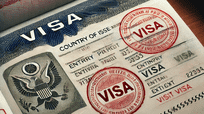
What Is An Electronic Visa (E-Visa)?
An Electronic Visa (E-Visa) is a digital travel authorization that allows foreign nationals to enter a country without obtaining a traditional physical visa at an embassy or consulate. E-Visas are processed online through official government portals, making the application process faster, more convenient, and accessible from anywhere in the world. Applicants typically submit personal information, travel details, passport scans, and other required documents online. Once approved, the E-Visa is electronically linked to the applicant’s passport. E-Visas are commonly used for tourism, business, or short-term visits and are recognized by border control authorities upon arrival. They streamline immigration procedures and reduce paperwork significantly.
How To Apply For An Electronic Visa (E-Visa)
Applying for an E-Visa involves visiting the official immigration or government portal of the destination country. Applicants must complete an online application form, providing personal details such as full name, date of birth, passport information, travel dates, and purpose of the visit. Supporting documents like passport scans, photographs, or proof of accommodation may also be required. After submission, the applicant pays the processing fee using secure online payment methods. Confirmation emails are sent to acknowledge receipt of the application. The application is then reviewed by immigration authorities, and applicants may be notified of approval or additional documentation requirements. Once approved, the E-Visa can be printed or stored digitally.
Required Documents For E-Visa Application
The necessary documents for obtaining an E-Visa typically include a valid passport with at least six months of validity from the date of entry, a recent passport-sized photograph in the specified format, and proof of travel arrangements such as flight bookings or hotel reservations. Some countries may require a travel itinerary, proof of sufficient funds, or a letter of invitation if visiting family or friends. Additionally, applicants might need to submit health-related documentation or vaccination certificates depending on the country’s regulations. Ensuring all documents are correct and complete is essential, as errors or omissions can delay the processing time of an E-Visa or result in rejection.
Processing Time For An Electronic Visa (E-Visa)
The processing time for an E-Visa varies depending on the country, the type of visa, and the completeness of the application. In most cases, E-Visas are processed within 24 to 72 hours for standard applications. Some countries may offer expedited services that reduce approval time to a few hours. However, peak travel seasons or incomplete documentation can extend processing to several days. Applicants are advised to apply at least a week in advance of their planned travel dates to avoid delays. Official government portals usually provide estimated processing times and tracking services to monitor the status of the E-Visa application.
Factors Affecting E-Visa Approval Time
Several factors can influence the time it takes to receive an E-Visa. Incomplete or incorrect application details, low-quality document scans, or mismatched information can cause delays. High application volumes during holidays or peak travel seasons may slow processing. Security or background checks are sometimes required, especially for travelers from certain countries, which can extend approval time. Technical issues on the application portal or delays in payment verification may also affect processing. Applicants who submit clear, accurate, and complete documentation are more likely to receive timely approval. Monitoring the application status regularly and following up if necessary can help mitigate potential delays.
Common Mistakes That Delay E-Visa Processing
Mistakes such as entering incorrect passport numbers, mismatching personal details, uploading unclear photos, or failing to submit required documents are common causes of E-Visa delays. Some applicants overlook country-specific requirements like vaccination proof, travel itinerary, or supporting letters. Payment errors or using unofficial portals can also result in rejected applications. To avoid delays, applicants should carefully review all instructions on the official website, double-check all entered information, and ensure documents meet the specified criteria. Following official guidelines and applying early can significantly reduce the likelihood of processing delays and help secure timely E-Visa approval.
Checking The Status Of Your E-Visa
Most countries provide an online portal to track the status of your E-Visa application. After submission, applicants receive a reference number or confirmation code to monitor progress. Regularly checking this portal helps identify if additional documents or clarifications are needed. Notifications of approval, rejection, or pending issues are usually sent via email. Some countries also offer SMS updates for convenience. Monitoring your application ensures that any issues can be addressed promptly, preventing last-minute delays before travel. It’s important to only use official government portals for status checks to avoid misinformation or scams.
Validity And Duration Of Stay With An E-Visa
E-Visas typically have a defined validity period, ranging from a few weeks to several months, depending on the country and type of visa. The duration of stay permitted under the E-Visa is usually specified in the approval notice. Overstaying the granted period can result in fines, deportation, or future travel restrictions. Some countries allow multiple entries, while others issue single-entry visas. Travelers should carefully review the validity and stay duration and ensure their return travel plans align with the E-Visa conditions. Adhering to these regulations helps maintain compliance with immigration laws and avoids complications during travel.
Advantages Of Using An E-Visa
The E-Visa system provides several advantages over traditional visa methods. Applications can be completed entirely online, eliminating the need to visit an embassy or consulate. Processing times are generally faster, and applicants receive electronic confirmation, reducing paperwork. E-Visas improve travel planning efficiency and enhance security through online verification and tracking. They also reduce long queues and administrative workload for immigration authorities. Furthermore, travelers can store their E-Visa digitally, allowing for easy access at border checkpoints. Overall, E-Visas offer convenience, speed, and reliability for short-term visits, tourism, and business travel.
Tips For A Smooth E-Visa Application
To ensure a smooth E-Visa application, applicants should start early and review the destination country’s official guidelines thoroughly. Use high-quality scans and accurate information to prevent processing delays. Confirm that your passport meets validity requirements and that you have all supporting documents ready. Pay attention to payment methods and ensure receipts are saved. Applying during non-peak periods can also reduce delays. Regularly monitor your application status and respond promptly to any requests from immigration authorities. Following these best practices increases the chances of quick approval and helps avoid complications during your travel.
Conclusion
Understanding how long it takes to get an Electronic Visa (E-Visa) involves knowing the application process, required documents, processing times, and factors affecting approval. By applying early, providing accurate information, and following official guidelines, travelers can significantly reduce delays and enjoy the convenience of digital visa processing. E-Visas offer efficiency, speed, and accessibility, making international travel more seamless for tourism, business, and short-term visits. Awareness of validity periods, stay durations, and country-specific regulations is essential to ensure compliance and avoid travel interruptions. Overall, proper planning and preparation ensure a hassle-free E-Visa experience.
Frequently Asked Questions
1. How Long Does It Take To Get An Electronic Visa (E-Visa)?
The time it takes to get an Electronic Visa (E-Visa) depends on the country, visa type, and completeness of the application. Generally, standard processing takes between 24 to 72 hours, though some countries may process it within a few hours if expedited services are used. High application volumes, incomplete documents, or verification checks can extend the timeline to several days. Applying at least one week in advance is recommended to avoid last-minute delays. Checking the official government portal regularly helps track the status and ensures timely submission of any additional documents requested. Following all guidelines increases the likelihood of quick approval.
2. What Are The Documents Required To Get An E-Visa?
To obtain an E-Visa, applicants usually need a valid passport with at least six months’ validity, a recent passport-sized photo, travel itinerary, flight bookings, hotel reservations, and, in some cases, proof of sufficient funds. Some countries may require vaccination certificates, invitation letters, or additional supporting documents. Ensuring documents meet the official format and clarity standards is essential to avoid delays. Inaccurate or missing documents are a common reason for rejection or extended processing times. Reviewing country-specific requirements before applying can help streamline the E-Visa approval process.
3. How Much Does An Electronic Visa (E-Visa) Cost?
The cost of an E-Visa varies depending on the destination country and type of visa. Typically, fees range from $20 to $100, with some countries offering premium or expedited processing for additional charges. Payment is usually made online via secure channels, and applicants should ensure they use the official government portal to avoid scams. Certain countries may offer exemptions or reduced fees for children, students, or diplomatic travelers. It’s important to factor in the visa cost when planning travel expenses. Keeping payment confirmations or receipts is recommended for reference and proof of successful application submission.
4. How Can I Apply For An E-Visa Online?
Applying for an E-Visa online involves visiting the official immigration portal of the destination country, filling out the application form with personal details, passport information, travel dates, and purpose of visit, uploading required documents, and paying the visa fee. Once submitted, applicants receive a confirmation email or reference number to track the status. Approval is usually communicated via email, and the E-Visa can be printed or stored digitally for border control. Following the country-specific instructions carefully ensures smooth processing and reduces the chances of errors or delays.
5. What Is The Validity Period Of An E-Visa?
The validity period of an E-Visa varies by country and type of visa. Typically, E-Visas are valid for a few weeks to several months, allowing either single or multiple entries. The duration of stay granted upon entry may differ from the visa validity period, and overstaying can result in fines, deportation, or future travel restrictions. Travelers must carefully check the approval notice and align their travel plans accordingly. Some E-Visas can be extended, depending on local immigration laws. Observing the validity and duration ensures compliance with border regulations and prevents legal complications during travel.
6. Can I Expedite My E-Visa Application?
Many countries offer expedited processing for an additional fee, allowing applicants to receive approval in a few hours or within one day. Eligibility for expedited processing and the cost varies depending on the destination country and visa type. Applying through the official portal and selecting the expedited option ensures faster approval. Providing accurate information and complete documents also speeds up the process. It is important to check whether your travel dates allow for standard processing or if expedited service is necessary to avoid delays or missed flights.
7. What Are The Common Mistakes That Delay E-Visa Processing?
Common mistakes include entering incorrect passport numbers, mismatching personal details, uploading unclear photographs, failing to provide supporting documents, or using unofficial portals. Payment errors or missing application steps can also cause delays. Reviewing instructions carefully, using high-quality documents, and double-checking all information before submission can prevent these issues. Avoiding these mistakes ensures smoother processing, reduces the likelihood of rejection, and helps secure timely approval for travel.
8. How Do I Check The Status Of My E-Visa Application?
Most countries provide an online tracking portal or email notifications to monitor E-Visa status. Applicants receive a reference number upon submission, which allows them to check progress and identify pending document requirements. Some countries also offer SMS updates. Regular monitoring ensures timely response to any requests and helps prevent delays before travel. Always use official government sources to check the status to avoid misinformation or fraud.
9. Is It Safe To Apply For An E-Visa Online?
Yes, applying through official government portals is safe. Secure online platforms protect personal data, and encrypted payment channels safeguard transactions. However, applicants must avoid third-party websites claiming to process visas for a fee, as these may be fraudulent. Using only official portals ensures that applications are processed accurately, reduces the risk of scams, and guarantees government-approved E-Visa issuance.
10. Can E-Visas Be Used For Multiple Entries?
Some E-Visas allow multiple entries, while others are single-entry only. The type of entry permitted is specified in the approval notice. Travelers should confirm the number of allowed entries before planning multiple visits, as overstaying or exceeding allowed entries can result in fines or travel restrictions. Multiple-entry E-Visas are particularly useful for business travelers or tourists visiting neighboring countries.
11. How Long Should I Wait Before Applying For An E-Visa?
It’s recommended to apply for an E-Visa at least one week before your intended travel, although some countries allow applications up to three months in advance. Applying early ensures sufficient time for processing, especially during peak travel periods, and reduces the risk of delays due to incomplete documents or verification checks. Planning ahead ensures a smoother travel experience.
12. What Happens If My E-Visa Is Denied?
If an E-Visa is denied, the applicant is usually informed via email with a reason for rejection. Common reasons include incomplete documentation, errors in personal information, or security-related concerns. Applicants can correct mistakes and reapply, adhering to official guidelines. Denial does not prevent future applications but may require additional documentation or verification to meet immigration requirements.
13. Can I Travel Without Printing My E-Visa?
Most countries accept digital copies of E-Visas linked electronically to your passport, but it’s advisable to carry a printed copy as backup. Some border authorities may request a hard copy for verification, especially if technical issues prevent electronic access. Having both digital and printed versions ensures compliance and avoids complications during entry.
14. Are There Age Restrictions For E-Visa Applications?
There are usually no strict age restrictions, but minors must have consent from parents or legal guardians. Some countries require additional documents for children, such as birth certificates or notarized consent letters. Ensuring proper documentation for all travelers, including minors, is essential to prevent delays or rejection.
15. How Long Can I Stay In A Country With An E-Visa?
The permitted stay duration varies by country and visa type, usually ranging from a few days to several months. The E-Visa approval notice specifies the allowed duration. Overstaying may result in fines, deportation, or future travel restrictions. Travelers must plan their trip according to the authorized period and adhere to local immigration regulations.
16. Can I Extend My E-Visa While Abroad?
Some countries allow E-Visa extensions, but policies vary. Travelers should consult local immigration authorities for eligibility, application procedures, and associated fees. Applying for an extension before the visa expires ensures compliance and prevents legal consequences. Not all E-Visas are extendable, so checking regulations in advance is essential.
17. What Should I Do If My E-Visa Information Changes?
If passport details, travel dates, or personal information change, applicants must notify the issuing authority or reapply for a new E-Visa. Using incorrect information can result in denied entry or fines. Always ensure that the E-Visa matches the current passport and travel plans to avoid complications at border control.
18. Are E-Visas Accepted At All Entry Points?
Most E-Visas are accepted at major airports and designated land or sea border points. Some remote or minor entry points may not recognize E-Visas. Travelers should verify entry point eligibility in advance to ensure smooth entry and avoid being turned away at immigration checkpoints.
19. Can I Use An E-Visa For Business Travel?
Yes, E-Visas are often issued for tourism, business, or short-term visits. Applicants must indicate the purpose of travel during the application process. Some countries issue specific E-Visas for business meetings, conferences, or corporate visits. Ensuring the correct visa type aligns with the intended purpose avoids legal issues during the stay.
20. What Are The Advantages Of Using An E-Visa?
E-Visas simplify the travel process, reduce paperwork, save time, and allow online application from anywhere. They provide electronic verification, reduce embassy visits, and often have faster processing times than traditional visas. Travelers benefit from convenience, security, and clear guidelines, making international travel more accessible for tourism, business, and short-term visits.
FURTHER READING
- What Are The Eligibility Requirements For Obtaining An Electronic Visa (E-Visa)?
- How To Apply For And Get An Electronic Visa (E-Visa)
- How Does An Electronic Visa (E-Visa) Work?
- What Is An Electronic Visa (E-Visa)? | Definition, Benefits, Challenges, Workings, Eligibility Requirements, Validity, Duration, How To Apply For An Electronic Visa (E-Visa)
- What Is The Validity Period Of A Medical Visa?
- How Much Does A Medical Visa Cost?
- How Long Does It Take To Get A Medical Visa?
- What Are The Eligibility Requirements For Obtaining A Medical Visa?
- How To Apply For And Get A Medical Visa
- What Is A Medical Visa? | Definition, Eligiblity Requirements, Cost, Documents, Duration, Validity Period, How To Apply For A Medical Visa
- What Is The Validity Period Of A Religious Visa?
- How Much Does A Religious Visa Cost?