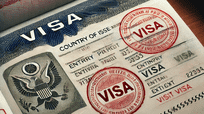
What Is An Electronic Visa (E-Visa)?
An Electronic Visa, commonly known as an E-Visa, is a digital travel authorization that allows foreign nationals to enter a country without obtaining a traditional paper visa from an embassy or consulate. It functions through online application systems where travelers submit their personal information, travel details, and supporting documents. Once approved, the E-Visa is electronically linked to the traveler’s passport, eliminating the need for physical stamps or stickers. E-Visas are designed to simplify visa processing, reduce waiting times, and improve border security. They are commonly issued for tourism, business, or short-term visits and are valid for a specific period and number of entries, depending on the country’s regulations.
How To Apply For An Electronic Visa (E-Visa)
Applying for an E-Visa involves several steps that must be completed accurately to ensure approval. First, applicants need to visit the official government portal of the destination country. Next, they fill out an online application form, providing personal information, passport details, travel dates, and purpose of visit. Applicants may also need to upload scanned copies of supporting documents, such as passport pages, photographs, and proof of accommodation. Payment of the E-Visa processing fee is usually made online via credit or debit card. After submission, the application is reviewed, and upon approval, travelers receive a confirmation email with the E-Visa, which must be printed or saved digitally for presentation at the border.
Benefits Of Using An Electronic Visa (E-Visa)
Electronic Visas offer several advantages compared to traditional visa processes. They significantly reduce processing times, often delivering approvals within a few days. E-Visas enhance convenience by eliminating the need for embassy visits, long queues, or extensive paperwork. They also provide better tracking and security, as applications are digitally recorded and linked to the traveler’s passport. Many countries use E-Visas to streamline tourism and business travel, ensuring faster entry procedures at airports and border points. Additionally, the online system often provides guidance and automated error checking, reducing the likelihood of application rejection due to incomplete or inaccurate information.
Eligibility Requirements For An Electronic Visa (E-Visa)
Eligibility requirements for an E-Visa vary by country but generally include having a valid passport with at least six months’ validity, a confirmed travel itinerary, and sufficient funds for the stay. Travelers must not have any criminal records that could disqualify them and should meet health and vaccination requirements if specified. Some countries may restrict E-Visas to citizens of certain countries or limit usage to specific purposes like tourism, business, or short-term studies. Applicants must ensure that their travel plans comply with the maximum duration and entry restrictions of the E-Visa. Failure to meet eligibility criteria can result in application denial or refusal of entry upon arrival.
Processing Time And Validity Of An Electronic Visa (E-Visa)
The processing time for an E-Visa typically ranges from a few hours to several business days, depending on the destination country and the volume of applications. Most E-Visas are issued for short-term stays, ranging from a single entry for a few days to multiple entries over several months. Validity periods vary and are clearly indicated on the E-Visa confirmation. Travelers must enter the country within the validity window, and overstaying can result in fines, deportation, or future travel restrictions. It is crucial to verify the specific terms, including the number of entries allowed, duration of stay, and any conditional requirements, to avoid travel complications.
Security And Verification Of Electronic Visas
E-Visas incorporate advanced security measures to prevent fraud and misuse. Each E-Visa is uniquely linked to the applicant’s passport, and border control authorities can verify the authorization electronically. Security features may include encrypted QR codes, digital signatures, and integration with immigration databases to check for criminal records, overstays, or travel bans. Travelers are required to present a printed or digital copy along with their passport at entry points, where officials confirm authenticity and compliance with visa terms. This system enhances border security while maintaining efficiency and convenience for legitimate travelers, making E-Visas a reliable alternative to traditional visa processes.
Common Issues And Troubleshooting With E-Visas
Despite the convenience of E-Visas, applicants may encounter issues such as incorrect data entry, document upload errors, payment failures, or delays in approval. It is essential to carefully review the application before submission, ensure the passport information matches exactly, and use accepted file formats for documents. In case of problems, most government portals offer support through email, chat, or helplines. Delays or errors can often be resolved by resubmitting corrected information or contacting immigration authorities. Travelers should also keep a copy of the confirmation email and receipt of payment as proof in case of disputes during entry.
How To Use An Electronic Visa (E-Visa) At The Border
Upon arrival at the destination country, travelers present their passport along with a printed or digital copy of the approved E-Visa. Immigration officers scan or manually verify the electronic authorization to confirm validity. Officers may ask standard entry questions regarding the purpose of visit, duration of stay, or accommodations. Once cleared, the traveler is allowed to enter and remain for the duration specified in the E-Visa. It is crucial to comply with all conditions, such as entry dates and permitted activities, to avoid penalties, fines, or future travel restrictions. E-Visas streamline entry procedures while maintaining compliance with immigration laws.
Future Trends In Electronic Visa Systems
Electronic Visa systems continue to evolve with technology, offering increased automation, mobile applications, and biometric verification. Some countries are exploring AI-driven processing to reduce approval times and improve fraud detection. Integration with airlines, travel agencies, and immigration authorities enhances pre-arrival verification, allowing for smoother and faster border control. Future E-Visa systems may expand eligibility to more countries, provide long-term or multiple-entry options, and integrate with digital identity platforms for a seamless global travel experience. As adoption grows, E-Visas are expected to become the standard for international travel, combining convenience, efficiency, and security.
Conclusion
Electronic Visas revolutionize the way travelers gain access to foreign countries by providing a faster, safer, and more convenient alternative to traditional visas. They streamline application processes, reduce processing times, and enhance border security through digital verification and data integration. Travelers can apply from anywhere with internet access, submit supporting documents online, and receive approvals electronically, minimizing paperwork and embassy visits. E-Visas are widely adopted for tourism, business, and short-term visits, and their continued evolution promises even more efficiency and security in international travel. By understanding eligibility, application procedures, and usage guidelines, travelers can enjoy hassle-free entry and compliance with visa regulations.
Frequently Asked Questions
1. How Does An Electronic Visa (E-Visa) Work?
An Electronic Visa, or E-Visa, works by allowing travelers to apply for entry authorization online instead of visiting an embassy or consulate. Applicants fill out forms with personal information, passport details, travel plans, and supporting documents. After submitting the online application and paying the required fee, the government reviews the submission. If approved, the E-Visa is electronically linked to the traveler’s passport. At the border, immigration officers verify the E-Visa electronically, either by scanning a QR code or accessing a government database. This system streamlines visa processing, reduces waiting times, and allows for a secure, paperless entry process while ensuring compliance with the country’s travel regulations.
2. What Are The Benefits Of An Electronic Visa (E-Visa)?
E-Visas provide faster processing compared to traditional visas, often granting approval in a few days. They remove the need for embassy visits, reducing long queues and paperwork. Digital systems improve security by linking the visa to the traveler’s passport and tracking entry data. They also simplify multiple entries and short-term stays, allowing easier tourism or business visits. Automated error checks reduce the risk of rejection due to incomplete forms, and the online system provides convenience for international travelers. By streamlining procedures, enhancing security, and offering flexibility, E-Visas represent a modern, efficient approach to visa issuance and border management.
3. How Do I Apply For An Electronic Visa (E-Visa)?
To apply for an E-Visa, visit the official government portal of your destination country and fill out the online form accurately with personal details, passport information, travel dates, and visit purpose. Upload required documents like passport scans, photographs, and accommodation proof. Pay the visa processing fee online through accepted payment methods. After submission, monitor your email for confirmation or approval notifications. Keep a digital or printed copy of the approved E-Visa for border verification. Ensuring accuracy and completeness of the application reduces the likelihood of delays or rejections. Some countries may require additional steps, so review official guidelines carefully before submission.
4. What Are The Eligibility Requirements For Obtaining An Electronic Visa (E-Visa)?
Eligibility for an E-Visa generally requires a valid passport with at least six months’ validity, a confirmed travel itinerary, and sufficient funds for the stay. Travelers should not have a criminal record or prior immigration violations. Some countries restrict E-Visas to specific nationalities, visit purposes, or durations of stay. Health and vaccination requirements may apply depending on the country. Failure to meet eligibility criteria can result in application denial or entry refusal. Applicants must carefully review the country’s official guidelines to ensure compliance with requirements, including permitted activities, maximum stay durations, and entry limitations. Proper preparation increases the likelihood of approval.
5. How Long Does It Take To Get An Electronic Visa (E-Visa)?
Processing times vary by country but typically range from a few hours to several business days. Some countries offer expedited processing for an additional fee. The review process involves verifying personal data, passport validity, supporting documents, and security checks. Travelers are advised to apply well in advance of their intended travel dates to avoid last-minute complications. Notifications of approval or rejection are usually sent via email, and travelers should retain the confirmation for border control verification. Processing times can be affected by high application volumes, incomplete submissions, or technical issues on the government portal.
6. How Much Does An Electronic Visa (E-Visa) Cost?
The cost of an E-Visa varies by country and depends on the visa type, duration, and processing speed. Standard tourist or business E-Visas usually have a set fee paid online during application submission. Some countries offer multiple pricing tiers for regular, expedited, or multiple-entry visas. Payment is typically made using credit or debit cards through secure government portals. It is essential to pay the exact fee as specified, as underpayment or payment through unofficial channels may lead to application rejection. Applicants should retain receipts and confirmation emails as proof of payment for future reference or border verification.
7. Can I Travel With An Electronic Visa (E-Visa) On Multiple Entries?
Some E-Visas allow multiple entries, while others are single-entry only. Multiple-entry E-Visas enable travelers to leave and re-enter the country within the validity period without applying for a new visa. The number of permitted entries is specified on the E-Visa confirmation. Travelers must adhere to the maximum duration of stay per entry and ensure compliance with visa conditions. Overstaying or violating terms can result in fines, deportation, or future travel restrictions. Before planning multiple trips, applicants should carefully review the E-Visa’s terms and conditions to confirm eligibility for multiple entries.
8. What Happens If My Electronic Visa (E-Visa) Is Rejected?
If an E-Visa application is rejected, the government typically provides a reason, such as incomplete documentation, ineligible nationality, or security concerns. Applicants may be allowed to reapply after correcting the issues. Some countries offer appeal processes or require submission through an embassy for further review. It is essential to review rejection details carefully, ensure accuracy, and meet eligibility requirements before resubmitting. Payment of additional fees may be necessary for reapplication. Keeping records of previous submissions and communications can help streamline subsequent applications and avoid repeated errors or delays.
9. Is An Electronic Visa (E-Visa) Safe To Use?
E-Visas are safe and secure when applied through official government portals. Advanced encryption, QR codes, and digital signatures protect personal information. Linking the visa electronically to the passport prevents unauthorized duplication. Security checks are performed during the approval process to detect criminal records, overstays, or other travel restrictions. Travelers should avoid unofficial websites to prevent fraud. Keeping a copy of the approved E-Visa, monitoring email communications, and verifying portal authenticity ensures safe use. Government-backed E-Visa systems provide a reliable and secure alternative to traditional paper visas, maintaining both convenience and border security.
10. Can I Extend My Stay With An Electronic Visa (E-Visa)?
E-Visa extensions depend on the country’s regulations and are not universally guaranteed. Some countries allow extensions under specific circumstances, such as medical emergencies or special business requirements. To apply for an extension, travelers must submit a request to the immigration authority before the visa expires, providing justification and supporting documentation. Approval is subject to discretion and may involve additional fees. It is important not to overstay without authorization, as this can result in fines, deportation, or future travel restrictions. Travelers should verify extension policies before relying on an E-Visa for longer stays.
11. What Documents Do I Need For An Electronic Visa (E-Visa)?
Applicants generally need a valid passport, recent passport-sized photographs, travel itinerary, proof of accommodation, and evidence of sufficient funds. Some countries require additional documents, such as return tickets, invitation letters, or health certificates. All documents must meet the country-specific guidelines regarding format, size, and clarity. Digital copies are usually uploaded during the online application process. Ensuring all documents are accurate, legible, and complete increases the likelihood of approval and smooth border entry. Travelers should verify the official E-Visa portal for the full list of required documents and adhere to the submission guidelines precisely.
12. How Do I Check The Status Of My Electronic Visa (E-Visa)?
The status of an E-Visa application can be checked on the official government portal using a reference number or passport details. Applicants receive confirmation emails upon submission, and updates regarding approval, rejection, or additional requirements are typically sent electronically. Some countries offer tracking dashboards for real-time status updates. It is important to regularly monitor email and portal notifications, as missing requests for additional documents or clarifications can delay approval. Keeping records of all communications and receipts ensures that applicants can provide proof of submission and respond promptly to any status inquiries.
13. Can I Travel If My Passport Details Change After Applying For An Electronic Visa (E-Visa)?
If passport details change after submitting an E-Visa application, such as due to renewal or damage, a new application may be required. Most E-Visas are linked to a specific passport number, and discrepancies can result in entry denial. Travelers should consult the official immigration authority for guidance and ensure that any updated passport information is correctly submitted before travel. Failure to update details may lead to delays, rejection, or border complications. Maintaining consistency between passport and E-Visa data is crucial for smooth verification during entry.
14. What Should I Do If I Lose My Electronic Visa (E-Visa)?
Losing a digital copy of an E-Visa does not invalidate it, as the authorization is electronically linked to the passport. Travelers should, however, retrieve a replacement copy by accessing the official portal or using the confirmation email. It is advisable to keep multiple digital backups and a printed copy for presentation at immigration checkpoints. In case of technical issues at the border, having access to official records ensures smooth verification and entry. Contacting the immigration authority before travel can provide guidance on obtaining a replacement if necessary.
15. Can Minors Obtain An Electronic Visa (E-Visa)?
Minors can obtain E-Visas, but applications usually require additional documentation, such as birth certificates, parental consent letters, and accompanying parent or guardian information. Some countries may require a parent or guardian to submit the application on behalf of the minor. Eligibility rules, duration of stay, and entry requirements must be verified carefully. Digital submission processes often include options to upload the necessary supporting documents and details for guardians. Ensuring compliance with all legal requirements for minors reduces the risk of denial or complications during border entry.
16. Are There Any Travel Restrictions With An Electronic Visa (E-Visa)?
E-Visas often include specific travel restrictions such as limited duration of stay, permitted activities, and designated points of entry. Some E-Visas are restricted to tourism or business purposes and cannot be used for employment or study. Travelers must adhere strictly to these conditions to avoid penalties, fines, or deportation. Overstaying or engaging in prohibited activities may impact future visa applications. Understanding and complying with the terms of the E-Visa ensures legal and hassle-free travel while maintaining eligibility for future electronic visas.
17. How Do Airlines Handle Electronic Visas (E-Visa)?
Airlines typically require travelers to present their E-Visa confirmation before boarding. During check-in, airline staff may verify the visa electronically or request a printed copy to ensure compliance with immigration requirements. Failure to provide a valid E-Visa may result in denied boarding. Travelers are advised to check airline policies, keep digital and printed copies handy, and ensure passport details match the E-Visa. Coordination between airlines and immigration authorities ensures that E-Visa holders meet entry requirements prior to departure, minimizing travel disruptions and delays.
18. Can I Cancel My Electronic Visa (E-Visa) After Approval?
Cancellation policies vary by country, but in most cases, approved E-Visas cannot be canceled once issued. Some portals may allow requests for refunds or cancellation in specific circumstances, but this is subject to government discretion and fee policies. Travelers should verify the terms and conditions during application and avoid making non-refundable travel arrangements until the E-Visa is approved. Keeping records of the approval and payment receipt helps in case of disputes or requests for modifications, although final cancellation is rarely guaranteed.
19. How Do Electronic Visas (E-Visas) Affect Border Wait Times?
E-Visas significantly reduce border wait times compared to traditional visa processing. By linking the visa electronically to the passport, immigration officers can verify authorization quickly using digital systems, eliminating the need for manual checks, paperwork, or stamping. Many airports have dedicated lanes for E-Visa holders, streamlining entry further. While some standard security checks still apply, the overall process is faster and more efficient. Travelers benefit from shorter queues, quicker processing, and a smoother arrival experience, contributing to a more convenient international travel experience.
20. Which Countries Offer Electronic Visa (E-Visa) Options?
Many countries worldwide offer E-Visa options, primarily for tourism, business, and short-term stays. Popular destinations include the United States (ESTA), India, Australia, Turkey, Kenya, Sri Lanka, and multiple European nations under Schengen E-Visa pilot programs. Each country has specific eligibility, processing times, and validity periods. Travelers should always check the official government portal of their destination for the most up-to-date information on E-Visa availability, application procedures, and travel requirements. E-Visa adoption continues to expand globally, reflecting a trend toward digitized and streamlined international travel processes.
Further Reading
- What Is An Electronic Visa (E-Visa)? | Definition, Benefits, Challenges, Workings, Eligibility Requirements, Validity, Duration, How To Apply For An Electronic Visa (E-Visa)
- What Is The Validity Period Of A Medical Visa?
- How Much Does A Medical Visa Cost?
- How Long Does It Take To Get A Medical Visa?
- What Are The Eligibility Requirements For Obtaining A Medical Visa?
- How To Apply For And Get A Medical Visa
- What Is A Medical Visa? | Definition, Eligiblity Requirements, Cost, Documents, Duration, Validity Period, How To Apply For A Medical Visa
- What Is The Validity Period Of A Religious Visa?
- How Much Does A Religious Visa Cost?
- How Long Does It Take To Get A Religious Visa?
- What Are The Eligibility Requirements For Obtaining A Religious Visa?
- How To Apply For And Get A Religious Visa