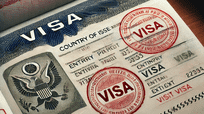
What Is An Electronic Visa (E-Visa)?
An Electronic Visa, commonly known as an E-Visa, is a digital authorization that allows travelers to enter a foreign country without needing a traditional paper visa. This modern visa system has revolutionized international travel by offering a convenient, fast, and secure online application process. Unlike conventional visas that require in-person visits to embassies or consulates, an E-Visa can be applied for from anywhere using a computer or mobile device. The process typically involves submitting personal information, passport details, and sometimes supporting documents or travel itineraries. Approved E-Visas are electronically linked to the traveler’s passport, reducing the risk of loss, theft, or forgery while streamlining border entry procedures.
How Does An Electronic Visa (E-Visa) Work?
An E-Visa works by allowing applicants to complete their visa application online through official government portals. Once the applicant submits the required information and pays the applicable fees, the system processes the request electronically. The authorities verify the applicant’s details against security and immigration databases. Upon approval, the E-Visa is issued in a digital format, often sent via email as a PDF or QR code, which travelers present upon arrival at immigration checkpoints. This system eliminates the need for physical stamps or stickers in passports. Many countries now integrate E-Visa data with automated immigration control systems, allowing faster processing and improving border security while ensuring travelers meet the eligibility requirements before entering the country.
Benefits Of Using An Electronic Visa (E-Visa)
Using an E-Visa offers numerous benefits for travelers, including convenience, speed, and enhanced security. Applications can be completed from the comfort of one’s home without visiting embassies or consulates. E-Visas typically have shorter processing times than traditional visas, sometimes within 24 to 72 hours. They reduce paperwork and minimize human error during processing. Digital records linked to passports prevent document loss and facilitate easy verification by immigration authorities. E-Visas also allow countries to streamline border control, manage visitor data efficiently, and reduce queue times at entry points. Additionally, many E-Visa systems provide reminders for validity periods, ensuring travelers are aware of expiration dates and preventing overstays.
Eligibility Requirements For An Electronic Visa (E-Visa)
Eligibility for an E-Visa varies by country but generally requires a valid passport, sufficient funds for the trip, and no criminal record. Some nations may ask for proof of onward travel, accommodation details, or travel insurance. Applicants may need to meet age restrictions or other country-specific criteria, such as vaccination requirements. Security and immigration checks are performed electronically, and incomplete or inaccurate information can result in application denial. It is crucial to review official government websites to understand all eligibility conditions before applying. Meeting these requirements ensures a higher chance of approval and smooth entry into the destination country.
How To Apply For An Electronic Visa (E-Visa)
Applying for an E-Visa involves several simple steps. First, visit the official government portal of the destination country. Fill out the online application form with personal information, passport details, travel dates, and purpose of the visit. Upload any required documents such as photographs, passports, or itineraries. Pay the applicable visa fee through the secure payment system. Once submitted, track your application using the reference number provided. After approval, download and print the E-Visa or save it digitally on a smartphone or device. Ensure that all travel documents are accessible during airport immigration checks to facilitate a smooth entry process.
Processing Time And Fees For An Electronic Visa (E-Visa)
Processing times for an E-Visa depend on the country and type of visa. Many countries process standard tourist E-Visas within 24 to 72 hours, while more complex visa categories may take longer. Fees also vary depending on nationality, visa type, and duration of stay. Payment is typically made online via credit card or other secure digital payment methods. Some countries offer expedited services at an additional cost. Applicants should allow ample time for processing and confirm fee details on official government websites. Paying attention to these factors prevents delays, ensures timely approval, and avoids unnecessary travel disruptions.
Validity And Duration Of An Electronic Visa (E-Visa)
The validity of an E-Visa is generally linked to the purpose of travel and the regulations of the issuing country. Most E-Visas are valid for short-term visits, such as tourism, business, or transit, often ranging from 30 to 90 days. Some countries issue multiple-entry E-Visas valid for months or even a year. Travelers must respect entry dates and duration limits to avoid fines, penalties, or future travel restrictions. It is important to check both the date of issue and the expiration date, as overstaying an E-Visa can lead to legal complications. Carrying a copy of the E-Visa digitally or physically is advisable to facilitate smooth border inspections.
Security Measures And Verification Of An Electronic Visa (E-Visa)
E-Visas incorporate advanced security measures to prevent fraud and misuse. Digital encryption, QR codes, and electronic verification systems ensure authenticity and reduce the risk of counterfeit visas. Border control authorities can scan and validate E-Visas against central databases instantly, verifying traveler details in real-time. These systems also allow authorities to track overstays, illegal entries, and other immigration violations efficiently. Some E-Visa portals also include multi-factor authentication during application submission to ensure only authorized applicants can apply. This combination of technology and security protocols protects both travelers and countries while maintaining the integrity of international travel processes.
Countries That Offer Electronic Visa (E-Visa) Services
Many countries now provide E-Visa services to simplify travel for international visitors. Popular destinations include India, Australia, Turkey, the United Arab Emirates, Kenya, and Sri Lanka. Each country has specific application portals, fee structures, and eligibility criteria. Some countries offer multiple visa categories such as tourist, business, and transit E-Visas. Availability is often determined by bilateral agreements, security considerations, and tourism strategies. Travelers should always access official government websites to ensure they are using legitimate portals, avoiding third-party scams. Using an authorized E-Visa service ensures smooth entry, legal compliance, and reduces the risk of delays or denial at the border.
Common Challenges And Tips For Electronic Visa (E-Visa) Applicants
Common challenges when applying for an E-Visa include entering incorrect passport information, missing documentation, and payment issues. To avoid these problems, applicants should double-check all data before submission, ensure documents meet specified formats, and use secure payment methods. Maintaining a digital and printed copy of the E-Visa is essential for border inspections. Additionally, planning ahead is crucial, as last-minute applications may encounter delays or processing failures. Staying informed about country-specific regulations, visa validity periods, and entry requirements helps applicants navigate the process efficiently, preventing travel interruptions and ensuring a seamless international experience.
Conclusion
Electronic Visas have transformed international travel by offering a fast, secure, and convenient alternative to traditional paper visas. With streamlined online applications, digital verification, and efficient border processing, E-Visas simplify entry into foreign countries while maintaining strict security standards. By understanding eligibility requirements, application procedures, processing times, fees, and validity periods, travelers can maximize the benefits of E-Visas and enjoy a hassle-free journey. With more countries adopting digital visa systems, staying informed and prepared ensures smooth travel experiences and compliance with international immigration regulations.
Frequently Asked Questions
1. What Is An Electronic Visa (E-Visa)?
An Electronic Visa (E-Visa) is a digital travel authorization that allows individuals to enter a foreign country without the need for a traditional paper visa. E-Visas are applied for online, linking the approval directly to the traveler’s passport. This process eliminates the need for in-person embassy visits, offering convenience, speed, and security. Applicants submit personal details, passport information, and sometimes supporting documents like travel itineraries. Upon approval, the E-Visa is sent electronically, often as a PDF or QR code, and must be presented during border entry. E-Visas are widely adopted globally, streamlining international travel and reducing the risks of lost or forged documents while ensuring travelers meet immigration requirements efficiently.
2. How Do I Apply For An Electronic Visa (E-Visa)?
Applying for an E-Visa involves visiting the official government portal of the destination country, filling out the online form with personal and passport details, and submitting any required documents. Applicants must pay the applicable visa fee online through a secure payment method. After submission, a reference number is provided to track the application status. Once approved, the E-Visa is sent electronically via email, often as a downloadable PDF or QR code, which must be presented upon arrival. Following official instructions and ensuring all information is accurate increases approval chances, avoids delays, and ensures a smooth entry process.
3. What Are The Eligibility Requirements For Obtaining An Electronic Visa (E-Visa)?
Eligibility requirements vary by country but usually include a valid passport, proof of sufficient funds, and no criminal record. Some countries may require onward travel details, accommodation information, or travel insurance. Age restrictions or vaccination requirements may apply. Electronic verification checks security and immigration databases for all applicants, and incomplete or inaccurate information can result in denial. It is essential to review the destination country’s official E-Visa guidelines before applying. Meeting these criteria ensures a higher likelihood of approval, reduces the risk of travel interruptions, and guarantees compliance with international immigration laws and regulations.
4. How Long Does It Take To Get An Electronic Visa (E-Visa)?
Processing times for E-Visas vary depending on the country and visa type. Many countries offer standard processing within 24 to 72 hours for tourist visas, while business or long-term visas may take longer. Expedited processing may be available for an additional fee. Timely application and accurate submission of documents are crucial to avoid delays. Tracking tools provided by official portals allow applicants to monitor the status of their E-Visa. Planning ahead is recommended, especially for urgent travel, to ensure the E-Visa is approved and received before departure, preventing travel disruptions and ensuring compliance with immigration regulations.
5. How Much Does An Electronic Visa (E-Visa) Cost?
The cost of an E-Visa depends on the destination country, visa type, and duration of stay. Tourist E-Visas generally have lower fees, while business, transit, or multi-entry visas may cost more. Payments are usually made online through secure credit card systems. Some countries also offer expedited processing for an additional charge. It is crucial to check official government portals for accurate fee information, as third-party services may charge extra fees. Being aware of costs beforehand allows travelers to budget accordingly and prevents delays or complications that can arise from incomplete or incorrect payment submissions.
6. What Is The Validity Period Of An Electronic Visa (E-Visa)?
The validity period of an E-Visa depends on the issuing country and the type of visa. Short-term tourist or business E-Visas usually last between 30 to 90 days, while some multiple-entry E-Visas can be valid for up to one year. Travelers must respect entry dates and duration limits to avoid fines, penalties, or future travel restrictions. It is essential to check both the issue and expiration dates of the E-Visa. Carrying digital and printed copies during travel ensures smooth entry at border controls. Understanding validity periods helps travelers plan their trips efficiently and comply with immigration regulations.
7. Can I Extend My Electronic Visa (E-Visa)?
Some countries allow the extension of E-Visas, but this depends on local immigration regulations. Extensions usually require submitting a formal request to the immigration authorities, often before the original E-Visa expires. Supporting documents, such as proof of funds, accommodation, and reason for extension, may be required. Processing times and fees for extensions vary. Not all countries permit extensions, and overstaying can lead to fines, deportation, or travel bans. Travelers must check official government guidelines and comply with local laws to ensure legal residency during their visit. Planning extensions in advance minimizes risks and avoids travel disruptions.
8. Is An Electronic Visa (E-Visa) Safe To Use?
Yes, E-Visas are generally safe as they use secure online portals with encryption and authentication protocols. Digital records linked to passports reduce the risk of document loss or forgery. Border authorities can instantly verify E-Visa authenticity through QR codes or electronic databases. Security features such as multi-factor authentication during application submission add another layer of protection. Using official government websites ensures safety, while third-party or unofficial services may pose fraud risks. Travelers are advised to follow security guidelines strictly, maintain digital and printed copies, and confirm the legitimacy of portals to ensure a secure and smooth travel experience.
9. Do I Need A Printed Copy Of My Electronic Visa (E-Visa)?
While some countries accept only digital copies of E-Visas, carrying a printed version is highly recommended. Having both digital and printed copies ensures smooth border entry in case of device failure, connectivity issues, or scanning problems. Immigration authorities may require showing the E-Visa alongside a passport, travel itinerary, or other documents. A printed copy also provides peace of mind and facilitates faster verification. Travelers should follow the destination country’s official instructions regarding presentation formats. Being prepared with multiple copies reduces stress, prevents delays, and ensures compliance with entry requirements.
10. Can I Apply For An Electronic Visa (E-Visa) On Behalf Of Someone Else?
Yes, in many cases, an authorized person can apply for an E-Visa on behalf of a traveler. This often requires the applicant’s consent, complete and accurate personal information, passport details, and sometimes supporting documents. Payment of fees must be made through the designated application portal. Some countries may require additional authorization forms or legal consent letters. It is important to ensure that all information is accurate and submitted through official portals. Incorrect or incomplete applications may lead to denial or travel delays. Following official procedures guarantees approval and smooth entry for the intended traveler.
11. How Do I Check The Status Of My Electronic Visa (E-Visa)?
Most E-Visa systems provide tracking tools that allow applicants to check the status of their application online. Using a reference number or application ID, applicants can log into the official portal to see updates, including approval, pending review, or additional documentation requests. Email notifications are often sent at each stage. Monitoring the application ensures timely response to any issues, prevents delays, and allows planning for travel accordingly. If discrepancies or delays occur, contacting the official immigration or visa help desk is advisable. Accurate tracking helps travelers stay informed and ensures readiness before departure.
12. Are There Any Restrictions With An Electronic Visa (E-Visa)?
Yes, E-Visas may have restrictions depending on the issuing country. Common limitations include specific travel purposes such as tourism, business, or transit only. Some E-Visas are single-entry, prohibiting re-entry once exited, while others may restrict the duration of stay. Certain countries may impose geographic restrictions, forbidding travel to specific areas. Employment or study may not be permitted unless explicitly stated. Overstaying or violating restrictions can lead to fines, deportation, or bans on future entry. Travelers must carefully review the terms and conditions associated with the E-Visa to ensure compliance and avoid legal issues during their visit.
13. Can I Use An Electronic Visa (E-Visa) For Multiple Countries?
No, E-Visas are country-specific and cannot be used for entry into multiple countries unless a regional agreement exists, such as the Schengen visa system in Europe. Each country requires its own E-Visa application and approval. Attempting to enter a different country with an E-Visa not issued for that destination may result in denial of entry. Travelers should research visa requirements for all countries on their itinerary and obtain the appropriate E-Visas before departure. Compliance with each country’s visa regulations ensures smooth border processing and avoids travel disruptions or legal penalties.
14. How Long Can I Stay In A Country With An Electronic Visa (E-Visa)?
The allowed stay with an E-Visa depends on the type of visa and the country’s regulations. Typically, tourist or business E-Visas permit stays ranging from 30 to 90 days. Multi-entry visas may allow cumulative stays over several months within the visa’s validity period. Travelers must respect the duration to avoid fines, deportation, or restrictions on future travel. Immigration officers may check arrival and departure dates upon entry. It is important to plan the trip accordingly, ensuring that all activities fit within the allowed period. Overstaying can negatively affect travel history and future visa applications.
15. What Documents Are Required For An Electronic Visa (E-Visa) Application?
Required documents for an E-Visa usually include a valid passport, passport-sized photographs, travel itinerary, proof of accommodation, and sometimes travel insurance. Certain countries may require additional documents like vaccination certificates or proof of financial means. All documents must meet the specified format and quality standards outlined on the official government portal. Accurate and complete submission ensures faster processing and reduces the risk of rejection. Applicants should review the destination country’s E-Visa guidelines carefully to prepare the required documents before starting the application, guaranteeing a smooth and successful approval process.
16. Can Minors Apply For An Electronic Visa (E-Visa)?
Yes, minors can apply for an E-Visa, but usually with parental or legal guardian consent. Application requirements include the child’s passport, photographs, and supporting documents demonstrating guardianship or consent. Some countries may request additional documents such as birth certificates or travel authorization letters. Guardians must ensure accuracy in the application to prevent delays or denials. The E-Visa is linked to the minor’s passport and must be presented at immigration along with the guardian if required. Following official guidelines guarantees safe travel for minors and compliance with the destination country’s immigration policies.
17. What Should I Do If My Electronic Visa (E-Visa) Is Rejected?
If an E-Visa application is rejected, review the rejection notice to understand the reason, such as incomplete information, ineligibility, or document issues. Correct errors or provide missing documentation and reapply through the official portal. Avoid submitting applications through unofficial websites to prevent further issues. Some countries may allow appeals or additional review, depending on regulations. It is important to reapply well in advance of planned travel to account for processing time. Understanding and addressing the reason for rejection increases the likelihood of approval in subsequent applications.
18. Can I Travel With An Electronic Visa (E-Visa) On A Mobile Device?
Many countries accept digital copies of E-Visas on mobile devices; however, carrying a printed backup is recommended. Devices may fail due to battery issues, network problems, or technical errors. Border authorities may request scanning or verification of the E-Visa along with a passport. Having both digital and printed copies ensures smooth entry, compliance with immigration requirements, and prevents travel disruptions. Travelers should check the destination country’s specific instructions regarding electronic presentation and be prepared with all necessary documentation. Proper preparation guarantees a seamless entry experience and avoids unnecessary complications.
19. Can I Cancel Or Modify An Electronic Visa (E-Visa) After Approval?
Once an E-Visa is approved, cancellation or modification is generally limited and subject to the issuing country’s regulations. Some countries allow changes to travel dates or personal information through official portals, often with additional fees. Cancellation policies vary, and fees may be non-refundable. Attempting to travel with incorrect E-Visa information can result in denial of entry. Always verify options with the official government portal before making travel adjustments. Following proper procedures ensures compliance with immigration rules and prevents complications at border checkpoints, maintaining the validity and legality of the travel authorization.
20. Are Electronic Visas (E-Visas) Recognized Globally?
Electronic Visas are increasingly recognized worldwide, with many countries adopting digital systems to streamline entry processes. While most nations with E-Visa programs accept them, recognition is country-specific, and travelers must obtain separate E-Visas for each destination unless regional agreements exist. Global recognition enhances convenience, reduces processing times, and strengthens border security. Travelers should verify that the destination country offers official E-Visa services and comply with local regulations. Using legitimate E-Visa portals ensures smooth entry, legal travel compliance, and minimizes risks associated with fraudulent or unrecognized visa documents.
FURTHER READING
- What Is The Validity Period Of A Medical Visa?
- How Much Does A Medical Visa Cost?
- How Long Does It Take To Get A Medical Visa?
- What Are The Eligibility Requirements For Obtaining A Medical Visa?
- How To Apply For And Get A Medical Visa
- What Is A Medical Visa? | Definition, Eligiblity Requirements, Cost, Documents, Duration, Validity Period, How To Apply For A Medical Visa
- What Is The Validity Period Of A Religious Visa?
- How Much Does A Religious Visa Cost?
- How Long Does It Take To Get A Religious Visa?
- What Are The Eligibility Requirements For Obtaining A Religious Visa?
- How To Apply For And Get A Religious Visa