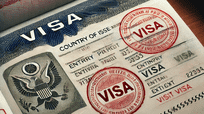
What Is An Electronic Visa (E-Visa)?
An Electronic Visa (E-Visa) is an official digital authorization allowing travelers to enter a specific country for a predetermined period. Unlike traditional visas, which require visiting an embassy or consulate, E-Visas are applied for online, providing convenience, faster processing, and secure approval notifications via email. E-Visas are widely adopted globally to streamline tourism, business trips, and short-term stays, reducing paperwork and the need for physical stamps in passports. They are linked electronically to the traveler’s passport and can be verified digitally by immigration authorities. Countries issuing E-Visas often specify eligibility criteria, permissible durations, and acceptable travel purposes, making it essential for applicants to understand the requirements before applying.
Key Eligibility Criteria For Obtaining An E-Visa
Eligibility requirements for obtaining an E-Visa typically include nationality restrictions, passport validity, and purpose of travel. Most countries issuing E-Visas only accept applicants from certain countries and require that the passport remains valid for at least six months beyond the intended date of entry. Applicants must demonstrate the purpose of their visit, such as tourism, business, or medical treatment, and sometimes provide proof of accommodation, return tickets, or sufficient funds. Criminal background checks and health-related declarations may also be required. Meeting these basic eligibility standards ensures that applicants are considered for approval, reducing the risk of rejection or delays during the application process.
Required Documents And Information For E-Visa Application
When applying for an E-Visa, travelers must provide accurate personal details, passport information, and sometimes supporting documentation. Essential documents include a valid passport, a digital photograph meeting specific requirements, and evidence of travel arrangements such as flight tickets and hotel bookings. Certain countries may require additional documents, such as invitation letters, financial statements, or proof of vaccination. Accuracy is critical, as discrepancies between the application and the passport can result in rejection. The E-Visa application form typically requires contact details, travel history, and the intended dates of travel. Preparing all necessary documents beforehand streamlines the process and increases the likelihood of successful approval.
Age And Health Requirements For E-Visa Applicants
Many countries issuing E-Visas have age and health requirements to ensure safety and eligibility for travel. Minors often need parental consent or accompanying guardians, and some countries set age-specific criteria for certain visa categories. Health requirements may include vaccinations, medical certificates, or declarations regarding contagious diseases. Travelers with serious health conditions may need to submit additional documentation to demonstrate their ability to travel safely. Compliance with these requirements is essential for approval, as immigration authorities prioritize public health and safety. Understanding and meeting age and health criteria in advance prevents delays and complications during both the application and entry processes.
Financial Requirements For E-Visa Applicants
Applicants for E-Visas must demonstrate financial stability to cover expenses during their stay. Proof of sufficient funds, such as bank statements, credit card limits, or sponsorship letters, is commonly required. The amount considered “sufficient” varies depending on the country, travel duration, and type of visa. Some countries also require evidence of prepaid accommodations or a confirmed itinerary to prove that travelers can support themselves without becoming a burden on the host country. Meeting financial requirements reduces the risk of visa refusal and ensures a smoother entry process. Proper documentation of finances shows immigration authorities that the traveler can responsibly manage costs during their visit.
Travel History And Previous Visa Compliance
Previous travel history and compliance with visa regulations are important factors for E-Visa eligibility. Countries often consider prior refusals, overstays, or violations of visa terms when evaluating new applications. Travelers with a clean record of adherence to immigration rules are more likely to obtain approval quickly. Providing accurate information about previous visas, travel destinations, and entry-exit dates helps maintain transparency. Misrepresentation or omissions can lead to application denial or blacklisting. Maintaining a record of responsible travel behavior demonstrates reliability to immigration authorities, increasing the chances of obtaining an E-Visa for future visits.
How To Apply For An E-Visa
The application process for an E-Visa is generally straightforward but requires attention to detail. Travelers must complete an online form with personal information, passport details, travel plans, and supporting documents. After submission, applicants usually pay a non-refundable fee online using secure payment methods. Once processed, the E-Visa approval is sent via email, which the traveler must print or save digitally for presentation upon arrival. Processing times vary by country, ranging from a few hours to several days, depending on verification procedures. Following the instructions carefully and providing complete, accurate information ensures timely approval and smooth entry at the destination.
Duration Of Stay And Validity Of E-Visa
E-Visas are typically issued for specific durations and purposes, such as short-term tourism or business trips. The validity period varies by country, and travelers must enter within the designated timeframe. Overstaying or using the visa for unauthorized purposes can result in fines, deportation, or future entry restrictions. Many E-Visas allow single or multiple entries, and the total duration of stay is clearly indicated on the approval notice. Understanding these limits helps travelers plan their itineraries and comply with local regulations. Awareness of validity and duration ensures a smooth travel experience and prevents complications with immigration authorities upon arrival or departure.
Benefits Of Obtaining An E-Visa
Obtaining an E-Visa offers multiple advantages over traditional visa methods. The online application process is convenient, reducing the need to visit embassies or consulates. Processing is often faster, and approval notifications are received electronically, simplifying travel planning. E-Visas are secure, as they are linked to the traveler’s passport and verified digitally at border controls. Many countries also use E-Visas to enhance tourism and international business by providing flexible options for short-term visits. Travelers can track their application status online and avoid excessive paperwork. Overall, E-Visas streamline the travel experience while maintaining safety, security, and compliance with immigration regulations.
Common Reasons For E-Visa Denial
E-Visa applications can be denied for several reasons, including incomplete documentation, inaccurate information, failure to meet eligibility criteria, or previous immigration violations. Criminal records, security concerns, or health risks may also lead to refusal. Financial insufficiency, lack of travel proof, or discrepancies in travel history can negatively impact approval chances. Applicants who fail to meet age, health, or nationality requirements may also be rejected. Understanding common pitfalls helps travelers prepare thoroughly, ensuring all documents are accurate, up-to-date, and aligned with the destination country’s regulations. Careful preparation reduces the risk of denial and facilitates a smoother entry process.
Conclusion
Obtaining an Electronic Visa (E-Visa) requires understanding and meeting specific eligibility requirements, including nationality, passport validity, travel purpose, age, health, and financial stability. Preparing accurate documentation, complying with visa regulations, and following the online application process carefully can increase the likelihood of approval. E-Visas offer convenience, faster processing, and secure entry for travelers worldwide, streamlining tourism, business, and short-term visits. Awareness of common reasons for denial and adherence to all criteria ensures a smooth travel experience and helps travelers enjoy the benefits of digital visa solutions. By meeting these requirements, individuals can confidently plan their trips and gain seamless access to their destinations.
Frequently Asked Questions
1. What Are The Eligibility Requirements For Obtaining An Electronic Visa (E-Visa)?
The eligibility requirements for obtaining an electronic visa (E-Visa) generally include possessing a valid passport, meeting nationality restrictions, and having a clear purpose for travel such as tourism, business, or medical treatment. Applicants must usually provide accurate personal details, travel itinerary, proof of financial stability, and sometimes supporting documents such as hotel bookings or invitation letters. Age and health criteria, including vaccinations or parental consent for minors, may also apply. Previous visa compliance and a clean travel record are often considered. Meeting these criteria ensures that immigration authorities can approve the E-Visa, allowing entry for the specified duration and purpose while minimizing the risk of denial or complications.
2. How Do I Apply For And Get An Electronic Visa (E-Visa)?
To apply for and obtain an electronic visa (E-Visa), you must complete an online application form, providing your personal information, passport details, travel plans, and required supporting documents. After submission, payment of the applicable visa fee is made electronically using secure methods. Processing times vary depending on the country, usually ranging from a few hours to several days. Once approved, the E-Visa is sent via email and can be printed or saved digitally for presentation at immigration checkpoints. Careful attention to detail, accurate information, and submission of all required documentation increases the likelihood of approval and ensures a smooth entry experience into the destination country.
3. What Are The Nationality Requirements For Obtaining An Electronic Visa (E-Visa)?
Nationality requirements for obtaining an electronic visa (E-Visa) specify which countries’ citizens are eligible to apply. Not all nations are permitted to use the E-Visa system for a particular country, and eligibility often depends on bilateral agreements, security concerns, or immigration policies. Applicants must verify their nationality against the issuing country’s official list to ensure eligibility. Ineligible applicants must pursue traditional visa channels instead. Providing false information regarding nationality can result in application rejection or future travel restrictions. Confirming eligibility based on nationality before applying helps prevent delays, ensures compliance with regulations, and increases the chances of successful E-Visa approval for the intended travel purpose.
4. What Passport Validity Is Required For An Electronic Visa (E-Visa)?
Most countries issuing an electronic visa (E-Visa) require that the applicant’s passport be valid for at least six months beyond the intended date of entry. Some destinations may have shorter or longer validity requirements, depending on regulations. A passport must be in good condition with no significant damage, and it should have enough blank pages for entry stamps if needed. Expired or soon-to-expire passports can lead to E-Visa denial. Ensuring that your passport meets the validity criteria before applying is essential to prevent delays or rejection. Checking the specific country’s passport requirements guarantees compliance and facilitates a smooth approval process for your E-Visa application.
5. Are There Age Requirements For Obtaining An Electronic Visa (E-Visa)?
Age requirements for obtaining an electronic visa (E-Visa) vary by country and visa type. Minors often need parental consent or an accompanying adult to travel legally. Some E-Visa categories may have minimum age restrictions for independent travel or business purposes. Elderly travelers generally face no age barriers unless health concerns are relevant. Providing accurate age information and, where applicable, consent forms or legal documents ensures compliance with regulations. Meeting age requirements helps prevent application denial and ensures safe, legal travel. Awareness of these requirements before applying is crucial for families, minors, and individuals traveling independently, allowing them to prepare the necessary documentation for approval.
6. What Health Requirements Must Be Met For An Electronic Visa (E-Visa)?
Health requirements for obtaining an electronic visa (E-Visa) may include proof of vaccinations, medical certificates, or declarations regarding contagious diseases. Certain countries require travelers to be free from specific infections or provide evidence of recent vaccinations such as yellow fever or COVID-19. Applicants with pre-existing conditions may need additional documentation to demonstrate their ability to travel safely. Health compliance is crucial to prevent entry denial and protect public health. Accurate reporting of medical conditions and fulfillment of all required health documentation ensures smooth approval. Understanding these requirements in advance allows travelers to meet standards, maintain eligibility, and avoid complications upon arrival at the destination.
7. What Financial Documentation Is Required For An Electronic Visa (E-Visa)?
Applicants for an electronic visa (E-Visa) must demonstrate sufficient funds to cover expenses during their stay. Acceptable proof includes bank statements, credit card limits, or sponsorship letters, depending on the country. The required financial threshold varies based on travel duration, visa type, and destination. Some countries may also request evidence of prepaid accommodations or confirmed itineraries. Providing accurate financial documentation reassures immigration authorities that travelers can manage expenses without becoming a burden. Failure to meet financial criteria can result in visa denial. Preparing and submitting proper financial evidence ensures compliance, facilitates approval, and contributes to a smooth entry experience for E-Visa holders.
8. Is Previous Travel History Important For Obtaining An Electronic Visa (E-Visa)?
Previous travel history plays a significant role in obtaining an electronic visa (E-Visa). Immigration authorities consider prior visa approvals, compliance with entry and exit regulations, and any overstays or violations. Applicants with a clean travel record are generally more likely to receive approval. Accurate disclosure of past travel destinations and visa details is critical, as omissions or false information can lead to application rejection or future restrictions. A responsible travel history demonstrates reliability and trustworthiness to immigration authorities. Maintaining a record of compliant travel behavior enhances the chances of E-Visa approval and ensures smoother processing for both short-term visits and multiple-entry visas in the future.
9. How Long Does It Take To Process An Electronic Visa (E-Visa)?
Processing times for an electronic visa (E-Visa) vary depending on the issuing country, application completeness, and verification procedures. Some countries provide approvals within hours, while others may take several days or longer. Factors influencing processing time include the applicant’s nationality, travel purpose, and the accuracy of submitted documents. Urgent or expedited processing options may be available for additional fees. It is essential to apply well in advance of travel to account for processing time and potential delays. Monitoring application status online helps applicants stay informed. Timely submission with accurate documentation ensures faster approval and prevents last-minute travel complications.
10. Can E-Visas Be Used For Multiple Entries?
Some electronic visas (E-Visas) allow multiple entries, enabling travelers to enter and exit the issuing country several times within a specified validity period. Single-entry E-Visas permit only one entry, after which the visa expires. Multiple-entry eligibility depends on the visa type, purpose of travel, and issuing country policies. Travelers must adhere strictly to the total permitted duration and entry regulations. Using an E-Visa outside its allowed entries can result in fines, deportation, or future travel restrictions. Understanding entry limitations ensures compliance and avoids legal issues. Checking the type of E-Visa being issued helps travelers plan itineraries accordingly and maintain smooth travel experiences.
11. Are There Travel Purpose Restrictions For An E-Visa?
Electronic visas (E-Visas) are issued for specific purposes such as tourism, business, medical treatment, or transit. Using the visa for unauthorized activities like employment or long-term residence is strictly prohibited. Travel purpose restrictions are enforced by immigration authorities to ensure compliance with national regulations. Applicants must provide supporting documents proving their travel intent, such as hotel bookings, business invitations, or medical appointments. Violating these restrictions can result in fines, deportation, or future visa denial. Awareness and adherence to travel purpose requirements are essential for successful E-Visa approval and lawful entry, ensuring a smooth and trouble-free visit to the destination country.
12. How Much Does An Electronic Visa (E-Visa) Cost?
The cost of an electronic visa (E-Visa) varies by country, visa type, and duration of stay. Fees are usually paid online during the application process using secure payment methods. Some countries offer different pricing for single-entry versus multiple-entry visas, or expedited processing options. The fee is generally non-refundable, even if the application is denied. Applicants should check the official government portal for accurate and up-to-date fees before applying. Proper payment ensures application processing and helps avoid delays. Understanding the cost beforehand allows travelers to budget appropriately, facilitating smooth planning and timely approval of their E-Visa application.
13. Can E-Visa Applications Be Denied?
Yes, electronic visa (E-Visa) applications can be denied for various reasons. Common causes include incomplete or inaccurate information, failure to meet eligibility requirements, insufficient financial documentation, previous immigration violations, or health-related concerns. Providing false or misleading information can result in immediate rejection or future travel restrictions. Criminal records or security risks are also significant factors. To minimize the risk of denial, applicants should carefully follow application instructions, ensure accuracy, and submit all required documents. Awareness of common pitfalls and adherence to regulations improves approval chances, enabling smooth entry and compliance with immigration policies for the intended travel duration.
14. How Can I Check The Status Of My E-Visa Application?
Most countries offering electronic visas (E-Visas) provide online portals to check application status. Applicants need their reference number or passport information to log in and monitor progress. Status updates typically indicate whether the application is under review, approved, or requires additional documentation. Timely monitoring allows applicants to address any issues promptly, ensuring smooth processing and preventing delays. Some countries also send email notifications for status changes. Checking the status regularly provides peace of mind and ensures travelers are informed about the approval timeline. Proper tracking enhances planning efficiency and helps avoid last-minute complications at immigration checkpoints.
15. What Are The Entry Requirements With An E-Visa?
Entry requirements with an electronic visa (E-Visa) include presenting a valid passport linked to the approved E-Visa, complying with health regulations, and providing supporting documentation if requested. Immigration officers may ask about travel purpose, accommodation, financial means, and return or onward travel plans. Travelers must adhere to the validity period and entry limits specified in the E-Visa approval. Non-compliance can result in denial of entry, fines, or deportation. Being prepared with all necessary documents and understanding entry protocols ensures smooth passage through immigration. Awareness of requirements helps travelers avoid legal issues and enjoy a seamless visit to the destination country.
16. Is Travel Insurance Required For An E-Visa?
Some countries issuing electronic visas (E-Visas) require travelers to have valid travel insurance covering medical expenses, accidents, or emergencies. Insurance helps protect both the traveler and the host country in case of unexpected situations. Proof of coverage may need to be submitted during the application process or presented upon arrival. While not all countries mandate insurance, having comprehensive travel coverage is recommended for safety and compliance. Meeting insurance requirements improves the chances of E-Visa approval and provides financial security during the trip. Understanding the necessity of insurance beforehand ensures travelers are adequately prepared for health and travel contingencies.
17. Can Minors Apply For An E-Visa Independently?
Minors typically cannot apply for an electronic visa (E-Visa) independently in most countries. Parental consent or accompaniment by a guardian is often required. Some E-Visa systems allow parents to submit applications on behalf of children, providing proof of guardianship and identification. Age verification and supporting documentation, such as birth certificates, are generally mandatory. Compliance with these rules ensures safe and legal travel for minors. Attempting independent application without required authorization may lead to rejection or denial at the border. Understanding the process and preparing all necessary documents for minors ensures successful E-Visa approval and a smooth entry experience.
18. Can E-Visas Be Renewed Or Extended?
Renewal or extension of electronic visas (E-Visas) is usually restricted and depends on the issuing country’s policies. Many E-Visas are valid for a single visit or limited duration, and extensions require special approval. Travelers must apply before the visa expires and provide justification for the extension, along with updated financial, health, and travel documentation. Failure to comply with extension procedures can result in fines or legal issues. Checking the rules in advance allows travelers to plan accordingly and seek proper authorization if needed. Understanding renewal or extension limitations ensures compliance and avoids overstaying, maintaining eligibility for future E-Visa applications.
19. Are There Security Checks For E-Visa Applicants?
Yes, electronic visa (E-Visa) applicants often undergo security checks as part of the approval process. These may include background checks for criminal records, terrorism watchlists, or prior
You said:
Continue
ChatGPT said:
immigration violations. Some countries also perform security screenings based on travel history, nationality, or visa category. The purpose is to ensure the safety of both the applicant and the host country. Applicants must provide accurate personal information, passport details, and, if required, biometric data or photographs. Failure to meet security requirements or providing false information can lead to immediate denial, blacklisting, or future travel restrictions. Compliance with security checks ensures a smooth approval process and lawful entry. Being aware of these procedures helps applicants prepare properly, submit truthful information, and avoid complications during immigration processing.
20. What Should I Do If My E-Visa Is Denied?
If your electronic visa (E-Visa) is denied, first carefully review the rejection notice to understand the reasons for refusal. Common causes include incomplete applications, inaccurate information, insufficient documentation, or failure to meet eligibility criteria. Address the issues identified and prepare a new application, ensuring all required documents are complete, accurate, and compliant with the destination country’s regulations. Some countries allow appeals or reapplication within a specific timeframe, while others require starting a fresh application. Consulting the official government portal or contacting consular services can provide guidance. Taking corrective steps and submitting a thoroughly prepared application improves the chances of approval on subsequent attempts.
Further Reading
- How To Apply For And Get An Electronic Visa (E-Visa)
- How Does An Electronic Visa (E-Visa) Work?
- What Is An Electronic Visa (E-Visa)? | Definition, Benefits, Challenges, Workings, Eligibility Requirements, Validity, Duration, How To Apply For An Electronic Visa (E-Visa)
- What Is The Validity Period Of A Medical Visa?
- How Much Does A Medical Visa Cost?
- How Long Does It Take To Get A Medical Visa?
- What Are The Eligibility Requirements For Obtaining A Medical Visa?
- How To Apply For And Get A Medical Visa
- What Is A Medical Visa? | Definition, Eligiblity Requirements, Cost, Documents, Duration, Validity Period, How To Apply For A Medical Visa
- What Is The Validity Period Of A Religious Visa?
- How Much Does A Religious Visa Cost?