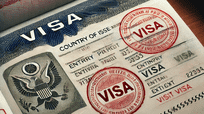
What Is An Electronic Visa (E-Visa)?
An Electronic Visa (E-Visa) is a digital authorization issued by a country’s immigration authority that allows foreign nationals to enter and stay in that country for a specified purpose and duration. Unlike traditional visas, which are stamped on a physical passport, an E-Visa is linked electronically to the applicant’s passport and can often be obtained entirely online without visiting an embassy or consulate. E-Visas are designed to simplify travel procedures, reduce paperwork, and accelerate the visa approval process. They are commonly used for tourism, business trips, short-term study programs, or transit purposes. Most countries issue E-Visas with specific entry points, validity periods, and conditions that must be strictly followed to avoid legal issues or denial of entry.
How Does An Electronic Visa (E-Visa) Work?
An Electronic Visa works by linking an approved digital visa to the passport of the traveler. Once the application is submitted online and approved, the visa is electronically stored in the country’s immigration database. When the traveler arrives at the border, immigration authorities verify the passport against the electronic record. The E-Visa often contains details such as entry type, number of entries allowed, duration of stay, and expiration date. Travelers usually receive a confirmation email or a downloadable PDF that serves as proof of approval. It is crucial to ensure that the passport used for the application is valid for the required period beyond the intended stay to comply with immigration regulations.
What Are The Types Of Electronic Visas?
Electronic Visas come in several types depending on the traveler’s purpose and the issuing country’s regulations. Common types include tourist E-Visas for leisure travel, business E-Visas for commercial or professional visits, transit E-Visas for layovers or connecting flights, and student E-Visas for short-term study programs. Some countries also issue diplomatic or official E-Visas for government representatives. Each type has unique requirements, such as supporting documents, eligibility criteria, and restrictions on activities during the stay. The duration and validity period of each E-Visa type can differ significantly, which makes understanding the specific regulations of the destination country essential for avoiding overstays or entry denial.
What Is The Validity Period Of An Electronic Visa (E-Visa)?
The validity period of an Electronic Visa varies based on the issuing country and the type of visa. Typically, E-Visas are valid for a specific timeframe starting from the date of issue or the intended date of travel. Short-term tourist E-Visas may be valid for 30, 60, or 90 days, allowing single or multiple entries within that period. Business or transit E-Visas may have shorter validity spans, often linked to the duration of the intended business activity or transit schedule. It is important to note that the validity period does not always equate to the permitted duration of stay; for example, a 90-day valid E-Visa may only allow 30 days per visit. Understanding both the validity and allowed stay duration is critical for planning travel and avoiding penalties.
How Can Travelers Check The Validity Of Their E-Visa?
Travelers can check the validity of their E-Visa by reviewing the official confirmation email or PDF issued by the immigration authority. Many countries provide online portals where applicants can verify visa status using their application number, passport number, or other identification details. It is essential to confirm the expiration date, the allowed duration of stay, and the number of permitted entries before travel. Additionally, airlines may require proof of a valid visa prior to boarding, making it crucial to ensure that the E-Visa remains valid throughout the journey. Checking validity ahead of time prevents travel disruptions and ensures compliance with the host country’s entry requirements.
What Factors Influence The Validity Period Of An E-Visa?
Several factors determine the validity period of an E-Visa. These include the type of visa, the purpose of travel, the issuing country’s immigration policies, and bilateral agreements between countries. For example, a short-term tourist visa typically has a shorter validity period than a business visa intended for multiple trips. Some countries adjust validity periods based on seasonal demand, security considerations, or the traveler’s nationality. Additionally, changes in immigration law or policy can affect previously issued E-Visas. Travelers must always review the visa conditions and confirm that their planned travel dates fall within the approved validity period to avoid legal complications or denied entry.
Can The Validity Period Of An E-Visa Be Extended?
In some cases, the validity period of an E-Visa can be extended, but this depends entirely on the regulations of the issuing country. Extensions are usually granted for exceptional circumstances, such as medical emergencies, unavoidable delays, or humanitarian reasons. The process often involves submitting a formal request to the immigration authority along with supporting documentation. Extensions are not guaranteed, and overstaying without approval can result in fines, deportation, or bans on future travel. Therefore, travelers should always plan their trips to fit within the original validity period or consult local immigration authorities well in advance if an extension may be necessary.
What Happens If An E-Visa Expires Before Travel?
If an E-Visa expires before the traveler’s departure, entry to the destination country will be denied. Airlines may also refuse boarding without a valid visa. Travelers in this situation must apply for a new E-Visa and wait for approval before attempting to travel. Some countries allow emergency or expedited processing, but these services may incur additional fees. Keeping track of the visa’s expiration date and allowing sufficient processing time is essential for avoiding last-minute disruptions. Additionally, travelers should ensure that their passport remains valid for the required duration, as some countries demand that passports are valid for six months beyond the intended date of entry.
How Does Single Entry Vs Multiple Entry Affect E-Visa Validity?
The type of entry specified on an E-Visa—single or multiple—can affect how the validity period is utilized. A single-entry E-Visa allows the traveler to enter the country only once within the visa’s validity period. Once used, the visa becomes invalid, even if the validity period has not expired. In contrast, a multiple-entry E-Visa permits several entries within the validity period, which is useful for business travelers, repeat tourists, or individuals visiting multiple regions. Understanding the entry type is crucial for travel planning, as using a single-entry visa for multiple trips can lead to denied boarding, fines, or deportation. Travelers should always comply with the entry restrictions indicated on their visa.
How To Apply For An Electronic Visa (E-Visa)
Applying for an Electronic Visa generally involves completing an online application form on the official immigration website of the destination country. Applicants must provide personal details, passport information, travel plans, and sometimes supporting documents such as photographs, flight itineraries, and proof of accommodation. Payment of the applicable visa fee is required, often via secure online methods. After submission, the application undergoes verification, and applicants receive a notification of approval or denial, typically via email. Once approved, the E-Visa is electronically linked to the applicant’s passport and should be printed or saved digitally for border control checks. Timely application is essential to ensure the E-Visa is valid before the intended travel date.
What Are The Common Restrictions Associated With E-Visas?
E-Visas often come with specific restrictions that travelers must follow. Common limitations include restrictions on employment, study, and prolonged stays. Travelers may be limited to specific entry points and must adhere to the maximum allowed duration per visit. Certain activities, such as business operations or cultural participation, may require a separate visa. Violating the terms of an E-Visa can result in fines, deportation, or bans on future travel. It is essential for travelers to thoroughly read the visa conditions and ensure that their plans align with the permitted activities. Awareness of these restrictions is crucial to maintaining compliance and avoiding legal complications during the visit.
Conclusion
Electronic Visas provide a convenient and efficient way for travelers to enter foreign countries without the traditional paperwork and embassy visits. Understanding the validity period, entry types, duration of stay, and associated restrictions is critical to ensure smooth travel experiences. Travelers should carefully check the E-Visa’s expiration date, comply with permitted activities, and verify all documentation before departure. By adhering to these guidelines, travelers can make the most of the benefits of E-Visas while avoiding legal issues, fines, or denied entry. Proper planning and awareness are key to maximizing the convenience and flexibility offered by Electronic Visas.
Frequently Asked Questions
1. What Is The Validity Period Of An Electronic Visa (E-Visa)?
The validity period of an Electronic Visa (E-Visa) refers to the specific timeframe during which the visa holder is authorized to enter the issuing country. This period typically starts from either the date of visa issuance or the intended date of travel, depending on the country’s regulations. E-Visas may have a short-term validity of 30, 60, or 90 days for tourist purposes, or longer for business, study, or diplomatic visits. It is important to note that validity does not always equal permitted duration of stay; a visa may be valid for 90 days but allow only 30 days per visit. Travelers must check the official conditions to avoid overstaying and legal penalties.
2. How Can I Check The Validity Period Of My E-Visa?
Travelers can verify the validity of their E-Visa by reviewing the confirmation email or PDF issued by the immigration authority, which includes details like expiration date, allowed duration of stay, and number of entries. Many countries also provide online portals to check visa status using the passport number or application reference. Confirming validity ensures compliance with immigration regulations, prevents travel disruption, and guarantees the visa is active for the entire duration of the journey. Checking ahead of travel is crucial, as airlines may deny boarding if the E-Visa is expired or does not meet entry requirements.
3. Does The Type Of E-Visa Affect Its Validity Period?
Yes, the type of E-Visa significantly affects its validity period. Tourist visas often have shorter validity, typically ranging from 30 to 90 days, while business, student, or diplomatic E-Visas may have longer durations to accommodate multiple trips or extended stays. Transit visas generally have very short validity tied to the connecting flight schedule. The issuing country sets these durations based on immigration policy, travel purpose, and sometimes bilateral agreements with the applicant’s home country. Understanding the type of visa and its implications is essential for planning the visit and avoiding overstays or entry denial.
4. Can The Validity Period Of An E-Visa Be Extended?
In certain cases, the validity period of an E-Visa may be extended, depending on the issuing country’s regulations. Extensions are typically allowed for emergencies such as medical issues, travel disruptions, or humanitarian reasons. Travelers must submit a formal request along with supporting documentation to the immigration authority. Approval is not guaranteed, and overstaying without authorization can lead to fines, deportation, or future travel bans. Planning within the original validity period is always recommended, and consulting local authorities in advance is critical if an extension might be necessary.
5. What Happens If My E-Visa Expires Before Travel?
If an E-Visa expires before travel, the traveler cannot enter the destination country, and airlines may refuse boarding. A new visa application is required, which may involve standard or expedited processing depending on the country. Attempting to travel with an expired E-Visa can result in denied entry or legal penalties. It is essential to monitor expiration dates, apply in advance, and ensure the passport remains valid for the required period beyond the intended stay. Staying informed prevents last-minute travel disruptions and ensures compliance with immigration regulations.
6. How Long Is A Typical E-Visa Valid?
A typical E-Visa validity ranges between 30 to 90 days for tourist purposes, though durations can vary by country and visa type. Business or study E-Visas may offer validity of several months or even a year, often with multiple-entry privileges. The validity period is determined by the issuing authority to accommodate the purpose of travel and ensure regulatory compliance. Travelers must differentiate between the visa’s validity and the maximum duration of stay per visit, which may be shorter than the overall validity. Understanding both aspects is crucial for legal travel planning and avoiding fines or deportation.
7. Does A Multiple-Entry E-Visa Affect Its Validity?
A multiple-entry E-Visa allows several entries within the visa’s validity period, while a single-entry visa becomes invalid after one entry, regardless of the remaining validity. Multiple-entry visas are beneficial for business travelers, tourists with flexible itineraries, or individuals traveling to neighboring countries. The validity period still applies, but the traveler can use it for several trips until the expiration date. Awareness of entry type ensures compliance and prevents denied entry, fines, or legal issues. Planning travel according to entry conditions is essential for smooth international travel experiences.
8. How Does Passport Validity Affect E-Visa Validity?
Passport validity is closely linked to E-Visa validity, as many countries require that the passport remain valid for six months beyond the intended date of entry. An E-Visa tied to an expiring passport may be rendered invalid or denied at boarding. Travelers should check passport expiration dates and renew if necessary before applying for an E-Visa. Ensuring both passport and E-Visa validity helps prevent travel disruptions, avoids legal complications, and meets airline and immigration requirements. Proper documentation planning is key to a seamless international journey.
9. Are Transit E-Visas Valid For The Same Period As Tourist E-Visas?
Transit E-Visas usually have much shorter validity periods than tourist E-Visas, often aligned with the traveler’s connecting flight schedule. They are designed for travelers passing through a country temporarily, sometimes only a few hours or days. Unlike tourist visas, transit visas do not typically permit extended stays or multiple entries. Travelers must comply strictly with the validity period to avoid fines, denied boarding, or deportation. Checking the specific transit visa regulations of the destination country ensures smooth travel and avoids unnecessary complications during layovers.
10. Can I Use An E-Visa After Its Expiration Date?
No, an E-Visa cannot be used after its expiration date. Attempting to travel with an expired E-Visa can result in denied boarding by airlines and refused entry at the border. Travelers must reapply for a new visa and obtain approval before attempting to enter the destination country. Some countries may offer expedited processing for urgent travel needs, but these services may involve additional fees. Monitoring the E-Visa expiration date and applying early ensures compliance with immigration regulations and prevents travel interruptions or legal issues.
11. How Do Different Countries Determine E-Visa Validity?
Different countries determine E-Visa validity based on the type of visa, purpose of travel, nationality of the applicant, and bilateral agreements with other countries. Short-term tourist visas often have shorter validity, while business or study visas may allow multiple entries and longer durations. Seasonal considerations, security protocols, and immigration policies also influence validity periods. Travelers must review the specific regulations of the destination country to ensure their travel plans fit within the authorized timeframe. Compliance with these rules is essential for avoiding fines, denied entry, or future visa restrictions.
12. What Is The Maximum Duration Of Stay Allowed On An E-Visa?
The maximum duration of stay allowed on an E-Visa is usually shorter than the total validity period. For example, a visa valid for 90 days may permit a maximum stay of only 30 or 60 days per visit. This duration is strictly enforced by immigration authorities, and overstaying can result in fines, deportation, or travel bans. Travelers should verify both the validity period and allowed stay to plan trips effectively. Adhering to the authorized duration ensures compliance with immigration laws and allows travelers to fully benefit from the convenience of Electronic Visas without risking legal complications.
13. Do E-Visas Expire If Not Used Immediately?
Yes, E-Visas can expire even if not used immediately. The expiration date is typically set from the issuance date or intended travel date, and failing to enter the country within that period renders the visa invalid. Travelers must plan their trips within the specified timeframe and avoid delays that might lead to expiration. Some countries may offer the option to reapply if the visa expires unused, but this may involve additional fees and processing time. Careful attention to the visa’s validity ensures legal travel and prevents complications at the airport or border.
14. How Important Is It To Track E-Visa Expiration Dates?
Tracking E-Visa expiration dates is critical to prevent travel disruptions, denied boarding, and legal penalties. Airlines often check visa validity before departure, and immigration authorities may refuse entry if the visa has expired. Travelers should maintain a calendar of visa expiration and consider passport validity requirements. Timely application for renewal or extension, if allowed, ensures uninterrupted travel. Staying informed about expiration dates also helps in planning multiple trips or business activities that require multiple-entry visas. Proper management of visa timelines safeguards both legal compliance and travel convenience.
15. Are There Fees Associated With Extending E-Visa Validity?
Yes, most countries impose fees for extending E-Visa validity. The amount varies depending on the visa type, duration of the extension, and local immigration policies. Travelers must submit a formal request, often with supporting documentation such as proof of necessity for the extension, and pay the required fees. Extensions are not guaranteed, and failure to comply with the extension process can result in fines or deportation. Understanding potential costs associated with extensions helps travelers plan budgets and timelines effectively. Always consult the official immigration authority for accurate and up-to-date fee information.
16. How Do Airlines Verify E-Visa Validity?
Airlines verify E-Visa validity by checking the digital confirmation linked to the traveler’s passport. Many countries require passengers to present either a printed PDF or an email confirmation of their approved E-Visa. Airline staff use this information to ensure compliance with immigration regulations and prevent denied boarding. Failure to present a valid E-Visa may result in being refused boarding, delayed travel, or additional scrutiny. Travelers must ensure that the E-Visa remains valid for the entire travel period and that documentation is easily accessible during check-in and immigration processing.
17. Can I Travel With An E-Visa Close To Its Expiration Date?
Traveling close to an E-Visa’s expiration date is possible, but it carries risks. Airlines and immigration authorities may scrutinize travelers whose visas are about to expire, and entry may be restricted if the remaining validity is insufficient for the intended stay. To ensure smooth travel, it is recommended to have a buffer period between the travel date and the visa’s expiration. Proper planning avoids last-minute complications, guarantees compliance with immigration regulations, and ensures that travelers can fully utilize the authorized duration of stay without legal issues.
18. Are Student E-Visas Valid For The Entire Academic Term?
Student E-Visas are typically valid for the duration of the academic program, but the exact validity depends on the country’s regulations. Some may issue visas for a single semester, while others may grant validity for the full academic year with multiple-entry privileges. Extensions or renewals may be necessary for programs exceeding the initial validity. Students must maintain enrollment and comply with visa conditions to prevent termination or legal complications. Understanding the validity and conditions of a student E-Visa is essential for uninterrupted academic participation and lawful residence during study abroad programs.
19. How Does Business Travel Affect E-Visa Validity?
Business E-Visas often have longer validity periods and multiple-entry privileges to accommodate frequent travel for meetings, conferences, or commercial activities. The validity is typically determined based on the expected duration and frequency of business visits. Travelers must adhere to the specific purpose of the visa and avoid activities outside the authorized scope. Monitoring the validity and entry conditions ensures legal compliance, avoids fines, and facilitates uninterrupted professional travel. Understanding the limitations and requirements of business E-Visas is crucial for corporate travelers and international business operations.
20. What Should I Do If My E-Visa Expires During My Stay?
If an E-Visa expires during your stay, it is critical to contact the local immigration authority immediately to request an extension or legal guidance. Overstaying without approval can result in fines, deportation, or bans on future travel. Some countries provide emergency or temporary permits, but these must be requested before the visa expiration. Travelers should maintain proper documentation, proof of purpose for extension, and comply with immigration rules. Planning ahead and understanding visa validity and extension processes ensures that travelers remain compliant and avoid legal consequences while continuing their stay without disruption.
Further Reading
- How Much Does An Electronic Visa (E-Visa) Cost?
- How Long Does It Take To Get An Electronic Visa (E-Visa)?
- What Are The Eligibility Requirements For Obtaining An Electronic Visa (E-Visa)?
- How To Apply For And Get An Electronic Visa (E-Visa)
- How Does An Electronic Visa (E-Visa) Work?
- What Is An Electronic Visa (E-Visa)? | Definition, Benefits, Challenges, Workings, Eligibility Requirements, Validity, Duration, How To Apply For An Electronic Visa (E-Visa)
- What Is The Validity Period Of A Medical Visa?
- How Much Does A Medical Visa Cost?
- How Long Does It Take To Get A Medical Visa?
- What Are The Eligibility Requirements For Obtaining A Medical Visa?
- How To Apply For And Get A Medical Visa
- What Is A Medical Visa? | Definition, Eligiblity Requirements, Cost, Documents, Duration, Validity Period, How To Apply For A Medical Visa