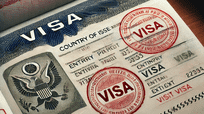
What Is An Electronic Visa (E-Visa)?
An electronic visa (e-visa) is a digital travel authorization that allows a foreign national to enter a country without the need for traditional paper-based visa processes. Instead of visiting an embassy or consulate, applicants can complete the entire process online, upload the required documents, and receive their approved visa electronically, usually via email. This digital form of visa is linked to the applicant’s passport and can be verified at immigration checkpoints. Many countries around the world have adopted e-visas to simplify travel, reduce processing times, and make the application process more efficient. Travelers can use an e-visa for tourism, business, medical treatment, or transit purposes, depending on the type of visa offered by the destination country.
How Does An E-Visa Application Work?
The e-visa application process is designed to be straightforward and user-friendly. Applicants are usually required to visit the official immigration or government portal of the destination country, create an account, and fill in a digital application form. Key details such as personal information, passport details, travel itinerary, and purpose of visit must be provided accurately. Once the form is filled out, applicants upload supporting documents such as a passport scan, passport-sized photographs, proof of accommodation, and in some cases, financial documents or return tickets. After paying the required visa fee online, the application is reviewed by immigration authorities. Once approved, the applicant receives an e-visa via email, which must be printed or stored digitally for presentation upon arrival.
Who Can Apply For An E-Visa?
Most travelers who meet the eligibility requirements of the destination country can apply for an e-visa. Eligible applicants usually include tourists, business visitors, short-term medical patients, and transit travelers. However, some countries may restrict e-visa access to citizens of specific nations or regions. Applicants must hold a valid passport, typically with at least six months of validity remaining from the date of arrival, and should meet all other entry requirements set by the issuing authority. Minors and dependents may also apply for e-visas, but their applications are usually submitted by a parent or guardian. Ultimately, the eligibility criteria vary by country, so travelers are advised to check the official government portal before applying.
Requirements Needed To Apply For An E-Visa
When applying for an e-visa, certain requirements must be met to ensure successful approval. Applicants must have a valid passport, often with at least two blank pages and six months of validity beyond the intended stay. Digital copies of documents such as a recent passport-sized photograph, proof of accommodation, and confirmed travel tickets are usually required. Some countries may ask for proof of sufficient financial resources, medical insurance, or an invitation letter for business or medical purposes. A reliable email address and an international payment method such as a credit or debit card are also necessary to complete the process. Providing accurate information and meeting these requirements significantly increases the chances of a smooth approval process.
Can Someone Apply For An E-Visa On Behalf Of Another Person?
Yes, in many cases, a person can apply for an e-visa on behalf of another individual, provided they have all the necessary details and documents. For example, travel agencies, family members, employers, or guardians often assist with e-visa applications. To do so, the applicant must provide scanned copies of the required documents such as passport, photo, and travel details. Some countries may require an authorization letter granting permission to submit the application. However, the responsibility for accuracy lies with the actual visa holder, as errors or omissions could lead to rejection or travel complications. Always check the official immigration rules of the destination country to confirm whether third-party applications are permitted.
Benefits Of Applying For An E-Visa On Behalf Of Someone Else
Applying for an e-visa on behalf of someone else can be very beneficial, especially when the applicant lacks digital skills, access to the internet, or familiarity with immigration requirements. Travel agents and family members can help streamline the process by ensuring the forms are correctly completed and supporting documents are properly uploaded. This reduces errors, minimizes stress, and saves time. In addition, third-party applications are especially useful for elderly travelers, minors, or individuals with disabilities who may find the process challenging. Another advantage is convenience, as it allows travelers to focus on preparing for their trip while someone else manages the application details on their behalf.
Risks Of Applying For An E-Visa On Behalf Of Someone Else
While applying for an e-visa on behalf of another person is possible, there are some risks involved. If the person applying makes mistakes in entering personal information, passport numbers, or travel dates, the application could be rejected or delayed. Additionally, fraudulent agents may exploit travelers by charging excessive fees or submitting false documents, which can result in visa denial or even travel bans. Another risk is unauthorized use of personal information, as sharing sensitive data like passport scans and payment details with third parties can expose applicants to identity theft. Therefore, travelers should only trust reputable agents or family members and always verify applications on official government websites.
Legal Implications Of Third-Party E-Visa Applications
In most countries, applying for an e-visa on behalf of someone else is legal as long as the process follows official guidelines and the correct information is provided. However, submitting false information, forged documents, or fraudulent claims on another person’s behalf can lead to legal consequences, including visa denial, penalties, or permanent entry bans. Some immigration authorities may require a signed authorization letter from the applicant granting permission for another individual to handle the application. Therefore, it is crucial to review the destination country’s specific immigration laws and regulations before proceeding with third-party submissions. Ensuring honesty and accuracy helps avoid legal complications.
How To Apply For An E-Visa On Behalf Of Someone Else
Applying for an e-visa on behalf of another person follows a similar process as applying for oneself, but requires careful attention to details. First, collect all the necessary documents from the traveler, including their passport, photo, travel itinerary, and supporting documents. Next, visit the official immigration website of the destination country and complete the online form using the traveler’s information. Upload scanned documents and pay the visa fee using a valid payment method. Ensure the confirmation and approval email are received and forwarded to the traveler. It is also advisable to print a copy of the approved e-visa for presentation upon arrival at immigration.
Common Mistakes When Applying For An E-Visa On Behalf Of Someone Else
There are several common mistakes to avoid when applying for an e-visa on behalf of another person. One of the most frequent errors is entering incorrect passport details, such as number, issue date, or expiry date. Providing inaccurate travel dates or uploading low-quality scans of documents can also cause delays or rejection. Another common mistake is using unofficial websites or third-party platforms that charge extra fees or provide unreliable services. Failure to check country-specific requirements, such as vaccination certificates, insurance, or financial proofs, can also lead to complications. To avoid these mistakes, always double-check the application before submission and use only the official government portal.
Conclusion
Applying for an electronic visa on behalf of someone else is both possible and practical, especially for individuals who need assistance with the online process. However, the person handling the application must be careful, use accurate information, and follow the official guidelines of the destination country. While there are clear benefits such as convenience and support, applicants should also be aware of potential risks like errors, fraud, and misuse of personal information. With careful preparation and reliance on official immigration websites, applying for an e-visa for another person can be a smooth and successful experience.
Frequently Asked Questions
1. Can I Apply For An Electronic Visa (E-Visa) On Behalf Of Someone Else?
Yes, you can apply for an electronic visa (e-visa) on behalf of someone else, provided you have access to all the necessary documents and details. Family members, employers, travel agencies, or guardians often assist with this process. You will need the applicant’s passport information, a recent photo, and any other required supporting documents. Some countries may ask for an authorization letter signed by the applicant, giving permission for another person to manage the application. The process typically involves filling in the official online form, uploading documents, and paying the fee. It is important to use only official government websites to avoid fraud and ensure that all information submitted is accurate to prevent rejection.
2. What Information Do I Need To Apply For An E-Visa On Behalf Of Someone Else?
When applying for an e-visa on behalf of another person, you must have their complete and accurate information. This includes the applicant’s full name, date of birth, passport number, passport issue and expiry dates, nationality, and travel itinerary. You will also need a digital passport-sized photo, proof of accommodation such as a hotel booking, and confirmed return tickets if required. Some countries may ask for financial proof, medical insurance, or an invitation letter. In addition, you will need a valid email address to receive the approved e-visa and a payment method to pay the visa fees. Ensuring the accuracy of this information is crucial to avoid delays or rejection.
3. Do I Need Authorization To Apply For An E-Visa On Behalf Of Someone Else?
In most cases, formal authorization is not required to apply for an e-visa on behalf of another person, especially when done by a family member, guardian, or travel agent. However, some countries may request a signed authorization letter from the applicant, granting permission to submit the application. This is particularly common when dealing with minors, elderly travelers, or employees whose companies arrange their business travel. The purpose of authorization is to protect applicants against fraud and ensure accountability. Always check the specific requirements of the destination country before starting the application process, as failing to provide required authorization may result in delays or rejection of the application.
4. How Do I Pay The Fees When Applying For An E-Visa On Behalf Of Someone Else?
When applying for an e-visa on behalf of someone else, the visa fees are usually paid online during the application process. Most government portals accept international credit or debit cards, and some may allow digital payment systems like PayPal. The payment method does not need to belong to the applicant; you can use your own card to complete the transaction. However, ensure that you use a secure payment gateway on the official government portal to avoid fraud. Once payment is made, a confirmation receipt is generated and should be kept for records. The approved e-visa will typically be sent to the applicant’s registered email address.
5. Can Travel Agents Apply For An E-Visa On Behalf Of Clients?
Yes, travel agents can apply for e-visas on behalf of clients, provided they are authorized and have all the necessary documents. This is a common practice, as many travelers prefer professional assistance to avoid mistakes or delays in the process. Travel agents typically gather passport scans, photographs, and travel details from their clients, then submit the application through the official government website. Some countries even have dedicated portals for registered agencies to handle multiple applications efficiently. However, travelers must ensure they are dealing with reputable and licensed agents to avoid fraud or excessive fees. Using trusted agencies ensures a smooth and secure application experience.
6. What Are The Risks Of Allowing Someone Else To Apply For My E-Visa?
Allowing someone else to apply for your e-visa carries certain risks if not managed carefully. One of the biggest risks is inaccurate information being entered into the application, which could lead to rejection or travel delays. There is also the possibility of misuse of personal data, since passport scans, photos, and financial details are required. Fraudulent agents may take advantage of applicants by charging high fees or submitting fake documents, which could result in travel bans. To minimize these risks, applicants should only share their details with trusted family members or reputable agencies, and they should always verify that applications are submitted through official government websites.
7. Can I Apply For An E-Visa For A Minor Or Child?
Yes, you can apply for an e-visa on behalf of a minor or child. Parents or legal guardians are typically responsible for submitting applications for their children. The process is similar to that for adults, but additional documents such as a birth certificate, parental consent letter, or proof of guardianship may be required depending on the destination country. In cases of solo travel by minors, some immigration authorities may request notarized authorization letters signed by both parents. It is essential to provide accurate information and ensure that all supporting documents are uploaded correctly. Applying on behalf of minors is common practice and is generally straightforward when requirements are met.
8. Can I Apply For An E-Visa On Behalf Of An Elderly Person?
Yes, it is common for family members, caregivers, or travel agencies to apply for e-visas on behalf of elderly travelers. Many elderly applicants may not be comfortable navigating online systems, so assistance ensures that their travel plans proceed smoothly. The process requires collecting their passport, a recent photo, travel details, and any additional documents requested by the immigration authority. Some countries may also ask for medical insurance or proof of accommodation. Providing support helps avoid errors and reduces stress for elderly applicants. As long as all details are accurately entered, applying for an e-visa on behalf of an elderly person is both legal and widely accepted.
9. What Happens If Incorrect Information Is Entered During The Application?
If incorrect information is entered when applying for an e-visa, the application may be delayed, rejected, or deemed invalid. Mistakes in passport numbers, names, or travel dates are especially problematic because they must exactly match the applicant’s official documents. In some cases, corrections can be made by contacting the immigration authority or re-submitting the application with updated details, though this may require paying the visa fee again. If the error is discovered after approval, the e-visa may not be accepted at the border, leading to denied entry. Therefore, it is extremely important to double-check all information before submitting the application to avoid unnecessary complications.
10. Can Employers Apply For An E-Visa On Behalf Of Their Employees?
Yes, employers often apply for e-visas on behalf of employees traveling for business purposes. Many companies handle travel arrangements to ensure smooth business trips and compliance with immigration requirements. The employer or company representative will typically collect the employee’s passport details, photo, and travel information, then submit the e-visa application online. In some cases, an authorization letter from the employee may be required, particularly for countries with stricter regulations. Employers may also provide supporting documents such as business invitation letters or proof of sponsorship. This practice is widely accepted and ensures that employees can focus on their work while the company manages travel documentation.
11. Is It Legal To Apply For An E-Visa On Behalf Of Someone Else?
Yes, applying for an e-visa on behalf of someone else is legal in most countries as long as the information provided is accurate and the process follows official guidelines. It is common for family members, guardians, travel agents, and employers to assist applicants with the process. However, submitting false documents, providing misleading details, or using unauthorized agents can result in visa rejection, fines, or permanent entry bans. Some countries may require authorization letters to ensure the applicant has consented to the third-party application. To remain compliant, always use the official immigration website and provide truthful and verifiable information when applying on behalf of someone else.
12. What Documents Must I Collect Before Applying For Someone Else’s E-Visa?
Before applying for an e-visa on behalf of someone else, you need to gather all required documents. These typically include a valid passport with sufficient validity, a recent digital passport photo, proof of accommodation, and confirmed travel tickets. Depending on the country, you may also need financial statements, proof of medical insurance, or an invitation letter for business or medical visits. For minors, additional documents like a birth certificate or parental consent letter may be necessary. Ensure all documents are scanned in the correct format and meet the immigration authority’s specifications. Having complete documentation before starting the application avoids unnecessary delays or rejection.
13. Can I Use My Payment Card To Pay For Someone Else’s E-Visa?
Yes, you can use your own payment card to pay for someone else’s e-visa application. The payment system on most government portals does not require the cardholder’s details to match the applicant’s identity. This flexibility allows family members, employers, or travel agents to complete transactions on behalf of travelers. After making the payment, a confirmation receipt will usually be sent to the registered email address. It is important to ensure that payment is made through the official government portal using a secure gateway. Retaining proof of payment is essential for resolving any disputes or confirming the transaction if needed during the travel process.
14. How Long Does It Take To Get An E-Visa When Applying On Behalf Of Someone Else?
The processing time for an e-visa application does not usually change whether it is submitted by the applicant directly or by someone else on their behalf. Processing times vary by country but generally range from 24 hours to five business days. In some cases, urgent processing options are available for an additional fee. Factors that influence approval time include accuracy of the application, completeness of documents, and the workload of the immigration department. To avoid delays, ensure all details are correct and requirements are met before submission. Travelers should apply well in advance of their trip to allow sufficient time for approval.
15. Can I Track The Status Of An E-Visa Application Made On Behalf Of Someone Else?
Yes, you can usually track the status of an e-visa application made on behalf of someone else through the official government portal. After submission, most systems provide an application reference number that can be used to check updates. Status updates may include “under review,” “approved,” or “rejected.” Some countries also send email notifications to the registered email address with progress updates. When tracking on behalf of someone else, ensure you have the correct reference number and applicant details to access the information. Tracking helps applicants stay informed about their application and prepare travel plans accordingly without unnecessary stress or uncertainty.
16. What Should I Do If An E-Visa Application Submitted On Behalf Of Someone Else Is Rejected?
If an e-visa application is rejected, the first step is to carefully review the reason provided by immigration authorities. Common reasons include incorrect information, incomplete documentation, or ineligibility based on nationality or travel history. If the issue can be corrected, such as a missing document or typo, you may reapply with the correct details. Some countries allow applicants to appeal the decision, but this process may take longer. It is important to address the issue honestly and avoid resubmitting with false information, as this can lead to permanent bans. Consulting the official website or contacting immigration support can provide guidance on next steps.
17. Can I Print The Approved E-Visa On Behalf Of Someone Else?
Yes, once the e-visa is approved, you can print the document on behalf of the applicant and provide them with a physical copy. Although most e-visas are electronically linked to the passport, many immigration authorities still require travelers to carry a printed copy for verification upon arrival. If you receive the e-visa via email, ensure you download it, print it clearly, and confirm that all details such as the applicant’s name, passport number, and validity dates are correct. Providing the traveler with both a printed and digital copy ensures they are prepared and avoids potential issues during immigration checks.
18. Can Multiple Applications Be Submitted On Behalf Of A Group?
Yes, some countries allow multiple e-visa applications to be submitted together for groups such as families, tour groups, or business delegations. This process saves time and ensures all group members are processed consistently. Travel agents and organizers often use this option to manage large groups efficiently. Group applications typically require the same supporting documents for each individual, along with additional details such as proof of group travel or a cover letter. While convenient, group applications must be carefully managed to ensure no errors occur, as mistakes can affect multiple travelers. Always check if the destination country offers group application facilities.
19. Can I Apply For An Urgent E-Visa On Behalf Of Someone Else?
Yes, many countries offer expedited or urgent processing options for e-visas, and you can apply for these on behalf of someone else. Urgent e-visas are typically processed within a few hours to 48 hours, depending on the country. This option is useful for travelers with unexpected travel plans or emergencies. To apply, select the urgent processing option when completing the online form and pay the additional fee required. Ensure that all supporting documents are accurate and complete, as urgent applications may not allow time for corrections. By carefully managing the process, urgent e-visas can be successfully obtained on behalf of another person.
20. Can I Save The Confirmation Email For Someone Else’s E-Visa Application?
Yes, if you are applying for someone else, you can receive and save the confirmation email on their behalf. This email typically contains important information such as the application reference number, payment receipt, and, once approved, the e-visa itself. It is advisable to forward the email to the applicant so they also have a record of the document. Storing both a digital and printed version ensures the traveler has access when needed during travel. However, applicants should remain informed about their application status and keep copies of all relevant emails to avoid confusion or issues during immigration checks.
Further Reading
- How To Check The Status Of Your Electronic Visa (E-Visa)?
- Should I Choose An Electronic Visa (E-Visa) Or A Traditional Visa?
- Electronic Visa (E-Visa) vs. Physical Visa: Which One Is Better?
- What Is The Difference Between An Electronic Visa (E-Visa) And A Regular Visa?
- Do I Need A Printed Copy Of My Electronic Visa (E-Visa)?
- Is An Electronic Visa (E-Visa) Safe To Use? | All About E-Visa Safety
- Can I Extend My Electronic Visa (E-Visa)? | Everything About E-Visa extension
- Advantages and Disadvantages Of Using An Electronic Visa (E-Visa)
- What Are The Benefits And Risks Of Using An Electronic Visa (E-Visa)?
- What Is The Validity Period Of An Electronic Visa (E-Visa)?
- How Much Does An Electronic Visa (E-Visa) Cost?
- How Long Does It Take To Get An Electronic Visa (E-Visa)?