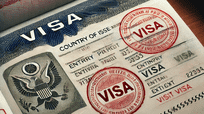
What Is An Electronic Visa (E-Visa)?
An electronic visa (e-Visa) is a digital form of travel authorization issued by a country’s immigration department that allows foreign travelers to enter, stay, or transit within its territory. Unlike traditional visas, which require visiting an embassy or consulate, an e-Visa application is completed entirely online. Applicants upload their documents, fill out forms, and pay fees digitally. Once approved, the e-Visa is electronically linked to the traveler’s passport and delivered via email in most cases. This modern system has streamlined international travel, reduced paperwork, and increased efficiency for both governments and applicants. Travelers benefit from faster processing times and the convenience of checking their e-Visa status online without visiting a physical office.
How Does An E-Visa Application Work?
Applying for an e-Visa involves filling out an online application form, submitting personal details such as name, passport number, and travel itinerary, and uploading necessary documents like a passport photo and scanned identification pages. Payment is made online through secure portals using credit or debit cards. Once the application is submitted, the immigration system reviews it, which may involve background checks, verification of documents, and validation of eligibility criteria. Some countries approve e-Visas almost instantly, while others may take a few days to process. After approval, the applicant receives a confirmation email with the e-Visa document. This document must be carried during travel, either printed or stored digitally, as border control authorities may request it upon arrival.
Why Is Checking Your E-Visa Status Important?
Checking your e-Visa status is crucial because it ensures that your application is being processed correctly and that no information is missing. Many travelers overlook the importance of verification, only to discover last-minute issues that can disrupt travel plans. By monitoring your application progress, you can confirm whether your e-Visa is approved, pending, or rejected. If additional documents or corrections are required, checking early gives you enough time to respond. This step also provides peace of mind, as you will know the exact status before booking flights, accommodations, or planning activities. Governments often update e-Visa portals with real-time information, making it easier for applicants to stay informed and avoid complications at immigration checkpoints.
Where Can You Check Your E-Visa Status Online?
Most countries provide an official government website or dedicated immigration portal where applicants can check their e-Visa status. To access these services, travelers usually need to enter details such as their application ID, passport number, or reference number received after applying. Some countries also provide email notifications or SMS updates, depending on the service. It is important to rely only on official portals to avoid scams or fraudulent websites that may steal sensitive information. Many official immigration websites feature a “Check Status” section, where you can log in securely and verify whether your application has been approved, is under review, or requires further action. Bookmarking the official page ensures quick access whenever you need an update.
How Long Does It Take To Receive An E-Visa?
The processing time for an electronic visa varies depending on the destination country, the type of visa requested, and the applicant’s personal situation. In general, e-Visas are processed much faster than traditional visas, with many being approved within 24 to 72 hours. However, some applications may take up to one or two weeks, especially if additional verification is required. Factors such as high travel seasons, incomplete applications, or discrepancies in submitted information can also delay processing. Checking your e-Visa status online regularly helps you stay updated and avoid unnecessary stress. To ensure timely approval, applicants are advised to apply well in advance of their travel date and carefully review all requirements before submission.
Common Issues With E-Visa Applications
E-Visa applications may encounter several common issues that can delay approval or lead to rejection. Errors in personal information, such as misspelled names or incorrect passport numbers, are among the most frequent mistakes. Uploading unclear or invalid documents may also cause delays. Payment problems, including failed transactions or incomplete processing, can prevent the application from moving forward. Some travelers face challenges if their passport is near expiration or does not meet minimum validity requirements. Additionally, discrepancies between travel dates and visa eligibility rules may result in complications. Regularly checking your e-Visa status helps you identify and resolve these problems early. Many immigration systems allow applicants to re-upload documents or update details if an error is detected.
What Documents Do You Need To Check E-Visa Status?
When checking your e-Visa status online, you generally need your passport number, application ID, or reference number provided during the application process. Some portals may also require additional details such as date of birth or nationality to verify your identity. Having your payment confirmation receipt can be useful if you face issues retrieving your application. Since e-Visa systems are designed for security, make sure that the details you enter match exactly with the ones used in your original application. Without the correct information, the portal may not display your status. Keeping copies of your confirmation email, application receipt, and payment proof ensures that you can quickly and accurately verify your e-Visa progress whenever necessary.
Can Travel Agents Help Check E-Visa Status?
Yes, travel agents can assist in checking your e-Visa status if you applied through their services. Many agencies handle the application process on behalf of travelers, including monitoring progress and providing updates. They often have access to specialized systems or direct communication channels with immigration authorities, which can make tracking more efficient. However, it is still recommended to personally verify your e-Visa status using official government portals to avoid relying solely on third-party updates. If you did not apply through an agent, you should always manage your application independently to maintain control over your personal information. Travel agents may be helpful for busy travelers, but using secure and official platforms remains the safest option.
Security Precautions When Checking E-Visa Status
Since e-Visa applications involve sensitive personal data, taking security precautions when checking your status is essential. Always use official government websites and avoid clicking on links from unknown emails or third-party sites. Look for secure connections indicated by “https” in the web address and double-check that the domain is correct. Avoid using public Wi-Fi networks when entering personal details, as they may be vulnerable to hackers. Clear your browsing history and log out after checking your status to prevent unauthorized access. If you suspect that your application details have been compromised, contact the immigration office immediately. Practicing these measures ensures that your information stays protected throughout the e-Visa application process.
What To Do If Your E-Visa Is Delayed
If your e-Visa approval is delayed, the first step is to log into the official immigration portal and check for updates or error notifications. Sometimes, additional documents or clarifications may be required before approval can be granted. If no clear reason is provided, you can contact the support team of the immigration authority through email or phone. Providing your application reference number, passport details, and payment receipt helps them locate your application quickly. It is also important to apply well in advance of your travel date, as last-minute applications may leave little room to resolve delays. By monitoring your e-Visa status regularly, you can respond promptly and prevent disruption to your travel plans.
What Happens If Your E-Visa Application Is Rejected?
If your e-Visa application is rejected, you will usually receive a notification explaining the reasons behind the decision. Common causes include incomplete applications, incorrect details, or failure to meet eligibility requirements. In most cases, you are allowed to reapply after correcting the errors or providing additional documentation. Some countries may require applicants to apply through an embassy or consulate if repeated rejections occur. Checking your e-Visa status online ensures that you are immediately informed of rejection, giving you time to take corrective action. If your travel plans are urgent, contacting the immigration authority for clarification or exploring alternative visa options may be necessary to avoid disruption.
How To Avoid Mistakes In Your E-Visa Application
Avoiding mistakes in your e-Visa application begins with carefully reading the official guidelines before submission. Ensure that your personal details match exactly with your passport, including full name, date of birth, and passport number. Upload high-quality scans of required documents and check that they meet the specified size and format requirements. Verify your travel dates and confirm that your passport is valid for at least six months beyond your intended stay. Double-check payment details and ensure transactions are successful. Keeping copies of your confirmation email and application reference number provides an extra layer of security. By taking time to review your application thoroughly, you minimize the risk of delays, rejections, or errors when checking your e-Visa status later.
Benefits Of Using An E-Visa System
The e-Visa system offers numerous advantages for travelers and governments alike. For travelers, it provides a simple, fast, and convenient way to obtain travel authorization without visiting embassies or consulates. Applications can be completed online within minutes, and approvals are often received within days. The system reduces paperwork, minimizes waiting times, and allows applicants to check their e-Visa status anytime. For governments, e-Visas streamline border control, improve security by conducting pre-arrival screenings, and increase tourism by simplifying entry requirements. Additionally, e-Visas are cost-effective for both parties, as they reduce administrative expenses. Overall, the system represents a significant improvement in international travel management, enhancing convenience, efficiency, and global connectivity.
Steps To Take After Your E-Visa Is Approved
Once your e-Visa is approved, you should download and print the official document or save a digital copy to your mobile device. Some immigration officers may request a printed version upon arrival, while others accept electronic copies. Verify that the information on your e-Visa matches your passport details, including your name, passport number, and validity dates. Carry both your passport and e-Visa when traveling, as border officials will check them during entry. It is also recommended to check your airline’s requirements, as some carriers request printed copies before boarding. Staying prepared ensures a smooth journey and reduces the risk of complications at immigration checkpoints. Regularly checking your e-Visa status before departure keeps you fully informed and confident.
E-Visa Status For Transit Passengers
Transit passengers often require special authorization when passing through a country en route to their final destination. Some nations allow travelers to stay within the airport transit area without an e-Visa, while others require one even for short layovers. Checking your e-Visa status before departure helps you determine whether your application has been approved and ensures that your transit plans remain uninterrupted. It is important to verify the specific rules of your transit country, as requirements vary. For instance, some nations may waive the visa requirement for certain nationalities or if the layover is under a specified duration. Preparing in advance by monitoring your e-Visa status guarantees a seamless travel experience.
The Role Of Immigration Authorities In E-Visa Status Updates
Immigration authorities play a vital role in updating and maintaining e-Visa status information. Once an application is submitted, the responsible department processes the request, verifies documents, and conducts necessary security checks. Their system automatically updates the applicant’s online account with the latest status, whether pending, approved, or rejected. Some authorities also send email or SMS notifications to keep applicants informed. In case of errors, delays, or additional document requests, immigration authorities provide instructions for next steps. Checking your e-Visa status regularly ensures that you are aware of these updates in real time. Their transparency and efficiency in handling applications directly affect the travel experiences of international visitors.
Digital Advancements In E-Visa Status Tracking
Recent digital advancements have made checking e-Visa status more convenient than ever before. Many immigration systems now integrate with mobile apps, allowing travelers to receive push notifications about their application progress. Artificial intelligence is also being used to detect errors in applications and provide instant feedback, reducing the chances of rejection. Some portals even allow biometric authentication for secure logins, protecting applicant data while simplifying access. These innovations ensure that travelers can easily check their e-Visa status from anywhere in the world. By adopting modern technology, immigration authorities are making the visa process faster, safer, and more accessible to global travelers.
Conclusion
Electronic visas have transformed international travel by offering a faster, more convenient, and efficient system for obtaining travel authorization. Checking your e-Visa status online is an essential step to ensure smooth travel, prevent delays, and respond to issues promptly. With official portals, digital advancements, and real-time updates, applicants can stay informed throughout the process. By understanding requirements, avoiding mistakes, and using secure platforms, travelers gain peace of mind and confidence in their journey.
Frequently Asked Questions
1. How Do I Check The Status Of My Electronic Visa (E-Visa)?
To check the status of your electronic visa (e-Visa), visit the official government immigration website of the country you applied to. Look for the “Check Status” or “Track Application” option on the portal. You will typically need your application ID, reference number, or passport details to log in. Entering accurate information is essential to avoid errors when retrieving your application. Some immigration systems also provide email or SMS updates if you selected these options during your application. Always ensure that you are using an official and secure website to protect your personal information. By checking regularly, you can confirm whether your e-Visa is approved, pending, or requires additional documentation before your travel.
2. What Is An Electronic Visa (E-Visa) Status Check?
An electronic visa (e-Visa) status check is the process of verifying the current progress of your visa application online through an official government portal. This check allows applicants to see whether their application is pending, approved, rejected, or requires further information. Performing a status check ensures that your travel plans remain uninterrupted, as it helps you confirm approval before booking flights or accommodations. To complete the check, applicants usually need their reference number, application ID, or passport details. This simple process provides peace of mind, allowing you to take corrective action quickly if any issues arise. Regular status checks help prevent last-minute surprises and ensure a smoother international travel experience.
3. Why Should I Check My E-Visa Status Regularly?
Regularly checking your e-Visa status is important because it keeps you updated on the progress of your application. Many travelers assume that once they apply, everything will proceed smoothly, but delays, errors, or missing documents can affect approval. By monitoring your status, you can quickly identify if the immigration authorities need additional information or if there are problems with payment processing. This proactive approach gives you enough time to respond, re-upload documents, or make corrections before your travel date. Checking regularly also provides peace of mind, ensuring that you know exactly when your e-Visa is approved. Being informed early reduces stress and helps you plan your trip with confidence.
4. How Long Does It Take For An E-Visa Status To Be Updated?
The time it takes for an e-Visa status to be updated depends on the country’s immigration system and workload. In most cases, status updates occur within 24 to 72 hours after submission, especially if the application is straightforward. However, during peak travel seasons or when additional verification is required, updates may take longer. Some countries provide real-time tracking, while others may only update once a day. If your status remains unchanged for an extended period, it is advisable to contact the immigration authority directly. Regularly checking ensures you receive the latest information, allowing you to adjust your travel preparations accordingly and avoid last-minute complications.
5. Can I Check My E-Visa Status Without An Application ID?
In many cases, checking your e-Visa status without an application ID is difficult, as most immigration portals require a reference number or ID to track applications accurately. However, some countries allow applicants to log in using alternative details such as passport number, nationality, and date of birth. If you have lost your application ID, you can usually retrieve it by checking the confirmation email or contacting the immigration office. It is always recommended to save your application details securely for easy access later. While it may be possible to check without an ID in some cases, having the reference number ensures quicker and more reliable tracking.
6. What Happens If My E-Visa Status Shows Pending For Too Long?
If your e-Visa status remains pending for too long, it may indicate delays in processing or a request for additional verification. Immigration authorities may require extra time during busy travel seasons or if documents need further review. The first step is to log into the official portal and check for notifications or messages about missing information. If no explanation is provided, contact the immigration support center with your application ID, passport number, and payment receipt. They can clarify the reason for the delay and guide you on next steps. Applying early is always recommended to avoid stress from prolonged pending statuses close to your travel date.
7. How Do I Know If My E-Visa Is Approved Or Rejected?
To know if your e-Visa is approved or rejected, you need to log in to the official immigration portal of the country you applied to. Approved visas are usually marked with a confirmation message, and you may also receive a downloadable PDF document attached to an email. Rejected applications are often accompanied by an explanation of the reason, such as incomplete documents, ineligibility, or incorrect information. Some countries also send SMS or email notifications regarding the outcome. Checking your status regularly ensures that you stay informed of the result without delay. Once approved, you should print or save the e-Visa to present at border control.
8. What Should I Do If My E-Visa Status Says Rejected?
If your e-Visa status shows rejected, you should carefully review the reason provided in the notification. Rejections often occur due to incomplete applications, incorrect details, or missing documents. In most cases, applicants are allowed to reapply after correcting the issues. Ensure that you provide accurate information and meet all eligibility requirements when submitting a new application. If the rejection reason is unclear, you can contact the immigration office for clarification. For urgent travel, consider applying through an embassy or consulate if the e-Visa option is unavailable. Checking your status early allows you enough time to reapply or explore alternatives before your planned departure date.
9. Can Travel Agents Check My E-Visa Status On My Behalf?
Yes, travel agents can check your e-Visa status if they submitted your application for you. Many agents provide full visa services, which include tracking the progress of your application and updating you. However, it is essential to ensure that the agent you use is reputable and authorized to provide such services. Even if you use an agent, you can still check your status independently on the official immigration website using your application ID or passport number. Relying solely on agents may lead to delays in receiving updates, so it is always wise to double-check directly. Using both methods gives you the most reliable information.
10. Is It Safe To Use Third-Party Websites To Check E-Visa Status?
Using third-party websites to check e-Visa status can be risky, as they may not be secure or authorized by the government. These sites sometimes attempt to collect sensitive personal information such as passport numbers and application IDs. To protect yourself, always use the official government immigration portal for status checks. Look for secure connections indicated by “https” and official domain names. If you applied through a travel agency, confirm that they are authorized before allowing them to check your status. Relying on unauthorized websites increases the risk of identity theft and fraud. For maximum security, use only official platforms when monitoring your e-Visa application.
11. What Information Do I Need To Check My E-Visa Status?
To check your e-Visa status, you typically need your application ID, reference number, or passport details. Some immigration systems also request additional information such as date of birth and nationality to verify your identity. It is important that the information you provide matches exactly with what you submitted during the application process. Having your payment confirmation receipt can also be useful if the system requires proof of submission. Keeping these details organized ensures smooth and quick access whenever you want to check your status. Without accurate information, the portal may not display your application, which could delay your ability to confirm approval.
12. Can I Travel If My E-Visa Status Is Still Pending?
Traveling with a pending e-Visa status is not recommended, as most countries require an approved visa before allowing entry. Attempting to travel without confirmation could lead to denied boarding at the airport or refusal at immigration checkpoints. Airlines often check visa approvals before allowing passengers to board flights, and pending applications do not meet this requirement. If your status is still pending close to your travel date, contact the immigration authorities for an update. Always ensure that your e-Visa is approved and printed before making final travel arrangements. Waiting for approval provides peace of mind and prevents unnecessary complications during your journey.
13. How Do I Contact Immigration Authorities About My E-Visa Status?
To contact immigration authorities about your e-Visa status, visit the official immigration website for contact details such as phone numbers, email addresses, or live chat support. Some portals also have dedicated inquiry forms where you can submit your application ID and explain your issue. When contacting authorities, always provide your reference number, passport details, and proof of payment for quicker assistance. Keep your inquiry clear and concise, outlining the exact problem you are facing. Response times vary, but most immigration departments aim to resolve inquiries promptly. Using official contact channels ensures reliable guidance and avoids misinformation from unauthorized third parties.
14. What Should I Do If I Entered Wrong Information In My E-Visa Application?
If you entered incorrect information in your e-Visa application, the best step is to log into the portal and see if corrections are allowed. Some systems allow applicants to edit or resubmit documents before final approval, while others may require a new application. If your mistake is discovered after submission, contact the immigration authority immediately with your application ID and passport details. Providing accurate corrections quickly may prevent delays or rejections. Common errors include spelling mistakes in names, incorrect passport numbers, or wrong travel dates. Always double-check your details before submission to avoid these issues. Checking your status regularly helps you identify problems earlier.
15. Can I Check The E-Visa Status For Someone Else?
Yes, it is possible to check the e-Visa status for someone else if you have their application ID, reference number, and passport details. This is commonly done by family members, employers, or travel agents assisting travelers. However, privacy and security should always be respected. Ensure you have permission from the applicant before checking their status, as sharing sensitive details without consent may lead to misuse. Some portals also include security verification questions to confirm identity. While it is technically possible, it is always recommended for individuals to monitor their own applications to ensure full control and protection of personal information.
16. How Do I Print Or Download My Approved E-Visa?
Once your e-Visa is approved, log in to the official immigration portal and look for the option to download or print your visa. The system typically provides a PDF file that you can save on your device or print as a hard copy. It is advisable to carry both a digital and printed version when traveling, as some airlines or immigration officers may request one or the other. Always verify that the information on the document matches your passport details to avoid entry problems. Keeping multiple copies ensures that you are prepared in case of technical difficulties or misplaced documents during your journey.
17. Do All Countries Offer Online E-Visa Status Checking?
Not all countries currently offer online e-Visa status checking, as digital visa systems vary globally. Many popular destinations have advanced portals that allow applicants to track progress using reference numbers or passport details. However, some nations still rely on manual processes, requiring travelers to contact their embassy or consulate directly for updates. Before applying, it is important to research the specific country’s system to know whether online status tracking is available. As digital adoption grows, more governments are transitioning to user-friendly online portals. If a country does not support online checks, contacting their official visa office remains the best alternative.
18. How Do I Ensure My E-Visa Status Check Is Secure?
To ensure your e-Visa status check is secure, always access the official government immigration website directly rather than through search engine ads or third-party links. Verify that the site uses “https” for secure browsing and double-check the domain name for authenticity. Avoid using shared or public Wi-Fi connections when entering sensitive details such as passport numbers. Always log out after checking your status to prevent unauthorized access. Keeping your application ID and reference details private also reduces the risk of fraud. By practicing these precautions, you protect your personal information while monitoring the progress of your e-Visa application online safely.
19. What Should I Do After My E-Visa Status Is Approved?
After your e-Visa status is approved, download and print the confirmation document provided by the immigration authority. Check carefully that the details match your passport information, including name, passport number, and validity dates. Carry the document with you during your trip, along with your passport, as immigration officers may request it upon entry. Some airlines also require a printed copy before allowing passengers to board. It is advisable to keep both a digital and paper copy for convenience. Double-check the visa’s validity period to ensure it covers your entire stay. Following these steps ensures a smooth entry process and prevents travel disruptions.
20. Can I Reapply If My E-Visa Status Is Rejected?
Yes, you can usually reapply if your e-Visa status is rejected. Before reapplying, carefully review the reason for rejection provided by the immigration authority. Common reasons include incomplete documents, incorrect information, or failure to meet eligibility requirements. Correct these issues before submitting a new application to increase your chances of approval. Some countries may allow immediate reapplication, while others may impose a waiting period before resubmission. Always use accurate details and double-check all entries to prevent repeat errors. Applying well before your travel date gives you enough time to address potential setbacks and ensure your visa is approved in time.
Further Reading
- Should I Choose An Electronic Visa (E-Visa) Or A Traditional Visa?
- Electronic Visa (E-Visa) vs. Physical Visa: Which One Is Better?
- What Is The Difference Between An Electronic Visa (E-Visa) And A Regular Visa?
- Do I Need A Printed Copy Of My Electronic Visa (E-Visa)?
- Is An Electronic Visa (E-Visa) Safe To Use? | All About E-Visa Safety
- Can I Extend My Electronic Visa (E-Visa)? | Everything About E-Visa extension
- Advantages and Disadvantages Of Using An Electronic Visa (E-Visa)
- What Are The Benefits And Risks Of Using An Electronic Visa (E-Visa)?
- What Is The Validity Period Of An Electronic Visa (E-Visa)?
- How Much Does An Electronic Visa (E-Visa) Cost?
- How Long Does It Take To Get An Electronic Visa (E-Visa)?
- What Are The Eligibility Requirements For Obtaining An Electronic Visa (E-Visa)?