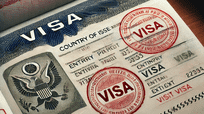
What Is An Electronic Visa (E-Visa)?
An Electronic Visa, commonly known as an E-Visa, is a digital authorization that allows travelers to enter a foreign country without the need for a traditional paper visa. Unlike conventional visas, which are physically stamped in passports at embassies or consulates, an E-Visa is applied for and issued entirely online. Applicants submit personal information, passport details, travel plans, and sometimes supporting documents through official government portals. Once approved, the E-Visa is linked electronically to the traveler’s passport and can be printed or stored digitally for presentation at border control. E-Visas are popular for their convenience, speed, and reduced administrative processes, allowing travelers to obtain entry permissions without visiting embassies, making international travel smoother and more efficient.
How Does An Electronic Visa (E-Visa) Work?
The process of obtaining an E-Visa starts with submitting an online application via the official immigration or consulate website of the destination country. Applicants provide personal identification details, travel documents, and sometimes supporting documents like hotel bookings or invitation letters. After submission, the application undergoes verification by immigration authorities. Once approved, the E-Visa is sent electronically via email, usually in PDF format, and is linked to the applicant’s passport number. Upon arrival at the destination country, travelers present their passport and E-Visa at immigration checkpoints. Authorities scan the E-Visa or verify its authenticity online, granting entry if all conditions are met. This digital system reduces delays and streamlines border control processes.
Are Electronic Visas (E-Visas) Safe To Use?
Electronic Visas are generally safe when applied for through official government portals. Safety concerns typically arise from third-party websites or fraudulent services claiming to issue E-Visas. Using unauthorized platforms can result in stolen personal information, financial loss, or invalid visas that are rejected at the border. Official E-Visa portals employ secure encryption protocols to protect sensitive information and prevent cyber theft. Travelers should always verify the legitimacy of the website, check for HTTPS encryption, and follow government-issued guidelines. Additionally, E-Visas reduce risks associated with physical documents, such as loss or forgery, making them a secure and convenient option for international travel.
What Are The Benefits Of Using An Electronic Visa (E-Visa)?
E-Visas provide numerous advantages over traditional visas. They save time by eliminating the need to visit embassies or consulates, which can involve long queues and paperwork. Applications are processed quickly, often within a few days, allowing last-minute travel plans. E-Visas also minimize errors by reducing manual paperwork and ensure secure verification through digital systems. Travelers can apply from any location with internet access, enhancing convenience. In addition, E-Visas are environmentally friendly because they reduce paper usage. For governments, E-Visas streamline immigration control, enhance border security through electronic tracking, and improve resource management, making the process efficient for both travelers and authorities.
How To Apply For An Electronic Visa (E-Visa)?
Applying for an E-Visa involves a simple online procedure. First, visit the official government or embassy website of the destination country. Create an account, fill out the online application form, and provide personal information, passport details, and travel itinerary. Upload any required supporting documents, such as photographs, proof of accommodation, or invitation letters. Pay the visa fee using secure online payment methods. After submission, monitor the application status via email or the portal. Once approved, the E-Visa is sent electronically and linked to the passport. Travelers should print a copy or save it on a digital device for presentation at the border. Ensure all details match the passport to avoid rejection.
What Are The Common Risks Associated With Electronic Visas (E-Visas)?
While E-Visas are generally safe, certain risks exist. The most common risk is using unauthorized third-party websites that may charge extra fees or steal personal information. Cybersecurity threats, such as phishing attacks, can also compromise sensitive data if travelers share login credentials or payment information carelessly. Errors in the application, such as incorrect passport numbers or mismatched names, can lead to rejection at the border. E-Visas may also be subject to sudden changes in immigration regulations, which could affect travel plans. To minimize these risks, always use official portals, double-check all entered details, and monitor communications from legitimate government sources regarding E-Visa updates or amendments.
How Long Does It Take To Get An Electronic Visa (E-Visa)?
The processing time for an E-Visa varies depending on the destination country, type of visa, and time of year. Most countries process standard E-Visa applications within 24 hours to a few days. Some destinations offer expedited processing for urgent travel requests, typically for an additional fee. Delays may occur if documents are incomplete, information is incorrect, or the system experiences high application volumes. Travelers are advised to apply well in advance of their intended travel dates to avoid complications. Online portals usually provide tracking tools to monitor application status, enabling applicants to receive timely notifications of approval, rejection, or requests for additional information.
What Documents Are Required For An Electronic Visa (E-Visa)?
Documents required for an E-Visa typically include a valid passport with sufficient validity, a recent passport-sized photograph in digital format, travel itinerary details such as flight bookings, and sometimes proof of accommodation or financial means. Certain countries may require invitation letters, vaccination certificates, or additional identification depending on the visa type. It is essential to check the official government website of the destination country for specific requirements, as they vary by nationality and visa category. Incorrect or incomplete documents can result in delays or rejection. Uploading all required documents in the correct format and size ensures smoother processing and enhances the likelihood of timely approval.
Can Electronic Visas (E-Visas) Be Used Multiple Times?
Some E-Visas allow multiple entries, depending on the regulations of the issuing country. Single-entry E-Visas permit one entry, after which travelers must reapply for subsequent visits. Multiple-entry E-Visas enable travelers to enter and exit the country multiple times within the visa’s validity period, which varies by destination and visa type. It is important to read the visa conditions carefully, including the duration of each stay and total validity period, to avoid overstaying or violating regulations. The E-Visa document or the official portal usually specifies whether it is single or multiple entry. Adhering to these terms is crucial to maintain compliance and prevent legal or travel issues.
How To Verify The Authenticity Of An Electronic Visa (E-Visa)?
Verifying an E-Visa is essential to ensure it is valid and issued by an official authority. Travelers can confirm authenticity by checking the official government or consulate portal, using online verification tools provided by the issuing country. Key elements include matching the E-Visa with the passport number, checking approval reference numbers, and confirming the correct visa type and validity period. Avoid relying on third-party websites that claim to validate visas, as they may provide misleading information. Maintaining digital or printed copies of approval emails or confirmation pages also helps. Accurate verification prevents entry denial, financial loss, and potential legal issues at the destination country’s border.
Are There Any Fees For Electronic Visas (E-Visas)?
Yes, E-Visas usually require a processing fee, which varies by destination country and visa type. Fees can range from a nominal amount for short-term visits to higher amounts for long-term or multiple-entry visas. Payments are generally made online using secure methods, such as credit cards, debit cards, or e-wallets. It is crucial to use the official government portal for payments to avoid overcharging or scams. Some countries may offer waivers or discounted fees under specific circumstances, such as diplomatic visits or humanitarian travel. Travelers should verify the exact fee on the official site before submission, as incorrect payment methods or amounts can result in application delays or rejections.
How Long Is An Electronic Visa (E-Visa) Valid?
The validity period of an E-Visa varies depending on the destination country, visa type, and entry conditions. Some E-Visas are valid for a few days, while others allow several months of stay. The visa may specify a maximum duration per visit and a total period within which the visa must be used. Travelers must check the validity dates carefully, as overstaying or entering outside the permitted period may result in fines, deportation, or future travel restrictions. The E-Visa document, confirmation email, or official portal usually contains validity details. Planning travel in accordance with these dates ensures compliance and avoids legal or administrative complications during the visit.
Can Electronic Visas (E-Visas) Be Canceled Or Modified?
E-Visas can sometimes be canceled or modified, depending on the policies of the issuing country. Modifications may include changes to travel dates, personal information corrections, or reissuance due to lost documents. Cancellation usually requires a formal request through the official portal and may involve partial or non-refundable fees. Not all E-Visas permit changes, so applicants should verify the terms before submission. Travelers must ensure all data is accurate at the time of application to reduce the need for corrections. Following official instructions and deadlines for cancellation or modification is essential to maintain legal compliance and prevent travel disruptions.
How Secure Are Electronic Visa (E-Visa) Payment Systems?
Payment systems for E-Visas are typically secured using advanced encryption and secure transaction protocols to protect sensitive financial information. Official government portals utilize HTTPS connections, secure payment gateways, and authentication methods to prevent fraud and unauthorized access. However, using unofficial third-party sites can compromise security, leading to identity theft or financial loss. Travelers should always confirm that the website URL matches the official government domain, check for secure connection indicators, and avoid using public Wi-Fi for payments. Following these precautions ensures that financial transactions remain safe and the E-Visa application process is protected from cyber threats.
Do All Countries Offer Electronic Visas (E-Visas)?
Not all countries provide E-Visa services. While many nations have adopted digital visa systems for convenience, others still require traditional paper visas obtained through embassies or consulates. The availability of E-Visas depends on government policies, security concerns, and the country’s technological infrastructure. Travelers should consult the official immigration website of the destination country to confirm whether an E-Visa is offered. If unavailable, alternative visa application procedures must be followed. Awareness of the official requirements prevents using unauthorized services and ensures compliance with entry regulations, making international travel smoother and reducing the risk of denied entry at the border.
Are Electronic Visas (E-Visas) Accepted At All Ports Of Entry?
E-Visas are generally accepted at designated ports of entry specified by the issuing country. These often include major airports and official land border crossings, but some remote or smaller ports may not accept E-Visas. Travelers should check the official government portal for a list of approved entry points before traveling. Presenting an E-Visa at an unauthorized port may result in denial of entry. Understanding entry point requirements and complying with regulations ensures smooth immigration processing. Travelers should also carry a printed or digital copy of the E-Visa along with their passport to facilitate verification and avoid delays during border inspection.
What Should Travelers Do If Their Electronic Visa (E-Visa) Is Rejected?
If an E-Visa application is rejected, travelers should first review the reason for denial provided by the immigration authorities. Common reasons include incomplete applications, incorrect information, missing documents, or security concerns. Applicants may correct errors and reapply if permitted, ensuring all required documents are complete and accurate. In some cases, contacting the official consulate or embassy can provide guidance for reapplication or alternative visa options. Avoid using unofficial websites or services claiming to guarantee approval, as these can be fraudulent. Planning ahead and applying through the official portal increases the likelihood of approval while minimizing stress and travel disruptions.
How To Contact Support For Electronic Visa (E-Visa) Issues?
Most countries provide support channels for E-Visa applicants, including email, online chat, and helpline numbers. Official portals often have dedicated FAQs, troubleshooting guides, and contact forms to address common issues such as application errors, payment problems, or document submission queries. Travelers should always use official contact information from government websites to avoid scams. Keeping a record of application numbers, payment receipts, and communication with authorities ensures smooth resolution. Promptly contacting support in case of issues helps prevent delays, ensures compliance with regulations, and provides peace of mind during the travel preparation process, especially when urgent travel plans are involved.
What Are The Common Mistakes To Avoid With Electronic Visas (E-Visas)?
Common mistakes include using unofficial websites, providing incorrect personal information, uploading invalid documents, or missing application deadlines. Other errors involve mismatched passport details, ignoring visa validity dates, or failing to check entry point restrictions. Using public Wi-Fi for payment can compromise financial security. To avoid these issues, always apply through official portals, double-check all information, and follow detailed instructions provided on government websites. Monitoring application status and maintaining copies of all communications ensures preparedness for any issues. Careful attention reduces the risk of rejection, travel disruption, or legal complications while ensuring a smooth, secure E-Visa experience.
Conclusion
Electronic Visas (E-Visas) provide a safe, convenient, and efficient method for international travel when applied through official government channels. They offer advantages like faster processing, secure online payments, reduced paperwork, and enhanced border control efficiency. While risks exist, they can be mitigated by using legitimate portals, verifying details, and following instructions carefully. Travelers should remain informed about visa validity, entry points, and required documents to ensure compliance. By understanding the process and precautions, E-Visas become a secure and reliable option for modern travel, offering both convenience and protection for individuals planning international trips.
Frequently Asked Questions
1. Is An Electronic Visa (E-Visa) Safe To Use?
Yes, an Electronic Visa (E-Visa) is safe to use when obtained from official government portals. Using official channels ensures that personal and financial data are protected through secure encryption, reducing the risk of fraud, cyber theft, and unauthorized access. E-Visas eliminate risks associated with paper visas, such as loss, damage, or forgery. Travelers should avoid third-party websites that may charge extra fees or provide invalid visas. Following government-issued guidelines, verifying the portal’s authenticity, and double-checking application details enhance security. Overall, an E-Visa from a legitimate source provides a reliable and efficient method for entering a foreign country while maintaining personal safety and compliance with immigration laws.
2. What Is An Electronic Visa (E-Visa)?
An Electronic Visa, or E-Visa, is a digital travel authorization issued online by a government to allow entry into a country without a traditional visa stamp. The application process, verification, and approval are conducted electronically, linking the visa to the traveler’s passport. This method provides convenience, faster processing, and reduces paperwork. Travelers receive the E-Visa via email and present it digitally or in print at immigration checkpoints. E-Visas are widely used to simplify international travel, improve border control, and offer secure verification of travelers, making them a popular choice for modern, technology-driven immigration procedures.
3. How Does An Electronic Visa (E-Visa) Work?
An E-Visa works by linking a traveler’s passport to a digital approval obtained through an online application. Applicants submit personal and travel information, upload necessary documents, and pay any required fees. Immigration authorities verify the details electronically, issuing an approval via email, usually in PDF format. Upon arrival, the traveler presents the passport and E-Visa, which is scanned or checked online to authorize entry. This digital system simplifies border processing, minimizes manual paperwork, and reduces delays. E-Visas streamline international travel, making the entry procedure faster, safer, and more efficient than traditional visa methods while maintaining compliance with immigration regulations.
4. Are Electronic Visas (E-Visas) Safe To Use For All Countries?
E-Visas are safe when issued by official government portals. Safety may vary if countries have weaker cybersecurity or if travelers use third-party websites. Always verify the portal’s legitimacy, check HTTPS encryption, and follow official instructions. Avoid intermediaries that charge unnecessary fees or promise guaranteed approval. Most countries implement secure systems to protect data and reduce risks associated with physical visa documents. Travelers should remain vigilant about phishing scams, fraudulent communications, and entering accurate information. By following government guidelines and using official channels, E-Visas remain a secure, reliable method for international travel across participating countries.
5. How Long Does It Take To Get An Electronic Visa (E-Visa)?
Processing time for an E-Visa typically ranges from 24 hours to a few days, depending on the destination country, visa type, and application volume. Some countries offer expedited processing for urgent travel, often at an additional cost. Delays can occur if documents are incomplete, personal information is incorrect, or additional verification is required. Travelers should apply well in advance to avoid last-minute complications. Official portals provide tracking tools to monitor the status of applications. Timely submission and careful review of all required documents help ensure a smooth approval process, making E-Visas a quick and convenient alternative to traditional visa applications.
6. What Are The Benefits Of Using An Electronic Visa (E-Visa)?
E-Visas offer convenience, speed, and efficiency compared to traditional visas. They eliminate the need to visit embassies, reduce paperwork, and minimize processing time. Travelers can apply from anywhere online and receive approvals within days. E-Visas also enhance security through digital verification, reduce the risk of document loss or forgery, and allow multiple entries in some cases. Governments benefit by streamlining border control and improving immigration management. Overall, E-Visas save time, lower administrative burdens, and provide a safer, more environmentally friendly alternative to conventional paper visas, making international travel accessible and efficient for modern travelers.
7. How To Apply For An Electronic Visa (E-Visa)?
To apply for an E-Visa, visit the official government portal of the destination country. Fill out the online application form with personal details, passport information, and travel plans. Upload required documents, such as photos and proof of accommodation. Pay the visa fee through secure online payment methods. Submit the application and monitor its status via the portal or email notifications. Upon approval, download or print the E-Visa and ensure it matches your passport details. Carry it during travel for presentation at border checkpoints. Following official instructions carefully minimizes errors and ensures a smooth, efficient visa application experience.
8. Can Electronic Visas (E-Visas) Be Used Multiple Times?
Some E-Visas allow multiple entries, depending on the destination country and visa type. Single-entry E-Visas permit only one entry, while multiple-entry E-Visas allow repeated entry within the visa’s validity period. Each visit may have a maximum duration of stay specified by immigration authorities. Travelers must comply with these conditions to avoid fines or legal issues. Check the visa document and official portal for details on entry type, duration, and validity. Adhering to these rules ensures compliance, smooth travel, and avoids complications at border control. Planning according to visa terms is crucial for a hassle-free international travel experience.
9. What Documents Are Required For An Electronic Visa (E-Visa)?
Required documents for an E-Visa typically include a valid passport, recent passport-sized photograph, travel itinerary, and sometimes proof of accommodation or financial means. Certain countries may require additional documentation, such as invitation letters, vaccination certificates, or identification cards. It is important to verify specific requirements on the official government portal before applying. Incorrect, missing, or invalid documents can cause delays or rejection. Upload documents in the required format and size to ensure smooth processing. Proper preparation and attention to detail enhance approval chances and make the E-Visa application process efficient, secure, and stress-free for travelers.
10. Are There Any Fees For Electronic Visas (E-Visas)?
Yes, E-Visas involve processing fees, which vary by country, visa type, and duration. Payments are made online through secure government portals using credit cards, debit cards, or other authorized methods. Some countries offer waivers or reduced fees for special categories, such as diplomats or humanitarian travelers. Avoid third-party services that charge excessive fees or promise guaranteed approval, as they are often fraudulent. Accurate payment is essential to prevent application rejection. Travelers should consult the official portal for up-to-date fee information. Paying through legitimate channels ensures financial security and successful E-Visa processing, contributing to a safe and reliable travel experience.
11. How Long Is An Electronic Visa (E-Visa) Valid?
The validity of an E-Visa varies depending on the destination country and visa type. It may range from a few days to several months. The visa typically specifies the allowed duration of stay per visit and the total period during which the visa must be used. Travelers must check these dates carefully to avoid overstaying, which can result in fines, deportation, or future travel restrictions. Validity details are provided on the E-Visa document, official portal, or confirmation email. Planning travel within these parameters ensures compliance with immigration laws, prevents legal issues, and guarantees a smooth entry and exit process during the trip.
12. Can Electronic Visas (E-Visas) Be Canceled Or Modified?
Cancellation or modification of an E-Visa depends on the policies of the issuing country. Some visas allow corrections to personal details, travel dates, or reissuance if errors occur. Cancellation requests may require formal submission through the official portal, and fees may be partially or fully non-refundable. Not all E-Visas are eligible for changes, so applicants should verify terms beforehand. Accurate initial submission reduces the need for modifications. Following official guidelines for changes or cancellations ensures legal compliance, avoids travel disruption, and provides peace of mind. Careful adherence to instructions and deadlines is essential for a smooth visa experience.
13. How Secure Are Electronic Visa (E-Visa) Payment Systems?
E-Visa payment systems use advanced encryption, secure gateways, and authentication protocols to protect sensitive financial data. Official government portals implement HTTPS connections and secure transactions to prevent fraud or unauthorized access. Using third-party sites may compromise security and lead to identity theft or financial loss. Travelers should verify the portal’s legitimacy, ensure secure connections, and avoid public Wi-Fi during transactions. Safe payment practices guarantee that visa fees are correctly processed, the application is successfully submitted, and personal information remains protected. Proper security precautions make the E-Visa system a reliable and trustworthy option for international travel.
14. Do All Countries Offer Electronic Visas (E-Visas)?
Not all countries provide E-Visa services. Availability depends on government policy, technological infrastructure, and security considerations. Many nations offer E-Visas for convenience, while others require traditional visas obtained at embassies or consulates. Travelers must check the official immigration website of the destination country to confirm availability. Using unofficial services claiming to provide E-Visas for countries that do not offer them may result in fraud or denial of entry. Awareness of official procedures ensures compliance, prevents unnecessary fees, and guarantees a legitimate visa application process, making international travel smoother and safer.
15. Are Electronic Visas (E-Visas) Accepted At All Ports Of Entry?
E-Visas are generally accepted at designated ports of entry, often including major airports and official land border crossings. Some remote or smaller entry points may not accept E-Visas. Travelers must verify approved entry points on the official government portal before traveling. Presenting an E-Visa at an unauthorized port may result in denied entry. Carrying a digital or printed copy of the visa along with a passport is essential. Compliance with entry point requirements ensures smooth immigration processing, minimizes delays, and avoids legal complications, making travel efficient and stress-free for E-Visa holders.
16. What Should Travelers Do If Their Electronic Visa (E-Visa) Is Rejected?
If an E-Visa is rejected, applicants should review the official reason for denial. Common issues include incomplete applications, errors in personal information, missing documents, or security concerns. Applicants can correct errors and reapply if permitted, ensuring all documents are accurate and complete. Contacting the relevant embassy or consulate may provide guidance for reapplication or alternative visa options. Avoid third-party services claiming guaranteed approval, as these are often fraudulent. Careful adherence to official procedures, timely communication, and accurate submissions increase the likelihood of successful reapplication and ensure smooth travel planning without unnecessary stress or financial loss.
17. How To Contact Support For Electronic Visa (E-Visa) Issues?
Official government portals provide support channels for E-Visa applicants, including email, chat, and helplines. Support addresses issues like application errors, payment problems, and document submission queries. Always use official contact information to avoid scams. Keeping records of application numbers, receipts, and communications ensures efficient problem resolution. Promptly contacting support helps prevent delays, ensures compliance with visa regulations, and provides peace of mind during the application process. Timely communication with authorities is especially important for urgent travel plans or correcting errors to avoid entry denial at the destination.
18. What Are The Common Mistakes To Avoid With Electronic Visas (E-Visas)?
Common mistakes include using unofficial websites, entering incorrect personal or passport details, missing documents, ignoring deadlines, and using public Wi-Fi for payment. Other errors involve misunderstanding entry restrictions, overstaying limits, or mismatched information between E-Visa and passport. To avoid these mistakes, apply only through official portals, verify all information, and monitor the application status. Following instructions and maintaining copies of all documents ensures compliance. Avoiding common errors improves the chances of approval, prevents travel disruptions, and ensures a smooth, secure E-Visa experience for international travel.
19. Are Electronic Visas (E-Visas) Environmentally Friendly?
Yes, E-Visas reduce paper usage and physical mail, contributing to environmental sustainability. Traditional visa processes involve forms, stamps, and courier services, which generate waste and carbon emissions. Digital applications minimize these impacts by handling the entire process online. Additionally, E-Visas streamline border control, reducing administrative overhead and energy consumption associated with manual processing. By adopting electronic systems, governments promote eco-friendly practices while providing convenience to travelers. E-Visas are thus an environmentally responsible choice for modern international travel, combining efficiency, security, and sustainability in a single digital solution.
20. Can Electronic Visas (E-Visas) Be Used For Business Travel?
Yes, E-Visas are suitable for business travel in countries that offer them. Many nations issue E-Visas specifically for short-term business purposes, including meetings, conferences, or contract negotiations. Applicants must provide supporting documents, such as invitation letters from host companies or proof of employment. Business E-Visas may allow single or multiple entries, depending on the country’s regulations. Using official portals ensures secure application and compliance with visa requirements. Travelers must follow all instructions regarding validity, duration of stay, and entry points. E-Visas streamline business travel, making it efficient, secure, and convenient for professionals attending international engagements.
FURTHER READING
- Can I Extend My Electronic Visa (E-Visa)? | Everything About E-Visa extension
- Advantages and Disadvantages Of Using An Electronic Visa (E-Visa)
- What Are The Benefits And Risks Of Using An Electronic Visa (E-Visa)?
- What Is The Validity Period Of An Electronic Visa (E-Visa)?
- How Much Does An Electronic Visa (E-Visa) Cost?
- How Long Does It Take To Get An Electronic Visa (E-Visa)?
- What Are The Eligibility Requirements For Obtaining An Electronic Visa (E-Visa)?
- How To Apply For And Get An Electronic Visa (E-Visa)
- How Does An Electronic Visa (E-Visa) Work?
- What Is An Electronic Visa (E-Visa)? | Definition, Benefits, Challenges, Workings, Eligibility Requirements, Validity, Duration, How To Apply For An Electronic Visa (E-Visa)
- What Is The Validity Period Of A Medical Visa?