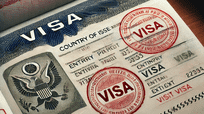
What Is A Pilgrimage Visa?
A Pilgrimage Visa is a special category of visa issued by certain countries to travelers intending to visit religious or spiritual sites for worship, devotion, or pilgrimage purposes. Unlike tourist or business visas, a pilgrimage visa is specifically designed for individuals who plan to engage in religious activities, attend holy sites, or participate in organized spiritual journeys. The visa often requires applicants to provide proof of their religious intent, such as letters from religious institutions, pilgrimage tour operators, or official sponsorship from religious organizations. Pilgrimage visas may have different durations, eligibility requirements, and entry restrictions, depending on the host country’s regulations. These visas help governments regulate and facilitate the influx of religious tourists while ensuring adherence to local customs and security protocols.
Eligibility Requirements For A Pilgrimage Visa
To qualify for a pilgrimage visa, applicants typically need to demonstrate a genuine religious purpose, often supported by an invitation from a recognized religious organization or evidence of participation in a pilgrimage program. Applicants may also need to provide valid identification, such as a passport, photographs, and proof of financial stability to cover travel expenses. Certain countries require medical certificates, police clearance, or proof of prior travel history. Age restrictions and prior visa violations may impact eligibility. Some countries have nationality-specific requirements, and religious affiliation may need to be documented. Understanding and meeting these criteria is essential to ensure a smooth application process and avoid delays or rejections.
How To Apply For A Pilgrimage Visa
The process of applying for a pilgrimage visa typically begins with completing an online or paper-based application form provided by the host country’s embassy or consulate. Applicants must attach supporting documents such as proof of religious purpose, travel itinerary, accommodation details, and financial statements. Some countries require an invitation letter from a religious authority or a licensed pilgrimage tour operator. Once submitted, the application may undergo verification, interviews, and background checks. Payment of the visa fee is usually required at submission. Approval times can vary from a few days to several weeks, depending on the destination and the completeness of the application. It is advisable to apply well in advance of the planned travel dates.
Required Documents For Pilgrimage Visa Application
A successful pilgrimage visa application generally requires several key documents. These include a valid passport with sufficient validity and blank pages, recent passport-sized photographs, a completed visa application form, proof of religious intent such as invitation letters or pilgrimage program registrations, travel itinerary, hotel bookings, and evidence of financial means to support the trip. Certain countries may additionally request vaccination certificates, travel insurance, and police clearance certificates. Ensuring that all documents are authentic, properly formatted, and consistent with the application form is crucial for minimizing delays or denials. Applicants should also verify specific country requirements, as these documents may vary according to local regulations.
Duration And Validity Of Pilgrimage Visa
The duration of a pilgrimage visa depends on the host country and the type of pilgrimage. Typically, these visas are valid for short-term travel ranging from a few days to several weeks, though some countries may offer multi-entry visas valid for several months. The visa usually specifies the maximum stay permitted per visit and may include entry restrictions tied to specific religious sites. Overstaying the allowed period can result in fines, penalties, or future visa denial. Understanding the validity and adhering to the permitted timeframe is essential to ensure compliance with immigration laws and avoid complications during or after the pilgrimage journey.
Cost Of Obtaining A Pilgrimage Visa
The cost of a pilgrimage visa varies according to the country of destination, applicant nationality, and visa processing type. Standard fees typically range from moderate to higher amounts, depending on the level of service requested, such as expedited processing. Some countries offer reduced fees for group pilgrimages organized by recognized religious institutions. Additional costs may include service charges, courier fees, or costs for supporting documents like medical certificates or police clearance. It is advisable to check the embassy or consulate website for accurate and updated fee structures before applying. Being financially prepared ensures a smoother application process without unexpected delays.
Common Restrictions And Conditions Of Pilgrimage Visas
Pilgrimage visas often come with specific restrictions, including limits on work or commercial activity, restricted travel routes, and compulsory participation in organized pilgrimage programs. Certain countries require visitors to follow a prescribed itinerary and stay at approved accommodations. Violating visa conditions can lead to penalties, deportation, or future visa ineligibility. Some pilgrimage visas also have limitations on the number of entries, mandatory registration with local authorities upon arrival, or restrictions on the transport of religious items. Understanding these conditions before travel ensures compliance with local laws and a safe, uninterrupted spiritual journey.
Benefits Of Pilgrimage Visas
Pilgrimage visas offer several advantages for religious travelers. They provide legal authorization for spiritual travel, reduce complications at entry points, and ensure access to organized religious programs or holy sites. These visas can also facilitate group travel, providing security and coordination support through authorized tour operators or religious organizations. For governments, pilgrimage visas help regulate visitor flow, enhance safety, and promote religious tourism while supporting cultural exchange. Obtaining a pilgrimage visa demonstrates a traveler’s adherence to legal requirements, ensuring a respectful and legitimate experience aligned with local traditions and practices.
Conclusion
Pilgrimage visas are an essential tool for individuals seeking to undertake religious journeys to sacred destinations. They help ensure that spiritual travelers comply with host country regulations, maintain safety, and respect local customs. By understanding the eligibility requirements, application process, necessary documents, costs, and restrictions, applicants can successfully navigate the process and enjoy a meaningful and fulfilling pilgrimage. Whether traveling individually or in groups, securing a pilgrimage visa in advance guarantees peace of mind and a smooth experience, allowing travelers to focus fully on their spiritual objectives.
Frequently Asked Questions
1. What Is A Pilgrimage Visa?
A Pilgrimage Visa is a type of travel authorization issued to individuals intending to visit religious or spiritual sites for worship, devotion, or pilgrimage purposes. It is distinct from tourist or business visas and is specifically designed to facilitate religious travel. Applicants generally need to provide proof of their spiritual or religious intent, often through letters from recognized religious institutions or registration with licensed pilgrimage tour operators. Pilgrimage visas may include specific conditions, such as limits on travel areas, durations of stay, and mandatory participation in organized pilgrimage programs. The purpose of this visa is to ensure that travelers can carry out their spiritual journey legally while respecting local customs and regulations.
2. How Do I Apply For A Pilgrimage Visa?
Applying for a pilgrimage visa involves filling out the application form provided by the destination country’s embassy or consulate, either online or on paper. Applicants must submit supporting documents, including proof of religious intent, travel itinerary, accommodation details, and financial statements. Certain countries require invitation letters from religious authorities or approved pilgrimage operators. After submission, applications may undergo verification, background checks, and interviews. Visa fees must be paid during the process, and the approval timeline can range from a few days to several weeks. Early application is recommended to allow sufficient processing time before the planned pilgrimage dates.
3. What Are The Eligibility Requirements For Obtaining A Pilgrimage Visa?
Eligibility requirements for a pilgrimage visa generally include demonstrating a genuine religious purpose supported by letters from recognized religious institutions or proof of participation in a pilgrimage program. Applicants must have a valid passport, photographs, and evidence of sufficient funds for the trip. Some countries require medical certificates, police clearance, or prior travel history documentation. Age restrictions, nationality, and prior visa violations may also influence eligibility. It is essential for applicants to carefully review the specific country’s guidelines to ensure compliance with all requirements, as meeting these conditions significantly increases the likelihood of a successful visa application and a smooth pilgrimage journey.
4. How Long Does It Take To Get A Pilgrimage Visa?
The processing time for a pilgrimage visa varies by country, applicant nationality, and the completeness of the submitted documentation. Standard processing may take anywhere from a few days to several weeks. Some countries provide expedited or priority processing for additional fees. Delays can occur if supporting documents are incomplete, inconsistent, or require verification from religious authorities. Applying well in advance of the intended pilgrimage is highly recommended. Embassies and consulates may also provide estimated timelines on their official websites, which applicants should consult to plan their travel accordingly, ensuring that they receive their visa in time for their spiritual journey.
5. How Much Does A Pilgrimage Visa Cost?
The cost of a pilgrimage visa depends on the destination country, the applicant’s nationality, and the type of processing requested. Standard fees vary from moderate to higher amounts, while expedited processing or special services may incur additional charges. Group pilgrimages organized through recognized religious institutions may benefit from reduced fees. Applicants should also consider supplementary costs such as courier services, document verification, and medical certificates. Checking the embassy or consulate’s official website for updated fee structures is crucial to avoid unexpected expenses. Being financially prepared ensures a smoother application process and prevents delays or complications due to incomplete payment.
6. Can I Extend A Pilgrimage Visa?
Extension policies for pilgrimage visas depend on the destination country. Some countries allow short-term extensions under specific conditions, while others strictly prohibit them. Extension requests often require a valid reason, supporting documentation, and approval from immigration authorities. Overstaying a visa without authorization can result in fines, deportation, or future visa ineligibility. Travelers seeking to extend their stay should consult the local embassy or immigration office well in advance, understand the legal procedures, and ensure compliance with local regulations. Proper planning and timely applications for extensions help maintain a smooth pilgrimage experience without legal complications.
7. Are Pilgrimage Visas Single Entry Or Multiple Entry?
Pilgrimage visas can be issued as single-entry or multiple-entry, depending on the host country’s regulations. Single-entry visas allow travelers to enter only once during the validity period, while multiple-entry visas enable repeated entry for multiple visits within the visa validity. The type of visa issued may depend on the applicant’s itinerary, participation in organized pilgrimage programs, or specific religious event schedules. It is important to verify the visa type before travel to ensure it meets the intended pilgrimage needs. Understanding entry limitations helps travelers plan their journey efficiently and avoid unexpected complications during their spiritual visit.
8. What Documents Are Required For A Pilgrimage Visa?
Documents typically required for a pilgrimage visa include a valid passport with adequate validity, recent passport-sized photographs, a completed visa application form, proof of religious intent such as invitation letters or program registrations, travel itinerary, accommodation bookings, and evidence of financial means. Some countries may additionally request vaccination certificates, police clearance, or travel insurance. Ensuring the accuracy, authenticity, and proper formatting of all documents is critical to prevent delays or denials. Reviewing the specific requirements of the destination country before submission ensures compliance and increases the chances of a smooth visa application process.
9. Can Children Apply For A Pilgrimage Visa?
Yes, children can apply for a pilgrimage visa, but additional documentation is often required. Typically, a parent or legal guardian must submit the application on behalf of minors. Supporting documents may include the child’s birth certificate, a notarized parental consent form, and evidence of the accompanying adult’s legal authority. Some countries may also require proof of the child’s participation in organized pilgrimage programs. Ensuring that all documentation meets the embassy’s or consulate’s requirements helps avoid delays or refusals. Parents should also be aware of age-specific regulations and restrictions to ensure a smooth pilgrimage experience for minors.
10. Is Travel Insurance Mandatory For Pilgrimage Visa?
Many countries require travelers applying for a pilgrimage visa to obtain travel insurance covering medical emergencies, accidents, or trip interruptions. Travel insurance provides financial protection and ensures compliance with immigration regulations. Some consulates may request proof of insurance as part of the application. The coverage requirements vary by destination and may include minimum coverage limits for hospitalization or evacuation. Having valid insurance ensures peace of mind during the pilgrimage and demonstrates preparedness to authorities. Applicants should verify the specific insurance requirements of the host country before applying to avoid complications or visa denial.
11. Can I Participate In Group Pilgrimages With A Pilgrimage Visa?
Yes, pilgrimage visas often facilitate participation in organized group pilgrimages. Many countries issue visas specifically for travelers registered with licensed pilgrimage tour operators or religious organizations. Group travel may offer benefits such as coordinated itineraries, transportation, accommodation, and security. Some countries even provide discounted visa fees for recognized group pilgrimages. Travelers must ensure they meet eligibility criteria and provide documentation confirming their participation in the group program. Adhering to group schedules and requirements is often a condition of the visa. Participating in group pilgrimages enhances the spiritual experience while maintaining compliance with immigration regulations.
12. Can Pilgrimage Visas Be Used For Tourism Purposes?
Pilgrimage visas are generally intended strictly for religious or spiritual travel and should not be used for tourism, business, or work purposes. Engaging in activities outside the scope of a pilgrimage visa, such as sightseeing beyond designated pilgrimage sites or participating in commercial ventures, may violate visa conditions. Such violations can lead to penalties, fines, or future visa ineligibility. Travelers should carefully plan their activities according to the visa’s intended purpose. If tourism or extended travel is desired, it is advisable to apply for the appropriate visa category. Respecting the visa’s restrictions ensures a lawful and smooth spiritual journey.
13. How Long Can I Stay On A Pilgrimage Visa?
The permitted stay on a pilgrimage visa varies by country and is typically short-term, ranging from several days to a few weeks. Some countries may offer multi-entry visas valid for several months, but each visit often has a maximum duration. Overstaying the authorized period can result in fines, deportation, or restrictions on future travel. Travelers must carefully adhere to the specified dates and ensure timely departure. Understanding the duration limits and planning the pilgrimage itinerary accordingly ensures compliance with immigration laws, allowing travelers to focus fully on their spiritual activities without legal concerns.
14. Do Pilgrimage Visas Require Sponsorship?
In many countries, pilgrimage visas require sponsorship from recognized religious institutions, tour operators, or authorized pilgrimage organizations. Sponsorship provides verification of the applicant’s genuine religious purpose and may include documentation such as invitation letters or program registration confirmations. Some countries also accept letters from local religious authorities or community leaders. Sponsorship requirements ensure that the applicant’s travel aligns with legitimate pilgrimage activities and supports proper monitoring of visitors. Meeting sponsorship conditions increases the likelihood of visa approval and guarantees a smoother application process for those intending to undertake a spiritual journey.
15. Are Pilgrimage Visas Available For All Nationalities?
Pilgrimage visas may not be universally available to all nationalities, as eligibility often depends on bilateral agreements or country-specific regulations. Some countries restrict pilgrimage visas to certain nationalities, while others require additional documentation or proof of prior travel history. Applicants should consult the embassy or consulate of the destination country to determine nationality-specific requirements. Understanding these restrictions before application is crucial to avoid delays, rejections, or unnecessary expenses. Planning ahead ensures that travelers meet all conditions and secure the appropriate visa to undertake their spiritual journey legally and efficiently.
16. Can I Travel To Multiple Sites With A Pilgrimage Visa?
Depending on the host country’s regulations, pilgrims may be allowed to visit multiple approved religious sites on a single pilgrimage visa. Some visas require travelers to follow a prescribed itinerary, while others allow flexibility within specified regions. Deviating from the authorized travel plan may violate visa conditions. It is essential to confirm the permitted travel scope before departure and adhere to designated routes or site lists. Understanding the permitted access ensures compliance with local regulations, prevents legal issues, and allows travelers to fully engage in their spiritual journey without interruptions or complications.
17. Are Health Certificates Required For Pilgrimage Visas?
Certain countries mandate health or vaccination certificates as part of the pilgrimage visa application. This may include proof of immunizations against diseases such as yellow fever, COVID-19, or other region-specific requirements. Medical certificates may also confirm the applicant’s fitness to travel, especially for long or strenuous pilgrimages. Submitting accurate and up-to-date health documentation ensures compliance with immigration rules and minimizes the risk of entry denial. Travelers should verify the health requirements of the host country well in advance and arrange the necessary certificates to guarantee a smooth application process and safe pilgrimage experience.
18. Can Pilgrimage Visa Applications Be Rejected?
Yes, pilgrimage visa applications can be rejected for several reasons, including incomplete documentation, insufficient proof of religious intent, prior visa violations, or failure to meet eligibility criteria. Rejection may also occur if the applicant’s nationality faces restrictions or if security and background checks raise concerns. Understanding the application requirements, providing authentic documents, and following embassy or consulate guidelines significantly reduces the likelihood of refusal. If rejected, applicants may have the option to appeal, reapply, or seek clarification on deficiencies. Careful preparation is crucial to maximize the chances of approval and ensure a successful pilgrimage.
19. Is A Pilgrimage Visa Renewable?
Renewability of pilgrimage visas depends on the destination country. Some countries allow extensions or renewals under specific conditions, while others strictly prohibit renewal. Travelers seeking renewal typically must submit an application before the visa expires, provide a valid reason, and meet any updated eligibility criteria. Overstaying or failing to follow renewal procedures can result in fines, deportation, or restrictions on future visa applications. Checking the host country’s regulations in advance ensures compliance and prevents complications. Proper planning and timely submission of renewal requests allow pilgrims to continue their spiritual journey legally if the visa extension is permitted.
20. How Can I Ensure A Smooth Pilgrimage Visa Application?
Ensuring a smooth pilgrimage visa application involves thorough preparation, accurate documentation, and understanding of the host country’s requirements. Applicants should complete the application form carefully, provide valid identification, proof of religious intent, travel itinerary, accommodation details, and evidence of financial capacity. Consulting embassy websites, confirming sponsorship requirements, and adhering to health regulations are essential steps. Submitting a complete and well-organized application reduces processing delays and minimizes the risk of rejection. Applying early, following prescribed procedures, and seeking guidance from recognized pilgrimage organizations ensures a hassle-free process and a successful spiritual journey.
FURTHER READING
- What Countries Offer Electronic Visa (E-Visa)?
- Are Electronic Visas (E-Visas) Recognized Globally?
- Can I Travel With An Electronic Visa (E-Visa) On A Mobile Device?
- Can I Apply For An Electronic Visa (E-Visa) On Behalf Of Someone Else?
- How To Check The Status Of Your Electronic Visa (E-Visa)?
- Should I Choose An Electronic Visa (E-Visa) Or A Traditional Visa?
- Electronic Visa (E-Visa) vs. Physical Visa: Which One Is Better?
- What Is The Difference Between An Electronic Visa (E-Visa) And A Regular Visa?
- Do I Need A Printed Copy Of My Electronic Visa (E-Visa)?
- Is An Electronic Visa (E-Visa) Safe To Use? | All About E-Visa Safety
- Can I Extend My Electronic Visa (E-Visa)? | Everything About E-Visa extension
- Advantages and Disadvantages Of Using An Electronic Visa (E-Visa)