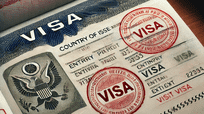
What Is A Pilgrimage Visa?
A Pilgrimage Visa is a special type of visa issued by certain countries to allow individuals to travel for religious purposes, usually to visit sacred sites, participate in rituals, or undertake spiritual journeys. It is primarily intended for pilgrims who wish to explore important religious landmarks, attend ceremonies, or fulfill personal religious obligations. This visa often has specific eligibility requirements, including proof of religious affiliation, confirmation of travel plans, and sometimes sponsorship from a recognized religious institution. Pilgrimage visas can have restricted validity periods and are usually non-extendable. Understanding the definition and purpose of a pilgrimage visa is essential before beginning the application process, as it ensures compliance with the host country’s religious and travel regulations.
Eligibility Requirements For A Pilgrimage Visa
To apply for a pilgrimage visa, applicants must meet certain eligibility criteria established by the issuing country. Typically, applicants should provide evidence of their religious purpose, including invitation letters from religious organizations, confirmations of participation in events, or proof of affiliation to a recognized religious institution. Passport validity is a key factor, generally requiring six months or more before expiration. Additionally, some countries require health clearances, recent photographs, and proof of financial means to cover travel and stay expenses. Criminal background checks may also be required in certain cases. Meeting these eligibility requirements ensures that applicants are qualified to receive the visa and prevents delays during processing.
Documents Required For Pilgrimage Visa Application
The pilgrimage visa application process necessitates several documents to verify identity, intent, and eligibility. Key documents typically include a valid passport, completed application form, recent passport-sized photographs, and proof of religious affiliation or sponsorship. Applicants may also need travel itineraries, accommodation confirmations, and return flight tickets. Financial documents demonstrating sufficient funds to support the journey, such as bank statements or sponsorship letters, are often mandatory. Health-related documents or vaccination certificates may be requested depending on the destination. Ensuring all documents are complete, accurate, and up-to-date is crucial, as missing or incorrect documentation can lead to application delays or denial.
How To Apply For A Pilgrimage Visa
Applying for a pilgrimage visa involves a step-by-step process designed to verify the applicant’s religious purpose and eligibility. First, applicants must complete the official visa application form, either online or in paper format, providing accurate personal information and travel plans. Next, they compile all required documents, including sponsorship letters, financial statements, and health certificates. Once documents are prepared, applicants submit the application to the relevant embassy or consulate, paying the applicable visa fees. An interview may be scheduled for further verification. After submission, the application is processed, and applicants receive notification of approval or additional requirements. Timely preparation and thoroughness are key to a successful application.
Processing Time And Visa Fees
The processing time for a pilgrimage visa varies by country and may depend on the volume of applications received. Generally, processing takes between 5 to 30 business days, although expedited options may be available for urgent travel. Visa fees also vary and are determined by the destination country and duration of stay. Fees must typically be paid at the time of application and are non-refundable. Some countries may also charge service fees for application handling. Applicants should plan their travel in accordance with the estimated processing times and ensure they have paid the correct fee to avoid delays. Understanding the timeline and cost is crucial for effective travel planning.
Duration And Validity Of A Pilgrimage Visa
The validity period of a pilgrimage visa depends on the issuing country and the purpose of the visit. Most pilgrimage visas are short-term and allow stays ranging from a few weeks to a few months, often tied to the duration of religious events or festivals. The visa may be single-entry or multiple-entry, with restrictions on re-entry. Overstaying a pilgrimage visa can result in fines, deportation, or future travel restrictions. Applicants should carefully check the visa’s validity dates and comply with all conditions. Proper planning ensures a smooth pilgrimage experience while avoiding legal complications related to visa overstay or misuse.
Tips For A Successful Pilgrimage Visa Application
To improve the likelihood of obtaining a pilgrimage visa, applicants should carefully follow instructions, provide complete documentation, and double-check all information for accuracy. Maintaining a clear travel plan with confirmed accommodations and transport is important. Applicants should also demonstrate financial capability and ensure their passport meets validity requirements. Preparing for any potential interviews and providing honest, transparent information about the purpose of the trip can enhance credibility. Consulting with religious organizations or visa experts can provide additional guidance. Following these tips reduces the risk of delays or rejections and helps ensure a smooth and stress-free application process.
Frequently Asked Questions
1. How Do I Apply For And Get A Pilgrimage Visa?
To apply for and obtain a pilgrimage visa, you must first gather all required documents including a valid passport, completed application form, passport photos, proof of religious affiliation, sponsorship letters, travel itineraries, and financial statements. Submit these to the embassy or consulate of the country you wish to visit, along with the applicable visa fee. Depending on the country, an interview may be scheduled to verify your purpose and eligibility. Processing times vary from 5 to 30 business days, after which you will receive notification of approval. Ensuring accuracy, completeness, and compliance with all requirements is critical for a successful application.
2. What Are The Eligibility Requirements For Obtaining A Pilgrimage Visa?
Eligibility requirements typically include proof of religious purpose, valid passport with six months’ minimum validity, completed visa application form, passport-sized photographs, financial documentation, and sometimes health clearances or vaccination certificates. Sponsorship letters or invitations from recognized religious institutions are often necessary. Criminal background checks may be required in some countries. Meeting all eligibility requirements ensures your application is considered valid and reduces the risk of delays or denial. Understanding and adhering to the specific criteria of the destination country is essential for a successful application.
3. How Long Does It Take To Get A Pilgrimage Visa?
Processing time for a pilgrimage visa generally ranges between 5 and 30 business days, depending on the country, volume of applications, and the completeness of submitted documentation. Some countries offer expedited processing for urgent travel, which may reduce the wait to a few days. Delays can occur if documents are incomplete, incorrect, or if additional verification is required. Planning ahead and submitting a thorough, accurate application ensures timely approval. Applicants should also monitor updates from the embassy or consulate to track the status of their visa application efficiently.
4. How Much Does A Pilgrimage Visa Cost?
The cost of a pilgrimage visa varies based on the destination country and duration of stay. Fees typically range from $50 to $200 but may include additional service or processing charges. Payment is usually required at the time of submission and is non-refundable, regardless of the outcome of the application. Some countries may offer fee waivers or reductions for certain applicants, such as groups or sponsored pilgrims. Checking the official embassy or consulate website ensures you have the correct fee information and helps prevent payment errors that could delay visa approval.
5. What Documents Are Required To Apply For A Pilgrimage Visa?
Essential documents generally include a valid passport, completed visa application form, recent passport-sized photographs, proof of religious purpose or affiliation, sponsorship letters, financial statements, and travel itineraries. Health records, vaccination certificates, or medical clearances may also be required depending on the country. Ensuring that all documents are accurate, legible, and complete is vital to avoid processing delays or rejection. Organizing documents carefully and verifying requirements from the official embassy source ensures a smoother application experience.
6. Can I Apply For A Pilgrimage Visa Online?
Many countries allow online applications for pilgrimage visas through official government portals. Online applications typically require filling out forms, uploading digital copies of supporting documents, and paying the visa fee electronically. Some countries still require in-person submission or interviews at embassies or consulates. Checking the official website of the destination country is necessary to determine if online application is possible and to ensure you follow correct procedures. Completing the process online can save time and streamline document submission, but attention to detail remains crucial.
7. Is There A Limit On The Number Of Entries For A Pilgrimage Visa?
Pilgrimage visas may be issued as single-entry or multiple-entry, depending on the country’s policies and the applicant’s travel purpose. Single-entry visas allow one visit, after which you must leave the country, while multiple-entry visas permit re-entry within the validity period. Overstaying or violating entry terms can result in fines, deportation, or future travel restrictions. Applicants should carefully read the visa conditions and plan their travel accordingly to comply with entry regulations. Choosing the correct entry type ensures uninterrupted pilgrimage activities.
8. Do I Need Sponsorship To Apply For A Pilgrimage Visa?
Many countries require a sponsorship or invitation from a recognized religious organization or institution to apply for a pilgrimage visa. Sponsorship validates the applicant’s purpose of visit, provides assurance to the authorities, and sometimes covers financial or logistical support. Sponsorship letters must typically include information about the applicant, the religious program or event, and confirmation of participation. Obtaining sponsorship early and ensuring it meets official criteria strengthens the application and reduces the likelihood of delays or rejection.
9. What Is The Validity Period Of A Pilgrimage Visa?
The validity period of a pilgrimage visa varies by country, usually ranging from a few weeks to several months. It often aligns with the duration of religious events or festivals. Some visas allow single-entry visits, while others permit multiple entries within the validity period. Overstaying can lead to penalties, deportation, or bans on future travel. Applicants should carefully check the visa’s start and end dates and plan their pilgrimage accordingly to ensure compliance with immigration regulations and to maximize their spiritual journey.
10. Can I Extend A Pilgrimage Visa?
Extension of a pilgrimage visa is generally restricted, as these visas are intended for short-term religious travel. Some countries allow extensions under exceptional circumstances, requiring submission of additional documentation, justification for the extended stay, and approval from immigration authorities. Overstaying without authorization can result in fines, legal penalties, or difficulties in obtaining future visas. Applicants should plan the pilgrimage carefully and ensure the original visa duration covers all intended activities. Understanding extension policies in advance helps avoid complications.
11. What Are Common Reasons Pilgrimage Visa Applications Are Rejected?
Common reasons include incomplete or inaccurate documents, insufficient proof of religious purpose, invalid or near-expiry passports, lack of financial evidence, missing sponsorship letters, or failure to meet health and vaccination requirements. Misrepresentation of information or criminal records may also lead to rejection. Carefully reviewing requirements, double-checking documentation, and submitting accurate, truthful information reduces the risk of rejection. Consulting official sources and seeking guidance from religious organizations can improve the chances of successful visa approval.
12. Can Minors Apply For A Pilgrimage Visa?
Yes, minors can apply for pilgrimage visas, but they often require parental or guardian consent and additional documentation, such as birth certificates, notarized consent letters, and identification of accompanying adults. Some countries may have specific rules for unaccompanied minors, including sponsorship by a recognized institution. Ensuring all requirements are met and providing accurate supporting documents is essential for the application’s success. Careful preparation avoids delays and ensures a smooth pilgrimage for minors.
13. Is Health Insurance Required For A Pilgrimage Visa?
Many countries recommend or require health insurance to cover medical emergencies during the pilgrimage. Proof of health insurance may be requested during the application process. Insurance should typically cover the entire duration of stay, including potential accidents, illness, or hospitalization. Adequate health coverage not only fulfills visa requirements but also provides peace of mind, ensuring pilgrims can focus on spiritual activities without worrying about unexpected medical costs. Applicants should verify insurance requirements for the destination country.
14. Can I Travel With A Pilgrimage Visa For Tourism Purposes?
A pilgrimage visa is strictly for religious purposes and is not intended for general tourism. Using it for sightseeing, business, or other activities may violate visa conditions, resulting in fines, deportation, or future visa restrictions. Travelers should plan non-religious activities under the appropriate visa type. Understanding the scope and limitations of a pilgrimage visa ensures compliance with immigration laws and prevents legal issues during travel.
15. How Do I Track The Status Of My Pilgrimage Visa Application?
Visa application status can usually be tracked through the embassy or consulate website, using a reference number provided during submission. Some countries also offer email or phone updates. Regularly monitoring the application status ensures timely responses to additional requests or documentation requirements. Applicants should keep a record of all submissions and correspondence to resolve any issues efficiently. Timely tracking helps avoid delays and ensures a smooth travel plan.
16. Are There Any Age Restrictions For Pilgrimage Visas?
Most countries do not impose strict age limits, but some may require minors to travel with adults or meet specific conditions. Elderly applicants should ensure health suitability and provide necessary medical documentation if requested. Understanding age-related requirements helps ensure a successful application and safe travel experience for all pilgrims, regardless of age.
17. Can Pilgrimage Visas Be Canceled Or Revoked?
Yes, pilgrimage visas can be canceled or revoked if applicants violate visa conditions, provide false information, or fail to comply with immigration regulations. Cancellation may also occur if the sponsoring institution withdraws support. Staying informed about rules and adhering to all requirements is critical to avoid revocation. Maintaining compliance ensures uninterrupted pilgrimage and preserves eligibility for future travel.
18. Are Group Applications For Pilgrimage Visas Accepted?
Many countries allow group applications, often with streamlined processing for multiple pilgrims traveling together. Group applications may require collective sponsorship letters, a list of participants, and coordinated travel arrangements. Ensuring all group members meet eligibility requirements and submit accurate documentation facilitates smooth processing and reduces administrative delays. Consulting official embassy guidelines is essential for group applications.
19. Can I Apply For A Pilgrimage Visa Multiple Times?
Yes, travelers can apply for pilgrimage visas multiple times, provided they meet eligibility requirements for each application. Repeated applications require separate documentation, sponsorship, and payment of visa fees. Maintaining a record of past travel and compliance with previous visas can positively influence future approvals. Planning repeated pilgrimages carefully ensures a successful experience each time.
20. What Should I Do If My Pilgrimage Visa Is Delayed?
If a visa is delayed, contact the embassy or consulate to inquire about the status, providing your reference number and supporting documentation. Delays may result from incomplete applications, high demand, or additional verification. Preparing all documents in advance, submitting complete forms, and monitoring application status can minimize delays. In urgent cases, some countries offer expedited processing options to accommodate time-sensitive travel plans.
FURTHER READING
- What Is A Pilgrimage Visa? | Definition, Eligibility Requirements, Cost, Documents, Duration, Validity, How To Apply For A Pilgrimage Visa
- What Countries Offer Electronic Visa (E-Visa)?
- Are Electronic Visas (E-Visas) Recognized Globally?
- Can I Travel With An Electronic Visa (E-Visa) On A Mobile Device?
- Can I Apply For An Electronic Visa (E-Visa) On Behalf Of Someone Else?
- How To Check The Status Of Your Electronic Visa (E-Visa)?
- Should I Choose An Electronic Visa (E-Visa) Or A Traditional Visa?
- Electronic Visa (E-Visa) vs. Physical Visa: Which One Is Better?
- What Is The Difference Between An Electronic Visa (E-Visa) And A Regular Visa?
- Do I Need A Printed Copy Of My Electronic Visa (E-Visa)?
- Is An Electronic Visa (E-Visa) Safe To Use? | All About E-Visa Safety