Posted on Leave a comment

How Much Bank Balance Is Required For A Student Visa?

What Is A Student Visa?

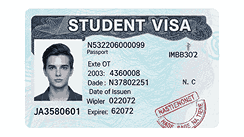
A student visa is an official document issued by a country that allows foreign nationals to study at accredited educational institutions within its borders for a specified period. Obtaining a student visa often requires meeting multiple eligibility criteria, including proof of enrollment at a recognized institution, financial stability, and sometimes language proficiency. Student visas are designed to ensure that international students can cover tuition fees, living expenses, and other costs while pursuing their education abroad. Immigration authorities carefully evaluate the applicant’s financial capacity, as they need to confirm that the student will not become a public burden or face financial hardships during their stay.

Understanding Bank Balance Requirements For A Student Visa

The bank balance required for a student visa is a critical aspect of the application process. Immigration authorities in most countries require proof that the applicant has sufficient funds to cover tuition fees, living costs, accommodation, insurance, and other personal expenses. The required amount varies depending on the destination country, the type of program, the duration of the study, and the city where the student will live. Typically, applicants must provide recent bank statements or fixed deposits demonstrating a minimum balance equivalent to one year’s tuition plus living expenses. This ensures financial security and compliance with visa regulations.

Factors Determining The Required Bank Balance

Several factors influence the minimum bank balance required for a student visa. Tuition fees differ across institutions, courses, and countries. Similarly, the cost of living varies significantly between cities and regions. Additional costs, such as health insurance, travel, books, and study materials, must also be considered. Immigration authorities may also account for dependents accompanying the student. The applicant’s age and academic level might influence the financial documentation needed. Some countries require bank balances in the form of savings, fixed deposits, or parental sponsorship letters, while others allow student loans or scholarship proofs. Careful planning is essential to ensure the submitted balance meets the minimum eligibility requirements.

Documentation Required To Prove Financial Stability

Applicants must provide specific financial documents to satisfy visa authorities. Commonly required documents include bank statements for the past three to six months, fixed deposit certificates, sponsorship letters, scholarship award letters, and affidavits of support from parents or guardians. Proof of income, such as salary slips, tax returns, or property ownership, may also be requested. These documents must demonstrate that the student has access to sufficient funds for tuition, living expenses, and unforeseen emergencies. It is essential that all financial records are authentic, current, and verifiable, as visa officers scrutinize discrepancies or insufficiencies which can lead to rejection.

Minimum Bank Balance Requirements By Country

The minimum bank balance requirement varies depending on the country of study. For instance, the United States usually requires proof of funds covering tuition plus at least one year of living expenses, often amounting to $20,000–$30,000 for many universities. The United Kingdom requires a minimum of £1,334 per month for living expenses outside London or £1,023 in London, plus tuition fees. Canada typically asks for CAD 10,000–15,000 per year, while Australia requires around AUD 21,000 for living expenses, in addition to tuition fees. Prospective students must research the latest country-specific financial requirements before submitting their visa applications.

Tips To Meet Bank Balance Requirements

To meet bank balance requirements efficiently, students should consider opening a dedicated savings or fixed deposit account well in advance. Ensuring that funds are maintained for at least three to six months before application is essential, as visa authorities often check account history. Scholarships, student loans, and financial sponsorships can supplement personal funds but must be documented correctly. Consulting with educational agents or university international offices can help clarify acceptable formats and documentation. Students should avoid last-minute large deposits, as sudden inflows may be flagged as suspicious or non-genuine. Planning ahead ensures smooth verification and increases the likelihood of visa approval.

Common Mistakes To Avoid

Many students fail to meet financial criteria due to incomplete or inaccurate documentation. Common mistakes include providing outdated bank statements, showing insufficient account balances, failing to include all tuition and living expenses, or submitting unverifiable financial proofs. Another frequent error is underestimating currency conversion differences or not accounting for inflation-related costs. Over-reliance on informal sponsorships without proper documentation can also lead to visa rejection. To avoid these pitfalls, students should carefully read visa guidelines, maintain consistent account balances, and provide authentic financial proof. Transparency and accuracy significantly improve the chances of a successful student visa application.

Conclusion

Meeting the bank balance requirement for a student visa is a crucial step in securing international education. The exact amount varies based on country, institution, course, and living costs, but providing authentic, verifiable financial proof is universally mandatory. Proper planning, early preparation, and understanding country-specific regulations can make the visa process smoother and reduce the risk of delays or rejection. Students should explore scholarships, financial sponsorships, and legitimate savings strategies to ensure they meet the financial requirements confidently. Ultimately, demonstrating financial stability assures immigration authorities that the student is prepared for a successful academic journey abroad.

Frequently Asked Questions

1. How Much Bank Balance Is Required For A Student Visa?

The bank balance required for a student visa typically depends on the country of study, the tuition fees of the chosen institution, and living costs in that region. Most countries require proof of sufficient funds to cover at least one year of tuition plus living expenses. For example, the United States usually asks for $20,000–$30,000, while the United Kingdom requires approximately £1,334 per month outside London or £1,023 in London. Canada and Australia require CAD 10,000–15,000 and AUD 21,000 respectively, in addition to tuition. Immigration authorities may also accept fixed deposits, scholarships, or financial sponsorship letters. It is crucial that the bank balance is stable and verifiable for a period before application, typically three to six months.

2. Can A Student Visa Be Approved Without Meeting Bank Balance Requirements?

No, meeting the financial requirement is essential for student visa approval. Visa authorities verify that applicants can afford tuition, living costs, and other expenses. Failure to provide adequate proof can lead to rejection, even if the student meets other criteria such as admission letters or language proficiency. Authorities may require bank statements, fixed deposits, scholarships, or parental sponsorship documents to demonstrate financial stability. Some countries may allow student loans or partial funding through scholarships, but these must be documented clearly. Consistently maintaining sufficient funds over several months prior to application increases credibility and improves the likelihood of approval.

3. How Long Should The Bank Balance Be Maintained Before Applying?

Most countries require applicants to maintain a consistent bank balance for at least three to six months before submitting a student visa application. Sudden large deposits are often considered suspicious and may not be accepted as genuine proof of financial stability. Maintaining funds over time demonstrates the applicant’s ability to support themselves throughout their studies. Additionally, authorities may verify account history to ensure the balance is genuine and not artificially inflated. Planning financial arrangements in advance and ensuring all deposits and withdrawals are transparent reduces the risk of rejection. Early preparation allows time for any additional funds or documents to be arranged if required.

4. Can Scholarships Replace Bank Balance Requirements?

Yes, scholarships can replace part or all of the required bank balance, depending on the country and visa regulations. Fully-funded scholarships usually cover tuition and sometimes living expenses, significantly reducing the financial burden on students. Partial scholarships may need to be supplemented with personal funds or parental sponsorships. Scholarship letters must be official, specifying the amount covered and the duration of funding, and submitted along with the visa application. Immigration authorities carefully review scholarship documentation to ensure that financial coverage is reliable and sufficient. Combining scholarships with verified personal savings often strengthens the visa application.

5. Are Student Loans Accepted For Bank Balance Proof?

Yes, student loans are generally accepted as proof of financial capacity if they are officially sanctioned and verifiable. Loan sanction letters should indicate the amount approved, disbursal schedule, and the lending institution. Authorities may require confirmation that funds are readily accessible for tuition and living expenses. Using a student loan can help applicants meet the minimum balance requirement without maintaining large personal savings. However, the credibility and documentation of the loan are crucial. Providing incomplete or unofficial loan statements may lead to rejection. Loans combined with scholarships or partial personal funds can also meet financial criteria effectively.

6. Does The Type Of Bank Account Matter?

Yes, the type of bank account can influence the acceptance of funds as proof for a student visa. Savings accounts, fixed deposits, and term deposits are usually preferred because they demonstrate stability and accessibility. Current accounts may be acceptable but may require additional verification, as frequent transactions could be seen as unreliable for sustaining living expenses. Some countries have specific guidelines about the account type, minimum balance, and duration of maintenance. Choosing an account type that aligns with visa requirements and ensuring consistent balances over several months improves credibility. It is advisable to consult official guidelines or educational advisors before submission.

7. How Are Currency Conversion Rates Considered?

Currency conversion rates play a significant role in determining whether the bank balance meets visa requirements. Immigration authorities convert the applicant’s funds into local currency to verify sufficiency for tuition and living expenses. Fluctuating exchange rates may affect the minimum balance needed, so students should maintain slightly higher funds than the calculated requirement to avoid shortfalls. Bank statements should clearly show the original currency, and applicants may include official conversion proofs if necessary. Planning for currency variations ensures that even after conversion, the balance meets or exceeds the minimum financial requirement for the student visa.

8. Can Parents’ Bank Accounts Be Used?

Yes, parents’ or guardians’ bank accounts can be used to demonstrate financial stability, provided proper documentation is submitted. This includes an affidavit of support, proof of relationship, and recent bank statements showing sufficient funds. Visa authorities must be assured that the student can access these funds when needed. Some countries may also require income proof, tax returns, or employment details of the sponsor. Using parents’ accounts is a common practice, but transparency and verifiability are essential. Combining parental sponsorship with personal funds often strengthens the application and ensures that all tuition, living, and emergency costs are adequately covered.

9. Are Fixed Deposits Preferred Over Savings Accounts?

Fixed deposits are often preferred because they provide stable proof of financial capacity over a specified period. Savings accounts may show fluctuating balances, which can be scrutinized by visa authorities. Fixed deposits demonstrate that the student has access to a guaranteed amount of money, reducing doubts about fund availability. Many countries require the deposit to be held for at least three to six months before the visa application. Fixed deposits can also be combined with other sources of funds, such as scholarships, loans, or parental sponsorship, to meet the overall financial requirement. Early planning ensures compliance and increases approval chances.

10. Do Living Costs Affect Bank Balance Requirements?

Absolutely. Living costs are a major factor in calculating the required bank balance for a student visa. Authorities consider accommodation, food, transportation, health insurance, books, and personal expenses when determining financial sufficiency. Cities with higher costs, such as London, New York, or Sydney, require significantly higher balances compared to smaller cities or towns. Visa guidelines usually provide estimated living costs for students, which must be included in the proof of funds. Ignoring these costs or underestimating them may lead to rejection. Accurate budgeting, considering both tuition and living expenses, is essential for successful visa approval.

11. Can Partial Payments Of Tuition Fees Reduce Required Bank Balance?

Yes, paying a portion of tuition fees in advance can reduce the remaining bank balance required. Many institutions issue official receipts or fee payment confirmation letters, which can be submitted to visa authorities as proof of financial commitment. The remaining balance must still be sufficient to cover living costs and any remaining tuition fees. Partial payments demonstrate proactive financial planning and may ease visa scrutiny. However, applicants should ensure that the sum already paid is recognized officially and meets the minimum requirements set by the immigration authorities. Documentation of all payments is essential to avoid delays or rejection.

12. How Important Is Proof Of Financial Stability?

Proof of financial stability is critical for obtaining a student visa. Immigration authorities must be confident that students can sustain themselves throughout their academic program without relying on public funds. Authentic bank statements, fixed deposits, sponsorship letters, scholarships, or loans all serve to demonstrate financial capability. Insufficient or unverifiable proof often leads to visa rejection. Maintaining consistent funds, providing accurate documentation, and planning for tuition, living, and emergency costs ensures credibility. Strong financial proof not only satisfies visa requirements but also instills confidence in authorities that the student is prepared for overseas education.

13. Are Short-Term Deposits Accepted?

Short-term deposits may be accepted in some countries if they are easily accessible and clearly documented. However, authorities usually prefer funds maintained for a longer period to ensure stability. Sudden deposits or very short-term funds may be questioned for authenticity. It is advisable to use deposits held for at least three to six months before the application to meet credibility standards. Combining short-term deposits with other sources, such as personal savings or scholarships, can strengthen the financial documentation. Ensuring transparency and verifiability of all funds improves the likelihood of visa approval and reduces potential delays.

14. How To Show Accessibility Of Funds?

Accessibility of funds is demonstrated by providing bank statements, fixed deposit withdrawal letters, loan sanction letters, or sponsorship documentation. The student or sponsor must show that funds can be withdrawn or transferred to cover tuition and living expenses when needed. Some countries may request notarized affidavits confirming access. Authorities scrutinize documentation to ensure that funds are not blocked or restricted. Properly showing accessibility reassures immigration officers that the applicant can manage their finances independently while studying abroad. Clear, authentic, and verifiable documentation is essential for satisfying this requirement and avoiding potential visa complications.

15. Does Age Or Course Type Influence Bank Balance Requirement?

Yes, age and course type may influence financial requirements. Undergraduate students may need higher living expense proofs if they are younger and less financially experienced, whereas postgraduate students might have lower living costs if they have partial scholarships or assistantships. Specialized programs such as medicine, engineering, or MBA may have higher tuition fees, requiring larger bank balances. Authorities consider these factors when evaluating financial proofs. Careful planning based on course duration, type, and personal circumstances ensures compliance. Consulting official visa guidelines or university international offices helps determine the precise financial requirement for each individual case.

16. Can Part-Time Work Offset Bank Balance Requirements?

Part-time work may supplement financial needs but is rarely accepted as a primary proof of sufficient funds. Immigration authorities often require verified savings or scholarships at the time of application. Part-time employment is usually allowed after enrollment and may help cover ongoing expenses, but it does not replace the initial bank balance requirement. Relying solely on potential income from part-time work can jeopardize visa approval. Students should focus on demonstrating stable financial resources upfront and use part-time employment as additional support during their studies. Clear documentation and adherence to visa rules are essential for compliance.

17. Are Property Documents Considered For Financial Proof?

Yes, some countries accept property ownership documents as part of financial proof. Applicants must provide official property deeds, valuation certificates, and proof of ownership. Authorities may calculate a portion of property value to estimate financial stability. However, property alone is usually not sufficient; liquid funds in bank accounts are typically required to demonstrate immediate access to money for tuition and living costs. Combining property with bank balances, scholarships, or loans strengthens the financial documentation. Properly documenting and verifying property ownership is critical to avoid rejection due to insufficient or unconvincing proof of funds.

18. How To Handle Sudden Large Deposits In Bank Account?

Sudden large deposits before visa application can raise suspicion. Authorities may question the source of funds, delaying the process or leading to rejection. It is advisable to maintain consistent balances over three to six months rather than making last-minute deposits. If a large deposit occurs, proper documentation showing its origin, such as gift letters, loan approval, or salary, must be provided. Transparency and verifiability are essential. Maintaining steady balances over time demonstrates financial stability and reliability, ensuring a smoother visa approval process and compliance with immigration financial requirements.

19. Can Insurance Coverage Reduce Required Bank Balance?

Yes, in some countries, proof of prepaid health or student insurance can slightly reduce the bank balance requirement by offsetting expected medical expenses. Authorities may require official insurance documentation specifying coverage amount, duration, and validity. While insurance does not replace tuition or living cost requirements, it demonstrates preparedness for unforeseen medical emergencies, which may be factored into overall financial adequacy. Combining verified insurance with stable bank balances, scholarships, or loans ensures compliance with financial requirements. Accurate documentation of insurance coverage strengthens the visa application and reduces scrutiny over potential health-related financial risks.

20. What Are The Consequences Of Insufficient Bank Balance?

Providing an insufficient bank balance or unverifiable financial proof can lead to immediate visa rejection. Even if the applicant meets all other criteria, immigration authorities prioritize financial stability to ensure students can sustain themselves. Insufficient funds may also trigger additional document requests, delays, or denials. In some cases, applicants may be asked to reapply after arranging adequate finances. Maintaining sufficient funds, authentic documentation, and transparency is critical. Proper planning and early financial preparation significantly reduce the risk of rejection and demonstrate reliability, increasing the likelihood of a successful student visa approval.

FURTHER READING

A Link To A Related External Article

Student Visas

Posted on Leave a comment

Can I Apply For A Student Visa Without Admission?

What Is A Student Visa?

A Student Visa is an official document or endorsement issued by a country that allows a foreign national to enter and study at a recognized educational institution within that country. It grants permission to pursue academic programs such as undergraduate, postgraduate, vocational, or language courses, and often comes with specific conditions, including restrictions on work hours and study duration. Student visas are essential for international students because they legally permit them to study abroad, ensuring compliance with immigration laws. The visa process usually requires proof of admission, financial stability, and a valid passport, among other documentation. Understanding its purpose is crucial for anyone planning to study overseas.

Requirements For A Student Visa

The requirements for obtaining a student visa vary depending on the destination country but generally include proof of acceptance from an accredited institution, sufficient funds to cover tuition and living expenses, a valid passport, medical and travel insurance, and sometimes a clean criminal record. Many countries also require evidence of language proficiency, such as IELTS or TOEFL scores, and a statement of purpose explaining the applicant’s academic goals. Some nations may ask for interviews or additional supporting documents, like letters of recommendation. Meeting all these requirements increases the chances of approval, while incomplete or inconsistent documentation can lead to delays or rejections.

Can I Apply For A Student Visa Without Admission?

Applying for a student visa without a confirmed admission is generally not possible in most countries because the visa process is designed to ensure that applicants have a valid place in a recognized educational program. Admission from a school or university acts as proof that the applicant has a genuine reason to study abroad. However, some countries offer conditional or pre-approval visas, sometimes called provisional student visas, allowing students to apply before securing full admission, provided they meet certain criteria, like demonstrating strong academic records, financial stability, and intention to enroll. Nonetheless, final approval usually depends on obtaining the official admission letter.

Conditional Or Pre-Admission Student Visas

Some countries provide pathways for students to begin the visa process before receiving formal admission. These conditional visas or pre-admission permits may require the student to submit acceptance from a list of pre-approved institutions, evidence of funds, and academic transcripts. Once the student secures final admission, the visa can be activated or converted to a full student visa. This approach is designed to help international students start preparations without losing valuable time, especially when admission cycles or processing times are long. Understanding each country’s specific rules regarding pre-admission visas is critical, as not all nations offer this option.

Importance Of Financial Proof

Even without admission, some visa authorities require applicants to demonstrate the ability to finance their studies and living expenses abroad. This includes bank statements, scholarship awards, or sponsorship letters. Financial proof reassures the immigration authorities that the applicant can support themselves during their stay and reduces the risk of overstaying. Additionally, some countries use financial documents as part of eligibility assessment for pre-admission applications, allowing students to begin the process with confidence that they meet monetary requirements, even if admission is pending.

Alternatives To Applying Without Admission

If admission is not yet secured, applicants can consider alternatives like enrolling in short-term preparatory programs, language courses, or foundation programs that offer guaranteed pathways into degree programs. These programs often come with their own student visa arrangements and allow students to demonstrate intent to study. Another approach is to gather conditional offers from multiple institutions before submitting the visa application, ensuring eligibility once formal admission is confirmed. Seeking advice from education consultants or university international offices can provide clarity on acceptable pathways and reduce the risk of visa rejection.

Tips For Successful Student Visa Applications

Successful student visa applications require careful planning and accurate documentation. Start by researching the requirements of the destination country thoroughly, including academic prerequisites, financial obligations, and processing times. Keep all documents organized, and double-check for authenticity. Writing a strong statement of purpose, highlighting academic achievements and clear intentions, can improve approval chances. Applicants should also maintain good communication with the educational institution to secure timely admission letters. Avoid providing incomplete or misleading information, as this can lead to denial. Using professional guidance when navigating complex visa requirements can save time and increase the likelihood of approval.

Conclusion

Applying for a student visa without admission is generally challenging, as most countries require proof of enrollment to confirm that the applicant’s intentions are genuine. While some conditional or pre-admission options exist, final approval is typically contingent upon securing a formal offer from an accredited institution. Alternative pathways, financial proof, and careful preparation can improve the chances of a successful application, but understanding and meeting each country’s specific visa requirements is essential. Students should plan ahead, maintain transparency, and consider professional guidance to navigate the application process effectively and secure the opportunity to study abroad.

Frequently Asked Questions

1. Can I Apply For A Student Visa Without Admission?

No, in most cases, you cannot apply for a student visa without admission because the visa process requires proof of enrollment in a recognized educational institution. The admission letter acts as evidence that the applicant has a genuine purpose for studying abroad. However, some countries offer conditional or pre-approval visas, where students can submit preliminary documentation such as academic records, financial statements, and statements of purpose before obtaining final admission. Even with these provisional options, the final approval of the student visa typically depends on receiving an official admission letter from the institution. Attempting to apply without any form of admission is likely to result in rejection or delays in processing.

2. What Documents Are Needed For A Student Visa Application?

Documents required for a student visa usually include a valid passport, proof of admission from an accredited institution, financial statements demonstrating the ability to cover tuition and living expenses, academic transcripts, and proof of language proficiency such as IELTS or TOEFL scores. Additional documents may include a statement of purpose, letters of recommendation, medical certificates, and travel insurance. Some countries may request background checks or interviews. Ensuring all documents are accurate, complete, and certified where necessary improves the likelihood of approval. Missing or inconsistent documentation can result in delays, additional scrutiny, or outright rejection of the visa application.

3. Is Financial Proof Mandatory For Student Visa Without Admission?

Financial proof is often mandatory even if admission is pending, particularly for conditional or pre-admission visas. Authorities want assurance that the applicant can fund tuition, accommodation, and living expenses during their stay. Documents may include bank statements, scholarship letters, or sponsor guarantees. Demonstrating financial stability reassures immigration officials that the applicant is capable of supporting themselves without illegal employment or overstaying. Some countries use this as part of pre-admission assessment, meaning students can start the visa process while awaiting formal enrollment if they meet financial requirements, although final visa approval usually requires confirmed admission.

4. Can Conditional Admission Help In Applying For A Student Visa?

Yes, conditional admission can assist in applying for a student visa. Some institutions provide conditional offers contingent upon meeting certain criteria like language proficiency or final academic results. Immigration authorities may accept these conditional offers as evidence of intent to study, allowing applicants to start the visa process. Once the conditions are met and full admission is granted, the visa can be finalized or activated. This approach is useful for students who want to expedite preparations or face long visa processing times. However, applicants should carefully follow instructions and maintain communication with both the institution and visa authorities to ensure compliance and avoid rejection.

5. Are Pre-Admission Student Visas Available In All Countries?

No, pre-admission or provisional student visas are not available in all countries. Some nations allow students to begin the visa process before securing formal admission, provided they meet specific conditions such as demonstrating financial stability and academic qualifications. Others strictly require an official acceptance letter before any visa application can be submitted. It is important to check the official immigration website or consult education counselors for country-specific information. Misunderstanding these rules can lead to delays, wasted fees, or denial. Researching in advance ensures students understand available options and choose pathways that comply with the destination country’s regulations.

6. How Long Does It Take To Get A Student Visa?

The processing time for a student visa varies depending on the country, type of program, completeness of documentation, and time of year. On average, it may take from a few weeks to several months. Some countries offer expedited services for additional fees. Conditional or pre-admission visas may also have different timelines compared to standard visas. To avoid delays, applicants should prepare all documents in advance, submit accurate and complete applications, and respond promptly to any requests from visa authorities. Understanding the expected processing time helps students plan travel, accommodation, and enrollment, ensuring a smooth transition to studying abroad.

7. Can I Work On A Student Visa Without Admission?

Working on a student visa without admission is generally not allowed. Most student visas grant the right to work part-time or under specific conditions only after enrollment in a recognized academic program. Immigration authorities consider admission proof as validation of genuine study intentions, and without it, the visa would not authorize employment. Attempting to work without proper authorization can lead to visa cancellation, fines, or deportation. Students interested in working abroad should first secure admission and comply with the visa conditions regarding employment, which often include restrictions on hours and types of work to prioritize academic commitments.

8. What Are The Risks Of Applying For A Student Visa Without Admission?

Applying for a student visa without admission carries significant risks, including rejection, wasted application fees, delays in processing, and potential bans on reapplication in some countries. Immigration authorities require evidence of genuine academic intent, typically in the form of an admission letter. Without this, applicants may be flagged as high-risk or lacking credibility. Even if conditional or pre-admission routes are available, failing to meet their requirements can result in visa denial. To mitigate these risks, students should research country-specific policies, secure conditional offers if possible, and prepare all supporting documents carefully to comply with legal requirements.

9. Can Education Consultants Help In Applying Without Admission?

Yes, education consultants can guide students in exploring conditional or pre-admission visa options and navigating complex immigration requirements. They can advise on required documents, timelines, financial proof, and country-specific regulations, reducing the risk of rejection. Consultants also help identify suitable institutions that offer provisional admissions and can assist in preparing strong statements of purpose or supporting documents. However, it is crucial to verify the credibility of the consultant to avoid scams. While professional guidance increases the likelihood of a successful application, final visa approval still depends on meeting legal requirements and securing formal admission where necessary.

10. Are There Short-Term Programs That Allow Visa Application Without Admission?

Yes, enrolling in short-term preparatory, language, or foundation programs can allow students to obtain a student visa without formal degree admission. These programs often offer their own visa arrangements and serve as a bridge to full-time degree programs. By demonstrating intent to study through enrollment in these programs, students can legally stay in the destination country and transition into longer-term academic courses. Such options are ideal for students awaiting admission or meeting prerequisites. However, each country has its own rules regarding program types and visa eligibility, so researching approved short-term programs and understanding visa requirements is essential for compliance.

11. How Important Is A Statement Of Purpose For Conditional Visa?

A strong statement of purpose (SOP) is vital for conditional or pre-admission visa applications. The SOP explains academic goals, career intentions, and reasons for choosing a specific country or institution. It demonstrates genuine intent to study, which is critical when formal admission is pending. Immigration authorities often assess the clarity, coherence, and credibility of the SOP alongside academic and financial documents. A well-written SOP can increase the likelihood of approval, especially for conditional applications, while a weak or generic SOP may result in rejection. Applicants should tailor their SOP to reflect personal experiences, academic achievements, and long-term objectives.

12. What Are The Common Reasons For Visa Rejection Without Admission?

Common reasons for student visa rejection without admission include lack of proof of enrollment, incomplete or inconsistent documentation, insufficient financial evidence, unclear academic intent, or failure to meet language requirements. Immigration authorities prioritize applications that demonstrate genuine study intentions, and missing admission letters are often a critical factor. Other issues like prior visa violations, criminal records, or suspicious background information can also contribute to denial. Understanding and addressing these factors in advance—by securing conditional offers, providing comprehensive documents, and clearly communicating study plans—reduces the risk of rejection and ensures compliance with legal requirements.

13. Can I Apply To Multiple Institutions To Strengthen My Visa Application?

Yes, applying to multiple institutions can strengthen a visa application, especially when formal admission is pending. Conditional offers from several accredited institutions demonstrate proactive planning and increase the likelihood of securing admission promptly. This approach also provides options in case one institution delays acceptance. However, it is important to maintain transparency and avoid misrepresenting offers to immigration authorities, as providing false information can lead to rejection or future visa restrictions. Managing multiple applications requires careful documentation and coordination with institutions to ensure timely submission and receipt of conditional or full admission letters for visa processing.

14. Are Visa Fees Refundable If Application Is Rejected Without Admission?

Visa fees are generally non-refundable, even if the application is rejected due to lack of admission. Immigration authorities charge fees to cover administrative processing, and denial does not usually entitle applicants to reimbursement. Therefore, attempting to apply without meeting required criteria, including admission, can result in financial loss. Applicants should carefully review eligibility criteria, consider conditional or pre-admission options where allowed, and ensure all documents are complete before submitting applications. Understanding fee policies and planning accordingly helps avoid unnecessary expenses and ensures informed decision-making during the student visa application process.

15. Does Country Of Destination Affect Pre-Admission Visa Options?

Yes, the country of destination significantly affects pre-admission visa options. Some nations provide conditional or provisional visa pathways, while others strictly require official admission letters before accepting applications. Policies, documentation requirements, processing timelines, and financial proof vary between countries. Understanding these differences is critical to avoid rejection. Researching official immigration websites, consulting accredited education advisors, or contacting universities’ international offices can clarify available options. Students should tailor their strategy based on the country’s regulations, ensuring compliance while exploring conditional or short-term programs if admission is pending.

16. How Can I Prove Genuine Intent To Study Without Admission?

To prove genuine intent to study without admission, applicants may submit conditional offers, financial statements, academic transcripts, recommendation letters, and a compelling statement of purpose. Demonstrating clear educational goals and plans for transition into a degree program reassures authorities of the applicant’s sincerity. Enrolling in short-term preparatory or language courses, if accepted by the country’s visa policy, also strengthens the application. Clear communication with educational institutions and adherence to legal requirements further supports credibility. Providing comprehensive, honest documentation is crucial to mitigate concerns about overstaying or misusing the visa.

17. Are Language Proficiency Certificates Required For Conditional Applications?

Language proficiency certificates such as IELTS or TOEFL are often required for conditional applications, depending on the destination country and institution. Even if final admission is pending, authorities need assurance that applicants can follow academic programs in the official language of instruction. Some conditional offers may be contingent upon achieving specific language scores. Providing valid language certificates enhances credibility and meets visa eligibility requirements. Applicants should verify the minimum scores required by both the institution and immigration authorities and ensure timely submission to avoid delays in processing conditional or pre-admission visa applications.

18. Can I Enter The Country On Tourist Visa And Convert To Student Visa Later?

Entering on a tourist visa and converting to a student visa later is generally discouraged and may be restricted in many countries. Immigration authorities often prohibit visa conversion without prior approval or specific conditions. Attempting to study on a tourist visa can lead to legal issues, fines, or deportation. In some cases, conditional or pre-admission student visas provide legal alternatives to begin preparations before securing full admission. Students should research country-specific rules carefully and comply with official visa types to avoid penalties and ensure lawful study status abroad.

19. How Early Should I Start Preparing For A Student Visa Without Admission?

Preparing early is essential to maximize the chance of success. Applicants should begin research at least six to twelve months before intended enrollment, focusing on conditional admission options, required documents, financial proof, and language proficiency. Early preparation allows time to gather academic transcripts, letters of recommendation, bank statements, and other supporting documents. It also provides opportunities to address potential gaps, such as language skills or course prerequisites. Planning ahead reduces stress, ensures compliance with deadlines, and increases the likelihood of obtaining conditional approval or securing formal admission in time for visa submission.

20. Is Professional Guidance Necessary For Applying Without Admission?

While not mandatory, professional guidance can significantly improve the chances of a successful pre-admission or conditional student visa application. Education consultants and immigration advisors help navigate complex requirements, prepare documentation, identify suitable institutions, and advise on country-specific regulations. They can also provide strategies for conditional admission and financial proof presentation. However, applicants must choose accredited, trustworthy advisors to avoid misinformation or fraud. Even with professional help, final approval depends on fulfilling legal requirements and securing admission where necessary. Guidance ensures clarity, saves time, and minimizes mistakes, but personal responsibility remains critical throughout the application process.

FURTHER READING

A Link To A Related External Article

Student Visas

Posted on Leave a comment

Can I Do An Internship On A Student Visa?

What Is A Student Visa?

A student visa is a legal authorization issued by a country to allow foreign nationals to enter and study at accredited educational institutions within its borders. This visa is typically issued for a specific period, often corresponding with the duration of the academic program, and carries conditions regarding the type of study, the institution attended, and the duration of stay. Student visas often require proof of enrollment, financial stability, and adherence to local laws. Understanding what a student visa entails is crucial, as it governs a student’s legal status, access to work opportunities, including internships, and eligibility for other privileges like travel or part-time employment.

Types Of Student Visas

There are several types of student visas depending on the country and the level of education. Common classifications include visas for primary and secondary education, undergraduate programs, postgraduate studies, and specialized courses like vocational training. Some countries differentiate between short-term study visas for language courses and long-term visas for degree programs. Each type of visa may come with unique requirements, such as language proficiency tests, health insurance coverage, and restrictions on work hours. For students planning to gain practical experience through internships, understanding the specific visa type and its limitations is essential to remain compliant with immigration regulations.

Eligibility Requirements For A Student Visa

Obtaining a student visa generally involves meeting educational, financial, and legal eligibility requirements. Applicants must provide proof of admission to a recognized institution, demonstrate sufficient funds to cover tuition fees and living expenses, and show intent to return to their home country after completing studies. Background checks, health screenings, and sometimes interviews are part of the application process. Some countries also require a minimum academic performance standard or language proficiency certification. Meeting these requirements is critical, as failing to comply can lead to visa denial or revocation, affecting both academic plans and internship opportunities abroad.

Can Student Visa Holders Work Internships?

Whether a student visa holder can participate in an internship depends on the country’s immigration rules and the visa conditions. Many countries allow students to engage in part-time work or internships either on-campus or off-campus, provided they obtain proper authorization. Work experience is often considered beneficial for students as it enhances skills, provides industry exposure, and strengthens resumes. However, engaging in unauthorized work can lead to severe penalties, including visa cancellation. It is vital for students to check the specific terms of their visa and consult their educational institution’s international office to ensure compliance with local labor laws before pursuing any internship opportunity.

How To Obtain Permission For An Internship On A Student Visa

Securing authorization to participate in an internship while on a student visa typically involves a formal application process. Students may need to apply through their university or the relevant immigration office to obtain a work permit or internship authorization. Documentation such as internship offer letters, proof of enrollment, and academic advisor recommendations may be required. In some cases, internships must be directly related to the student’s field of study to qualify. Adhering strictly to the application guidelines ensures legal work participation and protects students from potential visa violations. Early application is recommended, as processing times can vary depending on country-specific regulations.

Benefits Of Internships On A Student Visa

Internships provide numerous benefits to students on a visa. They offer practical experience that complements academic learning, enhance employability after graduation, and help build professional networks within the host country. Students gain exposure to workplace culture, develop essential soft skills, and understand industry expectations, making them more competitive in the global job market. Additionally, completing an internship abroad can sometimes qualify students for post-study work visas or extended employment opportunities, further supporting career growth. Recognizing these advantages highlights why pursuing an internship while adhering to visa regulations is a valuable component of international education.

Risks And Limitations Of Internships On Student Visas

While internships are highly beneficial, student visa holders face risks and limitations. Exceeding permitted working hours, engaging in unrelated employment, or failing to obtain proper authorization can result in legal consequences, including visa termination. Some countries may have strict reporting requirements and monitoring systems to ensure compliance. Additionally, unpaid or informal internships may not provide legal protection under labor laws, increasing vulnerability to exploitation. Students should carefully review their visa conditions, maintain accurate records, and communicate with both their educational institution and immigration authorities to minimize risks and ensure that their internship experience aligns with both academic and legal expectations.

Tips For Securing A Legitimate Internship Abroad

To secure a legitimate internship on a student visa, students should begin by researching accredited organizations, consulting their university career centers, and applying well in advance. Crafting a strong resume, obtaining recommendation letters, and preparing for interviews increases the chances of selection. Students must verify that the internship is recognized by immigration authorities and complies with visa regulations, including work hour limits and field of study relevance. Networking through alumni associations, professional groups, and online platforms can uncover additional opportunities. Maintaining clear communication with both the employer and the university ensures transparency and protects students from potential legal complications while maximizing the benefits of the internship experience.

Conclusion

Internships on a student visa provide an exceptional opportunity for academic enrichment, professional development, and cultural immersion. By understanding visa regulations, obtaining necessary permissions, and choosing relevant, legitimate internships, students can gain valuable experience without jeopardizing their legal status. Proper planning, adherence to local laws, and proactive engagement with educational institutions and employers are crucial to making the most of international internship opportunities. When approached responsibly, internships on student visas not only enhance employability but also contribute to personal growth and long-term career success, making them an essential component of global education strategies.

Frequently Asked Questions

1. Can I Do An Internship On A Student Visa?

Yes, students can often do internships on a student visa, but it depends on the country’s immigration regulations and specific visa conditions. Many countries allow students to work part-time or participate in internships if they obtain proper authorization. Typically, internships must align with the student’s field of study, and work hours may be limited to ensure academic priorities are maintained. Authorization may involve applying for a work permit through the university or immigration office and providing documentation such as enrollment verification, internship offer letters, and advisor approval. Complying with these requirements protects students from legal consequences, including visa revocation, and ensures that their internship experience is fully recognized.

2. What Are The Requirements To Work As An Intern On A Student Visa?

To work as an intern on a student visa, students generally need an active enrollment in a recognized academic institution, an internship offer relevant to their field of study, and permission from immigration authorities. Required documentation may include a valid student visa, proof of enrollment, an internship letter, and sometimes academic approval or advisor recommendation. Some countries require students to apply for a separate work authorization, and work hours may be restricted to prevent academic disruption. Meeting these requirements ensures compliance with immigration laws and allows students to gain practical experience legally while enhancing their professional development.

3. How Many Hours Can I Work On A Student Visa Internship?

The number of hours a student can work on a student visa internship varies by country and visa type. Many countries limit work hours to part-time schedules, often between 10 to 20 hours per week during academic terms, with full-time hours allowed during vacations or summer breaks. Exceeding permitted hours can lead to visa violations and legal consequences. Students must carefully review their visa conditions, consult with their university’s international office, and communicate with their internship provider to ensure compliance with local regulations. Adhering to these limits maintains the student’s legal status while allowing them to gain valuable work experience.

4. Can I Do An Unpaid Internship On A Student Visa?

Unpaid internships are often allowed on student visas, provided they comply with visa regulations and align with the student’s academic program. Even unpaid positions may require authorization from immigration authorities or the academic institution. The internship must offer educational value and relevant experience in the student’s field of study. Engaging in unpaid internships without approval can violate visa terms, potentially leading to legal consequences. Students should ensure proper documentation, maintain communication with their university and the internship provider, and verify that the experience contributes to their professional development while staying compliant with visa restrictions.

5. Do I Need A Work Permit For An Internship On A Student Visa?

In many countries, students require a work permit or internship authorization to participate in internships. The permit ensures that the internship aligns with immigration laws, confirms the field of study relevance, and regulates working hours. Application processes often involve submitting proof of enrollment, internship letters, and sometimes advisor approval. Obtaining a work permit protects students from visa violations and ensures their practical experience is recognized legally. Failing to secure authorization can result in serious consequences, including termination of the visa, fines, or deportation, making the work permit a crucial step for lawful participation in internships abroad.

6. Are Internships Mandatory On A Student Visa?

Internships are generally not mandatory for a student visa unless specified by the academic program or institution. However, completing an internship can significantly enhance a student’s practical skills, employability, and professional network. Some programs may require internships as part of curriculum credits or degree requirements. Students should check their course guidelines and visa regulations to determine whether internships are optional or mandatory. Even when not required, pursuing an authorized internship can provide substantial benefits while staying compliant with student visa conditions and ensuring a balance between academic performance and practical experience.

7. Can I Change My Internship During My Student Visa?

Changing an internship during a student visa period is possible but may require notification or approval from immigration authorities or the academic institution. Students must ensure that the new internship complies with visa conditions, including field of study relevance, work hours, and authorization requirements. Documentation such as a new offer letter, updated work permit, or advisor approval may be necessary. Following the correct procedures prevents violations of visa regulations, ensuring that the student’s legal status remains secure while allowing them to pursue better-suited internship opportunities for professional growth.

8. What Happens If I Work Without Permission On A Student Visa?

Working without permission on a student visa can lead to serious consequences, including fines, visa revocation, deportation, or bans from future entry. Unauthorized employment violates immigration laws, and both the student and the employer may face penalties. Maintaining compliance with visa regulations is essential to protect academic standing and legal status. Students should always obtain the necessary work authorization or internship approval, adhere to permitted work hours, and document their employment properly. Staying informed about visa conditions ensures that practical experience gained through internships is legal, safe, and recognized by authorities.

9. Can Online Internships Be Done On A Student Visa?

Online internships are often allowed for students on a visa, provided they comply with the same regulations as in-person internships, including field of study relevance and authorization requirements. Even remote work may require permission, particularly if it involves companies located in the host country. Students should confirm guidelines with their immigration office or university, maintain documentation, and ensure the internship does not exceed allowed work hours. Online internships offer flexibility, international exposure, and skill development, allowing students to gain valuable experience while remaining compliant with student visa regulations.

10. Are There Any Tax Implications For Internships On A Student Visa?

Internships on a student visa may have tax implications depending on the country’s laws. Students might be required to pay income tax if they earn a stipend, salary, or other compensation. Understanding tax obligations is essential to avoid penalties and remain compliant. Some countries offer tax exemptions or reductions for international students working part-time or in educational programs. Students should consult local tax authorities, university guidance offices, or professional advisors to ensure proper filing, maintain accurate records of income, and comply with regulations. Awareness of tax responsibilities ensures a lawful and smooth internship experience without unexpected financial issues.

11. Can I Switch From Part-Time To Full-Time Internship On A Student Visa?

Switching from a part-time to a full-time internship on a student visa depends on visa conditions and approval from immigration authorities or academic institutions. Full-time internships may only be allowed during academic breaks or if explicitly permitted by the visa. Students must obtain updated authorization and ensure the internship remains relevant to their field of study. Compliance with regulations prevents legal issues and maintains visa status while enabling students to maximize practical experience and career development opportunities. Proper planning and communication with relevant authorities are crucial before making any changes to internship schedules.

12. How Do I Find Internships Eligible For Student Visa Holders?

Finding internships eligible for student visa holders involves researching opportunities recognized by universities, accredited organizations, or immigration authorities. University career centers, alumni networks, online platforms, and professional associations often provide verified listings suitable for international students. Students should confirm work authorization, field of study relevance, and compliance with visa regulations. Preparing a strong application with a resume, cover letter, and recommendation letters increases chances of selection. Networking and leveraging academic resources ensures students identify legitimate internships that provide practical experience while adhering to all legal requirements for student visa holders.

13. Can I Do An Internship In Another Country On My Student Visa?

Typically, a student visa allows work or internships only in the country that issued the visa. Doing an internship in another country usually requires a separate visa or work permit specific to that nation. Engaging in cross-border internships without proper authorization can violate immigration laws and jeopardize visa status. Students should research visa requirements for the intended country, obtain necessary permits, and ensure compliance with both academic and legal conditions. Alternative options like virtual internships can offer international exposure without breaching student visa restrictions, allowing students to gain global experience while remaining legally compliant.

14. How Long Can An Internship Last On A Student Visa?

The duration of an internship on a student visa depends on visa conditions, academic program requirements, and employer arrangements. Internships may range from a few weeks to several months, often aligned with academic breaks or co-op programs. Visa regulations may limit total work hours or the cumulative duration of practical training. Obtaining authorization and following legal guidelines ensures students complete internships without violating their visa. Proper planning with academic advisors and internship providers helps maximize learning outcomes while maintaining compliance with immigration rules, allowing students to gain meaningful experience within the allowed timeframe.

15. Can My Internship Affect My Student Visa Status?

Yes, an internship can affect student visa status if rules are violated, such as working without authorization, exceeding allowed hours, or engaging in non-approved employment. Compliance with visa conditions, field of study relevance, and work authorization is essential to protect legal status. Maintaining communication with the university and immigration authorities ensures any changes in internship arrangements do not negatively impact visa validity. Adhering to these regulations allows students to benefit from practical experience while safeguarding their right to study and remain in the host country legally.

16. Are International Internships Allowed On A Student Visa?

International internships may be allowed if conducted virtually or with proper authorization from both the home and host countries. Students must ensure compliance with visa conditions, work authorization, and field of study relevance. Cross-border internships often require separate visas or permits, depending on the location. Proper documentation, adherence to legal requirements, and guidance from educational institutions are crucial to avoid penalties. International internships provide exposure to global work cultures, networking, and skill development while maintaining legal compliance with student visa regulations.

17. What Documentation Do I Need For An Internship On A Student Visa?

Documentation typically required includes a valid student visa, proof of enrollment, internship offer letter, work authorization or permit, and sometimes academic advisor approval. Additional documents may include financial statements, identification, and health insurance coverage. Maintaining accurate records ensures compliance with immigration laws, protects legal status, and supports a smooth internship experience. Providing proper documentation to both the employer and relevant authorities verifies eligibility, aligns the internship with academic requirements, and ensures all work performed is legally recognized under the student visa.

18. Can Graduate Students Do Internships On A Student Visa?

Yes, graduate students can often do internships on a student visa if the work aligns with their field of study and they obtain proper authorization. Graduate programs may have additional flexibility for co-op programs, research internships, or industry placements. Students must adhere to visa conditions regarding work hours, obtain necessary documentation, and ensure the internship supports academic objectives. Engaging in authorized internships enhances professional development, provides practical experience, and strengthens employability while remaining fully compliant with student visa regulations.

19. Are There Any Restrictions On The Type Of Internship I Can Do On A Student Visa?

Yes, restrictions often exist on internships for student visa holders. Internships usually must be related to the student’s field of study and comply with work hour limits set by immigration authorities. Certain industries or job types may be prohibited, particularly if they are deemed unrelated or violate labor laws. Students should consult visa regulations, university guidelines, and employer policies to ensure the internship is eligible. Adhering to these restrictions ensures compliance with legal requirements and maximizes educational and professional benefits.

20. Can I Extend My Internship While On A Student Visa?

Extending an internship on a student visa is possible with proper authorization and adherence to visa conditions. Students must request approval from immigration authorities or their academic institution and provide documentation such as updated offer letters or academic consent. Extensions should not exceed permitted work hours or violate visa regulations. Securing authorization prevents legal consequences and ensures the internship remains recognized and beneficial. Clear communication with both the employer and relevant authorities is essential for a smooth and compliant extension process.

FURTHER READING

A Link To A Related External Article

Student Visas

Posted on Leave a comment

What Is The Success Rate Of Student Visa Applications?

What Is A Student Visa?

A student visa is an official authorization issued by a foreign country that allows international students to enter, reside, and study at accredited educational institutions for a specified period. These visas are typically granted to applicants who meet the country’s academic, financial, and legal requirements, and they ensure that the student’s stay remains compliant with immigration laws. Student visas are essential for pursuing higher education abroad, including undergraduate, graduate, and vocational programs. Each country has specific eligibility criteria, application procedures, and processing times, making it important for prospective students to understand the documentation, interview preparation, and financial proof needed. Successful applications depend on demonstrating genuine educational intentions, proper financial backing, and ties to the home country.

Eligibility Criteria For Student Visas

To increase the likelihood of approval, applicants must meet strict eligibility criteria. These include proof of acceptance from a recognized educational institution, sufficient financial resources to cover tuition and living expenses, and evidence of ties to their home country to assure return after studies. Additional requirements may include language proficiency tests, medical exams, and background checks. Meeting all the eligibility conditions is crucial because student visa officers carefully review each application to ensure compliance with immigration laws and to assess the applicant’s genuine intent to study. A strong application typically includes accurate documentation, credible explanations for study goals, and readiness to participate in an interview process.

Documents Required For Student Visa Applications

The success of a student visa application heavily depends on the completeness and accuracy of submitted documents. Commonly required documents include a valid passport, acceptance letter from an accredited institution, proof of financial capacity, academic transcripts, standardized test scores, a statement of purpose, and sometimes medical and police clearance certificates. Missing or inconsistent documentation can result in delays or rejections. Ensuring that all documents meet the embassy’s requirements, are properly certified, and reflect the applicant’s academic intentions significantly improves the approval rate. Applicants are advised to double-check forms, attach certified translations if needed, and organize documents logically for a smoother evaluation.

Common Reasons For Student Visa Rejection

Understanding why student visas are denied can help applicants prepare stronger submissions. Common reasons include insufficient proof of funds, incomplete or incorrect documentation, lack of a convincing study plan, prior immigration violations, and failure to demonstrate intent to return home. Additionally, errors during interviews, failure to meet language requirements, or providing inconsistent information can trigger rejections. Awareness of these pitfalls allows applicants to address potential weaknesses proactively. Consulting with advisors, practicing interview responses, and ensuring all forms are meticulously completed can minimize the risk of denial, increasing the chances of a successful application.

Factors Affecting Student Visa Success Rates

Several factors influence the overall success rate of student visa applications. These include the applicant’s country of origin, the destination country’s immigration policies, current political and economic conditions, and the applicant’s personal profile such as academic records, financial stability, and credibility. Changes in visa regulations and consular officer discretion also impact approval rates. Applicants from countries with higher visa scrutiny may face lower approval probabilities unless documentation is exceptionally thorough. Understanding these variables helps applicants strategize, prepare more convincing applications, and align their documentation with the specific expectations of the target country.

Tips To Improve Student Visa Approval Chances

Enhancing the likelihood of a student visa approval involves careful planning and adherence to guidelines. Key tips include submitting complete and accurate documentation, demonstrating financial stability, presenting a clear study plan aligned with career goals, and practicing for the visa interview. Maintaining a clean immigration history and avoiding discrepancies between forms and supporting documents is critical. Seeking professional advice from consultants or educational advisors can also provide valuable insights. Applicants should also remain informed about changing immigration policies, adhere strictly to deadlines, and ensure that all correspondence with the embassy is professional and prompt, which collectively contributes to a higher success rate.

Interview Preparation For Student Visa Applicants

Visa interviews are often the final hurdle for applicants and can significantly influence approval chances. Officers assess the applicant’s intent to study, academic preparedness, financial capacity, and ties to the home country. Practicing potential interview questions, maintaining confidence, providing concise and truthful answers, and presenting supporting documents efficiently are essential steps. Applicants should avoid over-elaborating or giving contradictory information. Preparing for questions about the chosen course, institution, future plans, and funding sources demonstrates commitment and transparency. Effective preparation reduces stress, projects confidence, and reassures the visa officer of the applicant’s genuine educational intentions, thereby increasing the probability of approval.

Processing Times And Success Rate Statistics

Student visa processing times vary by country, institution, and time of year, which also affects the perception of success rates. While some countries provide data on approval percentages, many do not publish detailed statistics. Generally, countries like Canada, Australia, and the United States report high approval rates for well-prepared applications. However, the success rate can fluctuate based on embassy workload, political climate, and policy changes. Timely submission, complete documentation, and adherence to guidelines improve chances. Understanding estimated processing times helps applicants plan ahead, avoid last-minute issues, and increases the likelihood of a smooth approval process.

Conclusion

The success rate of student visa applications depends on multiple interrelated factors including eligibility, documentation, financial capacity, interview performance, and compliance with immigration regulations. By thoroughly preparing applications, understanding common pitfalls, and adhering to consular requirements, applicants can significantly improve their chances of obtaining a student visa. Awareness of changing policies, maintaining transparency, and consulting experts where necessary also contribute to higher approval rates. With careful planning and dedication, aspiring international students can navigate the visa process successfully, enabling them to pursue education abroad and achieve academic and professional growth.

Frequently Asked Questions

1. What Is The Success Rate Of Student Visa Applications?

The success rate of student visa applications varies significantly depending on the destination country, applicant profile, and completeness of the application. On average, well-prepared applicants with complete documentation, strong financial proof, clear academic goals, and credible ties to their home country experience higher approval rates, often ranging from 70% to 90% in countries like Canada, Australia, and the UK. Applicants from countries with higher scrutiny may face lower chances unless they submit thorough applications. Factors such as timely submission, adherence to visa regulations, and professional interview preparation also influence outcomes. Researching historical trends and preparing meticulously can substantially improve the likelihood of approval for most international students.

2. How Can I Increase My Student Visa Approval Chances?

Increasing student visa approval chances requires thorough preparation of all required documents, demonstrating financial stability, providing a strong statement of purpose, and clearly articulating educational and career goals. Practicing for the interview and understanding the host country’s expectations also helps. Ensuring that all forms are complete, accurate, and consistent with supporting documents minimizes the risk of denial. Applicants should maintain a clean immigration record, submit applications within deadlines, and consider consulting professional educational advisors. Highlighting ties to the home country, such as family, property, or career prospects, reassures visa officers of the applicant’s intention to return after studies, further improving approval chances.

3. Which Countries Have The Highest Student Visa Success Rates?

Countries like Canada, Australia, the United Kingdom, and Germany often report higher student visa success rates, especially for applicants who meet eligibility requirements and submit complete documentation. These countries maintain transparent processes, provide clear guidelines, and have predictable timelines. Success rates depend on applicant preparedness, financial proof, language proficiency, and a well-structured study plan. Countries with rigorous immigration policies or political scrutiny may present lower approval probabilities. Researching destination-specific requirements, understanding local consular procedures, and ensuring alignment with academic goals can significantly increase the likelihood of success. Prospective students should target institutions and programs that provide strong support for international applicants to maximize their approval chances.

4. What Documents Are Essential For Student Visa Applications?

Essential documents for student visa applications typically include a valid passport, acceptance letter from a recognized institution, proof of financial capability, academic transcripts, standardized test scores, statement of purpose, and sometimes medical and police clearance certificates. Additional documents may include language proficiency results, sponsor letters, and evidence of ties to the home country. Proper organization, translation if necessary, and accurate certification are critical. Missing or inconsistent documents can lead to delays or rejection. Ensuring completeness, accuracy, and clarity of documents, combined with adherence to embassy guidelines, is one of the most effective ways to increase the success rate of student visa applications.

5. How Long Does Student Visa Processing Take?

Student visa processing times vary by country, embassy workload, application completeness, and time of year. Typically, processing can take anywhere from a few weeks to several months. Delays may occur due to missing documentation, additional verification requirements, or high application volumes during peak seasons. Applicants are advised to submit their applications well in advance of their intended study start date. Timely submission, accurate documentation, and prompt response to any consular queries help ensure smoother processing. Understanding estimated processing times allows students to plan travel, accommodation, and course enrollment effectively, reducing stress and increasing the likelihood of a successful visa approval.

6. Do Financial Proofs Affect Student Visa Approval?

Yes, financial proofs significantly affect student visa approval. Visa officers require evidence that applicants can afford tuition, living expenses, and other costs without resorting to illegal work or public funds. Common acceptable proofs include bank statements, sponsor letters, scholarships, or financial guarantees. Insufficient or unverifiable financial documentation is a common reason for rejection. Detailed and clear financial proofs, aligned with the cost of living in the destination country, assure the consular officer of the applicant’s financial stability, thereby improving the probability of approval. Proper preparation of these documents is essential for a successful student visa application.

7. Can A Student Visa Be Rejected After Approval?

While rare, a student visa can be revoked after initial approval if new information arises indicating fraud, misrepresentation, or non-compliance with immigration regulations. Changes in personal circumstances, failure to maintain enrollment, or criminal activity may also trigger revocation. Maintaining compliance with visa conditions, updating the embassy on significant changes, and adhering to all legal and academic requirements are critical to prevent post-approval denial. Being transparent, accurate, and responsible throughout the visa period ensures continued validity and reduces the risk of revocation, allowing the student to complete their education without disruption.

8. Does Country Of Origin Affect Student Visa Success?

Yes, the country of origin can influence student visa success rates. Applicants from countries with higher perceived immigration risks or economic instability may face more scrutiny and lower approval probabilities. Embassies assess the likelihood of applicants overstaying or violating visa conditions. Thorough documentation, credible financial proof, clear academic objectives, and strong home country ties help mitigate these risks. Awareness of country-specific requirements, embassy policies, and historical approval trends is crucial. Applicants from higher-scrutiny regions must be exceptionally diligent in preparing accurate and complete applications to increase the likelihood of a successful student visa approval.

9. Are Language Proficiency Tests Necessary For Student Visa Approval?

Language proficiency tests, such as IELTS, TOEFL, or PTE, are often required to demonstrate the applicant’s ability to succeed academically in the host country. Visa officers consider test scores as proof that students can communicate effectively and meet academic demands. Failure to meet minimum language requirements may result in rejection, even if other documentation is complete. Preparing for these tests, achieving scores above the required thresholds, and submitting verified results strengthens the application. Language proficiency demonstrates academic readiness and reduces perceived risk for consular officers, thereby enhancing the likelihood of approval.

10. How Important Is A Statement Of Purpose In Student Visa Applications?

A Statement of Purpose (SOP) is extremely important as it communicates the applicant’s academic goals, motivations, and career aspirations to the visa officer. A well-crafted SOP highlights the relevance of the chosen course, explains reasons for selecting the institution, and demonstrates genuine intent to study abroad. Poorly written or generic SOPs can cast doubt on the applicant’s intentions and reduce approval chances. Including detailed future plans, alignment with career goals, and reasons for returning home after studies reassures officers. A strong SOP, coupled with accurate documentation and credible financial proofs, significantly contributes to higher student visa success rates.

11. Can Prior Visa Denials Affect Student Visa Success?

Yes, prior visa denials can influence the success of subsequent student visa applications. Consular officers review applicants’ immigration histories to assess credibility and compliance with regulations. Past denials may raise concerns about intentions, document accuracy, or interview performance. Applicants must address previous refusals honestly, provide explanations, and demonstrate improvements in documentation or interview preparedness. Clear evidence of academic purpose, financial stability, and ties to the home country can mitigate the impact of prior denials. Properly addressing past issues increases the likelihood of approval and reassures the visa officer of the applicant’s genuine educational intentions.

12. How Can I Demonstrate Strong Ties To My Home Country?

Demonstrating strong ties to the home country is essential to assure visa officers that the applicant will return after studies. Examples include family relationships, property ownership, ongoing employment, or commitments to local institutions. Providing official documents such as property deeds, employment letters, or family affidavits strengthens the application. The goal is to show that the applicant has compelling reasons to leave the host country upon completion of studies. Highlighting these connections alongside a clear study plan and financial stability reassures consular officers, reducing perceived immigration risk and increasing the likelihood of student visa approval.

13. What Role Does An Interview Play In Student Visa Approval?

The visa interview is a critical stage where officers evaluate the applicant’s credibility, academic preparedness, financial stability, and genuine intent to study. A confident, honest, and well-prepared applicant creates a positive impression. Officers may ask about the chosen course, future career plans, funding sources, and home country ties. Poor preparation, inconsistent answers, or lack of clarity can result in rejection. Practicing answers, organizing supporting documents, and maintaining professionalism during the interview significantly enhance the probability of approval. Successful interviews demonstrate the applicant’s seriousness, readiness, and reliability, making this step a decisive factor in student visa success rates.

14. Can I Apply For Multiple Student Visas Simultaneously?

Applying for multiple student visas simultaneously is generally discouraged as it may complicate the process and raise questions about the applicant’s intentions. Some countries may interpret multiple concurrent applications as a lack of focus or as a potential risk for overstaying. It is better to select one primary destination, ensure the application is strong and complete, and wait for the outcome before considering other options. Clear and honest communication with embassies, along with thorough preparation, increases the likelihood of success. A focused approach demonstrates genuine intent to study abroad and reassures visa officers about the applicant’s plans.

15. Are There Differences In Student Visa Success Rates Between Undergraduate And Postgraduate Programs?

Yes, success rates can vary between undergraduate and postgraduate programs. Postgraduate applicants often present stronger academic and professional backgrounds, which can improve approval chances. Undergraduate applicants may face stricter scrutiny, especially regarding financial capacity and clarity of study goals. Demonstrating academic preparedness, aligning course choices with career objectives, and providing strong financial proof are important for both levels. Understanding these distinctions and preparing accordingly helps applicants navigate potential challenges. Tailoring applications to the specific program level ensures compliance with consular expectations and maximizes the likelihood of student visa approval.

16. How Do Changes In Immigration Policies Affect Student Visa Success Rates?

Changes in immigration policies, including stricter regulations or modified eligibility criteria, can directly impact student visa success rates. Applicants must stay informed about new rules, document requirements, and processing procedures to avoid rejections. Policy updates may affect financial thresholds, language requirements, or permissible work during studies. Timely adaptation to these changes ensures compliance and increases the probability of approval. Consulting embassy websites, official publications, and educational advisors can provide accurate insights. Remaining proactive, flexible, and fully compliant with evolving regulations helps applicants maintain a strong application and maximize their chances of obtaining a student visa.

17. Does The Choice Of Educational Institution Influence Student Visa Approval?

Yes, the reputation and accreditation of the educational institution can influence student visa approval. Attending recognized universities or colleges assures consular officers that the applicant is enrolling in a legitimate program with credible academic standards. Acceptance from unaccredited or less-known institutions may lead to additional scrutiny or rejection. Applicants should prioritize institutions with strong international recognition, provide official acceptance letters, and ensure alignment between their academic goals and the chosen program. Demonstrating thoughtful selection of institutions reflects seriousness, enhances credibility, and positively affects the likelihood of student visa approval.

18. Can Professional Consultation Improve Student Visa Success Rates?

Professional consultation can improve student visa success rates by providing expert guidance on eligibility, documentation, interview preparation, and policy compliance. Consultants and educational advisors help applicants identify potential weaknesses, organize documents correctly, and present a convincing case to consular officers. They also provide insights on destination-specific requirements, historical trends, and common pitfalls. While professional advice does not guarantee approval, it significantly reduces errors, increases preparedness, and boosts confidence during interviews. Engaging experienced consultants ensures applications are complete, accurate, and tailored to embassy expectations, thereby enhancing the probability of a successful student visa outcome.

19. How Does Timely Submission Affect Student Visa Success?

Timely submission of student visa applications is critical to ensure smooth processing and higher approval chances. Late submissions can result in missed deadlines, delayed interviews, or incomplete processing, all of which reduce success rates. Early application allows time for document verification, interview scheduling, and response to consular queries. It also demonstrates organization and commitment, which are viewed favorably by visa officers. Planning ahead, understanding processing times, and adhering to embassy timelines minimize complications. Timely submission, combined with accurate documentation and thorough preparation, maximizes the likelihood of student visa approval and ensures that students can commence their studies without unnecessary delays.

20. Is It Possible To Appeal A Rejected Student Visa?

Yes, it is possible to appeal a rejected student visa in some countries, depending on local immigration laws. Appeals often require submitting additional documents, providing clarifications, or addressing deficiencies cited in the rejection letter. The process may involve administrative reviews, interviews, or reapplication. Timely action and adherence to appeal guidelines are essential. Applicants should carefully analyze the reasons for rejection, correct errors, and strengthen their case before submitting an appeal. Seeking professional advice during this process can improve the likelihood of overturning the decision. A well-prepared appeal, combined with accurate documentation and clear explanations, can sometimes lead to successful student visa approval.

Further Reading

A Link To A Related External Article

Student Visas

Posted on Leave a comment

How To Apply For A Student Visa Online: A Step-By-Step Guide To Online Student Visa Application

What Is A Student Visa?

A student visa is an official document or permit issued by a country that allows international students to enter, stay, and study in that country for a specified period. This visa is typically required for anyone intending to pursue education at accredited institutions, including universities, colleges, and language schools. Student visas often come with specific conditions, such as limitations on work hours, study programs, and duration of stay. They serve as a legal authorization ensuring that the student complies with immigration regulations. Obtaining a student visa online has become increasingly common, making the application process more accessible, faster, and secure for applicants around the world.

Eligibility Criteria For A Student Visa

To successfully apply for a student visa online, applicants must first meet the eligibility requirements set by the host country. Common criteria include acceptance into a recognized educational institution, proof of financial resources to cover tuition fees and living expenses, and sufficient language proficiency, often demonstrated through exams like TOEFL or IELTS. Additionally, applicants may need to show a clean criminal record and a valid passport. Some countries also require medical examinations to ensure the applicant’s health is adequate for their stay. Meeting these eligibility requirements is crucial to prevent delays or rejections during the online application process.

Required Documents For Online Student Visa Application

Applying for a student visa online requires gathering all necessary documentation before submission. Typically, applicants must provide a valid passport, acceptance letter from the educational institution, proof of financial stability, recent passport-sized photographs, and academic transcripts. Additional documents may include language proficiency certificates, health insurance coverage, and personal statements explaining the study purpose. Scanning and uploading these documents accurately is essential since incomplete or unclear submissions can result in application rejection. Ensuring that all documents meet the specifications set by the country’s immigration authority will increase the likelihood of a smooth and successful online visa approval.

Step-By-Step Guide To Apply For A Student Visa Online

The online student visa application process begins with visiting the official immigration or embassy website of the destination country. Applicants must create a secure account, fill out the online application form carefully, and upload all required documents. Payment of visa fees is typically done through secure online payment portals. After submission, applicants may receive a confirmation email along with a tracking number to monitor the status of their application. Some countries require scheduling an online or in-person interview as part of the evaluation. Following all instructions and keeping copies of submissions helps ensure a smoother process from application to visa issuance.

Common Mistakes To Avoid During Online Application

Applying for a student visa online can be complex, and certain mistakes may delay or jeopardize approval. Common errors include submitting incomplete forms, uploading incorrect or illegible documents, missing deadlines, and paying visa fees incorrectly. Failing to meet eligibility criteria or providing inaccurate personal information can also result in rejection. It is essential to double-check all entries, follow official guidelines, and ensure the uploaded documents comply with file format and size requirements. Avoiding these pitfalls and paying close attention to the application instructions significantly increases the chance of a successful student visa approval.

Processing Time And Tracking Your Application

Once a student visa application is submitted online, processing times can vary depending on the country and time of year. Typically, it ranges from a few weeks to a few months. Most official immigration websites provide tools to track the progress of the application using a unique reference or tracking number. Applicants may also receive email notifications regarding document verification, interview scheduling, or additional requirements. Patience and timely response to any follow-up requests are essential during this phase. Being aware of the estimated processing time helps in planning travel arrangements, accommodation, and enrollment at the chosen educational institution.

Visa Interview Tips For Students

Some countries require an interview as part of the student visa application process, even if applied online. The interview usually focuses on verifying the applicant’s intentions, study plans, and financial stability. Preparation is key: applicants should have all documents organized, understand their academic program in detail, and be ready to explain why they chose the country and institution. Clear, concise, and honest answers build credibility. Dressing appropriately, arriving on time if an in-person interview is scheduled, and remaining calm can make a positive impression. Online interviews require stable internet, a quiet environment, and ensuring all technical requirements are met to avoid disruptions.

Post-Visa Approval Steps

After receiving approval for a student visa online, students should carefully review the visa details, including validity dates, allowed activities, and entry conditions. Booking flights and arranging accommodation is the next step, ensuring compliance with any pre-arrival requirements such as health insurance, vaccination certificates, or orientation sessions. Students should also maintain copies of the visa and supporting documents for entry at immigration checkpoints. Understanding the host country’s local regulations, cultural norms, and student responsibilities helps in settling smoothly. Preparing for travel, financial management, and academic planning ensures a productive and legally compliant study experience abroad.

Frequently Asked Questions

1. How Do I Apply For A Student Visa Online?

Applying for a student visa online involves visiting the official immigration website of the country you wish to study in, creating an account, filling out the online application form accurately, and uploading all required documents such as acceptance letters, passports, financial proofs, and photographs. After submission, pay the visa fees using the secure online payment method and keep the confirmation or tracking number for reference. Some countries require an online or in-person interview. Applicants should carefully follow the instructions provided, ensure all documents meet specifications, and check for email notifications for additional requirements or updates. Following the process meticulously ensures a higher chance of successful approval.

2. What Documents Are Needed To Apply For A Student Visa Online?

Required documents typically include a valid passport, acceptance letter from the chosen institution, proof of financial means, academic transcripts, language proficiency certificates, recent photographs, and a completed online application form. Additional documents may include medical reports, health insurance, personal statements, and any country-specific forms. Scanning and uploading all documents clearly and accurately is critical to avoid delays. Ensuring the files meet the required formats, sizes, and specifications reduces the risk of rejection. Proper preparation and organization of documents before starting the online application process significantly enhance the likelihood of successful student visa issuance.

3. Can I Apply For A Student Visa Online From Any Country?

Yes, most countries allow online student visa applications from anywhere in the world as long as you have a stable internet connection and meet eligibility criteria. However, certain countries may have restrictions or additional requirements for applicants from specific regions due to diplomatic or security considerations. It is essential to check the official immigration website of the country where you plan to study for any specific regional restrictions or country-specific documentation requirements. Understanding these rules in advance ensures a smoother application process and avoids unnecessary delays or complications in obtaining the student visa.

4. How Long Does It Take To Get A Student Visa Online?

Processing time varies depending on the country, time of year, and completeness of your application. Typically, online student visa applications take from a few weeks to a few months. Some countries offer expedited processing for an additional fee. Delays can occur if documents are missing, incorrectly uploaded, or if the authorities request additional information. Tracking your application using the provided reference number and responding promptly to any requests ensures the process moves smoothly. Planning your application well in advance of your intended start date at the educational institution is recommended to accommodate potential processing delays.

5. Are There Fees For Applying For A Student Visa Online?

Yes, applying for a student visa online usually involves a non-refundable application fee, which varies by country. Fees can be paid securely through online payment portals using credit cards, debit cards, or other accepted payment methods. Additional costs may include service fees for document verification, expedited processing, or biometrics. It is crucial to verify the exact fee on the official immigration website to avoid scams or incorrect payments. Keeping a receipt or confirmation of payment is essential for tracking and future reference. Understanding all applicable fees before starting the application ensures smooth submission and prevents delays in approval.

6. What If My Online Student Visa Application Is Rejected?

If your student visa application is rejected, you will usually receive an explanation from the immigration authorities. Common reasons include incomplete forms, missing documents, insufficient financial proof, or failure to meet eligibility criteria. In many cases, you can reapply after addressing the issues outlined in the rejection notice. It is essential to carefully review the feedback, gather additional supporting documentation, and ensure all requirements are fully met before resubmitting. Seeking professional advice from visa consultants or the institution’s international office can also help improve the chances of approval on reapplication.

7. Can I Work While On A Student Visa?

Most student visas allow limited work while studying, often restricting the number of hours per week. These regulations vary by country and type of program. Some countries permit part-time work on-campus or off-campus, while others may prohibit employment entirely. Understanding the work conditions tied to your student visa is critical to remain compliant with immigration laws. Violating work restrictions can result in fines, visa cancellation, or deportation. Always refer to the official immigration website and consult your institution’s international student office for accurate guidance on permissible employment during your studies.

8. Do I Need To Attend An Interview For My Student Visa?

Some countries require an interview to assess your intentions, study plans, and eligibility even if the application is online. The interview may be conducted in-person at an embassy or consulate, or virtually using online platforms. Preparation is key: organize documents, review your study program, and be ready to explain your reasons for choosing the country and institution. Dressing professionally, being punctual, and providing clear and honest answers improve your chances of approval. Not all applicants require an interview, so it is important to check the country-specific guidelines before submission.

9. How Do I Pay The Student Visa Fees Online?

Visa fees are usually paid through secure online portals on the official immigration website. Accepted payment methods often include credit cards, debit cards, or electronic payment systems. Some countries provide options for bank transfers or third-party payment services. Always verify the exact fee amount and accepted payment methods to avoid errors. Retain receipts or confirmation emails for future reference. Paying through official channels ensures your application is processed promptly and reduces the risk of fraud. Following the instructions carefully ensures your payment is correctly recorded and linked to your application.

10. Can I Track My Online Student Visa Application?

Yes, most online systems provide tracking tools using a reference or application number. After submission, you can log in to your account to check status updates, document verification progress, or requests for additional information. Some systems also send email notifications for important updates. Tracking your application regularly helps you stay informed and respond promptly to any requirements. Being proactive in monitoring your application status ensures that you do not miss deadlines or additional requests from immigration authorities, which can be critical for timely approval of your student visa.

11. What If I Lose My Passport During The Application?

Losing a passport during the application process requires immediate action. Report the loss to your local authorities and the embassy or consulate of your home country. You will need a replacement passport before your student visa can be issued. Inform the immigration office of the change and update your online application with the new passport details. Additional documentation may be requested to verify your identity. Acting promptly minimizes delays and prevents your application from being rejected due to invalid passport information.

12. Is Health Insurance Required For Online Student Visa?

Many countries require proof of health insurance before granting a student visa. The insurance must often cover the entire duration of stay and may include medical treatment, hospitalization, and emergency evacuation. Some institutions offer mandatory health plans for international students. Submitting valid health insurance documentation along with your online application ensures compliance with immigration rules and reduces the risk of visa denial. It also protects students from unforeseen medical expenses while studying abroad.

13. Can I Apply For Multiple Student Visas At Once?

It is generally not recommended to apply for multiple student visas simultaneously for different countries, as this may create complications or raise questions about your intentions. Immigration authorities expect clear and committed study plans. Applying for one student visa at a time allows you to focus on meeting all requirements and increases your likelihood of approval. Once approved and enrolled, you can consider other applications if needed, but transparency and compliance with immigration rules are essential.

14. How Do I Handle Visa Renewal Or Extension Online?

Visa renewal or extension usually requires applying through the same online system used for the initial application. Submit updated documents, proof of continued enrollment, financial stability, and any required medical records. Begin the process well before the current visa expires to avoid overstaying. Following official instructions and keeping copies of submissions ensures a smooth extension. Staying informed about country-specific regulations regarding renewal timelines and documentation helps maintain legal status throughout your studies.

15. What Are The Common Rejections For Student Visa Online?

Common reasons for online student visa rejection include incomplete applications, missing or incorrect documents, insufficient financial proof, failing to meet eligibility requirements, or discrepancies in personal information. Language proficiency issues, lack of institutional acceptance, and criminal background concerns can also lead to refusal. Understanding and addressing these factors before submission significantly increases the chances of approval. Careful preparation, accuracy, and adherence to official guidelines are essential to minimize the risk of rejection during the online application process.

16. Can I Appeal A Rejected Student Visa Application?

Yes, some countries allow applicants to appeal a rejected student visa decision. The appeal process usually requires submitting additional supporting documents, clarifications, or corrections to previously submitted information. There may be a specified timeframe within which the appeal must be lodged. Reviewing the rejection notice carefully, understanding the reasons, and providing precise documentation are critical to a successful appeal. Professional advice from immigration consultants or legal experts can improve the likelihood of overturning the decision.

17. Is There A Limit On How Many Times I Can Apply Online?

Generally, there is no strict limit on the number of times you can apply for a student visa online, but repeated rejections without addressing the underlying issues may negatively impact future applications. Immigration authorities expect applicants to meet eligibility criteria and submit accurate documentation. Understanding the cause of previous rejections and ensuring compliance with guidelines before reapplying increases your chances of success. Each application should be treated carefully and thoughtfully to demonstrate commitment and credibility.

18. Can I Use My Online Student Visa To Travel To Other Countries?

A student visa typically allows entry only into the country that issued it and for the specific purpose of studying. It generally does not permit travel to other countries, except where multi-entry or transit agreements exist. For travel to other destinations, you must obtain separate visas according to each country’s immigration requirements. Using the student visa solely for the intended country ensures compliance with immigration regulations and prevents legal issues or visa cancellations due to unauthorized travel.

19. Do I Need To Print My Online Student Visa?

While some countries issue electronic visas that can be presented digitally, it is often recommended to print a copy of your student visa for travel and immigration checks. Carrying a printed copy, along with your passport and supporting documents, ensures smooth entry at border checkpoints. Checking the country-specific guidelines on whether a hard copy is required is important. Being prepared with both digital and physical copies minimizes potential complications during travel and demonstrates compliance with visa conditions.

20. Can My Online Student Visa Be Cancelled After Approval?

Yes, a student visa can be cancelled if the holder violates visa conditions, provides false information, engages in unauthorized work, or overstays. Immigration authorities may also revoke a visa if the institution withdraws enrollment or if legal issues arise. Maintaining compliance with all visa requirements, including attendance, academic progress, and permitted activities, is essential. Understanding the host country’s regulations helps prevent cancellations and ensures a smooth study experience abroad.

FURTHER READING

A Link To A Related External Article

Student Visas

Posted on Leave a comment

What Are The Benefits Of A Student Visa?

What Is A Student Visa?

A student visa is a type of travel document issued by a country that allows international students to legally enter, live, and study within its borders. It is specifically designed for those pursuing education abroad, ranging from language courses and short-term academic programs to full undergraduate and postgraduate degrees. The student visa ensures that the holder is recognized as a legitimate learner in the host country, offering legal status throughout the course of study. Typically, obtaining a student visa requires proof of admission into an accredited institution, evidence of financial stability, and compliance with health and security checks. This visa also provides international students with access to educational facilities, libraries, and sometimes part-time work opportunities to support their studies and living expenses.

Importance Of A Student Visa

The student visa plays a crucial role in enabling international education, providing legal permission to pursue academic opportunities across borders. Without a valid visa, students cannot enroll in recognized institutions, access university services, or stay in the host country legally. This document bridges global education systems, allowing knowledge exchange and cultural diversity. A student visa is not just an entry pass but a gateway to international networks, career opportunities, and skill development. It is also vital for ensuring compliance with immigration laws, preventing the risk of deportation or penalties. By securing a student visa, learners can focus on their academic journey, gain valuable exposure, and prepare for future success in global industries.

Educational Opportunities Abroad

A major benefit of a student visa is access to world-class educational institutions and advanced learning facilities. Many students choose to study abroad to experience different teaching methodologies, research opportunities, and academic resources unavailable in their home countries. With a student visa, learners can enroll in top universities, benefit from cutting-edge technology, and gain internationally recognized qualifications. This exposure not only strengthens their knowledge base but also enhances critical thinking, creativity, and problem-solving skills. Studying abroad fosters academic excellence while allowing students to explore specialized courses and disciplines tailored to global industries. A student visa opens doors to a more competitive education system that nurtures both personal and professional growth.

Cultural Exchange And Global Exposure

Another important advantage of holding a student visa is the opportunity for cultural exchange. Studying abroad allows international students to immerse themselves in diverse cultures, languages, and traditions, enhancing cross-cultural communication skills. Living in a multicultural environment helps broaden perspectives, increase adaptability, and build tolerance toward different ways of life. The student visa makes this experience possible by giving students the chance to participate in local communities, cultural festivals, and global networking events. Such exposure not only strengthens interpersonal relationships but also prepares students to thrive in an interconnected world. This cultural exchange fosters inclusivity, global citizenship, and lifelong memories that go beyond the classroom experience.

Work Opportunities For Students

In many countries, student visas allow part-time employment, enabling learners to support themselves financially while studying. These opportunities often include on-campus jobs, internships, and entry-level positions in industries relevant to their field of study. Working while studying provides practical experience, helps build professional networks, and strengthens employability after graduation. A student visa regulates the number of hours students can work, ensuring that academics remain the primary focus. Additionally, internships gained during study periods may serve as steppingstones to full-time employment opportunities after graduation. By offering the chance to balance study with work, student visas empower international students to manage living expenses, gain industry exposure, and develop valuable workplace skills.

Post-Study Career Opportunities

Many countries provide pathways from student visas to work permits or permanent residency after graduation. This transition is a significant advantage, as it allows international graduates to remain in the host country and begin their professional careers. A student visa often leads to eligibility for post-graduate work programs, enabling graduates to apply their academic knowledge directly in the workforce. This pathway enhances career development, offering exposure to international job markets and professional growth. Graduates gain the chance to work for multinational companies, build global networks, and secure long-term residency options. These opportunities make studying abroad not only an educational journey but also an investment in future career prospects.

Networking And Professional Connections

A student visa provides the chance to build international networks by connecting students with peers, professors, industry professionals, and alumni. These networks often become lifelong assets, offering support, mentorship, and job opportunities. Being part of global academic institutions allows students to participate in seminars, research collaborations, and conferences, strengthening professional visibility. Networking also extends to internship opportunities and potential employers, enabling smoother entry into international job markets. The ability to connect with people from diverse cultural and professional backgrounds enhances adaptability and global thinking. Student visas, therefore, act as enablers of professional relationships that remain beneficial long after graduation.

Personal Growth And Independence

Studying abroad with a student visa provides an environment that nurtures independence, resilience, and adaptability. Being away from home challenges students to manage their finances, time, and responsibilities, which contributes to personal maturity. Living in a foreign country helps students build confidence, learn problem-solving skills, and adapt to new environments quickly. The experience of navigating life independently fosters discipline, accountability, and leadership qualities. A student visa, by allowing long-term residence in another country, ensures that students gain real-life experiences beyond academics. This personal development is invaluable, preparing students to handle global challenges and become well-rounded individuals ready for diverse career paths.

Access To Advanced Research And Technology

For students pursuing higher education, research opportunities and access to advanced technology are major attractions of studying abroad. Many universities in developed countries provide state-of-the-art laboratories, modern libraries, and innovative research facilities. A student visa allows international students to access these resources, enabling them to participate in groundbreaking research and technological advancements. Exposure to such environments fosters innovation, creativity, and practical application of academic theories. Additionally, collaboration with international researchers and participation in global projects help build strong research profiles. This academic advantage is a vital benefit of a student visa, offering knowledge and skills that can be applied in various industries worldwide.

Contribution To Global Citizenship

Holding a student visa and studying abroad contributes significantly to the idea of global citizenship. Students gain exposure to different cultures, values, and ideologies, which fosters respect, empathy, and collaboration. By interacting with people from diverse backgrounds, international students learn to appreciate diversity and embrace inclusivity. This cultural exchange creates well-rounded individuals who can contribute positively to international communities. A student visa enables participation in volunteer programs, social initiatives, and global projects, further enhancing social responsibility. The experiences gained help students become ambassadors of cross-cultural harmony, bridging gaps between nations and promoting peaceful coexistence in an interconnected world.

Economic Impact On Host Countries

International students on student visas also bring economic benefits to host countries. They contribute through tuition fees, living expenses, and spending on goods and services. This inflow of resources strengthens the education sector, creates job opportunities, and boosts local economies. Additionally, international students often contribute through research, innovation, and entrepreneurial activities. By attracting talented students, host countries enhance their workforce, strengthen cultural diversity, and build long-term global partnerships. A student visa is, therefore, not only beneficial to students but also to the nations that welcome them, making education a mutual exchange that supports both learners and host communities.

Challenges And Considerations

While student visas provide numerous benefits, they also come with challenges. These include visa processing delays, financial requirements, and strict immigration regulations. Adapting to a new culture, overcoming language barriers, and managing academic workloads can also be overwhelming. Additionally, students must comply with visa conditions, such as work hour limits, health insurance requirements, and academic performance expectations. Failure to adhere to these conditions can result in penalties or visa cancellation. Despite these challenges, the long-term benefits of a student visa outweigh the difficulties, especially when students prepare adequately, seek support, and take advantage of resources available in their host institutions.

Conclusion

A student visa is a powerful tool that unlocks countless opportunities for academic growth, personal development, cultural exchange, and professional success. It serves as the gateway to world-class education, global networks, and international career opportunities, while also fostering resilience, independence, and cross-cultural understanding. Although there may be challenges, the rewards far outweigh the difficulties, making student visas an essential step for those who aspire to achieve academic excellence and broaden their horizons. Both students and host countries benefit from this system, making it a vital component of international education and global cooperation.

Frequently Asked Questions

1. What Are The Benefits Of A Student Visa?

A student visa offers numerous advantages for international students seeking higher education abroad. First, it provides legal entry and residence in the host country, allowing students to focus on their studies without immigration concerns. It also grants access to world-class educational institutions, advanced research facilities, and innovative teaching methods. Many student visas allow part-time employment, giving students the chance to support themselves financially while gaining practical experience. Additionally, a student visa fosters cultural exchange, personal development, and independence by immersing students in a multicultural environment. Post-study benefits often include opportunities for internships, work permits, and pathways to permanent residency, making it an essential gateway to academic and professional success.

2. How Does A Student Visa Help In Academic Development?

A student visa is vital for academic development as it grants international students access to globally recognized institutions and diverse programs. With this visa, students can participate in advanced research, innovative coursework, and specialized training. It allows learners to immerse themselves in different teaching styles and methodologies, which sharpens critical thinking and creativity. Additionally, it provides the chance to interact with peers and professors from diverse backgrounds, enriching discussions and collaborative learning. Many student visas also permit participation in academic conferences and research partnerships, enhancing scholarly achievements. By ensuring legal stay and stability, the visa allows students to concentrate fully on their education and achieve their academic goals.

3. What Work Opportunities Can A Student Visa Provide?

A student visa often comes with the option to work part-time during study periods and full-time during academic breaks. This opportunity allows international students to earn money to support their living expenses while gaining valuable work experience. Part-time jobs can be on-campus or in nearby industries, depending on the country’s visa regulations. Some visas also permit internships directly related to the field of study, offering professional exposure and industry knowledge. This work experience enhances employability after graduation and builds stronger resumes. While the number of hours is typically limited to ensure academics remain the priority, the work opportunities available with a student visa are crucial for both financial support and career growth.

4. How Does A Student Visa Support Cultural Exchange?

A student visa provides international learners with the chance to engage in cultural exchange by living and studying in a new environment. This visa allows students to participate in festivals, traditions, and everyday life in the host country, enriching their global perspective. Exposure to different customs, languages, and social norms builds intercultural competence and communication skills. It also creates lifelong friendships and global networks, contributing to inclusivity and tolerance. Through this cultural exchange, students not only share their heritage but also gain appreciation for diversity. A student visa makes this immersion possible, fostering mutual respect and helping students adapt successfully to multicultural settings.

5. Can A Student Visa Lead To Permanent Residency?

Yes, in many countries, a student visa can be the first step toward permanent residency. After completing studies, international students may become eligible for post-graduate work permits, which allow them to gain professional experience. With continued employment, students can transition to longer-term visas or residency programs. Countries often design such pathways to retain skilled graduates who contribute to the workforce and economy. This process may also involve fulfilling specific requirements, such as employment duration, language proficiency, or integration into the local community. Therefore, a student visa not only facilitates education but can also serve as a foundation for long-term settlement and career development.

6. What Financial Benefits Come With A Student Visa?

While studying abroad can be expensive, a student visa provides financial benefits through part-time employment opportunities and scholarships. Many institutions offer merit-based or need-based financial aid for international students, and eligibility often requires holding a valid student visa. Additionally, part-time jobs allow students to cover living expenses and reduce reliance on savings. Some countries also provide discounted transportation, healthcare, and accommodation services for student visa holders. These financial benefits help students manage costs more effectively while pursuing quality education. By combining work opportunities, scholarships, and support services, a student visa makes international education more accessible and manageable for learners across the globe.

7. How Does A Student Visa Enhance Career Opportunities?

A student visa enhances career opportunities by providing international exposure, work experience, and access to professional networks. Many countries allow graduates on student visas to transition into post-study work programs, which open doors to global job markets. The experience of studying and working abroad makes students more attractive to multinational employers, as it demonstrates adaptability, independence, and cross-cultural skills. Internships and part-time jobs available under a student visa also contribute to building strong resumes. Furthermore, the global connections established during study often lead to mentorships, job referrals, and entrepreneurial opportunities. This career-oriented advantage makes student visas valuable beyond the academic journey.

8. What Role Does A Student Visa Play In Personal Growth?

A student visa contributes to personal growth by creating opportunities for independence, adaptability, and resilience. Living away from home requires students to manage their finances, schedules, and daily responsibilities, which fosters maturity. Exposure to a new culture and environment also challenges individuals to step out of their comfort zones, developing problem-solving and leadership skills. The legal security of a student visa allows students to focus on both academics and life experiences without immigration worries. Over time, these challenges shape individuals into confident, self-reliant, and globally aware citizens. Thus, a student visa is more than an academic tool; it is also a path to profound personal development.

9. How Do Student Visas Impact Global Citizenship?

Student visas play a critical role in promoting global citizenship by encouraging cross-cultural interactions and mutual understanding. They allow students to study in different parts of the world, where they engage with diverse traditions, languages, and perspectives. This exposure builds empathy, inclusivity, and respect for diversity, which are essential traits of global citizens. International students often participate in community activities, volunteer projects, and social initiatives, further contributing to cultural exchange. By studying abroad with a student visa, learners develop the ability to navigate multicultural environments and collaborate across borders. This impact extends beyond academics, creating responsible individuals committed to global cooperation.

10. Do Student Visas Provide Access To Research Opportunities?

Yes, student visas provide international learners with access to advanced research opportunities in world-class universities. Many institutions abroad are equipped with state-of-the-art laboratories, libraries, and academic facilities. A valid student visa allows learners to participate in cutting-edge projects, collaborate with leading researchers, and contribute to innovations. Access to these resources enhances students’ knowledge and practical skills, preparing them for careers in academia, technology, and industry. Some student visas also allow students to apply for research assistantships, further expanding their exposure. This opportunity to engage in global research initiatives is one of the most valuable academic benefits of holding a student visa.

11. What Are The Legal Protections Of A Student Visa?

A student visa provides international students with legal status in their host country, ensuring protection under immigration and residency laws. This legal framework safeguards the right to remain in the country for the duration of the academic program. It also guarantees access to university services, healthcare systems, and support networks specifically designed for students. Having a student visa helps prevent the risks of deportation or fines associated with overstaying illegally. Additionally, legal protections often extend to the ability to travel in and out of the country during academic breaks. These assurances create stability and peace of mind, enabling students to focus on their studies without legal complications.

12. How Do Student Visas Affect Family Members?

Some student visas allow family members, such as spouses or children, to accompany the primary visa holder. This arrangement supports family unity and enables students to pursue education without being separated from loved ones. Dependents may also receive access to certain benefits, such as healthcare, schooling, or part-time work rights, depending on the country’s regulations. This provision makes the transition to studying abroad smoother and reduces emotional stress for international students. Family accompaniment ensures better support systems, enhancing the overall well-being of learners. By facilitating family integration, student visas not only benefit individuals academically but also strengthen the quality of life during the educational journey.

13. What Are The Health Benefits Of A Student Visa?

Health benefits associated with a student visa often include mandatory health insurance coverage and access to local medical services. Many countries require international students to obtain health insurance before arrival, ensuring they are protected in case of illness or emergencies. This provision guarantees access to hospitals, clinics, and wellness programs while studying abroad. Some universities also provide on-campus healthcare services tailored to international students. By holding a student visa, learners can confidently pursue their studies knowing their medical needs are covered. These benefits safeguard both physical and mental health, allowing students to thrive academically and personally in a foreign country.

14. How Does A Student Visa Contribute To Language Learning?

Studying abroad with a student visa immerses learners in an environment where they can practice and improve foreign language skills. Whether through academic courses, everyday interactions, or cultural participation, students gain fluency and confidence in communication. Many universities also offer language support classes to help international students adapt. This exposure accelerates learning and makes language acquisition more practical compared to traditional classroom methods. Proficiency in a second language is a valuable skill in today’s job market, enhancing global employability. A student visa makes this linguistic growth possible by enabling students to live, study, and interact in countries where the language is spoken daily.

15. What Are The Travel Benefits Of A Student Visa?

A student visa often comes with travel advantages that go beyond the host country. Many visa holders can explore neighboring nations, depending on regional agreements and visa conditions. For example, students in Europe with a valid visa may travel freely within the Schengen Zone. This benefit expands the educational journey into a cultural adventure, allowing exploration of history, arts, and diverse lifestyles. Additionally, students can travel back home during academic breaks without losing legal status. These travel opportunities enrich the study abroad experience, making a student visa not just a pass to education but also a gateway to broader cultural and geographical exploration.

16. How Do Student Visas Help Build Professional Networks?

Student visas provide international learners with access to global academic and professional networks. While studying abroad, students meet classmates, professors, researchers, and industry experts who may become lifelong connections. Participation in internships, academic conferences, and part-time jobs creates valuable networking opportunities. These connections often lead to mentorships, job referrals, and collaborative projects after graduation. A strong professional network enhances career opportunities worldwide, giving graduates a competitive edge in global markets. By securing a student visa, students position themselves in environments where these relationships can flourish, ensuring their academic journey extends into long-lasting professional benefits.

17. Are Scholarships Linked To Student Visas?

Yes, many scholarships and funding opportunities are available only to international students with valid student visas. Governments, universities, and private organizations offer scholarships that reduce tuition fees, living costs, or research expenses. Eligibility usually requires proof of legal study status, which is confirmed through the student visa. Scholarships can be merit-based, need-based, or program-specific, helping students access quality education regardless of financial limitations. A student visa not only opens doors to academic opportunities but also increases access to financial assistance. These scholarships lessen the economic burden of studying abroad and make international education more achievable for deserving students.

18. What Challenges Can Arise With A Student Visa?

While student visas provide many benefits, challenges can include strict application requirements, financial proof, and lengthy processing times. Students may also face difficulties adjusting to new cultures, academic systems, and language barriers. Maintaining compliance with visa conditions, such as work-hour restrictions and academic performance standards, can add pressure. Additionally, immigration policies may change, affecting visa renewals or extensions. Despite these challenges, careful preparation, seeking institutional support, and staying informed about regulations can help overcome obstacles. Although demanding, the overall experience of studying abroad with a student visa is highly rewarding, offering lifelong educational, personal, and professional advantages.

19. How Do Student Visas Benefit Host Countries?

Student visas benefit host countries by bringing in international talent, cultural diversity, and economic contributions. International students pay tuition fees, rent accommodations, and spend on goods and services, which significantly boosts the economy. They also contribute to research, innovation, and entrepreneurship, enhancing the global reputation of host institutions. Furthermore, the cultural exchange promoted by international students enriches local communities and strengthens diplomatic ties. Many host countries design immigration pathways to retain skilled graduates, strengthening their workforce. Student visas, therefore, not only support learners but also serve as an asset to nations seeking academic growth, economic development, and cultural enrichment.

20. How Can Students Maximize The Benefits Of A Student Visa?

Students can maximize the benefits of a student visa by taking full advantage of academic, cultural, and professional opportunities. Actively participating in classes, internships, and research projects enhances knowledge and career prospects. Engaging in cultural exchange through community events, volunteer programs, and travel fosters global awareness. Building professional networks by connecting with peers, professors, and industry experts strengthens future opportunities. Managing finances wisely, respecting visa regulations, and seeking scholarships also reduce stress and increase focus on education. By approaching their study abroad journey with openness and responsibility, students can turn their student visa into a life-changing opportunity for long-term success.

FURTHER READING

A Link To A Related External Article

Student Visas

Posted on Leave a comment

Can A Student Visa Be Converted To A Tourist Visa?

What Is A Student Visa?

A student visa is a legal travel document issued by a government to allow foreign nationals to study in an educational institution within that country. This type of visa is designed specifically for international students who have been accepted into a recognized school, college, or university. A student visa usually comes with specific conditions, such as restrictions on work, length of stay, and requirements for maintaining full-time enrollment. Many countries also require proof of financial stability, medical insurance, and language proficiency for approval. Unlike a tourist visa, which is short-term and intended for leisure or travel purposes, a student visa is tied directly to academic goals. Understanding what a student visa entails is important before exploring options for changing it to a tourist visa.

What Is A Tourist Visa?

A tourist visa is a temporary travel permit issued by a country’s immigration authority that allows a foreign visitor to enter for leisure, sightseeing, visiting family, or non-business activities. The duration of a tourist visa varies by country but is generally short-term, lasting from a few weeks to a few months. Unlike a student visa, a tourist visa does not permit studying or working in the host country. Travelers seeking a tourist visa must often show proof of return travel, sufficient funds for their stay, and accommodation details. Converting a student visa to a tourist visa involves transitioning from academic intent to a temporary travel purpose. This shift requires clear documentation and approval by immigration authorities.

Reasons Why Students Consider Converting To A Tourist Visa

International students may consider converting a student visa to a tourist visa for various reasons. Some complete their studies earlier than expected and wish to remain in the country for sightseeing before returning home. Others may want to wait for graduation ceremonies, explore cultural sites, or spend additional time with family living abroad. In some cases, a student may no longer continue with their academic program but prefer not to leave immediately. A tourist visa provides the legal option to remain temporarily without violating immigration laws. By converting from a student visa to a tourist visa, individuals can avoid overstaying, which could negatively impact future visa applications.

Visa Conversion Rules And Immigration Policies

The process of converting a student visa to a tourist visa depends heavily on the immigration laws of the host country. Some countries allow visa status changes within their borders, while others require applicants to leave and reapply from their home country. Immigration authorities often ask for strong evidence of intent, such as travel itineraries, proof of financial stability, and a valid reason for switching visa categories. In certain countries, overstaying on a student visa can lead to severe penalties, including bans on re-entry. Therefore, understanding official policies is essential before applying for a change of visa status. Always consult the embassy, consulate, or immigration office for the most updated requirements.

Application Process For Changing Visa Type

Applying to convert a student visa into a tourist visa involves submitting a formal application to the immigration department of the country where you reside. The application may require filling out forms, providing identification documents, and explaining your reason for the visa status change. You may also need to submit financial evidence, such as bank statements, to show that you can cover travel expenses without working. In some jurisdictions, biometrics or in-person interviews may be mandatory. Processing times vary and can range from days to weeks, depending on the volume of applications. Submitting a complete and well-prepared application increases the likelihood of approval and ensures legal compliance.

Documents Required For Visa Conversion

When converting from a student visa to a tourist visa, the specific documents required depend on the country’s immigration authority. Commonly requested documents include a valid passport, copies of your student visa, and a filled tourist visa application form. Authorities may ask for proof of funds, return flight tickets, and evidence of accommodation arrangements. Additionally, you may need an academic transcript or a letter from your school confirming the end of your studies. Some countries also require recent photographs, medical insurance, and background checks. Having all documents organized and accurate ensures smooth processing of your application. Missing or incorrect paperwork can result in rejection.

Financial Requirements For Tourist Visa Approval

One of the most important conditions for converting a student visa to a tourist visa is proving financial capability. Immigration officers want to be certain that you can support yourself during your stay without working illegally. This usually involves showing recent bank statements, proof of sponsorship, or evidence of prepaid travel expenses. Some countries set a minimum daily amount that applicants must demonstrate to cover living costs. If you cannot prove financial security, your application for a tourist visa may be denied. Proper financial preparation before applying not only increases your chances of approval but also reduces stress during travel.

Duration Of Stay On A Tourist Visa

The length of time granted on a tourist visa depends on the country’s immigration policies. Typically, tourist visas last between 30 to 180 days, though extensions may be available in certain cases. If you convert from a student visa to a tourist visa, the new permit will not be tied to your educational program but will follow standard tourist rules. It is important to check the validity period on your tourist visa and make sure you do not overstay. Staying longer than allowed can result in fines, deportation, or future visa restrictions. Always plan your travel activities according to the permitted duration.

Restrictions On A Tourist Visa

Tourist visas come with limitations that must be followed strictly to avoid legal consequences. Holders of a tourist visa are not allowed to work or study full-time in the host country. You cannot apply for permanent residency or participate in paid activities during your stay. Violating these restrictions can lead to immediate cancellation of your visa and deportation. If you switch from a student visa to a tourist visa, you must remember that your rights change significantly. While you may enjoy leisure, sightseeing, and family visits, any academic or professional activities are prohibited without the correct visa type.

Consequences Of Overstaying A Student Visa

Failing to convert your student visa to a tourist visa before it expires can have serious consequences. Overstaying a student visa is a violation of immigration law and can lead to fines, detention, or deportation. It may also create difficulties in future visa applications, as immigration authorities often keep detailed records of previous violations. Some countries impose bans ranging from months to years, preventing re-entry after overstaying. For students who plan to travel again for education, work, or tourism, maintaining a clean immigration history is crucial. Applying for a tourist visa before the student visa expires avoids these penalties.

Legal Advice For Visa Conversion

Seeking professional legal advice is often beneficial when converting a student visa to a tourist visa. Immigration lawyers and licensed consultants can provide guidance tailored to your specific circumstances and the laws of the host country. They help with preparing documents, filling applications correctly, and addressing potential complications. Since visa policies are subject to frequent changes, expert advice ensures compliance and reduces the risk of rejection. Legal professionals can also represent applicants in case of appeals or administrative reviews. While hiring a lawyer may involve costs, it saves time and increases the likelihood of approval in complex cases.

Alternatives To Converting A Student Visa

In some situations, converting a student visa to a tourist visa may not be the best option. Alternatives include applying for an extension of your student visa if you still need time to complete academic commitments. Another option is returning home and applying for a tourist visa directly from your country of residence. Some students may also qualify for work visas, depending on their skills and job opportunities. Choosing the right visa pathway depends on your goals, financial situation, and immigration rules of the country. Exploring all possible alternatives helps you make an informed and strategic decision.

Common Mistakes Students Make During Conversion

Many students make errors when attempting to switch from a student visa to a tourist visa. A common mistake is applying too late, after the student visa has already expired. Others fail to provide sufficient financial evidence or submit incomplete documentation. Misunderstanding immigration rules or attempting to work illegally on a tourist visa can also lead to rejection. Another mistake is assuming all countries allow visa conversion without leaving the country. To avoid these pitfalls, students must research official guidelines carefully, prepare documents thoroughly, and apply well in advance of visa expiration.

Country-Specific Visa Conversion Policies

Every country has unique rules regarding visa conversion. For example, in the United States, students must apply to change status through U.S. Citizenship and Immigration Services before their current visa expires. In countries like Canada, some applicants may be required to leave and reapply from abroad. Australia, on the other hand, may allow certain student visa holders to switch to visitor visas while staying in the country. European nations also have varying rules that depend on residency permits and local immigration offices. Since policies differ widely, checking with the local embassy or consulate is the most reliable approach.

Processing Times For Tourist Visa Applications

The time it takes to process a tourist visa application after switching from a student visa varies by country. In some cases, approvals may be granted in just a few days, while others may take several weeks or months. Factors such as application volume, security checks, and completeness of documents influence the timeline. Students planning to convert their visa should apply early to avoid overstaying. Immigration authorities sometimes offer expedited processing for additional fees, though this is not always available. Being proactive and monitoring the progress of your application helps you plan your stay accordingly.

Benefits Of Converting To A Tourist Visa

Converting a student visa to a tourist visa offers several benefits. It allows international students to legally remain in the host country after their academic program has ended without violating immigration laws. This provides opportunities to explore cultural attractions, attend graduation ceremonies, or spend time with family and friends. A tourist visa also prevents penalties associated with overstaying a student visa. Additionally, it offers flexibility for planning future studies, job searches, or travel to other destinations. By maintaining legal status, individuals build a positive immigration record, which supports future applications for different types of visas.

Challenges Faced During Visa Conversion

Despite its advantages, converting a student visa to a tourist visa is not always easy. One challenge is the strict eligibility criteria set by immigration authorities, which vary by country. Applicants may face difficulties proving sufficient financial resources or may struggle with complicated paperwork. Processing delays and unexpected policy changes can create uncertainty. In some countries, applicants are required to exit and reapply, adding travel costs and time pressure. Rejections are also a risk if applications are incomplete or weakly justified. Students must be prepared for these challenges and plan ahead to improve their chances of a successful transition.

How To Increase The Chances Of Approval

Improving the likelihood of converting a student visa to a tourist visa requires careful planning. Applicants should gather all necessary documents, including proof of funds and return tickets, before applying. Submitting a complete application early shows responsibility and reduces the risk of overstaying. Being honest and consistent in your statements to immigration authorities also helps. If possible, consulting an immigration lawyer or advisor provides professional insights and avoids common mistakes. Demonstrating strong ties to your home country, such as family, property, or employment, reassures immigration officers of your intent to return. These strategies significantly raise the chances of approval.

Conclusion

Converting a student visa to a tourist visa is possible in many countries, but the process requires understanding immigration laws, gathering proper documentation, and following official guidelines. While it offers benefits such as legal stay extension and cultural exploration, challenges like strict eligibility criteria and processing delays must be considered. By preparing thoroughly, seeking advice when necessary, and applying early, students can smoothly transition from academic status to temporary travel status without violating immigration laws.

Frequently Asked Questions

1. Can A Student Visa Be Converted To A Tourist Visa?

Yes, in many countries a student visa can be converted to a tourist visa, but the process depends on local immigration policies. Some countries allow visa status changes while staying inside their borders, while others require applicants to return home and apply for a new visa. Applicants must usually provide valid reasons for the change, such as tourism, attending graduation, or visiting family. Required documents often include proof of financial means, accommodation details, and a return flight. Applying before the student visa expires is essential to avoid overstaying, which can lead to penalties or future visa restrictions.

2. What Are The Main Differences Between A Student Visa And A Tourist Visa?

A student visa is designed for individuals enrolled in academic programs, allowing them to study full-time, often with limited work rights. In contrast, a tourist visa is strictly for short-term travel, leisure, or visiting family, without permission to study or work. Student visas typically last longer, sometimes years, depending on the duration of the program, while tourist visas are usually valid for a few weeks or months. A student visa often requires proof of enrollment and academic progress, while a tourist visa requires travel plans and financial support. Understanding these differences is key before seeking visa conversion.

3. Why Would Someone Want To Convert A Student Visa To A Tourist Visa?

Students may wish to convert their visa type for various reasons. Some complete their studies earlier and want to stay for sightseeing or cultural experiences before returning home. Others may be waiting for graduation ceremonies or spending additional time with visiting relatives. Sometimes, a student might decide not to continue with their program but prefer not to leave immediately. Converting to a tourist visa allows them to remain legally without overstaying. This provides flexibility to explore, relax, and make the most of their time abroad while maintaining legal immigration status and avoiding penalties.

4. What Documents Are Required To Change A Student Visa To A Tourist Visa?

The documents required to convert a student visa into a tourist visa vary by country, but common requirements include a valid passport, current student visa, and a completed tourist visa application form. Applicants often need to provide proof of sufficient financial resources, return flight details, and accommodation arrangements. Additional documents may include a letter from the school confirming completion of studies or withdrawal from the program. Some countries also request recent photographs, medical insurance, and biometrics. Providing accurate and complete paperwork improves approval chances, while missing documents or inconsistencies may lead to delays or rejection.

5. How Long Can I Stay On A Tourist Visa After Converting From A Student Visa?

The length of stay on a tourist visa depends on the immigration policies of the host country. Generally, tourist visas are valid for 30 to 180 days, depending on nationality and the issuing authority. After converting from a student visa, the tourist visa grants the same standard duration as any other tourist entry. Some countries allow visa extensions if valid reasons are provided, while others do not. Applicants must check the specific rules of their host country and ensure they leave before the visa expires to avoid overstaying, which could cause penalties and affect future visa eligibility.

6. Is It Easy To Convert A Student Visa Into A Tourist Visa?

The ease of conversion depends largely on the country’s immigration laws. Some countries make the process straightforward, requiring only a formal application with supporting documents. Others impose stricter rules, requiring applicants to exit the country and apply from their home country. Factors such as financial stability, intent to return home, and the completeness of the application affect approval. While some students find the process manageable, others may experience delays or face rejections. Proper preparation, early application, and seeking professional advice when needed can make the conversion process smoother and more likely to succeed.

7. Do I Need To Leave The Country To Change My Student Visa To A Tourist Visa?

In some countries, you may be allowed to switch from a student visa to a tourist visa without leaving, provided you apply before your current visa expires. However, in other nations, immigration rules require applicants to leave and reapply from their home country or another location. This requirement depends on the host country’s specific policies. Leaving and reapplying can add extra costs and time but ensures compliance with legal procedures. Always verify the rules with the immigration authority or embassy of the country you are in to avoid unnecessary complications and visa violations.

8. What Happens If My Application To Convert My Student Visa To A Tourist Visa Is Rejected?

If your application is rejected, you will typically be required to leave the country once your student visa expires. Immigration authorities may provide reasons for denial, such as insufficient funds, missing documents, or doubts about your travel intentions. A rejection can impact future visa applications if not handled properly. In some cases, you may be able to appeal or reapply with stronger evidence. Consulting an immigration lawyer or advisor can help you understand your options. To avoid rejection, ensure your application is complete, truthful, and submitted early, with all necessary financial and travel documentation included.

9. Can I Work While On A Tourist Visa After Converting From A Student Visa?

No, working on a tourist visa is strictly prohibited in most countries. A tourist visa is granted solely for leisure, travel, or visiting family, and does not permit paid employment or academic activities. Attempting to work illegally can result in visa cancellation, deportation, and bans on re-entry. If you wish to work, you must apply for a work permit or another appropriate visa category. Students converting to a tourist visa must fully understand this restriction and ensure they have adequate financial resources to support their stay without relying on employment. Compliance maintains legal immigration status.

10. How Much Money Do I Need To Show To Convert My Visa?

The exact financial requirement varies by country, but applicants are generally expected to demonstrate that they can cover their living expenses, accommodation, and travel costs during their stay. Some countries calculate this requirement by setting a minimum daily or monthly amount, while others review bank statements, sponsorships, or prepaid bookings. Immigration officers want assurance that you will not need to work illegally while on a tourist visa. Preparing updated financial documents, such as savings account balances or sponsor letters, increases your chances of approval. Adequate funds show responsibility and financial independence during your tourist stay.

11. Can I Extend My Tourist Visa After Converting From A Student Visa?

In some countries, tourist visas can be extended, but the rules vary widely. Extensions may be granted for valid reasons such as medical needs, family emergencies, or unforeseen travel disruptions. However, many nations limit the maximum stay for tourists and may not allow repeated extensions. If extensions are available, you will need to apply before your current visa expires and provide supporting documents. Additional fees may apply, and approval is not guaranteed. Students who have converted their visa must carefully check local regulations and prepare their application in advance if they plan to extend their stay.

12. How Long Does It Take To Process The Conversion Application?

Processing times for converting a student visa to a tourist visa depend on the host country’s immigration system. Some applications may be processed within a few business days, while others take several weeks. Factors such as application volume, background checks, and completeness of documents affect how long it takes. Applicants should plan ahead and apply early to avoid overstaying their student visa. Some countries offer expedited processing services for an additional fee, though this is not always available. Monitoring the progress of your application and maintaining valid legal status ensures a smoother transition and travel experience.

13. Will Converting To A Tourist Visa Affect My Future Visa Applications?

Yes, the way you handle your visa conversion can impact future applications. If you follow all procedures correctly, submit truthful information, and avoid overstaying, converting to a tourist visa should not negatively affect future visas. However, if you overstay, provide false information, or work illegally while on a tourist visa, it may harm your immigration record. Immigration authorities often review past compliance before granting new visas. Maintaining a clean record by respecting all visa conditions and deadlines increases your chances of being approved for student, work, or permanent residency visas in the future.

14. What Are The Common Mistakes Students Make During Conversion?

Students often make several errors during the visa conversion process. A major mistake is waiting until their student visa expires before applying, which can lead to illegal overstays. Others fail to submit complete financial proof, provide inconsistent information, or neglect to confirm country-specific policies. Some applicants mistakenly assume they can work on a tourist visa, which can cause rejection. Another error is misunderstanding whether conversion is allowed in-country or requires reapplication abroad. Avoiding these mistakes involves early planning, accurate documentation, and seeking professional advice. Careful preparation prevents unnecessary complications and increases approval chances.

15. Can I Travel To Other Countries On A Tourist Visa After Conversion?

Yes, in many cases, a tourist visa allows travel within the host country and sometimes to nearby nations, depending on visa agreements. For example, in certain regions like the Schengen Area, a tourist visa may permit travel across multiple countries. However, restrictions vary, and not all visas provide multi-country access. It is important to review the travel conditions attached to your tourist visa before planning international trips. If you plan to travel outside the host country, ensure your visa permits re-entry, or you may need a new visa. Always confirm travel rules before departure.

16. Do All Countries Allow The Conversion Of Student Visas To Tourist Visas?

No, not all countries permit the conversion of student visas to tourist visas. Immigration policies differ significantly from one nation to another. Some countries allow visa status changes without leaving, while others require applicants to exit and reapply abroad. A few countries prohibit conversion altogether, meaning you must return home to apply for a tourist visa separately. It is essential to check with the host country’s immigration authority, embassy, or consulate for specific rules. Knowing whether conversion is allowed saves time, prevents complications, and ensures you remain in compliance with immigration regulations.

17. Can I Attend My Graduation Ceremony On A Tourist Visa After Conversion?

Yes, attending a graduation ceremony is a common reason for converting a student visa to a tourist visa. Many students finish their academic programs before the official graduation date and require a legal way to remain in the country until the ceremony. A tourist visa provides this opportunity by allowing students to stay legally for leisure and personal events. Immigration authorities generally accept graduation attendance as a valid reason for conversion, provided other requirements such as financial proof and return travel are met. Applying early ensures you can attend without worrying about visa expiration.

18. How Do Immigration Officers Decide Whether To Approve The Conversion?

Immigration officers assess applications based on several factors. They examine whether the applicant has a valid reason for conversion, such as tourism or attending graduation. Financial stability is checked through bank statements or sponsorships to ensure the applicant will not work illegally. Officers also consider travel history, ties to the home country, and whether the application was filed before the student visa expired. Complete, truthful, and consistent documentation improves approval chances. If there are doubts about the applicant’s intentions, immigration officers may reject the request. Demonstrating clear travel plans and compliance with rules leads to positive outcomes.

19. Can A Student Visa Be Converted To A Tourist Visa Multiple Times?

In most countries, repeated conversion of student visas to tourist visas is not encouraged. Immigration authorities may see frequent changes as attempts to avoid returning home or misusing visa categories. While a single conversion for genuine reasons like graduation or travel is often acceptable, multiple conversions may raise red flags. Each application is reviewed individually, and officers consider overall immigration history. If you repeatedly request conversions, you may face rejections or additional scrutiny. For long-term stays, it is better to explore other visa types, such as work permits or residency options, rather than relying on repeated conversions.

20. What Should I Do If I Am Unsure About The Conversion Process?

If you are uncertain about the process, the best approach is to consult official immigration resources, such as the embassy or consulate of your host country. Immigration websites provide updated guidelines, application forms, and eligibility requirements. You can also seek professional advice from immigration lawyers or licensed consultants, who can explain country-specific rules and help you prepare documents. Avoid relying solely on unverified online information, as visa policies frequently change. By taking time to confirm the correct procedure, you reduce risks, avoid rejection, and ensure you follow legal steps in converting your visa successfully.

FURTHER READING

A Link To A Related External Article

Student Visas

Posted on Leave a comment

What Is The Age Limit For A Student Visa?

What Is A Student Visa?

A student visa is an official authorization granted by a government that allows international students to legally enter, stay, and study in a foreign country for a specific period. The main purpose of a student visa is to give foreign nationals the opportunity to pursue education in recognized schools, colleges, or universities. Each country has unique eligibility requirements, financial proof obligations, and age-related conditions for student visa applicants. Student visas may also allow limited work opportunities while studying, which can help with living expenses. Applicants usually need to provide admission letters, language test results, and financial evidence. Understanding student visas is essential for students who want to achieve their academic goals abroad while complying with immigration laws.

Importance Of Knowing Age Requirements For Student Visas

Knowing the age requirements for student visas is important because it determines whether an applicant qualifies for study abroad opportunities. Some countries impose specific age limits for different study levels, while others are more flexible. For instance, undergraduate programs often favor younger students, while postgraduate courses can be open to older candidates. Immigration authorities may use age restrictions to ensure students fit the profile of full-time learners and can complete their studies successfully. Without understanding these age-related rules, applicants risk visa denial. Therefore, researching the age limit for student visas is a critical first step in the application process. Awareness helps avoid wasted time, financial loss, and unnecessary disappointment.

Age Limit Policies For Student Visas Worldwide

Age limit policies for student visas vary across countries. For example, the United States does not impose a strict upper age limit, but older applicants must prove strong academic intentions. In Canada, applicants of all ages may apply, but demonstrating ties to home country and genuine student status is vital. The United Kingdom typically has no maximum age limit, though younger students often find it easier to justify their education journey. On the other hand, some countries in Asia or the Middle East may restrict visas for students above a certain age bracket. Age limits ensure that applicants remain aligned with educational expectations, making policies an important factor to research before applying.

Factors That Influence Age Limit For Student Visas

Several factors influence the age limit for student visas across countries. Firstly, immigration policies vary, with some nations imposing age restrictions to manage their student populations. Secondly, the academic level matters; undergraduate studies usually attract younger students, while postgraduate studies are often pursued by older individuals. Thirdly, the type of institution can affect eligibility, as vocational schools sometimes impose stricter age rules. Additionally, cultural perceptions about education play a role in shaping visa guidelines. Immigration officers may scrutinize older applicants more closely to ensure genuine intentions. These factors highlight the importance of tailoring visa applications according to the applicant’s circumstances, education goals, and destination country requirements.

Can You Get A Student Visa After 30?

Many students wonder whether it is possible to get a student visa after 30. The truth is, most countries do not have an official upper age limit, meaning applicants above 30 can still apply. However, individuals over 30 may face stricter scrutiny during the visa process. Immigration authorities want to ensure that applicants genuinely intend to study rather than migrate for employment. To strengthen an application, older candidates must show clear academic or career goals, financial stability, and ties to their home country. Pursuing postgraduate, professional, or research programs usually provides a stronger justification. While challenging, getting a student visa after 30 is achievable with proper documentation and convincing reasoning.

Challenges Faced By Older Applicants

Older student visa applicants face unique challenges that younger students rarely encounter. Immigration authorities may question why an individual waited until later in life to pursue studies abroad. This skepticism often requires strong explanations, such as career advancement, academic specialization, or professional skill development. Financial proof becomes another hurdle, since older applicants are expected to show greater financial independence. Furthermore, some countries link scholarships or study programs to younger age groups, limiting opportunities. Employers in home countries may also raise concerns about career breaks. Despite these challenges, well-prepared applicants who align their educational plans with long-term career goals often succeed in obtaining student visas, proving that age does not have to be a barrier.

Advantages Of Studying Abroad At An Older Age

Studying abroad at an older age carries several advantages that younger students may not fully experience. Older students typically possess maturity, discipline, and focus, making them better equipped to handle academic and cultural challenges. Life and work experience also allow them to approach studies with a practical perspective, connecting theory to real-world applications. Furthermore, older students often have a clear vision of their career goals, making their education more purposeful. Networking opportunities abroad may also be more valuable for mature students seeking international career advancement. While challenges exist, the advantages of age can make studying abroad a deeply rewarding and life-changing experience, proving that education has no age boundaries.

Documents Needed To Support Age-Related Student Visa Applications

When applying for a student visa, especially as an older applicant, presenting the right documents is essential. The most important requirement is the admission letter from a recognized educational institution. Applicants must also provide valid passports, financial proof, bank statements, or scholarship letters to show they can support themselves. Older applicants should include explanations for career breaks or proof of professional experience, which strengthens credibility. Language proficiency certificates, such as IELTS or TOEFL, are often mandatory. Some countries require medical certificates and police clearance records. Altogether, these documents reassure immigration authorities that the applicant is a genuine student, financially capable, and committed to completing their studies abroad.

Strategies To Overcome Age Barriers In Student Visa Applications

Older students can successfully overcome age-related barriers by adopting effective strategies during the visa application process. First, applicants should clearly explain their motivation for studying abroad and connect it to their long-term career or academic plans. Second, providing strong evidence of financial stability assures immigration officers of their ability to sustain themselves. Third, obtaining recommendation letters from employers or professors can demonstrate commitment to personal development. Fourth, choosing programs suitable for mature students, such as postgraduate or research-based courses, strengthens credibility. Finally, applicants should prepare thoroughly for visa interviews by practicing clear answers that highlight genuine intentions. These strategies improve chances of approval, regardless of age.

Student Visa Age Limit By Level Of Study

Student visa age restrictions often differ depending on the level of study. For primary and secondary education, countries may impose strict limits to ensure students fit the expected age bracket. For undergraduate programs, applicants usually range between 18 and 25 years old, though older candidates may still be considered. Postgraduate and doctoral programs are generally open to students of all ages, since academic pursuits at these levels often require professional or life experience. Some vocational or short-term courses may have specific age restrictions to align with labor market goals. Understanding how age applies to each level of study helps applicants plan more effectively when applying for a student visa.

Student Visa Age Flexibility In Popular Study Destinations

Popular study destinations like the United States, Canada, the United Kingdom, and Australia offer relatively flexible student visa policies regarding age. These countries prioritize academic merit and genuine student intentions over strict age limits. For instance, the United States issues F-1 visas without an official upper age restriction. Similarly, Canada and Australia allow students of all ages, provided they meet entry requirements and financial obligations. The United Kingdom also offers flexibility but carefully evaluates older applicants’ career plans. Although age flexibility exists, applicants must prepare stronger documentation if they fall outside the typical student age group. This flexibility encourages lifelong learning across borders.

Impact Of Age On Student Visa Interviews

Age can significantly influence the outcome of student visa interviews. Immigration officers often consider whether an applicant’s age aligns with their chosen program and educational goals. Younger students are typically seen as traditional candidates, while older students may need to provide stronger justifications for studying abroad. Older applicants are often asked detailed questions about career changes, financial responsibilities, and future plans after graduation. The ability to answer confidently and logically plays a crucial role in overcoming age-related doubts. Preparing thoughtful answers, backed by clear documentation, helps applicants convince interviewers of their genuine academic intentions, ultimately improving their chances of visa approval.

Age Limit Considerations For Scholarships And Funding

Scholarships and funding opportunities for international students often come with age restrictions. Many government and institutional scholarships are designed for younger students, typically under 30 or 35, to encourage early academic development. However, postgraduate and research-based funding programs may accept older applicants, especially those with professional achievements. Private organizations and universities sometimes offer merit-based scholarships regardless of age, provided candidates demonstrate academic excellence. Therefore, while the student visa itself may not always impose strict age limits, financial aid opportunities can. Applicants should research thoroughly to identify scholarships that align with their age group and education goals to secure both admission and financial support.

How To Choose The Right Country Based On Age

Selecting the right study destination often depends on age considerations. Countries like the United States, Canada, and Australia welcome students of all ages, making them ideal for older applicants. On the other hand, some countries impose strict age limits, especially for undergraduate or vocational courses, making them better suited for younger candidates. Applicants should also consider scholarship availability, as age restrictions may limit financial aid in certain destinations. Immigration attitudes toward mature students also vary, with some countries scrutinizing older candidates more closely. By carefully researching visa policies and cultural expectations, students can choose a destination where their age will not hinder their educational journey.

Importance Of Justifying Education Gaps In Student Visa Applications

Education gaps can become a significant challenge for student visa applicants, especially those applying at an older age. Immigration officers may interpret gaps as a lack of seriousness toward academics. To overcome this, applicants must provide strong explanations for any delays in continuing their education. Valid reasons include professional work experience, family responsibilities, health issues, or financial constraints. Supporting documents, such as employment records, medical reports, or certificates, can strengthen explanations. By presenting these justifications clearly, applicants reassure immigration officers of their genuine academic intentions. Addressing education gaps effectively helps ensure that age does not become a barrier to obtaining a student visa.

Balancing Work And Study As An Older Student

Older international students often face the challenge of balancing work and study while living abroad. Many countries permit part-time employment under student visas, which provides financial support. However, older students may also have family responsibilities or professional obligations that require additional planning. Effective time management becomes essential to ensure academic success without compromising work commitments. Mature students often bring valuable professional skills that can enhance their employment opportunities abroad. Although balancing both responsibilities can be stressful, older students tend to manage more efficiently due to their maturity and life experience. This balance ultimately enhances their educational journey and personal growth.

Future Opportunities For Older Students After Completing Studies

Completing studies abroad opens a range of opportunities for older international students. Many countries offer post-study work visas, allowing graduates to gain international work experience. Older students with professional backgrounds often find it easier to secure specialized jobs, particularly in industries that value expertise and maturity. Furthermore, studying abroad can lead to permanent residency pathways in countries like Canada or Australia, where skilled migrants are in demand. For those returning home, international qualifications enhance career prospects and open new doors for leadership roles. Overall, age should not be viewed as a limitation but as an asset that enriches future opportunities.

Conclusion

The age limit for a student visa varies worldwide, with most countries offering flexibility for applicants of different ages. While younger students often find the process easier, older applicants can still achieve success by providing strong justifications, financial proof, and academic goals. Understanding specific country policies, scholarship restrictions, and interview expectations helps applicants prepare better. Age should not be seen as a barrier but as a factor that requires additional preparation and explanation. With proper planning and documentation, students of all ages can fulfill their dream of studying abroad and benefit from international education opportunities.

Frequently Asked Questions

1. What Is The Age Limit For A Student Visa?

The age limit for a student visa varies depending on the destination country. In most cases, there is no strict maximum age requirement for international students. Countries such as the United States, Canada, Australia, and the United Kingdom accept applicants of all ages as long as they can demonstrate genuine academic intentions and meet eligibility requirements. However, certain countries impose age limits for undergraduate, vocational, or language courses, often targeting students under 30. Older applicants may face additional scrutiny during the visa interview, requiring them to justify their educational plans and career goals. Proper documentation and strong motivation significantly improve approval chances.

2. Can I Apply For A Student Visa At 35?

Yes, you can apply for a student visa at 35, as most countries do not enforce an upper age limit for higher education. However, older applicants are often asked to justify their decision to study abroad at that stage of life. Immigration officers may want to know how your studies align with your career development, professional goals, or personal aspirations. To strengthen your application, you should provide evidence of financial stability, ties to your home country, and clear academic plans. Choosing postgraduate or specialized programs can also make your application more convincing. While approval may take extra effort, success is achievable.

3. Is There A Minimum Age Requirement For A Student Visa?

Yes, most countries have a minimum age requirement for student visas, especially for primary and secondary education. For higher education, applicants are usually expected to be at least 17 or 18 years old to begin undergraduate programs. Some exceptions exist, such as younger students entering through gifted or accelerated programs. Immigration officers also consider whether the applicant is old enough to live independently while studying abroad. Parents or guardians may need to provide additional documentation if the student is under 18. Understanding the minimum age requirement helps applicants prepare properly for admission and visa approval at their chosen destination.

4. Do Age Gaps Affect Student Visa Approval?

Yes, long education gaps can affect student visa approval, especially for older applicants. Immigration authorities often question why an applicant delayed studies and may suspect non-genuine intentions. However, with clear explanations and supporting evidence, gaps can be justified. For example, professional work experience, family responsibilities, or financial challenges are acceptable reasons. Providing documents such as employment letters, medical records, or certificates can strengthen your application. The key is to show that the gap aligns logically with your decision to resume education. When handled properly, age gaps do not automatically lead to rejection, but they do require stronger documentation.

5. What Documents Are Needed To Prove Eligibility For Older Applicants?

Older applicants must provide additional documents to prove their eligibility for student visas. Besides the standard admission letter, passport, and financial proof, older students should include evidence of career history, professional achievements, or justification for education gaps. Letters of recommendation from employers or professors help validate their academic commitment. Some immigration authorities may also request detailed statements of purpose outlining the relevance of studies to career goals. Providing health certificates, police clearances, and language proficiency test results further strengthens the application. By presenting complete and transparent documents, older applicants improve their credibility and show genuine intentions to study abroad.

6. Can I Get A Student Visa After 40?

Yes, it is possible to obtain a student visa after 40, although applicants in this age group often face stricter evaluations. Immigration officers may carefully assess whether the chosen program aligns with your long-term academic or professional plans. Strong financial stability and clear post-graduation goals are critical for approval. Many postgraduate and research-based programs welcome older students, as maturity and experience are often valuable assets. To strengthen your case, highlight how your education will contribute to your professional development. While challenges exist, applicants over 40 regularly succeed when they demonstrate commitment, preparedness, and genuine academic purpose in their applications.

7. Are Scholarships Available For Older International Students?

Yes, scholarships are available for older international students, but opportunities may be more limited compared to younger candidates. Many scholarships offered by governments and institutions target students under 30 or 35 to encourage early career development. However, postgraduate, doctoral, and research programs often provide funding options for older students, especially those with relevant professional experience. Private organizations and universities sometimes award merit-based scholarships regardless of age, provided applicants demonstrate academic excellence and potential. To increase chances, older students should focus on niche funding opportunities, professional fellowships, and country-specific grants. Thorough research ensures access to financial aid that supports their education journey abroad.

8. Do Student Visa Rules Differ By Country Regarding Age?

Yes, student visa rules regarding age differ significantly from one country to another. For instance, the United States, Canada, and Australia do not impose strict upper age limits, while certain Asian or Middle Eastern countries may restrict applicants beyond a certain age. Additionally, minimum age requirements often apply to younger students pursuing primary or secondary education. Each country tailors its student visa policies based on cultural, educational, and immigration factors. Applicants must carefully research the age requirements of their chosen destination before applying. Understanding country-specific differences helps applicants prepare stronger applications and ensures a smoother approval process for student visas.

9. How Can I Justify My Age In A Student Visa Interview?

To justify your age in a student visa interview, you must clearly explain your academic motivation and long-term goals. Older applicants should connect their chosen program to professional advancement, career shifts, or personal development. Providing evidence of previous work experience, achievements, and financial stability strengthens credibility. You should also demonstrate awareness of how your studies will contribute to your future, whether in your home country or abroad. Practicing clear and confident answers before the interview helps overcome doubts. Immigration officers value honesty and logical reasoning, so presenting your age as an asset rather than a barrier improves your chances of success.

10. Are There Age Restrictions For Postgraduate Studies?

Postgraduate studies typically have no strict age restrictions, making them accessible to older applicants. Universities often value professional experience and maturity, which enhance research and academic discussions. While scholarships may sometimes limit eligibility to younger candidates, admission into postgraduate programs is generally open to all. Immigration officers may scrutinize older applicants more closely, but clear career goals and strong financial proof help ensure approval. Many students over 30 or even 40 pursue master’s, doctoral, or professional courses abroad successfully. Postgraduate education provides flexibility, making it an excellent pathway for individuals seeking to expand their knowledge at any stage of life.

11. Can Married Or Family-Bound Individuals Get Student Visas?

Yes, married individuals or those with families can apply for student visas. Many countries allow applicants to bring dependents, such as spouses or children, under specific dependent visa categories. Immigration authorities may expect proof of financial stability to cover both the student and dependents’ expenses. Older students with families must demonstrate strong ties to their home country to avoid suspicions of migration intentions. Providing marriage certificates, birth records, and financial documents ensures smoother processing. While balancing family and studies abroad can be challenging, many students successfully manage it. Family-friendly visa options make studying abroad feasible for applicants with personal responsibilities.

12. What Is The Maximum Age For Undergraduate Student Visas?

The maximum age for undergraduate student visas varies by country. Some nations impose informal age limits, typically expecting undergraduate applicants to be between 18 and 25 years old. However, there is often no official maximum, meaning older students may still apply if they can justify their decision. Immigration authorities may scrutinize applicants above the traditional age group more closely, requiring clear explanations of academic motivation. Financial proof and future career plans also become important for older undergraduate applicants. While less common, many individuals successfully pursue undergraduate degrees abroad later in life by presenting strong applications and genuine academic intentions.

13. Can I Switch Careers Abroad Using A Student Visa At An Older Age?

Yes, using a student visa to switch careers abroad at an older age is possible, provided you present a strong case for your chosen program. Immigration officers often accept career transitions if applicants can explain how their new studies align with professional goals or personal development. Older students should emphasize transferable skills, industry relevance, and potential employment opportunities after graduation. Supporting documents, such as professional recommendations or prior experience, strengthen applications. Many postgraduate and vocational programs cater to individuals seeking career changes. By framing the education pathway as a well-thought-out transition, older students can successfully use student visas to shift career directions abroad.

14. Are There Age Restrictions For Vocational And Language Courses?

Yes, some countries impose age restrictions for vocational and language courses, often targeting younger applicants under 30. These programs are usually designed for individuals preparing to enter the workforce, which explains the preference for younger age groups. However, exceptions exist, and older applicants may still be accepted if they provide strong reasons for enrollment. Immigration authorities may scrutinize older candidates more carefully, requiring them to justify the relevance of such courses to their career paths. Financial proof, motivation statements, and prior experience strengthen applications. While more challenging, it is possible for older students to enroll in vocational or language courses abroad.

15. Can I Apply For A Student Visa With A Long Education Gap?

Yes, you can apply for a student visa even with a long education gap, but you must provide valid justifications. Immigration officers often question large gaps, suspecting non-genuine intentions. To strengthen your application, explain the reasons for your gap clearly, whether due to employment, family responsibilities, financial issues, or health conditions. Provide supporting documents such as employment records, pay slips, or certificates that show constructive use of time. A detailed statement of purpose linking your gap to your future studies is also essential. When explained logically, education gaps do not prevent approval, and many applicants succeed despite them.

16. What Are The Chances Of Rejection Due To Age?

The chances of rejection due to age depend on the country, program, and quality of application. While most destinations do not impose strict maximum age limits, older applicants face closer scrutiny. Rejections typically occur when immigration officers believe the applicant is not a genuine student or is using the visa to migrate for work purposes. Weak explanations for education gaps, unclear career goals, or lack of financial stability also increase rejection risks. However, with proper documentation, clear academic motivation, and confidence during interviews, older applicants can achieve approval. Age alone is rarely the sole reason for rejection in student visa applications.

17. Is It Harder To Get A Student Visa After 50?

Yes, obtaining a student visa after 50 can be more challenging, but it is still possible. Immigration officers often view applicants above 50 with heightened scrutiny, questioning their reasons for pursuing studies abroad at that stage of life. Applicants must provide very strong justifications, such as professional specialization, lifelong learning, or research interests. Demonstrating significant financial independence and ties to the home country becomes even more critical. While approval is more difficult, many individuals over 50 succeed, particularly in postgraduate or research programs. With the right preparation, determination, and clarity of purpose, studying abroad after 50 is achievable and rewarding.

18. Can I Work While Studying Abroad At An Older Age?

Yes, most countries allow international students, regardless of age, to work part-time while studying abroad. Typically, students can work between 15 and 20 hours per week during the academic term and full-time during breaks. Older students may benefit from prior work experience, making them more competitive in the job market. However, balancing work and academics can be challenging, especially for mature students with family or financial responsibilities. Immigration authorities require that work does not interfere with studies. By managing time effectively, older students can use work opportunities to support themselves financially while also gaining valuable international professional experience.

19. What Happens If I Exceed The Student Visa Age Limit?

If you exceed the age limit for a specific student visa category, your application may be denied. Some countries impose strict limits, particularly for undergraduate, vocational, or language courses. However, in destinations without official upper age restrictions, exceeding a “preferred” age range simply means facing closer scrutiny. In such cases, applicants must provide stronger documentation, financial proof, and convincing academic plans. Choosing postgraduate or research programs may also increase approval chances for older students. Understanding the policies of your chosen destination before applying helps you avoid surprises. If rejected, applicants can explore alternative education routes or destinations with more flexible age policies.

20. Are There Countries With No Age Limit For Student Visas?

Yes, many countries have no official age limit for student visas, making them open to applicants of all ages. For example, the United States, Canada, Australia, and the United Kingdom generally welcome students based on academic merit and genuine study intentions rather than age. These countries prioritize the applicant’s ability to finance their studies and demonstrate commitment to education. While age flexibility exists, older students may still need to justify their decision to study abroad and explain any education gaps. This openness reflects a commitment to lifelong learning and international education opportunities for students at different stages of life.

Further Reading

A Link To A Related External Article

Student Visas

Posted on Leave a comment

Can I Get A Loan For A Student Visa Application?

What Is A Student Visa?

A student visa is an official document issued by a government that allows international students to live and study in a foreign country. This visa is often a key requirement for admission into universities and colleges abroad. To obtain one, students usually need to provide proof of admission, evidence of financial support, a valid passport, and sometimes proof of language proficiency. Each country has its own student visa application process, which may include interviews, biometric data collection, and the submission of supporting documents. Having sufficient financial resources is crucial, as many countries require proof of tuition coverage and living expenses before granting the visa. This is why many applicants explore education loans or funding options to meet these requirements.

Why Is Financing Important For A Student Visa?

Financing is a vital part of securing a student visa because embassies and consulates want proof that international students can cover their tuition fees and living expenses while studying abroad. Without this evidence, an application may be denied. A student visa is not just about gaining entry into a country; it also signifies that the applicant has the financial capacity to sustain themselves throughout the duration of their studies. Loans, scholarships, sponsorships, or personal funds all play a role in meeting this requirement. For many families, education loans are the most accessible way to show proof of funds, making them essential for a smooth application process. Adequate financial planning ensures not only visa approval but also peace of mind during the academic journey.

How Do Student Loans Help In Visa Applications?

Student loans help visa applicants by providing a financial guarantee that tuition fees and living expenses will be covered. Visa officers often require official proof of funds, and education loans offer a structured, credible source of financing. Banks and financial institutions issue loan sanction letters, which are widely accepted by embassies as valid proof of funding. This helps applicants strengthen their case and avoid rejection due to insufficient funds. Additionally, student loans can ease the financial burden on families, spreading out repayments over several years instead of paying large sums upfront. For many international students, loans are the bridge that makes higher education abroad possible, especially in countries like the USA, UK, Canada, and Australia, where education costs are significantly high.

Types Of Student Loans Available For Visa Applications

There are two primary types of student loans available for visa applications: secured loans and unsecured loans. Secured loans require collateral, such as property or fixed deposits, and usually come with lower interest rates and flexible repayment terms. These are favored by many families applying for a student visa because they demonstrate strong financial backing. On the other hand, unsecured loans do not require collateral but often have higher interest rates and stricter eligibility criteria. Depending on the applicant’s financial situation, either option can be used to satisfy visa requirements. Both types of loans can be sanctioned by banks or non-banking financial institutions, making them useful resources for students who need to show proof of funds quickly.

Which Countries Accept Student Loans As Proof Of Funds?

Several popular study destinations accept student loans as valid proof of funds for a visa application. The United States, United Kingdom, Canada, Australia, and Germany commonly recognize loan sanction letters from reputable financial institutions. These countries emphasize that applicants must demonstrate financial capacity to pay for tuition and living costs. For example, Canada’s Student Direct Stream (SDS) requires proof of a Guaranteed Investment Certificate (GIC) or an approved loan. Similarly, the UK and USA accept bank loan documents as part of financial evidence. However, requirements vary from one country to another, so it is important for students to verify the specific rules of their chosen destination. Ensuring loan documentation is authentic, recent, and issued by a credible institution increases the chances of acceptance.

How To Apply For A Student Loan For Visa Purposes

Applying for a student loan to support a visa application involves several steps. First, the applicant should identify banks or financial institutions that offer education loans for overseas studies. The process usually requires proof of admission from a recognized foreign institution, academic records, income details of the co-applicant, and collateral documents if needed. Once the application is submitted, the bank assesses the student’s profile, repayment capacity, and course prospects. Upon approval, the bank issues a loan sanction letter, which serves as proof of funding. This letter is a critical document to include with the visa application. It’s advisable to start the loan process early, as delays in approval may affect the visa timeline. A well-prepared loan application boosts both financial stability and visa success.

What Documents Are Required For A Student Loan?

The documents required for a student loan vary by financial institution but generally include academic records, admission letters from the foreign institution, proof of identity, proof of residence, income documents of parents or co-applicants, and collateral details if applicable. Banks also request a detailed cost breakdown of tuition fees, living expenses, and other educational costs. In addition, applicants may need to provide standardized test scores, such as IELTS, TOEFL, GRE, or GMAT, depending on the course. For secured loans, property ownership papers or fixed deposit certificates are essential. Once verified, the bank issues a loan sanction letter. Providing complete and authentic documents not only speeds up the process but also builds trust with both the bank and the visa authorities.

Role Of Collateral In Securing A Student Loan

Collateral plays an important role in obtaining a secured student loan for visa applications. Banks often prefer secured loans because they minimize the risk of default. Collateral may include assets such as property, gold, or fixed deposits. By offering collateral, students often receive higher loan amounts, lower interest rates, and longer repayment terms. For visa purposes, a sanctioned secured loan strongly supports the applicant’s financial credibility. However, not every student has collateral to pledge, which is why many explore unsecured loans. Though riskier and more expensive, unsecured loans remain a valid option. Ultimately, collateral enhances approval chances and strengthens the applicant’s case, but the absence of it does not necessarily prevent students from securing funding for their international education.

Challenges Of Getting A Student Loan For A Visa

Getting a student loan for a visa application is not always straightforward. One of the biggest challenges is eligibility, as banks assess the student’s academic background, course, and repayment capacity. Secured loans may be easier to obtain but require collateral, which not all families can provide. Unsecured loans, while collateral-free, often have stricter credit requirements and higher interest rates. Another challenge is timing—loan approval can take weeks, and delays may affect the visa interview schedule. Additionally, not all loan sanction letters are accepted by every embassy, making it essential to choose credible lenders. Mismanagement of documents or incomplete paperwork can also cause rejections. Despite these challenges, careful planning and proper documentation can improve approval chances significantly.

Alternatives To Student Loans For Visa Applications

Not every student relies on loans for visa purposes. Alternatives include scholarships, grants, sponsorships, personal savings, and family support. Many universities offer merit-based scholarships or need-based financial aid that can substitute for loans. Some governments and private organizations also provide grants specifically for international students. Additionally, part of the required funds can come from a sponsor, such as a parent or guardian, who agrees to cover tuition and living costs. Savings and investments, if sufficient, can be used as proof of funds without needing to borrow. In some cases, a mix of scholarships and partial loans works best. Exploring these alternatives not only reduces financial burden but also strengthens the chances of visa approval, as embassies recognize multiple credible funding sources.

Conclusion

Securing financing is a crucial step in the student visa application process, as proof of funds determines whether an applicant can sustain their studies abroad. Student loans, whether secured or unsecured, serve as valuable tools in demonstrating financial readiness. From providing bank sanction letters to covering tuition and living costs, loans play a central role in strengthening visa applications. However, challenges such as eligibility, collateral requirements, and timing must be carefully managed. Alternatives like scholarships, grants, and personal savings can also supplement funding. By preparing early, submitting proper documentation, and choosing reliable institutions, students can increase their chances of success. Ultimately, a well-structured financial plan ensures both visa approval and a smooth educational journey abroad.

Frequently Asked Questions

1. Can I Get A Loan For A Student Visa Application?

Yes, you can get a loan for a student visa application, as many banks and financial institutions offer education loans specifically designed for international students. These loans cover tuition fees, living expenses, travel costs, and other academic requirements. A loan sanction letter from a credible bank serves as valid proof of funds, which visa officers require before approving an application. Both secured and unsecured loans are accepted, though secured loans are generally easier to obtain with better terms. Each country has its own requirements, so it is essential to confirm whether the destination country accepts loan documentation. With proper planning, a student loan can significantly improve your visa approval chances by proving financial readiness.

2. What Types Of Loans Can Be Used For A Student Visa Application?

For a student visa application, applicants can use secured or unsecured education loans. Secured loans require collateral, such as property or fixed deposits, and usually offer lower interest rates and flexible repayment terms. These loans are highly credible and strongly support visa approval. Unsecured loans, on the other hand, do not require collateral but often come with higher interest rates and stricter eligibility requirements. Both types of loans are widely accepted by embassies, provided they are sanctioned by recognized financial institutions. Students may also explore loans from government schemes or international lenders, depending on their country of residence. Choosing the right loan type depends on the applicant’s financial background, collateral availability, and repayment capacity.

3. Which Countries Accept Student Loans As Proof Of Funds For A Visa?

Several countries accept student loans as valid proof of funds for visa applications, including the United States, United Kingdom, Canada, Australia, Germany, and New Zealand. These countries require international students to demonstrate sufficient financial resources to cover tuition and living expenses during their study period. A sanctioned education loan from a recognized financial institution is generally accepted as part of this requirement. However, the specific rules may vary between countries, and sometimes even between institutions within the same country. For example, Canada’s Student Direct Stream program requires proof of a Guaranteed Investment Certificate or bank loan documents. It is always best to check the destination country’s immigration guidelines before relying solely on a student loan for proof of funds.

4. What Documents Are Required To Apply For A Student Loan For A Visa?

When applying for a student loan to support a visa application, several key documents are required. These typically include proof of admission from a recognized foreign institution, academic transcripts, identity documents, proof of residence, income details of the co-applicant or guarantor, and bank statements. For secured loans, property documents or fixed deposit certificates must be provided as collateral. Many lenders also request standardized test scores such as IELTS, TOEFL, GRE, or GMAT depending on the chosen course. Additionally, a cost breakdown of tuition fees and living expenses is often required. Providing accurate and complete documentation helps avoid delays, strengthens the loan application, and ensures that the sanction letter will be readily accepted by visa authorities.

5. How Long Does It Take To Get A Student Loan For A Visa Application?

The time required to get a student loan for a visa application varies depending on the lender, the applicant’s profile, and the type of loan. On average, the process can take anywhere from two weeks to two months. Secured loans may take longer because collateral documents need verification, while unsecured loans are sometimes processed faster. The speed also depends on how quickly applicants submit complete documentation. Students are advised to start the loan process well in advance of their visa application deadlines, as delays can affect interview schedules or even admission timelines. Proper preparation and early application not only reduce stress but also ensure that the loan sanction letter is ready for visa submission.

6. Do All Embassies Accept Student Loan Sanction Letters?

Not all embassies accept student loan sanction letters, but most major study destinations do recognize them if they are issued by credible financial institutions. Countries like the USA, UK, Canada, and Australia regularly accept loan sanction letters as valid proof of funds. However, the conditions vary depending on the country’s immigration policies. Some may require additional evidence such as bank statements or a mix of funds, including scholarships and personal savings. To avoid complications, students should confirm with the embassy of their destination country whether a sanction letter alone will be sufficient. Using loans from well-known banks increases the likelihood of acceptance and minimizes the risk of visa rejection due to financial insufficiency.

7. Can I Apply For Both A Loan And A Scholarship For My Visa?

Yes, students can apply for both a loan and a scholarship to strengthen their visa application. Combining these funding sources provides greater financial security and reduces the burden of repayment. Many students rely on partial scholarships to cover part of their tuition fees while using loans to fund the remaining costs and living expenses. Embassies often view this positively because it demonstrates a diversified financial plan. Scholarships also reduce the overall loan amount needed, making repayment easier in the long term. Including both a loan sanction letter and a scholarship award letter in the visa application significantly boosts the chances of approval, as it shows the applicant has multiple credible sources of funding.

8. What Is The Role Of Collateral In Student Visa Loan Applications?

Collateral plays a key role in securing education loans for visa purposes. When students apply for secured loans, they pledge assets such as property, fixed deposits, or gold, which reduces the lender’s risk. In return, banks offer higher loan amounts, lower interest rates, and more flexible repayment terms. For visa purposes, a sanctioned secured loan supported by collateral adds strong credibility to the financial proof. However, not all students can provide collateral, in which case unsecured loans remain an option, albeit with stricter eligibility criteria. While embassies do not specifically require collateral, having it can make the loan sanction process smoother and more reliable. Thus, collateral indirectly strengthens the overall visa application.

9. Can Parents Or Guardians Apply For A Loan On Behalf Of A Student?

Yes, parents or guardians can apply for a loan on behalf of a student, as most education loans require a co-applicant or guarantor. Financial institutions usually consider the income and credit history of the co-applicant when sanctioning the loan. This ensures repayment ability in case the student cannot meet obligations immediately after graduation. Having a parent or guardian as a co-applicant strengthens the loan approval chances and provides additional financial security. For visa purposes, sanction letters that include both the student and co-applicant details are fully acceptable. This joint responsibility reassures both banks and embassies that the student has reliable financial backing throughout their education abroad.

10. What Happens If My Student Loan Is Not Approved Before My Visa Interview?

If your student loan is not approved before your visa interview, it may jeopardize the outcome of your application. Proof of funds is a mandatory requirement for most student visas, and without an approved loan sanction letter or other financial documentation, embassies are likely to reject the application. To avoid this situation, students should apply for loans several months before their visa appointment. It is also advisable to prepare backup financial plans, such as partial scholarships, savings, or sponsorships, in case the loan process is delayed. Timely communication with the bank and submission of complete documentation ensures smoother approval. Ultimately, early preparation prevents disruptions and increases the chances of visa success.

11. Are Unsecured Loans Riskier For Student Visa Applications?

Unsecured loans are considered riskier compared to secured loans for both banks and students. Since they do not require collateral, banks impose stricter eligibility checks, higher interest rates, and lower loan limits. For visa applications, however, unsecured loans are still valid proof of funds, provided they are sanctioned by credible financial institutions. Students relying on unsecured loans should ensure that their repayment plans are realistic and sustainable. Embassies do not necessarily differentiate between secured and unsecured loans, but lenders’ credibility matters significantly. While unsecured loans provide flexibility for students without collateral, they require careful financial planning to avoid long-term debt burdens after graduation and to ensure smooth visa approval.

12. Can I Use A Private Loan For A Student Visa Application?

Yes, private loans can be used for a student visa application as long as they are issued by a recognized and credible financial institution. Many students turn to private lenders, including international education loan providers, when local banks cannot cover the full expenses. Visa authorities typically require a valid loan sanction letter, regardless of whether it comes from a government bank or a private lender. However, students should ensure that the lender is reputable and that the documentation meets embassy standards. Using private loans is particularly common for students studying in high-cost destinations such as the USA or UK. As long as the terms are transparent and credible, private loans are acceptable for visa applications.

13. What Are The Benefits Of Using A Loan For A Student Visa Application?

Using a loan for a student visa application offers multiple benefits. It provides official proof of funds, which is essential for visa approval. Loans also allow students to pursue higher education abroad without burdening their families with upfront expenses. By covering tuition, living costs, travel, and other academic needs, loans make studying abroad more accessible. Additionally, education loans often come with favorable repayment terms, giving graduates enough time to start working before repaying. Embassies view sanctioned loans from credible institutions as reliable evidence of financial stability. For many students, loans act as the bridge between their academic goals and international opportunities, making them an invaluable resource in visa applications.

14. Can I Get A Loan If I Have A Low Credit Score?

Getting a loan with a low credit score is more challenging, but it is not impossible. Many banks and financial institutions place greater emphasis on the co-applicant’s credit history and income when sanctioning a student loan. Having a parent or guardian with a strong financial background can significantly improve approval chances. Some lenders may also accept collateral, such as property or fixed deposits, to offset the risk posed by a low credit score. Additionally, government-backed education loan schemes may offer more flexible criteria. While a low credit score can limit unsecured loan options, secured loans remain a viable pathway. With proper planning, even applicants with weaker credit histories can secure loans for visa applications.

15. How Much Loan Amount Is Usually Required For A Student Visa?

The loan amount required for a student visa depends on the tuition fees, cost of living, and the country of study. On average, international students need to demonstrate funds ranging from $20,000 to $50,000 per year for popular destinations like the USA, UK, Canada, and Australia. The loan should ideally cover tuition fees and at least one year of living expenses. Embassies look for comprehensive financial coverage to ensure that students can sustain themselves abroad without interruptions. A sanctioned loan covering these costs provides strong evidence of financial readiness. Students should research the exact requirements of their destination country to determine the minimum loan amount needed for visa approval.

16. Do Education Loans Cover Living Expenses For A Visa Application?

Yes, education loans usually cover both tuition fees and living expenses, making them suitable for student visa applications. Living expenses may include accommodation, food, transportation, health insurance, and other daily costs. Embassies require applicants to show sufficient funds not only for tuition but also for sustaining life abroad. A sanctioned loan that includes living expenses demonstrates comprehensive financial planning. Students should ensure that the loan sanction letter explicitly mentions coverage of living costs, as this increases acceptance during visa processing. By covering both academic and personal needs, education loans strengthen the applicant’s financial credibility and ensure smoother transitions to studying in a foreign country.

17. Can I Use A Loan From An International Bank For My Visa Application?

Yes, students can use loans from international banks for their visa application, provided the lender is recognized and the sanction letter meets embassy requirements. Many international banks and specialized education loan providers offer financing to students who want to study abroad. These loans are especially helpful for covering high tuition fees and living costs in countries like the USA, UK, and Canada. However, it is important to ensure that the loan is disbursed in a manner accepted by the destination country’s embassy. As long as the documentation is clear, recent, and credible, international bank loans are accepted as valid proof of funds for student visa applications.

18. What Are The Common Mistakes Students Make When Using Loans For Visa Applications?

Common mistakes students make when using loans for visa applications include applying too late, submitting incomplete documentation, relying on unrecognized lenders, and underestimating the required loan amount. Some applicants also forget to ensure that their loan sanction letter explicitly covers tuition and living expenses. Others fail to explore backup funding sources in case loan approval is delayed. These errors can lead to visa rejections or unnecessary stress during the application process. To avoid such issues, students should apply early, prepare accurate paperwork, and work with credible banks. Consulting with financial advisors and checking embassy requirements beforehand also prevents costly mistakes in student visa applications.

19. Do Student Loans Improve My Chances Of Visa Approval?

Yes, student loans can improve your chances of visa approval because they provide credible proof of financial readiness. Embassies need assurance that students can cover tuition and living expenses without financial hardship. A sanctioned loan from a recognized institution fulfills this requirement effectively. Having a loan sanction letter demonstrates a structured repayment plan and reliable funding, which strengthens the applicant’s case. While loans alone may not guarantee approval, they significantly boost credibility, especially when combined with scholarships or savings. Many visa officers view education loans positively, as they show both planning and commitment. Therefore, using a loan can greatly enhance overall visa success rates.

20. What Alternatives Exist If I Cannot Get A Loan For A Student Visa Application?

If a student cannot get a loan for a visa application, alternatives include scholarships, grants, family sponsorship, part-time savings, or financial aid from universities. Many international institutions offer merit-based and need-based scholarships that cover tuition or living costs. Students can also seek support from parents, guardians, or relatives who act as financial sponsors. In some cases, universities provide on-campus jobs or assistantships that supplement income. Personal savings and investments are also acceptable as proof of funds. By combining multiple sources of funding, applicants can still meet embassy requirements without relying solely on loans. Exploring these alternatives ensures that financial readiness is adequately demonstrated for visa approval.

Further Reading

A Link To A Related External Article

Student Visas

Posted on Leave a comment

How Do I Know If My Student Visa Is Approved?

What Is A Student Visa?

A student visa is an official document issued by a foreign government that allows international students to enter, live, and study within their country for a specified period of time. This visa is typically granted after a successful admission into a recognized educational institution abroad. The student visa permits you to pursue academic programs, language courses, or professional training. Each country has its own student visa categories, eligibility criteria, and application process. Common requirements include proof of enrollment, financial capability, valid passport, and sometimes medical clearance. The approval of a student visa indicates that the embassy or consulate is satisfied with your application and you are legally authorized to travel, reside, and study in that country during the validity of the visa.

Importance Of Student Visa Approval

Securing approval for a student visa is the most critical step before pursuing studies abroad. Without approval, even if you are admitted to a university, you cannot legally enter or stay in the host country. Student visa approval validates your admission letter, financial documentation, and credibility as a genuine student. The visa approval also provides legal protection and ensures that you are eligible for educational and healthcare services during your study period. For many students, the student visa is more than just permission to study; it represents a pathway to career opportunities, international exposure, and sometimes a chance at permanent residency. Knowing whether your student visa is approved eliminates uncertainty and allows you to confidently prepare for your travel and academic journey.

How Student Visa Applications Are Processed

Student visa applications usually follow a structured process. After receiving an admission offer from a school abroad, you complete an online or paper visa application form and submit required documents such as a valid passport, acceptance letter, financial proof, passport-sized photographs, and application fees. Many embassies also require biometric data, such as fingerprints, along with an interview at the embassy or consulate. During processing, visa officers assess your academic purpose, financial capability, intent to return after studies, and compliance with immigration rules. Some applications undergo additional administrative processing, which can delay approval. Once reviewed, the decision is communicated by email, online tracking portals, phone, or through the return of your passport. If approved, a visa vignette or sticker is affixed to your passport.

Common Signs That Your Student Visa Is Approved

There are specific indicators that confirm your student visa approval. The most obvious sign is receiving your passport back with a visa stamp, vignette, or sticker placed inside it by the embassy or consulate. Additionally, many immigration authorities send an official email or letter confirming approval. Some countries, such as the United States, allow you to track your application online through portals like CEAC, where your status changes to “Issued.” Others may provide tracking numbers via courier services, showing that your passport with the visa is dispatched. Another sign is the invitation to collect your documents from the visa application center. These confirmations mean you are officially authorized to travel and pursue studies abroad.

How To Track Your Student Visa Application

Tracking your student visa application is crucial to knowing when approval is granted. Most embassies and consulates provide an online tracking system where you can log in using your application ID, reference number, or passport details. For example, U.S. visa applicants can check their status on the CEAC website, while the UK uses the GOV.UK portal. Some visa application centers also send SMS or email updates whenever there is a change in status. Courier services contracted by embassies may also provide tracking numbers. If online tracking is not available, applicants can contact the embassy, consulate, or visa application center directly by phone or email. Always keep your reference number safe to ensure easy monitoring of your application progress.

Reasons A Student Visa May Be Delayed Or Denied

While many student visa applications are successful, there are cases where approval may be delayed or denied. Delays often occur due to incomplete documentation, additional background checks, or high application volumes during peak seasons. Denials usually happen if you fail to prove financial stability, submit fraudulent documents, provide inconsistent information, or cannot demonstrate genuine student intent. Previous visa violations, overstaying, or a criminal record can also lead to rejection. Medical reasons and failure to meet specific embassy requirements may also cause denial. To avoid setbacks, ensure your documents are accurate, updated, and aligned with embassy guidelines. If denied, most countries allow you to reapply, provided you correct the issues that led to refusal.

How To Prepare For A Student Visa Interview

Many countries require students to attend an interview at their embassy or consulate. Preparing well for this interview can increase your chances of visa approval. Begin by reviewing your admission letter, financial documents, and other submitted papers thoroughly so you can confidently explain them. Be ready to answer questions about your chosen program, university, career goals, and plans after completing your studies. Honesty and clarity are essential, as consular officers want to confirm you are a genuine student with intentions to comply with immigration laws. Dress professionally, arrive early, and maintain calm body language. Strong preparation demonstrates credibility, which significantly boosts your chances of receiving a positive visa decision.

How To Confirm Student Visa Approval Before Traveling

Before traveling, it is important to double-check that your student visa is approved and valid. Review the visa stamp in your passport carefully to ensure your name, passport number, validity dates, and visa type are correct. Cross-check approval notifications from the embassy or consulate, which are usually sent via email or courier. Log in to official tracking portals to confirm that your application status shows “Issued” or “Approved.” Contact the visa application center if you are unsure about any details. Do not book flights or make housing arrangements until you have physically received your passport with the approved visa inside it, as this is the final proof of approval.

What To Do After Receiving Your Student Visa Approval

After receiving your student visa approval, the next step is to begin planning your travel and academic journey. Start by booking your flight tickets according to the start date of your program. Arrange housing accommodations in advance to avoid last-minute challenges. Check the health insurance requirements of your host country and obtain coverage before departure. Familiarize yourself with immigration entry requirements, such as showing your admission letter, financial documents, or proof of accommodation at the airport. Inform your university of your travel date so they can assist with orientation. Keep both hard and digital copies of your visa and related documents. Proper planning ensures a smooth transition to your new country of study.

Conclusion

Knowing whether your student visa is approved is an essential step in studying abroad. Approval is typically confirmed by a visa stamp on your passport, embassy notifications, or online tracking systems. By understanding the student visa process, preparing thoroughly, and carefully monitoring updates, you can ease anxiety and focus on your future academic journey. Once approved, your student visa opens the door to international education, new cultural experiences, and career opportunities that can shape your future.

Frequently Asked Questions

1. How Do I Know If My Student Visa Is Approved?

You will know your student visa is approved when the embassy or consulate officially communicates the decision. The most reliable confirmation is receiving your passport back with a visa vignette or stamp affixed inside it. Some countries also update online tracking portals, where the status changes to “Approved” or “Issued.” Many applicants also receive an email or SMS notification confirming that their visa is granted and their documents are ready for collection. Courier services used by visa application centers may provide delivery updates showing dispatch of approved passports. To be certain, always verify the visa details printed in your passport before making travel or study arrangements.

2. What Happens After My Student Visa Is Approved?

After your student visa approval, you should begin planning your travel, accommodation, and other logistics. The visa approval legally authorizes you to enter the host country for educational purposes. Review your visa sticker to confirm validity dates and conditions. Book your flight tickets according to your program start date and secure student housing in advance. Some universities require students to notify them of travel plans, so contact your school for guidance. Arrange necessary health insurance coverage if required by the host country. Keep copies of your visa approval, admission letter, and financial documents ready for immigration checks at the airport. Early planning ensures a smooth transition into your academic life abroad.

3. Can I Track My Student Visa Approval Online?

Yes, many countries provide online tracking systems for student visa applications. After submitting your application, you receive a reference number or application ID that can be used to check your status online. For example, the U.S. offers tracking through the CEAC website, while the UK provides updates via the GOV.UK portal. Some embassies also partner with visa application centers like VFS Global, which send SMS and email alerts whenever your application status changes. Courier services may provide tracking numbers showing when your passport with the visa is dispatched. If you cannot access tracking online, contact the embassy or consulate directly for an update on your application.

4. Why Would A Student Visa Get Denied After Application?

Student visas may be denied for several reasons, including insufficient financial proof, fraudulent documentation, or failure to meet academic requirements. Embassies may also refuse applications if you provide inconsistent or misleading answers during your interview. A criminal history, previous visa violations, or overstays can negatively impact approval. Some applicants are denied because they fail to demonstrate clear study intentions or future career plans. Incomplete or incorrect paperwork can also lead to rejection. Medical reasons or failure to meet specific health requirements are additional causes. If denied, you can usually reapply after correcting the issues, but it is important to carefully review embassy requirements to avoid repeat mistakes.

5. How Long Does It Take To Get A Student Visa Approved?

The processing time for student visa approval varies by country, embassy workload, and the completeness of your application. In general, approval can take anywhere from two weeks to three months. The U.S. and UK often process visas within three to six weeks, but peak application periods may cause delays. Additional background checks or administrative reviews can extend timelines. Submitting incomplete documentation also leads to longer processing times. To avoid delays, apply as early as possible after receiving your admission letter. Many embassies recommend applying at least three months before your program start date to ensure your visa is approved in time for travel.

6. What Documents Confirm That My Student Visa Is Approved?

The main document confirming approval is your passport with a visa vignette or stamp inside it. This serves as official evidence from the embassy or consulate. In addition, many countries issue approval letters or emails, which you should keep safely for travel. Online portals may show “Issued” or “Approved” as the status, confirming the decision. Visa application centers often send SMS or email notifications advising you to collect your documents. In some cases, you may also receive a courier package containing your approved passport. Always verify that your name, validity dates, and visa type on the sticker match your personal information before traveling abroad.

7. Can I Travel Immediately After My Student Visa Is Approved?

Yes, but only within the dates specified on your visa. Each student visa has validity dates that determine when you can legally enter the host country. For example, some visas allow entry up to 30 days before your course start date, while others specify exact travel windows. Traveling outside these dates may cause immigration issues at the airport. Before booking flights, check your visa sticker for entry validity. Also ensure that your passport, accommodation, and health insurance arrangements are in place. If your visa conditions are unclear, contact the embassy or university for clarification. Traveling responsibly ensures compliance with immigration rules.

8. What Should I Do If My Student Visa Is Delayed?

If your student visa is delayed, the first step is to track your application online using your reference number. Many embassies update the status regularly. If no progress is shown, contact the embassy, consulate, or visa application center for clarification. Check whether additional documents or background checks are required, as these often cause delays. Inform your university of the delay, as they may provide support letters or adjust your start date. Avoid booking non-refundable flights or accommodations until your visa is officially approved. If delays persist, consult with the embassy for possible expedited processing options. Staying proactive minimizes disruption to your academic plans.

9. Can A Student Visa Be Approved Without An Interview?

Yes, in some cases, a student visa can be approved without an interview. Many countries exempt certain applicants from interviews if they meet specific criteria, such as applying for a short-term study program, renewing a previous visa, or being from low-risk countries. For example, the U.S. has interview waivers for some students renewing visas within a specified period. However, most first-time applicants are required to attend an interview as part of the approval process. Whether an interview is needed depends on the embassy’s policy, your background, and the course you intend to study. Always check official embassy guidelines to know if you qualify for exemption.

10. Does Student Visa Approval Guarantee Entry Into The Country?

No, student visa approval does not guarantee automatic entry into the country. The visa only permits you to travel and request entry at the border. Immigration officers at the airport have the final authority to admit or deny entry. They may ask to see supporting documents such as your admission letter, financial proof, or accommodation details. If your documents are incomplete or inconsistent, you may face additional questioning or even denial. However, if you comply with the visa conditions and carry all necessary documents, entry is usually smooth. Always prepare thoroughly before departure to avoid unexpected immigration challenges.

11. What Role Do Financial Documents Play In Visa Approval?

Financial documents play a critical role in student visa approval, as they prove your ability to support yourself during your studies. Embassies require evidence such as bank statements, scholarship letters, or sponsorship affidavits to ensure you can cover tuition, living expenses, and travel costs. Inadequate financial proof is one of the leading causes of visa denial. Authorities want to confirm that you will not become a financial burden on the host country. To strengthen your application, provide recent bank statements showing sufficient balances, notarized sponsorship letters, and proof of consistent financial support. Strong documentation significantly improves your chances of receiving approval.

12. Can I Appeal A Student Visa Rejection?

Yes, many countries allow students to appeal a visa rejection. The appeal process varies but usually involves submitting a formal request to the embassy, consulate, or immigration tribunal. During the appeal, you may need to provide additional documents or clarification on reasons cited in the rejection letter. However, not all appeals succeed, especially if the original reasons were based on insufficient financial proof or fraudulent documents. An alternative is to reapply with stronger evidence, correcting the mistakes from your first application. Consulting an immigration lawyer or advisor can also improve your chances of success during the appeal process.

13. How Do I Check If My Student Visa Has Been Issued?

You can check if your student visa has been issued by tracking your application status online through the embassy’s official portal. The status often changes to “Issued” or “Approved” once the decision is finalized. Additionally, visa application centers usually notify applicants by SMS or email when their passport is ready for collection. Receiving your passport with a visa vignette inside is the ultimate confirmation. Some courier services also provide delivery tracking, showing when your documents are dispatched. If you are unsure, contact the embassy or visa application center directly. Always verify the visa details in your passport before making travel plans.

14. What Should I Check On My Approved Student Visa?

When you receive your approved student visa, carefully review all details to ensure accuracy. Confirm that your name, date of birth, and passport number are correct. Check the validity dates, visa category, and number of entries allowed. Some visas also specify work limitations or travel restrictions that must be observed. Errors on your visa can cause issues at the airport or when registering at your university. If you notice discrepancies, contact the embassy immediately for correction. Keeping digital and physical copies of your visa is advisable. Reviewing your visa thoroughly ensures smooth travel and compliance with immigration requirements.

15. Is It Possible For A Student Visa To Be Approved After Administrative Processing?

Yes, it is possible for a student visa to be approved after administrative processing. Administrative processing occurs when the embassy needs to conduct additional checks, such as background verification or security clearance. This process may extend the normal processing time by several weeks or months. While it can be stressful, many students eventually receive approval after administrative processing is completed. The final decision is communicated via email, tracking portals, or through the return of your passport with the visa vignette inside. It is important to remain patient and avoid making fixed travel plans until the approval is officially confirmed.

16. How Can I Increase My Chances Of Student Visa Approval?

To increase your chances of student visa approval, focus on preparing a complete and convincing application. Submit all required documents, including your admission letter, valid passport, financial proof, and health insurance if needed. Be honest and consistent in your answers during the interview, and clearly explain your academic goals and career plans. Strong financial documentation is critical to show your ability to support yourself. Avoid submitting fake or inconsistent papers, as these often lead to denial. Apply early to allow time for corrections if issues arise. With thorough preparation and genuine intent, you significantly improve your likelihood of approval.

17. Can I Reapply Immediately If My Student Visa Is Denied?

Yes, you can usually reapply immediately after a denial, but it is wise to first address the reasons for rejection. Carefully read the refusal letter issued by the embassy to identify problem areas, such as weak financial proof, missing documents, or unclear academic plans. Gather stronger evidence before reapplying, such as updated bank statements, corrected forms, or clearer study intentions. Some countries may require a waiting period before reapplication, so check embassy policies. Reapplying without fixing the issues often leads to another rejection. Preparing a stronger case and consulting immigration advisors can increase your chances of approval on the second attempt.

18. Do All Countries Provide Online Tracking For Student Visa Approval?

No, not all countries provide online tracking for student visa approval. While many, such as the U.S., UK, and Canada, have robust online tracking systems, some countries rely only on direct embassy communication. In these cases, applicants must wait for phone calls, emails, or courier delivery updates. Certain embassies also work with visa application centers like VFS Global, which provide SMS or email notifications. If your country of study does not have an online system, you may need to contact the embassy or consulate directly for updates. Always keep your application reference number handy, as it will be required for inquiries.

19. Can My Student Visa Be Approved If I Have A Previous Travel Ban?

Approval with a previous travel ban depends on the reasons and severity of the ban. If the ban was due to overstaying, fraud, or criminal activity, it may significantly reduce your chances of student visa approval. However, if the ban was minor or has already expired, you may still qualify by providing strong supporting documents. Some embassies consider reformed applicants if they can prove genuine study intent and compliance with immigration laws. Transparency is critical—never hide previous bans, as consulates usually have access to international records. Honesty, strong documentation, and legal advice can help improve your approval chances.

20. Does Receiving A Visa Sticker Mean My Student Visa Is Approved?

Yes, receiving a visa sticker or vignette inside your passport is the clearest sign that your student visa is approved. This sticker, issued by the embassy or consulate, contains your name, passport number, visa type, validity dates, and entry permissions. It serves as legal proof that you are authorized to travel and study in the host country. However, always check for accuracy in the details printed on the visa, as errors can cause issues during travel. Keep both physical and scanned copies of your approved visa safe. Once you have this sticker, you can confidently proceed with travel arrangements.

Further Reading

A Link To A Related External Article

Student Visas