

Posted on Leave a comment

How Can I Prepare For A Student Visa Interview?

What Is A Student Visa?

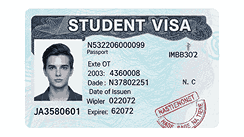
A student visa is an official document or endorsement that allows international students to study in a foreign country for a specified period. It serves as proof that the student meets the eligibility criteria, including acceptance to an accredited educational institution, financial capacity to cover tuition and living expenses, and intent to return to their home country after completing studies. Student visas are often temporary, tied to the duration of the academic program, and may include restrictions on employment, travel, or residency. Understanding the purpose and requirements of a student visa is essential before preparing for the interview, as it directly influences how applicants present their intentions, documentation, and financial readiness during the visa application process.

Importance Of Preparing For A Student Visa Interview

Preparing for a student visa interview is a crucial step in securing approval to study abroad. Visa officers assess the applicant’s academic intentions, financial stability, ties to the home country, and overall credibility. Proper preparation demonstrates seriousness, confidence, and clarity, increasing the chances of a successful outcome. It involves gathering necessary documents, understanding potential questions, practicing clear and concise answers, and presenting a professional demeanor. Additionally, preparation helps minimize anxiety, avoids unnecessary mistakes, and ensures that applicants communicate their educational goals effectively. By preparing thoroughly, students can showcase their eligibility, commitment to study, and genuine intent to comply with visa regulations, making the interview process smoother and more favorable.

Key Documents Required For A Student Visa Interview

During a student visa interview, presenting accurate and complete documentation is essential. Key documents include a valid passport, admission letter from the educational institution, proof of financial capacity, academic transcripts, standardized test scores, and evidence of ties to the home country. Additional requirements may include health insurance, a completed visa application form, passport-sized photographs, and a statement of purpose or motivation letter. Each document should be well-organized, easily accessible, and authentic, as visa officers may verify them during or after the interview. Preparing these documents ahead of time ensures a confident presentation and helps address any questions related to the applicant’s study plans, finances, or background during the interview.

How To Research Common Student Visa Interview Questions

Researching common student visa interview questions is a critical step in preparation. Students should review questions about their academic goals, choice of institution, intended course of study, career plans, and reasons for studying abroad. Questions may also explore financial arrangements, family support, and ties to the home country. Practicing answers helps applicants communicate effectively, concisely, and honestly while demonstrating their readiness and commitment. Online resources, forums, and official embassy websites provide valuable insights into frequently asked questions. Role-playing mock interviews with family, friends, or mentors can further boost confidence, improve verbal communication, and reduce nervousness, ensuring that students are prepared to respond accurately under interview conditions.

Tips For Answering Student Visa Interview Questions

Answering student visa interview questions effectively requires clarity, honesty, and confidence. Students should avoid memorized or vague responses, instead providing precise explanations about their academic objectives, reasons for choosing a particular country or institution, and long-term career plans. Highlighting financial preparedness and ties to the home country reassures the visa officer of the applicant’s intention to return after studies. It is important to maintain a professional and polite demeanor, make eye contact, and answer questions without hesitation. Practicing concise yet detailed responses ensures a natural and authentic presentation. Additionally, students should anticipate follow-up questions, remain calm under pressure, and emphasize their commitment to academic success and compliance with visa regulations.

Common Mistakes To Avoid During A Student Visa Interview

Avoiding common mistakes can significantly improve the outcome of a student visa interview. Key errors include providing incomplete or inconsistent information, failing to bring required documents, appearing unprepared or nervous, and giving vague or contradictory answers about study plans or finances. Overconfidence or attempting to mislead the officer can also lead to visa denial. It is important to maintain a professional demeanor, answer honestly, and demonstrate knowledge about the chosen program and institution. Preparing thoroughly, practicing mock interviews, and reviewing all documents reduces the likelihood of mistakes. Awareness of these pitfalls allows applicants to approach the interview confidently, accurately, and positively, increasing the chances of visa approval.

Strategies To Demonstrate Strong Ties To Your Home Country

Demonstrating strong ties to the home country reassures the visa officer that the applicant intends to return after completing their studies. Strategies include providing proof of family connections, property ownership, employment offers, or ongoing business responsibilities. Highlighting community involvement, cultural commitments, or academic achievements can further establish rootedness. Financial stability and clear career goals in the home country also reinforce intent to return. During the interview, articulating plans for post-graduation employment or contribution to the local economy showcases sincerity. Well-documented evidence, combined with confident verbal explanations, strengthens the applicant’s profile and reduces perceived risk from the officer’s perspective, making visa approval more likely.

Preparing Mentally And Emotionally For The Interview

Mental and emotional preparation is as important as document readiness for a student visa interview. Applicants should cultivate confidence, patience, and a calm demeanor. Visualization techniques, meditation, and mock interviews can help reduce anxiety. Being mentally prepared allows students to think clearly, articulate answers effectively, and handle unexpected questions. Emotional readiness also involves maintaining a positive attitude, demonstrating respect toward the visa officer, and remaining composed under pressure. Practicing clear communication, appropriate body language, and polite interaction reinforces professionalism. By preparing both mentally and emotionally, applicants can present themselves as responsible, credible, and committed students, which significantly enhances their chances of obtaining a student visa.

Conclusion

Securing a student visa requires thorough preparation, understanding of requirements, and effective communication during the interview. By knowing what a student visa entails, organizing essential documents, researching common questions, practicing responses, avoiding common mistakes, and demonstrating strong ties to the home country, applicants can significantly improve their chances of success. Mental and emotional readiness further enhances confidence and professionalism. Each step of preparation contributes to a smooth interview process, reassuring the visa officer of the applicant’s intentions and commitment. With careful planning and strategic preparation, students can confidently navigate the interview and move closer to realizing their educational goals abroad.

Frequently Asked Questions

1. How Can I Prepare For A Student Visa Interview?

Preparing for a student visa interview begins with gathering all required documents, including your passport, admission letter, financial proof, and academic records. Research the most common interview questions regarding your choice of institution, course, and career goals. Practice answering these questions clearly and confidently, highlighting your academic objectives, financial stability, and ties to your home country. Organize your documents neatly and anticipate follow-up questions. Maintain a professional appearance and demeanor during the interview. Mock interviews with mentors or family members can help reduce nervousness and improve communication. Being well-prepared mentally and emotionally enhances your confidence, enabling you to present yourself as a serious, credible, and committed student ready to study abroad.

2. What Documents Do I Need For A Student Visa Interview?

Key documents include a valid passport, acceptance letter from your chosen educational institution, proof of financial resources to cover tuition and living expenses, academic transcripts, standardized test scores, and evidence of ties to your home country. Additional requirements may include a statement of purpose, health insurance, passport-sized photographs, and completed visa application forms. Ensure all documents are authentic, well-organized, and readily accessible. Having multiple copies can be helpful. Proper documentation not only satisfies visa requirements but also reassures the officer about your preparedness and intentions. Presenting these documents confidently and referring to them when needed can positively influence the visa decision and demonstrate professionalism.

3. How Important Is Financial Proof In A Student Visa Interview?

Financial proof is crucial as it demonstrates your ability to cover tuition, living costs, and other expenses without resorting to illegal work. This can include bank statements, scholarships, sponsorship letters, or parental income proof. Visa officers evaluate these documents to ensure you have adequate resources to complete your studies. Accurate financial documentation shows responsibility and preparation, reducing concerns about your potential reliance on the host country’s welfare system. During the interview, be ready to explain the sources of your funds and how they will cover your educational expenses. Providing clear and credible financial proof increases the likelihood of visa approval and reflects your commitment to studying abroad responsibly.

4. How Do I Answer Questions About My Choice Of University?

When answering questions about your choice of university, clearly explain why the institution aligns with your academic goals, field of study, and career aspirations. Highlight specific programs, faculty expertise, research opportunities, or facilities that influenced your decision. Avoid vague responses and demonstrate knowledge of the university’s offerings. Linking your choice to your long-term objectives shows thoughtfulness and purpose. Discuss how studying at this university will prepare you for professional success and contribute to your home country upon return. Providing well-reasoned and sincere answers helps the visa officer understand your motivation and seriousness, making your application more credible and improving your chances of approval.

5. How Can I Show Strong Ties To My Home Country?

To demonstrate strong ties, provide evidence of family, property ownership, ongoing employment, or business interests in your home country. Mention social, cultural, or academic commitments that anchor you to your country. Clearly articulate post-graduation plans, including career objectives or contributions to your local community. Financial stability and future opportunities at home further reinforce your intention to return. Present these details confidently during the interview, backed by relevant documents such as property deeds, letters from employers, or community engagement records. Showing strong ties reassures the visa officer that you are a genuine student intending to return after completing studies, reducing perceived risks and increasing your chances of visa approval.

6. What Are Common Student Visa Interview Questions?

Common questions include your academic background, reasons for choosing a particular country or university, intended course of study, future career plans, financial arrangements, and ties to your home country. Officers may also ask about scholarship details, family support, accommodation plans, and extracurricular activities. Practicing concise, honest, and well-structured answers helps build confidence and clarity. Being prepared for these questions allows you to respond naturally and avoid hesitation or contradictions. Mock interviews and online resources can familiarize you with frequently asked questions, helping you present yourself as a responsible, credible, and goal-oriented student committed to pursuing higher education abroad.

7. How Can I Practice For A Student Visa Interview?

Practicing involves reviewing common questions, preparing clear and concise answers, and participating in mock interviews with family, friends, or mentors. Record yourself to evaluate body language, tone, and clarity. Role-playing various scenarios, including unexpected or challenging questions, builds confidence and reduces anxiety. Familiarize yourself with the documents you will present and practice referring to them smoothly. Visualizing the interview environment can help improve focus and composure. Regular practice enhances communication skills, ensures a professional presentation, and allows you to convey sincerity and preparedness effectively. Well-practiced responses reduce nervousness and demonstrate your commitment to obtaining the student visa.

8. How Should I Dress For A Student Visa Interview?

Dress professionally and conservatively to create a positive first impression. Men should wear formal shirts, trousers, and, optionally, a blazer or tie, while women should choose modest business attire such as a blouse with trousers or a skirt. Avoid casual clothing, flashy accessories, or overly bright colors. Neat grooming, clean shoes, and minimal jewelry reflect seriousness and respect for the interview process. Appropriate attire conveys professionalism, confidence, and maturity, helping the visa officer focus on your answers rather than your appearance. Dressing correctly signals that you understand the importance of the interview and are a responsible and prepared student candidate.

9. How Can I Reduce Nervousness During The Interview?

Reducing nervousness involves preparation, practice, and relaxation techniques. Review documents and common questions thoroughly to build confidence. Practice deep breathing, visualization, or meditation before the interview. Mock interviews with feedback can simulate real conditions, improving composure. Arrive early to familiarize yourself with the environment and avoid last-minute stress. Focus on clear, calm communication, maintain eye contact, and pause before answering questions. Positive self-talk and reminders of your preparation can boost confidence. Being mentally and emotionally ready helps you stay calm, respond thoughtfully, and present yourself as a confident, credible, and prepared student.

10. What Role Does A Statement Of Purpose Play In The Interview?

A statement of purpose (SOP) highlights your academic background, reasons for choosing the course and institution, career goals, and personal motivations. It provides a structured narrative for your study plans and demonstrates thoughtfulness, commitment, and clarity of objectives. During the interview, the SOP may serve as a reference to answer questions about your academic intentions and long-term plans. A well-written SOP reinforces credibility, shows preparedness, and complements verbal responses, providing a coherent story that convinces the visa officer of your suitability and seriousness as a student. Clearly articulating points from your SOP during the interview enhances your chances of approval.

11. How Long Does A Typical Student Visa Interview Last?

A typical student visa interview lasts between 5 to 15 minutes, depending on the complexity of questions, the number of documents presented, and the visa officer’s evaluation process. Short interviews do not imply approval or denial; officers often focus on the quality and clarity of answers rather than the duration. Applicants should remain calm, concise, and confident throughout, answering all questions directly and providing necessary documentation promptly. Being well-prepared for any length ensures effective communication, reduces nervousness, and demonstrates professionalism. Focus on clear responses and confidence, regardless of interview duration, to make a strong positive impression.

12. Can I Bring A Translator To My Student Visa Interview?

Bringing a translator depends on the embassy or consulate’s policies. Some countries allow translators if applicants have limited proficiency in the official language, while others may require applicants to communicate independently. Check the specific requirements of your country’s visa process beforehand. Even if a translator is permitted, being able to answer basic questions in the official language demonstrates preparedness and confidence. Practicing key phrases and vocabulary relevant to your study plans is advisable. Using a translator appropriately can aid communication, but visa officers generally prefer direct interaction, as it better evaluates the applicant’s understanding, intent, and credibility.

13. How Can I Explain My Choice Of Course Clearly?

Explain your choice of course by linking it to your academic background, skills, and long-term career goals. Highlight how the course provides specialized knowledge, research opportunities, or practical skills essential for your professional aspirations. Mention how studying this program abroad offers advantages unavailable in your home country, and show awareness of curriculum and outcomes. Avoid generic answers, focusing instead on personal motivation and academic planning. Providing clear reasoning, examples, and connections to future objectives demonstrates thoughtfulness, commitment, and preparedness, helping the visa officer understand the rationale behind your decision and enhancing credibility for obtaining the student visa.

14. What If I Am Asked About My Financial Sponsors?

If asked about financial sponsors, clearly explain who is providing support and their ability to fund your studies. Present supporting documents such as bank statements, employment letters, or sponsorship declarations. Be honest about family contributions, scholarships, or loans, and clarify any co-sponsorship arrangements. Demonstrating transparency reassures the visa officer of financial stability and your preparedness to cover tuition, living costs, and other expenses. Providing a concise explanation with relevant documentation shows credibility and reduces concerns about potential financial risks during your studies abroad, which is critical for successful visa approval.

15. How Can I Handle Unexpected Questions During The Interview?

Handling unexpected questions requires calmness, honesty, and clear thinking. Pause briefly to understand the question fully before responding. Avoid guessing or providing inaccurate answers, as this can harm credibility. Relate your response to your academic intentions, preparation, or personal experiences whenever possible. Maintaining a professional demeanor, polite tone, and logical explanation reassures the visa officer of your sincerity and adaptability. Practicing mock interviews with varied scenarios can improve readiness for surprises. Responding thoughtfully to unexpected questions demonstrates confidence, preparedness, and flexibility, key traits that enhance your chances of obtaining a student visa successfully.

16. Is It Important To Maintain Eye Contact During The Interview?

Maintaining eye contact is important as it conveys confidence, honesty, and engagement. Proper eye contact helps establish a positive connection with the visa officer, demonstrating that you are attentive and serious about the process. Avoid staring excessively, which can seem intimidating, or looking away frequently, which may suggest nervousness or evasion. Combine eye contact with calm body language, clear speech, and confident posture. Practicing these behaviors in mock interviews can help develop a natural and professional interaction style. Effective eye contact reinforces credibility and improves the overall impression during the student visa interview.

17. How Can I Show That I Am Serious About Studying Abroad?

Demonstrate seriousness by presenting clear academic goals, thorough research about your chosen institution, and a well-prepared statement of purpose. Highlight your financial readiness, ties to your home country, and understanding of visa regulations. Arrive well-dressed and on time, carry all required documents, and answer questions confidently and honestly. Discuss how studying abroad contributes to your professional growth and long-term plans. Practicing mock interviews, anticipating questions, and maintaining a professional demeanor signal commitment. A combination of preparation, clarity, and responsible behavior convinces the visa officer of your genuine intent to pursue education abroad seriously.

18. Should I Bring Extra Copies Of My Documents?

Yes, bringing extra copies of all essential documents is highly recommended. Additional copies ensure you can provide any document promptly if requested and help avoid delays or confusion. Organize these copies neatly and label them for easy access. While some visa officers may not request duplicates, having them demonstrates preparedness and attention to detail. It also provides a backup in case of lost or misplaced originals. Bringing extra copies reflects professionalism, organization, and seriousness about the visa process, enhancing the applicant’s overall impression and increasing the likelihood of a successful student visa interview.

19. How Important Is Body Language During The Interview?

Body language plays a significant role in conveying confidence, honesty, and professionalism. Sit upright, avoid slouching, maintain natural hand gestures, and keep appropriate facial expressions. Smiling politely, nodding when appropriate, and maintaining eye contact shows engagement. Avoid fidgeting, crossing arms defensively, or displaying signs of nervousness. Positive body language complements verbal responses, reinforces credibility, and leaves a strong impression on the visa officer. Practicing body language during mock interviews helps internalize confident and composed behaviors. Together with preparation and clear answers, effective body language significantly increases the chances of a successful student visa interview.

20. Can I Reschedule My Student Visa Interview If Necessary?

Rescheduling a student visa interview is possible, but policies vary depending on the embassy or consulate. Check official guidelines for rescheduling procedures, fees, and timeframes. Notify the visa office as early as possible and provide valid reasons for the change. Ensure that rescheduling does not conflict with admission deadlines or visa expiration requirements. Maintaining professionalism and compliance with official procedures demonstrates responsibility. Properly managing rescheduling requests ensures minimal disruption to your application process and maintains a positive impression with the visa authorities, ultimately supporting a smoother path to securing the student visa.

FURTHER READING

A Link To A Related External Article

Student Visas

Posted on Leave a comment

What Are Reasons Why A Student Visa Can Be Revoked?

What Is A Student Visa?

A student visa is an official document issued by a country that allows international students to legally study at accredited educational institutions within its borders. It is typically granted for a specific period, corresponding to the length of the academic program, and comes with specific requirements, such as maintaining full-time enrollment, achieving satisfactory academic progress, and complying with immigration laws. Student visas are essential for those who wish to pursue higher education abroad, offering opportunities for personal growth, cultural exchange, and skill development. Understanding the responsibilities and obligations tied to a student visa is crucial to avoid violations that may lead to its revocation.

Maintaining Academic Performance And Attendance

One of the primary reasons a student visa can be revoked is failure to maintain satisfactory academic performance or required attendance. Immigration authorities expect students to actively engage in their studies and meet the minimum academic standards set by their institution. Falling below these standards or frequently missing classes can be considered a violation of visa terms. Maintaining proper documentation of grades, attendance, and academic progress is essential. Students should regularly communicate with their academic advisors and seek support if they face challenges. Schools are obligated to report students who do not meet requirements, which can directly trigger visa revocation if not promptly addressed.

Providing False Information During Application

Submitting false or misleading information during the student visa application process is a serious offense that can result in immediate revocation. This includes falsifying academic records, financial documents, or personal identification. Immigration authorities have sophisticated verification systems to detect discrepancies. Any discovered misrepresentation, even after a visa has been issued, can lead to cancellation. Applicants should ensure all documents are accurate, truthful, and verifiable. Being transparent about past academic or legal issues is critical. Misrepresentation not only jeopardizes the visa but can also impact future applications, making it a permanent mark on the student’s immigration record.

Engaging In Criminal Activities

Committing crimes or engaging in illegal activities is a major reason for revoking a student visa. Laws in most countries require students to adhere to local regulations, and criminal behavior is strictly monitored by law enforcement and immigration authorities. Convictions for crimes such as theft, assault, drug-related offenses, or other illegal acts can immediately trigger visa cancellation. Students must understand local laws and regulations, avoid risky situations, and seek legal assistance if confronted with charges. Being involved in criminal activities not only jeopardizes legal residency but also affects personal safety, reputation, and future immigration opportunities.

Violating Work Restrictions

Student visas often come with specific work restrictions, including limits on the number of hours or types of employment allowed. Violating these conditions, such as working more hours than permitted or engaging in unauthorized employment, can lead to revocation. Authorities monitor compliance closely, and employers may report violations. Students should be fully aware of the regulations governing work while studying and ensure any employment is legally authorized. Ignoring these restrictions not only risks the student visa but also exposes students to fines, penalties, and potential deportation, making it crucial to strictly follow all employment guidelines.

Overstaying Visa Duration

Failing to depart the host country upon the expiration of a student visa or ignoring extension requirements is a common reason for revocation. Immigration authorities track entry and exit dates, and overstaying can result in penalties, legal action, or permanent bans. Students should apply for extensions well in advance if their studies are not yet complete and maintain documentation of all immigration-related correspondence. Timely compliance with visa duration regulations demonstrates respect for the host country’s laws and prevents unnecessary complications, ensuring the student’s stay remains lawful and uninterrupted throughout the academic program.

Involvement In Fraudulent Activities

Engaging in fraudulent schemes, including academic fraud, financial scams, or visa-related deception, can result in immediate visa revocation. Immigration authorities actively investigate suspicious activities and coordinate with educational institutions. Students must avoid involvement in illegal or unethical actions and report any attempts to manipulate systems for personal gain. Participation in fraudulent activities can have long-term consequences beyond visa cancellation, including criminal charges, denial of future visas, and a damaged personal record. Maintaining integrity, honesty, and transparency in all dealings is essential to ensure the student visa remains valid throughout the period of study.

Failing To Maintain Health Insurance Or Required Documentation

Many countries require international students to maintain health insurance and submit regular documentation to confirm compliance with visa regulations. Failure to provide proof of insurance, updated medical records, or necessary academic and financial documents can lead to revocation. Authorities view these requirements as essential for student safety and accountability. Students should ensure they understand all documentation obligations, keep records updated, and promptly submit any requested materials. Compliance with administrative and legal documentation requirements is a key factor in maintaining a valid student visa and avoiding unnecessary complications.

Misrepresentation Of Study Purpose

Using a student visa for purposes other than studying, such as attempting to gain permanent residency or engaging in activities not aligned with the original visa intent, can result in revocation. Authorities scrutinize whether students adhere to the stated purpose of their visa, and deviation can be considered a violation. Students must focus on their academic program, participate in approved activities, and avoid actions that might be interpreted as misusing their student status. Transparent intentions and adherence to visa objectives ensure compliance with immigration regulations and prevent revocation.

Breaching Housing Or Residency Requirements

Certain student visas require students to maintain approved housing or comply with specific residency regulations. Violating these conditions, such as living outside approved accommodations or failing to register residence with local authorities, can be grounds for revocation. Immigration authorities monitor residential compliance closely, and schools often report discrepancies. Maintaining accurate housing information, adhering to registration requirements, and notifying authorities of changes in residence are crucial steps to prevent unnecessary visa cancellation and ensure a stable living arrangement while studying abroad.

Conclusion

Maintaining a student visa requires careful attention to academic performance, legal compliance, employment restrictions, documentation, and residency obligations. Violations in any of these areas can result in revocation, legal consequences, and potential deportation. Students must remain proactive, seek guidance from advisors, adhere to regulations, and ensure that all information submitted to authorities is accurate. Understanding the responsibilities associated with a student visa and taking preventative measures can help international students enjoy a secure and uninterrupted educational experience abroad.

Frequently Asked Questions

1. What Are Reasons Why A Student Visa Can Be Revoked?

A student visa can be revoked for several reasons, including failing to maintain satisfactory academic performance, providing false or misleading information during the visa application process, engaging in criminal activities, violating work restrictions, overstaying the visa duration, participating in fraudulent schemes, failing to maintain health insurance or required documentation, misrepresenting the purpose of study, or breaching housing and residency requirements. Immigration authorities monitor students closely to ensure compliance with regulations. Any violation, even if unintentional, can lead to revocation. Students must adhere to all academic, legal, and administrative obligations, maintain transparent communication with their institutions, and avoid activities that could jeopardize their visa status to ensure continued lawful residency.

2. How Can Academic Performance Affect Student Visa Revocation?

Maintaining satisfactory academic performance is crucial for retaining a student visa. Falling below the required academic standards or missing classes can prompt institutions to report non-compliance to immigration authorities, who may then revoke the visa. International students are expected to demonstrate progress in their studies, attend classes regularly, and meet all academic requirements. Academic probation or consistent poor performance can be interpreted as non-compliance with visa conditions. Proactively seeking academic support, tutoring, or counseling services can help students improve performance and prevent visa issues. Maintaining documentation of grades, attendance, and communication with academic advisors is also essential to demonstrate compliance and responsibility.

3. Can Providing False Information Lead To Visa Revocation?

Yes, submitting false information during the visa application process can result in immediate revocation. This includes falsifying academic credentials, financial proof, or personal identification. Even minor discrepancies can be flagged by immigration authorities through verification checks. Misrepresentation can affect the student’s eligibility for future visas and create permanent marks on their immigration record. Students should ensure that all documents submitted are accurate, truthful, and verifiable. Being transparent about any past academic or legal issues is essential. Providing accurate information not only maintains visa validity but also fosters trust with immigration authorities and ensures a smooth study abroad experience without legal complications.

4. What Criminal Activities Can Cause A Student Visa To Be Revoked?

Committing crimes such as theft, assault, drug offenses, or other illegal activities can result in immediate student visa revocation. Immigration authorities monitor criminal records closely, and convictions can trigger cancellation. Students are required to adhere to local laws and regulations at all times. Even minor legal infractions can have serious consequences if reported. Staying informed about local legal norms, avoiding risky behavior, and seeking legal counsel when necessary is essential. Criminal activities not only jeopardize visa status but also affect safety, reputation, and future immigration opportunities. Maintaining lawful conduct is critical to preserving a valid student visa and ensuring uninterrupted studies abroad.

5. How Do Work Restrictions Impact Student Visa Status?

Student visas often limit the number of hours a student can work or specify allowable employment types. Exceeding these limits or engaging in unauthorized work can lead to visa revocation. Immigration authorities and employers monitor compliance with work restrictions. Students must understand their employment eligibility, adhere to regulations, and obtain necessary authorization before starting work. Violating work restrictions can result in fines, penalties, and potential deportation. Awareness of visa-specific employment rules and diligent adherence are necessary to maintain lawful status. Ensuring all work is legally permitted and within prescribed limits helps students avoid revocation and remain compliant throughout their study period.

6. Can Overstaying A Student Visa Lead To Revocation?

Overstaying a student visa is a common reason for revocation. Immigration authorities track entry and exit dates, and failure to depart upon visa expiration can result in penalties or bans. Students must apply for extensions in advance if their academic program is not yet complete. Maintaining proper documentation and timely communication with immigration offices is essential. Overstaying undermines compliance with visa conditions and can affect eligibility for future visas. Proactive management of visa duration ensures students maintain legal residency and avoid unnecessary complications. Compliance with entry and exit regulations is crucial to preserving student visa status and ensuring uninterrupted studies abroad.

7. What Role Does Fraud Play In Student Visa Revocation?

Engaging in fraudulent activities, including academic fraud, financial scams, or visa deception, can lead to immediate revocation. Immigration authorities investigate suspicious activities and collaborate with educational institutions to identify misconduct. Participation in fraudulent schemes can result in criminal charges, denial of future visas, and permanent damage to the student’s record. Students must act ethically and transparently in all dealings. Avoiding illegal or unethical behavior is essential to maintain visa validity. Demonstrating honesty and integrity in academic, financial, and immigration matters ensures compliance with regulations, safeguards the student’s status, and promotes a positive study abroad experience.

8. How Does Health Insurance Compliance Affect Student Visa Validity?

Many countries require international students to maintain valid health insurance. Failure to provide proof of coverage or submit required medical documentation can trigger visa revocation. Health insurance ensures student safety and compliance with immigration policies. Students should stay informed about insurance requirements, keep records up to date, and promptly provide requested documentation. Maintaining insurance coverage throughout the study period demonstrates responsibility and adherence to regulations. Non-compliance not only risks visa cancellation but can also expose students to medical and financial challenges. Regular verification of insurance status and timely submission of documentation are key to preserving student visa status.

9. Can Misrepresentation Of Study Purpose Result In Visa Cancellation?

Using a student visa for purposes other than studying, such as seeking permanent residency or working unlawfully, can lead to revocation. Immigration authorities evaluate whether students are adhering to the stated intent of their visa. Misrepresentation can be detected through routine checks, interviews, or reporting by institutions. Students must focus on academic objectives and participate only in authorized activities. Ensuring all actions align with visa purpose safeguards legal status and prevents complications. Transparent communication with authorities and strict adherence to study objectives are necessary to maintain compliance and avoid revocation due to misuse of student visa privileges.

10. What Housing Or Residency Violations Can Lead To Visa Revocation?

Some student visas mandate living in approved accommodations and registering residence with local authorities. Violating these requirements, such as residing elsewhere without approval, can result in visa revocation. Schools often monitor residential compliance and report discrepancies to immigration authorities. Students must maintain accurate housing records, follow registration procedures, and notify authorities of any changes. Compliance with housing regulations ensures stability and legal residency. Non-compliance risks cancellation of the student visa and potential deportation. Awareness of residency obligations and timely adherence are essential for maintaining a valid visa and avoiding unnecessary legal or administrative issues during the study period.

11. How Important Is Communication With Educational Institutions?

Maintaining open communication with educational institutions is vital to prevent visa revocation. Institutions report non-compliance, academic issues, or attendance problems to immigration authorities. Proactive communication ensures timely support, guidance, and documentation for visa compliance. Students should notify schools of personal, academic, or legal challenges and seek assistance when needed. Effective communication demonstrates responsibility and transparency, helping resolve potential issues before they escalate. Institutions can provide interventions such as academic counseling or documentation support to prevent violations that may trigger visa revocation. Active engagement with the school is a key factor in maintaining lawful student status.

12. Can Legal Violations Other Than Criminal Offenses Affect Visa Status?

Yes, legal violations beyond criminal offenses, such as breaches of immigration law, unauthorized work, or non-compliance with administrative rules, can affect student visa status. Authorities monitor compliance with all legal obligations tied to the visa. Ignoring immigration directives, failing to update personal information, or violating study-related regulations can lead to revocation. Students should understand and adhere to the full spectrum of legal requirements. Awareness of local regulations, timely reporting of changes, and proactive compliance prevent inadvertent violations. Maintaining lawful behavior in all areas ensures continued eligibility for student visa privileges and avoids complications during the study period.

13. How Can Financial Mismanagement Influence Student Visa Status?

Student visas often require proof of sufficient funds to cover tuition and living expenses. Financial mismanagement, such as depletion of funds or providing inaccurate financial documentation, can trigger revocation. Authorities may verify the student’s ability to support themselves, and failure to meet financial obligations signals non-compliance. Students should maintain accurate financial records, provide truthful statements, and ensure consistent funding throughout their studies. Mismanagement or falsification of financial information can result in visa cancellation, fines, or future ineligibility. Sound financial planning and transparent reporting are essential to maintain student visa status and support a stable educational experience.

14. Can Changing Study Programs Affect Visa Validity?

Switching academic programs without proper authorization can affect visa validity. Immigration authorities issue visas based on a specific program and institution, and changes may require updated approvals. Students must consult both their institution and immigration office before altering their program. Unauthorized changes can be considered a violation and may lead to revocation. Ensuring that all academic modifications are formally documented and approved maintains compliance. Proper coordination with institutional advisors and immigration authorities guarantees that program changes do not jeopardize the student’s legal status or future eligibility for visas.

15. Are International Travel Restrictions Important For Student Visa Holders?

Yes, student visa holders must adhere to travel restrictions and maintain legal entry and exit documentation. Unauthorized international travel, overstaying abroad, or failing to report absences can result in revocation. Immigration authorities track student movement and expect compliance with travel-related conditions. Students should obtain necessary permissions, carry appropriate documentation, and report extended absences to the institution. Compliance ensures uninterrupted study, maintains lawful residency, and avoids complications with immigration authorities. Awareness and adherence to travel rules are crucial for preserving student visa status while enabling legitimate travel for personal or academic reasons.

16. How Does Non-Compliance With Reporting Requirements Affect Visa Status?

Many student visas require reporting updates on academic progress, residency, or personal information. Failure to submit reports or provide accurate information can trigger revocation. Authorities rely on these reports to monitor compliance. Students must understand all reporting obligations and submit documentation timely. Non-compliance may result in warnings, fines, or immediate cancellation of the visa. Maintaining accurate records, proactive communication, and timely submissions demonstrate responsibility and adherence to regulations. Consistent compliance prevents complications and ensures the student remains in good standing with both the institution and immigration authorities throughout the study period.

17. Can Immigration Audits Lead To Visa Revocation?

Yes, immigration audits can uncover non-compliance, leading to student visa revocation. Authorities periodically review student records, academic performance, employment, residency, and financial documentation. Any discrepancies or violations identified during audits may result in cancellation. Students should maintain organized, accurate, and up-to-date records of all visa-related documentation. Being prepared for audits, proactively addressing issues, and responding promptly to inquiries minimizes risks. Compliance with all visa conditions ensures a favorable outcome during audits and helps students retain lawful status while studying abroad.

18. How Do Academic Integrity Violations Impact Visa Status?

Violations of academic integrity, such as plagiarism, cheating, or submitting fraudulent assignments, can result in visa revocation. Educational institutions report such misconduct to immigration authorities, viewing it as a breach of student visa conditions. Students must adhere to ethical academic standards and seek guidance on proper research and citation practices. Maintaining integrity protects the student’s reputation, legal status, and eligibility for future academic opportunities. Academic misconduct not only jeopardizes immediate visa status but can have long-term consequences on career prospects, institutional standing, and potential future immigration applications.

19. Can Non-Compliance With Cultural Or Community Regulations Affect Student Visa?

In some countries, student visas may require compliance with local cultural, social, or community regulations. Violations, such as participation in prohibited activities or failure to respect local customs, can impact visa status. Authorities monitor adherence to broader societal expectations, and breaches may trigger revocation. Students should familiarize themselves with local norms, follow regulations, and engage respectfully with the community. Compliance ensures positive integration, reduces risk of administrative action, and maintains the validity of the student visa. Being culturally aware and legally compliant supports a safe, enriching study abroad experience.

20. How Can Students Prevent Visa Revocation?

Preventing student visa revocation requires proactive compliance with academic, legal, financial, and residency requirements. Students should maintain satisfactory academic performance, provide truthful documentation, avoid criminal or fraudulent activities, adhere to work restrictions, and comply with health insurance, reporting, and residency obligations. Regular communication with educational institutions and immigration authorities helps address potential issues before escalation. Staying informed about visa conditions, keeping accurate records, and seeking guidance when needed ensures students maintain lawful status. By prioritizing transparency, responsibility, and adherence to regulations, international students can enjoy uninterrupted studies, avoid legal complications, and preserve their future immigration opportunities.

Further Reading

A Link To A Related External Article

Student Visas

Posted on Leave a comment

Can A Student Visa Be Revoked? | Everything About Student Visa Revocation

What Is A Student Visa?

A student visa is an official authorization issued by a country’s immigration authorities that allows an international student to reside and study in that country for a specified period. Student visas are generally tied to enrollment in accredited educational institutions, such as universities, colleges, or vocational schools. These visas provide legal permission to attend classes, access certain services, and sometimes work part-time under strict conditions. The process of obtaining a student visa usually involves submitting proof of admission, financial support, academic qualifications, and sometimes undergoing medical examinations or background checks. Student visas are critical for international education and compliance with local immigration laws.

Eligibility Criteria For A Student Visa

Eligibility for a student visa typically requires proof of acceptance from a recognized educational institution, sufficient financial resources to cover tuition and living expenses, and a clear intent to return to the home country after completing the program. Applicants may also need to meet language proficiency requirements, demonstrate good health, and have a clean criminal record. Many countries require detailed documentation to ensure students will not overstay or engage in unauthorized work. Meeting eligibility criteria does not guarantee visa approval, but it significantly improves the chances of receiving a student visa and ensures lawful study abroad.

Common Reasons A Student Visa Can Be Revoked

Student visas can be revoked if the visa holder violates the terms of their stay. Common reasons include failing to maintain full-time enrollment, engaging in unauthorized employment, committing criminal offenses, providing false information during the application process, or overstaying the visa duration. Additionally, changes in the student’s program, suspension, or expulsion from the institution can prompt authorities to cancel the visa. Immigration departments monitor compliance closely, and violations may not only result in revocation but also long-term bans from reentry. Awareness of these regulations is essential for students to maintain lawful status and avoid disruptions to their education.

The Process Of Student Visa Revocation

The revocation of a student visa typically involves an official notice from immigration authorities. Students may receive a warning, an opportunity to explain circumstances, or an immediate termination notice depending on the severity of the violation. Once a decision is made, the student may be required to leave the country within a specified timeframe. In some cases, students can appeal or request reconsideration by providing supporting documentation or demonstrating compliance with visa regulations. Understanding this process helps international students respond appropriately and potentially mitigate the consequences of visa revocation.

Impact Of Visa Revocation On Students

The revocation of a student visa can have serious consequences on a student’s academic and personal life. Students may be forced to discontinue their studies abruptly, leave the country, and forfeit tuition and living expenses. It can also affect future visa applications, resulting in longer processing times or outright denial of entry to the same or other countries. Moreover, a revoked visa may negatively impact the student’s legal record, limiting opportunities for employment, internships, or further education abroad. Proactive adherence to visa rules is crucial to prevent such setbacks.

How To Avoid Student Visa Revocation

To avoid the risk of student visa revocation, students should strictly follow all visa conditions, maintain full-time enrollment, and notify authorities of any changes in their academic program. Compliance with employment regulations, timely submission of required documents, and truthful communication during visa applications are essential. Seeking guidance from the institution’s international office or a qualified immigration attorney can provide clarity on complex regulations. Staying informed about visa policies and maintaining proper documentation ensures a secure and uninterrupted study experience.

Frequently Asked Questions

1. Can A Student Visa Be Revoked?

Yes, a student visa can be revoked if the visa holder violates immigration regulations or the conditions tied to their enrollment. Common causes include failure to maintain full-time enrollment, working beyond the permitted hours, providing false information on the visa application, or committing criminal offenses. Visa revocation can be immediate or follow a formal warning and review process, depending on the severity of the violation. Students facing potential revocation are usually notified by immigration authorities and may be given an opportunity to respond or appeal the decision. Compliance with visa regulations is essential to avoid disruption to education and future immigration prospects.

2. What Happens If My Student Visa Is Revoked?

If a student visa is revoked, the student may be required to leave the host country immediately or within a specified period. Academic studies could be interrupted, and tuition fees may be forfeited. The revocation can impact future visa applications, making entry to the same or other countries more difficult. Legal records may reflect the revocation, which could affect employment or educational opportunities abroad. Students may have the option to appeal or seek reconsideration, but timely compliance with immigration rules is critical to minimize these negative consequences and ensure lawful resolution.

3. How Can I Appeal A Student Visa Revocation?

Appealing a student visa revocation usually involves submitting a formal request to the immigration authority within a specified timeframe. Students need to provide supporting evidence, such as academic records, explanations for non-compliance, or proof of mitigating circumstances. Some countries allow appeals through administrative tribunals or courts, while others may require institutional involvement. Professional legal advice can improve the chances of a successful appeal. Acting quickly, maintaining accurate documentation, and demonstrating intent to comply with visa conditions are critical steps to potentially reverse or mitigate the effects of revocation.

4. Can I Reapply For A Student Visa After Revocation?

Reapplying for a student visa after revocation is possible, but previous violations can affect eligibility. Immigration authorities may scrutinize the new application more rigorously, requesting detailed explanations or additional documentation. The student must address the reasons for the original revocation, demonstrate compliance with visa requirements, and provide proof of genuine intent to study. Success depends on demonstrating that prior violations were resolved and that the student is now fully compliant with regulations. Transparency, preparation, and legal guidance are essential to improve the chances of reobtaining a student visa.

5. Does Overstaying Affect My Student Visa?

Overstaying a student visa is a serious violation that can lead to revocation, fines, deportation, and future entry bans. Immigration authorities track visa durations, and any unauthorized stay beyond the permitted period can negatively impact legal status. Overstaying may also complicate applications for extensions, work permits, or other visas. Students should monitor expiration dates, apply for timely extensions, and maintain accurate records to avoid unintended violations. Proactive compliance ensures uninterrupted studies and protects the student’s immigration history for future applications.

6. Can Poor Academic Performance Lead To Visa Revocation?

Yes, consistently poor academic performance can result in student visa revocation if the student fails to meet full-time enrollment or satisfactory progress requirements. Many countries require international students to maintain a minimum GPA or complete courses within a set timeframe. Falling below these standards may trigger warnings from the institution, and if unaddressed, can lead to visa cancellation. Engaging with academic advisors, improving performance, or transferring to an approved program can help mitigate this risk. Maintaining academic compliance is essential for visa security and uninterrupted study abroad.

7. Can Criminal Activity Cause A Student Visa To Be Revoked?

Engaging in criminal activity is a major reason for student visa revocation. Immigration authorities treat legal violations seriously, and convictions can result in immediate cancellation of visa status. Depending on the severity of the offense, students may face deportation, fines, or long-term entry bans. Maintaining lawful behavior is critical, and students should be aware of both local laws and the implications of criminal activity on immigration status. Preventive awareness and compliance with regulations ensure uninterrupted education and legal standing in the host country.

8. Can Changing Universities Affect My Student Visa?

Transferring to a different university can affect a student visa if the change is not reported or approved by immigration authorities. Visa conditions typically tie the student to a specific institution, program, or course of study. Failure to notify authorities or follow proper transfer procedures may be considered a violation, risking revocation. Students should consult the institution and immigration office to ensure compliance. Proper documentation, approvals, and timely reporting safeguard visa status while enabling academic flexibility.

9. Can Providing False Information Lead To Visa Revocation?

Providing false or misleading information on visa applications is a common cause of revocation. Misrepresentation can include falsifying academic records, financial documents, or personal details. Immigration authorities conduct rigorous checks, and discovery of discrepancies often results in immediate cancellation. Legal consequences may also include fines, entry bans, and future application difficulties. Transparency and accuracy are crucial during the application and renewal processes to maintain lawful student status and avoid serious repercussions.

10. Can Unauthorized Work Cause My Student Visa To Be Revoked?

Yes, engaging in employment beyond the allowed hours or without proper authorization can lead to student visa revocation. Many countries permit limited part-time work during study periods, and exceeding these limits is a breach of visa conditions. Authorities monitor employment compliance, and violations can result in immediate cancellation of the visa. Students should familiarize themselves with work regulations, seek appropriate permits if needed, and maintain accurate records to ensure legal compliance while gaining work experience.

11. How Long Does A Student Visa Revocation Process Take?

The duration of the revocation process varies by country and individual circumstances. It may take weeks or months depending on the severity of the violation, institution reporting, and administrative review procedures. Students usually receive notifications and may have a window to respond or appeal. Delays can occur due to documentation review, legal procedures, or institutional verification. Understanding timelines and acting promptly when notified helps students navigate the process efficiently while protecting their rights and immigration status.

12. Can Health Issues Affect My Student Visa Status?

Certain health issues may affect student visa status if they prevent compliance with academic or residency requirements, or if medical clearance is a condition of the visa. Some countries require ongoing health coverage, vaccinations, or routine medical checks. Failure to meet these obligations can result in warnings or visa revocation. Students should proactively communicate with both health authorities and institutions to ensure compliance and maintain uninterrupted legal status while addressing personal health concerns.

13. Can Leaving The Country Temporarily Affect My Visa?

Temporary travel outside the host country generally does not affect a student visa if proper procedures are followed, such as maintaining enrollment, notifying the institution, and adhering to reentry requirements. Problems arise when travel violates conditions, such as overstaying abroad, missing mandatory coursework, or failing to carry required documentation. Planning trips carefully, securing travel permissions, and understanding immigration regulations help prevent unintentional violations and safeguard visa status.

14. Can Financial Issues Lead To Student Visa Revocation?

Financial instability can jeopardize a student visa if the student cannot demonstrate sufficient funds to support tuition and living expenses. Some visas require ongoing proof of financial capability, and failure to maintain this can result in revocation. Institutions and immigration authorities may request updated bank statements or sponsor guarantees. Proactive financial planning, scholarships, and timely reporting of changes in financial circumstances are essential to avoid violations that could impact visa status and study continuity.

15. Can Expulsion From School Result In Visa Revocation?

Expulsion from a school almost always triggers student visa revocation, as the visa is contingent on enrollment and attendance at an approved institution. Reasons for expulsion can include disciplinary issues, academic failures, or violations of institutional policies. Once expelled, the student typically has a limited period to leave the country. Understanding school regulations, seeking appeals, or transferring to a compliant program can mitigate the risk, but maintaining good standing is the most reliable method to protect visa status.

16. Can Political Or Legal Changes Affect My Student Visa?

Changes in immigration policies, government regulations, or legal frameworks can impact student visa status. These changes may modify eligibility, duration, work permissions, or reporting requirements. Students must stay informed about policy updates, adhere to new conditions, and ensure compliance with revised rules. Institutions and immigration authorities often provide guidance, but proactive awareness is necessary to prevent unintentional violations that could lead to visa revocation or other legal complications.

17. Can Non-Compliance With Visa Reporting Requirements Lead To Revocation?

Failure to meet reporting obligations, such as submitting updated contact information, enrollment status, or academic progress reports, can trigger student visa revocation. Immigration authorities require regular updates to monitor compliance, and missed deadlines may be considered violations. Maintaining accurate records, submitting required documentation promptly, and communicating changes proactively helps avoid penalties and ensures uninterrupted legal status for international students.

18. Can Visa Revocation Affect My Family Members?

Visa revocation can indirectly affect family members who hold dependent visas, as their legal status is often tied to the student’s enrollment. Dependents may also face cancellation of visas, restrictions on work or study, or obligations to leave the host country. Families should be aware of the connection between primary and dependent visas, maintain compliance, and seek legal advice if revocation occurs to minimize disruptions and protect dependent rights.

19. Can Misunderstandings Or Administrative Errors Cause Revocation?

Administrative errors or misunderstandings can occasionally lead to student visa revocation. This may include mistakes in documentation, institutional reporting, or immigration records. Students are encouraged to regularly review their visa status, maintain complete records, and communicate promptly with institutions and authorities to correct errors. Proactive monitoring and immediate action can prevent unnecessary cancellations and ensure continued compliance with immigration regulations.

20. How Can I Prevent My Student Visa From Being Revoked?

Preventing student visa revocation requires strict adherence to visa conditions, including maintaining full-time enrollment, following work regulations, reporting changes promptly, and complying with legal requirements. Accurate documentation, regular communication with the institution, proactive financial planning, and awareness of local laws are essential. Consulting immigration advisors and seeking guidance from the institution’s international office can provide additional protection. Taking these measures ensures a smooth, uninterrupted study experience while safeguarding future educational and immigration opportunities.

FURTHER READING

A Link To A Related External Article

Student Visas

Posted on Leave a comment

Can A Student Visa Be Cancelled? | Everything About Student Visa Cancellation

What Is A Student Visa?

A student visa is an official authorization issued by a country’s government that allows international students to enter, reside, and study at recognized educational institutions within that country. This visa ensures that students meet legal requirements, such as enrolling in a full-time course, maintaining adequate financial resources, and adhering to immigration regulations. Student visas often come with specific conditions, including restrictions on work hours, mandatory attendance, and timely course progression. Obtaining a student visa is a critical step for international students, as it not only legitimizes their stay but also protects their rights and responsibilities while studying abroad, offering a structured legal framework for academic and personal growth.

Conditions That May Lead To Student Visa Cancellation

Student visas can be cancelled if the visa holder fails to comply with immigration regulations or the conditions attached to the visa. Common triggers for cancellation include failure to maintain full-time enrollment, withdrawing from the course, providing false documentation during the visa application, or engaging in criminal activity. Non-compliance with work restrictions or failing to report changes in contact details or study program can also result in revocation. Immigration authorities continuously monitor student visa holders, and any violation, intentional or unintentional, may trigger an investigation. Therefore, understanding and strictly following the specific visa rules is essential for preventing cancellation and maintaining lawful residency in the host country.

Academic Performance And Visa Compliance

Maintaining satisfactory academic performance is crucial for retaining a student visa. Many countries require international students to meet minimum grade or attendance thresholds, and failure to do so may prompt visa authorities to review the student’s status. Institutions are often required to report students who fall behind academically or fail to meet enrollment requirements, which can lead to formal warnings or visa cancellation. Students facing academic difficulties should proactively communicate with their institution to seek support or extensions. Demonstrating genuine effort and compliance with academic expectations is a key factor in preserving visa validity, emphasizing that education performance is directly tied to immigration compliance for student visa holders.

Legal And Criminal Considerations

Student visas are contingent on lawful behavior within the host country. Engaging in illegal activities such as drug possession, theft, or fraudulent conduct can lead to immediate visa revocation. Criminal charges or convictions are taken seriously by immigration authorities, and a criminal record may render a student ineligible to maintain their visa. Even minor legal infractions can trigger a review of the student’s immigration status. Students must familiarize themselves with local laws, avoid risky behavior, and seek legal advice if faced with legal issues. Adhering to legal obligations protects not only visa status but also personal freedom, academic progression, and future opportunities for residence or employment in the host country.

Immigration Authorities And Monitoring

Immigration authorities continuously monitor student visa holders to ensure compliance with visa conditions. Monitoring methods include reviewing academic records, checking employment adherence, conducting audits of personal information, and investigating complaints or reports of non-compliance. Authorities have the power to cancel a student visa if conditions are breached, and affected students are usually notified in writing with details of the breach. Students may be given an opportunity to respond or appeal before a final decision is made. Maintaining transparency, keeping documentation up-to-date, and promptly informing immigration authorities of any significant changes in circumstances are critical strategies for preventing visa cancellation and ensuring a smooth and lawful stay abroad.

How To Avoid Student Visa Cancellation

Preventing student visa cancellation requires diligence and awareness of all visa conditions. Students should enroll in full-time courses, meet academic and attendance requirements, obey work limitations, maintain valid documentation, and avoid criminal behavior. Regular communication with the educational institution and immigration office helps in managing compliance, while understanding reporting obligations and deadlines ensures there are no accidental breaches. Students facing personal or academic difficulties should seek guidance early to mitigate risks. Staying informed about legal changes, keeping copies of all official correspondence, and proactively addressing any potential issues reduces the likelihood of visa revocation and supports a secure, uninterrupted educational experience abroad.

Conclusion

Student visa cancellation is a serious consequence of non-compliance with immigration, academic, and legal requirements. International students must recognize the responsibilities that accompany their visa status, including maintaining lawful behavior, academic progress, and adherence to all conditions outlined by immigration authorities. Awareness, proactive communication, and consistent compliance are essential to ensure that a student visa remains valid throughout the course of study. Understanding the factors that can trigger cancellation empowers students to take control of their educational journey while safeguarding their legal status, enabling a productive and secure experience abroad that supports both academic and personal growth.

Frequently Asked Questions

1. Can A Student Visa Be Cancelled?

Yes, a student visa can be cancelled if the visa holder fails to comply with the legal and academic requirements set by the host country. Cancellation may occur due to reasons such as failing to maintain full-time enrollment, providing false information in the visa application, withdrawing from studies, exceeding work restrictions, or engaging in illegal activities. Immigration authorities actively monitor compliance through reports from educational institutions, audits, and investigations. Students may receive a warning or notice before final cancellation, and in some cases, an appeal process is available. Maintaining accurate documentation, abiding by all visa conditions, and communicating promptly with authorities significantly reduces the risk of cancellation.

2. What Are The Main Reasons A Student Visa Can Be Cancelled?

A student visa can be cancelled for academic underperformance, non-enrollment, submitting fraudulent documents, failing to adhere to work restrictions, and involvement in criminal activities. Additionally, non-compliance with reporting requirements, such as address changes or course transfers, can also trigger visa revocation. Immigration authorities may act upon reports from educational institutions or investigations triggered by suspicious behavior. Repeated warnings, lack of timely responses, or failure to rectify breaches often result in formal cancellation. Staying informed about visa conditions and promptly addressing any compliance issues is crucial for international students to maintain lawful residency and avoid disruptions to their education abroad.

3. How Does Academic Performance Affect Student Visa Status?

Academic performance directly influences student visa retention in many countries. Students are required to meet minimum grade or attendance standards, and falling below these thresholds can lead to visa review. Educational institutions typically report underperforming students to immigration authorities, who may issue warnings or initiate visa cancellation. Students facing challenges should seek academic support or extensions and maintain open communication with their institution. Demonstrating consistent effort and meeting academic obligations is essential to comply with visa conditions. Failure to do so may result in termination of the visa, emphasizing the importance of prioritizing education as a critical component of lawful residence abroad.

4. Can Criminal Activity Lead To Student Visa Cancellation?

Yes, involvement in criminal activity can result in immediate student visa cancellation. Acts such as theft, drug offenses, fraud, or other illegal conduct are taken seriously by immigration authorities. Even minor infractions can trigger investigations, leading to revocation of the visa and potential deportation. Students must adhere to local laws and regulations to protect their visa status. If legal issues arise, seeking professional legal advice is crucial. Maintaining a clean legal record is essential not only for retaining a student visa but also for future applications for residence, employment, or permanent immigration status in the host country.

5. What Role Do Immigration Authorities Play In Visa Monitoring?

Immigration authorities oversee student visa compliance through monitoring academic records, employment adherence, personal information updates, and responding to complaints. They have the power to cancel a visa if conditions are breached, and students are typically notified in writing. Authorities may provide an opportunity for appeal or response before final action. Transparency and timely communication with immigration offices are critical strategies for maintaining visa status. Regularly reviewing requirements and understanding obligations ensures students meet all conditions and minimizes the risk of unexpected visa revocation. Compliance with authority protocols helps sustain lawful residency throughout the course of study.

6. Can Providing False Information Result In Visa Cancellation?

Providing false or misleading information in a student visa application is a major cause of visa cancellation. Immigration authorities consider falsified documents, inaccurate academic credentials, or misrepresentation of financial resources as serious breaches. Detection of false information can lead to immediate revocation, denial of future visas, and possible legal consequences. Students must ensure all submissions are accurate and verifiable. Transparency during the application process safeguards visa status, while prompt correction of inadvertent errors may prevent escalation. Upholding honesty and integrity in all interactions with immigration authorities is essential to maintain lawful student status abroad.

7. How Can Students Avoid Visa Cancellation?

Students can avoid visa cancellation by strictly adhering to all visa conditions, maintaining full-time enrollment, achieving satisfactory academic progress, complying with work restrictions, and observing local laws. Open communication with the educational institution and immigration authorities is essential, especially during personal or academic challenges. Keeping accurate records, timely reporting of any changes, and seeking support when necessary reduces risk. Understanding all legal obligations, staying informed about policy updates, and proactive engagement in compliance practices ensures the student visa remains valid throughout the study period. Awareness and diligence are key to preserving lawful residency.

8. Are Work Restrictions Important For Student Visa Compliance?

Yes, complying with work restrictions is critical for maintaining a student visa. Many countries limit the number of hours international students can work during academic sessions. Exceeding these limits may result in visa violation, fines, or revocation. Work restrictions aim to ensure students focus primarily on their studies while legally supplementing their income. Students must understand permitted work types, duration, and reporting requirements to remain compliant. Adherence to these rules not only safeguards visa status but also prevents legal complications and supports the student’s overall academic and personal stability while studying abroad.

9. Can A Student Visa Be Cancelled For Course Withdrawal?

Yes, withdrawing from a course can lead to student visa cancellation. Student visas are typically tied to full-time enrollment, and leaving the program without proper authorization or notification violates visa conditions. Immigration authorities monitor enrollment status and may initiate cancellation procedures if a student no longer meets study requirements. Students considering withdrawal should consult their institution and immigration office to explore options such as course transfer, deferral, or leave of absence to maintain compliance. Properly managing enrollment changes ensures continued lawful residence and avoids unintended visa revocation.

10. What Happens If A Student Violates Visa Reporting Requirements?

Violating reporting requirements, such as failing to update address, contact details, or course status, can trigger student visa review and potential cancellation. Immigration authorities rely on accurate and timely information to monitor compliance. Non-compliance can result in warnings, fines, or visa revocation. Students must understand reporting deadlines, obligations, and procedures to prevent breaches. Proactively informing authorities of any changes and keeping documentation up-to-date demonstrates responsibility and reduces the likelihood of cancellation, ensuring uninterrupted legal stay in the host country.

11. Can A Student Appeal A Visa Cancellation?

Yes, in many cases, students can appeal a visa cancellation. Immigration authorities may provide a window to submit evidence, clarify circumstances, or rectify breaches. Appeal processes vary by country and may involve submitting formal documentation, attending hearings, or legal representation. Timely and thorough responses improve the chances of a successful appeal. Understanding the appeal process, meeting deadlines, and seeking professional advice are critical steps. While appealing does not guarantee reversal, it offers an opportunity to preserve lawful status, mitigate risks, and maintain eligibility for continued education or future immigration benefits.

12. How Do Immigration Authorities Verify Student Compliance?

Authorities verify compliance through academic reports, work records, audits, and investigations. Institutions report non-compliance, and authorities may request documentation or conduct interviews. Monitoring also includes checking enrollment status, attendance, and legal adherence. Students must maintain accurate records and promptly respond to requests. Transparency and proactive engagement demonstrate compliance, reducing the risk of cancellation. Being aware of verification methods helps students prepare and avoid actions that may trigger investigations, ensuring a secure and lawful stay while studying abroad.

13. Does Poor Attendance Affect Student Visa Status?

Yes, poor attendance can affect student visa status. Many countries require minimum attendance thresholds, and falling below these may trigger reports from institutions to immigration authorities. Non-attendance without valid reasons or prior approval can be interpreted as non-compliance, potentially resulting in visa revocation. Students should communicate with their institution to document absences, seek extensions, or provide explanations. Maintaining attendance records and meeting minimum requirements is essential for sustaining lawful student visa status and avoiding penalties or cancellation.

14. Can Financial Problems Lead To Visa Cancellation?

Financial problems can lead to student visa cancellation if a student fails to demonstrate sufficient funds to support living and tuition costs. Immigration authorities often require evidence of ongoing financial capability throughout the course. Inability to pay fees, rent, or other essentials may trigger visa review. Students facing financial difficulties should communicate with institutions and immigration authorities to explore options like scholarships, deferment, or financial aid. Addressing financial concerns proactively ensures compliance, maintains visa validity, and supports uninterrupted study abroad.

15. Are Students Required To Notify Authorities About Changes In Study Program?

Yes, students must notify authorities about changes in their study program, including course transfers, deferrals, or program completion. Failure to report such changes can be considered a violation, leading to visa cancellation. Timely updates ensure immigration authorities have accurate records and the student remains compliant with visa conditions. Students should follow formal procedures to report changes, provide necessary documentation, and confirm acknowledgment by the authorities. Proper communication mitigates risks and preserves lawful residency while allowing flexibility in academic planning.

16. How Can Students Protect Their Visa Status During Personal Emergencies?

Students can protect their visa status during personal emergencies by promptly informing the institution and immigration authorities. Options may include applying for leave of absence, deferral, or temporary accommodations. Maintaining transparent communication and providing supporting documentation demonstrates responsibility and compliance. Ignoring obligations or failing to report emergencies may result in visa violation and cancellation. Proactive engagement ensures authorities understand circumstances, allowing students to manage personal crises without jeopardizing their visa status, ensuring lawful and uninterrupted study.

17. Can Medical Issues Affect Student Visa Validity?

Yes, medical issues can affect student visa validity if they impact the student’s ability to meet enrollment, attendance, or legal requirements. Students experiencing serious health problems should notify their institution and immigration authorities, providing medical documentation and requesting appropriate accommodations. Authorities may grant extensions, leave, or adjustments to ensure compliance. Failure to communicate medical challenges may be interpreted as non-compliance, risking visa cancellation. Proper management of health issues with transparency ensures continued lawful residence and supports both personal well-being and academic obligations.

18. How Long Does It Take For A Visa To Be Cancelled After Breach?

The timeframe for visa cancellation varies depending on the breach, country, and investigation process. Minor issues may prompt warnings or correction periods, while serious violations like criminal activity can result in immediate revocation. Notifications are usually issued in writing, outlining reasons and response deadlines. Students must act promptly to comply, appeal, or provide clarification. Understanding potential timelines helps students prepare and take necessary action to protect their visa status, minimizing the risk of sudden or unexpected cancellation.

19. Can Changing Universities Affect Student Visa Status?

Yes, changing universities can affect student visa status if not properly reported and authorized. Student visas are often tied to a specific institution, and transferring requires notification to immigration authorities. Failure to follow proper procedures may lead to non-compliance and potential cancellation. Students must obtain approval, submit documentation, and confirm acceptance by authorities to maintain lawful status. Proper management ensures a smooth transition without jeopardizing the visa, supporting continuous study abroad and compliance with all immigration requirements.

20. What Steps Should Be Taken If A Student Visa Is At Risk?

If a student visa is at risk, immediate action is crucial. The student should communicate with the institution and immigration authorities, understand the specific breach, provide supporting documentation, and seek legal or professional advice. Proactive steps may include correcting errors, applying for deferral or leave, or submitting an appeal. Timely and transparent engagement demonstrates compliance and responsibility, improving chances of resolving the issue. Maintaining accurate records, understanding obligations, and seeking support ensures that students can safeguard their visa status and continue their studies legally and securely abroad.

FURTHER READING

A Link To A Related External Article

Student Visas

Posted on Leave a comment

Can I Bring My Family On A Student Visa?

What Is A Student Visa?

A student visa is an official authorization issued by a country that allows international students to pursue education within its borders for a specified period. Student visas are designed to ensure that foreign learners meet immigration and academic requirements while studying at accredited institutions. Typically, applicants must provide proof of acceptance from a recognized school or university, evidence of financial stability, and meet health and character standards. Student visas often come with restrictions on employment, duration of stay, and travel. Countries such as the United States, United Kingdom, Canada, and Australia have specific student visa programs that outline eligibility, application procedures, and responsibilities. Understanding the student visa is crucial before considering accompanying family members.

Eligibility To Bring Family On A Student Visa

Many countries allow student visa holders to bring immediate family members, often classified as dependents, which usually include spouses or partners and children. Eligibility depends on factors like the type of student visa, the length of study, and financial capability to support family members without public assistance. Some countries require that the main applicant provide proof of adequate accommodation, health insurance coverage for family, and sufficient income to maintain a standard of living. Dependent visas may be granted simultaneously or applied for separately. Understanding these requirements in advance is essential to avoid delays or denials, as immigration authorities rigorously review supporting documentation and the main applicant’s legal status.

Financial Requirements For Bringing Family

Bringing family members on a student visa involves demonstrating the financial ability to cover living expenses, tuition, and other costs. Countries typically require proof of funds, such as bank statements, scholarships, or financial guarantees, to ensure dependents will not become a public burden. Costs vary by country, with high living expenses in cities like London, Sydney, or New York requiring higher financial thresholds. Applicants must budget for accommodation, healthcare, schooling for children, and daily living costs. Meeting these requirements is critical, as insufficient financial evidence can lead to visa refusal. Careful planning and consulting official government resources or immigration experts can ensure successful applications for family accompaniment.

Work And Study Rights For Family Members

Dependent family members on a student visa may have restricted or conditional work rights depending on the host country. For example, spouses may be permitted to work full-time, part-time, or in specific industries, while children can attend school. Some countries allow spouses to pursue higher education themselves, often with separate study permits. It is essential to review each country’s rules, as working without authorization can jeopardize both the student and dependent visas. Balancing employment and education for dependents requires careful consideration, especially to maintain compliance with immigration laws and ensure long-term residency options if applicable.

Application Process For Family Members

The process of bringing family on a student visa typically involves submitting separate dependent visa applications alongside the main student visa application. Required documents often include marriage or birth certificates, passports, proof of relationship, financial evidence, and sometimes a police clearance or health certificate. Some countries require family members to apply online, attend biometric appointments, or undergo interviews. Processing times vary and can be longer than student visa processing, making early application critical. Providing accurate, complete, and verifiable documents helps avoid delays or denials. Consulting the official immigration website of the host country ensures that all requirements are met.

Accommodation And Living Arrangements

Accommodating family members while studying abroad requires careful planning. Applicants must demonstrate suitable housing for dependents, which meets safety, space, and health standards. University dormitories often do not allow family residence, requiring students to seek private rental options or family-friendly housing. Consider proximity to schools, healthcare, transportation, and shopping facilities. Adequate preparation ensures a smooth transition for family members, reduces stress, and enhances the overall study abroad experience. It is also crucial to budget for higher rental costs when accommodating dependents.

Healthcare And Insurance Requirements

Health coverage for family members is mandatory in many countries, ensuring access to medical services without financial burden. Students and their dependents may need private health insurance, or in some cases, enrollment in national health schemes is required. Insurance must cover emergencies, hospitalization, routine care, and sometimes repatriation. Compliance with health requirements is closely monitored, and failure to maintain insurance can result in visa cancellation or restrictions on travel and residency. Prioritizing health coverage provides peace of mind and ensures family well-being during the study period.

Challenges And Common Issues

Bringing family members on a student visa may present challenges, including financial strain, limited work opportunities, and administrative delays. Some applications are denied due to incomplete documents, insufficient funds, or non-compliance with local regulations. Adjusting to a new country, schooling for children, and employment limitations can create additional stress. Seeking guidance from immigration consultants, educational institutions, or experienced students can mitigate potential issues. Thorough preparation and understanding of each requirement are essential to a successful family accompaniment experience.

Benefits Of Having Family While Studying Abroad

Having family members accompany a student can enhance emotional support, reduce homesickness, and create a stable environment for the student’s academic performance. Children can continue their education seamlessly, and spouses can engage in work or studies, depending on visa regulations. Family presence can improve mental health and provide a sense of community in a foreign country. Additionally, it may influence long-term residency or immigration plans, as some countries offer pathways for dependents to gain permanent residency under family-linked programs.

Conclusion

Bringing family members on a student visa is possible, but it requires careful planning, meeting financial and legal requirements, and complying with immigration rules. Understanding eligibility, financial obligations, dependent rights, housing, and healthcare ensures a smooth transition for both the student and their family. Early preparation and adherence to official guidelines can prevent delays, avoid visa refusals, and enhance the overall study abroad experience. While challenges exist, the benefits of family support during an international education journey are significant, contributing positively to academic performance, emotional stability, and long-term life planning.

Frequently Asked Questions

1. Can I Bring My Family On A Student Visa?

Yes, many countries allow students to bring immediate family members such as spouses and children while studying abroad. Eligibility depends on the student visa type, duration of study, and financial capability to support dependents. Applicants must provide proof of sufficient funds, suitable accommodation, and health insurance coverage for family members. Some countries require separate dependent visa applications, while others allow simultaneous processing with the main student visa. Family members may have work or study rights depending on local immigration rules, which vary by country. Early preparation and careful compliance with all requirements ensure a smooth application process and a supportive environment for studying abroad with family.

2. Who Qualifies As Family On A Student Visa?

Family members typically include spouses, common-law partners, and dependent children under a specific age limit. Some countries may also include parents or other close relatives under exceptional circumstances. Proof of relationship, such as marriage or birth certificates, is required. Eligibility criteria vary, and immigration authorities review the applicant’s documentation, financial capacity, and accommodation arrangements. Understanding local definitions of family and dependent categories is crucial to ensure compliance and avoid application denials.

3. Do I Need To Apply Separately For My Family Members?

In most countries, family members require separate dependent visa applications, even if submitted alongside the student visa. Documents such as proof of relationship, financial statements, health insurance, and accommodation details are mandatory. Some countries allow combined applications, but processing times may differ. Early submission and accurate documentation reduce delays or rejections and ensure synchronized entry with the primary student visa holder.

4. How Much Money Do I Need To Bring My Family On A Student Visa?

Financial requirements vary by country and family size. Applicants must demonstrate sufficient funds to cover tuition, living expenses, accommodation, healthcare, and daily needs. High-cost cities require higher proof of financial stability. Acceptable evidence includes bank statements, scholarships, or financial guarantees. Insufficient funds often result in visa refusal, so careful budgeting and consulting official guidelines are essential for successful family accompaniment.

5. Can My Spouse Work While I Study Abroad?

Work rights for spouses differ by country. Some allow full-time employment, while others restrict hours or job types. Authorized employment enhances financial stability but requires compliance with immigration rules. Unauthorized work may lead to visa revocation for both the student and dependents. Reviewing local regulations ensures legal employment opportunities for spouses accompanying a student visa holder.

6. Can My Children Attend School While I Study Abroad?

Dependent children are generally allowed to enroll in schools, but regulations vary by country and education level. Applicants must provide proof of enrollment and sometimes pay tuition fees. Access to quality education depends on location, visa type, and local policies. Planning in advance ensures smooth academic transitions for children accompanying a student abroad.

7. What Accommodation Requirements Exist For Family Members?

Immigration authorities often require proof of adequate housing for dependents, ensuring safety, space, and health standards. University dormitories may not allow families, requiring private rentals or family-friendly accommodations. Proximity to schools, transportation, and healthcare is essential. Proper planning avoids delays and enhances family well-being while living abroad.

8. Is Health Insurance Mandatory For Family Members?

Yes, most countries mandate health coverage for dependents, either through private insurance or national schemes. Coverage must include emergencies, hospitalization, routine care, and sometimes repatriation. Failure to maintain insurance may lead to visa revocation. Ensuring adequate health coverage safeguards family health and compliance with visa regulations.

9. Are There Age Limits For Children On Dependent Visas?

Many countries impose age restrictions for dependent children, commonly under 18 or 21 years, depending on local rules. Older children may require separate student visas. Checking country-specific regulations ensures eligibility and prevents application refusal due to age constraints.

10. How Long Can Family Members Stay On A Dependent Visa?

Dependent visas usually mirror the duration of the student visa but may have renewal requirements. Extensions depend on the student’s continued enrollment, financial stability, and compliance with immigration rules. Maintaining valid visas is crucial to prevent legal issues or forced departure.

11. Can Family Members Travel In And Out Of The Country?

Dependent visas often permit travel, but multiple-entry or exit conditions depend on the host country. Family members may need re-entry permits or valid passports. Understanding travel restrictions ensures uninterrupted studies and family visits without violating immigration regulations.

12. What Happens If My Family Visa Is Denied?

Denial can occur due to incomplete documents, insufficient funds, or non-compliance with regulations. Applicants can appeal, reapply, or seek guidance from immigration authorities. Careful preparation and adherence to official requirements minimize the risk of refusal and ensure a successful application process for family members.

13. Can I Switch My Family Members From Dependent To Student Visa?

Yes, in many countries, dependents can convert to student visas if they wish to pursue higher education. This requires a separate application, acceptance from a recognized institution, and compliance with financial and legal requirements. Planning ahead ensures smooth transitions for family members seeking academic opportunities abroad.

14. Are There Language Requirements For Family Members?

Some countries require proof of language proficiency for dependents enrolling in education or work. While young children may be exempt, spouses seeking employment or study might need language tests. Checking local rules ensures compliance and smoother integration into the host country.

15. Can Family Members Access Social Services?

Dependent family members may have limited access to social services depending on the host country. Eligibility for healthcare, public benefits, or childcare may be restricted. Understanding local regulations prevents unintended legal issues and ensures proper planning for family needs while abroad.

16. Do I Need Legal Assistance To Bring My Family?

Legal assistance is optional but recommended, especially for complex immigration cases. Immigration lawyers or consultants help navigate documentation, financial proof, and compliance issues. Professional guidance reduces delays, prevents mistakes, and improves the chances of successful dependent visa approval.

17. How Long Does It Take To Process Family Visas?

Processing times vary widely by country, application completeness, and visa type. It can range from a few weeks to several months. Early submission, accurate documentation, and timely follow-ups reduce delays and ensure that family members can accompany the student without issues.

18. Can I Bring Extended Family Members On A Student Visa?

Typically, student visas allow only immediate family members as dependents. Extended family, such as grandparents or siblings, may not qualify unless exceptional circumstances apply. Applicants must review specific country regulations before attempting to include extended family members.

19. What Documents Are Required For Family Members?

Required documents usually include passports, birth or marriage certificates, proof of relationship, financial evidence, health insurance, and sometimes police clearance or health checks. Ensuring accuracy, authenticity, and completeness of documents reduces processing delays and improves visa approval chances.

20. Can Family Members Stay After My Studies Are Completed?

Dependent visas are generally tied to the student’s visa duration and expire once studies conclude. Extensions or permanent residency may be possible depending on immigration rules, employment, or family sponsorship programs. Planning ahead ensures that family members comply with regulations and explore long-term options legally.

FURTHER READING

A Link To A Related External Article

Student Visas

Posted on Leave a comment

Can I Sponsor Myself For A Student Visa?

What Is A Student Visa?

A student visa is an official document or endorsement on a passport that allows a foreign national to enter and study in a specific country for a defined period. It is typically issued to individuals who have been accepted into an accredited educational institution such as a university, college, or language school. Student visas often come with specific conditions, including restrictions on work hours, course enrollment requirements, and maintaining academic progress. They are designed to ensure that international students comply with local immigration laws while pursuing their education. In most countries, obtaining a student visa requires proof of admission, financial stability, and sometimes language proficiency.

Requirements For Applying For A Student Visa

To successfully apply for a student visa, applicants generally need a formal acceptance letter from an educational institution, proof of sufficient funds to cover tuition and living expenses, a valid passport, and completed application forms. Some countries also require evidence of health insurance, medical examinations, or police clearance certificates. Financial documentation is crucial because immigration authorities want to ensure that students can support themselves without relying on public funds. Additionally, demonstrating ties to your home country, such as family, property, or ongoing commitments, can strengthen the application by showing that the applicant intends to return after completing their studies.

Can I Sponsor Myself For A Student Visa?

Yes, in many countries, you can sponsor yourself for a student visa provided you can demonstrate adequate financial resources to cover tuition, living expenses, and other costs for the duration of your studies. Self-sponsorship means you are responsible for funding your education rather than relying on scholarships, family support, or external sponsors. Immigration authorities will require bank statements, proof of income, or investments to confirm your financial capacity. While self-sponsorship is feasible, it requires thorough preparation to meet strict documentation standards. Maintaining accurate records and being transparent about your financial situation significantly increases your chances of approval.

How To Prove Financial Ability For Self-Sponsorship

Proving your financial ability typically involves presenting recent bank statements, investment portfolios, fixed deposits, or proof of employment income. Some countries have specific thresholds for the minimum funds required to sustain a student’s education and living costs. Additionally, applicants may submit affidavits of support if funds are partially sourced from personal savings or family contributions. Ensuring that all financial documents are authentic, up-to-date, and verifiable is essential, as immigration authorities may conduct additional checks. Clear evidence of financial stability reassures authorities that you will not face hardship or require public assistance during your stay.

Alternatives To Self-Sponsorship For Student Visas

If self-sponsorship is challenging, students can explore alternative funding options such as scholarships, grants, educational loans, or sponsorship from family members or organizations. Many universities offer merit-based or need-based scholarships that can reduce tuition costs. Loans may be secured from financial institutions in your home country or the destination country, depending on eligibility. Some governments also provide special programs for international students that partially cover tuition and living expenses. Exploring all options ensures that students have adequate financial support and can demonstrate a credible source of funds to visa officers.

Common Challenges In Self-Sponsoring A Student Visa

Self-sponsoring a student visa can come with challenges including meeting stringent financial requirements, providing authentic documentation, and convincing immigration authorities of your financial independence. Applicants may also face additional scrutiny if their funding sources are unusual or unconventional. Language barriers, incomplete paperwork, or discrepancies in financial statements can lead to delays or refusals. Planning ahead, consulting with education agents, or seeking guidance from the educational institution’s international office can help mitigate these challenges and improve the likelihood of visa approval.

Tips For Successfully Self-Sponsoring A Student Visa

To successfully sponsor yourself, start by gathering all necessary financial documents well in advance. Ensure bank statements, income proofs, and investment records are complete, clear, and current. Prepare a personal statement or cover letter explaining your financial situation and commitment to studies. Double-check all forms for accuracy and submit them before deadlines. Being transparent, honest, and thorough in documentation helps build trust with immigration authorities. Additionally, maintaining a clear academic plan and demonstrating ties to your home country can strengthen your application by showing intent to return after completing your education.

Frequently Asked Questions

1. Can I Sponsor Myself For A Student Visa?

Yes, you can sponsor yourself for a student visa if you can provide clear evidence of sufficient funds to cover tuition, living costs, and other expenses for the duration of your studies. Self-sponsorship requires submitting bank statements, proof of income, and other financial documents that meet the immigration authority’s requirements. Authorities assess your financial independence to ensure that you will not depend on public funds during your stay. Maintaining complete and verifiable records, demonstrating stable financial history, and clearly articulating your plan to finance education significantly increase the chances of visa approval. Some countries have strict minimum fund requirements, so thorough preparation is essential.

2. What Documents Are Required To Sponsor Myself For A Student Visa?

To sponsor yourself, you typically need a valid passport, an acceptance letter from a recognized educational institution, recent bank statements, investment proof, or employment income evidence. Some countries may also require tax returns, fixed deposit certificates, or affidavits of financial support. These documents demonstrate that you can fund tuition, living expenses, travel, and insurance without relying on external help. Accurate and verifiable records are crucial because authorities may cross-check your financial information. Providing a personal statement detailing your financial plan and maintaining consistency across all submitted documents improves credibility and strengthens the visa application.

3. Is Self-Sponsorship Accepted In All Countries?

While many countries allow self-sponsorship for student visas, the rules vary depending on local immigration laws. Some countries have strict minimum fund requirements or limit self-sponsorship to specific visa categories. Others may prefer financial backing from family members or recognized sponsors. It is essential to research the visa guidelines of your destination country and consult official immigration websites or education offices. Preparing complete documentation and understanding country-specific requirements ensures that your self-sponsorship application is compliant. Failure to meet these requirements can result in visa delays or denial, so careful planning and adherence to regulations are necessary.

4. How Much Money Do I Need To Sponsor Myself?

The amount required varies by country, institution, and program duration. Typically, authorities assess tuition fees, cost of living, accommodation, travel expenses, and health insurance. Some countries have specific financial thresholds; for example, annual minimum funds may be mandated in bank statements. Currency fluctuations and unexpected expenses should also be considered. Preparing slightly more than the official requirement demonstrates financial stability. Documentation should clearly show available funds for at least the first year of study, with a plan to sustain yourself for the entire program. Clear financial evidence increases the likelihood of visa approval and reduces scrutiny from immigration officers.

5. Can I Use Savings To Sponsor Myself For A Student Visa?

Yes, personal savings are one of the most common methods for self-sponsorship. Immigration authorities typically require recent bank statements showing sufficient funds, maintained over a few months. Large, sudden deposits without explanation may trigger additional checks, so consistency is key. Savings can be supplemented with income from employment, investments, or scholarships. Providing a clear breakdown of your financial resources and how you will cover tuition and living costs reassures authorities of your ability to support yourself. Transparency, authenticity, and completeness of financial records are critical in demonstrating that your savings are a reliable source of self-funding.

6. Can I Work While Self-Sponsoring A Student Visa?

Many countries permit limited work hours for student visa holders, but regulations differ. Work can supplement your finances but is rarely considered the primary source for visa approval. Authorities expect self-sponsorship to rely on pre-existing funds. Over-reliance on employment income may be seen as insufficient preparation, potentially risking visa approval. Understanding local work restrictions, maintaining academic performance, and keeping financial records consistent with your original application are essential. Carefully adhering to work limitations ensures that self-sponsorship remains credible and that you comply with all immigration requirements, preventing legal or administrative issues during your studies.

7. Do I Need A Scholarship To Self-Sponsor A Student Visa?

No, a scholarship is not required for self-sponsorship. Scholarships are optional and can help reduce financial burdens, but self-sponsorship relies entirely on personal or family funds. Demonstrating sufficient independent financial resources is the key requirement. While scholarships may strengthen an application, especially if funding is limited, they are not mandatory. Immigration authorities primarily want proof that you can afford tuition, living expenses, and other associated costs. Complete and authentic documentation of your personal finances is sufficient for self-sponsorship, provided it meets the minimum financial criteria of the destination country’s immigration regulations.

8. Can Family Support Be Used Alongside Self-Sponsorship?

Yes, family support can complement self-sponsorship. While you are funding your studies primarily yourself, authorities accept documented financial contributions from family members. Official letters of support, bank statements, and affidavits are often required. Combining personal funds with family assistance can demonstrate financial stability, especially if your personal savings alone are insufficient. Transparency is critical, and all sources of funds must be verifiable. Clear evidence that you have reliable financial backing ensures that authorities are confident in your ability to complete your education without requiring public assistance or encountering financial difficulties.

9. How Do Visa Officers Verify Self-Sponsorship Documents?

Visa officers verify documents through official bank checks, employment confirmation, and cross-referencing with financial institutions if necessary. Authorities may request additional documentation or clarifications if there are inconsistencies or unusual financial activity. Ensuring authenticity, accuracy, and clear presentation of all financial documents reduces scrutiny. Supporting evidence, such as tax returns, investment records, or employment letters, helps officers confirm that you have genuine financial capacity. Being transparent and proactive in providing documentation increases the likelihood of smooth verification and approval, as immigration officers prioritize applicants who demonstrate credible, verifiable, and consistent self-sponsorship evidence.

10. Can I Sponsor Myself For Part-Time Study?

Yes, self-sponsorship is possible for part-time study, but financial requirements may differ based on tuition and program duration. Immigration authorities assess the total cost of studies and living expenses relative to your declared funds. Some countries may have specific funding requirements even for part-time students. Demonstrating sufficient resources to cover all academic and living costs is essential. Clearly outlining your financial plan and showing stability ensures that self-sponsorship is recognized. Authorities want assurance that, regardless of study mode, you can sustain yourself throughout the program without needing public assistance or relying on unverified funding sources.

11. Does Age Affect Self-Sponsorship For A Student Visa?

Age does not directly affect your ability to self-sponsor, but younger students may face higher scrutiny regarding financial independence. Immigration authorities often evaluate whether the applicant has credible funds and maturity to manage expenses responsibly. Older students with established careers or investments may have an easier time demonstrating self-sponsorship. Providing clear documentation, including bank statements, income proof, or investment records, is crucial regardless of age. The key factor is financial capability rather than age, though age-related considerations may influence the depth of verification or additional questions from visa officers.

12. Can Investments Be Used To Sponsor Myself?

Yes, investments like stocks, bonds, or fixed deposits can be used as proof of financial ability for self-sponsorship. Immigration authorities typically require documentation showing current value, ownership, and accessibility of funds. Some countries may request valuation reports or confirmation from financial institutions. Investments must be liquid or easily convertible to cover tuition and living expenses. Providing a detailed explanation of how these assets will fund your education strengthens your application. Transparent, verifiable investment records reassure authorities that you have a reliable and legitimate source of funds for your studies, enhancing the credibility of self-sponsorship.

13. How Long Do I Need To Show Funds For Self-Sponsorship?

Authorities generally require proof of sufficient funds for at least the first year of study, although some countries may expect evidence covering the entire program duration. Continuous access to funds demonstrates financial stability and preparedness. Bank statements, investment records, or income documents should show a consistent balance over several months. Sudden large deposits without explanation may trigger additional scrutiny. Planning ahead and maintaining steady financial records ensures that your self-sponsorship appears genuine and credible, increasing the likelihood of visa approval while meeting the specific requirements of the destination country’s immigration authorities.

14. Can I Self-Sponsor For Online Study Programs?

Yes, self-sponsorship is possible for online study programs, but requirements may vary depending on the country and visa category. Some countries issue student visas for online programs only if certain conditions are met, such as minimal in-person attendance or duration thresholds. Proof of funds to cover tuition and potential living expenses is still essential. Immigration authorities may also assess your ability to study effectively online without financial hardship. Providing clear documentation and demonstrating financial stability ensures that self-sponsorship remains credible, even when the study program is partially or fully online.

15. Are Bank Loans Accepted For Self-Sponsorship?

Yes, approved bank loans can be used as proof of financial ability. Authorities typically require loan sanction letters detailing the amount, repayment terms, and disbursal method. Loans should cover tuition, living costs, and other educational expenses. Supporting documents must show that funds are accessible before enrollment. Clear documentation and authenticity are essential to convince visa officers of financial preparedness. Combining loans with personal savings or family support is also acceptable. Providing a transparent financial plan that outlines all sources of funding enhances credibility and increases the chances of a successful self-sponsorship application.

16. Can I Sponsor Myself For Multiple Countries?

Self-sponsorship applies individually to each country, and financial requirements may differ significantly. Applicants must meet the specific rules of each destination, including minimum funds, documentation standards, and visa category requirements. Bank statements and financial proofs submitted for one country may not automatically satisfy another country’s criteria. Careful planning, understanding country-specific regulations, and maintaining verifiable financial records for each application are essential. Demonstrating consistent financial ability tailored to each country’s guidelines ensures that your self-sponsorship is accepted and reduces the risk of visa rejection.

17. What Happens If Self-Sponsorship Is Insufficient?

If authorities determine that your funds are insufficient, your student visa may be delayed, denied, or issued with restrictions. Insufficient funding may also prompt additional requests for evidence or require you to secure alternative sources such as family support, scholarships, or loans. Authorities prioritize applicants who can demonstrate reliable and adequate financial resources. Planning ahead, maintaining clear documentation, and ensuring that all sources of funds meet the minimum requirements are essential to prevent complications. Adequate preparation strengthens your application and reduces the likelihood of issues related to insufficient self-sponsorship.

18. Can I Switch From External Sponsorship To Self-Sponsorship?

Yes, switching from external sponsorship to self-sponsorship is possible, provided you can demonstrate sufficient funds and meet all financial documentation requirements. Immigration authorities may require updated bank statements, income proof, or affidavits showing personal financial responsibility. The switch must comply with the country’s visa regulations, and any previous sponsorship arrangements should be formally canceled or documented. Clear communication and accurate documentation ensure a smooth transition while maintaining compliance with immigration rules, which increases the likelihood that your student visa remains valid and your self-sponsorship is recognized.

19. How Long Does The Visa Approval Process Take For Self-Sponsorship?

The approval process varies by country and may take several weeks to a few months. Timelines depend on the completeness of your application, verification of financial documents, and the country’s immigration processing speed. Self-sponsorship may require additional checks if authorities scrutinize your funds or sources of income. Submitting accurate, thorough, and verifiable documentation accelerates the process. Staying informed about application requirements, maintaining communication with the educational institution, and preparing all necessary paperwork in advance improves the likelihood of timely visa approval, ensuring that your studies commence as planned without delays.

20. Can I Renew A Student Visa While Self-Sponsoring?

Yes, renewing a student visa while self-sponsoring is possible if you continue to meet financial requirements and academic progress conditions. Renewal applications generally require updated bank statements, proof of ongoing funds, and confirmation of enrollment. Immigration authorities review whether you still have sufficient resources to support tuition, living expenses, and any additional costs. Consistently maintaining accurate and verifiable financial records demonstrates ongoing compliance and reinforces credibility. Planning ahead for renewal and ensuring that all documentation remains current helps maintain uninterrupted study and secures your ability to continue self-sponsorship without issues.

FURTHER READING

A Link To A Related External Article

Student Visas

Posted on Leave a comment

Is A Student Visa Hard To Get?

What Is A Student Visa?

A student visa is a type of non-immigrant visa that allows international students to enter a foreign country for the purpose of studying at a recognized educational institution. This visa grants temporary residency and the legal right to pursue academic programs ranging from language courses to undergraduate, graduate, or professional degrees. Student visas typically require proof of acceptance from an accredited school, financial stability to cover tuition and living expenses, and adherence to specific immigration regulations. Different countries have unique requirements and processes for obtaining a student visa, including interviews, background checks, and documentation of intent to return to the home country after completing studies.

Requirements For Obtaining A Student Visa

Obtaining a student visa generally requires several critical documents and steps. Applicants must provide an acceptance letter from a recognized educational institution, evidence of sufficient financial resources, a valid passport, and sometimes a language proficiency certificate. Some countries may also require health examinations, police clearance certificates, and proof of accommodation. Additionally, applicants must demonstrate their intent to study genuinely and comply with the rules of the host country. Each country has specific forms, application fees, and processing times, so understanding and fulfilling these requirements accurately is essential to increase the likelihood of approval. Preparation and careful attention to detail are crucial for a successful application.

Application Process And Steps

The student visa application process varies by country but generally includes submitting an online or paper application, paying the required fees, and attending an interview at the consulate or embassy. Applicants often need to provide supporting documents such as transcripts, financial statements, and proof of acceptance. Many countries also require biometrics or digital photographs. Following submission, the visa authorities review the application, which may take several weeks to months depending on the country and time of year. Being well-prepared and organized, including understanding deadlines and having all documents in order, significantly improves the chances of a smooth and successful visa approval.

Common Challenges In Getting A Student Visa

Obtaining a student visa can present several challenges. One common obstacle is insufficient documentation, such as incomplete financial proof or missing transcripts. Another challenge is language proficiency requirements that some students may struggle to meet. Additionally, demonstrating a genuine intention to study and not immigrate permanently can be difficult, especially if past travel or academic history raises doubts. Interview performance and thoroughness of application also play major roles in approval. Understanding the specific rules and expectations of the country’s immigration authorities, preparing strong supporting documents, and practicing for interviews can help overcome these challenges.

Tips To Increase Approval Chances

To improve your chances of obtaining a student visa, it is essential to start preparation early. Ensure all required documents are complete, accurate, and up-to-date. Demonstrating strong financial stability and the ability to cover tuition and living expenses is crucial. Preparing for the visa interview by practicing responses and showing a clear plan for studies enhances credibility. Researching the educational institution and understanding the host country’s rules and culture also signals preparedness. Staying organized, meeting deadlines, and presenting a professional and confident application can significantly increase the likelihood of approval. Additionally, consulting official government guidelines and seeking guidance from the institution’s international office can provide critical insights.

Processing Times And Fees

Student visa processing times vary significantly by country and can range from a few weeks to several months. Applicants should apply well in advance to avoid delays. Visa fees also differ depending on the country, duration of study, and type of visa. Some countries charge additional service or processing fees. It is essential to verify the exact costs through official embassy or consulate websites to avoid unexpected expenses. Delays can occur due to incomplete documentation, peak application periods, or additional verification requirements. Understanding both processing times and associated costs allows applicants to plan effectively and reduces the risk of last-minute complications.

Maintaining Your Student Visa Status

Once approved, maintaining a student visa requires compliance with immigration rules. Students must remain enrolled in their program, meet minimum course load requirements, and avoid unauthorized work. Many countries require periodic reporting to immigration authorities or institutions, including address updates and academic progress. Violating these rules can result in fines, visa revocation, or deportation. Understanding local laws, seeking guidance from the school’s international office, and staying organized with documentation ensures that students maintain their legal status throughout their studies. Responsible management of visa requirements is crucial for a smooth academic experience and future opportunities in the host country.

Frequently Asked Questions

1. Is A Student Visa Hard To Get?

The difficulty of obtaining a student visa depends on the country, applicant preparation, and completeness of documentation. Generally, countries with structured educational systems provide clear guidelines, making the process straightforward if requirements are met. Applicants must provide proof of acceptance from a recognized institution, financial stability, and a genuine intention to study. Challenges often arise due to missing documents, insufficient funds, or weak interview performance. Countries with stricter immigration policies may require additional verification, language tests, or in-person interviews. Being thorough, well-prepared, and informed about specific visa regulations significantly improves the chances of successful approval, making the process manageable rather than inherently hard.

2. What Are The Basic Requirements For A Student Visa?

Basic requirements for a student visa usually include an acceptance letter from an accredited educational institution, a valid passport, evidence of financial stability, proof of language proficiency if required, and compliance with health or vaccination regulations. Applicants may also need to provide police clearance certificates and demonstrate their intent to return to their home country after completing studies. Each country may have additional specific documents or requirements, such as academic transcripts or interview attendance. Meeting these requirements accurately and submitting complete applications are essential steps for approval. Understanding the host country’s official guidelines ensures that applicants avoid common pitfalls and delays.

3. How Long Does It Take To Get A Student Visa?

The processing time for a student visa varies by country, embassy, and time of year, ranging from a few weeks to several months. Early application is highly recommended to allow for document verification, background checks, and interview scheduling. Some countries offer expedited processing for an additional fee, while peak application seasons may increase wait times. Delays often occur due to incomplete documentation or additional verification requirements. Staying organized, submitting accurate and complete applications, and tracking progress through embassy portals helps minimize waiting time and ensures students can plan their travel and studies without unexpected disruptions.

4. Can A Student Visa Be Denied?

Yes, a student visa can be denied for various reasons, including incomplete documentation, insufficient financial proof, failure to meet language proficiency requirements, or inability to demonstrate a genuine intention to study. Previous immigration violations, criminal records, or inconsistent application details can also result in denial. It is essential to follow all application instructions carefully, provide accurate information, and prepare for interviews. Consulting official guidelines and seeking advice from the educational institution or visa experts can help applicants avoid common mistakes and improve their chances of approval. Understanding potential reasons for denial allows for proactive preparation.

5. How Much Does A Student Visa Cost?

The cost of a student visa varies by country and type of study program. Typically, fees range from a few hundred to several hundred US dollars or the equivalent in local currency. Additional costs may include processing fees, biometric services, health insurance requirements, and document authentication. Some countries also require tuition prepayment or proof of funds for living expenses. Checking official embassy or consulate websites ensures applicants are aware of all costs and avoids unexpected expenses. Budgeting for the entire visa process, including potential additional fees, is essential for planning a smooth and successful application.

6. What Documents Are Needed For A Student Visa?

Documents commonly required for a student visa include an acceptance letter from a recognized educational institution, valid passport, proof of financial resources, academic transcripts, language proficiency certificates if applicable, and completed visa application forms. Additional documents may include health or vaccination certificates, police clearance certificates, proof of accommodation, and statements of intent. Some countries require biometrics or in-person interviews. Ensuring all documents are accurate, up-to-date, and submitted in the prescribed format is crucial for approval. Missing or incomplete documents are a leading cause of delays or denials, so careful preparation and attention to detail are essential.

7. Is An Interview Necessary For A Student Visa?

Many countries require a visa interview to assess the applicant’s intent to study and verify submitted documents. During the interview, applicants may be asked about their academic plans, financial resources, and intentions after completing studies. Proper preparation, clear communication, and honest responses are critical for a successful outcome. Some countries may waive interviews for certain applicants based on age, prior visas, or automated processing. Regardless, being ready to explain study goals, demonstrate credibility, and present supporting documents significantly enhances approval chances.

8. Can I Work On A Student Visa?

Work permissions on a student visa depend on the country and visa regulations. Many countries allow limited part-time work during the academic term and full-time work during vacations. Some visas also allow on-campus employment. Exceeding permitted work hours or unauthorized employment can lead to visa revocation or penalties. Understanding the host country’s work regulations, consulting the educational institution, and complying with restrictions are essential to maintain legal status while gaining work experience during studies. Proper adherence ensures both academic focus and lawful employment opportunities.

9. How Long Is A Student Visa Valid?

The validity of a student visa depends on the duration of the academic program. Some visas are valid for the length of the course plus additional time for travel or post-study arrangements. Extensions may be possible if the program duration changes, and renewals often require proof of continued enrollment and financial stability. Maintaining compliance with visa conditions, such as attending classes and adhering to work restrictions, is essential for extending or renewing the visa. Checking official government guidelines ensures accurate planning and avoids legal complications.

10. Can A Student Visa Be Renewed Or Extended?

Yes, student visas can typically be renewed or extended if the student continues their studies. Renewal often requires proof of ongoing enrollment, sufficient funds, and adherence to visa conditions. The extension process may involve submitting updated documents, paying fees, and possibly attending an interview. Early application for renewal is crucial to avoid lapses in legal status. Understanding the host country’s specific renewal rules ensures compliance and smooth continuation of studies without interruption. Proper planning and timely submission of documents are key factors in a successful extension.

11. What Are The Common Reasons For Student Visa Rejection?

Common reasons for student visa rejection include incomplete or inaccurate documentation, insufficient proof of financial support, failure to demonstrate genuine study intentions, language proficiency issues, previous immigration violations, and inconsistencies in application information. Some applications may also be rejected due to inadequate academic preparation or failure to attend interviews properly. Understanding these pitfalls, preparing thoroughly, and consulting official guidelines significantly improve the chances of approval. Being meticulous with documents, practicing interview responses, and demonstrating clear educational goals are essential to avoid rejection.

12. How Can I Prove Financial Capability For A Student Visa?

Financial capability is typically proven through bank statements, scholarship letters, sponsorship letters, or proof of income. Some countries require a specific minimum amount to cover tuition and living expenses. Documentation must clearly indicate the availability of funds for the entire study period. It is crucial that these financial proofs are legitimate, verifiable, and in the required format specified by the embassy or consulate. Providing clear evidence of financial stability reassures immigration authorities of the applicant’s ability to sustain themselves and significantly increases the chances of visa approval.

13. Are There Language Requirements For Student Visas?

Many countries require proof of language proficiency for student visas, particularly when instruction is in a non-native language. Common tests include IELTS, TOEFL, or equivalent certifications. Minimum score requirements vary by country and institution. Language proficiency demonstrates the applicant’s ability to follow academic programs and successfully integrate into the host country. Meeting these requirements is often mandatory for approval, and preparing in advance ensures compliance. Failure to meet language criteria may result in visa denial or the need to enroll in preparatory language courses before starting the main academic program.

14. Can Minors Apply For A Student Visa?

Yes, minors can apply for student visas, but additional documentation is typically required. Guardianship papers, parental consent, and proof of accommodation or host family arrangements are common requirements. Some countries have specific rules for unaccompanied minors, including mandatory supervision arrangements. Ensuring all legal and protective measures are documented and submitted accurately is crucial for approval. Schools and embassies often provide guidance to ensure that minors meet all eligibility criteria and maintain legal status while studying abroad. Proper planning safeguards the child’s welfare and ensures compliance with immigration regulations.

15. What Is The Role Of The Educational Institution In Visa Approval?

Educational institutions play a significant role in visa approval by providing acceptance letters, enrollment verification, and guidance for the application process. Many institutions have international offices that assist students in preparing documentation, understanding visa regulations, and meeting deadlines. Some countries require institutions to issue official forms or electronic confirmations to immigration authorities. The institution’s credibility and support can significantly influence the success of the visa application. Close coordination with the school ensures accurate and timely submission of necessary documents, reducing the risk of delays or rejections.

16. Can I Travel While On A Student Visa?

Yes, students can generally travel within the host country and, in some cases, internationally, provided they comply with visa conditions. Re-entry may require a valid visa stamp or travel document. Some countries allow multiple entries, while others restrict travel during specific periods. Students should always carry identification, enrollment proof, and financial documentation when traveling. Understanding travel restrictions, maintaining visa compliance, and coordinating with the educational institution helps avoid legal issues or complications upon re-entry. Proper planning ensures smooth travel while maintaining lawful student status.

17. What Happens If I Overstay My Student Visa?

Overstaying a student visa can result in fines, deportation, future visa denials, and difficulties in re-entering the country. Immigration authorities take compliance seriously, and even unintentional overstays can have consequences. Students must monitor visa expiration dates, apply for extensions if necessary, and maintain legal status at all times. Seeking guidance from the school’s international office and following official immigration procedures is crucial. Awareness and proactive management of visa timelines ensure uninterrupted studies and prevent long-term negative impacts on immigration records.

18. Do All Countries Require Student Visas?

Not all countries require student visas, particularly for short-term courses or programs under a visa-exemption agreement. The requirement depends on the country, duration of study, and nationality of the student. However, long-term academic programs almost always require a formal student visa. Checking official government or embassy websites is essential to determine whether a visa is necessary and to understand specific requirements. Awareness of visa obligations helps students comply with regulations and plan their studies without unexpected legal complications.

19. How Do I Apply For A Student Visa Online?

Many countries offer online applications for student visas through official immigration portals. The process generally involves creating an account, filling out application forms, uploading supporting documents, paying fees, and scheduling interviews if required. Applicants must ensure that all uploaded documents meet the specified format and size requirements. Tracking application status through online portals helps manage timelines and ensures timely completion of any additional steps requested by authorities. Following official online procedures accurately is essential to prevent errors, delays, or potential rejections of the visa application.

20. Is Health Insurance Required For A Student Visa?

Health insurance is often mandatory for student visa approval, as countries aim to ensure students can cover medical costs during their stay. Proof of insurance may be required during the application or upon arrival. Some countries provide specific health insurance plans for international students, while others allow private coverage if it meets minimum standards. Maintaining valid insurance throughout the study period is crucial for compliance with visa conditions. Proper documentation of health coverage demonstrates preparedness and can prevent visa complications, ensuring students can focus on their academic pursuits without healthcare concerns.

FURTHER READING

A Link To A Related External Article

Student Visas

Posted on Leave a comment

What Documents Are Required For A Student Visa?

What Is A Student Visa?

A student visa is an official document issued by a country’s government that allows international students to enter, stay, and study in an educational institution abroad. It is a temporary permit designed specifically for study purposes, and it often comes with specific conditions such as the type of course, length of stay, and part-time work limitations. Student visas are crucial for individuals planning to pursue academic programs in foreign countries, as they validate the legal right to live and study there. To obtain one, applicants must fulfill eligibility requirements, provide supporting documentation, and demonstrate their intent to return home after studies. Understanding student visas is essential for anyone considering higher education abroad.

Importance Of Student Visa Documentation

Student visa documentation plays a central role in securing approval for studying abroad. Immigration authorities rely heavily on documents to verify the authenticity of an applicant’s identity, financial stability, and academic intentions. The correct paperwork ensures smooth processing and minimizes the chances of rejection. Missing or incorrect documents are among the most common reasons for visa denials. Each country has its specific requirements, but the basics usually include academic records, financial proof, admission letters, and travel documents. Therefore, preparing all necessary student visa documents in advance is critical to avoid delays and complications.

Types Of Student Visa Documents

When applying for a student visa, documents fall into different categories, each serving a unique purpose. Identity documents like passports confirm nationality and travel eligibility. Academic records prove the applicant’s qualifications for the chosen course. Financial documents demonstrate the ability to pay tuition fees and living expenses. Medical records ensure the student meets health requirements. Language proficiency documents prove readiness for instruction in English or another language. Together, these documents form a strong foundation that convinces the immigration officer of the applicant’s eligibility to study abroad.

Passport And Identification Requirements

A valid passport is the most essential document for a student visa application. Most countries require the passport to be valid for at least six months beyond the intended stay. Additionally, passport-sized photographs that meet biometric specifications must be included. Identification requirements may also extend to birth certificates, national ID cards, or other government-issued documents. Consistency between identification details and application forms is vital, as discrepancies may lead to visa delays or denials. Having updated and accurate identification documents ensures a smoother visa application process.

Academic Transcripts And Certificates

Academic documents are central to proving eligibility for study abroad. Students must provide transcripts from previous schools, colleges, or universities, along with certificates of completion. These documents show that the applicant meets the admission criteria of the foreign institution. Certified translations may be required if the documents are in a non-English language. Some countries also ask for standardized test scores, such as GRE, GMAT, IELTS, or TOEFL. Ensuring authenticity and accuracy of academic documents helps strengthen the visa application and demonstrates the applicant’s genuine intent to pursue education abroad.

Admission Or Acceptance Letters

A letter of admission or acceptance from a recognized educational institution is a mandatory requirement for student visas. This document confirms that the student has secured a spot in a program and is permitted to study in the host country. Without an acceptance letter, visa applications are automatically rejected. The letter must be official, on the institution’s letterhead, and should include details such as course name, duration, and start date. For some countries, additional enrollment documents or confirmation of tuition payment may also be required to support the visa application.

Financial Proof And Bank Statements

Financial documentation is required to prove the student’s ability to cover tuition fees, living expenses, and additional costs during their stay. This typically includes recent bank statements, scholarship award letters, or proof of sponsorship. Some countries require a minimum balance maintained over several months before applying. Parents’ or guardians’ financial documents can also be used if they are supporting the applicant. Providing genuine and sufficient financial proof reassures immigration officers that the student will not face economic hardship and will focus fully on studies.

Medical Records And Health Insurance

Medical records are often required to ensure students are fit to travel and study abroad. Certain countries mandate health check-ups, immunization records, or even tuberculosis screenings. Alongside medical records, proof of health insurance is another essential requirement. Insurance policies must cover the duration of the stay and include hospitalization, emergency care, and in some cases, repatriation. Having proper medical documentation ensures compliance with host country laws and provides peace of mind in case of unexpected health issues.

English Language Proficiency Certificates

In English-speaking countries, applicants must demonstrate language proficiency through standardized test results such as IELTS, TOEFL, or PTE. These certificates prove the student can follow academic courses taught in English. Some universities accept alternatives such as previous English-medium education certificates. Non-English-speaking countries may require proof of proficiency in their official language. Submitting valid language proficiency documents is critical, as applications without them are often rejected. Early preparation for language exams ensures meeting both admission and visa requirements.

Proof Of Accommodation

Immigration authorities require students to provide proof of accommodation before granting visas. This could include university hostel confirmation, rental agreements, or an affidavit of support from a host family. Proof of accommodation reassures officials that the student has a place to stay and will not face housing difficulties upon arrival. Some embassies may also ask for temporary hotel bookings until permanent housing arrangements are confirmed. Accurate accommodation documents prevent delays and strengthen the student visa application.

Travel Itinerary And Flight Bookings

A travel itinerary is another document required for student visa applications. While not always mandatory to purchase tickets before approval, embassies often request flight reservations or provisional bookings. The travel plan should include the intended arrival date, return or onward journey, and travel route. This document shows intent to study abroad while also respecting the visa duration. Submitting a well-prepared itinerary demonstrates commitment to educational plans and compliance with immigration rules.

Statement Of Purpose Or Study Plan

Many countries require a statement of purpose (SOP) or study plan as part of the student visa documentation. This written document explains why the applicant chose the specific country, university, and course. It also highlights future career goals and the benefits of studying abroad. A clear, genuine, and well-written SOP adds value to the application and reassures immigration officers of the student’s academic intentions. It is not just a formality but an opportunity to stand out in the visa process.

Photographs And Biometric Data

Most embassies require recent passport-sized photographs that meet specific biometric standards. These photos must adhere to size, background color, and facial expression guidelines. In addition, biometric data such as fingerprints may be collected during the visa application process. This information enhances security and ensures accurate identification of applicants. Providing correct photographs and completing biometric requirements promptly avoids unnecessary delays in the visa approval process.

Visa Application Form And Fees

The visa application form is the foundation of the entire process. Applicants must complete it accurately, providing consistent information that matches all supporting documents. Alongside the form, payment of visa processing fees is required. Receipts of payment should be included in the submission package. Errors or incomplete forms are one of the main causes of application rejection. Therefore, careful attention must be given when filling out student visa forms and paying related fees.

Legal And Sponsorship Documents

In cases where a sponsor funds the student, legal documents such as affidavits of support, sponsorship letters, or notarized agreements are required. Guardians or relatives providing financial support must present official paperwork proving their ability to finance the student. Legal documentation also includes declarations of intent to return home after completing studies. Sponsorship documents demonstrate that financial backing is reliable, strengthening the visa application overall.

Country-Specific Visa Requirements

Every country has its unique student visa requirements. For example, the United States requires the I-20 form, while the United Kingdom issues a Confirmation of Acceptance for Studies (CAS). Canada requires a Letter of Introduction, and Australia requires a Confirmation of Enrollment (CoE). Applicants must research and understand the specific documents needed for their chosen destination. Ignoring country-specific requirements often leads to delays or rejections. Customizing the application to fit the host country’s regulations ensures better approval chances.

Document Translation And Verification

If documents are not in the official language of the host country, certified translations are mandatory. Authorities demand translations from accredited professionals to avoid misinterpretations. Verification of academic and legal documents may also be required through official channels. Failing to provide accurate translations or verifications can result in visa refusal. Therefore, preparing translated and verified documents well in advance ensures smoother processing.

Common Mistakes In Student Visa Documentation

Many applicants face delays or rejections due to errors in their documents. Common mistakes include submitting expired passports, insufficient financial proof, missing translations, or inconsistent details. Some applicants also forget to sign forms or pay fees correctly. Avoiding these mistakes requires careful review of all documents before submission. Seeking professional guidance from consultants or university advisors can also minimize errors and ensure success in obtaining a student visa.

Conclusion

Student visa documents are the foundation of a successful application for studying abroad. From passports and financial proof to medical records and acceptance letters, each document plays a crucial role in convincing immigration authorities of eligibility. By preparing thoroughly, avoiding mistakes, and meeting country-specific requirements, applicants can greatly improve their chances of approval. Proper documentation is the key to opening doors to global education opportunities.

Frequently Asked Questions

1. What Documents Are Required For A Student Visa?

The documents required for a student visa typically include a valid passport, completed visa application form, recent passport-sized photographs, proof of admission or acceptance letter from an accredited educational institution, academic transcripts and certificates, proof of financial stability such as bank statements or sponsorship letters, medical records, and health insurance coverage. Some countries also require language proficiency test results such as IELTS or TOEFL, proof of accommodation arrangements, and a detailed travel itinerary. Additionally, applicants may need to provide a statement of purpose, legal sponsorship documents if supported by a guardian, and country-specific documents such as the I-20 form for the United States or CAS letter for the United Kingdom.

2. Why Is A Passport Important For A Student Visa Application?

A valid passport is the most essential document for a student visa because it serves as official proof of identity and nationality. Immigration authorities require that passports remain valid for at least six months beyond the duration of the intended stay. Without a passport, no other documentation can proceed, as it is the foundation of travel eligibility. Furthermore, all student visa details are electronically linked to the passport, making accuracy and consistency crucial. Incomplete or expired passports are among the main reasons for student visa rejections. Therefore, students must ensure their passport is updated, contains enough blank pages, and matches the details provided in other supporting documents.

3. Do I Need Academic Transcripts For A Student Visa?

Yes, academic transcripts are essential documents for a student visa application. These records provide proof of your educational qualifications and demonstrate that you meet the entry requirements of the chosen academic program abroad. Universities and immigration authorities often require certified copies of transcripts from previous schools, colleges, or universities. If the transcripts are in a language other than English or the host country’s official language, certified translations must be provided. Some countries also request standardized test scores like SAT, GRE, GMAT, IELTS, or TOEFL. Providing accurate academic records reassures authorities of your academic readiness and strengthens your student visa application.

4. What Is An Acceptance Letter In A Student Visa Application?

An acceptance letter, also known as an admission letter, is an official document from a recognized educational institution confirming your enrollment in a program. It is one of the core requirements for a student visa. Without this letter, your application will automatically be rejected since immigration authorities need assurance that you have a valid purpose for entering the country. The acceptance letter must include the course name, duration, and official start date. Some countries also require proof of tuition payment before issuing the visa. Ensuring that the acceptance letter is authentic and issued by an accredited institution is vital for visa approval.

5. Why Do I Need Financial Proof For A Student Visa?

Financial proof demonstrates to immigration authorities that you can cover tuition fees, accommodation, and living expenses during your stay abroad. Common forms of financial documentation include recent bank statements, fixed deposits, scholarship award letters, or sponsorship affidavits. Some countries specify a minimum balance requirement or ask for evidence of consistent funds maintained for several months. This requirement exists to ensure that international students will not struggle financially or seek unauthorized employment. By providing strong and genuine financial proof, you increase your chances of visa approval and reassure authorities of your ability to support yourself abroad.

6. Are Medical Records Required For A Student Visa?

Yes, many countries require medical records as part of the student visa application process. This may include recent health check-ups, immunization records, or specific tests such as tuberculosis screenings. The purpose is to ensure that incoming students meet the host country’s health requirements and do not pose public health risks. Alongside medical reports, proof of health insurance coverage is often mandatory, covering hospitalization, emergencies, and sometimes repatriation. Providing up-to-date medical records and valid insurance documents not only fulfills legal requirements but also offers personal security while studying abroad. Always check specific country guidelines for health-related student visa documentation.

7. Is Health Insurance Mandatory For A Student Visa?

In most countries, health insurance is a mandatory requirement for student visa approval. It ensures that international students can access medical care during their stay without becoming a financial burden. Policies must cover essential medical needs such as hospital treatment, emergency services, and in some cases, repatriation costs. Some universities offer health insurance plans, while others require proof of private insurance before enrollment. Immigration authorities generally request a copy of the insurance policy showing coverage dates matching the study period. Having valid health insurance strengthens the visa application and provides peace of mind throughout the study abroad journey.

8. What Language Proficiency Certificates Are Needed For A Student Visa?

For students applying to programs taught in English, certificates from recognized language proficiency tests such as IELTS, TOEFL, or PTE are often required. These certificates prove the applicant can understand lectures, complete assignments, and participate in academic discussions. Non-English-speaking countries may instead require proficiency in their official language, demonstrated through tests or certifications. Some universities waive the requirement for students who have studied in English previously, but visa authorities often still request proof. Preparing for language tests early ensures applicants meet both admission and visa requirements, avoiding rejection due to insufficient language documentation.

9. Why Is Proof Of Accommodation Required For A Student Visa?

Proof of accommodation reassures immigration officers that you have a confirmed place to live during your studies. Documents may include university housing confirmations, rental agreements, or letters of invitation from a host family. Temporary hotel reservations may also be accepted for initial arrival, provided permanent arrangements are secured later. Authorities require this proof to ensure students will not face homelessness or unstable housing situations. Submitting accommodation documents demonstrates responsibility and preparedness, two qualities that strengthen your visa application. Without accommodation proof, some countries may refuse to issue a student visa, making this requirement critical.

10. Do I Need A Travel Itinerary For A Student Visa?

While not always mandatory, a travel itinerary is often requested when applying for a student visa. This itinerary typically includes a provisional flight booking, arrival date, and return or onward travel plans. Immigration authorities use it to verify your study intentions and confirm that you plan to respect visa validity. Some embassies accept travel reservations without requiring full ticket purchases before visa approval. A well-prepared itinerary shows organization and commitment to your education plans. Including it with your application can strengthen your chances of approval by aligning your travel details with your course start date.

11. What Is A Statement Of Purpose For A Student Visa?

A statement of purpose (SOP) is a written document explaining your academic background, reasons for choosing the country and institution, and future career goals. Immigration officers often require it to assess whether your intent to study is genuine. A strong SOP should highlight how the chosen course aligns with your academic achievements and professional aspirations. It should also reflect your intent to return home after completing studies. A clear and compelling SOP sets you apart from other applicants, making it an important part of the student visa application process and increasing your approval chances.

12. Why Are Photographs And Biometric Data Needed For A Student Visa?

Photographs and biometric data are required for security and identification purposes during the student visa process. Most embassies demand recent passport-sized photos that meet strict biometric specifications such as background color, size, and clarity. Biometric data such as fingerprints and digital scans are often collected during visa interviews or at application centers. These measures help prevent fraud and ensure accurate identification of applicants. Providing correct photos and complying with biometric collection strengthens your application by meeting security requirements. Failure to provide accurate biometric data or photographs could delay processing or result in application rejection.

13. How Important Is The Visa Application Form?

The visa application form is the foundation of your entire submission. It must be filled out carefully, with all details matching your supporting documents such as passports, financial proof, and academic records. Errors, inconsistencies, or omissions can result in delays or outright rejection. Alongside the form, payment of visa processing fees is required, and proof of payment must be included. Immigration authorities rely heavily on this form to assess eligibility, so accuracy and completeness are vital. Reviewing the form multiple times before submission reduces mistakes and increases your chances of visa approval.

14. What Legal And Sponsorship Documents Are Needed For A Student Visa?

Legal and sponsorship documents are essential when a guardian, parent, or third party is funding your education abroad. These may include affidavits of support, notarized sponsorship letters, and proof of the sponsor’s financial stability. Such documents confirm that the sponsor can reliably cover tuition, accommodation, and living costs. Immigration officers require this paperwork to ensure that your financial support system is genuine and stable. Providing authentic and well-prepared sponsorship documents strengthens your application and minimizes the risk of rejection. Always verify requirements specific to the host country before preparing sponsorship paperwork.

15. Why Do Student Visa Requirements Vary By Country?

Student visa requirements vary by country because each government has its own immigration policies, education systems, and security considerations. For example, the United States requires an I-20 form, the United Kingdom requires a CAS letter, Canada issues a Letter of Introduction, and Australia requires a Confirmation of Enrollment (CoE). These country-specific requirements are designed to ensure compliance with local immigration rules. Ignoring or misunderstanding them often results in delays or visa denials. Therefore, students must carefully research the requirements for their chosen study destination and prepare documentation accordingly.

16. What Happens If My Documents Are Not In English?

If your documents are not in English or the official language of the host country, certified translations are required. Translations must be completed by accredited professionals to ensure accuracy. Immigration authorities often request both the original document and the translated copy. Some applications also require notarization or verification of the translated document. Failure to provide proper translations can lead to rejection. Preparing translated documents early avoids last-minute delays and demonstrates compliance with embassy requirements, increasing your chances of student visa approval.

17. What Are The Most Common Mistakes In Student Visa Documentation?

Common mistakes in student visa documentation include submitting expired passports, insufficient financial proof, missing translations, or inconsistent personal details across documents. Other frequent errors include failing to sign forms, not paying visa fees correctly, or submitting incomplete health records. These mistakes can cause delays, rejection, or requests for resubmission. To avoid errors, applicants should double-check all documents, seek advice from advisors, and follow embassy guidelines closely. Attention to detail and early preparation are the best ways to ensure a smooth visa process.

18. Do I Need Certified Copies Of My Academic Certificates?

Yes, most embassies and universities require certified copies of academic certificates for student visa applications. Certification ensures authenticity and prevents fraudulent submissions. This process usually involves a notary, government body, or educational institution verifying the documents. Certified copies are especially important when submitting applications from abroad since original documents may not always be acceptable. Providing certified academic documents reassures immigration authorities of your genuine qualifications and increases your likelihood of visa approval. Always check the specific embassy guidelines to confirm certification requirements before submission.

19. How Early Should I Prepare Student Visa Documents?

It is advisable to start preparing student visa documents as early as possible, ideally six to twelve months before your course begins. This timeline allows for collecting academic transcripts, securing admission, preparing financial proof, and completing required medical or language tests. Early preparation also leaves room for unforeseen delays such as missing documents, translation needs, or embassy backlogs. Applying well in advance increases your chances of success and ensures a stress-free process. Rushing the process often leads to mistakes and incomplete applications that could jeopardize visa approval.

20. Can Incomplete Student Visa Documents Cause Rejection?

Yes, incomplete student visa documents are one of the most common reasons for rejection. Immigration authorities require a full set of documents to evaluate eligibility accurately. Missing paperwork, such as financial proof, acceptance letters, or health insurance certificates, raises doubts about the applicant’s readiness and compliance. Even minor omissions, such as unsigned forms or incorrect photographs, can result in denial. To avoid rejection, applicants must review embassy checklists, seek professional guidance if necessary, and ensure every document is included before submission. A complete application greatly increases the likelihood of approval.

FURTHER READING

A Link To A Related External Article

Student Visas

Posted on Leave a comment

How To Renew Your Student Visa: Everything About Student Visa Renewal

What Is A Student Visa?

A student visa is a legal document issued by a government that allows international students to enter and remain in a country for educational purposes. This type of visa is essential for individuals who want to pursue academic programs, vocational training, or language studies in a foreign country. The visa typically outlines the duration of stay, the type of study permitted, and specific conditions such as work limitations or travel requirements. Obtaining a student visa usually requires proof of admission to a recognized educational institution, evidence of sufficient financial support, and sometimes a health examination or background check. Understanding what a student visa is and how it works is vital before beginning the process of studying abroad.

Importance Of Renewing A Student Visa

Renewing a student visa is a crucial process for international students who want to continue their studies without interruptions. Without a valid visa, students risk facing penalties, deportation, or an inability to complete their programs. Visa renewal ensures compliance with immigration laws and helps students maintain uninterrupted access to academic institutions, libraries, housing, and part-time employment opportunities. Timely renewal also prevents unnecessary stress or legal complications, especially since different countries enforce strict visa rules. Many universities require proof of a valid visa for registration each semester, which makes renewal an urgent priority. Therefore, knowing the procedures, deadlines, and required documents is essential for every international student who plans to extend their stay legally for the full duration of their educational journey.

Common Requirements For Student Visa Renewal

When applying for a student visa renewal, several common requirements must be met regardless of the country of study. Students must provide proof of current enrollment at an accredited institution, often in the form of a letter of enrollment or updated transcripts. Financial evidence, such as bank statements or sponsorship letters, is necessary to demonstrate the ability to cover tuition and living expenses. Additionally, a valid passport with sufficient validity period is typically required. Depending on the country, applicants may also need updated medical examinations, biometric data, or proof of housing arrangements. It is important to carefully review the guidelines provided by immigration authorities because missing documents can lead to delays or rejection. Accurate preparation ensures a smooth renewal process.

Steps To Renew A Student Visa

The process of renewing a student visa involves several critical steps that students must follow carefully. First, begin the renewal process early, ideally several months before the current visa expires. Gather all necessary documents such as passport, financial proof, admission letters, and visa renewal forms. Next, pay the required renewal fee and schedule an appointment with the local immigration office or embassy. During the appointment, applicants may be required to submit biometrics, attend an interview, or provide additional details about their academic progress. After submission, the application undergoes review by immigration officials. Processing times vary, so students should plan accordingly. Finally, once approved, a renewed visa is issued, granting the student legal permission to continue their studies without interruption.

Common Challenges In Student Visa Renewal

Renewing a student visa can present several challenges that may delay or complicate the process. One common issue is missing important deadlines, which could result in visa expiration and legal consequences. Insufficient financial documentation is another obstacle, as immigration authorities require proof of stable financial support. Students may also face difficulties if they have low academic performance or poor attendance, since many countries require satisfactory progress. Technical problems with online applications or errors in submitted forms can also cause delays. In some cases, additional interviews or background checks may be required, adding more time to the process. By anticipating these challenges, preparing thoroughly, and seeking support from international student offices, students can successfully overcome obstacles in renewing their student visas.

Tips For A Smooth Student Visa Renewal Process

A smooth student visa renewal process begins with preparation and organization. Start by tracking the expiration date of the current visa and begin the renewal process at least three to six months in advance. Keep all required documents updated, including academic transcripts, proof of enrollment, financial statements, and health insurance records. Double-check forms for accuracy before submission to avoid unnecessary delays. Maintaining a strong academic record and following all immigration rules helps build a positive case during renewal. Additionally, staying in regular communication with your school’s international office can provide valuable guidance and updates on policy changes. Students should also keep copies of all submitted documents for reference. With careful planning and attention to detail, visa renewal can be stress-free.

Consequences Of Not Renewing A Student Visa

Failing to renew a student visa on time can result in serious consequences. The most immediate risk is becoming an undocumented resident, which can lead to fines, deportation, or being barred from re-entry into the country. Students may also lose their legal ability to attend classes, access university facilities, or participate in part-time employment opportunities. In some cases, overstaying a visa can negatively impact future visa applications for other countries, creating long-term travel restrictions. Additionally, universities may withdraw enrollment if the student cannot provide proof of valid immigration status. To avoid these severe consequences, students must remain vigilant about expiration dates and comply with renewal procedures. Proactive action ensures uninterrupted academic progress and preserves opportunities for future international travel.

How International Offices Assist In Student Visa Renewal

Many universities have international student offices dedicated to assisting students with visa renewal. These offices provide personalized guidance on required documents, deadlines, and application procedures. Advisors often conduct workshops and information sessions to explain immigration policies and changes that may affect students. They may also review application forms to ensure accuracy and help students prepare for interviews with immigration authorities. Additionally, international offices often act as liaisons between students and government agencies, making the renewal process less stressful. Their expertise ensures that students remain compliant with visa regulations and avoid common mistakes that lead to delays or rejection. Utilizing these resources is highly recommended, as they play a vital role in supporting international students throughout their academic journey.

Conclusion

Renewing a student visa is a critical responsibility for all international students who wish to continue their education abroad without interruption. By understanding the requirements, following proper steps, and preparing documents early, students can avoid complications and remain compliant with immigration laws. Universities and international offices provide valuable support throughout the process, helping students stay informed and confident. Neglecting visa renewal can result in serious consequences, including deportation, loss of educational opportunities, and travel restrictions. Therefore, every student should treat visa renewal as a priority. Proper planning, academic commitment, and timely action ensure a smooth experience and allow students to focus fully on achieving their academic and career goals abroad.

Frequently Asked Questions

1. How Can I Renew My Student Visa?

Renewing your student visa begins by checking the expiration date of your current visa and starting the renewal process early, usually three to six months in advance. You will need to gather required documents such as a valid passport, proof of continued enrollment, academic transcripts, and evidence of financial stability. Once prepared, complete the visa renewal form, pay the necessary fees, and schedule an appointment with the immigration office or embassy. Depending on the country, you may also be required to provide biometrics or attend an interview. After submission, your application will be reviewed, and if approved, your visa will be extended. Staying organized and proactive ensures a smooth and successful renewal process.

2. What Documents Are Required For Student Visa Renewal?

The documents required for student visa renewal generally include a valid passport, updated admission or enrollment letter, academic transcripts, financial statements, proof of housing, and recent photographs. Depending on the country, you may also need health insurance records, biometric data, or medical examination results. Immigration authorities usually require students to demonstrate they are in good academic standing and capable of covering tuition and living expenses. It is also important to provide copies of your current visa and any previous permits. Missing or incomplete documentation often causes delays, so organizing and checking requirements in advance is essential. Always confirm with your institution’s international office or immigration authority for the most updated list.

3. When Should I Start The Process Of Renewing My Student Visa?

It is advisable to begin the process of renewing your student visa at least three to six months before your current visa expires. Starting early ensures enough time to gather documents, complete forms, and schedule appointments with immigration offices or embassies. Processing times vary depending on the country, and unexpected delays are common. By starting early, students reduce the risk of overstaying their visas, which can lead to fines, deportation, or long-term travel restrictions. Universities often require proof of a valid visa for enrollment each semester, making early preparation critical. Therefore, marking important deadlines on a calendar and setting reminders is highly recommended to avoid last-minute complications during renewal.

4. Can I Stay In The Country If My Student Visa Expires During Renewal?

In many countries, students are allowed to stay legally while their renewal application is being processed, provided they submit the application before their current visa expires. This temporary status is often referred to as a “grace period” or “bridging visa.” However, rules differ across nations, so it is important to check the specific regulations in the country of study. If the application is rejected, students may be required to leave immediately. To avoid legal risks, always file for renewal early and keep proof of submission. Carrying copies of your application receipt can help in case authorities request evidence of your ongoing visa process during routine checks.

5. How Much Does It Cost To Renew A Student Visa?

The cost of renewing a student visa varies depending on the country and the type of program. Fees generally range from $100 to $600, but additional charges may apply for biometrics, medical examinations, or expedited services. Some countries also require students to pay a service charge or immigration levy. Universities may provide guidance on typical costs, but students should always confirm with official government websites to avoid misinformation. It is wise to budget extra money for unexpected expenses such as travel to consulates or printing official documents. Preparing financially in advance helps ensure a smoother renewal process without last-minute stress or delays caused by insufficient funds.

6. What Happens If My Student Visa Renewal Is Denied?

If your student visa renewal is denied, the first step is to carefully review the reasons for rejection provided by immigration authorities. Common reasons include incomplete documents, insufficient financial proof, or unsatisfactory academic progress. In some cases, you may have the option to appeal the decision or reapply with corrected information. It is important to consult your university’s international office and, if necessary, an immigration lawyer for guidance. Students must also prepare for the possibility of leaving the country if no appeal is successful. Staying proactive, maintaining good academic standing, and following all immigration requirements significantly reduce the risk of denial in the first place.

7. Can I Travel Abroad While My Student Visa Renewal Is In Process?

Traveling abroad while your student visa renewal is in process can be risky. Many countries require students to remain within their borders until the renewal is approved, otherwise the application may be canceled. If you leave, you may need to start the process again or apply for a new visa before re-entry. Some countries issue temporary travel permits or “bridging visas” that allow limited travel, but these are exceptions. Always consult your international office or immigration authorities before making travel plans. Unless absolutely necessary, it is generally best to postpone international trips until your renewed visa has been officially granted to avoid complications.

8. What Role Does My University Play In Renewing My Student Visa?

Universities play a major role in supporting students during the visa renewal process. The international office provides official letters of enrollment, verifies academic progress, and often assists with completing renewal applications. Many institutions organize workshops or offer one-on-one advising to explain immigration requirements. Universities also act as intermediaries, helping students communicate with immigration authorities when issues arise. Maintaining good academic standing and complying with institutional requirements is essential since universities must confirm eligibility for visa renewal. Failure to meet academic or attendance standards may affect renewal approval. By using university resources effectively, students gain valuable assistance and reduce the chances of mistakes or delays in the renewal process.

9. Do I Need To Attend An Interview For Student Visa Renewal?

In many cases, student visa renewals may require an interview, though the necessity varies depending on the country’s immigration policy and individual circumstances. Interviews are typically conducted to verify academic progress, financial stability, and intent to continue studies. Students may be asked questions about their program, living arrangements, or future plans. It is important to prepare thoroughly and bring all necessary documents to the interview. However, some countries waive interviews for students who have previously complied with all visa conditions and have strong academic records. Checking with immigration authorities or the embassy will clarify whether an interview is mandatory for your renewal.

10. Can I Renew My Student Visa Online?

Yes, in many countries, student visa renewal can be completed online through official government immigration portals. Online applications usually require uploading scanned copies of required documents such as passports, enrollment letters, and financial records. After submission, students may need to attend biometric appointments or interviews in person. Online renewal systems provide convenience, but applicants must ensure they are using official websites to avoid fraud. It is also important to double-check that all files are uploaded correctly and meet the required format and size. While online applications speed up the process, students should still begin early to account for potential technical issues or delays.

11. How Long Does The Student Visa Renewal Process Take?

The processing time for student visa renewal varies depending on the country and the volume of applications. On average, it can take anywhere from a few weeks to several months. Factors such as incomplete documentation, background checks, or required interviews can extend the timeline. To avoid disruptions, students should apply at least three to six months before their visa expires. Universities often recommend early submission to ensure students remain in legal status while waiting for approval. Keeping track of application progress through online portals or regular communication with immigration authorities can provide updates. Planning ahead helps students avoid last-minute stress and potential visa overstays.

12. Can I Work While Renewing My Student Visa?

Whether you can continue working while renewing your student visa depends on the regulations of the country where you study. In many cases, students are allowed to maintain their work rights during the renewal process, provided the application was submitted before the visa expiration. However, if the application is denied or delayed, students may temporarily lose employment eligibility. Employers often require proof of valid immigration status, so keeping a copy of your application receipt is essential. Students should consult with immigration authorities or their international office to confirm specific rules. It is always better to renew early to minimize risks to both studies and part-time employment.

13. What Should I Do If My Passport Expires Before My Student Visa?

If your passport expires before your student visa, you must renew your passport before applying for visa renewal. Immigration authorities require that your passport be valid for at least six months beyond your intended stay. Submitting a renewal application with an expired or soon-to-expire passport will lead to automatic rejection. Once your new passport is issued, include both the old and new passports with your student visa renewal application. Some countries transfer valid visas into new passports, while others require reapplication. Therefore, monitoring both your visa and passport expiration dates is crucial. Taking timely action ensures compliance and prevents disruptions to your academic plans.

14. Can My Student Visa Be Extended Multiple Times?

Yes, in most cases, student visas can be extended multiple times as long as the student remains enrolled in an accredited institution and continues to meet immigration requirements. Each extension typically requires proof of enrollment, financial stability, and academic progress. However, immigration authorities may limit the total length of stay allowed for students, depending on the program of study. Students pursuing higher education often extend visas for undergraduate, postgraduate, and research degrees. Always check the country’s maximum stay policies before planning long-term studies. Applying on time and maintaining compliance ensures multiple extensions are approved without complications during your educational journey abroad.

15. What Happens If I Miss The Deadline For Student Visa Renewal?

Missing the deadline for student visa renewal can lead to serious legal consequences. Once a visa expires, the student becomes an undocumented resident, which may result in fines, deportation, or restrictions on future visa applications. Some countries offer a short grace period to submit late applications, but this is not guaranteed. Students who miss the deadline should immediately contact their international office and immigration authorities for guidance. In some cases, leaving the country and applying for a new visa from abroad may be necessary. To avoid this risk, students must track expiration dates carefully and set reminders well in advance to ensure timely renewal.

16. How Do Immigration Laws Affect Student Visa Renewal?

Immigration laws play a central role in determining how student visa renewals are processed. Each country has specific requirements regarding enrollment status, financial capacity, health insurance, and background checks. Changes in immigration laws can directly impact students by introducing new rules, increasing fees, or limiting eligibility. For example, stricter policies may require more documentation or reduce work rights for students. It is important for international students to stay updated through official government websites and their universities’ international offices. Compliance with current laws ensures a smoother renewal process, while ignorance or negligence can lead to rejection. Understanding immigration regulations helps students plan effectively and avoid unexpected challenges.

17. Can My Student Visa Be Converted Into A Work Visa After Renewal?

In many countries, student visas can be converted into work visas after graduation or program completion, but this usually requires a separate application process. Some countries offer post-study work permits that allow students to gain professional experience for a limited period. To qualify, students must demonstrate successful completion of their academic program and, in some cases, proof of a job offer. Visa conversion is not automatic during renewal, but planning ahead helps students transition smoothly from student status to employment. It is essential to research work visa options early and consult immigration authorities or legal advisors to explore career opportunities after completing studies abroad.

18. What Role Do Financial Documents Play In Student Visa Renewal?

Financial documents are critical in student visa renewal because they demonstrate the student’s ability to cover tuition fees, living expenses, and healthcare costs during their stay. Immigration authorities require evidence of stable financial support, which may include bank statements, sponsorship letters, scholarship awards, or proof of family income. Students who fail to provide adequate financial documentation risk delays or denial of their application. Some countries also set a minimum required balance that must be maintained in bank accounts for a certain period. Preparing accurate and verifiable financial records in advance ensures smoother processing and reassures authorities that the student can sustain themselves while studying abroad.

19. Can I Apply For Permanent Residency While Renewing My Student Visa?

In some countries, students may apply for permanent residency while holding a student visa, but eligibility depends on specific immigration policies. Generally, permanent residency requires additional criteria such as work experience, language proficiency, or sponsorship. Renewing a student visa does not automatically grant permanent residency, but it can serve as a pathway. For example, completing a degree may allow students to qualify for skilled migration programs. It is important to research the residency options available in the country of study and consult with immigration advisors before applying. Planning strategically can help students transition from temporary status to long-term residency after completing their studies.

20. Can I Change Schools While Renewing My Student Visa?

Yes, you can change schools while renewing your student visa, but the process requires additional documentation and approval. Immigration authorities will need proof of acceptance from the new institution and confirmation that the program meets eligibility requirements. Students must also provide updated financial documents and ensure that their academic performance remains satisfactory. Changing schools during renewal may extend processing times, so it is advisable to plan early and communicate closely with both the old and new institutions. Some countries require notification or special approval before transferring schools. Proper planning and compliance with regulations ensure that the transition does not negatively impact visa renewal.

Further Reading

A Link To A Related External Article

Student Visas

Posted on Leave a comment

What Are The Reasons Why A Student Visa May Be Denied? | Everything About Student Visa Denial

What Is A Student Visa?

A student visa is a legal document issued by a country’s government that permits foreign nationals to enter, stay, and study at an accredited educational institution within its borders. Student visas are typically granted to international students pursuing academic or vocational studies at universities, colleges, or technical schools. They serve as proof of authorization to remain in the host country for the duration of the academic program, provided the student complies with all regulations. Each country has its own rules and requirements for granting a student visa, including proof of financial capacity, language proficiency, admission into a recognized institution, and intent to return home after completion of studies. Without a valid student visa, international students cannot legally study abroad.

Importance Of A Student Visa For International Students

Obtaining a student visa is a critical step for international students aiming to pursue education abroad. It validates their legal right to study and often to work part-time during the course of study. Without this visa, universities cannot allow enrollment, making it impossible to pursue an academic program overseas. Beyond academics, a student visa allows access to opportunities like internships, research programs, and networking within the host country. Many students also use the time abroad to improve language proficiency, gain cultural exposure, and build professional skills. A student visa ensures compliance with immigration laws and provides security against deportation or penalties. Therefore, securing this visa is one of the most important aspects of studying in another country.

Common Reasons Why Student Visas Get Denied

Many student visa applications are rejected due to failure to meet specific requirements set by immigration authorities. Common reasons include insufficient financial proof, inadequate documentation, unclear academic intentions, and lack of English language proficiency. Some applicants fail because they cannot convincingly demonstrate ties to their home country, raising suspicion of intent to immigrate permanently. Others may face rejection if the application forms contain errors, inconsistencies, or missing details. Health and security concerns can also result in denial, particularly if medical records or background checks raise red flags. Additionally, choosing unaccredited or questionable institutions may negatively impact approval chances. Understanding these reasons helps applicants prepare stronger applications, minimizing risks of rejection and increasing the likelihood of success.

Lack Of Financial Support

One of the most significant reasons for a student visa denial is the inability to demonstrate sufficient financial capacity. Immigration officers want to be assured that applicants can cover tuition, accommodation, travel, and daily living expenses without relying on unauthorized employment. Failure to provide clear financial documents, such as bank statements, scholarship letters, or sponsor affidavits, may raise doubts about an applicant’s ability to sustain themselves during their study abroad. In some cases, inconsistencies in financial documents or unexplained large deposits can also create suspicion of fraudulent activity. Applicants must show legitimate, stable, and verifiable sources of income or sponsorship. Adequate financial planning and transparent documentation are crucial in convincing authorities that the student can meet financial obligations abroad.

Incomplete Or Incorrect Documentation

Submitting incomplete or incorrect documents is a common reason for student visa denial. Immigration authorities require accurate and consistent documentation to assess eligibility, and any errors can immediately raise red flags. Missing admission letters, inconsistent identification details, invalid passports, or outdated financial statements may all jeopardize approval. Even minor mistakes, such as mismatched names across documents or untranslated certificates, can delay or ruin the application process. Some students also submit forged or unverified documents, which can result in outright rejection and long-term bans. To avoid such issues, applicants must carefully review all requirements, ensure documents are up to date, and provide certified translations where necessary. Precision and thoroughness in documentation significantly improve the chances of visa approval.

Failure To Prove Academic Intentions

Visa officers often deny applications if students fail to convincingly demonstrate genuine academic intentions. Some applicants may apply without clear study goals or without choosing a credible educational institution, leading authorities to suspect misuse of the visa. If the applicant cannot explain how the chosen program aligns with their academic or career path, officers may question their seriousness as a student. Attending institutions with a questionable reputation or lacking proper accreditation further weakens the case. Additionally, poor performance in previous studies or inadequate preparation for the intended course may also result in rejection. Applicants must present a well-structured academic plan, supported by admission letters, transcripts, and a clear statement of purpose that outlines genuine educational objectives.

Weak Ties To Home Country

One of the biggest concerns for immigration authorities is whether students will return home after completing their studies. If applicants cannot demonstrate strong ties to their home country, such as family, employment opportunities, or property ownership, their applications risk rejection. Visa officers may suspect that the applicant intends to remain illegally in the host country after graduation. To counter this, students must provide evidence of commitments that will bring them back home, such as business interests, family responsibilities, or job offers. A clear explanation of how the chosen course of study benefits their future career in their home country strengthens their application. Demonstrating a firm intention to return home helps alleviate immigration concerns and increases the chances of approval.

Lack Of English Language Proficiency

Many countries require proof of English proficiency for student visa applicants, particularly when courses are taught in English. Failure to meet the required scores on exams like IELTS, TOEFL, or PTE often leads to rejection. Authorities consider language skills essential not only for academic success but also for integration into the host country’s culture. Applicants who cannot communicate effectively may struggle academically, socially, and professionally. Additionally, low scores can raise doubts about the seriousness of the applicant’s study plans. Students should prepare thoroughly for language exams and submit official results that meet or exceed minimum requirements. Some institutions may offer conditional admission with additional language training, but strong language skills remain crucial for visa approval.

Suspicion Of Immigration Intentions

Student visas are strictly for study purposes, not immigration. If visa officers suspect that an applicant intends to use the student visa as a pathway for permanent settlement, they may deny the application. Red flags include selecting programs unrelated to previous education, applying to questionable schools, or failing to provide convincing plans for returning home. A history of overstaying previous visas or having relatives with unresolved immigration cases can also raise suspicion. Applicants must clearly state their academic intentions, demonstrate ties to their home country, and avoid inconsistencies that could imply immigration motives. A well-prepared application that focuses solely on education and future career development significantly reduces the chances of suspicion and denial.

Health And Security Concerns

Immigration authorities often deny student visas when health or security concerns arise. Most countries require medical examinations to ensure that students do not pose public health risks. Failure to pass medical checks, concealment of medical conditions, or incomplete vaccination records can lead to rejection. Similarly, applicants with criminal records or connections to suspicious activities face denial due to security risks. Even minor infractions in some countries may negatively impact approval chances. To strengthen their case, students should provide accurate medical records, submit required tests, and be transparent about their health history. Maintaining a clean criminal record and demonstrating good conduct ensures compliance with immigration laws and significantly improves approval chances.

Choosing An Unaccredited Institution

Enrolling in an unaccredited or unrecognized institution is a major reason why student visa applications get rejected. Immigration authorities only approve visas for students attending legitimate and accredited schools, colleges, or universities. If an applicant selects an institution with a questionable reputation, authorities may view it as a potential scam or an excuse to enter the country without genuine academic intent. Visa officers conduct thorough checks on the credibility of institutions, and applications tied to fake or non-accredited schools are quickly denied. Applicants must carefully research and choose accredited institutions recognized by education boards or government bodies. Attending a reputable and accredited institution not only improves visa approval chances but also enhances future career opportunities.

Previous Visa Violations

Applicants with a history of visa violations face higher chances of rejection when applying for a student visa. Overstaying a tourist visa, working illegally, or misusing a previous student visa can create a negative immigration record. Authorities often consider past behavior as an indicator of future compliance, and repeated violations raise serious doubts about trustworthiness. Even minor infractions may lead to stricter scrutiny, delays, or outright denial. To overcome such issues, applicants must demonstrate rehabilitation, honesty, and strong reasons why they will comply with current visa conditions. Submitting clear documentation, addressing past mistakes in a transparent manner, and showing strong ties to home country obligations can help improve approval chances despite prior violations.

Inadequate Interview Performance

The visa interview plays a crucial role in the approval process, and poor performance can result in denial. Applicants must confidently explain their academic goals, financial plans, and reasons for choosing a particular country or institution. Nervousness, inconsistent answers, or lack of preparation often raise doubts about credibility. Interview officers look for sincerity, clarity, and evidence of genuine study intentions. Applicants who appear unsure about their future plans or who give conflicting responses may be denied. Practicing common interview questions, researching the chosen institution, and preparing detailed responses can help build confidence. Demonstrating strong communication skills and academic motivation during the interview greatly increases the likelihood of visa approval.

Misrepresentation Or Fraudulent Information

Providing false or misleading information is one of the most serious reasons for student visa denial. Immigration authorities conduct strict background checks to verify the authenticity of submitted documents, including financial statements, academic transcripts, and identification papers. Any attempt to falsify records or misrepresent facts can lead to immediate rejection and long-term bans from applying. Some applicants attempt to hide previous visa refusals or criminal records, but such omissions are usually discovered. Honesty and transparency are essential when completing visa applications. Applicants should ensure all information is accurate, consistent, and verifiable. Submitting authentic documents and providing truthful statements not only enhances credibility but also demonstrates respect for immigration laws.

Country-Specific Requirements

Every country has its own immigration rules, and failing to meet country-specific requirements can result in denial. Some countries demand higher financial deposits, stricter academic qualifications, or unique documentation. For instance, certain destinations may require specific health tests, biometric data, or additional security clearances. Applicants who fail to research and comply with these regulations risk rejection. Understanding the requirements of the destination country and tailoring the application accordingly is crucial. Consulting official government websites, embassy guidelines, or professional visa advisors can help avoid mistakes. By ensuring full compliance with all country-specific rules, applicants significantly improve their chances of student visa approval.

Cultural Adjustment And Readiness Concerns

Visa officers sometimes reject applications if they believe a student may struggle to adjust culturally or academically in the host country. Lack of preparation for cultural differences, unfamiliarity with the education system, or insufficient support networks may raise doubts. Officers may ask applicants how they plan to adapt to language, lifestyle, or teaching methods abroad. Vague or unconvincing answers may result in rejection. To address this, students should demonstrate awareness of cultural differences, explain their adaptability, and highlight previous international experiences if available. Showing readiness to embrace new cultures, respect local laws, and integrate into academic communities strengthens the application and reduces the likelihood of denial.

Failure To Meet Academic Requirements

Another reason for denial is failure to meet the academic entry requirements of the chosen institution. Immigration officers assess whether applicants are genuinely capable of completing the program they are applying for. Poor grades, inadequate qualifications, or lack of prerequisite subjects can create doubts about academic suitability. Some students apply for courses far below or above their qualification level, raising suspicions about their true intentions. Providing strong academic transcripts, standardized test results, and letters of recommendation helps prove readiness. Applicants must also choose programs aligned with their previous education and career goals to strengthen their credibility and improve the chances of visa approval.

Overdependence On Sponsors

While financial sponsorship is common, overdependence on sponsors without proper documentation can lead to rejection. Immigration authorities require proof that sponsors are financially capable and legally committed to supporting the student. If sponsors cannot provide official income records, tax documents, or affidavits of support, the application may be denied. Furthermore, relying on multiple sponsors without clear evidence of relationships or credibility can create suspicion. To avoid this, applicants should present strong financial documentation from a primary sponsor and explain the source of support. Demonstrating independent financial planning alongside sponsorship arrangements increases credibility and reduces the risk of visa rejection.

Conclusion

Securing a student visa is a critical step for international students, but many applications face rejection due to financial issues, weak documentation, or doubts about academic intentions. Understanding the common reasons for student visa denial helps applicants better prepare their applications and avoid costly mistakes. By demonstrating strong academic goals, financial stability, and ties to their home country, students can significantly improve their chances of approval. A successful application requires honesty, thoroughness, and proper preparation for interviews and documentation. International students who carefully plan and address potential challenges stand a much greater chance of achieving their study abroad dreams without facing unnecessary visa denial.

Frequently Asked Questions

1. What Are The Reasons Why A Student Visa May Be Denied?

A student visa may be denied for various reasons, most commonly due to insufficient financial proof, incomplete or incorrect documentation, or failure to prove genuine academic intentions. Immigration authorities also reject applications if applicants cannot demonstrate strong ties to their home country, leading to suspicion of immigration intent. Other reasons include low English proficiency, poor interview performance, or previous visa violations. Applying to an unaccredited institution or providing fraudulent information also results in denial. Health and security concerns, such as medical ineligibility or criminal records, may also disqualify an applicant. Each case is evaluated individually, but preparation, honesty, and compliance with requirements greatly improve chances of approval.

2. Can Lack Of Financial Proof Cause A Student Visa Denial?

Yes, lack of financial proof is one of the leading reasons for student visa denial. Immigration authorities require applicants to demonstrate that they can cover tuition fees, accommodation, travel, and living expenses throughout their study program. Without sufficient funds, officers may suspect that the student could become financially dependent on illegal work or public funds, which violates visa conditions. Financial evidence such as bank statements, scholarship letters, or sponsor documents must be transparent and verifiable. Unexplained large deposits or inconsistent records often raise suspicion of fraud. Adequate financial planning and clear proof of funding provide reassurance to visa officers and significantly increase the chances of visa approval.

3. How Can Incomplete Documentation Lead To A Student Visa Refusal?

Incomplete documentation can easily result in a student visa refusal because immigration authorities require precise and complete information to assess eligibility. Missing admission letters, outdated bank statements, or inconsistencies in identification details create doubts about credibility. Even small errors, like mismatched names or missing translations, may trigger rejection. Submitting forged or unverified documents leads to immediate refusal and sometimes long-term bans. Immigration officers expect applicants to follow guidelines carefully, providing authentic, certified, and up-to-date records. To avoid this problem, students must review requirements thoroughly, prepare all documents correctly, and double-check submissions. Well-organized and complete documentation demonstrates seriousness and improves the likelihood of approval.

4. Why Do Immigration Officers Question Academic Intentions?

Immigration officers question academic intentions when they suspect applicants may not be genuine students. Some applicants apply without clear study goals, enroll in questionable institutions, or choose programs unrelated to their background, which raises red flags. Officers want assurance that the primary purpose of the visa is education, not employment or immigration. If the applicant cannot convincingly explain how the program aligns with their academic history or future career goals, authorities may doubt their sincerity. Providing a clear statement of purpose, strong academic transcripts, and proof of admission to an accredited institution reassures officers that the applicant has genuine academic objectives, reducing chances of refusal.

5. How Do Weak Ties To A Home Country Affect Student Visa Applications?

Weak ties to a home country negatively affect student visa applications because immigration officers fear that the applicant may remain in the host country illegally after graduation. Ties can include family responsibilities, property ownership, employment prospects, or business commitments in the applicant’s home country. If these connections are not clearly demonstrated, authorities may view the student as a potential immigration risk. Applicants must show evidence of obligations that will compel them to return home, such as job offers, dependent family members, or community involvement. Strengthening home ties through documentation and clear explanations reassures officers of genuine intentions, making visa approval more likely.

6. Can Poor English Proficiency Lead To A Visa Denial?

Yes, poor English proficiency is a frequent reason for visa denial, especially when courses are conducted in English. Immigration authorities expect applicants to meet minimum test scores in recognized exams like IELTS, TOEFL, or PTE. Inability to communicate effectively raises concerns about academic performance, social integration, and seriousness of study intentions. Low scores suggest the student may struggle with coursework or fail to adjust to cultural environments. Applicants can avoid this issue by preparing thoroughly, taking official language tests, and submitting strong results. Demonstrating English proficiency not only satisfies visa requirements but also proves readiness for academic and professional success abroad.

7. Why Does Suspicion Of Immigration Intentions Lead To Denial?

Suspicion of immigration intentions often leads to student visa denial because officers worry applicants may use the visa as a pathway to permanent settlement. Red flags include vague academic goals, applying for unrelated programs, or having a history of overstaying visas. Family members with unresolved immigration cases can also raise suspicion. Immigration authorities must be confident that the applicant intends to return home after studies, not remain illegally. Demonstrating strong home ties, presenting a clear career plan, and choosing accredited institutions help reduce suspicion. Providing consistent, truthful information and avoiding contradictions in the application strengthens credibility and lowers the risk of denial.

8. Can Health Issues Affect A Student Visa Approval?

Yes, health issues can affect student visa approval if the applicant fails required medical tests or conceals critical health conditions. Many countries require medical examinations to prevent the spread of infectious diseases and ensure the applicant can cope with academic life abroad. Incomplete vaccination records or dishonesty about medical history often result in refusal. Similarly, applicants with untreated conditions may face denial due to concerns about healthcare costs or public safety. To avoid rejection, students must complete all required health screenings, submit accurate reports, and comply with vaccination guidelines. Transparency and preparation improve approval chances, even when health concerns exist.

9. Why Does Choosing An Unaccredited Institution Cause Rejection?

Choosing an unaccredited institution causes rejection because immigration authorities only approve visas for students attending legitimate and recognized schools. Enrolling in questionable institutions raises suspicion of fraud or misuse of student visas for non-academic purposes. Authorities conduct checks to confirm the accreditation status of educational providers, and applications linked to unrecognized schools are usually denied. Such rejections protect students from exploitation and safeguard immigration integrity. To avoid this problem, applicants must research institutions thoroughly, ensuring they are accredited by recognized educational boards. Selecting reputable universities not only increases visa approval chances but also enhances academic credibility and future career prospects.

10. How Do Previous Visa Violations Affect A New Application?

Previous visa violations greatly affect new student visa applications because immigration authorities view past behavior as an indicator of future compliance. Violations like overstaying, working illegally, or breaching visa terms damage credibility and raise doubts about trustworthiness. Even minor infractions can trigger stricter scrutiny, delays, or rejection. To overcome these challenges, applicants must demonstrate rehabilitation, honesty, and strong reasons why they will comply with current visa conditions. Providing evidence of improved circumstances, addressing past mistakes, and showing strong home ties can help rebuild trust. While past violations complicate applications, transparency and responsibility can improve chances of approval.

11. Can Poor Interview Performance Lead To A Student Visa Refusal?

Yes, poor interview performance is a major reason for student visa refusal. The interview is a chance for officers to evaluate sincerity, academic plans, and financial readiness. Nervousness, inconsistent answers, or lack of preparation raise doubts about credibility. If applicants fail to explain why they chose a particular program, institution, or country, officers may suspect fraudulent intentions. To avoid this, students should research thoroughly, practice common questions, and prepare detailed responses. Confidence, clarity, and consistency during the interview are essential. A strong interview reassures officers that the applicant is a genuine student, improving the likelihood of visa approval.

12. How Does Misrepresentation Of Information Affect A Visa Application?

Misrepresentation of information almost always results in immediate visa rejection and sometimes long-term bans. Immigration officers thoroughly verify all documents, including financial records, academic transcripts, and personal details. If applicants falsify information, such as hiding past visa refusals or criminal history, their credibility is destroyed. Authorities treat dishonesty as a severe violation, making it difficult to apply again in the future. To avoid rejection, applicants must provide complete, accurate, and verifiable information. Honesty and transparency demonstrate integrity and build trust with immigration officers. Submitting authentic documents and truthful statements is essential for successful student visa applications.

13. What Country-Specific Requirements Can Cause A Visa Denial?

Country-specific requirements that can cause visa denial vary depending on the destination. Some countries demand higher financial deposits, specific standardized test scores, or additional security checks. Others may require health examinations, biometric data, or legal affidavits. Failure to research and meet these unique requirements leads to rejection. Immigration authorities evaluate each application against their country’s regulations, and missing even one condition may disqualify applicants. To prevent this, students should consult official embassy websites, follow guidelines precisely, and seek professional advice if needed. Meeting country-specific criteria ensures compliance and greatly improves the chances of visa approval.

14. Can Cultural Adjustment Concerns Affect A Student Visa Decision?

Yes, cultural adjustment concerns can affect a student visa decision if officers believe an applicant may struggle to adapt abroad. Authorities may question how students plan to handle language differences, lifestyle changes, or new education systems. If applicants seem unprepared or unaware of these challenges, officers may doubt their readiness for academic success. Demonstrating awareness of cultural differences, adaptability, and willingness to integrate into the community helps strengthen the application. Previous international experiences, language skills, or cross-cultural training can also reassure officers. Showing preparedness for cultural adaptation not only improves visa chances but also increases future success abroad.

15. How Do Academic Requirements Influence Student Visa Approval?

Academic requirements significantly influence student visa approval because authorities must ensure the applicant is academically prepared for the program. Poor grades, inadequate qualifications, or lack of relevant prerequisites raise doubts about eligibility. Some students apply for courses unrelated to their background, further weakening credibility. Immigration officers evaluate whether the student can succeed academically and whether their chosen program makes sense for their career path. To avoid denial, applicants should present strong transcripts, test results, and recommendations. Aligning academic history with the intended program demonstrates seriousness and enhances the chances of visa approval.

16. Why Does Overdependence On Sponsors Lead To Rejection?

Overdependence on sponsors leads to rejection when applicants fail to provide sufficient documentation proving their sponsor’s financial capacity. Immigration officers want reassurance that the student has reliable and verifiable financial support. If sponsors cannot provide income records, tax documents, or legal affidavits, authorities may doubt their credibility. Depending on multiple sponsors with unclear relationships or inconsistent documents further raises suspicion. Applicants can avoid rejection by presenting strong financial evidence from a primary sponsor and supplementing it with independent resources where possible. Demonstrating financial stability reduces reliance on uncertain sponsorships and improves the chances of visa approval.

17. How Do Security Concerns Affect Student Visa Applications?

Security concerns affect student visa applications when authorities identify risks linked to criminal records, extremist affiliations, or suspicious activities. Immigration officers conduct background checks to ensure applicants pose no threats to national security. Even minor offenses in some countries can negatively influence approval decisions. Concealing criminal history or failing to provide clearance certificates often leads to rejection. To avoid such issues, applicants must be transparent about their records, provide accurate police clearances, and demonstrate rehabilitation if applicable. Showing a history of good conduct reassures authorities, improving the chances of visa approval despite potential concerns.

18. Can Poor Preparation Affect A Student Visa Application?

Yes, poor preparation often results in a student visa denial because it reflects lack of seriousness and credibility. Applicants who fail to gather complete documents, neglect financial planning, or overlook interview readiness raise doubts about their intentions. Immigration officers expect students to understand requirements, demonstrate clear academic goals, and provide accurate information. Poorly prepared applications with errors, inconsistencies, or missing evidence are usually rejected. To succeed, students must research thoroughly, plan ahead, and present a professional application package. Strong preparation demonstrates responsibility, commitment, and genuine study intentions, making visa approval far more likely.

19. Why Do Some Students Get Rejected Even With Scholarships?

Some students get rejected even with scholarships because scholarships alone do not guarantee visa approval. Immigration authorities still require applicants to meet all other conditions, including complete documentation, proof of additional living expenses, and strong ties to their home country. Scholarships may cover tuition, but students must still show financial resources for housing, food, and travel. Furthermore, poor interview performance, academic doubts, or immigration suspicions can still lead to denial. To maximize approval chances, scholarship recipients should prepare full documentation, demonstrate financial readiness beyond tuition, and present a clear academic plan. Meeting all requirements alongside the scholarship ensures stronger approval chances.

20. How Can Students Improve Their Chances Of Visa Approval?

Students can improve their chances of visa approval by preparing thoroughly, ensuring all documents are accurate, and demonstrating strong financial stability. They should choose accredited institutions, meet academic and language requirements, and clearly explain their study goals. Building strong ties to their home country through evidence of family, employment, or property commitments reassures immigration officers of genuine intentions. Practicing for visa interviews, providing consistent answers, and showing cultural readiness also help. Above all, applicants must remain honest and transparent throughout the process. A well-prepared, truthful, and complete application package significantly increases the likelihood of student visa approval.

FURTHER READING

A Link To A Related External Article

Student Visas