

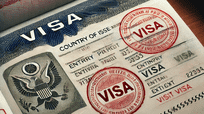
Posted on Leave a comment

What Are The Benefits And Risks Of Using An Electronic Visa (E-Visa)?

What Is An Electronic Visa (E-Visa)?

An Electronic Visa, commonly referred to as an E-Visa, is a digital travel authorization issued by a country allowing foreign nationals to enter, stay, or transit within its borders for a specified period. Unlike traditional paper visas, E-Visas are applied for and obtained online through official government portals, eliminating the need to visit embassies or consulates. E-Visas streamline the visa process by providing quicker approval times, enhanced convenience, and reduced administrative errors. They are linked electronically to the traveler’s passport and can be verified by immigration authorities upon arrival. E-Visas are increasingly popular for tourism, business, and transit purposes, reflecting the global shift toward digital solutions in international travel.

The Benefits Of Using An Electronic Visa (E-Visa)

E-Visas offer numerous benefits for travelers and governments alike. For applicants, the most obvious advantage is convenience, as applications are completed entirely online without the need to visit an embassy or consulate. Processing times are typically shorter than traditional visas, often taking just a few days or hours. Electronic systems reduce the risk of lost or damaged documents, as the visa is linked directly to the passport electronically. Additionally, E-Visas often come with lower processing fees, making them cost-effective. Governments benefit from streamlined application handling, reduced paperwork, and enhanced security features that allow for better monitoring of entrants and prevention of fraudulent activities, ensuring safer borders and efficient immigration control.

How To Apply For An Electronic Visa (E-Visa)

Applying for an E-Visa involves several key steps designed to be user-friendly. Applicants must access the official government visa portal, create an account, and complete the online application form with personal, travel, and passport details. Supporting documents, such as a scanned passport, photographs, and sometimes proof of travel or accommodation, must be uploaded. Payment of the visa fee is typically made online through secure payment gateways. Once submitted, the application undergoes verification, and applicants receive approval via email. The approved E-Visa should be printed or saved digitally for presentation at immigration checkpoints. It is crucial to ensure all information matches the passport details exactly, as discrepancies can lead to denial at the border.

Eligibility Requirements For Obtaining An Electronic Visa (E-Visa)

Eligibility for an E-Visa varies by country but generally includes criteria such as holding a valid passport with sufficient remaining validity, having no criminal record, and demonstrating the purpose of travel, whether tourism, business, or transit. Some countries may require proof of financial means, return flight tickets, or confirmed accommodation. Age restrictions may apply for certain categories, and applicants must usually be outside the destination country at the time of application. Additional requirements can include medical insurance or compliance with health and vaccination mandates. Understanding and meeting these eligibility requirements is critical to avoid delays or rejection, and applicants are encouraged to check the official government portal of the destination country before applying.

Processing Time And Validity Of An Electronic Visa (E-Visa)

Processing times for E-Visas vary depending on the country and type of visa but are generally faster than traditional visas, often ranging from a few hours to a few days. Some countries offer expedited processing for an additional fee. The validity period of an E-Visa is also determined by the issuing country and can range from single-entry visas valid for a few weeks to multiple-entry visas valid for several months or even a year. It is important for travelers to carefully check both the duration of stay allowed and the overall validity of the visa to ensure compliance with immigration rules. Overstaying an E-Visa can result in fines, deportation, or future travel restrictions.

Security Features And Fraud Prevention In E-Visas

E-Visas incorporate advanced security features to reduce the risk of fraud and enhance border safety. Digital verification systems allow immigration authorities to authenticate visas instantly by cross-checking the electronic records against the passport. Many E-Visa systems use encrypted databases, QR codes, and biometric data, such as facial recognition, to ensure the traveler’s identity is accurate. These security measures help prevent the use of counterfeit visas and unauthorized entry. Additionally, E-Visa systems can monitor travelers in real-time, alerting authorities to overstays or suspicious activity. While no system is entirely immune to fraud, the electronic framework significantly improves security compared to traditional paper visas, protecting both the traveler and the host country.

Risks And Limitations Of Using An Electronic Visa (E-Visa)

Despite their advantages, E-Visas come with certain risks and limitations. Technical issues such as server downtime, payment failures, or incorrect data entry can delay the approval process. Travelers must ensure that they apply well in advance to accommodate potential delays. E-Visas are also dependent on internet access and electronic documentation, which may be challenging for individuals with limited technological resources. In rare cases, border authorities may deny entry if there are discrepancies between the E-Visa and the traveler’s documents. Moreover, E-Visas generally do not allow extensions or changes in visa status, limiting flexibility. Travelers should always review official guidance and maintain backup copies to mitigate potential risks.

Conclusion

E-Visas represent a modern, efficient, and secure approach to international travel, offering convenience, faster processing times, and improved security for both travelers and governments. They reduce administrative burdens, lower costs, and provide a reliable digital framework for managing immigration. However, applicants must remain aware of technical limitations, eligibility requirements, and potential entry restrictions. By understanding both the benefits and risks of using an E-Visa, travelers can better plan their trips, ensure compliance with immigration rules, and enjoy a smoother travel experience. Responsible use of E-Visas enhances global mobility while supporting safe and secure international borders.

Frequently Asked Questions

1. What Are The Benefits And Risks Of Using An Electronic Visa (E-Visa)?

The benefits and risks of using an Electronic Visa (E-Visa) involve balancing convenience, speed, and security with potential technical challenges and limitations. Benefits include easier online application processes, shorter approval times, reduced paperwork, and enhanced border security through digital verification. Travelers can apply from anywhere with internet access, often saving costs compared to traditional visas. Security features such as QR codes, encryption, and biometric verification prevent fraud and ensure reliable identity verification. Risks include technical failures, application errors, dependence on electronic documentation, and occasional entry denial at borders if discrepancies occur. E-Visas also usually limit flexibility in extending or changing visa types, requiring careful planning and compliance with immigration rules to avoid complications.

2. How Do I Apply For An Electronic Visa (E-Visa)?

Applying for an E-Visa requires visiting the official government website of the destination country, filling out the online application form with accurate personal and travel information, uploading required documents such as passport scans and photographs, and paying the processing fee online. After submission, applications are verified electronically, and applicants receive approval via email. Approved E-Visas must be saved digitally or printed for presentation at immigration checkpoints. Accuracy is crucial because mismatched information can lead to entry denial. Some countries may also request proof of financial means, accommodation, or return tickets. The process is generally faster than traditional visas but applicants should apply well in advance to avoid delays.

3. What Are The Eligibility Requirements For Obtaining An Electronic Visa (E-Visa)?

Eligibility for an E-Visa depends on the destination country’s rules but typically includes holding a valid passport with sufficient remaining validity, having no criminal record, and traveling for approved purposes such as tourism, business, or transit. Additional requirements may include proof of sufficient funds, confirmed accommodation, return tickets, and compliance with health regulations or vaccinations. Age restrictions may apply for certain visa categories. Travelers must usually be outside the destination country when applying. Failure to meet eligibility requirements can result in application rejection, so it is important to review the official guidelines carefully before applying. Meeting these requirements ensures a smoother visa approval and entry experience.

4. How Long Does It Take To Get An Electronic Visa (E-Visa)?

The processing time for an E-Visa varies by country and visa type but is generally faster than traditional visas. Many countries process applications within a few hours to a few days. Some offer expedited processing for an additional fee. Factors affecting processing time include the completeness and accuracy of the application, supporting documentation, and government workload. Travelers should apply well in advance of their intended travel dates to account for potential delays. Once approved, the E-Visa is sent electronically and linked to the passport. Quick processing makes E-Visas particularly attractive for last-minute travel plans, provided the applicant ensures all information is correct to avoid rejection.

5. How Much Does It Cost To Obtain An Electronic Visa (E-Visa)?

The cost of obtaining an E-Visa varies depending on the issuing country and type of visa. Generally, E-Visa fees are lower than traditional visa fees because they reduce administrative handling and paperwork. Costs can range from approximately $20 to over $100, depending on factors like the visa category, number of entries, and processing speed. Some countries offer expedited processing for an additional fee. Payment is typically made online through secure portals using credit cards or other electronic payment methods. It is important to use official government websites to avoid third-party fees or scams. Checking the official fee schedule ensures travelers budget accurately for their trip.

6. Can An Electronic Visa (E-Visa) Be Extended Or Renewed?

In most cases, E-Visas cannot be extended or renewed from within the destination country. They are issued for a fixed duration, either for single or multiple entries, and travelers must depart before expiration. Attempting to overstay can result in fines, deportation, or restrictions on future travel. If longer stays are needed, applicants may need to apply for a different visa category through official channels or reapply from outside the country. Some countries provide special long-term E-Visa options, but these are exceptions rather than the norm. Understanding the limitations of E-Visas ensures travelers avoid legal issues and plan their visits appropriately.

7. What Security Measures Are Used In Electronic Visas (E-Visa)?

E-Visas employ multiple security measures to prevent fraud and ensure traveler identification. Digital verification allows immigration authorities to check the visa against passport information instantly. Security features may include QR codes, encrypted databases, and biometric data, such as facial recognition, fingerprints, or iris scans. These measures reduce the risk of counterfeit visas and unauthorized entry. Real-time monitoring systems can detect overstays or suspicious travel patterns. While no system is completely foolproof, the digital infrastructure of E-Visas significantly enhances security compared to paper visas. Travelers benefit from safer border crossings and governments can maintain more effective immigration oversight.

8. Are Electronic Visas (E-Visas) Accepted Worldwide?

While E-Visas are increasingly popular, acceptance depends on individual country policies. Not all countries offer E-Visas, and some still require traditional visas processed through consulates or embassies. Many popular tourist and business destinations now provide E-Visa options to streamline travel, but travelers must confirm availability before planning their trips. It is important to verify that the E-Visa is valid for the intended purpose of travel and entry point. Using unofficial websites or assuming universal acceptance can result in entry denial. Checking official government sources ensures compliance and avoids unnecessary complications during international travel.

9. What Happens If My Electronic Visa (E-Visa) Application Is Denied?

If an E-Visa application is denied, the applicant will receive a notification, often with the reason for rejection. Common reasons include incomplete forms, incorrect documentation, ineligibility, or security concerns. Applicants can usually reapply after addressing the issues, but it is crucial to carefully review eligibility requirements and instructions before submitting a new application. Denial does not necessarily bar future travel, but repeated rejections may attract closer scrutiny from immigration authorities. Keeping accurate records and following official guidance helps minimize the risk of denial. Some countries offer appeal processes or customer support to clarify the reasons for rejection.

10. Can I Travel With An Electronic Visa (E-Visa) On Multiple Devices?

Yes, travelers can access their E-Visa from multiple devices since it is electronically linked to their passport and issued digitally via email. However, it is recommended to print a hard copy or save a secure offline version as backup. Internet access may not always be available at entry points, and having multiple copies ensures smooth verification. Travelers should ensure the digital copy is legible and that all relevant information, such as visa number, validity dates, and passport details, matches the original application. Maintaining backups reduces the risk of entry denial due to technical issues or device failure at immigration checkpoints.

11. Are There Age Restrictions For Electronic Visa (E-Visa) Applicants?

Age restrictions for E-Visa applicants vary depending on the destination country and visa category. Many countries allow children and minors to obtain E-Visas with parental or guardian consent, while certain work or business visas may have minimum age requirements. Applicants must ensure all age-related documentation, such as birth certificates or parental authorizations, is included in the application. Failure to provide accurate age documentation can result in delays or denial of the visa. Understanding age-related rules is important for families traveling together or for young professionals seeking employment or business opportunities abroad. Official government portals provide specific age eligibility details.

12. Can I Use An Electronic Visa (E-Visa) For Transit Purposes?

Yes, many countries issue E-Visas specifically for transit, allowing travelers to pass through the country without long-term entry. Transit E-Visas generally have shorter validity periods, often limited to 24–72 hours, and may restrict movement within the airport or designated areas. Travelers must confirm the specific requirements, such as airline notifications, transit fees, or connecting flights. E-Visas for transit simplify the process, eliminating the need for traditional visas for short stays. However, misuse or exceeding the permitted transit period can lead to fines or future travel restrictions. Proper planning ensures seamless transit with an E-Visa.

13. What Are The Technical Requirements For Applying For An Electronic Visa (E-Visa)?

To apply for an E-Visa, applicants need a reliable internet connection, a compatible device such as a computer or smartphone, and a valid email address. Scanned copies of the passport, passport-sized photographs, and other supporting documents must meet the format and size specifications outlined by the destination country. Payment is usually made online, requiring a valid credit or debit card. Some portals may recommend using specific browsers for optimal functionality. Meeting technical requirements ensures that the application is submitted successfully and prevents delays due to upload failures, compatibility issues, or incomplete forms, which can negatively impact processing times.

14. Can I Correct Mistakes After Submitting An Electronic Visa (E-Visa) Application?

Once an E-Visa application is submitted, correcting mistakes can be challenging. Some countries allow minor corrections via the official portal, while others may require reapplication. Critical errors, such as incorrect passport numbers, name mismatches, or dates of travel, can lead to visa denial or entry refusal. It is essential to carefully review all information before submitting the application. If errors are identified after submission, applicants should contact the official support channels immediately to determine if corrections or reapplication is necessary. Ensuring accuracy prevents complications during travel and maintains compliance with immigration regulations.

15. How Safe Is My Personal Information When Applying For An Electronic Visa (E-Visa)?

Personal information submitted during an E-Visa application is generally secured through encrypted government portals and secure payment systems. Advanced security protocols, including SSL encryption and data protection regulations, help prevent unauthorized access and misuse. Many countries also comply with international data protection standards to safeguard applicant information. However, applicants must ensure they use official websites and avoid third-party services to prevent scams or phishing attempts. Protecting login credentials, using secure networks, and monitoring email notifications enhances safety. While no system is completely immune to cyber threats, government-managed E-Visa systems offer a high level of protection for sensitive personal and travel information.

16. Are Electronic Visas (E-Visas) Environmentally Friendly?

E-Visas contribute to environmental sustainability by reducing paper use, transportation needs, and administrative processes associated with traditional visa applications. By eliminating printed visa documents, applicants and governments reduce carbon footprints associated with postal services and embassy visits. Digital systems also minimize physical storage requirements and associated energy use. The online application and verification process not only speeds up processing but also reduces the environmental impact of travel-related bureaucracy. While the energy consumption of servers and digital infrastructure is a factor, the overall environmental benefits of E-Visas make them a more eco-friendly option compared to traditional paper-based visa systems, aligning with global sustainability goals.

17. What Are The Common Problems Travelers Face With Electronic Visas (E-Visa)?

Common problems with E-Visas include technical issues during application, mismatched personal information, delayed approval, and difficulties accessing digital documents at entry points. Payment failures, portal downtime, and incorrect document formats can cause rejection or delays. Travelers may also face denial if they fail to meet eligibility criteria or if immigration authorities detect discrepancies between the E-Visa and the passport. Limited options for extensions or changes in travel plans can also be challenging. Being aware of these potential problems, double-checking application details, and keeping digital and printed backups help travelers mitigate risks and ensure a smoother entry process using an E-Visa.

18. Can I Use An Electronic Visa (E-Visa) For Business Travel?

Yes, many countries issue E-Visas specifically for business purposes, allowing travelers to attend meetings, conferences, or conduct other professional activities. Business E-Visas often require additional documentation, such as letters from employers, invitation letters from host companies, or proof of business activities. They may have specific validity periods, entry limits, and restrictions on employment or local work. Travelers must ensure compliance with the terms of the visa to avoid legal issues. Business E-Visas offer a convenient, efficient, and cost-effective way to conduct international business travel, streamlining administrative processes and enabling professionals to travel quickly without lengthy embassy procedures.

19. Do I Need Travel Insurance For An Electronic Visa (E-Visa)?

Some countries require travelers applying for an E-Visa to provide proof of travel insurance covering medical expenses, accidents, or emergencies. Travel insurance is particularly important in countries with high healthcare costs or where visa conditions mandate coverage. Even if not mandatory, having travel insurance is highly recommended to protect against unforeseen events, such as illness, flight cancellations, or lost belongings. Providing proof of insurance can also enhance the credibility of the application and may speed up approval. Applicants should ensure that their insurance meets the minimum requirements set by the destination country to avoid delays or complications during travel.

20. Can I Apply For Multiple Electronic Visas (E-Visas) At The Same Time?

Yes, it is possible to apply for multiple E-Visas simultaneously if traveling to different countries that offer online visa services. Each application must meet the individual country’s eligibility requirements, include separate documentation, and pay the respective fees. Applicants should carefully manage submission dates, validity periods, and entry dates to ensure compliance with each country’s regulations. Using separate email addresses or account profiles may help organize multiple applications. Planning ahead is crucial to avoid conflicts in travel schedules or processing delays. Applying for multiple E-Visas provides flexibility for multi-country trips while maintaining the efficiency and convenience of digital visa processing.

Further Reading

A Link To A Related External Article

Everything You Need To Know About Visas

Posted on Leave a comment

What Is The Validity Period Of An Electronic Visa (E-Visa)?

What Is An Electronic Visa (E-Visa)?

An Electronic Visa (E-Visa) is a digital authorization issued by a country’s immigration authority that allows foreign nationals to enter and stay in that country for a specified purpose and duration. Unlike traditional visas, which are stamped on a physical passport, an E-Visa is linked electronically to the applicant’s passport and can often be obtained entirely online without visiting an embassy or consulate. E-Visas are designed to simplify travel procedures, reduce paperwork, and accelerate the visa approval process. They are commonly used for tourism, business trips, short-term study programs, or transit purposes. Most countries issue E-Visas with specific entry points, validity periods, and conditions that must be strictly followed to avoid legal issues or denial of entry.

How Does An Electronic Visa (E-Visa) Work?

An Electronic Visa works by linking an approved digital visa to the passport of the traveler. Once the application is submitted online and approved, the visa is electronically stored in the country’s immigration database. When the traveler arrives at the border, immigration authorities verify the passport against the electronic record. The E-Visa often contains details such as entry type, number of entries allowed, duration of stay, and expiration date. Travelers usually receive a confirmation email or a downloadable PDF that serves as proof of approval. It is crucial to ensure that the passport used for the application is valid for the required period beyond the intended stay to comply with immigration regulations.

What Are The Types Of Electronic Visas?

Electronic Visas come in several types depending on the traveler’s purpose and the issuing country’s regulations. Common types include tourist E-Visas for leisure travel, business E-Visas for commercial or professional visits, transit E-Visas for layovers or connecting flights, and student E-Visas for short-term study programs. Some countries also issue diplomatic or official E-Visas for government representatives. Each type has unique requirements, such as supporting documents, eligibility criteria, and restrictions on activities during the stay. The duration and validity period of each E-Visa type can differ significantly, which makes understanding the specific regulations of the destination country essential for avoiding overstays or entry denial.

What Is The Validity Period Of An Electronic Visa (E-Visa)?

The validity period of an Electronic Visa varies based on the issuing country and the type of visa. Typically, E-Visas are valid for a specific timeframe starting from the date of issue or the intended date of travel. Short-term tourist E-Visas may be valid for 30, 60, or 90 days, allowing single or multiple entries within that period. Business or transit E-Visas may have shorter validity spans, often linked to the duration of the intended business activity or transit schedule. It is important to note that the validity period does not always equate to the permitted duration of stay; for example, a 90-day valid E-Visa may only allow 30 days per visit. Understanding both the validity and allowed stay duration is critical for planning travel and avoiding penalties.

How Can Travelers Check The Validity Of Their E-Visa?

Travelers can check the validity of their E-Visa by reviewing the official confirmation email or PDF issued by the immigration authority. Many countries provide online portals where applicants can verify visa status using their application number, passport number, or other identification details. It is essential to confirm the expiration date, the allowed duration of stay, and the number of permitted entries before travel. Additionally, airlines may require proof of a valid visa prior to boarding, making it crucial to ensure that the E-Visa remains valid throughout the journey. Checking validity ahead of time prevents travel disruptions and ensures compliance with the host country’s entry requirements.

What Factors Influence The Validity Period Of An E-Visa?

Several factors determine the validity period of an E-Visa. These include the type of visa, the purpose of travel, the issuing country’s immigration policies, and bilateral agreements between countries. For example, a short-term tourist visa typically has a shorter validity period than a business visa intended for multiple trips. Some countries adjust validity periods based on seasonal demand, security considerations, or the traveler’s nationality. Additionally, changes in immigration law or policy can affect previously issued E-Visas. Travelers must always review the visa conditions and confirm that their planned travel dates fall within the approved validity period to avoid legal complications or denied entry.

Can The Validity Period Of An E-Visa Be Extended?

In some cases, the validity period of an E-Visa can be extended, but this depends entirely on the regulations of the issuing country. Extensions are usually granted for exceptional circumstances, such as medical emergencies, unavoidable delays, or humanitarian reasons. The process often involves submitting a formal request to the immigration authority along with supporting documentation. Extensions are not guaranteed, and overstaying without approval can result in fines, deportation, or bans on future travel. Therefore, travelers should always plan their trips to fit within the original validity period or consult local immigration authorities well in advance if an extension may be necessary.

What Happens If An E-Visa Expires Before Travel?

If an E-Visa expires before the traveler’s departure, entry to the destination country will be denied. Airlines may also refuse boarding without a valid visa. Travelers in this situation must apply for a new E-Visa and wait for approval before attempting to travel. Some countries allow emergency or expedited processing, but these services may incur additional fees. Keeping track of the visa’s expiration date and allowing sufficient processing time is essential for avoiding last-minute disruptions. Additionally, travelers should ensure that their passport remains valid for the required duration, as some countries demand that passports are valid for six months beyond the intended date of entry.

How Does Single Entry Vs Multiple Entry Affect E-Visa Validity?

The type of entry specified on an E-Visa—single or multiple—can affect how the validity period is utilized. A single-entry E-Visa allows the traveler to enter the country only once within the visa’s validity period. Once used, the visa becomes invalid, even if the validity period has not expired. In contrast, a multiple-entry E-Visa permits several entries within the validity period, which is useful for business travelers, repeat tourists, or individuals visiting multiple regions. Understanding the entry type is crucial for travel planning, as using a single-entry visa for multiple trips can lead to denied boarding, fines, or deportation. Travelers should always comply with the entry restrictions indicated on their visa.

How To Apply For An Electronic Visa (E-Visa)

Applying for an Electronic Visa generally involves completing an online application form on the official immigration website of the destination country. Applicants must provide personal details, passport information, travel plans, and sometimes supporting documents such as photographs, flight itineraries, and proof of accommodation. Payment of the applicable visa fee is required, often via secure online methods. After submission, the application undergoes verification, and applicants receive a notification of approval or denial, typically via email. Once approved, the E-Visa is electronically linked to the applicant’s passport and should be printed or saved digitally for border control checks. Timely application is essential to ensure the E-Visa is valid before the intended travel date.

What Are The Common Restrictions Associated With E-Visas?

E-Visas often come with specific restrictions that travelers must follow. Common limitations include restrictions on employment, study, and prolonged stays. Travelers may be limited to specific entry points and must adhere to the maximum allowed duration per visit. Certain activities, such as business operations or cultural participation, may require a separate visa. Violating the terms of an E-Visa can result in fines, deportation, or bans on future travel. It is essential for travelers to thoroughly read the visa conditions and ensure that their plans align with the permitted activities. Awareness of these restrictions is crucial to maintaining compliance and avoiding legal complications during the visit.

Conclusion

Electronic Visas provide a convenient and efficient way for travelers to enter foreign countries without the traditional paperwork and embassy visits. Understanding the validity period, entry types, duration of stay, and associated restrictions is critical to ensure smooth travel experiences. Travelers should carefully check the E-Visa’s expiration date, comply with permitted activities, and verify all documentation before departure. By adhering to these guidelines, travelers can make the most of the benefits of E-Visas while avoiding legal issues, fines, or denied entry. Proper planning and awareness are key to maximizing the convenience and flexibility offered by Electronic Visas.

Frequently Asked Questions

1. What Is The Validity Period Of An Electronic Visa (E-Visa)?

The validity period of an Electronic Visa (E-Visa) refers to the specific timeframe during which the visa holder is authorized to enter the issuing country. This period typically starts from either the date of visa issuance or the intended date of travel, depending on the country’s regulations. E-Visas may have a short-term validity of 30, 60, or 90 days for tourist purposes, or longer for business, study, or diplomatic visits. It is important to note that validity does not always equal permitted duration of stay; a visa may be valid for 90 days but allow only 30 days per visit. Travelers must check the official conditions to avoid overstaying and legal penalties.

2. How Can I Check The Validity Period Of My E-Visa?

Travelers can verify the validity of their E-Visa by reviewing the confirmation email or PDF issued by the immigration authority, which includes details like expiration date, allowed duration of stay, and number of entries. Many countries also provide online portals to check visa status using the passport number or application reference. Confirming validity ensures compliance with immigration regulations, prevents travel disruption, and guarantees the visa is active for the entire duration of the journey. Checking ahead of travel is crucial, as airlines may deny boarding if the E-Visa is expired or does not meet entry requirements.

3. Does The Type Of E-Visa Affect Its Validity Period?

Yes, the type of E-Visa significantly affects its validity period. Tourist visas often have shorter validity, typically ranging from 30 to 90 days, while business, student, or diplomatic E-Visas may have longer durations to accommodate multiple trips or extended stays. Transit visas generally have very short validity tied to the connecting flight schedule. The issuing country sets these durations based on immigration policy, travel purpose, and sometimes bilateral agreements with the applicant’s home country. Understanding the type of visa and its implications is essential for planning the visit and avoiding overstays or entry denial.

4. Can The Validity Period Of An E-Visa Be Extended?

In certain cases, the validity period of an E-Visa may be extended, depending on the issuing country’s regulations. Extensions are typically allowed for emergencies such as medical issues, travel disruptions, or humanitarian reasons. Travelers must submit a formal request along with supporting documentation to the immigration authority. Approval is not guaranteed, and overstaying without authorization can lead to fines, deportation, or future travel bans. Planning within the original validity period is always recommended, and consulting local authorities in advance is critical if an extension might be necessary.

5. What Happens If My E-Visa Expires Before Travel?

If an E-Visa expires before travel, the traveler cannot enter the destination country, and airlines may refuse boarding. A new visa application is required, which may involve standard or expedited processing depending on the country. Attempting to travel with an expired E-Visa can result in denied entry or legal penalties. It is essential to monitor expiration dates, apply in advance, and ensure the passport remains valid for the required period beyond the intended stay. Staying informed prevents last-minute travel disruptions and ensures compliance with immigration regulations.

6. How Long Is A Typical E-Visa Valid?

A typical E-Visa validity ranges between 30 to 90 days for tourist purposes, though durations can vary by country and visa type. Business or study E-Visas may offer validity of several months or even a year, often with multiple-entry privileges. The validity period is determined by the issuing authority to accommodate the purpose of travel and ensure regulatory compliance. Travelers must differentiate between the visa’s validity and the maximum duration of stay per visit, which may be shorter than the overall validity. Understanding both aspects is crucial for legal travel planning and avoiding fines or deportation.

7. Does A Multiple-Entry E-Visa Affect Its Validity?

A multiple-entry E-Visa allows several entries within the visa’s validity period, while a single-entry visa becomes invalid after one entry, regardless of the remaining validity. Multiple-entry visas are beneficial for business travelers, tourists with flexible itineraries, or individuals traveling to neighboring countries. The validity period still applies, but the traveler can use it for several trips until the expiration date. Awareness of entry type ensures compliance and prevents denied entry, fines, or legal issues. Planning travel according to entry conditions is essential for smooth international travel experiences.

8. How Does Passport Validity Affect E-Visa Validity?

Passport validity is closely linked to E-Visa validity, as many countries require that the passport remain valid for six months beyond the intended date of entry. An E-Visa tied to an expiring passport may be rendered invalid or denied at boarding. Travelers should check passport expiration dates and renew if necessary before applying for an E-Visa. Ensuring both passport and E-Visa validity helps prevent travel disruptions, avoids legal complications, and meets airline and immigration requirements. Proper documentation planning is key to a seamless international journey.

9. Are Transit E-Visas Valid For The Same Period As Tourist E-Visas?

Transit E-Visas usually have much shorter validity periods than tourist E-Visas, often aligned with the traveler’s connecting flight schedule. They are designed for travelers passing through a country temporarily, sometimes only a few hours or days. Unlike tourist visas, transit visas do not typically permit extended stays or multiple entries. Travelers must comply strictly with the validity period to avoid fines, denied boarding, or deportation. Checking the specific transit visa regulations of the destination country ensures smooth travel and avoids unnecessary complications during layovers.

10. Can I Use An E-Visa After Its Expiration Date?

No, an E-Visa cannot be used after its expiration date. Attempting to travel with an expired E-Visa can result in denied boarding by airlines and refused entry at the border. Travelers must reapply for a new visa and obtain approval before attempting to enter the destination country. Some countries may offer expedited processing for urgent travel needs, but these services may involve additional fees. Monitoring the E-Visa expiration date and applying early ensures compliance with immigration regulations and prevents travel interruptions or legal issues.

11. How Do Different Countries Determine E-Visa Validity?

Different countries determine E-Visa validity based on the type of visa, purpose of travel, nationality of the applicant, and bilateral agreements with other countries. Short-term tourist visas often have shorter validity, while business or study visas may allow multiple entries and longer durations. Seasonal considerations, security protocols, and immigration policies also influence validity periods. Travelers must review the specific regulations of the destination country to ensure their travel plans fit within the authorized timeframe. Compliance with these rules is essential for avoiding fines, denied entry, or future visa restrictions.

12. What Is The Maximum Duration Of Stay Allowed On An E-Visa?

The maximum duration of stay allowed on an E-Visa is usually shorter than the total validity period. For example, a visa valid for 90 days may permit a maximum stay of only 30 or 60 days per visit. This duration is strictly enforced by immigration authorities, and overstaying can result in fines, deportation, or travel bans. Travelers should verify both the validity period and allowed stay to plan trips effectively. Adhering to the authorized duration ensures compliance with immigration laws and allows travelers to fully benefit from the convenience of Electronic Visas without risking legal complications.

13. Do E-Visas Expire If Not Used Immediately?

Yes, E-Visas can expire even if not used immediately. The expiration date is typically set from the issuance date or intended travel date, and failing to enter the country within that period renders the visa invalid. Travelers must plan their trips within the specified timeframe and avoid delays that might lead to expiration. Some countries may offer the option to reapply if the visa expires unused, but this may involve additional fees and processing time. Careful attention to the visa’s validity ensures legal travel and prevents complications at the airport or border.

14. How Important Is It To Track E-Visa Expiration Dates?

Tracking E-Visa expiration dates is critical to prevent travel disruptions, denied boarding, and legal penalties. Airlines often check visa validity before departure, and immigration authorities may refuse entry if the visa has expired. Travelers should maintain a calendar of visa expiration and consider passport validity requirements. Timely application for renewal or extension, if allowed, ensures uninterrupted travel. Staying informed about expiration dates also helps in planning multiple trips or business activities that require multiple-entry visas. Proper management of visa timelines safeguards both legal compliance and travel convenience.

15. Are There Fees Associated With Extending E-Visa Validity?

Yes, most countries impose fees for extending E-Visa validity. The amount varies depending on the visa type, duration of the extension, and local immigration policies. Travelers must submit a formal request, often with supporting documentation such as proof of necessity for the extension, and pay the required fees. Extensions are not guaranteed, and failure to comply with the extension process can result in fines or deportation. Understanding potential costs associated with extensions helps travelers plan budgets and timelines effectively. Always consult the official immigration authority for accurate and up-to-date fee information.

16. How Do Airlines Verify E-Visa Validity?

Airlines verify E-Visa validity by checking the digital confirmation linked to the traveler’s passport. Many countries require passengers to present either a printed PDF or an email confirmation of their approved E-Visa. Airline staff use this information to ensure compliance with immigration regulations and prevent denied boarding. Failure to present a valid E-Visa may result in being refused boarding, delayed travel, or additional scrutiny. Travelers must ensure that the E-Visa remains valid for the entire travel period and that documentation is easily accessible during check-in and immigration processing.

17. Can I Travel With An E-Visa Close To Its Expiration Date?

Traveling close to an E-Visa’s expiration date is possible, but it carries risks. Airlines and immigration authorities may scrutinize travelers whose visas are about to expire, and entry may be restricted if the remaining validity is insufficient for the intended stay. To ensure smooth travel, it is recommended to have a buffer period between the travel date and the visa’s expiration. Proper planning avoids last-minute complications, guarantees compliance with immigration regulations, and ensures that travelers can fully utilize the authorized duration of stay without legal issues.

18. Are Student E-Visas Valid For The Entire Academic Term?

Student E-Visas are typically valid for the duration of the academic program, but the exact validity depends on the country’s regulations. Some may issue visas for a single semester, while others may grant validity for the full academic year with multiple-entry privileges. Extensions or renewals may be necessary for programs exceeding the initial validity. Students must maintain enrollment and comply with visa conditions to prevent termination or legal complications. Understanding the validity and conditions of a student E-Visa is essential for uninterrupted academic participation and lawful residence during study abroad programs.

19. How Does Business Travel Affect E-Visa Validity?

Business E-Visas often have longer validity periods and multiple-entry privileges to accommodate frequent travel for meetings, conferences, or commercial activities. The validity is typically determined based on the expected duration and frequency of business visits. Travelers must adhere to the specific purpose of the visa and avoid activities outside the authorized scope. Monitoring the validity and entry conditions ensures legal compliance, avoids fines, and facilitates uninterrupted professional travel. Understanding the limitations and requirements of business E-Visas is crucial for corporate travelers and international business operations.

20. What Should I Do If My E-Visa Expires During My Stay?

If an E-Visa expires during your stay, it is critical to contact the local immigration authority immediately to request an extension or legal guidance. Overstaying without approval can result in fines, deportation, or bans on future travel. Some countries provide emergency or temporary permits, but these must be requested before the visa expiration. Travelers should maintain proper documentation, proof of purpose for extension, and comply with immigration rules. Planning ahead and understanding visa validity and extension processes ensures that travelers remain compliant and avoid legal consequences while continuing their stay without disruption.

Further Reading

A Link To A Related External Article

Everything You Need To Know About Visas

Posted on Leave a comment

How Much Does An Electronic Visa (E-Visa) Cost?

What Is An Electronic Visa (E-Visa)?

An Electronic Visa, commonly referred to as an E-Visa, is a digital travel authorization issued by a country allowing travelers to enter its borders without obtaining a traditional paper visa. E-Visas are linked electronically to the traveler’s passport and can be applied for online, eliminating the need to visit an embassy or consulate. They are designed to simplify and accelerate the visa process, making international travel more convenient. E-Visas typically have specific validity periods and conditions, such as the number of entries permitted and the duration of stay. They are increasingly popular as countries embrace digital solutions for border control and tourism promotion.

How Do I Apply For An Electronic Visa (E-Visa)?

Applying for an E-Visa involves visiting the official government or authorized visa portal of the destination country. Applicants need to fill out an online form with personal information, passport details, and travel plans. Supporting documents, such as a passport scan, photograph, and proof of funds or travel itinerary, may also be required. Payment for the E-Visa fee is typically done online using a credit or debit card. Once submitted, the application undergoes verification, which may take a few hours to several days. Upon approval, the E-Visa is emailed to the applicant, and it should be printed or saved digitally for presentation at the border.

What Are The Eligibility Requirements For Obtaining An Electronic Visa (E-Visa)?

Eligibility requirements for an E-Visa vary depending on the country but generally include holding a valid passport with a minimum remaining validity of six months, having no criminal record, and possessing sufficient financial resources to support the stay. Some countries may also require proof of return travel or confirmed accommodation bookings. Travelers must comply with health or vaccination regulations and must not have overstayed in the country previously. Certain nationalities may be excluded from E-Visa eligibility, while others may be eligible for specific visa categories, such as tourist, business, or medical visits. Meeting these requirements ensures a higher likelihood of visa approval.

How Long Does It Take To Get An Electronic Visa (E-Visa)?

The processing time for an E-Visa depends on the destination country and the type of visa applied for. In most cases, standard E-Visas are approved within 24 to 72 hours. Some countries offer expedited processing for an additional fee, reducing approval time to just a few hours. Delays may occur if the submitted documents are incomplete, inaccurate, or require further verification. It is recommended to apply at least a week before the planned travel date to account for unexpected processing delays. Once approved, the E-Visa is electronically linked to the traveler’s passport, making border entry faster and more efficient.

How Much Does An Electronic Visa (E-Visa) Cost?

The cost of an E-Visa varies significantly by country, visa type, and processing speed. Tourist E-Visas are generally less expensive, ranging from $20 to $100, while business or multiple-entry visas may cost more. Additional fees may apply for expedited processing, service charges, or third-party application platforms. Payment is typically completed online using credit or debit cards. Some countries offer discounted rates for children, students, or residents of certain countries. It is essential to verify the official government portal for accurate fee information to avoid overpayment or fraudulent websites. Understanding the cost structure helps travelers budget effectively for their trips.

What Is The Validity Period Of An Electronic Visa (E-Visa)?

The validity period of an E-Visa is the time frame within which the traveler can enter the destination country. This period typically ranges from 30 days to 180 days from the date of issue. Some E-Visas allow single entry, while others permit multiple entries within the validity period. Once the traveler enters the country, there is usually a maximum duration of stay per visit, which can range from 7 days to 90 days depending on the country’s regulations. Exceeding the authorized stay can result in fines, deportation, or future visa restrictions. Travelers should carefully check both the validity and permitted stay duration before traveling.

Can I Extend My Electronic Visa (E-Visa)?

Many countries allow E-Visa holders to request an extension, but the conditions vary. Extensions typically require filing an application before the current visa expires and may involve additional fees. Some countries permit extensions only under exceptional circumstances, such as medical emergencies, business commitments, or humanitarian reasons. The application process often requires submitting proof of continued travel purpose, accommodation, and financial means. It is important to note that not all E-Visas are extendable, and overstaying without approval can result in penalties. Travelers should consult the official immigration guidelines of the destination country before making plans to extend their stay.

What Are The Advantages Of Using An Electronic Visa (E-Visa)?

E-Visas offer several advantages over traditional visas. They reduce the need for physical travel to embassies, save time, and allow applications to be processed faster. E-Visas are convenient, as approvals are sent electronically and can be stored digitally or printed for border inspection. They enhance security through online verification and reduce paperwork and administrative burdens. Travelers can easily track the application status online, and the process is typically user-friendly with clear instructions. Additionally, E-Visas help governments streamline immigration processes and collect accurate traveler information, improving border management and national security.

What Documents Are Required For An Electronic Visa (E-Visa)?

The required documents for an E-Visa vary by country but commonly include a valid passport with at least six months of validity, a recent passport-sized photograph, and a completed online application form. Travelers may also need to provide proof of accommodation, travel itinerary, financial means, and a return or onward ticket. Certain countries require additional documentation, such as medical certificates, invitation letters, or business credentials. It is crucial to ensure that all documents meet the specified format and quality requirements to avoid delays or rejection. Accurate submission of supporting documents increases the likelihood of a smooth approval process.

Is An Electronic Visa (E-Visa) Safe And Secure?

E-Visas are generally safe and secure, as they are issued and managed by government-authorized platforms. Online portals use encryption and secure payment systems to protect personal and financial information. Electronic linking to passports reduces the risk of visa forgery or tampering. Travelers should ensure they apply only through official government websites to avoid scams or fraudulent services. It is also recommended to regularly check the application status and verify the E-Visa details before travel. Maintaining copies of the E-Visa and confirmation emails ensures access to information in case of technical issues at border control.

Can I Travel With An Electronic Visa (E-Visa) On Multiple Devices?

Yes, E-Visas are generally digital documents that can be accessed on multiple devices, such as smartphones, tablets, or laptops. Travelers can store a PDF copy of their E-Visa or present it through mobile applications approved by the destination country. It is advisable to have both a digital copy and a printed version to ensure smooth border processing, as some immigration officers may prefer physical documentation. Multiple device access provides flexibility and reduces the risk of losing the document. Travelers should always ensure their device has sufficient battery and connectivity when presenting the E-Visa at the port of entry.

How Do I Check The Status Of My Electronic Visa (E-Visa)?

To check the status of an E-Visa, applicants can visit the official visa portal of the destination country and use the reference number or application ID provided during submission. Many systems offer real-time tracking, indicating whether the application is pending, approved, or requires additional documentation. Status updates may also be sent via email or SMS notifications. Monitoring the application status helps travelers plan their trips and ensures timely correction of any errors or missing documents. If there are delays beyond the standard processing time, contacting the official visa support service is recommended for guidance and clarification.

What Happens If My Electronic Visa (E-Visa) Is Rejected?

If an E-Visa application is rejected, the applicant will usually receive a notification explaining the reason for denial. Common reasons include incomplete forms, incorrect document formats, insufficient financial evidence, or failing to meet eligibility criteria. Rejected applications may be resubmitted after correcting the errors or providing additional documentation. Some countries may impose a waiting period before reapplication, while others allow immediate resubmission. Understanding the cause of rejection is crucial to ensure a successful future application. Applicants should carefully review instructions, submit accurate documents, and seek official guidance if necessary to avoid repeated denials.

Can I Use An Electronic Visa (E-Visa) For Transit Purposes?

Some countries allow E-Visas to be used for transit purposes, while others require a separate transit visa. Transit E-Visas are generally valid for a short duration, often 24 to 72 hours, allowing travelers to pass through the country without entering long-term. Conditions may include staying within the airport or designated zones and not exceeding the authorized transit period. It is essential to verify transit regulations of the destination country before travel to avoid penalties or denied boarding. Travelers should check airline policies and border requirements to ensure compliance with transit E-Visa rules.

Are There Any Fees For Canceling Or Modifying An Electronic Visa (E-Visa)?

Cancellation or modification of an E-Visa may involve additional fees depending on the country’s policies. Some countries offer partial refunds if the visa is canceled before approval, while others do not provide refunds under any circumstances. Modifications, such as changing travel dates or personal details, may also require processing fees. Travelers are advised to carefully review the terms and conditions before applying and consider potential changes in travel plans. Accurate and timely submission helps minimize the need for changes or cancellations, reducing unnecessary costs. Always confirm fees on the official E-Visa portal to avoid overpayment.

Can Family Members Apply For Electronic Visas (E-Visas) Together?

Yes, many countries allow families or groups to apply for E-Visas simultaneously using a single application or separate linked applications. Some portals offer family packages, simplifying the process and potentially reducing fees. Each applicant must meet individual eligibility requirements and provide personal documentation, such as passport details and photographs. Group or family applications can save time and ensure coordinated travel plans. It is important to verify the specific procedures on the destination country’s official portal to avoid errors or delays. Coordinated applications also allow families to track the status collectively and receive approvals efficiently.

Do I Need To Print My Electronic Visa (E-Visa)?

While E-Visas are primarily digital, printing a copy is highly recommended. A printed copy serves as a backup in case of technical issues, such as phone battery depletion, connectivity problems, or immigration officer preferences. Many countries accept digital versions displayed on a smartphone, but having a physical copy ensures smooth border processing. Travelers should carry the E-Visa alongside their passport and any supporting documents. Ensuring multiple accessible copies enhances security and reduces stress during travel. It is also advisable to store a PDF copy in email or cloud storage for easy retrieval if needed.

What Are The Common Mistakes To Avoid When Applying For An Electronic Visa (E-Visa)?

Common mistakes include submitting incorrect passport details, uploading poor-quality documents, missing application deadlines, and failing to pay the correct fees. Using unofficial websites or third-party services without authorization can result in fraud or rejection. Applicants should carefully follow instructions, double-check personal information, and ensure compliance with eligibility criteria. Another mistake is assuming E-Visas grant unlimited stay; travelers must adhere to permitted durations. Preparing supporting documents, verifying fee payment, and monitoring application status are essential steps to avoid unnecessary delays or denials. Accurate preparation increases the likelihood of smooth approval and entry.

How Can I Renew My Electronic Visa (E-Visa) For Future Travel?

Renewal of an E-Visa is not always automatic and may require reapplication through the official portal. Travelers must meet eligibility criteria, submit updated documentation, and pay applicable fees. Some countries allow online renewal if the previous E-Visa was valid and not expired, while others require a fresh application. Renewal ensures continued compliance with immigration laws and facilitates future travel plans. It is important to track expiration dates, maintain valid passports, and adhere to entry regulations to avoid complications. Proper planning and timely renewal prevent disruptions in travel and reduce the risk of denied entry.

Conclusion

Electronic Visas (E-Visas) have transformed international travel, offering convenience, security, and faster processing compared to traditional visas. Understanding the costs, eligibility requirements, application processes, and validity periods is essential for a seamless travel experience. With careful preparation, travelers can avoid common mistakes, monitor application status, and access support for extensions or modifications. E-Visas are not only beneficial for travelers but also enhance border security and streamline immigration procedures for governments. Being informed about all aspects of E-Visas ensures a smooth and enjoyable travel experience.

Frequently Asked Questions

1. How Much Does An Electronic Visa (E-Visa) Cost?

The cost of an Electronic Visa (E-Visa) varies depending on the destination country, type of visa, and processing speed. Typically, tourist E-Visas range between $20 and $100, while business or multiple-entry visas can cost significantly more. Some countries offer expedited processing for an additional fee, which can reduce approval time from several days to a few hours. Certain nations provide discounted rates for children, students, or residents of partner countries. Payment is usually made online through secure channels using credit or debit cards. To avoid overpaying or encountering fraudulent services, travelers should always verify costs through official government portals. Understanding the cost structure in advance helps plan budgets effectively and ensures a smooth travel experience.

2. What Is An Electronic Visa (E-Visa)?

An Electronic Visa (E-Visa) is a digital travel authorization issued by a government that allows travelers to enter a country without obtaining a traditional paper visa. It is linked electronically to the traveler’s passport, enabling border authorities to verify entry permissions quickly. E-Visas simplify the application process by allowing submissions online, saving time and eliminating the need to visit embassies. They come with specific validity periods, permitted durations of stay, and sometimes entry restrictions, such as single or multiple entries. Many countries offer E-Visas for tourism, business, or medical purposes. This system enhances security, efficiency, and convenience for both travelers and immigration authorities.

3. How Do I Apply For An Electronic Visa (E-Visa)?

Applying for an E-Visa involves visiting the official government portal of the destination country, filling out the online application form with personal details, passport information, and travel itinerary, and uploading required supporting documents such as photographs and passport scans. Payment for the visa fee is typically done online using secure credit or debit card methods. Once submitted, the application is reviewed by immigration authorities, and approval may take a few hours to several days depending on the country and visa type. After approval, the E-Visa is emailed to the applicant and electronically linked to the passport. Travelers should ensure all information is accurate to avoid delays or rejection.

4. What Are The Eligibility Requirements For Obtaining An Electronic Visa (E-Visa)?

Eligibility requirements for an E-Visa include having a valid passport with a minimum six-month validity, a clean criminal record, and sufficient financial resources to cover the stay. Some countries may require proof of accommodation, confirmed return or onward travel, or compliance with vaccination and health regulations. Nationality may also affect eligibility, as certain countries have agreements or restrictions on who can obtain E-Visas. Some visas are specific to the purpose of travel, such as tourism, business, or medical treatment. Meeting all requirements increases the likelihood of approval, while failure to provide accurate or complete information can result in rejection. Travelers should review official guidelines carefully.

5. How Long Does It Take To Get An Electronic Visa (E-Visa)?

The processing time for an E-Visa varies by country and visa type, typically ranging from 24 to 72 hours. Some countries offer expedited processing for an additional fee, allowing approval within a few hours. Delays may occur if documents are missing, incorrect, or require additional verification. It is recommended to apply well in advance of the intended travel date, ideally at least a week prior, to account for unexpected delays. Once approved, the E-Visa is electronically linked to the passport, facilitating seamless border entry. Regularly monitoring the application status online ensures travelers are informed of approval or required corrections promptly, avoiding last-minute complications.

6. What Is The Validity Period Of An Electronic Visa (E-Visa)?

The validity period of an E-Visa refers to the time frame in which the traveler can enter the destination country, generally ranging from 30 days to 180 days from the date of issue. Some visas allow single entry, while others permit multiple entries during the validity period. Upon entry, travelers must adhere to the authorized duration of stay, often ranging from 7 to 90 days depending on local regulations. Overstaying can result in fines, deportation, or future travel restrictions. It is essential to carefully review both the validity and maximum stay limits before traveling. Travelers should plan their trips accordingly to ensure compliance with immigration rules.

7. Can I Extend My Electronic Visa (E-Visa)?

Many countries allow extensions of E-Visas, though the process and conditions vary. Travelers must usually apply before the visa expires, provide supporting documentation, and pay additional fees. Extensions are often granted for reasons such as medical emergencies, business requirements, or humanitarian grounds. Some E-Visas cannot be extended, and overstaying without approval may result in penalties, fines, or travel bans. It is critical to consult the official immigration guidelines of the destination country for precise extension procedures. Timely application and compliance with all rules ensure legal continuation of the stay and prevent complications during travel or future visa applications.

8. What Are The Advantages Of Using An Electronic Visa (E-Visa)?

E-Visas offer numerous advantages, including faster processing, reduced paperwork, and convenience by eliminating embassy visits. Travelers can apply online from any location, submit supporting documents digitally, and receive approvals electronically. They enhance border security, as entries are linked to passport data, reducing fraud risks. The process is typically user-friendly, allowing applicants to track status and receive notifications in real-time. E-Visas also streamline government operations by managing traveler data efficiently. For tourists, business travelers, and medical visitors, E-Visas provide a reliable, time-saving, and secure method of obtaining permission to enter a country, improving the overall travel experience.

9. What Documents Are Required For An Electronic Visa (E-Visa)?

Required documents for an E-Visa usually include a valid passport with at least six months of validity, a recent passport-size photograph, a completed online application form, and payment confirmation. Some countries require additional documentation such as proof of accommodation, travel itinerary, financial evidence, return tickets, or invitation letters. Compliance with health and vaccination requirements may also be necessary. Documents must meet specific format and quality standards to prevent delays or rejection. Ensuring accurate and complete submissions increases the likelihood of approval. Travelers should verify the exact requirements on the official immigration website of the destination country to avoid errors and ensure a smooth visa process.

10. Is An Electronic Visa (E-Visa) Safe And Secure?

E-Visas are generally safe and secure, as they are issued and managed through government-authorized online portals with encrypted data and secure payment systems. Linking the visa electronically to a passport reduces the risk of forgery or tampering. Travelers must ensure they apply through official government channels to avoid scams. Regular monitoring of the application status and verification of E-Visa details before travel adds another layer of security. Maintaining digital or printed copies ensures access during border inspections. Proper use of E-Visas protects personal and financial information while facilitating smooth and legitimate entry into the destination country, making the process both convenient and secure.

11. Can I Travel With An Electronic Visa (E-Visa) On Multiple Devices?

Yes, E-Visas can generally be accessed on multiple devices such as smartphones, tablets, and laptops. Travelers can store a digital PDF copy or use approved mobile applications for verification at the border. Carrying both digital and printed copies is recommended to ensure smooth processing, as some immigration officers may prefer physical documentation. Access across multiple devices provides flexibility and reduces the risk of losing the visa. Travelers should ensure their devices are charged and functional during travel. Having easily accessible E-Visa copies on multiple platforms ensures a seamless entry experience, preventing delays or complications due to technical or device-related issues.

12. How Do I Check The Status Of My Electronic Visa (E-Visa)?

To check the status of an E-Visa, applicants should use the reference number or application ID on the official government visa portal. Many countries provide real-time tracking, showing whether the visa is pending, approved, or requires additional information. Status updates may also be sent via email or SMS notifications. Monitoring the application allows travelers to address issues promptly, ensuring timely travel planning. Delays beyond standard processing times should prompt contact with the official support team for clarification. Staying informed about the visa status helps avoid last-minute complications and ensures that all documentation is complete and ready for presentation at the border.

13. What Happens If My Electronic Visa (E-Visa) Is Rejected?

If an E-Visa is rejected, the applicant is typically informed of the reason, such as incomplete forms, incorrect documents, insufficient funds, or unmet eligibility criteria. Rejected applications may be corrected and resubmitted, though some countries may require a waiting period before reapplication. Understanding the reason for rejection is essential to ensure successful future applications. Careful review of guidelines, accurate documentation, and proper fee payment are critical to avoid repeated denials. In some cases, applicants may seek guidance from the official immigration support channels. Learning from rejection improves the chances of approval in subsequent attempts and helps travelers plan future trips effectively.

14. Can I Use An Electronic Visa (E-Visa) For Transit Purposes?

Transit E-Visas allow travelers to pass through certain countries without full entry, but regulations vary. Typically, these visas are valid for short durations, such as 24 to 72 hours, and travelers may be restricted to airport transit zones or designated areas. Not all countries offer transit E-Visas, so a separate transit visa may be required. Compliance with transit rules, airline policies, and border regulations is crucial to avoid penalties or denied boarding. Verifying transit visa requirements on the official immigration website ensures smooth travel and prevents complications during layovers. Travelers should plan accordingly, ensuring all documentation aligns with transit regulations.

15. Are There Any Fees For Canceling Or Modifying An Electronic Visa (E-Visa)?

Fees for canceling or modifying an E-Visa vary by country. Some governments allow partial refunds if cancellation occurs before approval, while others offer no refunds. Modifications, such as changing travel dates or personal details, may require additional fees. Travelers should carefully review terms and conditions before applying. Avoiding mistakes in the initial application reduces the need for changes or cancellations. Confirming fees on official portals ensures accurate payments and prevents overcharges. Proper planning and preparation minimize the likelihood of additional costs. Understanding the financial implications of changes or cancellations helps travelers manage their E-Visa responsibly and efficiently.

16. Can Family Members Apply For Electronic Visas (E-Visas) Together?

Many countries allow families or groups to apply for E-Visas collectively, either through a single application or linked individual applications. Family applications streamline the process and may reduce total fees. Each family member must meet eligibility criteria and provide required documents, including passport details and photographs. Coordinated applications allow families to track visa statuses simultaneously and receive approvals efficiently. It is essential to follow the country-specific procedures to avoid delays or errors. Group applications improve convenience, especially for tourism or business travel, ensuring all family members comply with immigration requirements while simplifying submission and tracking processes.

17. Do I Need To Print My Electronic Visa (E-Visa)?

While E-Visas are digital, printing a copy is recommended for backup in case of technical issues or device failures. Some immigration officers may request a physical copy for verification. Travelers should carry the printed E-Visa along with the passport and supporting documents. Keeping digital backups in email or cloud storage ensures access even if devices fail. Both digital and printed versions provide flexibility and security during travel. A printed copy also facilitates smoother processing at border control and reduces potential stress in case of unexpected circumstances. Preparing multiple copies ensures travelers are ready for all scenarios during entry.

18. What Are The Common Mistakes To Avoid When Applying For An Electronic Visa (E-Visa)?

Common mistakes include incorrect passport details, poor-quality document uploads, missed deadlines, using unofficial portals, or assuming unlimited stay. Failing to pay fees correctly or misunderstanding eligibility criteria can also lead to rejection. Travelers should follow instructions carefully, double-check all information, and monitor application status. Preparing complete and accurate supporting documents reduces delays. Missteps in the application process may result in denials, extra fees, or travel disruptions. Avoiding these mistakes increases the likelihood of smooth approval, minimizes complications at entry points, and ensures a successful travel experience. Proper planning and adherence to official guidelines are essential.

19. How Can I Renew My Electronic Visa (E-Visa) For Future Travel?

Renewing an E-Visa often requires reapplication through the official government portal, submitting updated documents, and paying the applicable fees. Some countries allow online renewal if the previous E-Visa is valid or recently expired, while others require a completely new application. Timely renewal ensures compliance with immigration regulations and facilitates uninterrupted travel. Maintaining a valid passport, adhering to stay durations, and tracking expiration dates are crucial. Travelers should consult official guidelines to ensure correct procedures. Proper planning and prompt renewal prevent issues during entry and support smooth future travel experiences. Renewing on time avoids penalties, fines, or denied entry.

20. Can I Apply For An Electronic Visa (E-Visa) While Traveling Abroad?

Yes, travelers can apply for an E-Visa while abroad as long as they have internet access and a valid passport. Most countries allow submissions from any location worldwide. Payment and document upload are conducted online, and approvals are sent electronically to the applicant’s email. Travelers should ensure they meet eligibility criteria, provide accurate documentation, and apply through official government portals. Some countries may have restrictions based on nationality or current residence. Access to digital copies or printed E-Visas ensures smooth border entry. Applying while abroad offers flexibility for unexpected trips, extended stays, or business travel, making international travel more convenient.

Further Reading

A Link To A Related External Article

Everything You Need To Know About Visas

Posted on Leave a comment

How Long Does It Take To Get An Electronic Visa (E-Visa)?

What Is An Electronic Visa (E-Visa)?

An Electronic Visa (E-Visa) is a digital travel authorization that allows foreign nationals to enter a country without obtaining a traditional physical visa at an embassy or consulate. E-Visas are processed online through official government portals, making the application process faster, more convenient, and accessible from anywhere in the world. Applicants typically submit personal information, travel details, passport scans, and other required documents online. Once approved, the E-Visa is electronically linked to the applicant’s passport. E-Visas are commonly used for tourism, business, or short-term visits and are recognized by border control authorities upon arrival. They streamline immigration procedures and reduce paperwork significantly.

How To Apply For An Electronic Visa (E-Visa)

Applying for an E-Visa involves visiting the official immigration or government portal of the destination country. Applicants must complete an online application form, providing personal details such as full name, date of birth, passport information, travel dates, and purpose of the visit. Supporting documents like passport scans, photographs, or proof of accommodation may also be required. After submission, the applicant pays the processing fee using secure online payment methods. Confirmation emails are sent to acknowledge receipt of the application. The application is then reviewed by immigration authorities, and applicants may be notified of approval or additional documentation requirements. Once approved, the E-Visa can be printed or stored digitally.

Required Documents For E-Visa Application

The necessary documents for obtaining an E-Visa typically include a valid passport with at least six months of validity from the date of entry, a recent passport-sized photograph in the specified format, and proof of travel arrangements such as flight bookings or hotel reservations. Some countries may require a travel itinerary, proof of sufficient funds, or a letter of invitation if visiting family or friends. Additionally, applicants might need to submit health-related documentation or vaccination certificates depending on the country’s regulations. Ensuring all documents are correct and complete is essential, as errors or omissions can delay the processing time of an E-Visa or result in rejection.

Processing Time For An Electronic Visa (E-Visa)

The processing time for an E-Visa varies depending on the country, the type of visa, and the completeness of the application. In most cases, E-Visas are processed within 24 to 72 hours for standard applications. Some countries may offer expedited services that reduce approval time to a few hours. However, peak travel seasons or incomplete documentation can extend processing to several days. Applicants are advised to apply at least a week in advance of their planned travel dates to avoid delays. Official government portals usually provide estimated processing times and tracking services to monitor the status of the E-Visa application.

Factors Affecting E-Visa Approval Time

Several factors can influence the time it takes to receive an E-Visa. Incomplete or incorrect application details, low-quality document scans, or mismatched information can cause delays. High application volumes during holidays or peak travel seasons may slow processing. Security or background checks are sometimes required, especially for travelers from certain countries, which can extend approval time. Technical issues on the application portal or delays in payment verification may also affect processing. Applicants who submit clear, accurate, and complete documentation are more likely to receive timely approval. Monitoring the application status regularly and following up if necessary can help mitigate potential delays.

Common Mistakes That Delay E-Visa Processing

Mistakes such as entering incorrect passport numbers, mismatching personal details, uploading unclear photos, or failing to submit required documents are common causes of E-Visa delays. Some applicants overlook country-specific requirements like vaccination proof, travel itinerary, or supporting letters. Payment errors or using unofficial portals can also result in rejected applications. To avoid delays, applicants should carefully review all instructions on the official website, double-check all entered information, and ensure documents meet the specified criteria. Following official guidelines and applying early can significantly reduce the likelihood of processing delays and help secure timely E-Visa approval.

Checking The Status Of Your E-Visa

Most countries provide an online portal to track the status of your E-Visa application. After submission, applicants receive a reference number or confirmation code to monitor progress. Regularly checking this portal helps identify if additional documents or clarifications are needed. Notifications of approval, rejection, or pending issues are usually sent via email. Some countries also offer SMS updates for convenience. Monitoring your application ensures that any issues can be addressed promptly, preventing last-minute delays before travel. It’s important to only use official government portals for status checks to avoid misinformation or scams.

Validity And Duration Of Stay With An E-Visa

E-Visas typically have a defined validity period, ranging from a few weeks to several months, depending on the country and type of visa. The duration of stay permitted under the E-Visa is usually specified in the approval notice. Overstaying the granted period can result in fines, deportation, or future travel restrictions. Some countries allow multiple entries, while others issue single-entry visas. Travelers should carefully review the validity and stay duration and ensure their return travel plans align with the E-Visa conditions. Adhering to these regulations helps maintain compliance with immigration laws and avoids complications during travel.

Advantages Of Using An E-Visa

The E-Visa system provides several advantages over traditional visa methods. Applications can be completed entirely online, eliminating the need to visit an embassy or consulate. Processing times are generally faster, and applicants receive electronic confirmation, reducing paperwork. E-Visas improve travel planning efficiency and enhance security through online verification and tracking. They also reduce long queues and administrative workload for immigration authorities. Furthermore, travelers can store their E-Visa digitally, allowing for easy access at border checkpoints. Overall, E-Visas offer convenience, speed, and reliability for short-term visits, tourism, and business travel.

Tips For A Smooth E-Visa Application

To ensure a smooth E-Visa application, applicants should start early and review the destination country’s official guidelines thoroughly. Use high-quality scans and accurate information to prevent processing delays. Confirm that your passport meets validity requirements and that you have all supporting documents ready. Pay attention to payment methods and ensure receipts are saved. Applying during non-peak periods can also reduce delays. Regularly monitor your application status and respond promptly to any requests from immigration authorities. Following these best practices increases the chances of quick approval and helps avoid complications during your travel.

Conclusion

Understanding how long it takes to get an Electronic Visa (E-Visa) involves knowing the application process, required documents, processing times, and factors affecting approval. By applying early, providing accurate information, and following official guidelines, travelers can significantly reduce delays and enjoy the convenience of digital visa processing. E-Visas offer efficiency, speed, and accessibility, making international travel more seamless for tourism, business, and short-term visits. Awareness of validity periods, stay durations, and country-specific regulations is essential to ensure compliance and avoid travel interruptions. Overall, proper planning and preparation ensure a hassle-free E-Visa experience.

Frequently Asked Questions

1. How Long Does It Take To Get An Electronic Visa (E-Visa)?

The time it takes to get an Electronic Visa (E-Visa) depends on the country, visa type, and completeness of the application. Generally, standard processing takes between 24 to 72 hours, though some countries may process it within a few hours if expedited services are used. High application volumes, incomplete documents, or verification checks can extend the timeline to several days. Applying at least one week in advance is recommended to avoid last-minute delays. Checking the official government portal regularly helps track the status and ensures timely submission of any additional documents requested. Following all guidelines increases the likelihood of quick approval.

2. What Are The Documents Required To Get An E-Visa?

To obtain an E-Visa, applicants usually need a valid passport with at least six months’ validity, a recent passport-sized photo, travel itinerary, flight bookings, hotel reservations, and, in some cases, proof of sufficient funds. Some countries may require vaccination certificates, invitation letters, or additional supporting documents. Ensuring documents meet the official format and clarity standards is essential to avoid delays. Inaccurate or missing documents are a common reason for rejection or extended processing times. Reviewing country-specific requirements before applying can help streamline the E-Visa approval process.

3. How Much Does An Electronic Visa (E-Visa) Cost?

The cost of an E-Visa varies depending on the destination country and type of visa. Typically, fees range from $20 to $100, with some countries offering premium or expedited processing for additional charges. Payment is usually made online via secure channels, and applicants should ensure they use the official government portal to avoid scams. Certain countries may offer exemptions or reduced fees for children, students, or diplomatic travelers. It’s important to factor in the visa cost when planning travel expenses. Keeping payment confirmations or receipts is recommended for reference and proof of successful application submission.

4. How Can I Apply For An E-Visa Online?

Applying for an E-Visa online involves visiting the official immigration portal of the destination country, filling out the application form with personal details, passport information, travel dates, and purpose of visit, uploading required documents, and paying the visa fee. Once submitted, applicants receive a confirmation email or reference number to track the status. Approval is usually communicated via email, and the E-Visa can be printed or stored digitally for border control. Following the country-specific instructions carefully ensures smooth processing and reduces the chances of errors or delays.

5. What Is The Validity Period Of An E-Visa?

The validity period of an E-Visa varies by country and type of visa. Typically, E-Visas are valid for a few weeks to several months, allowing either single or multiple entries. The duration of stay granted upon entry may differ from the visa validity period, and overstaying can result in fines, deportation, or future travel restrictions. Travelers must carefully check the approval notice and align their travel plans accordingly. Some E-Visas can be extended, depending on local immigration laws. Observing the validity and duration ensures compliance with border regulations and prevents legal complications during travel.

6. Can I Expedite My E-Visa Application?

Many countries offer expedited processing for an additional fee, allowing applicants to receive approval in a few hours or within one day. Eligibility for expedited processing and the cost varies depending on the destination country and visa type. Applying through the official portal and selecting the expedited option ensures faster approval. Providing accurate information and complete documents also speeds up the process. It is important to check whether your travel dates allow for standard processing or if expedited service is necessary to avoid delays or missed flights.

7. What Are The Common Mistakes That Delay E-Visa Processing?

Common mistakes include entering incorrect passport numbers, mismatching personal details, uploading unclear photographs, failing to provide supporting documents, or using unofficial portals. Payment errors or missing application steps can also cause delays. Reviewing instructions carefully, using high-quality documents, and double-checking all information before submission can prevent these issues. Avoiding these mistakes ensures smoother processing, reduces the likelihood of rejection, and helps secure timely approval for travel.

8. How Do I Check The Status Of My E-Visa Application?

Most countries provide an online tracking portal or email notifications to monitor E-Visa status. Applicants receive a reference number upon submission, which allows them to check progress and identify pending document requirements. Some countries also offer SMS updates. Regular monitoring ensures timely response to any requests and helps prevent delays before travel. Always use official government sources to check the status to avoid misinformation or fraud.

9. Is It Safe To Apply For An E-Visa Online?

Yes, applying through official government portals is safe. Secure online platforms protect personal data, and encrypted payment channels safeguard transactions. However, applicants must avoid third-party websites claiming to process visas for a fee, as these may be fraudulent. Using only official portals ensures that applications are processed accurately, reduces the risk of scams, and guarantees government-approved E-Visa issuance.

10. Can E-Visas Be Used For Multiple Entries?

Some E-Visas allow multiple entries, while others are single-entry only. The type of entry permitted is specified in the approval notice. Travelers should confirm the number of allowed entries before planning multiple visits, as overstaying or exceeding allowed entries can result in fines or travel restrictions. Multiple-entry E-Visas are particularly useful for business travelers or tourists visiting neighboring countries.

11. How Long Should I Wait Before Applying For An E-Visa?

It’s recommended to apply for an E-Visa at least one week before your intended travel, although some countries allow applications up to three months in advance. Applying early ensures sufficient time for processing, especially during peak travel periods, and reduces the risk of delays due to incomplete documents or verification checks. Planning ahead ensures a smoother travel experience.

12. What Happens If My E-Visa Is Denied?

If an E-Visa is denied, the applicant is usually informed via email with a reason for rejection. Common reasons include incomplete documentation, errors in personal information, or security-related concerns. Applicants can correct mistakes and reapply, adhering to official guidelines. Denial does not prevent future applications but may require additional documentation or verification to meet immigration requirements.

13. Can I Travel Without Printing My E-Visa?

Most countries accept digital copies of E-Visas linked electronically to your passport, but it’s advisable to carry a printed copy as backup. Some border authorities may request a hard copy for verification, especially if technical issues prevent electronic access. Having both digital and printed versions ensures compliance and avoids complications during entry.

14. Are There Age Restrictions For E-Visa Applications?

There are usually no strict age restrictions, but minors must have consent from parents or legal guardians. Some countries require additional documents for children, such as birth certificates or notarized consent letters. Ensuring proper documentation for all travelers, including minors, is essential to prevent delays or rejection.

15. How Long Can I Stay In A Country With An E-Visa?

The permitted stay duration varies by country and visa type, usually ranging from a few days to several months. The E-Visa approval notice specifies the allowed duration. Overstaying may result in fines, deportation, or future travel restrictions. Travelers must plan their trip according to the authorized period and adhere to local immigration regulations.

16. Can I Extend My E-Visa While Abroad?

Some countries allow E-Visa extensions, but policies vary. Travelers should consult local immigration authorities for eligibility, application procedures, and associated fees. Applying for an extension before the visa expires ensures compliance and prevents legal consequences. Not all E-Visas are extendable, so checking regulations in advance is essential.

17. What Should I Do If My E-Visa Information Changes?

If passport details, travel dates, or personal information change, applicants must notify the issuing authority or reapply for a new E-Visa. Using incorrect information can result in denied entry or fines. Always ensure that the E-Visa matches the current passport and travel plans to avoid complications at border control.

18. Are E-Visas Accepted At All Entry Points?

Most E-Visas are accepted at major airports and designated land or sea border points. Some remote or minor entry points may not recognize E-Visas. Travelers should verify entry point eligibility in advance to ensure smooth entry and avoid being turned away at immigration checkpoints.

19. Can I Use An E-Visa For Business Travel?

Yes, E-Visas are often issued for tourism, business, or short-term visits. Applicants must indicate the purpose of travel during the application process. Some countries issue specific E-Visas for business meetings, conferences, or corporate visits. Ensuring the correct visa type aligns with the intended purpose avoids legal issues during the stay.

20. What Are The Advantages Of Using An E-Visa?

E-Visas simplify the travel process, reduce paperwork, save time, and allow online application from anywhere. They provide electronic verification, reduce embassy visits, and often have faster processing times than traditional visas. Travelers benefit from convenience, security, and clear guidelines, making international travel more accessible for tourism, business, and short-term visits.

FURTHER READING

A Link To A Related External Article

Everything You Need To Know About Visas

Posted on Leave a comment

What Are The Eligibility Requirements For Obtaining An Electronic Visa (E-Visa)?

What Is An Electronic Visa (E-Visa)?

An Electronic Visa (E-Visa) is an official digital authorization allowing travelers to enter a specific country for a predetermined period. Unlike traditional visas, which require visiting an embassy or consulate, E-Visas are applied for online, providing convenience, faster processing, and secure approval notifications via email. E-Visas are widely adopted globally to streamline tourism, business trips, and short-term stays, reducing paperwork and the need for physical stamps in passports. They are linked electronically to the traveler’s passport and can be verified digitally by immigration authorities. Countries issuing E-Visas often specify eligibility criteria, permissible durations, and acceptable travel purposes, making it essential for applicants to understand the requirements before applying.

Key Eligibility Criteria For Obtaining An E-Visa

Eligibility requirements for obtaining an E-Visa typically include nationality restrictions, passport validity, and purpose of travel. Most countries issuing E-Visas only accept applicants from certain countries and require that the passport remains valid for at least six months beyond the intended date of entry. Applicants must demonstrate the purpose of their visit, such as tourism, business, or medical treatment, and sometimes provide proof of accommodation, return tickets, or sufficient funds. Criminal background checks and health-related declarations may also be required. Meeting these basic eligibility standards ensures that applicants are considered for approval, reducing the risk of rejection or delays during the application process.

Required Documents And Information For E-Visa Application

When applying for an E-Visa, travelers must provide accurate personal details, passport information, and sometimes supporting documentation. Essential documents include a valid passport, a digital photograph meeting specific requirements, and evidence of travel arrangements such as flight tickets and hotel bookings. Certain countries may require additional documents, such as invitation letters, financial statements, or proof of vaccination. Accuracy is critical, as discrepancies between the application and the passport can result in rejection. The E-Visa application form typically requires contact details, travel history, and the intended dates of travel. Preparing all necessary documents beforehand streamlines the process and increases the likelihood of successful approval.

Age And Health Requirements For E-Visa Applicants

Many countries issuing E-Visas have age and health requirements to ensure safety and eligibility for travel. Minors often need parental consent or accompanying guardians, and some countries set age-specific criteria for certain visa categories. Health requirements may include vaccinations, medical certificates, or declarations regarding contagious diseases. Travelers with serious health conditions may need to submit additional documentation to demonstrate their ability to travel safely. Compliance with these requirements is essential for approval, as immigration authorities prioritize public health and safety. Understanding and meeting age and health criteria in advance prevents delays and complications during both the application and entry processes.

Financial Requirements For E-Visa Applicants

Applicants for E-Visas must demonstrate financial stability to cover expenses during their stay. Proof of sufficient funds, such as bank statements, credit card limits, or sponsorship letters, is commonly required. The amount considered “sufficient” varies depending on the country, travel duration, and type of visa. Some countries also require evidence of prepaid accommodations or a confirmed itinerary to prove that travelers can support themselves without becoming a burden on the host country. Meeting financial requirements reduces the risk of visa refusal and ensures a smoother entry process. Proper documentation of finances shows immigration authorities that the traveler can responsibly manage costs during their visit.

Travel History And Previous Visa Compliance

Previous travel history and compliance with visa regulations are important factors for E-Visa eligibility. Countries often consider prior refusals, overstays, or violations of visa terms when evaluating new applications. Travelers with a clean record of adherence to immigration rules are more likely to obtain approval quickly. Providing accurate information about previous visas, travel destinations, and entry-exit dates helps maintain transparency. Misrepresentation or omissions can lead to application denial or blacklisting. Maintaining a record of responsible travel behavior demonstrates reliability to immigration authorities, increasing the chances of obtaining an E-Visa for future visits.

How To Apply For An E-Visa

The application process for an E-Visa is generally straightforward but requires attention to detail. Travelers must complete an online form with personal information, passport details, travel plans, and supporting documents. After submission, applicants usually pay a non-refundable fee online using secure payment methods. Once processed, the E-Visa approval is sent via email, which the traveler must print or save digitally for presentation upon arrival. Processing times vary by country, ranging from a few hours to several days, depending on verification procedures. Following the instructions carefully and providing complete, accurate information ensures timely approval and smooth entry at the destination.

Duration Of Stay And Validity Of E-Visa

E-Visas are typically issued for specific durations and purposes, such as short-term tourism or business trips. The validity period varies by country, and travelers must enter within the designated timeframe. Overstaying or using the visa for unauthorized purposes can result in fines, deportation, or future entry restrictions. Many E-Visas allow single or multiple entries, and the total duration of stay is clearly indicated on the approval notice. Understanding these limits helps travelers plan their itineraries and comply with local regulations. Awareness of validity and duration ensures a smooth travel experience and prevents complications with immigration authorities upon arrival or departure.

Benefits Of Obtaining An E-Visa

Obtaining an E-Visa offers multiple advantages over traditional visa methods. The online application process is convenient, reducing the need to visit embassies or consulates. Processing is often faster, and approval notifications are received electronically, simplifying travel planning. E-Visas are secure, as they are linked to the traveler’s passport and verified digitally at border controls. Many countries also use E-Visas to enhance tourism and international business by providing flexible options for short-term visits. Travelers can track their application status online and avoid excessive paperwork. Overall, E-Visas streamline the travel experience while maintaining safety, security, and compliance with immigration regulations.

Common Reasons For E-Visa Denial

E-Visa applications can be denied for several reasons, including incomplete documentation, inaccurate information, failure to meet eligibility criteria, or previous immigration violations. Criminal records, security concerns, or health risks may also lead to refusal. Financial insufficiency, lack of travel proof, or discrepancies in travel history can negatively impact approval chances. Applicants who fail to meet age, health, or nationality requirements may also be rejected. Understanding common pitfalls helps travelers prepare thoroughly, ensuring all documents are accurate, up-to-date, and aligned with the destination country’s regulations. Careful preparation reduces the risk of denial and facilitates a smoother entry process.

Conclusion

Obtaining an Electronic Visa (E-Visa) requires understanding and meeting specific eligibility requirements, including nationality, passport validity, travel purpose, age, health, and financial stability. Preparing accurate documentation, complying with visa regulations, and following the online application process carefully can increase the likelihood of approval. E-Visas offer convenience, faster processing, and secure entry for travelers worldwide, streamlining tourism, business, and short-term visits. Awareness of common reasons for denial and adherence to all criteria ensures a smooth travel experience and helps travelers enjoy the benefits of digital visa solutions. By meeting these requirements, individuals can confidently plan their trips and gain seamless access to their destinations.

Frequently Asked Questions

1. What Are The Eligibility Requirements For Obtaining An Electronic Visa (E-Visa)?

The eligibility requirements for obtaining an electronic visa (E-Visa) generally include possessing a valid passport, meeting nationality restrictions, and having a clear purpose for travel such as tourism, business, or medical treatment. Applicants must usually provide accurate personal details, travel itinerary, proof of financial stability, and sometimes supporting documents such as hotel bookings or invitation letters. Age and health criteria, including vaccinations or parental consent for minors, may also apply. Previous visa compliance and a clean travel record are often considered. Meeting these criteria ensures that immigration authorities can approve the E-Visa, allowing entry for the specified duration and purpose while minimizing the risk of denial or complications.

2. How Do I Apply For And Get An Electronic Visa (E-Visa)?

To apply for and obtain an electronic visa (E-Visa), you must complete an online application form, providing your personal information, passport details, travel plans, and required supporting documents. After submission, payment of the applicable visa fee is made electronically using secure methods. Processing times vary depending on the country, usually ranging from a few hours to several days. Once approved, the E-Visa is sent via email and can be printed or saved digitally for presentation at immigration checkpoints. Careful attention to detail, accurate information, and submission of all required documentation increases the likelihood of approval and ensures a smooth entry experience into the destination country.

3. What Are The Nationality Requirements For Obtaining An Electronic Visa (E-Visa)?

Nationality requirements for obtaining an electronic visa (E-Visa) specify which countries’ citizens are eligible to apply. Not all nations are permitted to use the E-Visa system for a particular country, and eligibility often depends on bilateral agreements, security concerns, or immigration policies. Applicants must verify their nationality against the issuing country’s official list to ensure eligibility. Ineligible applicants must pursue traditional visa channels instead. Providing false information regarding nationality can result in application rejection or future travel restrictions. Confirming eligibility based on nationality before applying helps prevent delays, ensures compliance with regulations, and increases the chances of successful E-Visa approval for the intended travel purpose.

4. What Passport Validity Is Required For An Electronic Visa (E-Visa)?

Most countries issuing an electronic visa (E-Visa) require that the applicant’s passport be valid for at least six months beyond the intended date of entry. Some destinations may have shorter or longer validity requirements, depending on regulations. A passport must be in good condition with no significant damage, and it should have enough blank pages for entry stamps if needed. Expired or soon-to-expire passports can lead to E-Visa denial. Ensuring that your passport meets the validity criteria before applying is essential to prevent delays or rejection. Checking the specific country’s passport requirements guarantees compliance and facilitates a smooth approval process for your E-Visa application.

5. Are There Age Requirements For Obtaining An Electronic Visa (E-Visa)?

Age requirements for obtaining an electronic visa (E-Visa) vary by country and visa type. Minors often need parental consent or an accompanying adult to travel legally. Some E-Visa categories may have minimum age restrictions for independent travel or business purposes. Elderly travelers generally face no age barriers unless health concerns are relevant. Providing accurate age information and, where applicable, consent forms or legal documents ensures compliance with regulations. Meeting age requirements helps prevent application denial and ensures safe, legal travel. Awareness of these requirements before applying is crucial for families, minors, and individuals traveling independently, allowing them to prepare the necessary documentation for approval.

6. What Health Requirements Must Be Met For An Electronic Visa (E-Visa)?

Health requirements for obtaining an electronic visa (E-Visa) may include proof of vaccinations, medical certificates, or declarations regarding contagious diseases. Certain countries require travelers to be free from specific infections or provide evidence of recent vaccinations such as yellow fever or COVID-19. Applicants with pre-existing conditions may need additional documentation to demonstrate their ability to travel safely. Health compliance is crucial to prevent entry denial and protect public health. Accurate reporting of medical conditions and fulfillment of all required health documentation ensures smooth approval. Understanding these requirements in advance allows travelers to meet standards, maintain eligibility, and avoid complications upon arrival at the destination.

7. What Financial Documentation Is Required For An Electronic Visa (E-Visa)?

Applicants for an electronic visa (E-Visa) must demonstrate sufficient funds to cover expenses during their stay. Acceptable proof includes bank statements, credit card limits, or sponsorship letters, depending on the country. The required financial threshold varies based on travel duration, visa type, and destination. Some countries may also request evidence of prepaid accommodations or confirmed itineraries. Providing accurate financial documentation reassures immigration authorities that travelers can manage expenses without becoming a burden. Failure to meet financial criteria can result in visa denial. Preparing and submitting proper financial evidence ensures compliance, facilitates approval, and contributes to a smooth entry experience for E-Visa holders.

8. Is Previous Travel History Important For Obtaining An Electronic Visa (E-Visa)?

Previous travel history plays a significant role in obtaining an electronic visa (E-Visa). Immigration authorities consider prior visa approvals, compliance with entry and exit regulations, and any overstays or violations. Applicants with a clean travel record are generally more likely to receive approval. Accurate disclosure of past travel destinations and visa details is critical, as omissions or false information can lead to application rejection or future restrictions. A responsible travel history demonstrates reliability and trustworthiness to immigration authorities. Maintaining a record of compliant travel behavior enhances the chances of E-Visa approval and ensures smoother processing for both short-term visits and multiple-entry visas in the future.

9. How Long Does It Take To Process An Electronic Visa (E-Visa)?

Processing times for an electronic visa (E-Visa) vary depending on the issuing country, application completeness, and verification procedures. Some countries provide approvals within hours, while others may take several days or longer. Factors influencing processing time include the applicant’s nationality, travel purpose, and the accuracy of submitted documents. Urgent or expedited processing options may be available for additional fees. It is essential to apply well in advance of travel to account for processing time and potential delays. Monitoring application status online helps applicants stay informed. Timely submission with accurate documentation ensures faster approval and prevents last-minute travel complications.

10. Can E-Visas Be Used For Multiple Entries?

Some electronic visas (E-Visas) allow multiple entries, enabling travelers to enter and exit the issuing country several times within a specified validity period. Single-entry E-Visas permit only one entry, after which the visa expires. Multiple-entry eligibility depends on the visa type, purpose of travel, and issuing country policies. Travelers must adhere strictly to the total permitted duration and entry regulations. Using an E-Visa outside its allowed entries can result in fines, deportation, or future travel restrictions. Understanding entry limitations ensures compliance and avoids legal issues. Checking the type of E-Visa being issued helps travelers plan itineraries accordingly and maintain smooth travel experiences.

11. Are There Travel Purpose Restrictions For An E-Visa?

Electronic visas (E-Visas) are issued for specific purposes such as tourism, business, medical treatment, or transit. Using the visa for unauthorized activities like employment or long-term residence is strictly prohibited. Travel purpose restrictions are enforced by immigration authorities to ensure compliance with national regulations. Applicants must provide supporting documents proving their travel intent, such as hotel bookings, business invitations, or medical appointments. Violating these restrictions can result in fines, deportation, or future visa denial. Awareness and adherence to travel purpose requirements are essential for successful E-Visa approval and lawful entry, ensuring a smooth and trouble-free visit to the destination country.

12. How Much Does An Electronic Visa (E-Visa) Cost?

The cost of an electronic visa (E-Visa) varies by country, visa type, and duration of stay. Fees are usually paid online during the application process using secure payment methods. Some countries offer different pricing for single-entry versus multiple-entry visas, or expedited processing options. The fee is generally non-refundable, even if the application is denied. Applicants should check the official government portal for accurate and up-to-date fees before applying. Proper payment ensures application processing and helps avoid delays. Understanding the cost beforehand allows travelers to budget appropriately, facilitating smooth planning and timely approval of their E-Visa application.

13. Can E-Visa Applications Be Denied?

Yes, electronic visa (E-Visa) applications can be denied for various reasons. Common causes include incomplete or inaccurate information, failure to meet eligibility requirements, insufficient financial documentation, previous immigration violations, or health-related concerns. Providing false or misleading information can result in immediate rejection or future travel restrictions. Criminal records or security risks are also significant factors. To minimize the risk of denial, applicants should carefully follow application instructions, ensure accuracy, and submit all required documents. Awareness of common pitfalls and adherence to regulations improves approval chances, enabling smooth entry and compliance with immigration policies for the intended travel duration.

14. How Can I Check The Status Of My E-Visa Application?

Most countries offering electronic visas (E-Visas) provide online portals to check application status. Applicants need their reference number or passport information to log in and monitor progress. Status updates typically indicate whether the application is under review, approved, or requires additional documentation. Timely monitoring allows applicants to address any issues promptly, ensuring smooth processing and preventing delays. Some countries also send email notifications for status changes. Checking the status regularly provides peace of mind and ensures travelers are informed about the approval timeline. Proper tracking enhances planning efficiency and helps avoid last-minute complications at immigration checkpoints.

15. What Are The Entry Requirements With An E-Visa?

Entry requirements with an electronic visa (E-Visa) include presenting a valid passport linked to the approved E-Visa, complying with health regulations, and providing supporting documentation if requested. Immigration officers may ask about travel purpose, accommodation, financial means, and return or onward travel plans. Travelers must adhere to the validity period and entry limits specified in the E-Visa approval. Non-compliance can result in denial of entry, fines, or deportation. Being prepared with all necessary documents and understanding entry protocols ensures smooth passage through immigration. Awareness of requirements helps travelers avoid legal issues and enjoy a seamless visit to the destination country.

16. Is Travel Insurance Required For An E-Visa?

Some countries issuing electronic visas (E-Visas) require travelers to have valid travel insurance covering medical expenses, accidents, or emergencies. Insurance helps protect both the traveler and the host country in case of unexpected situations. Proof of coverage may need to be submitted during the application process or presented upon arrival. While not all countries mandate insurance, having comprehensive travel coverage is recommended for safety and compliance. Meeting insurance requirements improves the chances of E-Visa approval and provides financial security during the trip. Understanding the necessity of insurance beforehand ensures travelers are adequately prepared for health and travel contingencies.

17. Can Minors Apply For An E-Visa Independently?

Minors typically cannot apply for an electronic visa (E-Visa) independently in most countries. Parental consent or accompaniment by a guardian is often required. Some E-Visa systems allow parents to submit applications on behalf of children, providing proof of guardianship and identification. Age verification and supporting documentation, such as birth certificates, are generally mandatory. Compliance with these rules ensures safe and legal travel for minors. Attempting independent application without required authorization may lead to rejection or denial at the border. Understanding the process and preparing all necessary documents for minors ensures successful E-Visa approval and a smooth entry experience.

18. Can E-Visas Be Renewed Or Extended?

Renewal or extension of electronic visas (E-Visas) is usually restricted and depends on the issuing country’s policies. Many E-Visas are valid for a single visit or limited duration, and extensions require special approval. Travelers must apply before the visa expires and provide justification for the extension, along with updated financial, health, and travel documentation. Failure to comply with extension procedures can result in fines or legal issues. Checking the rules in advance allows travelers to plan accordingly and seek proper authorization if needed. Understanding renewal or extension limitations ensures compliance and avoids overstaying, maintaining eligibility for future E-Visa applications.

19. Are There Security Checks For E-Visa Applicants?

Yes, electronic visa (E-Visa) applicants often undergo security checks as part of the approval process. These may include background checks for criminal records, terrorism watchlists, or prior

You said:

Continue

ChatGPT said:

immigration violations. Some countries also perform security screenings based on travel history, nationality, or visa category. The purpose is to ensure the safety of both the applicant and the host country. Applicants must provide accurate personal information, passport details, and, if required, biometric data or photographs. Failure to meet security requirements or providing false information can lead to immediate denial, blacklisting, or future travel restrictions. Compliance with security checks ensures a smooth approval process and lawful entry. Being aware of these procedures helps applicants prepare properly, submit truthful information, and avoid complications during immigration processing.

20. What Should I Do If My E-Visa Is Denied?

If your electronic visa (E-Visa) is denied, first carefully review the rejection notice to understand the reasons for refusal. Common causes include incomplete applications, inaccurate information, insufficient documentation, or failure to meet eligibility criteria. Address the issues identified and prepare a new application, ensuring all required documents are complete, accurate, and compliant with the destination country’s regulations. Some countries allow appeals or reapplication within a specific timeframe, while others require starting a fresh application. Consulting the official government portal or contacting consular services can provide guidance. Taking corrective steps and submitting a thoroughly prepared application improves the chances of approval on subsequent attempts.

Further Reading

A Link To A Related External Article

Everything You Need To Know About Visas

Posted on Leave a comment

How To Apply For And Get An Electronic Visa (E-Visa)

What Is An Electronic Visa (E-Visa)?

An Electronic Visa, commonly known as an E-Visa, is an official digital travel authorization issued by a country that allows foreign nationals to enter and stay for a specific period without the need to visit a consulate or embassy physically. Unlike traditional visas, the E-Visa application process is entirely online, streamlining the approval system and reducing paperwork. Travelers submit their personal information, passport details, travel itinerary, and required documents electronically. Once approved, the E-Visa is linked to the traveler’s passport and can be presented digitally upon arrival. E-Visas are often faster to obtain, more secure, and suitable for tourism, business trips, or short-term visits, making international travel more accessible and efficient.

How Do I Apply For An E-Visa Online?

Applying for an E-Visa online involves visiting the official government portal of the destination country and filling out the electronic application form. Applicants must provide accurate personal details, passport information, and travel dates. Uploading scanned copies of necessary documents such as a passport photo, proof of accommodation, and travel itinerary is required. Some countries may require payment of a visa fee online using credit or debit cards. After submission, the system generates a reference number for tracking. The application is then reviewed by immigration authorities, and in most cases, applicants receive the approval via email within a few days to a few weeks. Ensuring all information is correct increases the likelihood of approval.

What Are The Eligibility Requirements For Obtaining An E-Visa?

Eligibility for an E-Visa varies by country, but common requirements include having a valid passport with at least six months’ validity, no criminal record, and a confirmed travel plan. Some countries require proof of sufficient funds to cover the stay and evidence of return travel or onward journey. Applicants may need to demonstrate the purpose of the visit, whether tourism, business, or transit, and provide supporting documentation. Certain nationalities might have additional conditions or restrictions. Medical insurance is often recommended or mandatory, and travelers must comply with health regulations, such as vaccination requirements. Meeting eligibility requirements ensures a smooth approval process and avoids potential rejection or delays.

How Long Does It Take To Get An E-Visa?

The processing time for an E-Visa depends on the destination country and the type of visa requested. Typically, it can take anywhere from a few hours to several weeks. Many countries offer expedited processing for an additional fee. Electronic applications generally move faster than traditional consular applications because they eliminate the need for physical document handling. It is advisable to apply at least two to four weeks before the intended travel date to avoid last-minute delays. Applicants should regularly check their email or the official portal for status updates and respond promptly to any requests for additional information or documentation.

How Much Does An E-Visa Cost?

The cost of an E-Visa varies depending on the country, type of visa, and duration of stay. Tourist E-Visas often have lower fees than business or multi-entry visas. The payment is usually made online via secure methods such as credit cards, debit cards, or online banking. Some countries may charge service or processing fees in addition to the standard visa fee. Refund policies also vary, so it is important to check the official website before applying. Understanding the total cost, including any hidden charges or service fees, ensures applicants are prepared and prevents unnecessary delays or complications during the application process.

How Do I Receive And Use My E-Visa?

Once an E-Visa is approved, it is sent electronically to the applicant’s registered email address. Travelers should download and print a copy for backup, though many authorities accept digital versions on mobile devices. The E-Visa is linked to the passport used in the application, so it is crucial to travel with the same passport. At the port of entry, immigration officers scan or verify the E-Visa, and it serves as legal authorization to enter the country. Maintaining a copy of the approval and following entry requirements, such as customs declarations and health checks, ensures a smooth arrival and avoids complications with border authorities.

Can I Extend Or Renew My E-Visa?

Extension or renewal policies for E-Visas vary widely by country. Some countries allow travelers to apply for an extension online before the original visa expires, while others require leaving the country to reapply. Eligibility for an extension typically depends on the purpose of the stay, compliance with immigration rules, and absence of legal or criminal violations during the visit. Renewal options may be limited to certain visa categories, such as business or long-term tourism visas. Travelers should check the official government portal for specific procedures, required documentation, and fees to avoid overstaying, which could result in fines, deportation, or future travel restrictions.

What Are The Common Mistakes To Avoid When Applying For An E-Visa?

Common mistakes when applying for an E-Visa include providing inaccurate personal or passport information, submitting incomplete documents, missing deadlines, or failing to pay the correct fees. Using unofficial websites or agents may result in scams or application rejection. Another frequent error is failing to check eligibility requirements and country-specific regulations, such as vaccination or entry restrictions. Travelers should also avoid last-minute applications, as delays can occur in processing. Double-checking all entries, keeping digital and printed copies of submissions, and following official guidelines minimizes errors and increases the likelihood of approval. Proper preparation ensures a smooth and hassle-free travel experience.

Are There Countries That Do Not Offer E-Visas?

While E-Visas are becoming increasingly popular, not all countries offer this service. Some nations still rely on traditional consulate or embassy applications, requiring in-person interviews and document submissions. Geopolitical factors, national security concerns, and administrative infrastructure limitations can influence a country’s adoption of E-Visa systems. Travelers planning visits to countries without E-Visa options must allow extra time for visa processing and may need to schedule appointments at embassies or consulates. Checking official government websites before travel is essential to confirm visa requirements and avoid last-minute surprises or denied entry at the border.

How Secure Is The E-Visa System?

The E-Visa system is generally secure, employing encryption, secure payment gateways, and government-monitored databases to protect applicants’ information. Each application is linked to a passport number and can be verified by immigration authorities electronically, reducing the risk of fraud. Travelers should ensure they use official government portals to avoid phishing scams or unauthorized third-party websites. Maintaining strong passwords for online accounts, monitoring emails for confirmation messages, and not sharing personal information publicly adds an extra layer of security. Overall, E-Visas provide a convenient and safe way to manage international travel authorization digitally.

What Should I Do If My E-Visa Is Rejected?

If an E-Visa application is rejected, applicants should review the rejection notice carefully to understand the reasons. Common causes include incomplete documentation, incorrect information, ineligibility, or security concerns. Depending on the country, applicants may have the option to reapply, appeal, or contact customer support for clarification. Reapplying generally requires addressing the issues cited in the rejection and submitting a new application along with the correct documents. Seeking professional advice or consulting official guidelines can improve the chances of approval in subsequent attempts. Timely action and careful review of application requirements are key to avoiding repeated rejections.

How Do I Track My E-Visa Application?

Most countries provide an online tracking system to monitor the status of an E-Visa application. After submission, applicants receive a unique reference number or application ID that can be entered on the official portal. The system typically shows stages such as “under review,” “approved,” or “requires additional documents.” Regularly checking the portal ensures timely responses to requests from immigration authorities. Email notifications may also alert applicants to status changes or approval. Keeping all reference numbers, payment receipts, and email confirmations organized helps streamline communication and ensures the traveler stays informed throughout the application process.

Can Multiple Entries Be Allowed With An E-Visa?

Some countries issue E-Visas that allow multiple entries within the validity period, especially for business travelers or frequent tourists. Multiple-entry E-Visas let travelers leave and re-enter the country without applying for a new visa each time. The duration, number of entries, and allowed stay per visit are defined by the issuing country. Travelers must comply with all conditions, including maintaining valid travel documents and adhering to entry and exit regulations. Carefully reviewing the terms and conditions of a multiple-entry E-Visa helps avoid violations, fines, or denial of re-entry and ensures smooth international travel management.

How Do I Prepare Documents For E-Visa Submission?

Preparing documents for an E-Visa involves gathering essential items such as a valid passport, recent passport-sized photographs, travel itinerary, accommodation proof, financial statements, and any required health certificates. Documents should be scanned clearly and in the accepted formats, typically JPEG or PDF. Some countries may require additional supporting documents depending on visa type or nationality. Double-checking file size limits, clarity, and accuracy prevents technical issues during submission. Keeping digital and printed copies ensures backup in case of technical errors or verification requests. Proper organization of documents increases the likelihood of a smooth application and timely approval.

Are Children And Minors Eligible For E-Visas?

Children and minors can obtain E-Visas, but the application process usually requires parental or legal guardian consent. The guardian may need to submit identification documents and proof of relationship, such as birth certificates. Some countries may have age-specific rules, including additional documentation or eligibility restrictions. Travel plans for minors must align with accompanying adults’ visa conditions. Ensuring all required information is submitted and following official guidelines avoids delays or rejection. Governments typically have clear instructions for minors’ E-Visa applications, emphasizing safety, legal consent, and compliance with international travel regulations.

How Do I Update My Information After Applying For An E-Visa?

Updating information after submitting an E-Visa application depends on the country’s policy. Minor corrections, such as name spelling or passport number, may be allowed through the official portal, often with a supporting explanation. Major changes, such as travel dates or purpose of visit, might require submitting a new application. It is important to notify authorities promptly to avoid discrepancies that could result in denial at the border. Following official guidelines ensures all changes are recorded accurately, maintaining the legal validity of the visa. Travelers should keep records of updates and confirmations for reference upon arrival.

Can I Apply For An E-Visa From Any Country?

Yes, most E-Visa systems allow applicants to apply from any country with internet access, provided they meet the eligibility requirements. Travelers do not need to visit an embassy or consulate in person, which is especially convenient for those living in countries without local diplomatic representation. Ensuring internet connectivity, accurate personal information, and proper document scanning is critical. Some countries may restrict applications from specific regions due to security concerns, so checking official guidance is necessary. Applying online from any country simplifies international travel and ensures the process is accessible to a global audience.

What Are The Advantages Of Using An E-Visa?

E-Visas offer numerous advantages, including faster processing times, reduced paperwork, and greater convenience by allowing applicants to apply from anywhere. They minimize the need for in-person visits to embassies, reduce the risk of lost documents, and are linked digitally to passports for easier verification. Many E-Visas allow multiple entries and extended stays depending on the country. They also enhance security by using encrypted systems and government monitoring, reducing fraud. Travelers benefit from clarity regarding visa requirements and can track their applications in real time. Overall, E-Visas simplify international travel while maintaining compliance with immigration regulations.

How Do I Ensure My E-Visa Is Accepted At The Border?

To ensure E-Visa acceptance at the border, travelers should carry the passport used in the application, a printed or digital copy of the approved E-Visa, and any supporting documentation such as accommodation confirmation or travel itinerary. Double-checking that all information matches the visa application prevents delays or denial of entry. Adhering to customs, health, and immigration regulations is essential, as authorities may ask for proof of return travel or funds. Remaining informed about country-specific entry requirements, including vaccination or security protocols, ensures smooth processing. Proper preparation minimizes issues and guarantees compliance with legal travel obligations.

Conclusion

Obtaining an Electronic Visa (E-Visa) is a convenient, efficient, and secure way to facilitate international travel. By understanding eligibility requirements, preparing accurate documentation, submitting applications through official portals, and following proper guidelines, travelers can enjoy a smooth approval process. E-Visas save time, reduce paperwork, and enhance the overall travel experience while maintaining compliance with immigration laws. Staying informed about country-specific rules, entry procedures, and visa conditions ensures travelers avoid unnecessary delays or complications at borders.

Frequently Asked Questions

1. How Do I Apply For And Get An Electronic Visa (E-Visa)?

To apply and get an Electronic Visa (E-Visa), start by visiting the official government website of your destination country. Complete the online application form accurately with personal, passport, and travel information. Upload required documents such as passport photos, travel itinerary, proof of accommodation, and any other requested files. Pay the E-Visa fee using secure online methods like credit or debit cards. Once submitted, monitor your application status using the reference number provided. If approved, you will receive the E-Visa via email, linked to your passport. Carry a digital or printed copy when traveling. Following official instructions carefully ensures a smooth approval process.

2. What Documents Are Required To Apply For An E-Visa?

Applying for an E-Visa requires a valid passport, recent passport-sized photographs, travel itinerary, proof of accommodation, and financial evidence. Additional documents may include medical certificates, vaccination records, or invitation letters depending on visa type and destination. Ensure scanned documents are clear, in the accepted format, and meet file size limits. Double-check that all personal details match the passport and travel plans. Maintaining digital and printed copies helps in case of verification at the border. Correct documentation submission is crucial for approval and prevents delays or rejection of the E-Visa application.

3. How Much Time Does It Take To Process An E-Visa?

Processing times for E-Visas vary by country and type of visa but usually range from a few hours to several weeks. Expedited processing may be available for an additional fee. Applying well in advance, typically two to four weeks before travel, minimizes the risk of delays. Online applications move faster than traditional consular applications due to automated processing and electronic verification. Monitoring application status via the official portal and responding promptly to any requests ensures timely approval. Proper planning and awareness of processing timelines are essential to avoid last-minute issues or travel disruptions.

4. Can I Apply For An E-Visa From Any Country?

Yes, most countries’ E-Visa systems allow applications from any country with internet access. Applicants do not need to visit a consulate or embassy, making the process convenient for travelers worldwide. Eligibility requirements still apply, including passport validity, supporting documents, and compliance with health or security regulations. Some countries may restrict applications from specific regions due to political or security reasons. Always use the official government portal to apply, avoid third-party scams, and ensure the submitted information is accurate. Applying from any location simplifies international travel preparation and reduces the need for physical presence at diplomatic offices.

5. Are Children And Minors Eligible For E-Visas?

Children and minors can obtain E-Visas with parental or legal guardian consent. Guardians must provide identification and proof of relationship, such as birth certificates. Age-specific rules or additional documentation may apply depending on the country. Travel plans should align with accompanying adults’ visa conditions, and consent letters might be required for unaccompanied minors. Submitting complete and accurate information ensures approval without delays. Governments typically provide detailed instructions for minor applicants, emphasizing safety, legal compliance, and documentation requirements. Ensuring proper consent and documentation facilitates smooth international travel for children and minors.

6. Can I Extend Or Renew My E-Visa?

E-Visa extension or renewal policies differ by country. Some nations allow online extensions before the original visa expires, while others require leaving the country to reapply. Extensions typically depend on visa type, compliance with immigration rules, and absence of violations. Renewal processes may involve additional fees and documentation. Travelers should consult official government portals to understand specific procedures and timelines. Promptly addressing extensions ensures legal stay and avoids penalties or deportation. Proper adherence to the country’s regulations maintains the validity of the E-Visa and enables continued travel or multiple visits.

7. Are Multiple Entries Allowed With An E-Visa?

Some countries issue multiple-entry E-Visas, allowing travelers to enter and exit the country multiple times during the visa’s validity period. Multiple-entry visas are commonly offered for business, long-term tourism, or frequent travel. Conditions include adherence to stay duration limits per visit and compliance with immigration rules. Travelers must carry valid passports, supporting documents, and approved E-Visas linked to their entries. Checking the visa terms ensures compliance and avoids fines, denial of re-entry, or legal complications. Proper understanding of multiple-entry rules maximizes travel flexibility and convenience.

8. How Secure Is The E-Visa System?

E-Visa systems are generally secure, employing encrypted portals, secure payment methods, and government-monitored databases. Applications are linked to passports and verified electronically by immigration authorities, reducing fraud risks. Using official websites and avoiding third-party services prevents phishing scams or unauthorized access. Maintaining strong passwords, monitoring emails, and safeguarding personal information adds extra security. Overall, E-Visas provide a safe, digital solution for international travel authorization while protecting sensitive traveler information.

9. What Happens If My E-Visa Application Is Rejected?

If an E-Visa is rejected, applicants should carefully review the rejection notice for reasons, such as incomplete documents, incorrect information, or ineligibility. Depending on the country, reapplication or appeal options may exist. Submitting a new application with corrected documents and information typically resolves issues. Seeking official guidance or consulting government instructions enhances approval chances. Timely action and careful review prevent repeated rejections and ensure compliance with immigration requirements. Understanding rejection reasons is crucial for successfully obtaining an E-Visa in subsequent attempts.

10. How Do I Track My E-Visa Application?

Most E-Visa systems provide online tracking through a unique reference number or application ID. Applicants can log into the official portal to check the application status, such as “under review,” “approved,” or “requires additional documents.” Email notifications often provide updates as well. Keeping track of the reference number, payment receipt, and confirmation emails ensures proper monitoring. Regularly checking status allows prompt response to any additional requirements, facilitating timely approval and preventing travel disruptions.

11. How Do I Prepare Documents For E-Visa Submission?

Preparing documents involves gathering a valid passport, passport-sized photos, travel itinerary, accommodation proof, financial evidence, and any required health certificates. Scan documents clearly in accepted formats, typically PDF or JPEG, and ensure file size compliance. Some countries may request extra documentation based on visa type or nationality. Keeping digital and printed copies ensures backup in case of technical errors or verification. Proper preparation increases approval likelihood and simplifies the online application process.

12. Can I Update My Information After Applying For An E-Visa?

Updating information post-submission depends on the country. Minor corrections, such as spelling or passport number errors, may be allowed online. Significant changes, like travel dates or purpose, often require a new application. Promptly updating information ensures accuracy, avoids discrepancies, and maintains visa validity. Retain records of any updates for reference at the border to prevent entry issues. Following official guidelines ensures compliance and smooth travel.

13. How Do I Receive And Use My E-Visa?

Upon approval, the E-Visa is sent electronically to the applicant’s email. Travelers should download and print a copy as backup. The E-Visa is linked to the passport used in the application. At entry points, immigration authorities verify the E-Visa digitally or via printout. Following entry regulations, such as customs and health requirements, ensures smooth processing. Proper handling of the E-Visa guarantees legal entry and avoids border complications.

14. Are There Countries That Do Not Offer E-Visas?

Not all countries provide E-Visa services. Some rely on traditional embassy or consulate applications due to security or administrative reasons. Travelers should check official websites to confirm requirements. Visiting countries without E-Visa options requires scheduling consular appointments, submitting documents in person, and allowing extra processing time. Planning ahead ensures compliance and avoids entry issues.

15. What Are The Advantages Of Using An E-Visa?

E-Visas offer faster processing, reduced paperwork, convenience, and global accessibility. Linked digitally to passports, they enhance security and verification while reducing fraud risk. Multiple-entry options, online tracking, and remote application submission simplify international travel planning. Travelers benefit from transparency in visa requirements and streamlined procedures, improving overall travel efficiency and compliance with immigration laws.

16. How Do I Ensure My E-Visa Is Accepted At The Border?

To ensure acceptance, carry the passport used in the application, a digital or printed E-Visa, and supporting documents like accommodation proof. Confirm details match the application, comply with customs and health regulations, and provide evidence of return or onward travel. Following official guidelines prevents delays or denial at entry points. Proper preparation guarantees smooth border processing.

17. How Do I Pay For My E-Visa?

E-Visa fees are paid online via secure methods like credit or debit cards or online banking. The cost varies by country, visa type, and duration. Some portals include additional service or processing fees. Always use the official government website to avoid scams. Keeping receipts and confirmation emails ensures proof of payment and facilitates tracking. Correct payment is essential to avoid application delays or rejection.

18. Can I Cancel My E-Visa After Approval?

Cancellation policies vary. Some countries allow E-Visa cancellation online before travel, often without refund, while others do not permit it. Reviewing the official portal for instructions, deadlines, and refund rules is essential. Keeping confirmation and cancellation records helps resolve potential issues. Understanding policies prevents misunderstandings and ensures compliance with regulations.

19. Do I Need Medical Insurance For An E-Visa?

Certain countries require or recommend medical insurance for E-Visa holders to cover health emergencies during the stay. Insurance may be mandatory for tourist, business, or long-term visas. Proof of coverage is sometimes requested during the application or at the border. Having proper insurance protects travelers from unexpected medical expenses and ensures compliance with entry regulations. Checking country-specific requirements beforehand is crucial.

20. Is There A Limit On The Number Of Times I Can Apply For An E-Visa?

Most countries allow unlimited E-Visa applications as long as eligibility requirements are met, though approval is not guaranteed. Repeated submissions should address prior errors or rejections. Multiple applications within short periods may trigger scrutiny by immigration authorities. Following official guidelines, maintaining accurate documentation, and adhering to visa rules increase approval chances for each new application.

FURTHER READING

A Link To A Related External Article

Everything You Need To Know About Visas

Posted on Leave a comment

How Does An Electronic Visa (E-Visa) Work?

What Is An Electronic Visa (E-Visa)?

An Electronic Visa, commonly known as an E-Visa, is a digital travel authorization that allows foreign nationals to enter a country without obtaining a traditional paper visa from an embassy or consulate. It functions through online application systems where travelers submit their personal information, travel details, and supporting documents. Once approved, the E-Visa is electronically linked to the traveler’s passport, eliminating the need for physical stamps or stickers. E-Visas are designed to simplify visa processing, reduce waiting times, and improve border security. They are commonly issued for tourism, business, or short-term visits and are valid for a specific period and number of entries, depending on the country’s regulations.

How To Apply For An Electronic Visa (E-Visa)

Applying for an E-Visa involves several steps that must be completed accurately to ensure approval. First, applicants need to visit the official government portal of the destination country. Next, they fill out an online application form, providing personal information, passport details, travel dates, and purpose of visit. Applicants may also need to upload scanned copies of supporting documents, such as passport pages, photographs, and proof of accommodation. Payment of the E-Visa processing fee is usually made online via credit or debit card. After submission, the application is reviewed, and upon approval, travelers receive a confirmation email with the E-Visa, which must be printed or saved digitally for presentation at the border.

Benefits Of Using An Electronic Visa (E-Visa)

Electronic Visas offer several advantages compared to traditional visa processes. They significantly reduce processing times, often delivering approvals within a few days. E-Visas enhance convenience by eliminating the need for embassy visits, long queues, or extensive paperwork. They also provide better tracking and security, as applications are digitally recorded and linked to the traveler’s passport. Many countries use E-Visas to streamline tourism and business travel, ensuring faster entry procedures at airports and border points. Additionally, the online system often provides guidance and automated error checking, reducing the likelihood of application rejection due to incomplete or inaccurate information.

Eligibility Requirements For An Electronic Visa (E-Visa)

Eligibility requirements for an E-Visa vary by country but generally include having a valid passport with at least six months’ validity, a confirmed travel itinerary, and sufficient funds for the stay. Travelers must not have any criminal records that could disqualify them and should meet health and vaccination requirements if specified. Some countries may restrict E-Visas to citizens of certain countries or limit usage to specific purposes like tourism, business, or short-term studies. Applicants must ensure that their travel plans comply with the maximum duration and entry restrictions of the E-Visa. Failure to meet eligibility criteria can result in application denial or refusal of entry upon arrival.

Processing Time And Validity Of An Electronic Visa (E-Visa)

The processing time for an E-Visa typically ranges from a few hours to several business days, depending on the destination country and the volume of applications. Most E-Visas are issued for short-term stays, ranging from a single entry for a few days to multiple entries over several months. Validity periods vary and are clearly indicated on the E-Visa confirmation. Travelers must enter the country within the validity window, and overstaying can result in fines, deportation, or future travel restrictions. It is crucial to verify the specific terms, including the number of entries allowed, duration of stay, and any conditional requirements, to avoid travel complications.

Security And Verification Of Electronic Visas

E-Visas incorporate advanced security measures to prevent fraud and misuse. Each E-Visa is uniquely linked to the applicant’s passport, and border control authorities can verify the authorization electronically. Security features may include encrypted QR codes, digital signatures, and integration with immigration databases to check for criminal records, overstays, or travel bans. Travelers are required to present a printed or digital copy along with their passport at entry points, where officials confirm authenticity and compliance with visa terms. This system enhances border security while maintaining efficiency and convenience for legitimate travelers, making E-Visas a reliable alternative to traditional visa processes.

Common Issues And Troubleshooting With E-Visas

Despite the convenience of E-Visas, applicants may encounter issues such as incorrect data entry, document upload errors, payment failures, or delays in approval. It is essential to carefully review the application before submission, ensure the passport information matches exactly, and use accepted file formats for documents. In case of problems, most government portals offer support through email, chat, or helplines. Delays or errors can often be resolved by resubmitting corrected information or contacting immigration authorities. Travelers should also keep a copy of the confirmation email and receipt of payment as proof in case of disputes during entry.

How To Use An Electronic Visa (E-Visa) At The Border

Upon arrival at the destination country, travelers present their passport along with a printed or digital copy of the approved E-Visa. Immigration officers scan or manually verify the electronic authorization to confirm validity. Officers may ask standard entry questions regarding the purpose of visit, duration of stay, or accommodations. Once cleared, the traveler is allowed to enter and remain for the duration specified in the E-Visa. It is crucial to comply with all conditions, such as entry dates and permitted activities, to avoid penalties, fines, or future travel restrictions. E-Visas streamline entry procedures while maintaining compliance with immigration laws.

Future Trends In Electronic Visa Systems

Electronic Visa systems continue to evolve with technology, offering increased automation, mobile applications, and biometric verification. Some countries are exploring AI-driven processing to reduce approval times and improve fraud detection. Integration with airlines, travel agencies, and immigration authorities enhances pre-arrival verification, allowing for smoother and faster border control. Future E-Visa systems may expand eligibility to more countries, provide long-term or multiple-entry options, and integrate with digital identity platforms for a seamless global travel experience. As adoption grows, E-Visas are expected to become the standard for international travel, combining convenience, efficiency, and security.

Conclusion

Electronic Visas revolutionize the way travelers gain access to foreign countries by providing a faster, safer, and more convenient alternative to traditional visas. They streamline application processes, reduce processing times, and enhance border security through digital verification and data integration. Travelers can apply from anywhere with internet access, submit supporting documents online, and receive approvals electronically, minimizing paperwork and embassy visits. E-Visas are widely adopted for tourism, business, and short-term visits, and their continued evolution promises even more efficiency and security in international travel. By understanding eligibility, application procedures, and usage guidelines, travelers can enjoy hassle-free entry and compliance with visa regulations.

Frequently Asked Questions

1. How Does An Electronic Visa (E-Visa) Work?

An Electronic Visa, or E-Visa, works by allowing travelers to apply for entry authorization online instead of visiting an embassy or consulate. Applicants fill out forms with personal information, passport details, travel plans, and supporting documents. After submitting the online application and paying the required fee, the government reviews the submission. If approved, the E-Visa is electronically linked to the traveler’s passport. At the border, immigration officers verify the E-Visa electronically, either by scanning a QR code or accessing a government database. This system streamlines visa processing, reduces waiting times, and allows for a secure, paperless entry process while ensuring compliance with the country’s travel regulations.

2. What Are The Benefits Of An Electronic Visa (E-Visa)?

E-Visas provide faster processing compared to traditional visas, often granting approval in a few days. They remove the need for embassy visits, reducing long queues and paperwork. Digital systems improve security by linking the visa to the traveler’s passport and tracking entry data. They also simplify multiple entries and short-term stays, allowing easier tourism or business visits. Automated error checks reduce the risk of rejection due to incomplete forms, and the online system provides convenience for international travelers. By streamlining procedures, enhancing security, and offering flexibility, E-Visas represent a modern, efficient approach to visa issuance and border management.

3. How Do I Apply For An Electronic Visa (E-Visa)?

To apply for an E-Visa, visit the official government portal of your destination country and fill out the online form accurately with personal details, passport information, travel dates, and visit purpose. Upload required documents like passport scans, photographs, and accommodation proof. Pay the visa processing fee online through accepted payment methods. After submission, monitor your email for confirmation or approval notifications. Keep a digital or printed copy of the approved E-Visa for border verification. Ensuring accuracy and completeness of the application reduces the likelihood of delays or rejections. Some countries may require additional steps, so review official guidelines carefully before submission.

4. What Are The Eligibility Requirements For Obtaining An Electronic Visa (E-Visa)?

Eligibility for an E-Visa generally requires a valid passport with at least six months’ validity, a confirmed travel itinerary, and sufficient funds for the stay. Travelers should not have a criminal record or prior immigration violations. Some countries restrict E-Visas to specific nationalities, visit purposes, or durations of stay. Health and vaccination requirements may apply depending on the country. Failure to meet eligibility criteria can result in application denial or entry refusal. Applicants must carefully review the country’s official guidelines to ensure compliance with requirements, including permitted activities, maximum stay durations, and entry limitations. Proper preparation increases the likelihood of approval.

5. How Long Does It Take To Get An Electronic Visa (E-Visa)?

Processing times vary by country but typically range from a few hours to several business days. Some countries offer expedited processing for an additional fee. The review process involves verifying personal data, passport validity, supporting documents, and security checks. Travelers are advised to apply well in advance of their intended travel dates to avoid last-minute complications. Notifications of approval or rejection are usually sent via email, and travelers should retain the confirmation for border control verification. Processing times can be affected by high application volumes, incomplete submissions, or technical issues on the government portal.

6. How Much Does An Electronic Visa (E-Visa) Cost?

The cost of an E-Visa varies by country and depends on the visa type, duration, and processing speed. Standard tourist or business E-Visas usually have a set fee paid online during application submission. Some countries offer multiple pricing tiers for regular, expedited, or multiple-entry visas. Payment is typically made using credit or debit cards through secure government portals. It is essential to pay the exact fee as specified, as underpayment or payment through unofficial channels may lead to application rejection. Applicants should retain receipts and confirmation emails as proof of payment for future reference or border verification.

7. Can I Travel With An Electronic Visa (E-Visa) On Multiple Entries?

Some E-Visas allow multiple entries, while others are single-entry only. Multiple-entry E-Visas enable travelers to leave and re-enter the country within the validity period without applying for a new visa. The number of permitted entries is specified on the E-Visa confirmation. Travelers must adhere to the maximum duration of stay per entry and ensure compliance with visa conditions. Overstaying or violating terms can result in fines, deportation, or future travel restrictions. Before planning multiple trips, applicants should carefully review the E-Visa’s terms and conditions to confirm eligibility for multiple entries.

8. What Happens If My Electronic Visa (E-Visa) Is Rejected?

If an E-Visa application is rejected, the government typically provides a reason, such as incomplete documentation, ineligible nationality, or security concerns. Applicants may be allowed to reapply after correcting the issues. Some countries offer appeal processes or require submission through an embassy for further review. It is essential to review rejection details carefully, ensure accuracy, and meet eligibility requirements before resubmitting. Payment of additional fees may be necessary for reapplication. Keeping records of previous submissions and communications can help streamline subsequent applications and avoid repeated errors or delays.

9. Is An Electronic Visa (E-Visa) Safe To Use?

E-Visas are safe and secure when applied through official government portals. Advanced encryption, QR codes, and digital signatures protect personal information. Linking the visa electronically to the passport prevents unauthorized duplication. Security checks are performed during the approval process to detect criminal records, overstays, or other travel restrictions. Travelers should avoid unofficial websites to prevent fraud. Keeping a copy of the approved E-Visa, monitoring email communications, and verifying portal authenticity ensures safe use. Government-backed E-Visa systems provide a reliable and secure alternative to traditional paper visas, maintaining both convenience and border security.

10. Can I Extend My Stay With An Electronic Visa (E-Visa)?

E-Visa extensions depend on the country’s regulations and are not universally guaranteed. Some countries allow extensions under specific circumstances, such as medical emergencies or special business requirements. To apply for an extension, travelers must submit a request to the immigration authority before the visa expires, providing justification and supporting documentation. Approval is subject to discretion and may involve additional fees. It is important not to overstay without authorization, as this can result in fines, deportation, or future travel restrictions. Travelers should verify extension policies before relying on an E-Visa for longer stays.

11. What Documents Do I Need For An Electronic Visa (E-Visa)?

Applicants generally need a valid passport, recent passport-sized photographs, travel itinerary, proof of accommodation, and evidence of sufficient funds. Some countries require additional documents, such as return tickets, invitation letters, or health certificates. All documents must meet the country-specific guidelines regarding format, size, and clarity. Digital copies are usually uploaded during the online application process. Ensuring all documents are accurate, legible, and complete increases the likelihood of approval and smooth border entry. Travelers should verify the official E-Visa portal for the full list of required documents and adhere to the submission guidelines precisely.

12. How Do I Check The Status Of My Electronic Visa (E-Visa)?

The status of an E-Visa application can be checked on the official government portal using a reference number or passport details. Applicants receive confirmation emails upon submission, and updates regarding approval, rejection, or additional requirements are typically sent electronically. Some countries offer tracking dashboards for real-time status updates. It is important to regularly monitor email and portal notifications, as missing requests for additional documents or clarifications can delay approval. Keeping records of all communications and receipts ensures that applicants can provide proof of submission and respond promptly to any status inquiries.

13. Can I Travel If My Passport Details Change After Applying For An Electronic Visa (E-Visa)?

If passport details change after submitting an E-Visa application, such as due to renewal or damage, a new application may be required. Most E-Visas are linked to a specific passport number, and discrepancies can result in entry denial. Travelers should consult the official immigration authority for guidance and ensure that any updated passport information is correctly submitted before travel. Failure to update details may lead to delays, rejection, or border complications. Maintaining consistency between passport and E-Visa data is crucial for smooth verification during entry.

14. What Should I Do If I Lose My Electronic Visa (E-Visa)?

Losing a digital copy of an E-Visa does not invalidate it, as the authorization is electronically linked to the passport. Travelers should, however, retrieve a replacement copy by accessing the official portal or using the confirmation email. It is advisable to keep multiple digital backups and a printed copy for presentation at immigration checkpoints. In case of technical issues at the border, having access to official records ensures smooth verification and entry. Contacting the immigration authority before travel can provide guidance on obtaining a replacement if necessary.

15. Can Minors Obtain An Electronic Visa (E-Visa)?

Minors can obtain E-Visas, but applications usually require additional documentation, such as birth certificates, parental consent letters, and accompanying parent or guardian information. Some countries may require a parent or guardian to submit the application on behalf of the minor. Eligibility rules, duration of stay, and entry requirements must be verified carefully. Digital submission processes often include options to upload the necessary supporting documents and details for guardians. Ensuring compliance with all legal requirements for minors reduces the risk of denial or complications during border entry.

16. Are There Any Travel Restrictions With An Electronic Visa (E-Visa)?

E-Visas often include specific travel restrictions such as limited duration of stay, permitted activities, and designated points of entry. Some E-Visas are restricted to tourism or business purposes and cannot be used for employment or study. Travelers must adhere strictly to these conditions to avoid penalties, fines, or deportation. Overstaying or engaging in prohibited activities may impact future visa applications. Understanding and complying with the terms of the E-Visa ensures legal and hassle-free travel while maintaining eligibility for future electronic visas.

17. How Do Airlines Handle Electronic Visas (E-Visa)?

Airlines typically require travelers to present their E-Visa confirmation before boarding. During check-in, airline staff may verify the visa electronically or request a printed copy to ensure compliance with immigration requirements. Failure to provide a valid E-Visa may result in denied boarding. Travelers are advised to check airline policies, keep digital and printed copies handy, and ensure passport details match the E-Visa. Coordination between airlines and immigration authorities ensures that E-Visa holders meet entry requirements prior to departure, minimizing travel disruptions and delays.

18. Can I Cancel My Electronic Visa (E-Visa) After Approval?

Cancellation policies vary by country, but in most cases, approved E-Visas cannot be canceled once issued. Some portals may allow requests for refunds or cancellation in specific circumstances, but this is subject to government discretion and fee policies. Travelers should verify the terms and conditions during application and avoid making non-refundable travel arrangements until the E-Visa is approved. Keeping records of the approval and payment receipt helps in case of disputes or requests for modifications, although final cancellation is rarely guaranteed.

19. How Do Electronic Visas (E-Visas) Affect Border Wait Times?

E-Visas significantly reduce border wait times compared to traditional visa processing. By linking the visa electronically to the passport, immigration officers can verify authorization quickly using digital systems, eliminating the need for manual checks, paperwork, or stamping. Many airports have dedicated lanes for E-Visa holders, streamlining entry further. While some standard security checks still apply, the overall process is faster and more efficient. Travelers benefit from shorter queues, quicker processing, and a smoother arrival experience, contributing to a more convenient international travel experience.

20. Which Countries Offer Electronic Visa (E-Visa) Options?

Many countries worldwide offer E-Visa options, primarily for tourism, business, and short-term stays. Popular destinations include the United States (ESTA), India, Australia, Turkey, Kenya, Sri Lanka, and multiple European nations under Schengen E-Visa pilot programs. Each country has specific eligibility, processing times, and validity periods. Travelers should always check the official government portal of their destination for the most up-to-date information on E-Visa availability, application procedures, and travel requirements. E-Visa adoption continues to expand globally, reflecting a trend toward digitized and streamlined international travel processes.

Further Reading

A Link To A Related External Article

Everything You Need To Know About Visas

Posted on Leave a comment

What Is An Electronic Visa (E-Visa)? | Definition, Benefits, Challenges, Workings, Eligibility Requirements, Validity, Duration, How To Apply For An Electronic Visa (E-Visa)

What Is An Electronic Visa (E-Visa)?

An Electronic Visa, commonly known as an E-Visa, is a digital authorization that allows travelers to enter a foreign country without needing a traditional paper visa. This modern visa system has revolutionized international travel by offering a convenient, fast, and secure online application process. Unlike conventional visas that require in-person visits to embassies or consulates, an E-Visa can be applied for from anywhere using a computer or mobile device. The process typically involves submitting personal information, passport details, and sometimes supporting documents or travel itineraries. Approved E-Visas are electronically linked to the traveler’s passport, reducing the risk of loss, theft, or forgery while streamlining border entry procedures.

How Does An Electronic Visa (E-Visa) Work?

An E-Visa works by allowing applicants to complete their visa application online through official government portals. Once the applicant submits the required information and pays the applicable fees, the system processes the request electronically. The authorities verify the applicant’s details against security and immigration databases. Upon approval, the E-Visa is issued in a digital format, often sent via email as a PDF or QR code, which travelers present upon arrival at immigration checkpoints. This system eliminates the need for physical stamps or stickers in passports. Many countries now integrate E-Visa data with automated immigration control systems, allowing faster processing and improving border security while ensuring travelers meet the eligibility requirements before entering the country.

Benefits Of Using An Electronic Visa (E-Visa)

Using an E-Visa offers numerous benefits for travelers, including convenience, speed, and enhanced security. Applications can be completed from the comfort of one’s home without visiting embassies or consulates. E-Visas typically have shorter processing times than traditional visas, sometimes within 24 to 72 hours. They reduce paperwork and minimize human error during processing. Digital records linked to passports prevent document loss and facilitate easy verification by immigration authorities. E-Visas also allow countries to streamline border control, manage visitor data efficiently, and reduce queue times at entry points. Additionally, many E-Visa systems provide reminders for validity periods, ensuring travelers are aware of expiration dates and preventing overstays.

Eligibility Requirements For An Electronic Visa (E-Visa)

Eligibility for an E-Visa varies by country but generally requires a valid passport, sufficient funds for the trip, and no criminal record. Some nations may ask for proof of onward travel, accommodation details, or travel insurance. Applicants may need to meet age restrictions or other country-specific criteria, such as vaccination requirements. Security and immigration checks are performed electronically, and incomplete or inaccurate information can result in application denial. It is crucial to review official government websites to understand all eligibility conditions before applying. Meeting these requirements ensures a higher chance of approval and smooth entry into the destination country.

How To Apply For An Electronic Visa (E-Visa)

Applying for an E-Visa involves several simple steps. First, visit the official government portal of the destination country. Fill out the online application form with personal information, passport details, travel dates, and purpose of the visit. Upload any required documents such as photographs, passports, or itineraries. Pay the applicable visa fee through the secure payment system. Once submitted, track your application using the reference number provided. After approval, download and print the E-Visa or save it digitally on a smartphone or device. Ensure that all travel documents are accessible during airport immigration checks to facilitate a smooth entry process.

Processing Time And Fees For An Electronic Visa (E-Visa)

Processing times for an E-Visa depend on the country and type of visa. Many countries process standard tourist E-Visas within 24 to 72 hours, while more complex visa categories may take longer. Fees also vary depending on nationality, visa type, and duration of stay. Payment is typically made online via credit card or other secure digital payment methods. Some countries offer expedited services at an additional cost. Applicants should allow ample time for processing and confirm fee details on official government websites. Paying attention to these factors prevents delays, ensures timely approval, and avoids unnecessary travel disruptions.

Validity And Duration Of An Electronic Visa (E-Visa)

The validity of an E-Visa is generally linked to the purpose of travel and the regulations of the issuing country. Most E-Visas are valid for short-term visits, such as tourism, business, or transit, often ranging from 30 to 90 days. Some countries issue multiple-entry E-Visas valid for months or even a year. Travelers must respect entry dates and duration limits to avoid fines, penalties, or future travel restrictions. It is important to check both the date of issue and the expiration date, as overstaying an E-Visa can lead to legal complications. Carrying a copy of the E-Visa digitally or physically is advisable to facilitate smooth border inspections.

Security Measures And Verification Of An Electronic Visa (E-Visa)

E-Visas incorporate advanced security measures to prevent fraud and misuse. Digital encryption, QR codes, and electronic verification systems ensure authenticity and reduce the risk of counterfeit visas. Border control authorities can scan and validate E-Visas against central databases instantly, verifying traveler details in real-time. These systems also allow authorities to track overstays, illegal entries, and other immigration violations efficiently. Some E-Visa portals also include multi-factor authentication during application submission to ensure only authorized applicants can apply. This combination of technology and security protocols protects both travelers and countries while maintaining the integrity of international travel processes.

Countries That Offer Electronic Visa (E-Visa) Services

Many countries now provide E-Visa services to simplify travel for international visitors. Popular destinations include India, Australia, Turkey, the United Arab Emirates, Kenya, and Sri Lanka. Each country has specific application portals, fee structures, and eligibility criteria. Some countries offer multiple visa categories such as tourist, business, and transit E-Visas. Availability is often determined by bilateral agreements, security considerations, and tourism strategies. Travelers should always access official government websites to ensure they are using legitimate portals, avoiding third-party scams. Using an authorized E-Visa service ensures smooth entry, legal compliance, and reduces the risk of delays or denial at the border.

Common Challenges And Tips For Electronic Visa (E-Visa) Applicants

Common challenges when applying for an E-Visa include entering incorrect passport information, missing documentation, and payment issues. To avoid these problems, applicants should double-check all data before submission, ensure documents meet specified formats, and use secure payment methods. Maintaining a digital and printed copy of the E-Visa is essential for border inspections. Additionally, planning ahead is crucial, as last-minute applications may encounter delays or processing failures. Staying informed about country-specific regulations, visa validity periods, and entry requirements helps applicants navigate the process efficiently, preventing travel interruptions and ensuring a seamless international experience.

Conclusion

Electronic Visas have transformed international travel by offering a fast, secure, and convenient alternative to traditional paper visas. With streamlined online applications, digital verification, and efficient border processing, E-Visas simplify entry into foreign countries while maintaining strict security standards. By understanding eligibility requirements, application procedures, processing times, fees, and validity periods, travelers can maximize the benefits of E-Visas and enjoy a hassle-free journey. With more countries adopting digital visa systems, staying informed and prepared ensures smooth travel experiences and compliance with international immigration regulations.

Frequently Asked Questions

1. What Is An Electronic Visa (E-Visa)?

An Electronic Visa (E-Visa) is a digital travel authorization that allows individuals to enter a foreign country without the need for a traditional paper visa. E-Visas are applied for online, linking the approval directly to the traveler’s passport. This process eliminates the need for in-person embassy visits, offering convenience, speed, and security. Applicants submit personal details, passport information, and sometimes supporting documents like travel itineraries. Upon approval, the E-Visa is sent electronically, often as a PDF or QR code, and must be presented during border entry. E-Visas are widely adopted globally, streamlining international travel and reducing the risks of lost or forged documents while ensuring travelers meet immigration requirements efficiently.

2. How Do I Apply For An Electronic Visa (E-Visa)?

Applying for an E-Visa involves visiting the official government portal of the destination country, filling out the online form with personal and passport details, and submitting any required documents. Applicants must pay the applicable visa fee online through a secure payment method. After submission, a reference number is provided to track the application status. Once approved, the E-Visa is sent electronically via email, often as a downloadable PDF or QR code, which must be presented upon arrival. Following official instructions and ensuring all information is accurate increases approval chances, avoids delays, and ensures a smooth entry process.

3. What Are The Eligibility Requirements For Obtaining An Electronic Visa (E-Visa)?

Eligibility requirements vary by country but usually include a valid passport, proof of sufficient funds, and no criminal record. Some countries may require onward travel details, accommodation information, or travel insurance. Age restrictions or vaccination requirements may apply. Electronic verification checks security and immigration databases for all applicants, and incomplete or inaccurate information can result in denial. It is essential to review the destination country’s official E-Visa guidelines before applying. Meeting these criteria ensures a higher likelihood of approval, reduces the risk of travel interruptions, and guarantees compliance with international immigration laws and regulations.

4. How Long Does It Take To Get An Electronic Visa (E-Visa)?

Processing times for E-Visas vary depending on the country and visa type. Many countries offer standard processing within 24 to 72 hours for tourist visas, while business or long-term visas may take longer. Expedited processing may be available for an additional fee. Timely application and accurate submission of documents are crucial to avoid delays. Tracking tools provided by official portals allow applicants to monitor the status of their E-Visa. Planning ahead is recommended, especially for urgent travel, to ensure the E-Visa is approved and received before departure, preventing travel disruptions and ensuring compliance with immigration regulations.

5. How Much Does An Electronic Visa (E-Visa) Cost?

The cost of an E-Visa depends on the destination country, visa type, and duration of stay. Tourist E-Visas generally have lower fees, while business, transit, or multi-entry visas may cost more. Payments are usually made online through secure credit card systems. Some countries also offer expedited processing for an additional charge. It is crucial to check official government portals for accurate fee information, as third-party services may charge extra fees. Being aware of costs beforehand allows travelers to budget accordingly and prevents delays or complications that can arise from incomplete or incorrect payment submissions.

6. What Is The Validity Period Of An Electronic Visa (E-Visa)?

The validity period of an E-Visa depends on the issuing country and the type of visa. Short-term tourist or business E-Visas usually last between 30 to 90 days, while some multiple-entry E-Visas can be valid for up to one year. Travelers must respect entry dates and duration limits to avoid fines, penalties, or future travel restrictions. It is essential to check both the issue and expiration dates of the E-Visa. Carrying digital and printed copies during travel ensures smooth entry at border controls. Understanding validity periods helps travelers plan their trips efficiently and comply with immigration regulations.

7. Can I Extend My Electronic Visa (E-Visa)?

Some countries allow the extension of E-Visas, but this depends on local immigration regulations. Extensions usually require submitting a formal request to the immigration authorities, often before the original E-Visa expires. Supporting documents, such as proof of funds, accommodation, and reason for extension, may be required. Processing times and fees for extensions vary. Not all countries permit extensions, and overstaying can lead to fines, deportation, or travel bans. Travelers must check official government guidelines and comply with local laws to ensure legal residency during their visit. Planning extensions in advance minimizes risks and avoids travel disruptions.

8. Is An Electronic Visa (E-Visa) Safe To Use?

Yes, E-Visas are generally safe as they use secure online portals with encryption and authentication protocols. Digital records linked to passports reduce the risk of document loss or forgery. Border authorities can instantly verify E-Visa authenticity through QR codes or electronic databases. Security features such as multi-factor authentication during application submission add another layer of protection. Using official government websites ensures safety, while third-party or unofficial services may pose fraud risks. Travelers are advised to follow security guidelines strictly, maintain digital and printed copies, and confirm the legitimacy of portals to ensure a secure and smooth travel experience.

9. Do I Need A Printed Copy Of My Electronic Visa (E-Visa)?

While some countries accept only digital copies of E-Visas, carrying a printed version is highly recommended. Having both digital and printed copies ensures smooth border entry in case of device failure, connectivity issues, or scanning problems. Immigration authorities may require showing the E-Visa alongside a passport, travel itinerary, or other documents. A printed copy also provides peace of mind and facilitates faster verification. Travelers should follow the destination country’s official instructions regarding presentation formats. Being prepared with multiple copies reduces stress, prevents delays, and ensures compliance with entry requirements.

10. Can I Apply For An Electronic Visa (E-Visa) On Behalf Of Someone Else?

Yes, in many cases, an authorized person can apply for an E-Visa on behalf of a traveler. This often requires the applicant’s consent, complete and accurate personal information, passport details, and sometimes supporting documents. Payment of fees must be made through the designated application portal. Some countries may require additional authorization forms or legal consent letters. It is important to ensure that all information is accurate and submitted through official portals. Incorrect or incomplete applications may lead to denial or travel delays. Following official procedures guarantees approval and smooth entry for the intended traveler.

11. How Do I Check The Status Of My Electronic Visa (E-Visa)?

Most E-Visa systems provide tracking tools that allow applicants to check the status of their application online. Using a reference number or application ID, applicants can log into the official portal to see updates, including approval, pending review, or additional documentation requests. Email notifications are often sent at each stage. Monitoring the application ensures timely response to any issues, prevents delays, and allows planning for travel accordingly. If discrepancies or delays occur, contacting the official immigration or visa help desk is advisable. Accurate tracking helps travelers stay informed and ensures readiness before departure.

12. Are There Any Restrictions With An Electronic Visa (E-Visa)?

Yes, E-Visas may have restrictions depending on the issuing country. Common limitations include specific travel purposes such as tourism, business, or transit only. Some E-Visas are single-entry, prohibiting re-entry once exited, while others may restrict the duration of stay. Certain countries may impose geographic restrictions, forbidding travel to specific areas. Employment or study may not be permitted unless explicitly stated. Overstaying or violating restrictions can lead to fines, deportation, or bans on future entry. Travelers must carefully review the terms and conditions associated with the E-Visa to ensure compliance and avoid legal issues during their visit.

13. Can I Use An Electronic Visa (E-Visa) For Multiple Countries?

No, E-Visas are country-specific and cannot be used for entry into multiple countries unless a regional agreement exists, such as the Schengen visa system in Europe. Each country requires its own E-Visa application and approval. Attempting to enter a different country with an E-Visa not issued for that destination may result in denial of entry. Travelers should research visa requirements for all countries on their itinerary and obtain the appropriate E-Visas before departure. Compliance with each country’s visa regulations ensures smooth border processing and avoids travel disruptions or legal penalties.

14. How Long Can I Stay In A Country With An Electronic Visa (E-Visa)?

The allowed stay with an E-Visa depends on the type of visa and the country’s regulations. Typically, tourist or business E-Visas permit stays ranging from 30 to 90 days. Multi-entry visas may allow cumulative stays over several months within the visa’s validity period. Travelers must respect the duration to avoid fines, deportation, or restrictions on future travel. Immigration officers may check arrival and departure dates upon entry. It is important to plan the trip accordingly, ensuring that all activities fit within the allowed period. Overstaying can negatively affect travel history and future visa applications.

15. What Documents Are Required For An Electronic Visa (E-Visa) Application?

Required documents for an E-Visa usually include a valid passport, passport-sized photographs, travel itinerary, proof of accommodation, and sometimes travel insurance. Certain countries may require additional documents like vaccination certificates or proof of financial means. All documents must meet the specified format and quality standards outlined on the official government portal. Accurate and complete submission ensures faster processing and reduces the risk of rejection. Applicants should review the destination country’s E-Visa guidelines carefully to prepare the required documents before starting the application, guaranteeing a smooth and successful approval process.

16. Can Minors Apply For An Electronic Visa (E-Visa)?

Yes, minors can apply for an E-Visa, but usually with parental or legal guardian consent. Application requirements include the child’s passport, photographs, and supporting documents demonstrating guardianship or consent. Some countries may request additional documents such as birth certificates or travel authorization letters. Guardians must ensure accuracy in the application to prevent delays or denials. The E-Visa is linked to the minor’s passport and must be presented at immigration along with the guardian if required. Following official guidelines guarantees safe travel for minors and compliance with the destination country’s immigration policies.

17. What Should I Do If My Electronic Visa (E-Visa) Is Rejected?

If an E-Visa application is rejected, review the rejection notice to understand the reason, such as incomplete information, ineligibility, or document issues. Correct errors or provide missing documentation and reapply through the official portal. Avoid submitting applications through unofficial websites to prevent further issues. Some countries may allow appeals or additional review, depending on regulations. It is important to reapply well in advance of planned travel to account for processing time. Understanding and addressing the reason for rejection increases the likelihood of approval in subsequent applications.

18. Can I Travel With An Electronic Visa (E-Visa) On A Mobile Device?

Many countries accept digital copies of E-Visas on mobile devices; however, carrying a printed backup is recommended. Devices may fail due to battery issues, network problems, or technical errors. Border authorities may request scanning or verification of the E-Visa along with a passport. Having both digital and printed copies ensures smooth entry, compliance with immigration requirements, and prevents travel disruptions. Travelers should check the destination country’s specific instructions regarding electronic presentation and be prepared with all necessary documentation. Proper preparation guarantees a seamless entry experience and avoids unnecessary complications.

19. Can I Cancel Or Modify An Electronic Visa (E-Visa) After Approval?

Once an E-Visa is approved, cancellation or modification is generally limited and subject to the issuing country’s regulations. Some countries allow changes to travel dates or personal information through official portals, often with additional fees. Cancellation policies vary, and fees may be non-refundable. Attempting to travel with incorrect E-Visa information can result in denial of entry. Always verify options with the official government portal before making travel adjustments. Following proper procedures ensures compliance with immigration rules and prevents complications at border checkpoints, maintaining the validity and legality of the travel authorization.

20. Are Electronic Visas (E-Visas) Recognized Globally?

Electronic Visas are increasingly recognized worldwide, with many countries adopting digital systems to streamline entry processes. While most nations with E-Visa programs accept them, recognition is country-specific, and travelers must obtain separate E-Visas for each destination unless regional agreements exist. Global recognition enhances convenience, reduces processing times, and strengthens border security. Travelers should verify that the destination country offers official E-Visa services and comply with local regulations. Using legitimate E-Visa portals ensures smooth entry, legal travel compliance, and minimizes risks associated with fraudulent or unrecognized visa documents.

FURTHER READING

A Link To A Related External Article

Everything You Need To Know About Visas

Posted on Leave a comment

What Is The Validity Period Of A Medical Visa?

What Is A Medical Visa?

A medical visa is a type of non-immigrant visa issued by countries to foreign nationals seeking medical treatment in their territory. This visa is specifically designed for individuals who require medical care that may not be available in their home country or who wish to access specialized healthcare facilities abroad. Medical visas typically allow patients to stay in the host country for the duration of their treatment and may also accommodate accompanying family members or caretakers. These visas often require proof of hospital admission, treatment plans, financial resources to cover medical costs, and other supporting documentation. Understanding the medical visa process is crucial for timely treatment and legal compliance.

Who Is Eligible For A Medical Visa?

Eligibility for a medical visa generally requires the applicant to demonstrate that they need treatment in a foreign country that cannot be adequately provided in their home country. Applicants must provide medical reports, letters from recognized hospitals, and treatment schedules. Some countries also require proof of sufficient financial means to cover medical expenses, including hospital charges, travel, and living costs during the stay. Family members or attendants may need to provide additional documents such as identification, relationship proofs, and sometimes evidence of their financial capability. Each country may have specific eligibility criteria, so it’s essential to consult official consular resources before applying.

How To Apply For A Medical Visa?

Applying for a medical visa typically involves submitting a formal application at the consulate or embassy of the country where treatment is planned. Applicants must complete visa application forms, attach necessary medical documentation including diagnosis, hospital admission letters, and proposed treatment plans, and provide proof of financial capacity. Some countries may require advance scheduling of medical appointments or letters from recognized hospitals. Biometric data and personal identification documents are often required. The process may also include an interview to verify treatment needs and intentions. It is important to start the application process well in advance to allow sufficient time for processing and travel arrangements.

Required Documents For A Medical Visa

Key documents for a medical visa generally include a completed visa application form, valid passport, hospital admission letter or appointment confirmation, detailed medical reports, and proof of financial resources. Additional documents may include photographs, travel itinerary, medical insurance, and identification of accompanying family members. Some countries may request vaccination records or specific health clearances. Ensuring that all documents are properly certified, translated if necessary, and submitted according to consular guidelines increases the likelihood of approval. Missing or incomplete documentation is a common reason for visa delays or rejection, so thorough preparation is essential.

How Long Does It Take To Process A Medical Visa?

Processing times for medical visas vary depending on the country, consulate workload, and completeness of submitted documents. On average, it may take anywhere from a few days to several weeks. Expedited services may be available in some cases but could incur additional fees. Delays can occur if additional medical verifications, interviews, or clarifications are required. Applicants are advised to submit applications as early as possible, monitor the status regularly, and ensure that all supporting documents are accurate and complete. Planning ahead is critical to avoid interruptions in medical treatment schedules.

What Is The Validity Period Of A Medical Visa?

The validity period of a medical visa varies based on the destination country, type of treatment, and individual circumstances of the patient. Typically, medical visas are issued for the duration of the prescribed treatment, ranging from a few weeks to several months, and may include provisions for extensions if treatment is ongoing. Some countries allow multiple entries for follow-up appointments or extended care. The visa’s validity period is clearly stated on the visa itself and must be strictly adhered to, as overstaying can lead to penalties or affect future visa applications. Patients and attendants should carefully review validity details and consult the issuing consulate for possible extensions.

Can Family Members Accompany The Patient On A Medical Visa?

Most countries allow close family members or caretakers to accompany the patient on a medical visa, though this often requires additional applications or dependent visas. Documentation for accompanying persons typically includes proof of relationship, identification, financial capability, and, in some cases, a letter of consent from the patient. Some consulates may limit the number of accompanying individuals or require additional fees. Ensuring that all necessary approvals are obtained for attendants helps prevent legal complications and ensures adequate support for the patient during their treatment abroad.

How Much Does A Medical Visa Cost?

Medical visa fees vary depending on the destination country, duration, and type of treatment. Costs typically include visa application fees, service charges, and sometimes biometric processing fees. Some countries may require separate fees for accompanying family members. Additional expenses such as medical evaluations, insurance, and document authentication may apply. It is essential to check the specific consulate’s fee structure and payment methods before submitting the application to avoid delays or rejections. Budgeting for all associated costs ensures smooth travel and uninterrupted medical care.

Can A Medical Visa Be Extended?

Medical visas can often be extended if the patient requires prolonged treatment beyond the initial period granted. Extension procedures vary by country and usually require updated medical reports, hospital letters, and justification for the extended stay. Requests for extension must be submitted before the visa expires to avoid legal issues. Some countries may allow multiple extensions while others have strict limits. Understanding extension policies and adhering to application deadlines is critical to maintain legal status and access continued medical care.

What Are The Common Restrictions On A Medical Visa?

Medical visas often come with restrictions to ensure they are used solely for treatment purposes. Common limitations include prohibitions on employment, attending educational programs, or engaging in business activities. Patients may be restricted to specific hospitals or treatment facilities, and some visas may require mandatory reporting of treatment progress to the consulate. Violating these restrictions can lead to visa cancellation, fines, or future entry bans. Understanding and complying with all restrictions is essential for a smooth medical visit.

Conclusion

Medical visas are vital tools that allow patients to access healthcare services abroad legally and efficiently. They ensure that patients and accompanying family members can focus on treatment without worrying about immigration issues. Understanding eligibility, application procedures, document requirements, processing times, costs, and validity periods helps applicants prepare effectively and avoid unnecessary delays. Adhering to visa restrictions and extension procedures ensures uninterrupted medical care and smooth travel experiences. Thorough preparation and awareness of rules are key to making the medical visa process successful and stress-free.

Frequently Asked Questions

1. What Is The Validity Period Of A Medical Visa?

The validity period of a medical visa generally depends on the destination country, type of treatment, and individual circumstances. Typically, it ranges from a few weeks to several months and is issued specifically for the duration of the prescribed treatment. Some countries allow extensions or multiple entries for follow-up appointments or extended care. The visa’s validity period is clearly indicated on the visa and must be strictly adhered to. Overstaying can lead to penalties, fines, or future visa restrictions. Patients and attendants should consult the issuing consulate to confirm extension possibilities and understand the legal requirements to maintain proper visa status throughout their treatment period abroad.

2. How Do I Apply For And Get A Medical Visa?

Applying for a medical visa involves submitting a complete application to the consulate or embassy of the country where treatment is planned. Required documents typically include a completed visa form, hospital admission letter, medical reports, treatment plan, proof of financial resources, and valid passport. Some countries require interviews, biometric data, or pre-scheduled hospital appointments. Ensuring that all documents are accurate and certified increases approval chances. Starting the process early allows adequate time for consular processing and travel arrangements. Following all consular guidelines and consulting official resources is essential for obtaining the visa efficiently and avoiding delays that could disrupt medical treatment schedules.

3. What Are The Eligibility Requirements For Obtaining A Medical Visa?

Eligibility for a medical visa generally requires proof that the applicant requires medical treatment abroad that is unavailable or inadequate in their home country. Required documents typically include medical reports, hospital appointment letters, and evidence of financial capability to cover treatment, travel, and living expenses. Some countries may also require proof of identification, health insurance, and background information on accompanying family members. Meeting consulate-specific criteria, including country-specific medical documentation standards, is essential. Ensuring eligibility before applying reduces the risk of rejection and ensures a smoother application process for both patients and accompanying attendants.

4. How Long Does It Take To Get A Medical Visa?

The processing time for a medical visa varies by country, consulate, and the completeness of submitted documentation. Generally, it ranges from a few days to several weeks. Delays may occur if additional medical verification, interviews, or clarifications are required. Expedited processing may be available for urgent medical cases but could incur additional fees. Submitting a complete application with all required documents and starting the process well in advance is critical to avoid disruption of medical treatment schedules. Monitoring application status and maintaining communication with the consulate ensures timely updates and prevents unnecessary delays.

5. Can Family Members Accompany The Patient On A Medical Visa?

Yes, many countries allow close family members or caretakers to accompany a medical visa holder. Accompanying persons typically need separate applications or dependent visas and must provide identification, proof of relationship, and financial capability. Some countries impose limits on the number of attendants or require additional fees. Ensuring that all documents for family members are submitted correctly and approved by the consulate helps avoid legal complications. Properly documenting and registering attendants ensures adequate support for the patient during treatment and enhances compliance with immigration regulations throughout the medical visit.

6. How Much Does A Medical Visa Cost?

The cost of a medical visa depends on the destination country, type of treatment, duration, and number of accompanying family members. Typical expenses include visa application fees, service charges, biometric processing fees, and any additional consular costs. Other indirect costs, such as document authentication, medical evaluations, and insurance, may also apply. Checking the consulate’s official fee structure and preparing for all related expenses in advance ensures a smooth application process. Accurate budgeting for these costs prevents delays, rejections, or complications that could interfere with planned medical treatment abroad.

7. Can A Medical Visa Be Extended?

Medical visas can often be extended if treatment continues beyond the initially granted period. Extension procedures vary by country but usually require updated medical reports, hospital letters, and justifications for the extended stay. Requests must be submitted before the visa expires to avoid penalties or legal issues. Some countries permit multiple extensions while others have strict limits. Understanding extension procedures and timelines ensures patients maintain legal status throughout their treatment period, avoid interruptions in care, and comply with immigration regulations. Early planning is critical for successful visa extensions.

8. What Are The Common Restrictions On A Medical Visa?

Medical visas usually restrict activities unrelated to treatment, such as employment, studying, or business participation. Patients may be limited to designated hospitals or medical centers, and some countries require progress reporting to consular authorities. Violating these restrictions can result in visa cancellation, fines, or future entry bans. Understanding and adhering to these limitations ensures legal compliance and avoids complications during medical treatment abroad. Compliance guarantees that the visa serves its intended purpose of facilitating healthcare access safely and legally.

9. Is Health Insurance Required For A Medical Visa?

Many countries require proof of health insurance covering medical treatment, hospitalization, and emergencies for the duration of the stay. Insurance protects both the patient and the host country against unforeseen medical expenses. Some consulates provide minimum coverage requirements or approve specific insurance providers. Providing valid insurance documentation during visa application increases approval chances and ensures that patients can receive treatment without financial risk. Comprehensive coverage also supports extensions or multiple entries if prolonged care is necessary.

10. Can I Travel To Multiple Countries With A Medical Visa?

Medical visas are generally country-specific and issued for treatment within a designated territory. Traveling to other countries on the same visa is usually prohibited. Patients needing treatment in multiple countries must obtain separate visas for each destination. Attempting to enter another country with a medical visa from a different jurisdiction can result in denial of entry, visa cancellation, or penalties. Understanding travel restrictions and planning medical treatment accordingly ensures legal compliance and uninterrupted access to healthcare services.

11. What Documents Are Required For A Medical Visa?

Required documents usually include a completed visa application, valid passport, hospital admission letters, detailed medical reports, proposed treatment plan, financial proof, photographs, and identification for accompanying family members. Some countries require health insurance, vaccination certificates, or translations of medical reports. Properly certified and complete documentation is crucial for approval. Missing documents are a common reason for visa delays or rejections, so meticulous preparation following consulate guidelines is essential for a successful application.

12. How Can I Extend A Medical Visa If My Treatment Is Delayed?

To extend a medical visa, patients must submit updated medical reports, hospital letters, and justification for additional treatment time. Applications for extension should be submitted before the original visa expires. Some countries allow multiple extensions while others have strict duration limits. Early communication with consulate authorities ensures timely processing. Providing thorough documentation and clear reasoning for extended care increases the likelihood of approval, helping patients remain in the country legally and continue treatment without interruptions.

13. Are There Age Restrictions For A Medical Visa?

Most countries do not impose strict age limits for medical visas; eligibility is generally based on medical necessity rather than age. However, some requirements may differ for minors, including consent letters from parents or guardians and additional documentation for accompanying family members. Elderly patients may need detailed medical evaluations to ensure safe travel and treatment. Ensuring compliance with age-specific documentation helps facilitate smooth visa processing and avoids delays or complications related to medical treatment abroad.

14. Can I Work While On A Medical Visa?

Employment is generally prohibited on a medical visa. These visas are intended solely for treatment purposes. Engaging in work without proper authorization can result in visa cancellation, fines, or future restrictions on entry. Patients and accompanying family members should focus exclusively on treatment and caregiving responsibilities to comply with immigration laws. Understanding restrictions helps avoid legal complications and ensures uninterrupted access to medical care.

15. How Do I Renew A Medical Visa?

Renewal procedures vary by country but usually require submission of updated medical documentation, hospital letters, and proof of ongoing treatment. Applications should be submitted before the visa expires to avoid overstaying penalties. Some countries allow multiple renewals, while others limit extensions. Following consular instructions carefully ensures continued legal status and uninterrupted medical treatment. Proper documentation and timely application are key to successful visa renewal.

16. Can A Medical Visa Be Converted To Another Type Of Visa?

Conversion of a medical visa to another visa type is generally restricted and depends on the destination country’s immigration policies. Some countries may allow conversion to long-term resident visas or dependent visas under special circumstances. Typically, conversion requires separate applications, supporting documents, and approval from immigration authorities. Patients should consult consulate guidelines and plan ahead if a change of visa status is needed to avoid legal issues or interruptions in treatment.

17. Are Follow-Up Treatments Covered Under The Same Medical Visa?

Many medical visas permit multiple entries for follow-up treatments, but this depends on the country’s visa policy. Some visas are issued specifically for the entire treatment duration, including scheduled follow-ups, while others may require new applications for subsequent visits. Patients must confirm these provisions in advance to ensure compliance. Proper planning and documentation for follow-up care help maintain legal status and uninterrupted access to medical services.

18. Can I Travel Internally Within The Country On A Medical Visa?

Internal travel is generally allowed, especially if the patient needs treatment at multiple facilities within the country. Some countries may require notification or approval if patients plan to move between cities or states. Internal travel must not conflict with visa restrictions, and patients should retain all medical and travel documentation to present if requested by authorities. Understanding local regulations ensures smooth movement while receiving treatment.

19. What Happens If My Medical Visa Expires Before Treatment Ends?

If a medical visa expires before treatment completion, patients must apply for an extension or risk overstaying, which can result in fines, penalties, or restrictions on future travel. Applying for an extension before the visa expires is critical. Updated medical reports and hospital letters are typically required to justify the continued stay. Timely action ensures legal compliance, uninterrupted medical care, and avoidance of complications with immigration authorities.

20. How Can I Ensure My Medical Visa Application Is Approved?

To maximize approval chances, submit a complete and accurate application with all required medical documentation, hospital letters, treatment plans, and proof of financial capability. Ensure passports are valid, photographs meet specifications, and accompanying family members’ documents are included if applicable. Early submission, adherence to consulate guidelines, and clear communication about the purpose of treatment increase the likelihood of approval. Being meticulous and proactive throughout the process ensures a smoother application and timely access to medical care abroad.

FURTHER READING

A Link To A Related External Article

Everything You Need To Know About Visas

Posted on Leave a comment

How Much Does A Medical Visa Cost?

What Is A Medical Visa?

A Medical Visa is a special type of visa designed for individuals seeking medical treatment or healthcare services abroad. This visa allows patients to travel to a foreign country specifically for medical procedures, hospital treatments, or specialized consultations that may not be available in their home country. Medical visas are typically issued for a short-term period, covering the duration of the treatment and any required follow-up appointments. Countries offering medical visas often have streamlined processes for patients, prioritizing healthcare accessibility and ensuring legal compliance during their stay. Applicants usually need a formal invitation or admission letter from a recognized medical institution to qualify for this visa.

Types Of Medical Visas

Medical visas can vary depending on the destination country. Some countries offer single-entry medical visas, which allow the patient to enter once for the treatment period, while others provide multiple-entry visas for ongoing treatment or follow-ups. Certain nations also distinguish between visas for minor procedures and major surgeries, with specific documentation and insurance requirements. Additionally, some medical visas cover accompanying family members, such as spouses or guardians, enabling them to provide support during treatment. Understanding the different types of medical visas is crucial for patients to choose the appropriate visa category that meets both their medical and logistical needs.

Eligibility Requirements For Obtaining A Medical Visa

To obtain a medical visa, applicants must meet certain eligibility criteria set by the destination country. Generally, applicants must provide proof of a confirmed medical appointment, treatment plan, or hospital admission. Financial capability to cover medical expenses, travel costs, and accommodation is often required, along with health insurance coverage in some countries. Applicants may also need to demonstrate strong ties to their home country to ensure they return after treatment. Certain nations require a clean criminal record or medical fitness certificate. Meeting these eligibility requirements ensures a smoother application process and reduces the likelihood of visa rejection, making proper preparation essential for prospective medical travelers.

How To Apply For And Get A Medical Visa

Applying for a medical visa typically involves several key steps. First, the patient must obtain a treatment letter or medical certificate from a recognized hospital or medical facility abroad. Next, the applicant completes the visa application form, providing personal information, travel details, and medical documentation. Supporting documents may include passport copies, photographs, proof of financial resources, and travel insurance. After submission, some countries require an interview at the consulate or embassy. Once approved, the visa is stamped on the passport, allowing the patient to travel. Ensuring all documents are accurate and submitted on time significantly increases the chances of a successful medical visa approval.

How Long Does It Take To Get A Medical Visa

The processing time for a medical visa can vary depending on the country, the completeness of the application, and the urgency of medical treatment. Generally, standard processing can take anywhere from a few days to several weeks. Some countries offer expedited or fast-track processing for urgent medical cases, reducing waiting time significantly. It is important to apply well in advance of the planned treatment date to account for any delays in documentation or consular review. Applicants should also consider seasonal fluctuations or public holidays, which can affect embassy operations. Monitoring the status of the application regularly ensures timely preparation for travel.

How Much Does A Medical Visa Cost

The cost of a medical visa varies widely depending on the destination country, visa type, and duration of stay. Some countries charge a standard visa fee, while others may include additional service or processing charges. In general, the price can range from $50 to $500, with potential extra costs for expedited processing or multiple-entry visas. Applicants should also budget for associated expenses such as medical documentation, travel insurance, and courier services for document submission. It is advisable to check the official consulate or embassy website of the destination country for accurate fee information. Understanding the total cost helps in planning a budget for both travel and treatment.

Validity Period Of A Medical Visa

The validity of a medical visa depends on the treatment duration and the regulations of the host country. Typically, medical visas are valid for a few weeks to several months, covering the period required for the procedure and recovery. Some countries provide extensions if additional treatment or follow-up is necessary. It is crucial for applicants to adhere to the visa validity period to avoid legal issues or penalties. Ensuring proper scheduling with the medical facility and planning travel logistics in alignment with visa dates guarantees a smooth and compliant medical journey. Staying informed about visa expiry and extension policies is essential for patients seeking treatment abroad.

Required Documents For A Medical Visa

Essential documents for a medical visa usually include a valid passport, completed visa application form, recent passport-sized photographs, and proof of medical treatment or hospital admission. Applicants may also need to submit financial statements, health insurance proof, travel itinerary, and letters of consent for accompanying family members if applicable. Some countries request a medical fitness certificate or vaccination records. Ensuring all documents are correctly prepared and authenticated where necessary reduces the risk of delays or rejection. Detailed preparation of these documents demonstrates compliance with the consular requirements and facilitates a seamless application process for medical travelers.

Benefits Of Obtaining A Medical Visa

Obtaining a medical visa provides patients with legal authorization to seek specialized healthcare abroad. It ensures access to advanced medical facilities, expert physicians, and treatments that may not be available in the home country. A medical visa also allows accompanying family members to provide necessary support, improving patient comfort and recovery. Additionally, having a visa helps in securing hospital appointments and facilitates smooth entry and exit from the destination country. For patients seeking critical or elective medical procedures, obtaining a medical visa is a crucial step in planning their healthcare journey with confidence and peace of mind.

Common Challenges In Medical Visa Application

Applying for a medical visa can present challenges such as incomplete documentation, strict eligibility requirements, or delays in processing. Some applicants may face difficulties in proving financial capability or securing hospital admission letters. Language barriers, understanding the visa regulations, and navigating consulate procedures can also complicate the application process. Being proactive by preparing comprehensive documentation, consulting with the medical facility abroad, and following consulate instructions carefully helps mitigate these challenges. Awareness of potential obstacles ensures applicants are well-prepared and increases the likelihood of a successful medical visa issuance.

Conclusion

Medical visas are essential for individuals seeking treatment abroad, offering legal permission, healthcare access, and peace of mind. Understanding visa types, eligibility requirements, application procedures, processing times, costs, and validity ensures a smoother experience for medical travelers. By preparing documents meticulously and planning ahead, patients can avoid common challenges and focus on their treatment and recovery. Medical visas not only facilitate medical care but also allow family support during critical procedures, making them an integral part of global healthcare access.

Frequently Asked Questions

1. How Much Does A Medical Visa Cost?

The cost of a medical visa can vary significantly depending on the country, type of visa, and duration of stay. On average, the fee may range from $50 to $500, with some countries offering expedited processing for an additional charge. Applicants may also incur extra costs for medical documents, travel insurance, and courier services for submission. Factors such as multiple-entry permissions, processing time, and consulate service fees can influence the total expense. It is important to check the official consulate or embassy website of the destination country for accurate and updated information. Budgeting for these costs ensures proper financial planning for the medical trip.

2. What Is A Medical Visa?

A medical visa is a short-term visa issued to individuals seeking medical treatment or healthcare services abroad. It allows patients to travel legally to a foreign country specifically for medical procedures, surgeries, or consultations. Applicants typically need a formal hospital admission letter or medical certificate from a recognized healthcare facility. The visa may also cover accompanying family members who provide support during treatment. Medical visas generally have a validity period covering the treatment duration and recovery. They ensure compliance with immigration laws, access to quality healthcare, and facilitate smoother entry and exit for patients seeking medical care internationally.

3. How Do I Apply For And Get A Medical Visa?

Applying for a medical visa requires submitting a completed application form along with supporting documents such as a valid passport, medical certificates, hospital admission letters, photographs, proof of financial capacity, and travel insurance. Some countries may require an interview at the consulate or embassy. After submission, the consulate reviews the documents and, upon approval, issues the visa. Expedited processing may be available for urgent medical needs. Ensuring accurate and complete documentation, following consulate instructions, and maintaining timely communication significantly increases the likelihood of a successful medical visa application and smooth travel for medical treatment abroad.

4. What Are The Eligibility Requirements For Obtaining A Medical Visa?

Eligibility for a medical visa generally requires proof of confirmed medical treatment or hospital admission, financial ability to cover medical and travel expenses, and health insurance coverage. Applicants may also need to demonstrate ties to their home country to guarantee return after treatment. Certain countries may require a clean criminal record, vaccination certificates, or medical fitness documentation. Meeting these eligibility criteria ensures compliance with consulate regulations and reduces the chances of visa rejection. Proper preparation and timely submission of documents are essential for a smooth application process and successful approval of a medical visa for treatment abroad.

5. How Long Does It Take To Get A Medical Visa?

The processing time for a medical visa varies depending on the destination country, completeness of the application, and urgency of the treatment. Standard processing can take from a few days to several weeks. Many countries offer expedited processing for urgent medical cases, which shortens the waiting period. Delays may occur due to incomplete documentation, seasonal consulate backlogs, or public holidays. Applicants are advised to apply well in advance of their planned treatment date to account for potential delays. Monitoring the application status regularly and maintaining communication with the embassy or consulate ensures timely preparation and reduces stress before travel.

6. What Are The Required Documents For A Medical Visa?

Required documents for a medical visa usually include a valid passport, completed visa application form, passport-sized photographs, proof of hospital admission or medical treatment, financial statements, travel insurance, and letters of consent for accompanying family members. Some countries also require medical fitness certificates or vaccination records. Accurate preparation and authentication of these documents are essential for a smooth visa application process. Providing comprehensive documentation demonstrates compliance with consulate requirements, reduces the risk of delays or rejection, and ensures the applicant is fully prepared to travel abroad for medical care without encountering unnecessary obstacles.

7. Can Family Members Accompany Me On A Medical Visa?

Yes, many countries allow immediate family members, such as spouses or guardians, to accompany the patient on a medical visa. Documentation such as relationship proof, letters of consent, and financial coverage for the accompanying members may be required. Including family support can significantly improve patient comfort and recovery during medical procedures abroad. Some countries issue separate dependent visas for family members while others include them in the primary applicant’s medical visa. It is essential to check the consulate’s regulations regarding accompanying family members to ensure compliance and facilitate smooth travel arrangements for both the patient and their support system.

8. Are Medical Visas Extendable?

In many countries, medical visas can be extended if additional treatment or follow-up appointments are necessary. Extension procedures vary, often requiring updated medical documentation, proof of ongoing treatment, and sometimes financial verification. Applying for an extension before the original visa expires is crucial to avoid legal issues. Extensions allow patients to continue treatment without interruption, ensuring compliance with immigration laws. It is advisable to coordinate with the hospital or medical facility and consulate to confirm extension eligibility and procedures. Being proactive in seeking an extension ensures uninterrupted medical care and a legally compliant stay abroad.

9. What Is The Validity Period Of A Medical Visa?

The validity of a medical visa is usually tied to the duration of the medical treatment and recovery. Typically, it ranges from a few weeks to several months. Some countries may allow extensions if additional procedures are required. Adhering to the visa’s validity period is essential to avoid fines, deportation, or legal issues. Planning travel schedules and hospital appointments in alignment with the visa’s duration ensures a smooth and compliant medical stay. Staying informed about the validity and extension policies of the host country guarantees uninterrupted access to healthcare services while maintaining legal status throughout the medical journey.

10. How Much Should I Budget For A Medical Visa Trip?

Budgeting for a medical visa trip involves more than just the visa fee. Applicants should consider medical treatment costs, hospital charges, travel expenses, accommodation, insurance, and possible courier or documentation fees. Visa fees vary between countries, often ranging from $50 to $500, with additional costs for expedited processing or multiple-entry permissions. Including a contingency for unforeseen medical needs or extended stay is also advisable. Comprehensive financial planning ensures a smooth treatment journey abroad without unexpected interruptions. Understanding all potential expenses helps applicants allocate resources effectively, reducing stress and focusing on recovery during their medical visit.

11. Are There Fast-Track Options For Medical Visas?

Yes, some countries offer expedited or fast-track processing for medical visas, particularly for urgent or critical treatment cases. This option allows applicants to receive a visa within a few days rather than standard processing times of several weeks. Applicants usually need to provide proof of urgency, such as a doctor’s letter or hospital admission confirmation. Fast-track processing may incur additional fees, which vary depending on the country. Utilizing this service can significantly reduce waiting time and ensure timely access to necessary medical care abroad. Applicants should verify the availability, eligibility criteria, and costs of fast-track options with the respective consulate or embassy.

12. Can I Get A Medical Visa Without Health Insurance?

While some countries require health insurance for medical visa approval, others may allow applications without it. Health insurance is generally recommended to cover medical expenses, emergencies, and unforeseen complications during the treatment abroad. Providing proof of insurance can strengthen the visa application and reduce potential financial risk. If a country does not mandate insurance, applicants should still consider purchasing coverage to ensure protection against high medical costs. Checking the specific visa requirements of the destination country is crucial, as consulates may reject applications lacking insurance or ask for alternative financial proof to guarantee the ability to cover medical expenses.

13. Do Children Require Separate Medical Visas?

Children typically require their own medical visas unless they are included as dependents under a parent’s application. Documentation such as birth certificates, proof of guardianship, and hospital admission letters may be required for child applicants. Some countries may provide a simplified process for minors, especially when accompanying a parent or guardian receiving treatment. Ensuring accurate and complete documentation for children is essential to avoid delays or rejection. Understanding the consulate’s specific regulations regarding minor applicants helps parents plan a smooth medical journey for their children, ensuring proper healthcare access and legal compliance throughout the stay.

14. Can I Travel For Medical Tourism With A Medical Visa?

Yes, medical visas are often used for medical tourism, which involves traveling abroad to access advanced or specialized medical treatments. Countries with developed healthcare systems actively promote medical tourism and offer streamlined visa processes for patients. Applicants must provide proof of hospital admission, treatment plan, or medical consultation. Medical tourism visas can cover procedures such as surgeries, fertility treatments, or wellness programs. Travelers should also consider insurance, accommodation, and transportation during their stay. Obtaining a medical visa ensures legal entry, access to healthcare services, and support for family members, making it an essential component of planning a medical tourism trip abroad.

15. What Are The Risks Of Not Having A Medical Visa?

Traveling for medical treatment without a valid medical visa can lead to serious consequences, including fines, deportation, or being denied entry. Patients may also face difficulties in accessing hospitals or medical facilities, as admission often requires legal documentation. Lack of a visa can complicate insurance claims or financial coverage, leaving patients liable for medical expenses. Additionally, legal issues can disrupt treatment schedules, cause stress, and affect recovery. Ensuring compliance with immigration regulations through a valid medical visa is crucial for a smooth, safe, and legally protected medical journey abroad, safeguarding both health and legal standing during treatment.

16. How Are Medical Visa Fees Paid?

Medical visa fees are usually paid online, at the consulate, or through authorized banks or payment centers, depending on the country’s regulations. Payment methods may include credit/debit cards, bank transfers, or cash, with receipts provided as proof. Some countries charge additional processing fees for expedited service or multiple-entry visas. It is essential to confirm the correct fee amount and authorized payment channels on the official embassy or consulate website. Accurate payment ensures smooth processing of the visa application and avoids delays or rejections. Keeping records of payment receipts and confirmations is recommended for reference during visa approval and travel.

17. Can I Convert A Tourist Visa To A Medical Visa?

Converting a tourist visa to a medical visa is generally not straightforward and depends on the host country’s immigration rules. Some countries may allow conversion under exceptional circumstances, usually requiring hospital admission proof and medical treatment confirmation. Applicants may need to apply for a new visa category or extension and provide complete documentation. Attempting to receive medical treatment on a tourist visa without proper authorization can result in legal issues, fines, or deportation. Consulting the embassy or consulate beforehand ensures compliance with immigration regulations and avoids unnecessary complications. It is usually recommended to apply directly for a medical visa instead of converting other visa types.

18. Do I Need A Letter From A Doctor Or Hospital?

Yes, a formal letter from a recognized doctor or hospital is typically required when applying for a medical visa. The letter should detail the medical condition, proposed treatment, duration, and confirmation of hospital admission. This document serves as proof of the purpose of travel and is essential for visa approval. Some countries also require that the hospital or doctor is accredited or recognized by local health authorities. Accurate and detailed medical documentation reduces the risk of delays or visa rejection, ensuring a smoother application process. Providing this letter demonstrates the legitimacy of the medical visit and compliance with consular requirements.

19. Are There Country-Specific Requirements For Medical Visas?

Yes, each country has its own specific requirements for medical visas, including eligibility criteria, required documents, processing times, fees, and validity periods. Some nations may mandate health insurance, vaccination certificates, or background checks. Others may have unique regulations regarding accompanying family members or the types of treatment eligible for visa approval. It is crucial for applicants to consult the official embassy or consulate website of the destination country to obtain accurate and updated information. Being aware of country-specific requirements ensures compliance, reduces the risk of delays or rejection, and facilitates a smooth medical travel experience abroad.

20. Can I Extend My Stay For Follow-Up Treatment On A Medical Visa?

Yes, in many cases, medical visas can be extended to accommodate follow-up treatments or additional procedures. Applicants usually need to provide updated medical documentation, proof of ongoing care, and, in some countries, financial verification. Extensions should be requested before the original visa expires to maintain legal status. Coordinating with the hospital and consulate ensures proper procedures are followed and uninterrupted treatment. Understanding extension policies is essential to avoid fines or deportation and to continue receiving medical care abroad legally. Planning ahead guarantees a smoother medical journey and full compliance with immigration regulations.

FURTHER READING

A Link To A Related External Article

Everything You Need To Know About Visas