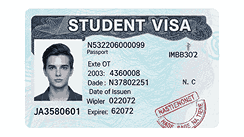
What Is A Student Visa?
A student visa is a legal document issued by a foreign government that allows international students to study in an educational institution within that country. It serves as an official permit granting the student permission to live, study, and sometimes work part-time during their academic program. The process of obtaining a student visa usually requires acceptance into a recognized school, proof of financial capability, health insurance, and compliance with immigration regulations. The type of student visa varies from country to country, with popular examples being the F-1 visa for the United States, Tier 4 visa for the United Kingdom, or study permits for Canada. Understanding what a student visa is and the eligibility criteria is the first step in planning for successful international education.
Importance Of A Student Visa For International Education
A student visa is essential for anyone who wishes to pursue higher education abroad, as it grants legal residency status for the duration of the program. Without a student visa, an international student cannot register with schools, access campus resources, or in many cases, secure housing and part-time employment. Having a student visa also demonstrates that a student has met financial, academic, and security requirements set by the host country. Additionally, holding a valid visa allows students to travel back and forth between their home country and the host country during their studies. The importance of securing a student visa cannot be overstated, as it represents the foundation of one’s educational journey abroad.
Requirements For Obtaining A Student Visa
To obtain a student visa, applicants must meet specific requirements that vary depending on the host country. Commonly, students must present an official admission letter from a recognized educational institution. Proof of financial stability is another major requirement, ensuring the student can cover tuition, accommodation, and living expenses. Medical insurance coverage, a valid passport, and biometric data are also often required. Additionally, applicants may need to show evidence of English language proficiency through exams such as IELTS or TOEFL. For some countries, police clearance certificates and medical checkups are mandatory. Meeting all these requirements ensures that the student has both the academic readiness and the financial capability to pursue education abroad legally.
Steps In The Application Process For A Student Visa
The application process for a student visa begins with applying to an accredited school and receiving an acceptance letter. Once accepted, students can initiate their visa application through the official embassy or consulate of the host country. This typically requires filling out an online application form, uploading required documents, and paying visa fees. Applicants must then schedule a visa interview, where consular officers assess their eligibility, intent to study, and financial support. Supporting documents such as bank statements, proof of accommodation, and travel itineraries are often required. Once approved, the student visa is stamped or issued electronically. Following all steps carefully helps minimize delays and increases the chances of a successful application.
Countries With Easy Student Visa Processes
Some countries are known for having relatively straightforward student visa processes. Canada, for example, offers a Study Permit that is processed quickly through the Student Direct Stream for certain eligible applicants. Australia provides streamlined student visa applications, particularly for students enrolling in government-approved institutions. The United Kingdom has a transparent system under the Student Route visa, requiring a Confirmation of Acceptance for Studies (CAS) from universities. Germany and France also have simplified procedures for international students from specific countries. The ease of obtaining a student visa depends on the applicant’s nationality, chosen program, and ability to meet financial and academic requirements, making some destinations more attractive for study abroad.
Financial Proof And Its Importance In Student Visa Approval
Financial proof is one of the most critical aspects of a student visa application because it shows that the applicant can afford tuition, accommodation, and living expenses without becoming a burden on the host country. Consular officers often require bank statements, scholarship letters, or sponsorship guarantees as evidence of financial stability. In many cases, a specific minimum balance must be demonstrated for a set period. For example, Canada requires proof of funds covering one year of expenses, while the United States requires sufficient financial backing for the entire program duration. Strong financial proof significantly increases approval chances, while weak or incomplete financial evidence is one of the main reasons for student visa rejections.
Role Of English Proficiency Tests In Student Visa Applications
English proficiency tests such as IELTS, TOEFL, PTE, or Duolingo English Test are often required for student visa applications to English-speaking countries. These tests demonstrate that international students can effectively understand lectures, communicate, and complete assignments in English. Visa officers may request official test scores as part of the application, especially for the United States, United Kingdom, Canada, and Australia. While some universities offer conditional admission without a test score, the visa application may still require it. A high score not only improves admission chances but also strengthens the visa application. In some cases, applicants from English-speaking countries may be exempt from this requirement, depending on immigration policies.
Common Reasons For Student Visa Rejection
Student visa rejections are not uncommon and often result from specific issues. Lack of sufficient financial proof is a major reason, as immigration officers must be convinced that the student can sustain themselves abroad. Incomplete or fraudulent documents also lead to rejection. Failure to demonstrate strong academic intent or inability to answer interview questions convincingly may raise red flags about the applicant’s real purpose. Weak ties to the home country can also cause suspicion of potential overstaying. Additionally, poor English proficiency test scores or missing health and security clearances may result in denial. Understanding common rejection reasons helps applicants prepare thoroughly and avoid mistakes during their student visa process.
Tips To Increase Chances Of Student Visa Approval
There are several strategies to improve the likelihood of student visa approval. First, ensure that all required documents are accurate, complete, and presented in an organized manner. Strong financial proof, such as savings, scholarships, or sponsorships, significantly strengthens the application. Preparing thoroughly for the visa interview by practicing answers to common questions also helps build confidence. Demonstrating clear intent to return to the home country after graduation reassures visa officers. Maintaining honesty throughout the application is crucial, as inconsistencies can raise red flags. Applicants should also apply early, allowing time for unexpected delays. Following these tips carefully can make a significant difference in achieving a successful student visa outcome.
Benefits Of Having A Student Visa
A student visa provides numerous benefits beyond legal permission to study abroad. It grants access to quality education in prestigious institutions and exposes students to diverse cultures and global networks. Many countries also allow student visa holders to work part-time during their studies, helping cover living expenses and gain practical experience. A student visa often allows multiple entries, enabling students to visit family during holidays without losing status. In some cases, student visas can serve as a pathway to permanent residency, especially in countries like Canada and Australia. The benefits of having a student visa extend beyond academics, opening doors to international career opportunities and personal growth.
Student Visa Extensions And Renewals
Student visas are typically issued for the duration of a program, but extensions and renewals may be necessary if studies take longer than expected. To extend a student visa, applicants must apply before the current visa expires, providing updated documents such as transcripts, enrollment confirmation, and financial proof. Some countries allow online renewals, while others require an in-person appointment at immigration offices. Students who fail to renew on time may face penalties or deportation. Planning ahead and understanding the rules of the host country ensures a smooth renewal process. Visa extensions safeguard a student’s legal status, allowing them to complete their studies without interruption.
Post-Study Opportunities With A Student Visa
A major advantage of studying abroad with a student visa is the access to post-study opportunities. Many countries allow graduates to apply for temporary work permits or post-study work visas. For example, the UK Graduate Route allows students to stay for up to two years after completing a degree, while Canada offers Post-Graduation Work Permits (PGWP) for up to three years. These opportunities enable international students to gain valuable work experience, build professional networks, and transition into long-term immigration options. The availability of post-study opportunities makes the student visa more than just a temporary permit, as it can serve as a gateway to future career and residency prospects.
Differences Between Student Visas And Other Visa Types
Student visas differ significantly from other visa categories such as tourist, work, or immigrant visas. Unlike a tourist visa, which permits only short-term visits, a student visa allows extended stays linked to academic programs. Compared to work visas, student visas have restrictions on employment, usually limiting hours to part-time work during the semester. Unlike immigrant visas, which offer permanent residency, student visas are temporary permits that expire at the end of the study program. However, in many countries, student visas provide a potential pathway to work permits and permanent residence. Understanding these differences is important for applicants to choose the right visa category that matches their long-term goals.
Cost Of Obtaining A Student Visa
The cost of obtaining a student visa varies by country and includes both application fees and additional expenses. For instance, the United States F-1 visa application fee is around $185, while Canada’s study permit fee is approximately CAD 150. The UK Student Route visa costs about £490, with additional healthcare surcharges. Beyond application fees, students may also incur costs for medical exams, biometric data collection, language tests, and travel insurance. While the visa fee itself may not be very high, the associated costs can add up significantly. Planning ahead and budgeting for these expenses is essential to avoid financial strain during the application process.
Impact Of Immigration Policies On Student Visa Approval
Immigration policies play a vital role in shaping the chances of student visa approval. Governments frequently update their rules to align with labor market needs, political changes, or security concerns. For example, some countries introduce fast-track visa schemes to attract more international students, while others tighten financial requirements to prevent overstaying. Policy changes may also affect work rights during studies and post-graduation opportunities. Students must stay updated on immigration news to ensure compliance with new regulations. Choosing a country with stable and student-friendly policies increases the likelihood of a smooth visa application process and long-term success in pursuing education abroad.
Preparing For A Student Visa Interview
The student visa interview is often the final and most crucial step in the visa approval process. Preparation is key to success, as consular officers assess the applicant’s academic intent, financial stability, and future plans. Common interview questions include reasons for choosing the country, intended course of study, and plans after graduation. Practicing clear and confident answers helps build trust with the interviewer. Applicants should bring all supporting documents neatly organized and avoid giving inconsistent information. Dressing professionally and maintaining positive body language also leaves a good impression. A well-prepared interview increases the likelihood of receiving visa approval on the first attempt.
Conclusion
Securing a student visa is a vital step for anyone aspiring to study abroad. From understanding the requirements and preparing documents to acing the visa interview, the process requires careful planning and attention to detail. Choosing the right country, demonstrating strong financial proof, and complying with immigration policies are essential factors in ensuring a smooth approval process. A student visa not only opens the door to academic opportunities but also provides cultural exposure, personal growth, and long-term career pathways. With the right preparation and determination, obtaining a student visa can be a rewarding gateway to international education and global opportunities.
Frequently Asked Questions
1. What Is The Easiest Way To Get A Student Visa?
The easiest way to get a student visa is to begin early by securing admission to an accredited institution, ensuring all required documents are accurate, and preparing for the visa interview. Applicants should demonstrate strong financial proof, such as scholarships, savings, or sponsorship, to show they can cover tuition and living costs. English proficiency tests should be taken seriously, as strong scores increase approval chances. Countries like Canada, Australia, and the UK offer streamlined student visa processes, particularly for eligible applicants under direct streams. Honesty, thorough preparation, and timely applications are the most effective strategies to ensure an easier and smoother student visa approval process.
2. How Long Does It Take To Get A Student Visa?
The processing time for a student visa depends on the host country and the applicant’s circumstances. In general, it can take anywhere from a few weeks to several months. For instance, the United States F-1 visa may be processed within a few weeks, while Canada’s study permit could take two to three months. Countries offering direct or streamlined processes, such as Australia’s Simplified Student Visa Framework (SSVF), may process visas faster. Delays often occur due to incomplete documents, high application volumes, or additional security checks. Therefore, students are advised to apply early, ideally six months before their program begins, to avoid last-minute complications.
3. What Documents Are Required For A Student Visa Application?
The documents required for a student visa application vary by country but generally include an acceptance letter from a recognized educational institution, a valid passport, and proof of financial stability. Additional requirements often include language test scores, passport-sized photographs, and visa application forms. Some countries may request a statement of purpose, medical certificates, or police clearance certificates. In the case of Canada, applicants must show Guaranteed Investment Certificates (GIC) as financial proof, while the United States requires a completed I-20 form. Organizing these documents carefully and submitting them on time helps avoid rejection and ensures a smoother student visa application process.
4. Can I Work While Studying On A Student Visa?
Yes, many countries allow international students to work part-time while studying on a student visa, although restrictions apply. For example, in the United States, F-1 visa holders can work up to 20 hours per week on-campus during school sessions and full-time during breaks. The United Kingdom permits students to work 20 hours weekly during term time. Canada allows up to 20 hours per week of off-campus work without requiring a separate permit. However, exceeding the allowed hours can result in visa violations. It is important for students to understand the specific employment rules of their host country to remain compliant.
5. Why Do Student Visa Applications Get Rejected?
Student visa applications are commonly rejected for reasons such as insufficient financial proof, incomplete or fraudulent documents, weak academic intent, and poor performance during the interview. Immigration officers may also reject an application if the student fails to demonstrate strong ties to their home country, raising concerns about potential overstaying. Low English proficiency scores or failure to meet medical and security requirements are other causes. Each rejection reason highlights the importance of careful preparation and honesty during the application process. Applicants should review requirements thoroughly and seek professional guidance if needed to minimize the risk of rejection.
6. Do All Countries Require English Proficiency Tests For Student Visas?
Not all countries require English proficiency tests for student visas, but many English-speaking destinations do. For example, the United States, United Kingdom, Canada, and Australia often require proof of English proficiency through exams like IELTS, TOEFL, or PTE. However, exemptions exist for students from English-speaking nations or those enrolled in programs taught in their native language. Some universities also offer conditional admission without test scores, though a visa application may still demand proof of language skills. Non-English-speaking countries like Germany or France may instead require proficiency in their local languages, depending on the program of study.
7. How Much Money Do I Need To Show For A Student Visa?
The amount of money required for a student visa varies depending on the country and program of study. In Canada, students must show proof of funds covering tuition plus at least CAD 10,000 for living expenses. In the United Kingdom, applicants must demonstrate they can cover tuition plus £1,023 per month for living costs outside London. The United States requires evidence of funds for the entire duration of the program, including tuition, housing, and other expenses. Providing strong financial proof reassures immigration officers that the student can support themselves without relying on unauthorized employment during their studies abroad.
8. Can A Student Visa Be Converted Into Permanent Residency?
In some countries, a student visa can serve as a stepping stone to permanent residency. For example, in Canada, graduates can apply for a Post-Graduation Work Permit (PGWP), which may eventually lead to permanent residency through programs like Express Entry. Australia also offers post-study work visas that can open pathways to permanent residency. The United Kingdom and the United States provide opportunities for graduates to apply for work permits or skilled migration programs. However, conversion is not automatic, and eligibility depends on factors such as employment offers, immigration policies, and the applicant’s long-term goals.
9. What Happens If My Student Visa Expires Before I Finish My Studies?
If a student visa expires before completing studies, the student must apply for an extension or renewal before the visa lapses. Most countries require proof of continued enrollment, updated financial statements, and a valid passport. Failing to renew on time can result in loss of legal status, fines, or even deportation. Some countries allow students to apply online, while others require an in-person visit to immigration offices. It is essential to keep track of visa expiration dates and start the renewal process early. Maintaining legal status ensures that the student can complete their studies without interruptions or penalties.
10. Is It Possible To Bring Family Members On A Student Visa?
Yes, many countries allow international students to bring family members, such as spouses or children, through dependent visas. For instance, the United States offers F-2 visas for dependents of F-1 student visa holders. Canada allows spouses to apply for open work permits, while children can study in local schools. The United Kingdom also provides dependent visas under the Student Route, though financial requirements are higher to cover dependents’ expenses. Each country has specific rules regarding dependents, including whether they can work or study. Students planning to bring family members should review immigration policies carefully to ensure compliance.
11. Do Student Visa Holders Need Health Insurance?
Yes, most countries require student visa holders to have health insurance as part of their application. For example, Australia requires Overseas Student Health Cover (OSHC) for the entire duration of studies. Canada often mandates provincial or private insurance, depending on the province. The United States requires students to enroll in university-approved health plans. Health insurance ensures that students have access to medical care without facing financial burdens. Failing to maintain valid health insurance can result in visa violations or inability to register for classes. It is crucial to purchase an approved insurance plan before traveling abroad for studies.
12. Can I Travel Outside The Host Country With A Student Visa?
Yes, student visas generally allow multiple entries, meaning students can travel outside the host country and return as long as the visa remains valid. For example, F-1 visa holders in the United States can re-enter if they have a valid travel signature on their I-20 form. Similarly, the United Kingdom and Canada allow re-entry as long as students maintain enrollment and meet immigration requirements. However, extended absences may raise questions about academic commitment. It is important to check re-entry rules before traveling, ensuring that passports, visas, and travel documents are valid to avoid complications at border control.
13. Are Student Visa Interviews Difficult?
Student visa interviews can be challenging, but preparation makes the process manageable. The interview assesses an applicant’s academic goals, financial capability, and intent to return to their home country after graduation. Questions may cover reasons for choosing a particular country or university, financial resources, and future career plans. While interviews vary by embassy, honesty and confidence are key. Bringing organized documents and practicing common questions help reduce nervousness. Although some applicants may find interviews intimidating, consular officers are primarily looking for genuine students with clear plans. Strong preparation increases the likelihood of a smooth and successful interview experience.
14. What Is The Difference Between A Student Visa And A Tourist Visa?
A student visa and a tourist visa serve very different purposes. A student visa allows international students to stay in a country for an extended period to pursue academic programs. It may also provide limited work rights during studies. In contrast, a tourist visa permits short-term stays, typically for leisure or family visits, and does not allow full-time education or employment. Using a tourist visa to study long-term is a violation of immigration rules and may result in deportation or bans. Therefore, students should always apply for the appropriate visa type that matches their academic intentions.
15. Can I Change Universities While On A Student Visa?
Yes, in many countries, it is possible to change universities while holding a student visa, but certain procedures must be followed. For example, in the United States, F-1 visa holders must obtain a new I-20 form from the new institution and notify immigration authorities. Canada requires students to update their study permit with the new school’s information. In the United Kingdom, students may need to apply for a new visa if switching to a different institution. Changing universities without proper authorization can lead to visa violations. Students should always consult immigration guidelines before making academic changes.
16. Is There An Age Limit For Student Visa Applications?
Most countries do not set a strict age limit for student visa applications, but age may influence how immigration officers assess intent. Younger applicants typically face fewer challenges, as studying abroad aligns naturally with academic progression. Older applicants may be asked to provide stronger proof of academic purpose or career relevance. For example, a 40-year-old applying for an undergraduate degree may need to demonstrate clear reasons and financial stability. Some scholarship programs may have age restrictions, but visa authorities mainly focus on eligibility, academic admission, and financial proof. Age alone does not disqualify applicants, provided requirements are met.
17. What Happens If My Student Visa Application Is Rejected?
If a student visa application is rejected, the applicant usually receives a letter explaining the reasons. Common reasons include insufficient financial proof, incomplete documents, or failure to demonstrate academic intent. In such cases, students may either reapply with corrected documents or appeal the decision if permitted. Reapplying often requires addressing the issues raised by immigration officers, such as providing stronger financial evidence or improving English proficiency scores. In some cases, switching to another country with more favorable visa policies may be an option. A rejection does not necessarily mean the end of study abroad plans, but preparation is key.
18. Can A Student Visa Be Cancelled After Approval?
Yes, a student visa can be cancelled after approval if the holder violates immigration rules or fails to meet conditions. For example, dropping out of school, working more hours than permitted, or engaging in illegal activities may result in cancellation. Universities often report students who do not attend classes regularly, leading to loss of visa status. In some cases, providing fraudulent documents during the application process may also result in visa revocation. To avoid cancellation, students should comply with all regulations, maintain full-time enrollment, and respect visa conditions. A cancelled visa can affect future travel and study opportunities.
19. Do All Student Visas Allow Post-Study Work Opportunities?
Not all student visas allow post-study work opportunities, as policies vary by country. Canada offers generous Post-Graduation Work Permits (PGWP) for up to three years, while the United Kingdom provides a Graduate Route visa for two years. Australia also allows graduates to work under Temporary Graduate visas. However, the United States limits post-study work to programs like Optional Practical Training (OPT), which requires approval. Some countries do not offer any post-study work options at all. Students should research their host country’s policies carefully if gaining work experience after graduation is part of their long-term goals.
20. How Early Should I Apply For A Student Visa?
It is advisable to apply for a student visa as early as possible, ideally six months before the start of the academic program. Early applications allow time for processing delays, document corrections, and unforeseen issues. For countries with long processing times, such as Canada and the United Kingdom, applying early ensures that students receive approval before classes begin. The United States allows applicants to apply up to 120 days before their program start date. Applying late risks missing deadlines, losing tuition deposits, or being denied entry. Early preparation is the best strategy to secure a student visa smoothly and stress-free.
Further Reading
- Can A Student Visa Be Revoked? | Consequences Of Student Visa Revocation Explained
- Can I Work As A Freelancer On A Student Visa?
- Can I Apply For Jobs On A Student Visa?
- What Happens If I Overstay My Student Visa?
- Can A Student Visa Be Issued Without An Interview?
- Can I Apply For A Student Visa Without Passport?
- Do I Need To Show Bank Statements For A Student Visa?
- Can I Apply For A Student Visa Without GRE Or GMAT?
- Can I Extend My Stay On A Student Visa?
- How Much Time Does It Take To Renew A Student Visa?