Posted on Leave a comment

Can I Connect A Printer To Multiple Computers? | A Step-By-Step Guide To Shared Printing Solutions

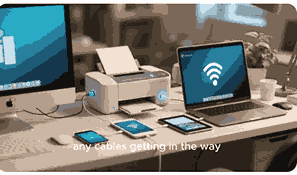
In today’s digital world, many households and offices require multiple computers to access a single printer for convenience and efficiency. Connecting a printer to multiple computers can save costs, reduce hardware redundancy, and streamline workflows. There are different methods to achieve this, including wired networks, wireless connections, or using printer-sharing software. Understanding how to set up a printer for multiple users requires knowledge of the printer type, network environment, and compatible operating systems. Whether you are working with Windows, macOS, or a combination of systems, following the correct setup ensures seamless printing for everyone on the network.

What Is A Printer?

A printer is an electronic device that converts digital documents, images, or files into physical paper copies. Printers can be categorized into several types, including inkjet, laser, thermal, and dot matrix printers, each with unique printing mechanisms and purposes. Inkjet printers spray liquid ink directly onto paper, while laser printers use toner and laser technology to produce high-speed, precise prints. Modern printers often include connectivity features such as USB, Wi-Fi, Ethernet, or cloud printing capabilities, making them versatile for both personal and office use. Printers can also support advanced features like duplex printing, scanning, faxing, and mobile device printing.

Types Of Printer Connections For Multiple Computers

To connect a printer to multiple computers, you need to understand the available connection types. USB printers are typically connected to one computer but can be shared via a network or printer-sharing software. Network printers, either wired or wireless, are designed to be accessed by multiple devices simultaneously without complex configurations. Wireless printers connect through Wi-Fi, allowing computers, laptops, and even mobile devices to print over the same network. Ethernet-connected printers can integrate into office networks, enabling multiple computers to send print jobs efficiently. Cloud-based printing services also allow remote printing from any device connected to the internet.

How To Share A Printer On Windows

Windows operating systems provide built-in printer-sharing options. To share a printer, first connect it to one computer, then access the “Devices and Printers” menu. Select the printer, open properties, and enable “Share this Printer.” Other computers on the same network can then add the shared printer by browsing the network and installing the required drivers. Windows also supports cloud printing through services like Microsoft 365, which allows multiple devices to print without a direct network connection. Proper configuration of user permissions ensures security, preventing unauthorized access while maintaining convenience for multiple users.

How To Share A Printer On Mac

Mac computers allow printer sharing through the System Preferences menu. Navigate to “Printers & Scanners,” select the printer, and enable “Share this Printer on the Network.” Macs on the same network can detect the shared printer and connect easily. AirPrint-compatible printers can also be accessed without additional drivers, making it simpler for multiple Apple devices to print simultaneously. Combining Mac and Windows systems requires ensuring the printer supports cross-platform drivers or utilizing a network-connected printer with universal support.

Using Wireless Printers For Multiple Computers

Wireless printers are ideal for homes and offices with multiple computers. Connecting a wireless printer requires linking it to a Wi-Fi network. Once connected, computers within the same network can detect the printer and send print jobs. Modern wireless printers often support mobile printing apps, allowing laptops, tablets, and smartphones to print without additional configuration. Security is a key consideration; enabling encryption and password protection prevents unauthorized access. Wireless printers are particularly beneficial in shared workspaces, as they eliminate the need for extensive cabling and can serve multiple devices efficiently.

Benefits Of Connecting A Printer To Multiple Computers

Sharing a printer among multiple computers reduces costs, saves desk space, and minimizes maintenance efforts. It ensures that every user has access to printing without the need for individual printers. In office environments, this setup improves workflow efficiency and resource allocation. Networked printers also allow centralized management of print jobs, tracking usage, and controlling permissions. Businesses and households can take advantage of cloud-based printing solutions to extend accessibility beyond the local network, enabling remote printing and collaborative work environments.

Challenges And Considerations

While connecting a printer to multiple computers has clear benefits, challenges exist. Compatibility issues between different operating systems, outdated drivers, or network restrictions can cause connectivity problems. Print job conflicts may occur if multiple users send jobs simultaneously, requiring proper queuing management. Security is also a concern, particularly for wireless or cloud-connected printers. Setting up proper user permissions, passwords, and firewall rules ensures that the network remains secure. Additionally, network performance can affect printing speed, making it important to have a stable and fast connection for optimal operation.

Conclusion

Connecting a printer to multiple computers is achievable and highly practical for both homes and offices. By choosing the right printer type, understanding network requirements, and following proper setup procedures for Windows, Mac, or wireless networks, users can efficiently share a printer across multiple devices. This approach reduces costs, improves workflow, and maximizes printer utilization. Careful consideration of compatibility, security, and network performance ensures a smooth and reliable printing experience for all connected computers.

Frequently Asked Questions

1. Can I Connect A Printer To Multiple Computers?

Yes, you can connect a printer to multiple computers using various methods. Networked printers with Ethernet or Wi-Fi connections are designed to be shared among multiple devices simultaneously. USB printers can also be shared through a host computer using built-in printer-sharing features in Windows or Mac. Cloud printing solutions enable remote printing from different devices over the internet. Wireless printers, especially those with AirPrint or Google Cloud Print support, simplify connectivity for multiple computers and mobile devices. Proper setup involves installing drivers, ensuring all devices are on the same network, and configuring security settings to prevent unauthorized access while maintaining seamless printing for multiple users.

2. What Are The Different Methods To Connect A Printer To Multiple Computers?

Printers can be connected using wired networks, wireless networks, USB sharing, or cloud printing services. Wired connections often use Ethernet cables to link the printer to a network router, allowing multiple devices to access it. Wireless connections utilize Wi-Fi to let computers, laptops, and mobile devices print without cables. USB printers can be shared through one host computer with printer-sharing enabled. Cloud printing services allow users to send print jobs remotely from any internet-connected device. Choosing the appropriate method depends on the printer type, the operating systems in use, network environment, and security considerations to ensure efficient and secure multi-device access.

3. Can I Use A USB Printer For Multiple Computers?

Yes, a USB printer can serve multiple computers if connected to one host computer that has printer-sharing enabled. On Windows, this involves enabling printer sharing in the “Devices and Printers” menu, while Mac users can enable sharing in “Printers & Scanners.” Once shared, other computers on the same network can install the printer and send print jobs through the host computer. However, the host computer must be powered on and connected to the network for this method to work. Alternatively, USB printers can be connected to a USB print server or network hub to enable multi-device access without relying on a single host computer.

4. How Do I Connect A Wireless Printer To Multiple Computers?

To connect a wireless printer to multiple computers, first connect the printer to your Wi-Fi network using its control panel or companion app. Once the printer is network-enabled, all computers and mobile devices on the same Wi-Fi network can detect it. Installing the correct drivers on each computer ensures compatibility and functionality. Many modern printers support mobile and cloud printing, allowing multiple devices to print without direct setup. Security measures such as passwords, encryption, and firewall configuration are essential to prevent unauthorized access. Wireless printers simplify multi-device access by eliminating cables and enabling convenient printing from any connected computer or mobile device.

5. Are Network Printers Better For Multiple Computers?

Yes, network printers are ideal for multiple computers. These printers are designed to be accessed via Ethernet or Wi-Fi connections, allowing seamless printing for multiple devices without requiring a dedicated host computer. Network printers often include features like print job queuing, usage tracking, and cross-platform compatibility, making them suitable for both home and office environments. They support advanced protocols and security measures to prevent unauthorized access. By centralizing printing resources, network printers reduce hardware redundancy, save costs, and improve workflow efficiency. For households or businesses with several computers, network printers provide a reliable, convenient, and scalable printing solution.

6. Can Mac And Windows Computers Share The Same Printer?

Yes, Mac and Windows computers can share the same printer if the printer supports cross-platform drivers or is network-enabled. Network printers connected via Wi-Fi or Ethernet can serve both Mac and Windows devices simultaneously. Cloud printing services or AirPrint-enabled printers can further simplify cross-platform access. When using a USB printer connected to one computer, Windows and Mac devices can also access it via printer sharing, though driver compatibility must be ensured. Ensuring all devices are on the same network and configuring appropriate permissions allows seamless printing across both operating systems, enabling efficient multi-device use without hardware duplication.

7. What Is The Role Of Printer Sharing Software?

Printer sharing software allows multiple computers to access a printer connected to one host computer. It is especially useful for USB printers that do not have built-in network connectivity. Software such as Print Server or third-party solutions create virtual networks to manage print jobs from multiple devices. This software handles job queuing, driver installation, and secure access. It enables computers on different networks or operating systems to share a single printer effectively. By providing centralized control and monitoring, printer sharing software ensures that multiple users can print without conflicts, maximizing efficiency and convenience in home offices or small business environments.

8. How Do I Secure A Printer Connected To Multiple Computers?

Securing a printer connected to multiple computers is crucial to prevent unauthorized access. Use strong passwords, enable network encryption, and configure firewall rules to restrict access. For shared printers, assign permissions only to trusted users and enable job logging to monitor activity. Regularly update printer firmware and drivers to patch vulnerabilities. Wireless and cloud printers should have Wi-Fi Protected Access (WPA2/WPA3) enabled and disable unused network protocols. Physical security is also important; keep printers in monitored areas. Implementing these security measures ensures that multiple computers can print safely without risking sensitive data exposure or network breaches.

9. Can Cloud Printing Help Multiple Computers Access A Printer?

Yes, cloud printing enables multiple computers and mobile devices to print remotely without being on the same local network. Services like Google Cloud Print (now deprecated) or manufacturer-specific cloud printing apps allow users to send documents to a printer over the internet. Devices simply need an active internet connection and the printer linked to the cloud account. Cloud printing supports cross-platform use, enabling Windows, Mac, Linux, and mobile devices to print seamlessly. This method is ideal for remote work, collaborative environments, and households with multiple users. Security measures, such as account authentication and encrypted connections, ensure safe and reliable cloud-based printing.

10. What Are The Common Issues When Connecting A Printer To Multiple Computers?

Common issues include driver incompatibility, network configuration errors, print job conflicts, and security restrictions. USB printers shared through a host computer require the host to be powered on, which can cause interruptions. Wireless connections may experience interference or weak signal strength, affecting print speed. Cross-platform compatibility between Windows and Mac can also be challenging. Misconfigured permissions may prevent access, and simultaneous print jobs might cause delays or errors. Ensuring proper driver installation, network setup, and security settings, as well as choosing the right printer type, helps minimize these issues. Routine maintenance and updates further ensure smooth multi-computer printing.

11. How Can I Improve Printer Performance For Multiple Computers?

To improve performance, ensure the printer is connected to a high-speed, stable network and that all computers have the latest drivers installed. Limit simultaneous large print jobs, enable print job queuing, and configure default settings for duplex or draft printing when appropriate. For network printers, assign a dedicated IP address to avoid conflicts. Regularly maintain the printer by cleaning and replacing consumables. For wireless printers, minimize interference by placing the device close to the router. Monitoring print activity and usage patterns helps optimize workflow, ensuring efficient and reliable printing for multiple computers without performance degradation or delays.

12. Is It Expensive To Connect A Printer To Multiple Computers?

Connecting a printer to multiple computers can be cost-effective compared to buying individual printers for each device. Network or wireless printers may have higher upfront costs, but they reduce long-term expenses by consolidating printing resources. Sharing a USB printer through a host computer incurs minimal cost, especially if the host computer is already available. Cloud printing or printer-sharing software may require subscription fees, but these are generally low. The investment in a suitable printer, networking setup, and occasional maintenance is outweighed by savings on hardware, consumables, and space, making it an economical solution for homes and offices with multiple computers.

13. Can I Connect Multiple Printers To Multiple Computers Simultaneously?

Yes, multiple printers can be connected to multiple computers simultaneously. Network environments, both wired and wireless, allow users to select which printer to use based on location, features, or availability. Each printer can be assigned a unique IP address and shared through its respective network connection. Operating systems like Windows and macOS support adding multiple printers and managing print queues individually. This setup increases flexibility, reduces wait times for printing, and allows task-specific allocation, such as using one printer for high-quality color prints and another for fast black-and-white documents. Proper network planning ensures seamless operation without conflicts.

14. What Printer Features Are Important For Multiple Computer Access?

Important features include network connectivity (Wi-Fi or Ethernet), compatibility with different operating systems, mobile and cloud printing support, print speed, duplex printing, and security options. Automatic firmware updates, easy driver installation, and sufficient memory for multiple simultaneous jobs are also crucial. Features like print job queuing, user permissions, and usage tracking enhance efficiency and management. For offices, multifunction printers with scanning and faxing capabilities can serve multiple purposes, maximizing productivity. Selecting a printer with robust connectivity, cross-platform support, and advanced features ensures smooth printing for multiple computers, reducing workflow interruptions and hardware redundancy.

15. How Do I Troubleshoot Printer Connection Issues For Multiple Computers?

Start by checking network connections and ensuring all devices are on the same network. Verify that the printer is powered on, online, and has sufficient paper and ink or toner. Update printer drivers on all computers and confirm compatibility with operating systems. Restart computers, printers, and network devices if necessary. For shared printers, ensure the host computer is on and printer sharing is enabled. Wireless printers may require reconnection to the Wi-Fi network. Examine error messages, check print queues, and consult the printer manual or manufacturer’s support site. Following systematic troubleshooting resolves most multi-computer connectivity issues efficiently.

16. Can I Use A Print Server To Connect A Printer To Multiple Computers?

Yes, a print server is an effective solution for connecting a printer to multiple computers. It acts as a dedicated device that manages print jobs and enables networked access to a printer, particularly USB models without built-in networking. Print servers support multiple operating systems, provide centralized control, and improve efficiency by managing simultaneous print requests. Both hardware and software print servers are available, with hardware options connecting directly to the printer and network, and software solutions installed on a host computer. Using a print server simplifies multi-computer printing, eliminates dependency on a single host, and enhances security and job management.

17. Are All Printers Suitable For Multiple Computer Connections?

Not all printers are designed for multiple computer connections. USB-only printers without sharing or network support require a host computer to enable multi-device access. Entry-level printers may lack features like wireless connectivity, cross-platform drivers, or sufficient memory for multiple simultaneous jobs. Network-ready printers, including Wi-Fi, Ethernet, and cloud-capable models, are best suited for multiple computer access. Evaluating printer specifications, connectivity options, and compatibility with operating systems ensures the device can effectively serve several users. Investing in a printer designed for multi-device access minimizes setup difficulties and guarantees smooth operation in homes and offices with multiple computers.

18. How Does Cloud Printing Compare To Traditional Network Printing?

Cloud printing allows remote access from anywhere with an internet connection, while traditional network printing relies on local network connections. Cloud printing supports cross-platform devices without complex configurations and is ideal for remote or hybrid work environments. Traditional network printing often provides faster speeds, better security, and is less dependent on external internet services. Cloud printing may face latency issues and requires account authentication, while network printers operate directly on LAN or Wi-Fi. Choosing between cloud and traditional network printing depends on workflow requirements, user locations, security considerations, and the need for remote access versus local network efficiency.

19. Can Mobile Devices Also Use A Printer Connected To Multiple Computers?

Yes, mobile devices can print to a printer shared with multiple computers if the printer supports wireless connectivity or cloud printing. AirPrint, Google Cloud Print alternatives, and manufacturer-specific mobile apps allow smartphones and tablets to detect and print documents. Devices must be on the same Wi-Fi network or linked to the cloud account associated with the printer. Mobile printing eliminates the need for transferring files to a computer, enhancing convenience. Ensuring updated printer firmware and security settings maintains reliable access for mobile devices alongside multiple computers, creating a fully integrated printing environment.

20. What Maintenance Is Required For A Printer Connected To Multiple Computers?

Maintenance involves keeping the printer clean, regularly replacing consumables like ink, toner, and paper, and updating firmware and drivers. Network settings and sharing permissions should be monitored to prevent connectivity issues. Print queues should be cleared periodically to avoid job conflicts, and error logs reviewed for troubleshooting. Wireless printers may require occasional reconnection or network optimization. Monitoring usage patterns helps manage wear and tear and ensures the printer functions efficiently under multi-user demands. Proper maintenance prolongs printer lifespan, ensures consistent print quality, and supports reliable operation for multiple computers simultaneously.

FURTHER READING

A Link To A Related External Article

What Is A Printer?

Posted on Leave a comment

How To Replace A Printer Toner | A Step-By-Step Guide To Printer Toner Replacement For Smooth Printing Performance

Replacing a printer toner may seem daunting at first, but with the right guidance and careful steps, you can do it safely and efficiently. Printer toner cartridges are crucial for producing high-quality prints, whether for documents, presentations, or photos. Knowing how to replace a printer toner not only keeps your printer functioning optimally but also saves time and money compared to professional service. This guide will take you through the essential steps, provide tips for handling toner safely, and ensure you understand the different types of toner cartridges and compatible printers.

What Is A Printer?

A printer is an electronic device designed to transfer text and images from a digital format onto paper or other physical media. Printers can be broadly categorized into inkjet printers, which spray liquid ink, and laser printers, which use toner powder fused to the paper through heat and pressure. Laser printers are preferred in offices due to their speed, precision, and low per-page cost. Toner cartridges, which contain fine powder and a drum unit, are central to laser printing technology. Regular maintenance, including replacing toner cartridges when low, is vital to ensure the printer produces clear, professional-quality prints and avoids paper jams or streaking.

Types Of Printer Toner Cartridges

Printer toner cartridges come in different varieties based on printer make and model. Standard cartridges are the most common and offer an average yield of pages. High-yield cartridges last longer, reducing the frequency of replacements. Some printers use separate toner and drum units, while others combine them. Compatible or third-party toner cartridges are cost-effective alternatives to manufacturer-brand cartridges but may vary in print quality and reliability. Understanding the type of toner cartridge your printer requires is the first step in ensuring proper replacement and optimal printing performance.

Signs That Your Printer Toner Needs Replacement

Recognizing the signs of low toner is essential to avoid print quality issues. Common indicators include faded text, streaks or smudges on printed pages, and printer warning messages. In some cases, printouts may appear blotchy or uneven. Paying attention to these signs helps prevent damage to the printer and ensures uninterrupted workflow. Additionally, running the printer continuously with a low toner cartridge can lead to uneven toner distribution and increased wear on the drum, which may increase maintenance costs over time.

Preparing To Replace Your Printer Toner

Before replacing a toner cartridge, ensure the printer is turned off and cooled down to avoid burns or toner spills. Gather necessary supplies, such as a soft cloth and protective gloves. Clear a flat surface near the printer to safely place the old toner cartridge and prevent toner powder from scattering. Reading the printer’s user manual is also recommended, as manufacturers often provide model-specific instructions. Taking these preparatory steps ensures a smooth replacement process and minimizes the risk of damaging the printer or creating a mess with toner powder.

Step-By-Step Guide To Replacing Printer Toner

Start by opening the printer’s front or top cover to access the toner compartment. Carefully remove the old toner cartridge by following the manufacturer’s recommended method, usually by pulling it straight out. Avoid shaking the cartridge excessively, as toner powder may spill. Unpack the new toner cartridge, gently shake it side to side to distribute toner evenly, and remove protective seals or covers. Insert the new cartridge into the printer, ensuring it clicks into place securely. Close the printer cover and power on the device. Print a test page to confirm proper installation and optimal print quality.

Tips For Safe Toner Handling

Toner cartridges contain fine powder that can irritate skin or respiratory pathways if mishandled. Always handle cartridges by the sides and avoid touching the drum surface, which is sensitive to light and scratches. Wearing disposable gloves and avoiding spills on clothes or surfaces is recommended. In case of toner spills, clean them using a dry, lint-free cloth or a vacuum designed for toner particles; avoid using water, as it can smear the toner. Proper disposal of old toner cartridges is essential for environmental safety, and many manufacturers offer recycling programs to facilitate this process.

Troubleshooting Common Toner Replacement Issues

Sometimes, after replacing a toner cartridge, printers may not recognize the new cartridge or print quality may still be poor. First, ensure the cartridge is correctly seated and that all protective covers are removed. Cleaning the printer’s contacts and drum unit can resolve recognition issues. If streaks or smudges persist, recalibrate the printer or run a cleaning cycle as specified in the printer manual. Using genuine cartridges recommended for your printer model reduces the risk of incompatibility or damage, ensuring reliable performance and extending the printer’s lifespan.

Maintaining Your Printer After Toner Replacement

Proper maintenance extends the life of your printer and improves print quality. Regularly clean the printer’s interior, including rollers and the drum unit, to prevent paper jams and toner buildup. Store toner cartridges in a cool, dry place away from direct sunlight to preserve powder integrity. Scheduling routine inspections and replacing worn parts promptly helps maintain consistent printing quality. Following the manufacturer’s maintenance guidelines ensures the printer operates efficiently and reduces the likelihood of costly repairs over time.

Conclusion

Replacing a printer toner is a straightforward process when you understand the correct steps and precautions. Regular toner replacement ensures high-quality prints, extends printer life, and reduces the risk of damage caused by low or faulty cartridges. By following the tips and guidance provided in this article, you can confidently manage your printer’s toner needs, troubleshoot issues, and maintain optimal printing performance.

Frequently Asked Questions

1. How Do I Replace A Printer Toner?

Replacing a printer toner involves turning off the printer, opening the toner compartment, removing the old cartridge, preparing the new cartridge by gently shaking it and removing protective covers, inserting it securely, and closing the printer cover before powering the device on. Running a test page ensures proper installation.

2. What Are The Best Practices For Handling Printer Toner?

Best practices include wearing gloves, avoiding touching the drum, keeping cartridges away from direct sunlight, using a dry cloth to clean spills, and following manufacturer instructions to prevent damage and maintain print quality.

3. How Often Should I Replace My Printer Toner?

The frequency of toner replacement depends on printer usage and cartridge yield. Standard cartridges may last several hundred pages, while high-yield cartridges last longer. Monitoring print quality and toner levels ensures timely replacement.

4. Can I Use Third-Party Toner Cartridges In My Printer?

Yes, third-party or compatible cartridges can be used and are cost-effective, but they may vary in print quality, reliability, and longevity. Using genuine cartridges is recommended for optimal printer performance.

5. How Do I Know My Printer Toner Is Low?

Indicators include faded printouts, streaks, smudges, blotchy pages, or printer warning messages. Monitoring print quality and checking toner levels via the printer’s display or software helps detect low toner.

6. What Should I Do If Toner Spills While Replacing?

If toner spills, avoid water and use a dry, lint-free cloth or a vacuum designed for toner. Wear gloves to prevent skin contact, and carefully clean surfaces to avoid spreading the powder.

7. Are High-Yield Toner Cartridges Worth It?

High-yield cartridges are worth it for heavy printing, as they last longer and reduce the frequency of replacements. They are cost-effective over time, though the upfront cost may be higher than standard cartridges.

8. How Do I Remove Protective Seals From A New Toner Cartridge?

Most cartridges have tabs, clips, or strips that must be removed before installation. Gently pull these seals according to the instructions provided to avoid damaging the cartridge or spilling toner.

9. Can I Shake The Toner Cartridge Before Installation?

Yes, gently shaking the toner cartridge side to side distributes toner evenly inside the cartridge, ensuring consistent print quality from the first page to the last.

10. How Do I Recycle My Old Toner Cartridge?

Many manufacturers provide recycling programs. Collect your used cartridges, check manufacturer or local recycling guidelines, and return them via mail or designated drop-off points for safe recycling.

11. What Is The Difference Between A Toner Cartridge And A Drum Unit?

A toner cartridge contains toner powder for printing, while a drum unit transfers the toner to the paper. Some printers combine these units, while others have separate components requiring individual maintenance.

12. How Do I Avoid Printer Damage During Toner Replacement?

Turn off and unplug the printer, handle cartridges carefully, avoid touching the drum, remove protective covers correctly, and follow manufacturer instructions to prevent mechanical or electrical damage.

13. Can Printer Toner Expire If Stored Too Long?

Yes, toner cartridges can degrade over time if exposed to heat, humidity, or sunlight. Proper storage in a cool, dry environment preserves toner quality and ensures reliable printing.

14. What Is The Cost Of Replacing Printer Toner?

Costs vary based on printer model, cartridge type, and brand. Standard cartridges are cheaper but yield fewer pages, while high-yield or branded cartridges cost more but last longer. Third-party cartridges can offer savings.

15. How Can I Improve Printer Toner Performance?

Ensure correct installation, gently shake new cartridges, clean printer contacts, use recommended paper, run regular maintenance, and monitor toner levels to improve print performance and longevity.

16. Is It Safe To Replace Toner Myself?

Yes, replacing toner is safe when precautions are followed, such as turning off the printer, wearing gloves, handling cartridges properly, and following manufacturer instructions for installation.

17. Can Using Old Toner Cartridges Affect Print Quality?

Yes, old or partially used cartridges may cause faded prints, streaks, or smudges. Replacing toner on time ensures consistent quality and prevents printer damage due to uneven toner distribution.

18. How Do I Troubleshoot Printer Issues After Replacing Toner?

Check that the cartridge is seated correctly, remove protective seals, clean contacts, run printer cleaning cycles, and verify that the cartridge is compatible with your printer model.

19. Are There Environmental Concerns With Printer Toner?

Yes, toner powder contains fine chemicals. Proper disposal and recycling prevent environmental pollution, and using manufacturer recycling programs helps mitigate the environmental impact of used cartridges.

20. What Tools Do I Need For Printer Toner Replacement?

Essential tools include a soft cloth for cleaning, gloves to avoid toner contact, a flat workspace for safe handling, and following the printer manual for proper installation steps to avoid spills or damage.

FURTHER READING

A Link To A Related External Article

What Is A Printer?

Posted on Leave a comment

How To Replace Ink Cartridges In A Printer | A Step-By-Step Guide To Replace Printer Ink Cartridges Easily

Replacing ink cartridges in a printer is a critical task for maintaining consistent print quality and avoiding interruptions in your printing workflow. Whether you are using an inkjet or all-in-one printer, knowing how to replace ink cartridges correctly ensures your device functions efficiently while saving time and preventing damage. Printer ink cartridges come in different sizes, colors, and types depending on your printer model. It is essential to purchase compatible cartridges and follow manufacturer instructions closely. This guide will provide a comprehensive walkthrough, along with tips for identifying low ink levels, safely removing old cartridges, and installing new ones for optimal printing results.

What Is A Printer?

A printer is an electronic device that converts digital documents and images into physical copies on paper. Printers use various technologies, such as inkjet, laser, or thermal printing, to reproduce high-quality text and graphics. Inkjet printers spray tiny droplets of liquid ink directly onto the paper, providing vivid colors and precise detail. Laser printers use toner powder and heat to create durable and fast prints, making them ideal for offices with heavy printing needs. Understanding the type of printer you own is crucial for replacing ink cartridges correctly. Modern printers often include features like wireless printing, automatic scanning, and mobile device connectivity, but all require regular maintenance, including timely cartridge replacement.

Identifying Low Ink Levels

Before replacing ink cartridges, it is important to monitor your printer’s ink levels. Most printers have built-in indicators on the display screen or software on your computer that show the remaining ink for each color. Low ink warnings prevent running out during critical print jobs and help maintain print quality. Some inkjet printers also provide alerts when cartridges are empty or nearing depletion. Regularly checking these levels ensures you are prepared with the correct replacement cartridges and reduces the risk of paper jams or poor-quality prints caused by dried or low ink.

Choosing The Right Ink Cartridge

Selecting the correct ink cartridge is essential for proper printer operation. Manufacturers design cartridges specifically for each printer model, and using incompatible cartridges can cause errors or damage. Cartridges are available in standard, high-yield, and photo-quality variants, each offering different printing capacities and costs. When purchasing replacements, check the model number on your current cartridge or the printer manual. Purchasing original manufacturer cartridges ensures optimal performance, while some third-party alternatives can be cost-effective but may require careful verification for compatibility and print quality.

Preparing Your Printer

Before replacing cartridges, ensure the printer is powered on and connected properly. Open the printer cover or access panel according to the model instructions. Some printers have a cartridge carrier that moves to a designated replacement position when the cover is opened. Handle cartridges carefully to avoid spilling ink or touching the electronic contacts. If necessary, keep a soft cloth or paper towel nearby to clean accidental ink stains. Preparing the printer properly minimizes errors, protects the device, and makes the cartridge replacement process smooth and efficient.

Removing Old Ink Cartridges

To remove the old ink cartridge, gently press the release tab or lever holding it in place. Carefully lift the cartridge out of its slot, avoiding contact with the ink nozzles and electrical contacts to prevent damage. Dispose of used cartridges according to local recycling guidelines, as they contain residual ink that can be harmful to the environment. Removing the cartridge properly ensures that the new cartridge can be installed securely and prevents leaks or printing issues. Always follow the printer’s manufacturer instructions for safe removal and handling.

Installing New Ink Cartridges

After removing the old cartridge, unpack the new cartridge carefully. Remove any protective tape or covers from the ink nozzles and contacts. Insert the cartridge into the corresponding color slot and press it firmly until it clicks into place. Ensure it is seated correctly to avoid misalignment or printing errors. Close the printer cover and follow any prompts on your device or computer to complete the installation. Some printers automatically align cartridges after replacement, while others require manual calibration. Correct installation ensures consistent print quality and avoids damage to the printer or new cartridge.

Running Test Prints And Maintenance

Once new cartridges are installed, run a test print to confirm proper operation and alignment. Check for streaks, faded colors, or misprints, which may indicate the need for alignment or cleaning procedures. Many printers include built-in maintenance tools that help clean print heads and ensure consistent ink flow. Regular maintenance, combined with timely cartridge replacement, prolongs printer life and keeps print quality high. Performing these checks immediately after installation guarantees that your printer is ready for everyday use without unexpected printing problems.

Conclusion

Replacing ink cartridges in a printer is a straightforward but essential task for maintaining high-quality printing. By monitoring ink levels, choosing compatible cartridges, carefully removing old cartridges, and installing new ones correctly, you can ensure your printer operates efficiently and produces professional-quality prints. Regular maintenance and proper handling of cartridges prevent common printing issues and extend the life of your printer. Following these steps will help you avoid downtime and achieve reliable results, whether for home, office, or professional printing needs.

Frequently Asked Questions

1. How Do I Replace Ink Cartridges In A Printer?

Replacing ink cartridges in a printer involves a few precise steps. Begin by identifying which cartridge is low or empty using your printer’s display or software. Power on the printer and open the access panel to the cartridge area. Press the release tab or lever to remove the old cartridge carefully, avoiding contact with ink nozzles and electrical contacts. Unpack the new cartridge, removing protective tape, and insert it into the correct slot. Press down until it clicks securely. Close the printer cover and follow any alignment or calibration prompts from your printer. Run a test print to ensure proper installation and check for accurate colors.

2. What Are The Signs That My Printer Ink Cartridge Needs Replacement?

Indicators include faded or streaky prints, error messages on the printer display, or low ink warnings from your computer software. Some printers also pause printing if a cartridge is empty.

3. Can I Use Third-Party Ink Cartridges In My Printer?

Yes, many third-party cartridges are compatible, but it is crucial to verify model compatibility. They may be cheaper, but print quality and longevity can vary.

4. How Often Should I Replace Ink Cartridges?

Replacement frequency depends on print volume, cartridge size, and printer type. High-yield cartridges last longer and are ideal for heavy users, while standard cartridges may require more frequent replacement.

5. Is It Safe To Shake Ink Cartridges Before Installation?

Gently shaking cartridges can help redistribute ink, especially if they have been stored for a long time. However, avoid excessive force to prevent leaks.

6. How Do I Avoid Ink Spills During Cartridge Replacement?

Handle cartridges carefully, keep a paper towel nearby, and avoid touching the nozzles or contacts. Open the printer slowly and follow the manufacturer instructions.

7. What Should I Do If The Printer Doesn’t Recognize A New Cartridge?

Check that the cartridge is compatible and seated correctly. Clean the contacts if needed, and restart the printer to reset recognition.

8. Can I Refill Ink Cartridges Instead Of Replacing Them?

Yes, refilling is possible, but it can be messy and may void warranties. It requires proper refill kits and following manufacturer instructions carefully.

9. What Is The Difference Between Standard And High-Yield Cartridges?

High-yield cartridges contain more ink, allowing for more prints per cartridge. They are cost-effective for heavy users, while standard cartridges suit low-volume printing.

10. How Do I Properly Dispose Of Used Ink Cartridges?

Recycle used cartridges at authorized centers or through manufacturer recycling programs. Avoid throwing them in regular trash to protect the environment.

11. Does Printer Type Affect Cartridge Replacement?

Yes, inkjet, laser, and all-in-one printers have different cartridge designs and replacement methods. Follow the specific printer model instructions for best results.

12. Can I Replace Only One Cartridge At A Time?

Yes, replace only the cartridge that is low or empty, but always check that all cartridges are functioning to maintain consistent print quality.

13. How Do I Prevent Dried Ink In Cartridges?

Regularly use your printer, store cartridges properly, and close caps or covers tightly to prevent ink from drying inside the cartridge or nozzles.

14. Can Ink Cartridge Replacement Affect Print Quality?

Yes, incorrect installation or incompatible cartridges can cause streaks, faded colors, or misalignment. Proper handling ensures optimal results.

15. How Do I Align New Ink Cartridges?

Follow the printer’s built-in alignment procedure, often prompted after installation. This ensures precise printing and color accuracy.

16. Are All Color Cartridges Interchangeable Between Models?

No, cartridges are model-specific. Always check the printer manual or cartridge packaging for compatibility before purchasing.

17. Can I Replace Ink Cartridges While Printing?

No, the printer must be idle or powered on with the cover open. Attempting replacement mid-print may cause errors or damage.

18. How Do I Store Spare Ink Cartridges?

Keep them sealed in original packaging, away from heat and direct sunlight. Store upright to prevent leaks and maintain ink quality.

19. Can Low-Quality Ink Damage My Printer?

Yes, poor-quality ink may clog nozzles, reduce print quality, and cause long-term damage. Always use recommended cartridges for best results.

20. How Do I Troubleshoot Printing Issues After Replacing Cartridges?

Run test prints, clean print heads, check for proper seating, and ensure cartridges are compatible. Follow printer software prompts for additional troubleshooting.

Further Reading

A Link To A Related External Article

What Is A Printer?

Posted on Leave a comment

How To Check Ink Levels On Your Printer | Easy Methods To Monitor Printer Ink And Avoid Printing Issues

Maintaining your printer and ensuring it always prints clearly requires regular monitoring of your printer’s ink levels. Whether you are using an inkjet or laser printer, knowing how to check ink levels can prevent running out of ink during important printing tasks. Understanding the tools, software, and methods available for monitoring ink can save time, reduce frustration, and ensure your printer performs optimally. From manufacturer software to built-in printer displays, there are several ways to keep track of ink or toner, helping you plan replacements before they run out entirely. This guide provides comprehensive methods for checking printer ink levels, compatible with most printers.

What Is A Printer?

A printer is an electronic device that converts digital documents or images into physical copies on paper. Modern printers are categorized into inkjet, laser, and all-in-one multifunction printers, each serving different purposes. Inkjet printers spray liquid ink onto paper for high-quality image and text printing, while laser printers use toner powder and heat to produce crisp, fast prints, ideal for high-volume tasks. Many printers now include wireless capabilities, allowing printing from computers, smartphones, or tablets. Understanding your printer’s type is crucial because ink or toner monitoring methods vary. Additionally, most printers come with software or control panels that provide real-time status updates on print jobs, maintenance needs, and ink levels.

How To Check Ink Levels Using Printer Software

Most modern printers include dedicated software compatible with Windows or macOS that displays ink levels. After installing the printer software, open the utility program and look for an option like “Printer Status” or “Ink Levels.” This method provides detailed information about each cartridge, including remaining percentage or estimated pages left. For example, HP, Canon, Epson, and Brother printers all offer similar utility software that allows users to monitor ink usage from their desktop or laptop. Using software is convenient because it provides alerts when ink is low, reducing the risk of running out mid-print. Always ensure your printer software is updated to receive accurate ink level readings.

Checking Ink Levels Directly On The Printer

Many printers feature built-in displays, ranging from small LCD screens to full touchscreen panels, that provide real-time ink level information. Navigate through the printer menu to find options like “Ink Status,” “Supplies,” or “Maintenance.” Some printers even show graphical representations of remaining ink or toner for each color. This method is beneficial for users who print frequently and want immediate ink information without connecting to a computer. For printers without displays, status lights or indicators may signal low ink, prompting users to replace cartridges promptly. Regularly checking ink levels via the printer panel ensures continuous printing and prevents poor-quality prints due to insufficient ink.

Using Operating System Features To Monitor Ink

Both Windows and macOS provide built-in features to check printer ink levels. On Windows, navigate to “Devices and Printers,” select your printer, and click “Properties” or “Maintenance” to view ink status. On macOS, go to “System Preferences,” select “Printers & Scanners,” choose your printer, and click “Options & Supplies” to monitor ink levels. These features provide quick access to ink information without installing additional software. They also allow notifications for low ink, ensuring you can replace cartridges before running out. Using the operating system tools is ideal for users who want a simple, integrated solution for monitoring printer ink levels across multiple devices.

Tips For Maintaining Accurate Ink Level Monitoring

To ensure accurate ink level readings, always use genuine manufacturer cartridges, keep printer firmware updated, and perform routine maintenance such as cleaning the print heads. Non-genuine cartridges may cause inaccurate readings, and clogged print heads can result in faded prints even if ink levels appear sufficient. Avoid letting cartridges completely run out, as this may damage the printer. Additionally, calibrating your printer periodically helps maintain optimal print quality and ensures that ink level detection remains reliable. By following these tips, users can prolong the life of their printer and avoid unexpected interruptions caused by running out of ink.

Common Problems With Ink Level Monitoring

Sometimes ink level readings may be inaccurate, showing full or empty levels incorrectly. This can occur due to firmware glitches, using third-party cartridges, or not properly reinstalling cartridges after replacement. Cleaning the printer contacts, updating firmware, or reinstalling cartridges can resolve these issues. Some older printer models lack real-time ink monitoring, requiring manual checks or print tests to estimate ink levels. Understanding these common problems allows users to troubleshoot and maintain accurate ink level tracking, ensuring a smooth printing experience without unexpected shortages or print quality issues.

Conclusion

Regularly checking ink levels on your printer is essential for maintaining high-quality prints and avoiding interruptions during important tasks. Whether using printer software, the built-in display, or operating system tools, monitoring ink levels is straightforward when you understand the methods available. Coupled with proper maintenance, using genuine cartridges, and updating firmware, these practices ensure your printer operates efficiently and reliably. By proactively checking ink levels, you can plan replacements, reduce downtime, and enjoy consistent printing quality.

Frequently Asked Questions

1. How Do I Check Ink Levels On My Printer?

Checking ink levels on your printer can be done through the printer’s software, built-in display, or your computer’s operating system. Using manufacturer software like HP Smart, Epson Status Monitor, or Canon IJ Status Monitor allows you to view detailed ink levels for each cartridge. For printers with LCD or touchscreen displays, navigate the menu to find “Ink Levels” or “Supplies.” Windows users can access ink status via “Devices and Printers,” while macOS users check under “Printers & Scanners” in System Preferences. Regular monitoring prevents running out of ink, ensures optimal print quality, and helps schedule timely cartridge replacements to avoid interruptions during printing tasks.

2. Can I Check Ink Levels Without Software?

Yes, many printers allow you to check ink levels directly on the printer’s display or through your computer’s operating system without installing additional software. Printers with LCD screens often provide a visual representation of ink levels through menu options like “Supplies” or “Ink Status.” On Windows, you can view ink status via “Devices and Printers,” while macOS users can check under “Printers & Scanners.” Additionally, some printers use indicator lights to signal low ink levels. While software provides more detailed readings, these alternative methods are effective for users who prefer not to install extra programs.

3. What Does Low Ink Warning Mean?

A low ink warning indicates that one or more printer cartridges are nearing depletion. This warning helps prevent interrupted print jobs and poor-quality prints caused by insufficient ink. Depending on your printer, low ink notifications may appear on the printer’s display, via software on your computer, or as system notifications. Users should replace or prepare replacement cartridges promptly to maintain print quality. Ignoring low ink warnings can result in faded prints, streaks, or complete inability to print, making timely cartridge replacement essential for uninterrupted printing.

4. How Often Should I Check Ink Levels?

The frequency of checking ink levels depends on your printing volume. For heavy users, checking before every major print job or weekly is advisable. Occasional users can check monthly or before printing important documents. Monitoring ink levels regularly prevents unexpected shortages, ensures consistent print quality, and allows timely cartridge replacements. Using printer software with automatic alerts further simplifies monitoring, notifying you when ink reaches a low threshold so you can act promptly without manual checks.

5. Will Using Third-Party Ink Affect Levels?

Yes, using third-party or refilled cartridges can affect ink level monitoring. Some printers may not recognize non-genuine cartridges correctly, resulting in inaccurate or missing ink level readings. While third-party ink may be cheaper, it can cause reliability issues and may void warranties. For accurate monitoring, it is recommended to use manufacturer-approved cartridges. If using third-party ink, perform visual inspections or test prints to ensure sufficient ink levels and maintain print quality.

6. Can I Check Ink Levels On Wireless Printers?

Absolutely, most wireless printers allow you to check ink levels remotely via software apps or operating system tools. Apps like HP Smart, Epson iPrint, or Canon PRINT enable users to monitor ink levels from smartphones, tablets, or computers. Wireless printers with touchscreens also display ink status directly. Remote monitoring ensures you can track ink availability even when away from the printer, allowing timely replacements and uninterrupted printing.

7. Why Do Ink Levels Appear Incorrect?

Ink levels may appear incorrect due to firmware glitches, third-party cartridges, or improperly installed cartridges. Sometimes, the printer’s sensor misreads cartridge status after replacement, showing full or empty levels inaccurately. Updating firmware, reinstalling cartridges, or using genuine manufacturer cartridges usually resolves these issues. Understanding this ensures accurate ink tracking and prevents unnecessary cartridge replacements.

8. Are Ink Level Readings Accurate?

Ink level readings are generally accurate with genuine cartridges and updated firmware. However, accuracy can vary due to sensor limitations or high-volume printing. Software-based readings provide estimates, not precise measurements, and may not reflect exact remaining ink. For critical printing, monitor print quality and prepare replacement cartridges in advance to avoid running out unexpectedly.

9. Can I Print If Ink Is Low?

Yes, most printers allow printing when ink is low, but print quality may decrease. Faded prints, streaks, or incomplete colors may appear, especially in inkjet printers. It is advisable to replace cartridges soon after receiving low ink warnings to maintain high-quality output and prevent complete print stoppage.

10. How Do I Check Toner Levels On Laser Printers?

Laser printers use toner instead of liquid ink. To check toner levels, use the printer’s display, software, or operating system features similar to inkjet printers. Some laser printers provide percentage-based readings for each toner cartridge. Regularly monitoring toner ensures uninterrupted printing and maintains sharp, clear text and images.

11. Can I Check Ink Levels On Mac Computers?

Yes, Mac users can check ink levels via “System Preferences” > “Printers & Scanners.” Select your printer, click “Options & Supplies,” and view the ink status. Some printers also offer dedicated apps compatible with macOS, providing detailed levels and notifications for low ink. This integration ensures Mac users maintain optimal printing performance.

12. Can I Check Ink Levels On Windows Computers?

Windows users can access ink levels through “Devices and Printers,” select the printer, and open “Properties” or “Maintenance” tabs. Manufacturer software may also provide more detailed information and alerts for low ink. Using these built-in features simplifies monitoring without needing extra tools.

13. Do Ink Levels Affect Print Quality?

Yes, low ink levels can significantly impact print quality. Insufficient ink may result in faded prints, streaks, missing colors, or smudges. Monitoring and replacing cartridges on time ensures consistent, professional-quality output. Maintaining proper ink levels is crucial for documents, photos, and other critical printing tasks.

14. How Can I Extend Ink Cartridge Life?

To extend cartridge life, print in draft mode when high quality is unnecessary, avoid frequent cleaning cycles, and store cartridges properly when not in use. Using genuine cartridges and following printer maintenance guidelines also prolongs ink life. Planning prints efficiently reduces ink waste and lowers overall printing costs.

15. Can I Check Ink Levels Without Turning On The Printer?

Some modern printers allow checking ink levels remotely via apps or computer software without powering on the physical device. Wireless connectivity or networked printers can report ink status directly to your computer or smartphone. However, printers without network features may require being powered on to display accurate levels.

16. What Is The Difference Between Ink Levels And Cartridge Levels?

Ink levels refer specifically to the amount of liquid ink remaining, while cartridge levels may include the physical cartridge capacity or toner powder. Some printers provide both readings, offering a comprehensive view of print supplies. Understanding the distinction ensures accurate monitoring and timely replacements.

17. How Do I Know When To Replace Ink Cartridges?

Replace ink cartridges when low ink warnings appear or print quality declines noticeably. Signs include faded text, streaks, missing colors, or smudges. Timely replacement prevents interruptions and ensures consistently high-quality prints. Maintaining spare cartridges is recommended for frequent printing users.

18. Are There Apps To Monitor Printer Ink?

Yes, most major printer manufacturers offer mobile apps for monitoring ink levels. Examples include HP Smart, Canon PRINT, and Epson iPrint. These apps provide real-time ink or toner levels, notifications for low supplies, and sometimes allow ordering replacement cartridges directly. Apps are convenient for remote monitoring and management.

19. Can Multiple Users Monitor Ink Levels?

Yes, networked or wireless printers allow multiple users to monitor ink levels using shared software or apps. Each connected device can access ink status, helping workplaces track printer supplies efficiently and plan replacements collectively.

20. How Do I Troubleshoot Ink Level Issues?

If ink levels appear inaccurate, check that cartridges are genuine, properly installed, and compatible. Update printer firmware, reset the printer, and perform calibration or maintenance routines. Cleaning cartridge contacts or reinstalling software may also resolve discrepancies. Following these steps ensures accurate monitoring and prevents printing interruptions.

FURTHER READING

A Link To A Related External Article

What Is A Printer?

Posted on Leave a comment

Why Is My Printer Printing Faded Text? | Common Causes, Solutions, And Maintenance Tips For Clear Printing

Printers are essential devices in homes and offices, yet many users encounter issues like faded or light text when printing documents. A printer printing faded text can disrupt workflow, cause frustration, and reduce the quality of your output. Understanding the root causes, proper maintenance techniques, and solutions can help you restore your printer’s performance. From low ink or toner to clogged nozzles, several factors may contribute to faded printing, and addressing them promptly ensures high-quality, sharp prints every time. In this guide, we will explore why your printer may print faded text and provide actionable solutions for different printer types.

What Is A Printer?

A printer is an electronic device that converts digital information from a computer, smartphone, or tablet into physical copies on paper. Modern printers can produce text, images, and graphics with varying degrees of precision, depending on technology such as inkjet, laser, thermal, or dot matrix. Inkjet printers spray liquid ink directly onto paper, while laser printers use toner powder fused by heat. Printers are widely used in homes, schools, and offices for tasks ranging from document printing to photo reproduction. Proper maintenance, including replacing cartridges, cleaning printheads, and using compatible paper, is crucial to prevent issues like streaks, smudges, or faded text and ensure consistent high-quality prints.

Common Causes Of Faded Text On Printers

Faded printing can occur due to multiple reasons. One of the most common causes is low ink or toner levels, which directly reduce print density. Clogged printheads or nozzles in inkjet printers can prevent proper ink flow, leading to uneven or light text. Laser printers may experience fading if the toner cartridge is improperly installed or running low. Paper type and quality also play a role; using incompatible or damp paper can prevent proper ink or toner adhesion. Environmental factors, such as high humidity or extreme temperatures, may affect print quality. Software settings, including draft mode or low-quality print settings, can further contribute to faded results.

How To Check Ink Or Toner Levels

To determine whether low ink or toner is causing faded prints, access your printer’s control panel or software. Most printers provide a status monitor that displays remaining ink or toner levels. For inkjet printers, inspect cartridges for empty or dried-up ink. Shake toner cartridges gently to redistribute toner powder if unevenness is observed. Replacing low cartridges with new, manufacturer-recommended supplies often resolves faded text. Additionally, ensure cartridges are properly installed and seated to maintain consistent ink or toner delivery. Regular monitoring of ink and toner levels, combined with timely replacements, prevents faded text and prolongs the lifespan of your printer.

Cleaning Printheads And Nozzles

Clogged printheads and nozzles are a frequent reason inkjet printers produce faded text. To clean, use the printer’s built-in cleaning utility or manually clean printheads with distilled water and lint-free cloths. Run multiple cleaning cycles if necessary to restore optimal ink flow. For stubborn clogs, remove the cartridge and soak the printhead in warm water for a short period, then dry thoroughly before reinserting. Proper cleaning prevents streaks, gaps, and uneven text, ensuring crisp, vibrant prints. Regular cleaning schedules, especially for infrequently used printers, can reduce the likelihood of faded text and improve overall print quality.

Adjusting Printer Settings

Sometimes faded prints are caused by incorrect printer settings rather than hardware issues. Check your printer software for print quality settings, ensuring it is not set to draft or economy mode. Adjust resolution settings to standard or high for sharper text. Color management settings can also impact intensity, so ensure proper calibration. Updating printer drivers ensures compatibility and optimized performance. Performing a test print allows you to compare output against expected quality. Optimizing printer settings is a quick solution for faded text and can prevent unnecessary cartridge replacements, particularly when the root cause is software or configuration rather than ink or toner depletion.

Environmental Factors Affecting Print Quality

Environmental conditions like humidity, temperature, and dust accumulation can contribute to faded printing. High humidity can cause paper to absorb moisture, preventing proper ink adhesion, while extreme heat may affect toner fusion in laser printers. Dust and debris on printheads or rollers can interfere with ink or toner transfer. To maintain print quality, store paper in a dry environment, keep the printer clean, and avoid placing it near windows, heaters, or vents. Regular maintenance and controlled environmental conditions help prevent fading and ensure consistently clear, professional-quality prints, extending the life of both the printer and consumables.

Paper Quality And Compatibility

The type and quality of paper used in your printer significantly impact print results. Using low-quality, recycled, or damp paper can result in faded text due to poor ink or toner absorption. Always use paper recommended for your printer type, whether inkjet or laser. For color printing or photo projects, consider premium paper designed for high-resolution output. Check the paper tray settings to match the loaded paper size and type, which can optimize print quality. Proper paper handling, storage, and selection minimize faded text, smudges, and other printing issues, ensuring a smooth printing experience with sharp and vibrant results.

When To Replace Or Service Your Printer

If faded text persists despite checking ink or toner levels, cleaning printheads, adjusting settings, and using proper paper, it may be time to replace or service the printer. Internal components like the drum unit, fuser, or ink delivery system may be worn out. Laser printers may require toner cartridge replacement or drum cleaning, while inkjet printers may need new printheads. Consulting a professional technician or the manufacturer’s service center ensures accurate diagnosis and repair. Timely service or replacement prevents prolonged issues, reduces maintenance costs, and guarantees consistent print quality for personal or professional use.

Tips For Preventing Faded Prints

Preventing faded text involves a combination of proper maintenance and optimal usage habits. Regularly monitor ink and toner levels, clean printheads, and avoid long periods of inactivity for infrequently used printers. Use high-quality, compatible paper and store it in a controlled environment. Adjust printer settings for standard or high quality rather than draft mode. Update printer firmware and drivers to maintain performance. Routine inspection and preventive care reduce the likelihood of faded text, ensuring that every printout is sharp, clear, and professional. Following these practices extends the life of your printer and maximizes print reliability.

Conclusion

Faded text from a printer can be frustrating, but understanding the underlying causes helps identify the appropriate solution. Low ink or toner, clogged printheads, incorrect settings, environmental factors, and poor paper quality are common contributors. By monitoring supplies, cleaning components, adjusting settings, and maintaining a clean environment, you can restore print quality and prevent future issues. For persistent problems, professional servicing or component replacement may be necessary. Following these tips ensures your printer consistently produces sharp, vibrant text, improving productivity and document presentation.

Frequently Asked Questions

1. Why Is My Printer Printing Faded Text?

A printer printing faded text usually indicates low ink or toner, clogged printheads, or incorrect printer settings. In inkjet printers, dried or blocked nozzles prevent proper ink flow, while in laser printers, a low toner cartridge or improperly installed drum can cause light prints. Environmental factors such as humidity or temperature, as well as poor-quality paper, can exacerbate fading. Checking ink or toner levels, cleaning printheads, using the correct paper type, and adjusting print quality settings are effective steps to resolve this problem. Regular maintenance, including replacing cartridges and using manufacturer-recommended supplies, prevents faded text and ensures consistent, high-quality printing.

2. How Do I Fix Faded Text On My Printer?

To fix faded text, start by checking ink or toner levels and replace low cartridges. Clean printheads or nozzles using the printer’s maintenance tools. Adjust print quality settings to standard or high rather than draft mode. Ensure the correct paper type is loaded, avoiding damp or low-quality sheets. Updating printer drivers and firmware can optimize performance. For laser printers, gently shake the toner cartridge to redistribute toner powder. Regular preventive maintenance, including keeping the printer clean and storing it in a controlled environment, reduces the risk of faded prints and improves overall print clarity.

3. Can Low Ink Cause Faded Printing?

Yes, low ink is one of the most common causes of faded printing. When an ink cartridge is near empty, the printer may struggle to deposit sufficient ink on paper, producing light or uneven text. In inkjet printers, partially dried ink can also block nozzles, reducing print density. Monitoring ink levels regularly and replacing cartridges promptly ensures consistent print quality. Using manufacturer-recommended or high-quality replacement ink prevents compatibility issues. Additionally, proper installation of cartridges ensures adequate ink flow. Maintaining full or adequately filled cartridges is essential to avoid faded text and to achieve professional-quality prints consistently.

4. Does Paper Quality Affect Printer Text Darkness?

Paper quality significantly affects print clarity and darkness. Low-quality, recycled, or damp paper can prevent proper ink absorption, resulting in faded text. Inkjet printers require smooth, absorbent paper, while laser printers need paper suitable for toner adhesion. Paper thickness, brightness, and texture also influence how text appears. Using manufacturer-recommended or high-quality paper ensures optimal print results. Proper storage of paper in a dry, controlled environment prevents moisture absorption. Matching printer settings to the specific paper type further enhances print darkness and clarity, reducing the likelihood of faded text or uneven printing in professional and personal documents.

5. How Can I Clean My Printer To Improve Text Quality?

Cleaning your printer can restore faded text by removing clogs, dust, and debris. Inkjet printers often require printhead cleaning through the printer’s maintenance utility or manually with distilled water and a lint-free cloth. Laser printers may need drum cleaning or toner redistribution. Avoid harsh chemicals that can damage components. Running multiple cleaning cycles can help restore optimal ink flow. Regular cleaning prevents streaks, gaps, and uneven text, ensuring crisp, vibrant prints. Performing preventive maintenance and keeping the printer environment free of dust and moisture enhances text quality and prolongs the lifespan of both the printer and consumables.

6. Are Printer Settings Responsible For Faded Text?

Printer settings can cause faded text if configured incorrectly. Draft or economy mode uses less ink or toner, resulting in lighter prints. Low resolution or misaligned color management settings can also affect text clarity. Adjust print quality to standard or high for sharp output. Ensure the correct paper type is selected in the printer software to optimize ink or toner transfer. Updating printer drivers guarantees compatibility and improved performance. Testing various settings and performing calibration ensures the printer delivers consistent, vibrant text. Proper configuration can often resolve fading issues without the need for hardware replacement or additional maintenance.

7. Can Environmental Factors Affect Printer Output?

Environmental factors like humidity, temperature, and dust can impact print quality. High humidity can cause paper to absorb moisture, preventing proper ink adhesion, while extreme temperatures may affect toner fusion in laser printers. Dust accumulation on printheads or rollers can obstruct ink or toner transfer. Maintaining a clean printer environment and storing paper in a dry, controlled location helps prevent faded text. Avoid placing the printer near windows, heaters, or vents. Monitoring and adjusting environmental conditions, combined with regular maintenance, ensures consistent print quality and reduces the risk of fading due to external factors.

8. How Often Should I Replace Printer Cartridges?

Printer cartridges should be replaced when ink or toner levels are low or when print quality deteriorates. Frequency depends on printing volume, type of printer, and cartridge capacity. Monitoring supply levels via the printer software ensures timely replacement before text fades. Using genuine or high-quality compatible cartridges prevents compatibility issues and maintains optimal performance. Overfilling or attempting to prolong cartridge use can result in streaks or uneven prints. Replacing cartridges promptly, along with regular maintenance and proper storage, guarantees consistent, high-quality text and reduces frustration from faded printing.

9. Can Dried Ink Cause Faded Prints?

Yes, dried ink in inkjet printers can block nozzles and reduce ink flow, causing faded or uneven text. Printers that sit idle for long periods are prone to this issue. Running cleaning cycles, manually soaking printheads, or using printer maintenance utilities can restore proper flow. Preventive measures include regular printing, using high-quality ink, and keeping cartridges sealed when not in use. Addressing dried ink promptly ensures that text remains dark, uniform, and professional. Combining cleaning, maintenance, and regular printing habits reduces the likelihood of faded prints caused by ink drying within the printhead or cartridge system.

10. What Role Does Toner Play In Laser Printers?

In laser printers, toner is a powdered substance fused to paper using heat. Low toner or improperly installed cartridges can result in faded text. Shaking the cartridge redistributes toner for more consistent coverage. Replacing toner cartridges when nearly empty ensures high-quality prints. Additionally, the drum unit and fuser must function correctly to maintain print density. Using compatible toner and following manufacturer instructions prevents streaking, unevenness, and fading. Regular monitoring of toner levels, combined with proper installation and maintenance, guarantees that laser printers produce sharp, dark text consistently, improving document readability and professional appearance.

11. Is Printer Maintenance Important For Text Clarity?

Regular printer maintenance is essential for maintaining text clarity and preventing faded prints. Cleaning printheads, checking ink or toner levels, and adjusting settings all contribute to high-quality output. Preventive measures such as using quality paper, storing the printer in a clean environment, and running occasional test prints extend the lifespan of consumables. Maintenance also reduces the risk of hardware issues, ensures consistent color accuracy, and maintains sharp text. Following manufacturer guidelines for service and upkeep keeps printers operating efficiently, minimizes downtime, and ensures that documents always appear professional and legible.

12. Can Software Updates Improve Print Quality?

Yes, updating printer drivers and firmware can improve print quality. Manufacturers often release updates to fix bugs, optimize performance, and enhance compatibility with operating systems. Outdated software may cause miscommunication between the computer and printer, resulting in faded text, streaks, or uneven printing. Installing the latest updates ensures that print commands are executed correctly, and print quality settings function as intended. Regular software updates, along with driver maintenance, calibration, and hardware care, help prevent faded prints, maintain optimal text clarity, and extend the overall lifespan of the printer.

13. How Do I Perform A Printer Calibration?

Printer calibration aligns the printhead, color output, and paper feed mechanisms to ensure accurate and consistent printing. Most printers include a calibration utility accessible through the software or control panel. Calibration corrects misalignment, color discrepancies, and fading issues. For inkjet printers, calibration adjusts the spacing of nozzles to prevent streaks and light text. For laser printers, it ensures proper toner distribution and paper handling. Regular calibration maintains high-quality text, enhances color accuracy, and prevents uneven printing. Performing calibration as part of routine maintenance ensures that faded text and other print quality issues are minimized.

14. Can Using Draft Mode Cause Faded Text?

Yes, draft mode reduces ink or toner usage to speed up printing and conserve supplies, which often results in lighter or faded text. This mode is suitable for internal documents or previews but not for final presentations or professional printing. To prevent faded prints, switch to standard or high-quality settings for important documents. Adjusting resolution and print density ensures crisp, dark text. Users should also verify paper type settings to optimize ink or toner transfer. Understanding the difference between draft and quality modes helps prevent faded text and ensures documents always meet expected standards for readability and presentation.

15. Why Is My Printer Text Uneven?

Uneven text can result from clogged printheads, misaligned nozzles, low ink or toner, or improper paper handling. Inconsistent ink flow causes variations in darkness, while mechanical issues such as worn rollers or drum units in laser printers can produce streaks. Adjusting printer settings, cleaning printheads, replacing low cartridges, and ensuring proper paper loading can correct uneven printing. Regular maintenance, calibration, and using quality paper reduce the likelihood of uneven text. Addressing these factors promptly ensures consistent, professional-looking documents with sharp, uniform text.

16. Can Humidity Affect Printer Ink?

High humidity can cause paper to absorb moisture, interfering with proper ink adhesion and resulting in faded text. Ink may smear or fail to penetrate the surface, particularly on low-quality or recycled paper. To minimize effects, store paper in a dry, climate-controlled environment and avoid printing during periods of excessive humidity. Regular maintenance and using quality paper suitable for your printer type help mitigate these environmental effects. By controlling humidity and paper storage, you ensure consistent print quality and reduce the risk of faded text due to moisture-related issues.

17. How Can I Improve Laser Printer Text Darkness?

Improving laser printer text darkness involves checking toner levels, ensuring proper cartridge installation, and using compatible toner. Shaking the cartridge redistributes toner powder for more uniform coverage. Adjust print density settings in the printer software to achieve darker text. Ensure the drum unit and fuser are functioning correctly, as worn components can reduce print intensity. Regular cleaning of the printer interior and replacing consumables as recommended maintains optimal text darkness. Following these steps ensures laser printers produce clear, sharp, and professional-looking documents consistently.

18. Does Printer Age Affect Print Quality?

Yes, older printers may produce faded text due to wear on components like printheads, rollers, drum units, or fusers. Over time, ink or toner delivery systems can degrade, reducing print density and clarity. Frequent maintenance, using genuine supplies, and timely servicing can prolong performance, but eventually, aging components may require replacement. Upgrading to a newer printer model may be necessary to maintain consistent, high-quality output. Regular care and proper usage reduce the impact of printer age on print quality, ensuring that documents remain professional and legible throughout the printer’s lifespan.

19. Can Using Non-Original Cartridges Cause Faded Text?

Non-original or incompatible cartridges may cause faded text due to differences in ink or toner composition, improper fit, or inconsistent flow. While some third-party cartridges perform adequately, using manufacturer-recommended cartridges ensures optimal print quality, density, and reliability. Third-party cartridges can also trigger software warnings or clog printheads. If using non-original cartridges, monitor print quality closely and perform regular maintenance. Understanding compatibility issues helps prevent fading and ensures sharp, consistent text in all printed documents. Investing in original or high-quality compatible cartridges reduces the risk of print quality issues.

20. How Do I Prevent Faded Printing In The Future?

Preventing faded printing involves proactive maintenance and proper usage habits. Regularly monitor ink and toner levels, clean printheads, and replace consumables as needed. Use high-quality, compatible paper, store it in a controlled environment, and avoid prolonged inactivity. Adjust printer settings to standard or high quality, and perform calibration and software updates periodically. Maintaining a clean printer environment reduces dust and debris accumulation. Following these steps ensures consistent, sharp, and professional-quality prints, extends the life of your printer, and minimizes the likelihood of faded text in both inkjet and laser printers over time.

FURTHER READING

A Link To A Related External Article

What Is A Printer?

Posted on Leave a comment

What Is A Thermal Printer? | A Complete Guide On Thermal Printers, Uses, Types, And Benefits

Thermal printers have become increasingly popular in businesses, retail, and industrial settings due to their speed, efficiency, and reliability. These printers use heat-sensitive paper and precise thermal technology to create images or text without the need for ink or toner. Understanding what a thermal printer is, how it works, and the different types available can help businesses choose the right solution for printing receipts, labels, tickets, or other documents. From small portable printers to high-volume industrial models, thermal printers offer a wide range of applications that streamline operations and reduce maintenance costs, making them a preferred choice for modern printing needs.

What Is A Printer?

A printer is an electronic device that produces a hard copy of digital documents, images, or text on paper. Printers can be classified into several types, including inkjet, laser, dot matrix, and thermal printers. Each type uses different technologies to transfer digital information onto paper, offering unique advantages depending on the application. Inkjet printers spray liquid ink, laser printers use laser beams and toner, and dot matrix printers impact pins on ribbons to create characters. Thermal printers, unlike these conventional printers, rely on heat-sensitive paper and a thermal print head, eliminating the need for ink. Modern printers may also include wireless connectivity, multifunction features, and high-speed printing capabilities.

How Does A Thermal Printer Work?

A thermal printer works by applying heat to specially coated thermal paper, causing the paper to change color where the heat is applied. There are two main types of thermal printers: direct thermal and thermal transfer. Direct thermal printers use heat-sensitive paper that darkens when heated, making them ideal for receipts and short-term labels. Thermal transfer printers use a heated ribbon to transfer ink onto the paper or label, producing more durable prints suitable for long-term labeling. The thermal print head precisely controls which areas of the paper are heated, allowing for high-resolution and fast printing. This method reduces maintenance, as there are no ink cartridges to replace.

Types Of Thermal Printers

Thermal printers can be divided into two primary categories: direct thermal and thermal transfer. Direct thermal printers are cost-effective and widely used for printing receipts, shipping labels, and tickets. They are compact, lightweight, and require minimal maintenance, though the prints may fade over time if exposed to heat or sunlight. Thermal transfer printers, on the other hand, provide long-lasting prints on various media types, including paper, polyester, and polypropylene labels. These printers are ideal for industrial applications, asset tracking, and product labeling. Both types come in various sizes, from portable models for mobile printing to desktop and industrial printers capable of high-volume production.

Advantages Of Using A Thermal Printer

Thermal printers offer several advantages that make them ideal for businesses and industrial use. They are fast, producing high-quality prints quickly without smudging or streaks. Maintenance costs are low since there is no ink or toner to replace, and the printers have fewer moving parts, reducing the risk of mechanical failure. Thermal printers are also quiet, reliable, and capable of printing barcodes, receipts, and labels with precision. Their durability and efficiency make them a preferred choice for retail stores, warehouses, logistics companies, and healthcare facilities, where accurate and timely printing is critical for operations and customer satisfaction.

Common Applications Of Thermal Printers

Thermal printers are used in a wide range of industries and applications. Retail businesses rely on them for printing receipts and price tags, while logistics companies use them for shipping labels and tracking information. Healthcare facilities print patient wristbands, prescription labels, and laboratory samples using thermal printers due to their accuracy and reliability. Restaurants and hospitality services use them for order tickets and kitchen receipts, ensuring efficient workflow. Thermal printers are also employed in industrial settings for labeling products, parts, and inventory. The versatility, speed, and low maintenance requirements of thermal printers make them an essential tool across multiple sectors.

Factors To Consider When Choosing A Thermal Printer

When selecting a thermal printer, several factors should be considered to ensure optimal performance and suitability. Print speed and resolution are critical, as higher resolution produces clearer and more detailed images or text. The type of media (paper, labels, or synthetic material) and the expected lifespan of prints should guide the choice between direct thermal and thermal transfer printers. Connectivity options such as USB, Ethernet, or wireless capabilities can enhance convenience. Other considerations include printer size, durability, and support for various label formats or barcode standards. Evaluating these factors ensures the printer meets business needs, reduces downtime, and improves operational efficiency.

Maintenance Tips For Thermal Printers

Maintaining a thermal printer is relatively simple compared to ink or laser printers. Regular cleaning of the print head and platen roller helps prevent smudges and ensures consistent print quality. Using high-quality thermal paper and ribbons reduces wear and tear on the printer. Periodically inspecting and replacing worn parts such as rollers or belts can extend the printer’s lifespan. Avoiding exposure to dust, moisture, and extreme temperatures also protects the printer from damage. Routine maintenance not only ensures the printer functions efficiently but also prevents downtime and costly repairs, making it a reliable tool for continuous business operations.

Frequently Asked Questions

1. What Is A Thermal Printer?

A thermal printer is a type of printer that uses heat to produce images or text on heat-sensitive paper or labels. Unlike traditional inkjet or laser printers, thermal printers do not require ink or toner. They work by applying heat through a thermal print head, either directly on thermal paper (direct thermal) or using a thermal transfer ribbon to produce long-lasting prints (thermal transfer). Thermal printers are commonly used for printing receipts, shipping labels, barcodes, tickets, and industrial labels. They are favored for their speed, low maintenance, quiet operation, and high reliability, making them suitable for retail, healthcare, logistics, and manufacturing applications.

2. How Does A Thermal Printer Work?

Thermal printers function by using a thermal print head to selectively apply heat to a coated thermal paper or a ribbon. In direct thermal printing, heat causes the paper to darken, forming text or images. Thermal transfer printing uses a heated ribbon to transfer ink onto the media. The printer’s print head controls heat precisely, allowing high-resolution printing. This technology eliminates the need for ink cartridges and reduces mechanical complexity, making the printers fast, efficient, and low-maintenance. Thermal printers are capable of producing high-quality prints suitable for receipts, labels, barcodes, and tickets in various commercial and industrial applications.

3. What Are The Types Of Thermal Printers?

Thermal printers are mainly categorized into direct thermal and thermal transfer printers. Direct thermal printers use heat-sensitive paper that darkens when heated, ideal for short-term uses such as receipts and shipping labels. Thermal transfer printers use a ribbon to transfer ink onto paper or synthetic materials, creating durable prints that last longer. Direct thermal printers are cost-effective, compact, and easy to maintain, while thermal transfer printers are suitable for industrial labeling, asset tracking, and applications requiring long-lasting prints. Both types vary in size and capacity, ranging from portable printers to high-volume desktop and industrial models.

4. What Are The Advantages Of Using A Thermal Printer?

Thermal printers offer speed, efficiency, and low maintenance, making them highly advantageous for businesses. They produce clear, high-quality prints without smudges or streaks, and require no ink or toner. The minimal moving parts reduce mechanical failure, while the printers operate quietly. Thermal printers can print barcodes, receipts, and labels accurately and quickly. They are reliable and durable, suitable for continuous operation in retail, healthcare, logistics, and industrial sectors. These benefits contribute to operational efficiency, reduced costs, and improved workflow, making thermal printers a preferred choice for companies that require fast and precise printing solutions.

5. What Are The Common Applications Of Thermal Printers?

Thermal printers are widely used in retail for printing receipts and price tags, in logistics for shipping labels and tracking, and in healthcare for patient wristbands and lab samples. Restaurants and hospitality services utilize them for order tickets and kitchen receipts. Industrial applications include labeling products, parts, and inventory. The versatility, speed, and low maintenance make thermal printers suitable for any sector requiring fast, accurate, and high-quality printing. Their ability to print on various media, including thermal paper, labels, and synthetic materials, enhances their usability across different professional environments.

6. How Do I Choose The Right Thermal Printer?

Selecting the right thermal printer requires consideration of print speed, resolution, and media type. Decide between direct thermal or thermal transfer based on the durability and longevity required for prints. Connectivity options, such as USB, Ethernet, or wireless, improve convenience. Evaluate printer size, capacity, and compatibility with different label formats or barcode standards. Assessing maintenance requirements, cost, and intended application ensures the printer meets operational needs. Choosing the correct thermal printer reduces downtime, increases productivity, and provides reliable, high-quality printing for retail, industrial, or healthcare environments.

7. What Is The Difference Between Direct Thermal And Thermal Transfer Printers?

Direct thermal printers use heat-sensitive paper that darkens when heated, suitable for short-term applications like receipts or shipping labels. Thermal transfer printers use a ribbon to transfer ink onto paper or synthetic materials, creating durable and long-lasting prints. Direct thermal printers are cost-effective, compact, and require minimal maintenance, while thermal transfer printers are ideal for industrial labeling, product identification, and asset tracking. The choice depends on print longevity, media type, and application. Direct thermal is preferred for temporary prints, while thermal transfer is best for durable, high-quality labels that must withstand environmental conditions.

8. Can Thermal Printers Print Barcodes?

Yes, thermal printers are widely used for printing barcodes due to their precision and high-resolution capabilities. Both direct thermal and thermal transfer printers can produce barcodes on paper, labels, or synthetic materials. Thermal printers ensure clear and accurate barcode printing, which is critical for retail, logistics, and inventory management. Barcode labels printed with thermal technology are resistant to smudging and can be read reliably by scanners, improving efficiency in supply chain operations. Their speed and reliability make thermal printers an essential tool for businesses that require consistent and high-quality barcode printing.

9. Are Thermal Printers Cost-Effective?

Thermal printers are generally cost-effective due to their low maintenance requirements and elimination of ink or toner. Direct thermal printers are particularly affordable, using only thermal paper. Thermal transfer printers require ribbons but produce long-lasting prints, reducing the need for reprints. The high printing speed also saves time and labor costs. Over time, the reduction in consumables, maintenance, and downtime makes thermal printers economical for retail, healthcare, logistics, and industrial operations. Additionally, their durability and reliability further contribute to cost savings compared to traditional inkjet or laser printers.

10. How Long Do Prints From Thermal Printers Last?

Print longevity depends on the type of thermal printing used and the environment. Direct thermal prints typically last a few months to a couple of years but may fade when exposed to heat, light, or friction. Thermal transfer prints are more durable, lasting several years and resisting fading, smudging, and harsh environmental conditions. Choosing the appropriate printer type and media ensures print longevity suitable for the intended application. Proper storage, handling, and environmental protection can further extend the lifespan of thermal prints, making them reliable for labeling, receipts, and industrial or commercial purposes.

11. Are Thermal Printers Environmentally Friendly?

Thermal printers are more environmentally friendly than ink-based printers because they do not use liquid ink or toner, reducing chemical waste. Direct thermal printers only require paper, minimizing consumables, while thermal transfer printers use ribbons that generate less waste compared to cartridges. Additionally, the energy consumption of thermal printers is generally low due to their simple mechanism. However, thermal paper may contain chemicals like BPA, so choosing BPA-free paper enhances environmental safety. Overall, thermal printers offer a cleaner and more sustainable printing option for businesses concerned about reducing environmental impact and operational waste.

12. Can Thermal Printers Be Used For High-Volume Printing?

Yes, industrial thermal printers are specifically designed for high-volume printing applications. Thermal transfer printers can handle large batches of labels, shipping tags, or industrial product identification, while high-speed direct thermal printers manage bulk receipt printing. These printers are built for continuous operation, durable construction, and minimal maintenance. They are ideal for warehouses, manufacturing plants, logistics companies, and retail environments where fast, reliable printing is essential. With proper configuration and maintenance, thermal printers can efficiently meet high-volume printing demands without compromising quality or speed.

13. What Are The Best Brands Of Thermal Printers?

Popular and reliable thermal printer brands include Zebra, Epson, Brother, Honeywell, and TSC. Zebra printers are well-known for industrial labeling and barcode printing, while Epson and Brother offer compact desktop and receipt printers for retail and hospitality. Honeywell provides durable and high-performance printers for logistics and manufacturing, and TSC delivers cost-effective options suitable for medium to high-volume applications. These brands are recognized for reliability, performance, and extensive support, making them suitable choices for businesses seeking long-term, high-quality thermal printing solutions.

14. Are Thermal Printers Portable?

Yes, many thermal printers are portable and designed for mobile applications. Portable thermal printers are compact, lightweight, and battery-powered, making them ideal for delivery services, fieldwork, mobile retail, and event ticketing. These printers typically use direct thermal printing technology to eliminate the need for ribbons and simplify operation. Despite their small size, portable thermal printers provide fast and accurate printing, often supporting wireless connectivity via Bluetooth or Wi-Fi. Portability combined with thermal printing technology enhances flexibility and efficiency for businesses that require printing on the go.

15. How Do I Connect A Thermal Printer To A Computer?

Connecting a thermal printer to a computer depends on the printer’s interface options. Common methods include USB, Ethernet, serial ports, or wireless connections like Wi-Fi or Bluetooth. After connecting the printer physically or wirelessly, installing the appropriate drivers ensures compatibility with the operating system. Configuration settings, such as paper size and print quality, may also be required. Modern thermal printers often come with plug-and-play features, simplifying setup. Proper connection enables seamless printing of receipts, labels, or barcodes directly from point-of-sale systems, inventory software, or other computer applications.

16. Can Thermal Printers Print Color?

Most thermal printers are monochrome, printing in black or dark shades on thermal paper or labels. However, some thermal transfer printers can use colored ribbons to produce multi-color prints. These printers are typically used for specialized labeling, branding, or promotional applications requiring color. While thermal color printing is possible, it is less common due to higher costs and slower speeds compared to monochrome printing. For businesses primarily needing black-and-white printing for receipts, barcodes, or industrial labels, standard thermal printers are sufficient, efficient, and cost-effective.

17. How Do I Maintain Thermal Printer Print Quality?

Maintaining print quality involves regular cleaning and careful handling. Clean the thermal print head and platen roller using recommended cleaning solutions or wipes to remove dust, adhesive, or paper residue. Use high-quality thermal paper or ribbons to prevent wear and smudging. Avoid exposure to extreme temperatures, humidity, or contaminants that may damage the print surface. Inspect rollers, belts, and other components periodically for wear. Routine maintenance ensures sharp, legible prints, reduces downtime, and extends the lifespan of the thermal printer, ensuring consistent high-quality output for receipts, labels, and industrial applications.

18. Can Thermal Printers Print On Different Materials?

Thermal printers can print on various materials depending on the technology. Direct thermal printers are limited to heat-sensitive paper, while thermal transfer printers can print on paper, synthetic labels, polyester, polypropylene, and other specialty media. This flexibility makes thermal transfer printers suitable for product labeling, industrial tags, asset tracking, and barcode labels. By selecting the appropriate media and ribbon, businesses can achieve durable, long-lasting prints that resist smudging, fading, and environmental conditions, expanding the applications and utility of thermal printers across multiple industries.

19. Are Thermal Printers Suitable For Small Businesses?

Yes, thermal printers are ideal for small businesses due to their low maintenance, efficiency, and cost-effectiveness. They provide fast, high-quality printing for receipts, shipping labels, price tags, and barcodes. Compact desktop models or portable printers fit small office spaces or mobile operations. The minimal need for consumables like ink or toner reduces ongoing costs. Small businesses in retail, hospitality, logistics, or healthcare can benefit from the reliability, speed, and professional output provided by thermal printers, improving operational efficiency and customer service.

20. What Is The Future Of Thermal Printing Technology?

The future of thermal printing technology is focused on innovation, efficiency, and sustainability. Advancements include higher-resolution printing, faster print speeds, wireless connectivity, mobile integration, and eco-friendly thermal media. Thermal printers will continue to evolve to meet demands for automation, real-time labeling, and smart inventory management in retail, logistics, and industrial sectors. The development of BPA-free and chemical-free thermal papers, along with improved ribbon technology, enhances environmental sustainability. As businesses seek reliable, low-maintenance, and high-performance printing solutions, thermal printers are expected to remain a key technology in digital printing and labeling applications.

FURTHER READING

A Link To A Related External Article

What Is A Printer?

Posted on Leave a comment

What Is A Multifunction Printer? | A Comprehensive Guide To Multifunction Printers, Features, And Benefits

Multifunction printers (MFPs) have become essential tools in modern offices and homes, combining multiple capabilities such as printing, scanning, copying, and sometimes faxing into a single device. Designed to save space, reduce costs, and enhance productivity, these versatile machines cater to both personal and professional needs. Whether you are looking for high-speed printing, quality image scanning, or convenient wireless connectivity, multifunction printers offer a streamlined solution. Understanding their features, types, and functionality can help you select the right model and maximize its benefits for everyday tasks.

What Is A Printer?

A printer is an output device that converts digital information from a computer, smartphone, or tablet into a tangible, physical format on paper or other media. Printers use different technologies, including inkjet, laser, and thermal, to produce text, graphics, or images. Modern printers can be connected via USB, Wi-Fi, or network connections, enabling users to print documents from multiple devices seamlessly. Printers vary in speed, resolution, and paper-handling capabilities, and choosing the right one depends on your printing volume, quality expectations, and additional functionalities such as scanning or copying.

Types Of Multifunction Printers

Multifunction printers come in several types, primarily categorized as inkjet and laser. Inkjet MFPs are ideal for home use or small offices that require high-quality photo printing and low-volume tasks. Laser MFPs are more suitable for larger offices due to their fast printing speeds, efficiency, and lower cost per page for high-volume printing. Some advanced multifunction printers also include fax capabilities, duplex printing, and cloud connectivity, making them ideal for professional environments. Choosing between these types depends on your specific needs, budget, and desired features, including print speed, resolution, and ongoing maintenance costs.

Key Features Of A Multifunction Printer

Modern multifunction printers offer a wide range of features beyond basic printing. Scanning and copying are standard, with options for color or black-and-white output. Many MFPs provide wireless printing, mobile app integration, automatic document feeders (ADF), duplex printing, and cloud services. Some models include touchscreen interfaces for easy navigation, security features to protect sensitive data, and energy-saving modes. Understanding the key features ensures you select a printer that aligns with your workflow, whether for small business use, home office tasks, or creative projects.

Benefits Of Using A Multifunction Printer

The primary advantage of multifunction printers is convenience, combining several devices into one unit. They save office space, reduce energy consumption, and simplify maintenance. Cost efficiency is another significant benefit, as investing in a single MFP can be cheaper than purchasing separate devices. Multifunction printers also enhance productivity by allowing users to print, scan, copy, and fax without switching between machines. Additionally, many modern MFPs support mobile printing, cloud services, and secure data handling, making them an indispensable tool for businesses seeking efficiency and streamlined operations.

How To Choose The Right Multifunction Printer

Selecting the right multifunction printer involves assessing your printing volume, required features, and budget. Consider print speed, print quality (measured in DPI), connectivity options, and paper-handling capabilities. Features such as duplex printing, automatic document feeders, and cloud integration can significantly impact workflow efficiency. For businesses, security features and cost per page are crucial, while home users may prioritize affordability and compact design. Reading reviews, comparing models, and understanding your specific needs will help ensure you invest in a multifunction printer that meets your expectations and provides long-term reliability.

Maintenance And Troubleshooting Tips

Maintaining a multifunction printer involves regular cleaning, timely replacement of consumables like ink or toner, and ensuring software and firmware are up to date. Avoid paper jams by using the correct paper type and keeping the feed tray clean. Troubleshooting common issues such as connectivity problems, streaks, or low-quality prints often requires consulting the user manual, updating drivers, or performing calibration. For long-term performance, consider using genuine manufacturer supplies and following recommended maintenance schedules. Proper care prolongs the lifespan of the printer while ensuring consistent print quality and efficiency.

Frequently Asked Questions

1. What Is A Multifunction Printer?

A multifunction printer is a single device that combines multiple functions including printing, scanning, copying, and sometimes faxing, offering convenience and efficiency in one compact unit. These printers are designed for both home and office use, allowing users to handle a variety of document management tasks without needing separate machines. Multifunction printers often come with features such as wireless connectivity, duplex printing, and cloud integration, which streamline workflows and save time. They can be inkjet-based for high-quality color printing or laser-based for fast, high-volume tasks. Choosing a multifunction printer depends on your specific needs, including print volume, speed, and desired additional features.

2. How Does A Multifunction Printer Work?

A multifunction printer works by integrating several printing and imaging technologies into one system. For printing, inkjet MFPs spray tiny droplets of ink onto paper, while laser MFPs use toner and heat to produce text and images. Scanning and copying involve capturing images or text via sensors and reproducing them digitally or on paper. Advanced models may connect to computers, mobile devices, or cloud platforms through Wi-Fi, USB, or Ethernet, enabling seamless printing, sharing, and storage. The printer’s software manages all functions, allowing the user to control print settings, scan resolutions, and fax options from a single interface.

3. What Are The Types Of Multifunction Printers?

Multifunction printers are generally divided into two main types: inkjet and laser. Inkjet MFPs are ideal for home or small office use due to their ability to produce high-quality color prints and detailed images. Laser MFPs are better suited for large offices with high-volume printing needs, offering faster output and lower cost per page. Some multifunction printers also provide fax capabilities, wireless connectivity, duplex printing, and cloud integration. The choice between these types depends on your requirements for print speed, quality, volume, and maintenance costs, ensuring the printer matches your specific workflow and usage demands.

4. What Features Should I Look For In A Multifunction Printer?

When selecting a multifunction printer, consider essential features such as print speed, print quality, paper-handling capacity, and connectivity options. Additional features like duplex printing, automatic document feeder (ADF), wireless and mobile printing, cloud integration, and security options can significantly enhance efficiency. Touchscreen interfaces make navigation easier, while energy-saving modes help reduce operational costs. Depending on your needs, you may prioritize certain functions over others; for instance, home users may favor compact design and color printing, whereas businesses may require robust network integration and high-volume capabilities to support multiple users.

5. Are Multifunction Printers Cost-Effective?

Yes, multifunction printers are cost-effective because they combine several functions in one device, reducing the need to purchase separate printers, scanners, copiers, or fax machines. They also save space and energy while simplifying maintenance. The cost per page is often lower for laser-based multifunction printers, especially in high-volume environments, while inkjet models are ideal for low-volume, high-quality printing. Over time, MFPs can reduce operational costs by consolidating equipment and streamlining document management, making them an efficient investment for both homes and businesses seeking productivity and convenience in one device.

6. Can Multifunction Printers Print Wirelessly?

Yes, most modern multifunction printers support wireless printing, allowing users to send print jobs from computers, smartphones, or tablets without a physical connection. Wireless connectivity options include Wi-Fi, Bluetooth, or mobile app integration, enabling printing from virtually anywhere within range. Many printers also support cloud printing services such as Google Cloud Print or Apple AirPrint, which facilitates remote document management and sharing. Wireless multifunction printers provide flexibility, eliminate cable clutter, and enhance workflow efficiency, especially in environments where multiple devices need access to the printer simultaneously.

7. What Is The Difference Between Inkjet And Laser Multifunction Printers?

The main difference between inkjet and laser multifunction printers lies in their printing technology and suitability for different tasks. Inkjet MFPs spray liquid ink directly onto paper, producing high-quality color prints suitable for photos and detailed documents, but they have slower print speeds and higher cost per page for high-volume use. Laser MFPs use toner and heat to transfer images, offering fast printing, low cost per page, and durability for large print volumes, though color printing quality may be less vivid. The choice depends on your priorities: quality and detail for inkjet, speed and efficiency for laser.

8. How Do I Maintain A Multifunction Printer?

Maintaining a multifunction printer involves routine cleaning, replacing consumables like ink or toner cartridges on time, and keeping software and firmware up to date. Ensure the paper tray is clean to prevent jams and use recommended paper types to maintain print quality. Periodically check for dust in the scanning area and calibrate the printer if print alignment issues occur. Using genuine manufacturer supplies can prolong printer lifespan, while avoiding excessive use outside the recommended volume ensures consistent performance. Proper maintenance ensures high-quality prints, reliable functionality, and a longer lifespan for your multifunction printer.

9. Can Multifunction Printers Scan And Copy Documents?

Yes, scanning and copying are core functions of all multifunction printers. Scanning captures a digital image of a document or photo, which can be saved on a computer, cloud storage, or email. Copying allows users to reproduce documents directly onto paper without a computer by combining scanning and printing processes. Many MFPs include features such as color scanning, duplex scanning, and adjustable resolution, making them versatile for personal and professional tasks. Advanced models often offer automatic document feeders for batch scanning and copying, further enhancing productivity and convenience.

10. Are Multifunction Printers Suitable For Home Use?

Multifunction printers are highly suitable for home use, particularly for individuals who need a combination of printing, scanning, and copying capabilities in one device. Compact inkjet MFPs are ideal for homes, offering high-quality color printing for school projects, photos, or personal documents. Many models support wireless printing from smartphones and tablets, enhancing convenience. Users benefit from space-saving design, cost efficiency, and simplified maintenance compared to having separate devices. Home multifunction printers are increasingly popular due to their versatility, ease of use, and ability to handle a variety of everyday printing and scanning tasks efficiently.

11. How Do Multifunction Printers Connect To Devices?

Multifunction printers connect to devices using USB, Ethernet, or wireless technologies such as Wi-Fi or Bluetooth. Some models support direct printing from smartphones or tablets through apps or cloud-based services like Google Drive and Dropbox. Networked MFPs allow multiple users to access the printer simultaneously, making them ideal for office environments. The printer’s software or drivers facilitate communication between the device and the printer, enabling functions like print job management, scanning, and faxing. Choosing the right connectivity option depends on your workflow, the number of users, and the level of mobility or remote printing required.

12. What Is Duplex Printing In Multifunction Printers?

Duplex printing refers to the ability of a multifunction printer to print on both sides of a paper automatically. This feature saves paper, reduces costs, and is environmentally friendly. Duplex printing is particularly useful in offices and homes where large volumes of documents are printed regularly. Not all MFPs include automatic duplex functionality; some require manual flipping of pages. Advanced models integrate duplex scanning and copying as well, further enhancing efficiency. Duplex printing supports professional document presentation, streamlines workflows, and reduces the environmental footprint associated with excessive paper use.

13. Can Multifunction Printers Fax Documents?

Yes, many multifunction printers include fax capabilities, allowing users to send and receive documents over telephone lines. Fax-enabled MFPs are useful in offices where legal or official document transmission is required. Some modern models combine faxing with scanning and digital document management, enabling users to send faxes directly from computers or mobile devices. While faxing is less common due to email and cloud services, having an integrated fax function in a multifunction printer provides additional versatility, ensuring users can manage all document types without needing a separate fax machine.

14. How Fast Are Multifunction Printers?

The speed of multifunction printers varies depending on the model and technology used. Laser MFPs are typically faster, printing 20–60 pages per minute (ppm) or more, while inkjet MFPs usually range from 5–20 ppm. Factors affecting speed include print resolution, paper type, and the complexity of the document. High-volume offices benefit from faster MFPs, whereas home or small office users may prioritize print quality over speed. Manufacturers provide specifications for pages per minute for both black-and-white and color prints, allowing users to choose a printer that meets their workload requirements efficiently.

15. Are Multifunction Printers Environmentally Friendly?

Many multifunction printers are designed with environmental considerations, offering energy-saving modes, duplex printing, and low-power consumption features. Reducing the need for multiple devices also conserves resources and decreases electronic waste. Some manufacturers provide recycling programs for toner and ink cartridges, contributing to sustainability efforts. Choosing a multifunction printer with eco-friendly certifications or features supports green practices while maintaining efficiency and productivity. Users benefit from lower energy costs, reduced paper usage, and environmentally responsible printing solutions.

16. Can I Print Photos With A Multifunction Printer?

Yes, multifunction printers can print photos, particularly inkjet MFPs that offer high-resolution color output. Many models support specialized photo paper and advanced printing options to ensure sharp, vibrant images. Laser MFPs can also print photos but typically with less color accuracy and detail compared to inkjets. Photo printing features may include color correction, borderless printing, and high-DPI resolution. Multifunction printers designed for home or professional use can handle both standard documents and high-quality photo prints, making them versatile tools for personal, creative, and business projects.

17. How Do I Troubleshoot A Multifunction Printer?

Troubleshooting a multifunction printer often involves checking connections, updating drivers, and ensuring the printer is properly configured. Common issues include paper jams, low-quality prints, and connectivity errors. Users should refer to the printer manual for specific error codes and perform calibration or cleaning as needed. Resetting the printer, reinstalling drivers, and using genuine consumables can resolve many problems. Advanced MFPs may have built-in diagnostic tools and maintenance alerts that simplify troubleshooting and help maintain consistent performance and reliability.

18. Can Multiple Users Share A Multifunction Printer?

Yes, multifunction printers can be shared by multiple users in a networked environment. Networked MFPs connect via Ethernet or Wi-Fi, allowing several computers, smartphones, or tablets to access printing, scanning, and copying functions simultaneously. User management features, such as account tracking and access controls, ensure security and accountability in shared environments. Shared multifunction printers are common in offices, schools, and co-working spaces, providing centralized document management and reducing the need for multiple devices while supporting efficient workflows for multiple users.

19. What Is The Lifespan Of A Multifunction Printer?

The lifespan of a multifunction printer depends on the model, usage, and maintenance practices. Typically, inkjet MFPs last 3–5 years, while laser MFPs can last 5–7 years or longer under moderate use. Factors affecting lifespan include print volume, quality of components, and adherence to maintenance schedules. Regular cleaning, timely replacement of consumables, and using recommended paper and toner or ink cartridges can extend the printer’s functional life. Choosing a reliable brand and model suited to your workload ensures long-term performance and return on investment.

20. Are Multifunction Printers Worth Buying?

Multifunction printers are worth buying if you need a versatile, space-saving, and cost-efficient device that handles printing, scanning, copying, and faxing. They offer convenience, productivity, and integration with modern digital workflows. For home users, MFPs provide high-quality printing and ease of use, while businesses benefit from streamlined document management and networked capabilities. With a wide range of models, features, and price points, multifunction printers can meet diverse needs, making them a valuable investment for anyone seeking efficiency, convenience, and reliability in document handling and printing tasks.

FURTHER READING

A Link To A Related External Article

What Is A Printer?

Posted on Leave a comment

How To Fix Printer Alignment Issues | A Step-By-Step Solutions For Printer Alignment Problems

Printer alignment issues are among the most common problems faced by both home and office users. When a printer is misaligned, the printed documents may appear streaked, blurry, or text may not be correctly positioned on the page. Addressing printer alignment problems promptly ensures higher print quality, saves ink or toner, and prolongs the life of your printer. In this guide, we’ll cover everything from understanding what a printer is, common causes of misalignment, and practical solutions for fixing these issues. Whether you use inkjet, laser, or multifunction printers, this guide will help you achieve perfectly aligned prints every time.

What Is A Printer?

A printer is an electronic device designed to produce a physical copy of digital documents, images, or graphics from a computer or other electronic sources. Printers come in different types, including inkjet, laser, thermal, and dot matrix, each with unique mechanisms for transferring ink or toner onto paper. Inkjet printers spray tiny droplets of liquid ink onto paper to form images and text, while laser printers use electrostatic charges and toner powder. Printers are essential for businesses, schools, and personal use, as they allow users to create hard copies of digital content. Understanding your printer type is crucial for troubleshooting alignment problems effectively.

Common Causes Of Printer Alignment Issues

Printer alignment problems can occur due to several reasons. One major cause is clogged or dirty printheads, which prevent ink from being deposited evenly. Another is mechanical misalignment, where the cartridges or printer rollers are not properly positioned. Using low-quality paper or incompatible cartridges can also result in uneven printing. Additionally, outdated printer drivers or firmware can disrupt the printer’s alignment software. Frequent movement of the printer or improper handling during cartridge replacement can further exacerbate alignment problems. Identifying the exact cause is the first step toward resolving misalignment and restoring high-quality printing.

How To Check Printer Alignment

Checking printer alignment involves printing a test page or alignment sheet. Most printers have built-in software that allows users to initiate an alignment test directly from the control panel or connected computer. The alignment page usually shows patterns, lines, or text blocks, allowing you to see if the output is misaligned. If the printed lines are uneven, blurry, or overlapping, your printer requires manual or automatic realignment. Regularly checking alignment is important because even minor misalignments can accumulate over time, affecting the quality of documents, photos, and graphics.

Automatic Printer Alignment

Many modern printers feature automatic alignment systems. This function uses sensors and internal software to detect cartridge or printhead positions and adjust them automatically. To perform automatic alignment, access the printer’s settings via the control panel or software installed on your computer. Select the alignment option, and the printer will print a test page, scanning it internally to calibrate the nozzles. Automatic alignment is particularly useful for inkjet printers and eliminates most manual calibration errors. Regular use of this feature ensures consistent print quality, even after replacing cartridges or moving the printer.

Manual Printer Alignment

Manual printer alignment may be required if automatic calibration fails or the printer does not have an automatic alignment feature. This process usually involves printing an alignment sheet and following the instructions to adjust cartridges or printheads by hand. Carefully align lines, grids, or boxes on the test page using the printer’s software interface. Manual alignment allows precise control over printhead positioning and is essential for resolving stubborn issues like streaks, blurred text, or uneven spacing. For laser printers, manual adjustment may involve repositioning toner cartridges or ensuring paper guides are correctly set to prevent misalignment.

Cleaning Printheads To Fix Alignment

Dirty or clogged printheads are a frequent cause of misaligned prints. Over time, dried ink or debris can block nozzles, preventing even ink distribution. Cleaning the printheads either automatically via the printer’s maintenance menu or manually using a lint-free cloth and distilled water can restore proper alignment. For inkjet printers, several cleaning cycles may be necessary. Laser printers may require cleaning the toner cartridge or internal rollers. Proper maintenance of printheads not only resolves alignment issues but also extends the life of the printer and improves overall print quality.

Updating Printer Drivers And Firmware

Outdated or corrupted printer drivers can interfere with alignment functions. Ensure your printer’s drivers and firmware are up-to-date by visiting the manufacturer’s website or using the printer’s software updater. Updated drivers optimize communication between your computer and printer, fix known bugs, and enhance alignment accuracy. Firmware updates may also adjust internal calibration algorithms. Regularly maintaining your software environment helps prevent recurring alignment problems, improves printer performance, and ensures compatibility with modern operating systems and applications.

Using High-Quality Paper And Cartridges

Low-quality paper or incompatible ink or toner cartridges can cause uneven prints and misalignment. Using manufacturer-recommended or high-quality third-party materials ensures smooth feeding, proper ink distribution, and reliable alignment. Poor paper may curl, jam, or move during printing, disrupting printhead calibration. Similarly, substandard cartridges may leak or misfit in the printer, causing alignment errors. Always check the printer’s specifications for recommended paper weight, type, and compatible cartridges to avoid alignment problems and maintain optimal print performance.

Preventive Measures For Printer Alignment

To prevent future alignment issues, maintain your printer regularly. Clean printheads periodically, use high-quality paper and cartridges, and avoid moving the printer while in use. Perform alignment checks after replacing cartridges or moving the printer. Store the printer in a stable environment, away from extreme temperatures and dust. Regularly updating drivers and firmware also contributes to preventing misalignment. Following these preventive measures will ensure consistent high-quality prints and reduce the need for troubleshooting, ultimately saving time, ink, and money.

Troubleshooting Persistent Alignment Problems

If alignment issues persist despite following all standard solutions, it may indicate deeper mechanical problems. Inspect the printer rollers, belts, and cartridge holders for damage or wear. Consult the printer’s user manual for advanced troubleshooting instructions or contact the manufacturer’s support service. In some cases, professional servicing may be necessary to replace defective components. Persistent misalignment can also result from internal sensor failures, which require technical intervention. Addressing persistent problems promptly prevents further deterioration of print quality and avoids more expensive repairs or replacements.

Conclusion

Fixing printer alignment issues involves understanding the causes, performing proper maintenance, and utilizing both automatic and manual alignment tools. Regular checks, high-quality supplies, and updated drivers are essential for optimal performance. Preventive measures and careful handling extend the life of your printer and ensure consistently sharp, clear prints. By following the step-by-step guidance provided, users can quickly resolve alignment problems and maintain professional-quality output, whether for personal, educational, or business purposes.

Frequently Asked Questions

1. How Do I Fix Printer Alignment Issues?

Fixing printer alignment issues starts by identifying whether the problem is software or hardware related. Begin with printing a test page to detect misalignment patterns. For inkjet printers, use the automatic alignment feature through your printer’s control panel or software. If the problem persists, manually adjust the printhead using the alignment sheet instructions. Clean the printheads and rollers to remove any dried ink or debris. Ensure you are using compatible cartridges and high-quality paper. Updating printer drivers and firmware can resolve calibration bugs. Regular maintenance and following manufacturer guidelines prevent recurring issues, ensuring documents are printed clearly, with accurate text and image placement.

2. What Are The Common Causes Of Printer Alignment Issues?

Printer alignment issues typically arise from clogged or dirty printheads, mechanical misalignment of cartridges or rollers, using incompatible or low-quality paper, and outdated printer drivers or firmware. Physical damage, frequent printer movement, or mishandling during cartridge replacement can exacerbate misalignment. Environmental factors, like dust or extreme temperatures, may also affect print quality. Identifying the root cause is crucial for applying the correct solution, whether it involves cleaning components, adjusting printheads manually, or updating software.

3. How Can I Check My Printer Alignment?

Printer alignment can be checked by printing a test page or alignment sheet. Most printers have built-in software to initiate alignment tests. The test page displays grids, lines, or text blocks to indicate whether prints are aligned correctly. Misaligned lines, overlapping text, or blurry sections indicate that the printer requires recalibration. Regular checks ensure consistent print quality and help identify problems early before they worsen.

4. How Do Automatic Printer Alignment Systems Work?

Automatic printer alignment systems use internal sensors and software to detect the position of printheads or cartridges. When the alignment function is initiated, the printer prints a test page and scans it internally, making adjustments to ensure the text and images are properly positioned. This process eliminates manual errors, ensures accurate calibration, and is particularly effective for inkjet printers. Regular use of automatic alignment maintains consistent print quality.

5. When Should I Perform Manual Printer Alignment?

Manual printer alignment is necessary when automatic alignment fails or is unavailable. This involves printing an alignment sheet and adjusting printheads or cartridges according to the instructions. Manual calibration is essential when dealing with stubborn streaks, blurred text, or uneven spacing. It provides precise control over alignment and is recommended after replacing cartridges, moving the printer, or noticing repeated misaligned prints.

6. How Do I Clean Printer Printheads?

Cleaning printer printheads removes dried ink or debris that can block nozzles and cause misalignment. Most printers provide an automatic cleaning option via the maintenance menu. Manual cleaning involves removing the printhead carefully and using a lint-free cloth with distilled water or recommended cleaning solution. Repeat cleaning cycles may be necessary for inkjet printers. For laser printers, clean the toner cartridge and internal rollers. Proper maintenance restores print quality and prevents alignment problems.

7. Can Updating Printer Drivers Fix Alignment Problems?

Yes, outdated or corrupted printer drivers can interfere with alignment functions. Updating drivers and firmware ensures proper communication between your computer and printer, fixes bugs, and enhances calibration accuracy. Firmware updates may also improve internal alignment algorithms. Regular software updates prevent recurring alignment problems and optimize overall printer performance.

8. Does Paper Quality Affect Printer Alignment?

Paper quality significantly impacts printer alignment. Low-quality paper can cause jams, curling, or uneven feeding, leading to misaligned prints. Using manufacturer-recommended or high-quality paper ensures smooth feeding, proper ink or toner distribution, and reliable alignment. Checking paper weight and type according to the printer’s specifications is essential for maintaining consistent print quality.

9. How Do I Prevent Printer Alignment Issues?

Preventing alignment issues involves regular maintenance, using high-quality paper and compatible cartridges, and performing alignment checks after cartridge replacements. Keep the printer in a stable, dust-free environment, avoid moving it during operation, and update drivers and firmware regularly. These preventive measures minimize the risk of misalignment, extend the printer’s lifespan, and ensure consistently sharp prints.

10. What Should I Do If Alignment Problems Persist?

Persistent alignment problems may indicate mechanical or sensor issues. Inspect rollers, belts, and cartridge holders for damage. Consult the printer’s manual or contact manufacturer support for advanced troubleshooting. Professional servicing may be necessary to replace defective components. Addressing persistent problems early prevents further print quality deterioration and costly repairs.

11. Are Inkjet Printers More Prone To Alignment Issues Than Laser Printers?

Inkjet printers are generally more prone to alignment issues due to their reliance on precise nozzle placement. Dust, dried ink, or cartridge misalignment can easily affect print quality. Laser printers are less sensitive but may still experience misalignment if rollers or toner cartridges are mispositioned. Proper maintenance, cleaning, and alignment checks reduce the risk for both types.

12. How Often Should I Check Printer Alignment?

Checking printer alignment should be done regularly, especially after replacing cartridges, moving the printer, or noticing print quality issues. Routine checks every few weeks or before high-volume printing tasks help maintain consistent output. Regular alignment inspections prevent minor misalignments from escalating into severe print quality problems.

13. Can Third-Party Cartridges Cause Alignment Problems?

Yes, incompatible or low-quality third-party cartridges can disrupt printer alignment. Poorly fitting cartridges may shift during printing or leak, leading to uneven prints. Using manufacturer-recommended or high-quality third-party cartridges reduces the risk of misalignment and ensures reliable print performance.

14. How Do I Align My Printer After Moving It?

After relocating a printer, run an alignment test as movement may disturb internal printhead or cartridge positions. Use the automatic alignment feature if available, or follow manual alignment procedures using the printed sheet. Cleaning components after the move can also prevent residual debris from affecting alignment.

15. Is Printer Firmware Responsible For Alignment Accuracy?

Printer firmware plays a significant role in alignment accuracy by controlling calibration algorithms and communication between hardware and software. Outdated firmware may contain bugs affecting alignment functions. Updating firmware ensures accurate calibration, improves reliability, and resolves potential misalignment issues caused by software errors.

16. How Can I Fix Misaligned Text Or Images?

Misaligned text or images can be corrected by performing automatic or manual alignment, cleaning printheads, using high-quality paper, and ensuring cartridges are properly seated. Regular maintenance and driver updates also contribute to consistent alignment. Combining these methods ensures sharp text and correctly positioned images.

17. Does Environmental Dust Affect Printer Alignment?

Yes, dust accumulation inside the printer can interfere with rollers, sensors, and printheads, causing misalignment. Keeping the printer in a clean environment and performing periodic internal cleaning reduces dust-related alignment problems. Using dust covers when the printer is idle also protects internal components.

18. Can Frequent Cartridge Replacement Affect Alignment?

Frequent cartridge replacement may disturb printhead positions and trigger misalignment if not performed carefully. Running an alignment test after each replacement ensures cartridges are correctly positioned. Proper handling during replacement minimizes misalignment and maintains print quality.

19. What Role Do Printer Rollers Play In Alignment?

Printer rollers guide paper through the printing process. Worn, dirty, or misaligned rollers can cause uneven paper feeding, resulting in misaligned prints. Regular cleaning and inspection of rollers are crucial for maintaining proper alignment and preventing paper jams or skewed output.

20. Are Professional Printer Services Necessary For Alignment Issues?

Professional services may be necessary if alignment problems persist despite following all standard troubleshooting steps. Technicians can replace damaged components, recalibrate internal sensors, and fix mechanical issues beyond user capability. Professional intervention ensures long-term print quality and prevents further damage to the printer.

FURTHER READING

A Link To A Related External Article

What Is A Printer?

Posted on Leave a comment

How To Connect A Printer To Your Computer | Easy Printer Setup And Connection Guide

Connecting a printer to your computer is an essential step for anyone who wants to print documents, photos, or files directly from their device. Whether you are setting up a wired printer using a USB cable or connecting a wireless printer via Wi-Fi or Bluetooth, the process can vary depending on the type of printer and operating system you are using. Understanding the steps and troubleshooting methods ensures a seamless printing experience. This guide explains printer setup, connection options, drivers, and useful tips for beginners and advanced users alike.

What Is A Printer?

A printer is an output device that converts digital files stored on your computer, laptop, or mobile device into physical copies on paper. Printers are commonly used in offices, schools, and homes for documents, images, reports, and other materials. They come in different types, such as inkjet printers, laser printers, all-in-one multifunction printers, and specialized photo printers. Printers can connect to your computer through wired USB connections or wirelessly using Wi-Fi, Bluetooth, or cloud printing services. Modern printers also include smart features like mobile app integration, scanning, and copying, making them versatile tools for personal and business needs.

Types Of Printers

There are several printer types available, each serving different purposes. Inkjet printers are widely used at home because they provide high-quality prints for both documents and images. Laser printers, on the other hand, are faster and more cost-effective for bulk printing, making them suitable for offices. All-in-one printers combine printing, scanning, copying, and sometimes faxing into one device. Photo printers specialize in producing high-resolution images for photographers and creative users. Portable printers are compact and battery-powered, designed for printing on the go. Knowing the differences helps you select the right printer for your needs.

Wired Printer Connection

Wired printers connect to your computer through a USB cable. This method is simple, reliable, and ideal for single-computer setups. To connect, plug the USB cable into both the printer and the computer, turn on the printer, and wait for your computer to recognize the device. Most modern operating systems will automatically detect and install the required drivers. If not, you can install them using the CD provided with the printer or by downloading the latest drivers from the manufacturer’s website. Once installed, select the printer as your default device in system settings to start printing.

Wireless Printer Connection

Wireless printers use Wi-Fi or Bluetooth to connect to computers and other devices. To set up a Wi-Fi printer, ensure that your printer is powered on and connected to the same wireless network as your computer. Open your computer’s device settings, search for printers, and add the wireless printer from the available list. For Bluetooth printers, turn on Bluetooth on both your computer and the printer, pair them, and confirm the connection. Wireless printers are convenient for households or offices where multiple devices need access to the same printer without physical cables.

Installing Printer Drivers

Printer drivers are essential software components that allow your computer to communicate with the printer. Without the correct drivers, your printer may not function properly. Most printers automatically install drivers when connected, but sometimes manual installation is necessary. Manufacturers provide drivers on installation CDs, USB drives, or their official websites. Always download drivers compatible with your specific printer model and operating system. Keeping drivers updated ensures smooth performance and compatibility with software updates. You can also set your computer to automatically search for and install driver updates to avoid connection problems.

Troubleshooting Printer Connection Issues

Sometimes printers fail to connect to computers, which can be frustrating. Common issues include outdated drivers, incorrect Wi-Fi settings, or cable malfunctions. If your computer does not detect the printer, restart both devices and check all physical connections. For wireless printers, ensure that both the computer and printer are on the same network. Running the built-in troubleshooting tool on your operating system can help diagnose and fix common issues. If problems persist, reinstall the drivers or reset the printer’s network settings. Proper troubleshooting saves time and prevents unnecessary service calls.

Connecting A Printer To Different Operating Systems

The process of connecting a printer varies depending on your computer’s operating system. On Windows, you can add a printer through the “Devices and Printers” section in the Control Panel or Settings. On macOS, go to “System Preferences” and select “Printers & Scanners” to add your printer. Linux distributions often require installing specific printer drivers manually. Chromebooks support wireless printing through Google Cloud Print or compatible network printers. Understanding your operating system’s method ensures a smooth and error-free setup.

Using Printers With Mobile Devices

Modern printers support mobile printing, allowing you to print directly from smartphones and tablets. Many printer manufacturers provide apps for iOS and Android devices, enabling wireless printing over Wi-Fi. Apple devices support AirPrint, which lets you print from any compatible app without installing additional drivers. Android devices often support Google Print or manufacturer-specific apps. Cloud printing services also allow remote printing from anywhere with an internet connection. This feature is particularly useful for professionals and students who need quick access to hard copies without using a computer.

Conclusion

Connecting a printer to your computer is a straightforward process once you understand the type of printer, the available connection method, and the installation of drivers. Whether using a USB cable, Wi-Fi, or Bluetooth, ensuring proper setup guarantees efficient printing. With troubleshooting steps and driver management, most problems can be resolved quickly. Modern printers also offer mobile and cloud printing options, making them versatile tools for both home and office use. Following the right steps ensures that your printer and computer work together seamlessly for all your printing needs.

Frequently Asked Questions

1. How Do I Connect A Printer To My Computer?

To connect a printer to your computer, first determine whether it is a wired or wireless printer. For a wired printer, plug the USB cable into your computer and printer, then allow the system to automatically detect and install drivers. If drivers do not install, download them from the manufacturer’s website. For wireless printers, connect the printer to the same Wi-Fi network as your computer and add it through your system’s device settings. For Bluetooth printers, pair the devices in Bluetooth settings. After setup, select the printer as your default device. This ensures a smooth printing process without further manual steps.

2. How Do I Connect A Wireless Printer To My Computer?

To connect a wireless printer to your computer, first make sure the printer is turned on and connected to your Wi-Fi network. Then, on your computer, go to the settings menu and choose the option to add a printer. The system will search for available printers, and your wireless printer should appear in the list. Select it and follow the on-screen instructions to complete the setup. Some printers may require entering a password or PIN during the connection process. Once connected, set the printer as default to start printing wirelessly from your computer.

3. How Do I Connect A Bluetooth Printer To My Computer?

Connecting a Bluetooth printer to your computer begins with enabling Bluetooth on both devices. On your printer, turn on Bluetooth mode, and on your computer, open Bluetooth settings. Your computer should detect the printer in the list of available devices. Select the printer, pair it, and confirm the connection. Some printers may ask for a PIN code, which will usually be displayed on the screen. Once paired, install any required drivers if prompted. After completing setup, select the printer in your system’s print options to begin printing wirelessly using Bluetooth.

4. How Do I Connect A USB Printer To My Computer?

To connect a USB printer, start by plugging the USB cable into both the printer and your computer. Power on the printer, and most operating systems will automatically recognize and install the necessary drivers. If the drivers are not installed automatically, use the setup CD that came with the printer or download the latest drivers from the manufacturer’s website. Once installed, you can test the printer by printing a sample page. Go to your device settings and set the USB printer as the default printer for easy access during printing tasks.

5. How Do I Connect A Printer To A Windows Computer?

Connecting a printer to a Windows computer involves opening the Control Panel or Settings menu. Under “Devices and Printers,” select the option to add a printer. Windows will search for available printers, and you can choose your wired or wireless printer from the list. If it does not appear, select “The printer that I want isn’t listed” and manually add it using the printer’s IP address or USB connection. Install the required drivers if prompted. After setup, test the printer by printing a document to confirm the connection.

6. How Do I Connect A Printer To A Mac Computer?

To connect a printer to a Mac computer, go to “System Preferences” and click “Printers & Scanners.” Click the plus (+) sign to add a new printer. Your Mac will search for available printers connected via USB or Wi-Fi. Select your printer from the list and allow the system to automatically install the correct drivers. If drivers are missing, download them from the manufacturer’s website. Once installed, set the printer as your default option. Print a test page to verify that your Mac and printer are connected correctly.

7. How Do I Connect A Printer Without Wi-Fi To My Computer?

If your printer does not support Wi-Fi, you can still connect it to your computer using a USB cable. Plug the USB cable into both the printer and the computer, then power on the device. The operating system will attempt to install the necessary drivers. If installation fails, download the drivers from the printer manufacturer’s website. You can also use Bluetooth if supported. Another option is to connect the printer to a router via Ethernet cable, then add it to your computer as a network printer. This method works well for shared office printers.

8. How Do I Connect A Network Printer To My Computer?

To connect a network printer, ensure the printer is connected to the same network as your computer via Wi-Fi or Ethernet. On your computer, open the settings and select the option to add a printer. Choose “Add a network printer” and allow the system to search for available printers. If your printer does not appear, enter its IP address manually. Install the necessary drivers if prompted. Once the connection is established, set the printer as your default option. Test the connection by printing a page from any document or file.

9. How Do I Connect A Cloud Printer To My Computer?

To connect a cloud printer, sign in to your cloud printing service account, such as Google Cloud Print or a manufacturer’s specific service. Register your printer to the cloud by following the manufacturer’s setup instructions, which typically involve entering login credentials on the printer’s control panel or website. On your computer, install the cloud printing software or enable the feature in settings. Once linked, you can print from anywhere with an internet connection. Cloud printing is convenient for remote work and mobile printing, as it allows access to your printer from multiple devices worldwide.

10. How Do I Connect A Printer To My Computer Using Drivers?

Connecting a printer with drivers requires downloading and installing the correct software. First, identify your printer model and visit the manufacturer’s official website. Download the latest drivers compatible with your operating system. After installing, restart your computer and connect the printer via USB, Wi-Fi, or Bluetooth. The drivers allow your computer to communicate effectively with the printer. If automatic installation fails, you can manually select the printer and assign the driver through device settings. Keeping drivers updated ensures compatibility with system updates and prevents printing errors or connectivity issues.

11. How Do I Connect A Printer To My Computer Manually?

To connect a printer manually, open your computer’s settings and choose the “Add a printer” option. If the printer does not appear automatically, select “The printer that I want isn’t listed.” You can then enter the printer’s IP address, hostname, or port manually. Some printers also require you to install drivers separately, which can be downloaded from the manufacturer’s website. Once the printer is added manually, test it by printing a page. This method is useful when dealing with older printers or network devices not automatically recognized.

12. How Do I Connect A Printer To My Computer At Home?

Connecting a printer at home depends on whether it is wired or wireless. For a wired printer, plug in the USB cable and allow your system to detect it. For a wireless printer, connect it to your home Wi-Fi network and add it through device settings. Install any required drivers, either automatically or from the manufacturer’s website. Once the printer is set up, configure it as the default printer for your home computer. Print a test page to confirm successful installation. Home setups usually require minimal configuration and are straightforward.

13. How Do I Connect A Printer To My Computer At Work?

Connecting a printer at work may involve network settings or administrator permissions. For a personal desk printer, connect via USB or Wi-Fi as you would at home. For office-wide printers, ensure you are connected to the company’s network. You may need the printer’s IP address or hostname to add it manually. Some workplaces use print servers that require login credentials before printing. IT departments often install necessary drivers for shared printers. Once installed, set the printer as your default option to simplify printing tasks in a professional environment.

14. How Do I Connect A Wireless Printer Without A Router To My Computer?

Some wireless printers offer Wi-Fi Direct, allowing you to connect directly without a router. To use this feature, enable Wi-Fi Direct on your printer and look for the printer’s network name in your computer’s Wi-Fi settings. Connect to it using the provided password, usually printed on a label or displayed on the printer screen. Once connected, install the printer drivers if necessary. This direct connection is useful when no router is available, such as in temporary setups or while traveling. It creates a private link between your computer and printer.

15. How Do I Connect A Printer To My Computer Remotely?

Remote printer connections can be made through cloud printing or virtual private networks (VPNs). With cloud printing, register your printer with a cloud service and install the companion app or driver on your computer. From anywhere with internet access, you can send print jobs to your registered printer. With VPNs, connect your computer to your office or home network remotely, then add the printer as though you were physically present. Both methods require internet connectivity, but they allow printing from long distances without needing direct access to the printer.

16. How Do I Connect A Printer To My Computer Using Ethernet?

To connect a printer with Ethernet, plug one end of the Ethernet cable into your printer and the other into your router or switch. Ensure that your computer is connected to the same network. Then, open your device settings and select the option to add a printer. Choose “Add a network printer” and search for available devices. If your printer does not appear, manually enter its IP address. Install drivers if prompted. Ethernet connections are reliable and stable, making them ideal for office environments requiring consistent performance.

17. How Do I Connect An Old Printer To My Computer?

Older printers may not automatically install drivers on modern operating systems. To connect, first identify the printer model and visit the manufacturer’s website for legacy drivers. If drivers are unavailable, use generic drivers provided by your system. For USB connections, plug in the cable and manually install the driver through settings. For older parallel port printers, you may need an adapter. Some old printers are incompatible with modern systems, in which case third-party software solutions may help. Patience and correct driver selection are key to connecting older printers successfully.

18. How Do I Connect A Printer To My Computer Without A CD?

Many printers no longer come with installation CDs, but connecting them is still simple. Visit the printer manufacturer’s website and download the latest drivers compatible with your operating system. Connect your printer via USB, Wi-Fi, or Bluetooth, and the system will recognize it once the drivers are installed. Some modern printers can install automatically through plug-and-play features. Mobile apps provided by manufacturers can also help in wireless setups. Skipping the CD installation process ensures you always get the latest version of drivers, enhancing compatibility and performance.

19. How Do I Connect A Printer To My Computer Using Wi-Fi?

To connect a printer using Wi-Fi, first ensure the printer is powered on and connected to your wireless network. On the printer’s control panel, select the Wi-Fi setup option and enter your network credentials. Then, on your computer, go to settings and choose “Add a printer.” Your Wi-Fi printer should appear in the list of available devices. Select it and follow the prompts to complete installation. Install drivers if required. Once connected, set the Wi-Fi printer as your default. This method allows wireless printing from multiple computers on the same network.

20. How Do I Connect A Printer To My Computer Step By Step?

To connect a printer step by step, first decide if it is a wired or wireless printer. For wired, plug in the USB cable and power on the printer. Your computer should detect it and install drivers automatically, or you may download them manually. For wireless, connect the printer to Wi-Fi, then go to your computer’s settings and add the printer from the list. If necessary, install additional drivers. Test the connection by printing a page. These step-by-step instructions make setup simple for all printer types.

Further Reading

A Link To A Related External Article

What Is A Printer?

Posted on Leave a comment

How Much Does A Printer Cost? | Printer Prices, Buying Guide, And Cost Factors

Printers are essential devices for homes, offices, and businesses, and many people ask about printer prices before making a purchase. The cost of a printer depends on several factors, including its type, features, brand, printing technology, and intended use. Some printers are affordable and cost less than $100, while advanced models designed for businesses can cost thousands of dollars. Understanding how much a printer costs and what influences its price is essential for making the right purchase decision. This comprehensive guide explains everything about printer prices, including types, features, and ongoing costs.

What Is A Printer?

A printer is an electronic device that transfers digital documents or images from a computer, smartphone, or other connected device onto paper. Printers use different technologies, including inkjet, laser, thermal, and dot matrix printing, to produce high-quality text and images. Some printers are basic and only perform printing, while others are multifunction devices capable of printing, scanning, copying, and faxing. Printers are used in homes, offices, educational institutions, and businesses to create hard copies of digital files. The cost of a printer varies depending on its technology, printing speed, resolution, brand, and whether it is designed for personal or professional use.

Types Of Printers And Their Costs

There are several types of printers available on the market, each with different price ranges. Inkjet printers are among the most affordable, with prices starting from $50 to $250 depending on features. Laser printers are faster and more efficient, costing between $150 and $800 for most models, while high-end versions exceed $1,500. All-in-one or multifunction printers that include printing, scanning, copying, and faxing functions generally cost between $100 and $600. Specialized printers like photo printers and large-format printers can range from $200 to several thousand dollars. Industrial and commercial-grade printers are the most expensive, often costing $5,000 or more.

Factors That Influence Printer Prices

The price of a printer depends on multiple factors that buyers should consider before purchasing. Printer type is a major factor, with inkjet models generally being cheaper than laser printers. Printing speed and resolution also influence cost, as higher performance requires more advanced technology. Wireless connectivity, mobile printing support, touchscreen displays, and duplex printing add to the price. Brand reputation, warranty, and durability also play a role in printer pricing. Another hidden factor is the ongoing cost of ink or toner cartridges, which can sometimes exceed the printer’s initial cost over time. Buyers should evaluate both upfront and long-term expenses.

Home Printers And Their Costs

Home printers are designed for light to moderate use and are usually compact and affordable. Most home users prefer inkjet printers because they provide high-quality prints at a lower initial cost, typically ranging from $50 to $200. Some families choose all-in-one models that combine printing, scanning, and copying functions for convenience, costing between $100 and $300. Entry-level laser printers are also suitable for home use, especially for those who print mainly black-and-white documents, and these cost around $120 to $250. Home printers usually come with wireless features like Wi-Fi or Bluetooth for easy connectivity with laptops, tablets, and smartphones.

Office Printers And Their Costs

Office printers are built for high-volume printing and durability, often with advanced features to support multiple users. Small office laser printers cost between $200 and $600, while multifunction devices with copying, scanning, and faxing capabilities can cost $400 to $1,000. Larger offices that require fast and heavy-duty printers may invest in high-end business printers costing between $1,200 and $5,000. Some office printers include security features, cloud integration, and mobile device support, which increase costs. Additionally, offices often need printers with automatic document feeders and duplex printing to improve efficiency. While initial costs are higher, office printers are designed for long-term productivity.

Inkjet Printers And Their Costs

Inkjet printers are popular for home and personal use because of their affordability and ability to produce high-quality prints with vivid colors. Basic inkjet printers cost as little as $50, while mid-range models range between $100 and $250. Photo-focused inkjet printers with specialized color cartridges can cost $200 to $500. Professional-grade inkjet printers for designers and photographers can cost $1,000 or more, depending on the resolution and color accuracy required. Inkjet printers are inexpensive initially, but the cost of replacement ink cartridges is relatively high. This ongoing expense should be considered when evaluating the overall cost of owning an inkjet printer.

Laser Printers And Their Costs

Laser printers are ideal for offices and businesses because they print quickly and efficiently with lower long-term operating costs. Monochrome laser printers, which print only in black and white, cost between $150 and $300, making them affordable for students and small offices. Color laser printers are more expensive, typically ranging from $250 to $700. High-end business laser printers with fast speeds, large paper capacities, and advanced features can cost between $1,000 and $3,000. The cost of toner cartridges is higher than inkjet cartridges, but they last longer, making laser printers more cost-effective over time for high-volume printing.

Multifunction Printers And Their Costs

Multifunction printers, also known as all-in-one printers, combine printing, scanning, copying, and faxing into a single device. They are popular in homes and offices for their versatility and convenience. Basic multifunction inkjet printers cost between $100 and $250, while mid-range models with wireless printing and touchscreen controls range from $250 to $500. Laser-based multifunction printers designed for businesses cost between $400 and $1,200. Advanced enterprise models with high printing speeds, large paper trays, and strong security features can cost $2,000 or more. Multifunction printers save space and money by combining multiple devices, but ongoing ink or toner costs must be considered.

Photo Printers And Their Costs

Photo printers are designed specifically for producing high-quality photographic prints. Small portable photo printers that connect to smartphones typically cost between $80 and $200. Dedicated photo inkjet printers for hobbyists range from $150 to $400. Professional-grade photo printers used by photographers and studios can cost anywhere from $600 to over $2,000, depending on the print size and resolution. Large-format photo printers that print posters and banners may exceed $5,000. While photo printers produce stunning results, they often require specialized photo paper and multiple color cartridges, which add to the overall cost of ownership.

Commercial And Industrial Printers And Their Costs

Commercial and industrial printers are designed for businesses that need extremely high-volume printing, such as publishing houses, packaging companies, or corporate environments. These printers are built for durability, speed, and efficiency, with prices starting around $3,000 and reaching $20,000 or more depending on capacity. Some industrial printers, like 3D printers, can cost between $5,000 and $50,000. The high price is justified by their ability to handle massive workloads, advanced finishing options, and integration with business systems. These machines are not practical for personal use but are essential for organizations that require professional-grade, large-scale printing capabilities daily.

Ongoing Costs Of Printers

The initial purchase price of a printer is just one part of the total cost of ownership. Inkjet printers require frequent cartridge replacements, and the cost of ink can add up quickly, sometimes exceeding the printer’s price within a year. Laser printers use toner, which is more expensive upfront but lasts much longer, making them cost-effective for high-volume users. Other ongoing costs include paper, specialty media, maintenance, and occasional part replacements such as drum units or fusers. Some manufacturers offer subscription services for ink or toner delivery, which can help manage expenses. Buyers should calculate long-term operating costs before choosing a printer.

Buying Guide For Choosing The Right Printer

When buying a printer, consider how much you will use it, what you will print, and your budget. For casual home users, an inkjet printer may be sufficient, while office environments benefit from laser printers due to their efficiency. If you need multiple functions, a multifunction printer is ideal. For photographers, a photo printer ensures professional-quality results. Consider the cost of consumables like ink or toner and whether the printer supports affordable third-party options. Also, evaluate connectivity features such as Wi-Fi, mobile printing, and cloud integration. Reading customer reviews and comparing warranties can also help you make an informed decision.

Conclusion

Printers vary widely in cost depending on their type, features, and intended use. Inkjet printers are affordable for homes, while laser and multifunction printers provide efficiency for offices. Photo printers and commercial-grade models serve specialized needs but cost significantly more. Beyond the initial purchase, ongoing expenses such as ink, toner, and paper should also be factored into the total cost. Choosing the right printer requires balancing upfront price, long-term operating costs, and features that match your printing needs. By understanding these factors, you can make a cost-effective investment in a printer that suits your personal or business requirements.

Frequently Asked Questions

1. How Much Does A Printer Cost?

Printer costs vary widely depending on the type, features, and intended use. Basic inkjet printers for home use can be purchased for as little as $50, making them highly affordable for casual users. Mid-range inkjet printers and multifunction models range from $100 to $300, offering added features like scanning and copying. Laser printers are more efficient for offices, with monochrome models starting around $150 and color models costing $250 to $700. Business-class laser printers can range from $1,000 to $5,000, while industrial-grade printers may exceed $20,000. Ongoing expenses like ink, toner, and paper also contribute to the overall cost.

2. What Factors Determine Printer Prices?

The cost of a printer is influenced by several key factors. Printer type is the most significant, as inkjet models are typically less expensive than laser printers. Features such as wireless connectivity, duplex printing, touchscreen controls, and mobile printing support can increase the price. Brand reputation and warranty also affect costs, as trusted brands with extended warranties may charge more. Print speed, resolution, and capacity play a role, especially in business and commercial printers. Additionally, ongoing expenses like ink and toner replacement significantly impact the total cost of ownership. Buyers should consider both initial and long-term costs when choosing a printer.

3. How Much Does An Inkjet Printer Cost?

Inkjet printers are generally the most affordable option for casual users and small households. Entry-level inkjet printers cost between $50 and $100, making them accessible to nearly everyone. Mid-range models that include additional features such as scanning, copying, and wireless connectivity typically cost between $120 and $250. Higher-end inkjet printers designed for photo printing and professional use can range from $400 to $1,000 or more. While the initial cost is low, ongoing ink cartridge expenses can be high, sometimes exceeding the cost of the printer itself. Inkjet printers are ideal for those who print occasionally or require high-quality color output.

4. How Much Does A Laser Printer Cost?

Laser printers are priced higher than inkjet printers but are more cost-efficient over time for high-volume printing. Basic monochrome laser printers start at around $150 and are suitable for students and small offices. Color laser printers typically range from $250 to $700, depending on print speed, resolution, and paper capacity. Business-class laser printers with high-speed output and multifunction capabilities can cost between $1,000 and $3,000. Large enterprise and commercial-grade laser printers may exceed $5,000. Although toner cartridges are more expensive than ink cartridges, they last longer, making laser printers more cost-effective in the long run.

5. How Much Does A Multifunction Printer Cost?

Multifunction printers, also called all-in-one printers, combine printing, scanning, copying, and faxing in a single device. Entry-level multifunction inkjet printers are available for around $100 to $200, making them a budget-friendly choice for home users. Mid-range models with wireless printing and automatic document feeders typically cost between $250 and $400. For business use, laser-based multifunction printers are more durable and range from $400 to $1,200. Advanced enterprise-level models designed for large organizations can cost $2,000 or more. While multifunction printers save space and reduce the need for multiple devices, ongoing ink or toner costs should be factored in.

6. How Much Does A Photo Printer Cost?

Photo printers are specialized devices built to produce high-quality photographic prints. Small portable photo printers that connect to smartphones cost between $80 and $200. Mid-range photo inkjet printers for hobbyists range from $150 to $400. Professional-grade photo printers used by photographers and studios often cost $600 to $2,000, depending on resolution, color accuracy, and supported paper sizes. Large-format photo printers for posters and banners can cost $5,000 or more. These printers often require special photo paper and multiple color cartridges, which increase ongoing expenses. For anyone seeking vibrant, detailed prints, a photo printer is a valuable but costly investment.

7. How Much Do Office Printers Cost?

Office printers are designed for high-volume printing and durability, making them more expensive than home printers. Small office printers typically cost between $200 and $600, while multifunction devices with scanning, copying, and faxing capabilities cost $400 to $1,000. Business-class printers with faster speeds and greater durability can range from $1,200 to $5,000. Some high-end office printers include advanced features like cloud integration, data encryption, and high-capacity trays, which further increase costs. While initial investment is higher, office printers are built for efficiency and long-term use, making them cost-effective solutions for businesses that require frequent and large-scale printing.

8. How Much Do Industrial Printers Cost?

Industrial printers are the most expensive category, designed for businesses that require extremely high-volume and professional-grade printing. Prices start at around $3,000 for entry-level industrial printers and can exceed $20,000 for advanced models. Large-scale printing companies and publishing houses may invest in printers costing $50,000 or more. Industrial printers are equipped with features such as large paper capacities, advanced finishing options, and integration with business systems. They are built for speed, durability, and efficiency. While too costly for personal use, they are essential for industries like publishing, packaging, and advertising, where professional and large-scale printing is a necessity.

9. How Much Do 3D Printers Cost?

3D printers are becoming increasingly popular in industries, education, and personal use. Entry-level consumer 3D printers cost between $200 and $800, making them accessible for hobbyists and students. Mid-range 3D printers for professional designers and engineers range from $1,000 to $5,000. Industrial-grade 3D printers used in manufacturing, medical fields, and aerospace can cost anywhere from $10,000 to $50,000 or more. Costs depend on build size, printing materials, and accuracy. While the initial investment is high, 3D printers are revolutionizing production by allowing rapid prototyping and custom manufacturing, reducing overall costs in industries that rely on innovation.

10. How Much Does A Wireless Printer Cost?

Wireless printers are highly convenient, allowing users to connect via Wi-Fi, Bluetooth, or cloud services without cables. Entry-level wireless inkjet printers cost between $70 and $150. Mid-range models with mobile printing support, scanning, and duplex printing cost between $200 and $400. Wireless color laser printers designed for small offices typically cost between $300 and $800. High-end wireless multifunction printers for businesses can cost $1,000 or more, depending on features like security, speed, and connectivity. Although slightly more expensive than wired models, wireless printers offer convenience and flexibility, making them a popular choice for both home and office environments.

11. How Much Do Portable Printers Cost?

Portable printers are compact devices designed for printing on the go, often used by travelers, students, and professionals. Small portable inkjet or thermal printers cost between $100 and $250. Models with wireless connectivity and rechargeable batteries are priced between $200 and $400. Advanced portable printers that support high-resolution photo printing can cost $400 to $600. While they are more expensive than regular entry-level home printers, portable printers offer unmatched convenience. Ongoing costs include specialized paper and replacement cartridges, which may be more costly than standard supplies. Portable printers are ideal for users who need mobility and flexibility in printing.

12. How Much Does Printer Ink Cost?

Printer ink is one of the most significant ongoing expenses for inkjet printers. Standard ink cartridges typically cost between $20 and $50 each, while high-yield cartridges that last longer range from $40 to $100. A full set of color cartridges can easily exceed $100, sometimes costing more than the printer itself. Specialized photo ink sets with six or more colors are even more expensive. Some manufacturers offer ink subscription services, where cartridges are automatically delivered based on usage, helping users save money. When evaluating the true cost of owning a printer, ongoing ink expenses must always be factored in.

13. How Much Does Printer Toner Cost?

Toner cartridges, used in laser printers, are generally more expensive upfront than ink cartridges but last much longer. A single toner cartridge typically costs between $50 and $150 and can yield thousands of pages, making it more cost-effective in the long run. High-capacity toner cartridges designed for heavy-duty business use may cost between $200 and $400. Some multifunction business printers require multiple toner cartridges for color printing, which increases costs. While toner is pricier initially, its efficiency makes laser printers cheaper to operate over time compared to inkjet printers, especially for users who print in high volumes regularly.

14. How Much Does Printer Paper Cost?

Printer paper is another recurring expense that varies depending on type and quality. Standard office paper for everyday printing costs around $5 to $10 per ream (500 sheets). High-quality paper designed for color printing or presentations may cost $15 to $30 per ream. Specialty photo paper for inkjet printers costs significantly more, with prices ranging from $20 to $50 per pack, depending on size and finish. Large-format and specialty papers for posters, labels, and professional documents can cost even more. Although paper costs are lower compared to ink or toner, they still contribute to the overall expense of printing.

15. How Much Does It Cost To Maintain A Printer?

Printer maintenance costs depend on the type and frequency of use. Home printers generally require minimal upkeep, but frequent replacement of ink cartridges or toners adds to the expense. For office and business printers, maintenance may include replacing parts such as drum units, fusers, or rollers, which can cost $100 to $500. Annual service contracts for commercial printers may range from $500 to $2,000, depending on the model. Regular cleaning and firmware updates also help extend printer life. While maintenance is an additional cost, it ensures printers function efficiently, reducing downtime and avoiding costly replacements in the long term.

16. How Much Does It Cost To Lease A Printer?

Leasing a printer is a popular option for businesses that want to avoid high upfront costs. Monthly lease prices for basic office printers start at around $30 to $50. Multifunction business printers with advanced features may cost between $100 and $500 per month. Enterprise-level printers used in large organizations can cost $1,000 or more per month to lease, depending on speed, capacity, and service agreements. Leasing often includes maintenance, toner, and support, making it easier to manage ongoing costs. This option is particularly attractive for businesses that need the latest technology without a large upfront investment. Leasing agreements typically last 24 to 60 months, and at the end of the term, businesses may have the option to upgrade or purchase the printer. While leasing may be more expensive over time than outright purchase, it provides predictable monthly costs and reduces the risk of equipment obsolescence.

17. How Much Does A Printer Warranty Cost?

Most printers come with a standard warranty ranging from 1 to 3 years, included in the purchase price. Extended warranties or service plans can cost between $50 and $300, depending on the printer’s value and coverage. High-end business and industrial printers may have warranty plans exceeding $500. Extended warranties cover repairs, replacement parts, and technical support, providing peace of mind and minimizing unexpected expenses. For businesses, investing in an extended warranty can be cost-effective, as printer downtime can disrupt operations. Home users may choose standard warranties, as repair costs are often lower than the cost of a new printer.

18. How Much Does A Printer With Duplex Printing Cost?

Printers with duplex (double-sided) printing save paper and are convenient for home and office use. Entry-level inkjet printers with duplex functionality cost around $100 to $200. Mid-range laser printers and multifunction devices with automatic duplex printing cost $250 to $600. Advanced business printers designed for high-speed duplex printing may range from $700 to $1,500 or more. Duplex printing is a valuable feature for users looking to reduce paper consumption and improve efficiency. While printers with this function are slightly more expensive than single-sided models, the long-term savings on paper make them a worthwhile investment.

19. How Much Does A Color Printer Cost?

Color printers provide high-quality prints for documents, presentations, and photos. Basic color inkjet printers cost $70 to $200, ideal for home use. Mid-range multifunction color printers range from $200 to $500, offering additional features like scanning, copying, and wireless printing. Color laser printers for offices cost $300 to $800, providing faster and more efficient printing. High-end professional color printers can exceed $1,500, especially those designed for large-format or commercial use. While color printers are more expensive than monochrome models, they offer versatility and the ability to produce professional-looking documents and images.

20. How Much Does A High-Speed Printer Cost?

High-speed printers are designed for environments requiring fast, large-volume printing, such as corporate offices, schools, and print shops. Entry-level high-speed laser printers cost $400 to $700, offering moderate print speeds suitable for small offices. Business-class high-speed printers can range from $1,000 to $3,000, capable of producing hundreds of pages per minute. Enterprise-level models with extremely high-speed output and additional features may exceed $5,000. While more expensive, high-speed printers save significant time and labor costs, making them essential for organizations with heavy printing demands. They also often include advanced features like duplex printing, large paper trays, and enhanced connectivity options.

FURTHER READING

A Link To A Related External Article

What Is A Printer?