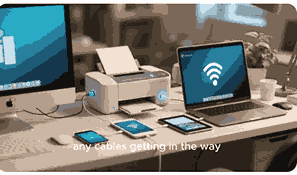
In today’s digital world, many households and offices require multiple computers to access a single printer for convenience and efficiency. Connecting a printer to multiple computers can save costs, reduce hardware redundancy, and streamline workflows. There are different methods to achieve this, including wired networks, wireless connections, or using printer-sharing software. Understanding how to set up a printer for multiple users requires knowledge of the printer type, network environment, and compatible operating systems. Whether you are working with Windows, macOS, or a combination of systems, following the correct setup ensures seamless printing for everyone on the network.
What Is A Printer?
A printer is an electronic device that converts digital documents, images, or files into physical paper copies. Printers can be categorized into several types, including inkjet, laser, thermal, and dot matrix printers, each with unique printing mechanisms and purposes. Inkjet printers spray liquid ink directly onto paper, while laser printers use toner and laser technology to produce high-speed, precise prints. Modern printers often include connectivity features such as USB, Wi-Fi, Ethernet, or cloud printing capabilities, making them versatile for both personal and office use. Printers can also support advanced features like duplex printing, scanning, faxing, and mobile device printing.
Types Of Printer Connections For Multiple Computers
To connect a printer to multiple computers, you need to understand the available connection types. USB printers are typically connected to one computer but can be shared via a network or printer-sharing software. Network printers, either wired or wireless, are designed to be accessed by multiple devices simultaneously without complex configurations. Wireless printers connect through Wi-Fi, allowing computers, laptops, and even mobile devices to print over the same network. Ethernet-connected printers can integrate into office networks, enabling multiple computers to send print jobs efficiently. Cloud-based printing services also allow remote printing from any device connected to the internet.
How To Share A Printer On Windows
Windows operating systems provide built-in printer-sharing options. To share a printer, first connect it to one computer, then access the “Devices and Printers” menu. Select the printer, open properties, and enable “Share this Printer.” Other computers on the same network can then add the shared printer by browsing the network and installing the required drivers. Windows also supports cloud printing through services like Microsoft 365, which allows multiple devices to print without a direct network connection. Proper configuration of user permissions ensures security, preventing unauthorized access while maintaining convenience for multiple users.
How To Share A Printer On Mac
Mac computers allow printer sharing through the System Preferences menu. Navigate to “Printers & Scanners,” select the printer, and enable “Share this Printer on the Network.” Macs on the same network can detect the shared printer and connect easily. AirPrint-compatible printers can also be accessed without additional drivers, making it simpler for multiple Apple devices to print simultaneously. Combining Mac and Windows systems requires ensuring the printer supports cross-platform drivers or utilizing a network-connected printer with universal support.
Using Wireless Printers For Multiple Computers
Wireless printers are ideal for homes and offices with multiple computers. Connecting a wireless printer requires linking it to a Wi-Fi network. Once connected, computers within the same network can detect the printer and send print jobs. Modern wireless printers often support mobile printing apps, allowing laptops, tablets, and smartphones to print without additional configuration. Security is a key consideration; enabling encryption and password protection prevents unauthorized access. Wireless printers are particularly beneficial in shared workspaces, as they eliminate the need for extensive cabling and can serve multiple devices efficiently.
Benefits Of Connecting A Printer To Multiple Computers
Sharing a printer among multiple computers reduces costs, saves desk space, and minimizes maintenance efforts. It ensures that every user has access to printing without the need for individual printers. In office environments, this setup improves workflow efficiency and resource allocation. Networked printers also allow centralized management of print jobs, tracking usage, and controlling permissions. Businesses and households can take advantage of cloud-based printing solutions to extend accessibility beyond the local network, enabling remote printing and collaborative work environments.
Challenges And Considerations
While connecting a printer to multiple computers has clear benefits, challenges exist. Compatibility issues between different operating systems, outdated drivers, or network restrictions can cause connectivity problems. Print job conflicts may occur if multiple users send jobs simultaneously, requiring proper queuing management. Security is also a concern, particularly for wireless or cloud-connected printers. Setting up proper user permissions, passwords, and firewall rules ensures that the network remains secure. Additionally, network performance can affect printing speed, making it important to have a stable and fast connection for optimal operation.
Conclusion
Connecting a printer to multiple computers is achievable and highly practical for both homes and offices. By choosing the right printer type, understanding network requirements, and following proper setup procedures for Windows, Mac, or wireless networks, users can efficiently share a printer across multiple devices. This approach reduces costs, improves workflow, and maximizes printer utilization. Careful consideration of compatibility, security, and network performance ensures a smooth and reliable printing experience for all connected computers.
Frequently Asked Questions
1. Can I Connect A Printer To Multiple Computers?
Yes, you can connect a printer to multiple computers using various methods. Networked printers with Ethernet or Wi-Fi connections are designed to be shared among multiple devices simultaneously. USB printers can also be shared through a host computer using built-in printer-sharing features in Windows or Mac. Cloud printing solutions enable remote printing from different devices over the internet. Wireless printers, especially those with AirPrint or Google Cloud Print support, simplify connectivity for multiple computers and mobile devices. Proper setup involves installing drivers, ensuring all devices are on the same network, and configuring security settings to prevent unauthorized access while maintaining seamless printing for multiple users.
2. What Are The Different Methods To Connect A Printer To Multiple Computers?
Printers can be connected using wired networks, wireless networks, USB sharing, or cloud printing services. Wired connections often use Ethernet cables to link the printer to a network router, allowing multiple devices to access it. Wireless connections utilize Wi-Fi to let computers, laptops, and mobile devices print without cables. USB printers can be shared through one host computer with printer-sharing enabled. Cloud printing services allow users to send print jobs remotely from any internet-connected device. Choosing the appropriate method depends on the printer type, the operating systems in use, network environment, and security considerations to ensure efficient and secure multi-device access.
3. Can I Use A USB Printer For Multiple Computers?
Yes, a USB printer can serve multiple computers if connected to one host computer that has printer-sharing enabled. On Windows, this involves enabling printer sharing in the “Devices and Printers” menu, while Mac users can enable sharing in “Printers & Scanners.” Once shared, other computers on the same network can install the printer and send print jobs through the host computer. However, the host computer must be powered on and connected to the network for this method to work. Alternatively, USB printers can be connected to a USB print server or network hub to enable multi-device access without relying on a single host computer.
4. How Do I Connect A Wireless Printer To Multiple Computers?
To connect a wireless printer to multiple computers, first connect the printer to your Wi-Fi network using its control panel or companion app. Once the printer is network-enabled, all computers and mobile devices on the same Wi-Fi network can detect it. Installing the correct drivers on each computer ensures compatibility and functionality. Many modern printers support mobile and cloud printing, allowing multiple devices to print without direct setup. Security measures such as passwords, encryption, and firewall configuration are essential to prevent unauthorized access. Wireless printers simplify multi-device access by eliminating cables and enabling convenient printing from any connected computer or mobile device.
5. Are Network Printers Better For Multiple Computers?
Yes, network printers are ideal for multiple computers. These printers are designed to be accessed via Ethernet or Wi-Fi connections, allowing seamless printing for multiple devices without requiring a dedicated host computer. Network printers often include features like print job queuing, usage tracking, and cross-platform compatibility, making them suitable for both home and office environments. They support advanced protocols and security measures to prevent unauthorized access. By centralizing printing resources, network printers reduce hardware redundancy, save costs, and improve workflow efficiency. For households or businesses with several computers, network printers provide a reliable, convenient, and scalable printing solution.
6. Can Mac And Windows Computers Share The Same Printer?
Yes, Mac and Windows computers can share the same printer if the printer supports cross-platform drivers or is network-enabled. Network printers connected via Wi-Fi or Ethernet can serve both Mac and Windows devices simultaneously. Cloud printing services or AirPrint-enabled printers can further simplify cross-platform access. When using a USB printer connected to one computer, Windows and Mac devices can also access it via printer sharing, though driver compatibility must be ensured. Ensuring all devices are on the same network and configuring appropriate permissions allows seamless printing across both operating systems, enabling efficient multi-device use without hardware duplication.
7. What Is The Role Of Printer Sharing Software?
Printer sharing software allows multiple computers to access a printer connected to one host computer. It is especially useful for USB printers that do not have built-in network connectivity. Software such as Print Server or third-party solutions create virtual networks to manage print jobs from multiple devices. This software handles job queuing, driver installation, and secure access. It enables computers on different networks or operating systems to share a single printer effectively. By providing centralized control and monitoring, printer sharing software ensures that multiple users can print without conflicts, maximizing efficiency and convenience in home offices or small business environments.
8. How Do I Secure A Printer Connected To Multiple Computers?
Securing a printer connected to multiple computers is crucial to prevent unauthorized access. Use strong passwords, enable network encryption, and configure firewall rules to restrict access. For shared printers, assign permissions only to trusted users and enable job logging to monitor activity. Regularly update printer firmware and drivers to patch vulnerabilities. Wireless and cloud printers should have Wi-Fi Protected Access (WPA2/WPA3) enabled and disable unused network protocols. Physical security is also important; keep printers in monitored areas. Implementing these security measures ensures that multiple computers can print safely without risking sensitive data exposure or network breaches.
9. Can Cloud Printing Help Multiple Computers Access A Printer?
Yes, cloud printing enables multiple computers and mobile devices to print remotely without being on the same local network. Services like Google Cloud Print (now deprecated) or manufacturer-specific cloud printing apps allow users to send documents to a printer over the internet. Devices simply need an active internet connection and the printer linked to the cloud account. Cloud printing supports cross-platform use, enabling Windows, Mac, Linux, and mobile devices to print seamlessly. This method is ideal for remote work, collaborative environments, and households with multiple users. Security measures, such as account authentication and encrypted connections, ensure safe and reliable cloud-based printing.
10. What Are The Common Issues When Connecting A Printer To Multiple Computers?
Common issues include driver incompatibility, network configuration errors, print job conflicts, and security restrictions. USB printers shared through a host computer require the host to be powered on, which can cause interruptions. Wireless connections may experience interference or weak signal strength, affecting print speed. Cross-platform compatibility between Windows and Mac can also be challenging. Misconfigured permissions may prevent access, and simultaneous print jobs might cause delays or errors. Ensuring proper driver installation, network setup, and security settings, as well as choosing the right printer type, helps minimize these issues. Routine maintenance and updates further ensure smooth multi-computer printing.
11. How Can I Improve Printer Performance For Multiple Computers?
To improve performance, ensure the printer is connected to a high-speed, stable network and that all computers have the latest drivers installed. Limit simultaneous large print jobs, enable print job queuing, and configure default settings for duplex or draft printing when appropriate. For network printers, assign a dedicated IP address to avoid conflicts. Regularly maintain the printer by cleaning and replacing consumables. For wireless printers, minimize interference by placing the device close to the router. Monitoring print activity and usage patterns helps optimize workflow, ensuring efficient and reliable printing for multiple computers without performance degradation or delays.
12. Is It Expensive To Connect A Printer To Multiple Computers?
Connecting a printer to multiple computers can be cost-effective compared to buying individual printers for each device. Network or wireless printers may have higher upfront costs, but they reduce long-term expenses by consolidating printing resources. Sharing a USB printer through a host computer incurs minimal cost, especially if the host computer is already available. Cloud printing or printer-sharing software may require subscription fees, but these are generally low. The investment in a suitable printer, networking setup, and occasional maintenance is outweighed by savings on hardware, consumables, and space, making it an economical solution for homes and offices with multiple computers.
13. Can I Connect Multiple Printers To Multiple Computers Simultaneously?
Yes, multiple printers can be connected to multiple computers simultaneously. Network environments, both wired and wireless, allow users to select which printer to use based on location, features, or availability. Each printer can be assigned a unique IP address and shared through its respective network connection. Operating systems like Windows and macOS support adding multiple printers and managing print queues individually. This setup increases flexibility, reduces wait times for printing, and allows task-specific allocation, such as using one printer for high-quality color prints and another for fast black-and-white documents. Proper network planning ensures seamless operation without conflicts.
14. What Printer Features Are Important For Multiple Computer Access?
Important features include network connectivity (Wi-Fi or Ethernet), compatibility with different operating systems, mobile and cloud printing support, print speed, duplex printing, and security options. Automatic firmware updates, easy driver installation, and sufficient memory for multiple simultaneous jobs are also crucial. Features like print job queuing, user permissions, and usage tracking enhance efficiency and management. For offices, multifunction printers with scanning and faxing capabilities can serve multiple purposes, maximizing productivity. Selecting a printer with robust connectivity, cross-platform support, and advanced features ensures smooth printing for multiple computers, reducing workflow interruptions and hardware redundancy.
15. How Do I Troubleshoot Printer Connection Issues For Multiple Computers?
Start by checking network connections and ensuring all devices are on the same network. Verify that the printer is powered on, online, and has sufficient paper and ink or toner. Update printer drivers on all computers and confirm compatibility with operating systems. Restart computers, printers, and network devices if necessary. For shared printers, ensure the host computer is on and printer sharing is enabled. Wireless printers may require reconnection to the Wi-Fi network. Examine error messages, check print queues, and consult the printer manual or manufacturer’s support site. Following systematic troubleshooting resolves most multi-computer connectivity issues efficiently.
16. Can I Use A Print Server To Connect A Printer To Multiple Computers?
Yes, a print server is an effective solution for connecting a printer to multiple computers. It acts as a dedicated device that manages print jobs and enables networked access to a printer, particularly USB models without built-in networking. Print servers support multiple operating systems, provide centralized control, and improve efficiency by managing simultaneous print requests. Both hardware and software print servers are available, with hardware options connecting directly to the printer and network, and software solutions installed on a host computer. Using a print server simplifies multi-computer printing, eliminates dependency on a single host, and enhances security and job management.
17. Are All Printers Suitable For Multiple Computer Connections?
Not all printers are designed for multiple computer connections. USB-only printers without sharing or network support require a host computer to enable multi-device access. Entry-level printers may lack features like wireless connectivity, cross-platform drivers, or sufficient memory for multiple simultaneous jobs. Network-ready printers, including Wi-Fi, Ethernet, and cloud-capable models, are best suited for multiple computer access. Evaluating printer specifications, connectivity options, and compatibility with operating systems ensures the device can effectively serve several users. Investing in a printer designed for multi-device access minimizes setup difficulties and guarantees smooth operation in homes and offices with multiple computers.
18. How Does Cloud Printing Compare To Traditional Network Printing?
Cloud printing allows remote access from anywhere with an internet connection, while traditional network printing relies on local network connections. Cloud printing supports cross-platform devices without complex configurations and is ideal for remote or hybrid work environments. Traditional network printing often provides faster speeds, better security, and is less dependent on external internet services. Cloud printing may face latency issues and requires account authentication, while network printers operate directly on LAN or Wi-Fi. Choosing between cloud and traditional network printing depends on workflow requirements, user locations, security considerations, and the need for remote access versus local network efficiency.
19. Can Mobile Devices Also Use A Printer Connected To Multiple Computers?
Yes, mobile devices can print to a printer shared with multiple computers if the printer supports wireless connectivity or cloud printing. AirPrint, Google Cloud Print alternatives, and manufacturer-specific mobile apps allow smartphones and tablets to detect and print documents. Devices must be on the same Wi-Fi network or linked to the cloud account associated with the printer. Mobile printing eliminates the need for transferring files to a computer, enhancing convenience. Ensuring updated printer firmware and security settings maintains reliable access for mobile devices alongside multiple computers, creating a fully integrated printing environment.
20. What Maintenance Is Required For A Printer Connected To Multiple Computers?
Maintenance involves keeping the printer clean, regularly replacing consumables like ink, toner, and paper, and updating firmware and drivers. Network settings and sharing permissions should be monitored to prevent connectivity issues. Print queues should be cleared periodically to avoid job conflicts, and error logs reviewed for troubleshooting. Wireless printers may require occasional reconnection or network optimization. Monitoring usage patterns helps manage wear and tear and ensures the printer functions efficiently under multi-user demands. Proper maintenance prolongs printer lifespan, ensures consistent print quality, and supports reliable operation for multiple computers simultaneously.
FURTHER READING
- How To Replace A Printer Toner | A Step-By-Step Guide To Printer Toner Replacement For Smooth Printing Performance
- How To Replace Ink Cartridges In A Printer | A Step-By-Step Guide To Replace Printer Ink Cartridges Easily
- How To Check Ink Levels On Your Printer | Easy Methods To Monitor Printer Ink And Avoid Printing Issues
- Why Is My Printer Printing Faded Text? | Common Causes, Solutions, And Maintenance Tips For Clear Printing
- What Is A Thermal Printer? | A Complete Guide On Thermal Printers, Uses, Types, And Benefits
- What Is A Multifunction Printer? | A Comprehensive Guide To Multifunction Printers, Features, And Benefits
- How To Fix Printer Alignment Issues | A Step-By-Step Solutions For Printer Alignment Problems
- How To Connect A Printer To Your Computer | Easy Printer Setup And Connection Guide
- How Much Does A Printer Cost? | Printer Prices, Buying Guide, And Cost Factors
- How To Connect A Printer To Windows 10 And Windows 11 | Easy Setup, Installation, And Troubleshooting Guide For Beginners