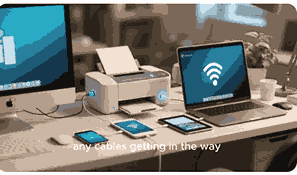
Connecting a printer to Windows can sometimes feel confusing, especially for beginners who are new to setting up hardware devices on their computers. Whether you are trying to install a wireless printer, USB printer, or network printer, Windows provides different methods that make the process straightforward. Learning how to add, configure, and troubleshoot printers in Windows ensures you can print documents, images, and reports with ease, without unnecessary interruptions. This guide explains everything about printers, printer drivers, wireless setups, and common troubleshooting steps so that you can successfully complete your printer installation on any Windows device.
What Is A Printer?
A printer is a hardware device that connects to a computer or network to produce physical copies of digital documents, images, or files. Printers come in different types, including inkjet printers, laser printers, and multifunction printers that also scan and copy. Modern printers often support wireless printing, allowing you to connect using Wi-Fi or Bluetooth without the need for cables. In a Windows operating system, printers require drivers, which act as a bridge between the printer hardware and the computer. Once properly connected and installed, printers allow users to print documents directly from applications like Microsoft Word, Excel, web browsers, or PDF readers.
Types Of Printers Compatible With Windows
Windows supports a wide range of printers, including USB printers, wireless printers, Bluetooth printers, and network printers. USB printers are the simplest to set up, requiring only a cable connection and driver installation. Wireless printers use Wi-Fi, allowing multiple devices on the same network to connect. Bluetooth printers offer short-range wireless connections, often useful for mobile devices. Network printers are shared printers connected via Ethernet to a router or office network, making them accessible to multiple computers. Understanding these types of printers helps users choose the right method of connection for their Windows device.
Steps To Connect A Printer To Windows Using USB
Connecting a USB printer is often the fastest and most straightforward method. Start by plugging the USB cable from the printer into your Windows computer. Windows will usually detect the printer automatically and begin installing the drivers. If the drivers do not install automatically, you may need to download them from the manufacturer’s website. Once installed, open the “Printers & Scanners” settings in Windows, locate the printer, and set it as your default printer. Testing the connection by printing a sample page ensures the printer works properly.
How To Add A Wireless Printer To Windows
To add a wireless printer, ensure the printer is connected to the same Wi-Fi network as your Windows computer. On Windows, open “Settings,” then navigate to “Devices” and select “Printers & Scanners.” Click “Add a printer or scanner” and wait while Windows searches for available printers. When your printer appears, select it and follow the on-screen instructions to complete the setup. If the printer does not appear, you may need to enter the printer’s IP address manually. Once installed, try printing a test document to confirm that the wireless connection is stable.
Setting Up A Network Printer On Windows
Network printers are commonly used in offices where multiple users need access to the same device. To set up a network printer, ensure it is connected to the router or switch via Ethernet. On your Windows computer, go to “Printers & Scanners” and select “Add a printer or scanner.” If the printer is not automatically detected, choose “The printer that I want isn’t listed” and enter the printer’s network path or IP address. Once added, install the required drivers and confirm the connection by printing a test page.
Installing Printer Drivers On Windows
Printer drivers are essential for smooth communication between your printer and Windows computer. In most cases, Windows automatically installs the required drivers. However, if automatic installation fails, visit the manufacturer’s official website to download the latest drivers compatible with your Windows version. After downloading, run the installer and follow the instructions. It is important to regularly update printer drivers to ensure compatibility, improved performance, and fewer printing errors. Outdated drivers may cause problems such as incomplete printing, miscommunication with applications, or printer malfunctions.
Troubleshooting Common Printer Connection Issues
Sometimes printers fail to connect properly to Windows, leading to frustration. Common problems include the printer not being detected, drivers not installing correctly, or the printer showing as “offline.” To fix these issues, first check the printer’s power and connections. Restart both the computer and printer to refresh the system. If using Wi-Fi, confirm that both devices are connected to the same network. For driver-related issues, uninstall and reinstall the printer driver. If problems persist, consult the manufacturer’s troubleshooting guides or use Windows built-in “Printer Troubleshooter” tool to diagnose and fix errors automatically.
How To Set A Default Printer In Windows
Setting a default printer ensures that all your applications send print jobs to the same device automatically. To set this up, go to “Printers & Scanners” in the Windows settings. Locate the printer you want to set as default, click on it, and select “Set as default.” If the option does not appear, disable the “Let Windows manage my default printer” feature, which automatically changes the default printer based on the most recently used one. Once set, your chosen printer will handle all printing tasks unless you manually select another printer during the printing process.
Benefits Of Connecting A Printer To Windows
Connecting a printer to Windows allows you to print directly from software applications, saving time and improving productivity. It enables both personal and business users to quickly generate physical documents such as invoices, contracts, photos, and assignments. Windows provides flexibility by supporting both wired and wireless printers, ensuring compatibility with most modern devices. A properly connected printer also ensures smoother workflows, reduced downtime, and easier troubleshooting. Additionally, shared printers in offices allow multiple employees to access the same printer without needing individual connections, which reduces costs and enhances collaboration.
Conclusion
Connecting a printer to Windows is a straightforward process when the right steps are followed. Whether you are using USB, wireless, or network printers, Windows offers built-in settings to add and configure devices with ease. Installing the correct drivers, setting default printers, and troubleshooting errors ensures smooth printing experiences for both home and office users. With proper setup and maintenance, printers remain reliable tools for creating physical copies of digital information, enhancing productivity, and ensuring seamless workflows across different tasks.
Frequently Asked Questions
1. How Do I Connect A Printer To Windows?
To connect a printer to Windows, first determine whether you are using a USB, wireless, or network printer. For USB printers, simply plug in the printer, and Windows will attempt to install the drivers automatically. If using a wireless printer, connect the printer to the same Wi-Fi network as your computer and add it through “Printers & Scanners” in settings. For network printers, enter the device’s IP address or network path. If the drivers are not installed automatically, download and install them from the printer manufacturer’s official website. Always print a test page after setup to confirm proper connection.
2. How Do I Install A USB Printer On Windows?
Installing a USB printer on Windows is usually quick and automatic. Begin by connecting the USB cable from the printer to your computer. Once detected, Windows will attempt to install the printer drivers. If the installation does not complete, you may need to manually install the drivers by downloading them from the printer manufacturer’s official website. After installation, go to “Printers & Scanners” in Windows settings, locate the printer, and set it as the default device. To confirm successful installation, print a test page. This ensures that the printer is ready for all your document and image printing tasks.
3. How Do I Add A Wireless Printer To Windows?
To add a wireless printer to Windows, ensure the printer is connected to your Wi-Fi network. On your computer, open “Settings,” then navigate to “Devices” and click “Printers & Scanners.” Select “Add a printer or scanner” and wait for Windows to search for available printers. When your printer appears, click on it and follow the on-screen setup instructions. If the printer does not show up, you may need to enter its IP address manually. After setup, print a test page to verify connectivity. This process allows wireless printers to be shared across multiple devices within the same network.
4. How Do I Connect A Network Printer To Windows?
Connecting a network printer to Windows requires the device to be connected to your local network, usually via Ethernet. On your Windows computer, open “Printers & Scanners,” then click “Add a printer or scanner.” If the printer is not detected automatically, choose “The printer that I want isn’t listed” and enter the network path or IP address. Windows will then search for the printer and install the drivers. If needed, download the latest drivers from the manufacturer’s website. Once installed, test the connection by printing a page. Network printers are ideal for office use, allowing multiple users to share access.
5. How Do I Update Printer Drivers On Windows?
Updating printer drivers on Windows helps improve compatibility, performance, and security. To update, open “Device Manager” on your computer, find your printer, right-click, and select “Update driver.” You can allow Windows to search automatically for updated drivers or download the latest version from the manufacturer’s official website. If downloading manually, run the installer and follow the instructions provided. Regularly updating drivers prevents printing errors, ensures compatibility with the latest Windows updates, and may improve printing speed. Always restart your computer after updating drivers to ensure the changes take effect.
6. How Do I Set A Default Printer In Windows?
Setting a default printer in Windows makes printing faster and more efficient. To set it, open “Printers & Scanners” in Windows settings, find the printer you want, and click “Set as default.” If this option is missing, disable “Let Windows manage my default printer,” which automatically changes the default printer to the most recently used one. By selecting a default printer, all print jobs will automatically go to that printer unless you manually choose another. This feature is especially useful in environments with multiple printers, ensuring consistency and reducing printing errors.
7. Why Is My Printer Not Showing Up In Windows?
A printer may not show up in Windows for several reasons, including driver issues, network problems, or connection errors. First, check if the printer is powered on and properly connected via USB, Wi-Fi, or Ethernet. Restart both the printer and your computer to refresh connections. If the printer still does not appear, try manually adding it by entering its IP address in “Printers & Scanners.” Updating or reinstalling printer drivers can also resolve detection issues. For wireless printers, confirm that both the printer and computer are on the same network. Running the Windows “Printer Troubleshooter” may also help.
8. How Do I Fix Printer Offline Problems On Windows?
Printer offline problems in Windows often occur due to connection issues or incorrect settings. Start by checking if the printer is turned on and properly connected to your computer or network. In Windows settings, open “Printers & Scanners,” select the affected printer, and make sure “Use Printer Offline” is unchecked. Restarting both the printer and computer can also refresh the connection. If the issue persists, uninstall and reinstall the printer drivers. Wireless printers may need to be reconnected to Wi-Fi. Regularly updating Windows and printer drivers helps prevent offline errors and ensures smooth, uninterrupted printing.
9. How Do I Share A Printer On Windows Network?
Sharing a printer on a Windows network allows multiple users to print from the same device. To share a printer, go to “Printers & Scanners” in settings, select your printer, and open “Manage.” Choose “Printer properties,” then go to the “Sharing” tab and enable “Share this printer.” Assign a recognizable name for easy identification by other users. On another computer within the same network, add the shared printer through “Add a printer or scanner” and search for it. Once connected, install any required drivers. This setup is particularly useful in office or home network environments.
10. How Do I Connect A Bluetooth Printer To Windows?
To connect a Bluetooth printer to Windows, first ensure that Bluetooth is enabled on both your computer and the printer. On Windows, open “Settings” and go to “Bluetooth & devices.” Click “Add device” and select “Bluetooth.” When the printer appears in the list, click on it to pair the devices. Windows will then attempt to install the drivers automatically. If it fails, manually download the drivers from the printer manufacturer’s website. Once connected, go to “Printers & Scanners” to confirm the printer has been added. Test the setup by printing a document to verify successful pairing.
11. How Do I Add A Printer Using IP Address In Windows?
Adding a printer by IP address is useful when Windows does not automatically detect the printer. Open “Printers & Scanners” in Windows settings, then click “Add a printer or scanner.” Choose “The printer that I want isn’t listed” and select “Add a printer using a TCP/IP address.” Enter the printer’s IP address, select the appropriate driver, and follow the setup instructions. If needed, download drivers from the manufacturer’s website. Once completed, confirm the connection by printing a test page. This method works well for network and wireless printers that may not appear during automatic searches.
12. How Do I Remove A Printer From Windows?
Removing a printer from Windows is simple and helps when troubleshooting or replacing an old device. To do this, open “Printers & Scanners” in Windows settings, select the printer you want to remove, and click “Remove device.” Confirm the action, and the printer will be uninstalled from your system. If the printer drivers remain installed, you may need to remove them manually from “Print server properties.” Restart your computer after removal to clear any cached settings. Removing unused printers reduces clutter, prevents confusion when selecting printers, and can improve system performance by eliminating driver conflicts.
13. How Do I Install Printer Software On Windows?
Installing printer software on Windows is essential for accessing advanced features such as scanning, faxing, or maintenance tools. Many printer manufacturers provide bundled software packages along with drivers on their websites. After downloading, run the installer and follow the prompts to complete installation. Some software allows wireless configuration, ink level monitoring, and access to cloud printing services. Having the official printer software installed ensures that you can fully utilize your device’s capabilities. Regularly updating the software helps improve stability, adds new features, and enhances compatibility with the latest Windows updates.
14. How Do I Print A Test Page On Windows?
Printing a test page helps confirm that your printer is properly connected and working with Windows. To print a test page, open “Printers & Scanners” in settings, select your printer, and click “Manage.” In the options, choose “Print a test page.” A sample document will be sent to the printer, verifying whether the device is functioning correctly. If the test page does not print, there may be driver issues, paper jams, or connectivity problems. Printing a test page is often the first troubleshooting step recommended by manufacturers, as it provides insight into potential issues with the setup.
15. How Do I Add A Printer To Windows 10 Or Windows 11?
Adding a printer in Windows 10 or Windows 11 follows a similar process. Open “Settings,” then navigate to “Devices” and “Printers & Scanners.” Click “Add a printer or scanner” and wait while Windows searches for available printers. Once your printer appears, select it and follow the prompts. If it does not show up, use the option to add it manually using an IP address or network path. After installation, print a test page to confirm the setup. Both Windows 10 and Windows 11 offer improved printer management tools, making installation and troubleshooting more user-friendly.
16. How Do I Connect Multiple Printers To Windows?
Connecting multiple printers to Windows is straightforward and useful in environments where different printing tasks require separate devices. To add multiple printers, connect each one individually using USB, wireless, or network methods. Windows will list each printer separately under “Printers & Scanners.” You can set one as the default printer while using others manually when needed. Assigning clear names to each printer helps avoid confusion. For example, label one as “Office Printer” and another as “Photo Printer.” Managing multiple printers ensures flexibility in handling different print jobs, from simple documents to high-quality images or business reports.
17. How Do I Troubleshoot Printer Driver Issues On Windows?
Printer driver issues on Windows may cause errors such as incomplete printing, unresponsive printers, or failure to detect the device. To troubleshoot, first uninstall the problematic driver from “Device Manager” or “Print server properties.” Restart your computer, then reinstall the latest driver from the manufacturer’s website. Ensure that the driver matches your version of Windows. Running the built-in Windows Printer Troubleshooter may also resolve driver-related errors. If issues persist, check for conflicts with recent Windows updates, and consider rolling back to a previous driver version. Proper driver management ensures stable and reliable printing performance.
18. How Do I Connect A Printer To Windows Without Drivers?
In most cases, printers require drivers for full functionality. However, Windows supports many generic printer drivers that allow basic printing without installing additional software. To connect without drivers, go to “Printers & Scanners,” add the printer, and allow Windows to assign a generic driver. While this enables printing, advanced features like scanning, duplex printing, or ink monitoring may not work. For best results, always download and install the official drivers from the manufacturer. Using a printer without drivers should only be a temporary solution when troubleshooting or waiting to obtain the correct software.
19. How Do I Reconnect A Printer To Windows After Disconnection?
If your printer disconnects from Windows, reconnecting it depends on the type of connection. For USB printers, unplug and replug the cable, then restart both the printer and computer. For wireless printers, ensure the device is connected to the same Wi-Fi network as your computer, then re-add it through “Printers & Scanners.” If necessary, reinstall the drivers to re-establish communication. For network printers, confirm the IP address has not changed and manually re-enter it if needed. Regularly updating drivers and firmware helps prevent future disconnections. Testing with a sample print confirms that the printer is fully reconnected and functioning.
20. How Do I Connect A Printer To Windows Using Wi-Fi Direct?
Wi-Fi Direct allows you to connect a printer to Windows without a router or traditional Wi-Fi network. To use this method, enable Wi-Fi Direct on the printer from its control panel. On your Windows computer, open “Wi-Fi settings,” search for available networks, and select the printer’s Wi-Fi Direct network. Enter the security key if prompted. Once connected, go to “Printers & Scanners” and add the printer manually. Install any required drivers from the manufacturer’s website. Wi-Fi Direct is particularly useful for mobile and quick printing tasks when a standard Wi-Fi connection is not available.
FURTHER READING
- How To Connect A Printer To A Mac | Easy Setup, Wireless Printing, And Troubleshooting Guide For macOS
- How To Add A Printer To Your Computer | Easy Step-By-Step Guide To Connect Printers To Computers
- What Is The Best Printer For My Needs? | A Complete Guide To Choosing The Right Printer For Your Needs
- How To Connect A Printer To A Tablet | Easy Guide To Printing From Tablets For Better Productivity
- Why Your Printer Print Slowly | Common Causes, Fixes, And Speed Optimization Tips
- How To Print From Your Phone To A Printer | Easy Wireless And Mobile Printing Guide
- What Is The Difference Between An Inkjet Printer And A Laser Printer? | Inkjet Vs Laser Printer Comparison, Pros And Cons, Buying Guide
- How To Update Your Printer Firmware | A Step-By-Step Guide For Better Printing Performance
- How To Share A Printer On A Network | Easy Printer Sharing Setup For Windows, Mac, And Wireless Networks
- How To Reset Your Printer | Easy Printer Reset Guide For All Models