Posted on Leave a comment

What Is The Validity Period Of A Diplomatic Visa?

What Is A Diplomatic Visa?

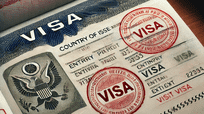
A Diplomatic Visa is a special category of visa issued to individuals who represent their government in an official capacity, such as diplomats, consular officers, government officials, and members of international organizations. Unlike standard tourist or business visas, diplomatic visas are granted based on the holder’s official government role and the purpose of their travel, which is usually to engage in diplomatic missions, attend international conferences, negotiate treaties, or perform other state functions. Diplomatic visas often come with privileges such as expedited processing, reduced fees, or exemptions from certain legal requirements. However, these visas are strictly for official duties and do not permit the holder to engage in employment unrelated to their diplomatic role.

Eligibility Requirements For A Diplomatic Visa

To obtain a diplomatic visa, the applicant must be officially nominated by their home government and provide formal documentation proving their diplomatic status, such as a diplomatic passport or official letter of assignment. The applicant may also need to submit proof of their role within an international organization or government ministry, along with supporting documents from the host country confirming acceptance of the diplomat. Eligibility is typically limited to high-ranking officials, embassy staff, and government representatives, and the host country often reserves the right to approve or deny the visa based on reciprocity, international agreements, or national security considerations. This ensures that only legitimate diplomatic personnel benefit from the visa privileges.

How To Apply For A Diplomatic Visa

Applying for a diplomatic visa generally involves submitting a formal request through the applicant’s home government or embassy. The process typically requires a completed visa application form, a valid diplomatic passport, an official letter of appointment or assignment, and, in some cases, proof of prior diplomatic clearance. The applicant may also need to provide details about their travel itinerary, purpose of visit, and duration of stay. Many countries offer expedited processing for diplomatic visa applications, recognizing the importance of timely international engagements. After submission, the host country reviews the documents, confirms the diplomatic status, and issues the visa, which can be collected at the embassy or consulate.

How Long Does A Diplomatic Visa Last

The validity period of a diplomatic visa varies depending on the issuing country, the applicant’s role, and the specific purpose of travel. Typically, diplomatic visas are issued for short-term visits ranging from a few weeks to several months, though long-term diplomatic postings may receive visas valid for one to three years. Some countries allow extensions based on official assignments, while others require renewal or reapplication after the initial period expires. The validity is often linked to the duration of the diplomat’s assignment and may be subject to termination if the holder leaves their official post. Understanding the visa’s validity is crucial for planning international travel and complying with host country regulations.

Conditions And Limitations Of Diplomatic Visas

Diplomatic visas come with specific conditions and limitations to ensure they are used solely for official purposes. Holders are generally prohibited from engaging in employment, business, or commercial activities outside their diplomatic duties. The visa may require the diplomat to register with the local foreign ministry or embassy and adhere to host country laws while enjoying diplomatic privileges. Some countries restrict travel within certain regions, limit the number of entries, or impose mandatory reporting requirements. Non-compliance with these conditions can result in revocation of the visa, fines, or diplomatic sanctions. Therefore, understanding these rules is essential for maintaining the privileges and legal protections of a diplomatic visa.

Diplomatic Visa Renewal And Extension

Renewing or extending a diplomatic visa depends on the host country’s policies and the diplomat’s ongoing official assignment. Most countries require a new application or an extension request through the embassy or foreign ministry, supported by official documentation confirming the continued need for the diplomatic presence. Renewal periods are often shorter than the original visa validity, and some countries may impose limits on consecutive extensions. Processing times vary, and diplomats are advised to submit requests well before the visa expires to avoid interruptions in legal status. Maintaining accurate records and complying with host country requirements ensures smooth extension or renewal without jeopardizing diplomatic privileges.

Differences Between Diplomatic And Other Visa Types

Diplomatic visas differ significantly from tourist, business, or work visas in terms of eligibility, privileges, and legal protections. While tourist visas are issued for leisure travel and business visas for commercial activities, diplomatic visas are reserved for government representatives and international officials performing official duties. Diplomatic visa holders often benefit from faster processing, lower or waived fees, and certain immunities under international law, including limited legal jurisdiction protections. Unlike standard visas, these visas cannot be used for personal employment or commercial endeavors. Understanding these differences is essential for governments, diplomats, and host countries to ensure proper usage and compliance with international protocols.

Impact Of International Agreements On Diplomatic Visas

International agreements, treaties, and conventions play a significant role in determining the issuance, validity, and privileges of diplomatic visas. The Vienna Convention on Diplomatic Relations establishes the framework for diplomatic immunity, recognition, and visa protocols between countries. Bilateral and multilateral agreements often influence visa duration, renewal procedures, and entry requirements. Countries with reciprocal diplomatic arrangements may offer similar visa privileges to each other’s officials. Compliance with these international norms is crucial for maintaining diplomatic relations, facilitating official travel, and ensuring that diplomats can perform their duties without unnecessary administrative hurdles or legal complications.

Common Issues And Challenges With Diplomatic Visas

Diplomatic visa applicants may encounter challenges such as delays in processing, incomplete documentation, or discrepancies in official status verification. Political tensions between countries can also affect visa issuance, potentially resulting in travel restrictions, temporary denials, or shortened validity periods. Misuse of diplomatic visas for personal gain or unauthorized employment can lead to revocation and international disputes. Additionally, changes in assignments, early termination of diplomatic posts, or changes in host country regulations may impact visa status. Awareness of potential issues and proactive communication with the home and host governments can mitigate challenges and ensure smooth diplomatic travel.

Conclusion

Understanding the validity period of a diplomatic visa is essential for diplomats and government representatives planning international travel. Diplomatic visas are distinct from other visa types, offering privileges and protections for official duties while imposing specific limitations. The duration of validity depends on the issuing country, official assignments, and international agreements. Compliance with host country regulations, proper documentation, and timely renewal requests are critical to maintaining legal status and diplomatic privileges. By being well-informed, diplomats can avoid legal complications, ensure uninterrupted international service, and fulfill their official responsibilities efficiently and effectively.

Frequently Asked Questions

1. What Is The Validity Period Of A Diplomatic Visa?

The validity period of a diplomatic visa varies based on the issuing country, the purpose of the diplomat’s travel, and the official assignment duration. Generally, short-term visits are granted visas lasting a few weeks to several months, whereas long-term diplomatic postings may receive visas valid for one to three years. Extensions may be granted based on continued assignments, but expiration occurs if the diplomat leaves their official role. Understanding this period is crucial for planning international travel and maintaining legal compliance. Failure to adhere to the visa’s validity can lead to fines, revocation, or loss of diplomatic privileges, making careful monitoring essential.

2. How Do I Apply For And Get A Diplomatic Visa?

To apply for a diplomatic visa, applicants must submit a formal request through their home government or embassy, providing a completed visa application form, diplomatic passport, and official letter of appointment or assignment. Additional documents may include travel itineraries and prior diplomatic clearances. The host country reviews the submission to verify diplomatic status and issues the visa, often with expedited processing due to official duties. Following these procedures ensures the diplomat receives proper authorization to perform official tasks abroad without delays or legal complications, maintaining compliance with international norms and host country regulations.

3. What Are The Eligibility Requirements For Obtaining A Diplomatic Visa?

Eligibility for a diplomatic visa requires official nomination by the applicant’s home government, proof of diplomatic status through a passport or assignment letter, and often confirmation from the host country. Eligibility is typically limited to diplomats, consular staff, government officials, and international organization members. The host country may consider reciprocity, international treaties, and national security in granting visas. Applicants must meet all criteria to ensure lawful issuance, enjoy privileges, and maintain diplomatic protections. This ensures that only legitimate personnel can access the benefits and responsibilities associated with diplomatic travel.

4. How Long Does It Take To Get A Diplomatic Visa?

Processing times for diplomatic visas vary by country and applicant status. Some countries offer expedited processing due to the urgent nature of official diplomatic duties, which can take only a few days to weeks. Standard procedures may require additional time for verification, documentation, and coordination between the home and host governments. Delays can occur due to incomplete applications, political considerations, or verification of official appointments. Diplomats are advised to submit requests well in advance of travel to ensure sufficient time for approval, minimizing disruptions to international assignments and official engagements.

5. How Much Does A Diplomatic Visa Cost?

Many countries waive or significantly reduce fees for diplomatic visas, recognizing the official government role of applicants. Where fees exist, they vary depending on the country, duration of stay, and number of entries. Some nations may charge administrative fees for processing or additional services such as expedited review. The cost is generally much lower than standard visa categories, reflecting the privileges granted to diplomats. Understanding applicable fees helps applicants budget appropriately, ensures compliance with host country requirements, and avoids unexpected charges or delays during diplomatic travel.

6. Can A Diplomatic Visa Be Extended?

Yes, diplomatic visas can often be extended if the official assignment continues beyond the original validity period. Extensions require submission of documentation confirming ongoing duties and approval from the host country. The duration of extensions may be shorter than the initial visa period, and some countries impose limits on consecutive extensions. Timely applications are essential to avoid lapses in legal status. Compliance with extension procedures ensures uninterrupted diplomatic privileges, maintains good standing with host country authorities, and supports the diplomat’s ability to fulfill official responsibilities without administrative disruptions.

7. What Are The Privileges Of A Diplomatic Visa?

Diplomatic visa holders enjoy privileges such as expedited processing, lower or waived fees, limited legal immunities, and certain exemptions from local regulations. These benefits are designed to facilitate the diplomat’s official duties while protecting them from undue interference. Privileges vary by host country and are often governed by international treaties, including the Vienna Convention on Diplomatic Relations. Understanding these privileges helps diplomats operate efficiently, maintain international protocol, and exercise official responsibilities without unnecessary hindrance while respecting the laws and customs of the host country.

8. Are Diplomatic Visas Valid For Multiple Entries?

Many diplomatic visas allow multiple entries, especially when diplomats need to travel frequently between countries for official duties. The host country may specify the number of allowed entries or limit them based on the assignment duration. Multiple-entry visas reduce administrative burden, ensure flexibility for official travel, and help maintain continuous diplomatic engagement. Diplomats should verify entry conditions before travel and adhere to any reporting requirements to preserve legal status and privileges, avoiding complications from exceeding authorized entries or overstaying.

9. Can A Diplomatic Visa Be Revoked?

Yes, diplomatic visas can be revoked if the holder violates conditions, misuses the visa, or no longer holds an official appointment. Host countries may revoke visas for illegal activities, non-compliance with regulations, or political reasons. Revocation terminates the privileges associated with the visa, and the diplomat may be required to leave the country immediately. Understanding revocation conditions is essential to maintaining lawful status, avoiding legal issues, and upholding diplomatic protocol during international assignments.

10. How Are Diplomatic Visa Rules Different From Other Visas?

Diplomatic visas differ from tourist, business, or work visas in eligibility, purpose, and privileges. They are reserved for government representatives and international officials performing official duties, often with expedited processing, lower fees, and certain immunities. Unlike standard visas, they cannot be used for personal employment or commercial activities. Awareness of these differences ensures proper usage, compliance with host country laws, and preservation of diplomatic privileges during official travel.

11. Do Diplomatic Visas Require Health Checks?

Some countries may require diplomatic visa applicants to undergo health screenings, particularly for long-term assignments. The requirements vary based on local regulations, the nature of the posting, and global health considerations. Health checks ensure that diplomats do not pose a public health risk and comply with host country laws. While diplomatic privileges may reduce certain bureaucratic steps, compliance with health requirements is essential for lawful entry, maintaining privileges, and avoiding delays in assignment commencement.

12. Is Travel Insurance Required For Diplomatic Visa Holders?

While not always mandatory, some host countries may request proof of travel or medical insurance for diplomatic visa applicants. Insurance provides coverage for emergencies, medical treatment, or repatriation during official travel. It ensures that diplomats are prepared for unexpected incidents without burdening the host country’s resources. Even if optional, carrying insurance is advisable to maintain uninterrupted service, protect personal safety, and comply with international travel best practices for government representatives.

13. How Does The Vienna Convention Affect Diplomatic Visas?

The Vienna Convention on Diplomatic Relations establishes international standards for diplomatic privileges, including visa issuance, legal immunities, and treatment by host countries. It influences the validity, renewal, and rights of diplomatic visa holders, ensuring that diplomats can perform official duties safely and efficiently. Compliance with the convention fosters mutual respect, reciprocity, and proper conduct between countries, reducing legal disputes and facilitating smooth diplomatic operations. Understanding these provisions is crucial for both diplomats and host countries.

14. Are Family Members Eligible For Diplomatic Visas?

Family members of diplomats, such as spouses and dependent children, are often eligible for diplomatic visas or derivative visas. These visas allow families to accompany diplomats during official postings, enjoy similar privileges, and remain legally resident in the host country. Eligibility typically requires proof of relationship and documentation linking family members to the primary diplomat. Ensuring family members have valid visas supports personal well-being, legal compliance, and the diplomat’s ability to focus on official duties without administrative concerns.

15. Can Diplomatic Visas Be Used For Personal Travel?

Diplomatic visas are strictly intended for official duties and cannot legally be used for personal travel or employment outside assigned roles. Unauthorized use can result in revocation, fines, or diplomatic disputes. Diplomats should obtain separate visas or permissions for personal trips to comply with host country regulations. Proper usage maintains privileges, upholds international protocol, and ensures uninterrupted diplomatic service while respecting the purpose and limitations of the visa.

16. How Are Diplomatic Visa Validity Periods Determined?

Validity periods are determined by the issuing country based on assignment duration, diplomatic status, bilateral agreements, and international treaties. Short-term missions receive shorter visas, while long-term postings may be granted extended validity. Extensions may be possible if assignments continue. These periods ensure that visas align with official duties, host country regulations, and international protocols, preventing overstays or misuse and facilitating smooth diplomatic operations.

17. Can Diplomatic Visa Holders Work In The Host Country?

No, diplomatic visa holders are restricted to performing official duties outlined in their appointment and cannot engage in local employment or commercial activities. Violating this rule may result in revocation or legal action. Compliance ensures that privileges are maintained, international norms are respected, and the diplomat fulfills their official responsibilities without conflict with local labor laws or regulations.

18. What Documents Are Required For Diplomatic Visa Renewal?

Renewal requires a current diplomatic passport, official assignment confirmation, visa application forms, and any additional documentation requested by the host country. Some nations may require proof of ongoing duties, updated itineraries, or letters of support from home government authorities. Timely submission ensures uninterrupted diplomatic privileges, compliance with host country rules, and continuation of official duties without administrative delays.

19. Are There Restrictions On Diplomatic Visa Travel Locations?

Some countries restrict areas diplomats may visit, especially sensitive or high-security zones. Travel restrictions can also apply to specific regions during emergencies, political tensions, or health crises. Adhering to these restrictions is crucial to maintaining legal status, avoiding diplomatic conflicts, and ensuring personal safety. Diplomats must coordinate travel plans with host authorities to comply with limitations while fulfilling official responsibilities.

20. How Can Diplomatic Visa Holders Maintain Compliance?

Diplomatic visa holders maintain compliance by adhering to visa conditions, reporting to local authorities, renewing or extending visas timely, and using the visa exclusively for official duties. Understanding legal limitations, respecting host country laws, and staying informed about policy changes are essential. Compliance safeguards privileges, prevents revocation, and ensures uninterrupted performance of diplomatic assignments, promoting smooth international relations and professional integrity.

FURTHER READING

A Link To A Related External Article

Everything You Need To Know About Visas

Posted on Leave a comment

How Much Does A Diplomatic Visa Cost?

What Is A Diplomatic Visa?

A diplomatic visa is a special type of visa issued to individuals representing their home country’s government or international organizations. These visas facilitate official travel for diplomatic missions, such as attending international conferences, meetings, or negotiations. Diplomatic visas are typically granted to ambassadors, consuls, government ministers, and their immediate family members. The primary purpose of these visas is to ensure that diplomats can carry out their duties abroad without hindrance.

Diplomatic Visa Fees in the United States

In the United States, diplomatic visas are generally exempt from application fees. This exemption applies to various categories, including A, G, C-2, C-3, NATO, and other diplomatic visas as defined under 22 CFR 41.26. Applicants holding diplomatic passports may also be exempt from visa fees, regardless of visa classification and purpose of travel, if they meet specific qualifying categories. However, possession of a diplomatic passport alone is not sufficient; consular officers assess whether the applicant qualifies for a fee exemption based on U.S. immigration laws .

Diplomatic Visa Fees in the United Kingdom

In the United Kingdom, diplomatic visas are also exempt from application fees. This policy applies to diplomats and their dependents traveling to the UK for official duties. The exemption covers various visa types, including diplomatic posting and official visits. It’s important to note that while the visa application fee is waived, other associated costs, such as travel expenses and accommodation, may still apply .

Diplomatic Visa Fees in Nigeria

In Nigeria, the cost of a diplomatic visa can vary depending on the applicant’s nationality and the specific visa category. For instance, Nigerian diplomatic missions abroad may charge different fees for visa processing. It’s advisable for applicants to consult the specific Nigerian mission in their country of residence to obtain accurate and up-to-date information on visa fees .

Factors Influencing Diplomatic Visa Costs

Several factors can influence the cost of obtaining a diplomatic visa:

  • Country of Application: Different countries have varying policies regarding diplomatic visa fees. Some may offer exemptions, while others may charge nominal fees.
  • Visa Category: The specific type of diplomatic visa (e.g., A, G, C-2, C-3, NATO) can affect the fee structure.
  • Duration of Stay: Longer stays may incur higher processing fees.
  • Family Members: Including dependents in the visa application may increase costs due to additional documentation and processing requirements.

Conclusion

The cost of a diplomatic visa varies by country and specific circumstances. While many nations offer exemptions or reduced fees for diplomatic visa applicants, it’s essential to consult the relevant embassy or consulate for the most accurate and current information. Understanding these costs and requirements can help ensure a smooth application process for diplomats and their families.

Frequently Asked Questions

1. How Much Does A Diplomatic Visa Cost?

The cost of a diplomatic visa varies by country and specific circumstances. In the United States, diplomatic visas are generally exempt from application fees for individuals holding diplomatic passports and meeting specific qualifying categories. Similarly, the United Kingdom offers exemptions for diplomats and their dependents traveling for official duties. However, other associated costs, such as travel expenses and accommodation, may still apply. It’s advisable to consult the relevant embassy or consulate for the most accurate and current information on diplomatic visa fees.

2. Are Diplomatic Visas Free?

Yes, in many countries, diplomatic visas are free of charge. For instance, the United States and the United Kingdom offer exemptions from visa application fees for diplomats and their immediate family members. However, these exemptions typically apply to official duties and may not extend to personal travel. It’s important to verify the specific requirements and exemptions with the respective embassy or consulate.

3. Do I Need A Visa For Diplomatic Travel?

Whether you need a visa for diplomatic travel depends on the destination country and your nationality. Many countries require diplomats to obtain a visa before entering, while others may grant visa exemptions based on diplomatic status. It’s crucial to check with the embassy or consulate of the country you plan to visit to determine the specific visa requirements for diplomatic travel.

4. How Do I Apply For A Diplomatic Visa?

Applying for a diplomatic visa typically involves submitting a visa application form, providing proof of diplomatic status (such as a diplomatic passport), and presenting a note verbale from your country’s Ministry of Foreign Affairs. Some countries may also require an official invitation or additional documentation. It’s recommended to contact the embassy or consulate of the destination country for detailed application procedures.

5. Can Family Members Accompany Me On A Diplomatic Visa?

Yes, family members can often accompany diplomats on official assignments. Many countries allow spouses, children, and sometimes other dependents to join diplomats under specific visa categories. These visas may have different conditions and durations, so it’s essential to inquire about the requirements for family members when applying for a diplomatic visa.

6. What Is A Note Verbale?

A note verbale is a formal diplomatic communication issued by a government or its representative. In the context of visa applications, it serves as an official request from your country’s Ministry of Foreign Affairs to the host country’s embassy or consulate, supporting your application for a diplomatic visa. The note verbale outlines the purpose of your visit and confirms your diplomatic status.

7. Are There Any Additional Fees For Diplomatic Visas?

While many countries waive visa application fees for diplomats, there may be other associated costs. These can include administrative fees, biometric fees, or charges for expedited processing. It’s advisable to inquire about all potential fees when applying for a diplomatic visa to avoid unexpected expenses.

8. How Long Does It Take To Process A Diplomatic Visa?

The processing time for a diplomatic visa can vary depending on the country and specific circumstances. Some countries may process diplomatic visas more quickly due to their priority status, while others may take longer. It’s recommended to apply well in advance of your intended travel date and consult the embassy or consulate for estimated processing times.

9. Can I Extend My Diplomatic Visa?

The ability to extend a diplomatic visa depends on the host country’s policies and the specific visa category. Some diplomatic visas are issued for fixed durations and may not be extendable, while others may allow for extensions under certain conditions. It’s important to check the terms of your visa and consult the relevant authorities if you need to extend your stay.

10. Do Diplomatic Visas Allow Employment?

Diplomatic visas are typically issued for official government duties and do not permit employment in the host country beyond those duties. Engaging in unauthorized employment on a diplomatic visa can lead to legal issues and potential revocation of the visa. If you intend to work in the host country, you may need to apply for a different type of visa.

11. What Is The Difference Between A Diplomatic Visa And An Official Visa?

A diplomatic visa is issued to individuals representing their country’s government in an official capacity, such as ambassadors or consuls. An official visa, on the other hand, is typically granted to government employees traveling abroad for official business but not necessarily in a diplomatic role. The requirements and privileges associated with each type of visa can vary by country.

12. Can I Travel For Personal Reasons On A Diplomatic Visa?

Diplomatic visas are intended for official government business and typically do not cover personal travel. If you wish to travel for personal reasons, you may need to apply for a different type of visa that permits personal travel. It’s important to adhere to the conditions of your diplomatic visa to avoid potential legal issues.

13. Are Diplomatic Visas Valid For Multiple Entries?

The validity of a diplomatic visa for multiple entries depends on the issuing country’s policies and the specific visa category. Some diplomatic visas may allow multiple entries during their validity period, while others may be single-entry only. It’s essential to verify the terms of your visa before planning multiple trips.

14. Can I Apply For A Diplomatic Visa If I’m Not A Diplomat?

Generally, diplomatic visas are reserved for individuals holding diplomatic status. If you do not hold a diplomatic passport or equivalent, you may not be eligible for a diplomatic visa. However, some countries offer official visas for government employees traveling for official business, which may have different eligibility criteria.

15. What Documents Are Required For A Diplomatic Visa?

Commonly required documents for a diplomatic visa application include a valid diplomatic passport, a note verbale from your country’s Ministry of Foreign Affairs, an official invitation from the host country, and any additional forms or documentation specified by the embassy or consulate. It’s advisable to consult the specific requirements of the destination country.

16. Can I Use A Diplomatic Visa For Tourism?

Diplomatic visas are intended for official government business and typically do not permit tourism activities. If you wish to travel for tourism, you may need to apply for a tourist visa. It’s important to comply with the conditions of your diplomatic visa to avoid potential legal issues.

17. Are Diplomatic Visas Issued For Short-Term Or Long-Term Stays?

The duration of a diplomatic visa depends on the purpose of the visit and the issuing country’s policies. Some diplomatic visas are issued for short-term stays, such as attending a conference, while others may be valid for longer periods, such as a diplomatic posting. It’s essential to verify the terms of your visa before planning your stay.

18. Can I Change My Status From A Diplomatic Visa To Another Visa Type?

Changing your visa status from a diplomatic visa to another type, such as a work or tourist visa, can be complex and may not be permitted in all cases. The ability to change visa status depends on the host country’s immigration laws and policies. It’s advisable to consult with the relevant authorities if you wish to change your visa status.

19. Do Diplomatic Visas Require Biometrics?

Some countries may require biometric data, such as fingerprints and photographs, as part of the diplomatic visa application process. However, many countries exempt diplomats and their immediate family members from biometric requirements. It’s important to check the specific requirements of the destination country.

20. Can Diplomatic Visa Fees Be Refunded?

In most cases, diplomatic visa application fees are waived, so there is no fee to refund. However, if a fee was paid in error or under special circumstances, it’s advisable to consult the embassy or consulate for information on refund policies.

FURTHER READING

A Link To A Related External Article

Everything You Need To Know About Visas

Posted on Leave a comment

How Long Does It Take To Get A Diplomatic Visa?

What Is A Diplomatic Visa?

A Diplomatic Visa is a special category of visa issued to individuals who are traveling on official government business, such as diplomats, government officials, or representatives of international organizations. This visa allows holders to enter a foreign country for official duties and is often granted privileges not available to ordinary tourists or business travelers, such as expedited processing, immunity from certain local laws, and exemption from visa fees in some cases. Diplomatic visas are typically issued under strict eligibility criteria, requiring proof of official status, a letter of invitation from the host country’s government, and sometimes additional documentation depending on the bilateral agreements between countries.

Eligibility Requirements For A Diplomatic Visa

To qualify for a diplomatic visa, applicants must meet stringent eligibility requirements. Generally, this includes proof of diplomatic status, such as an official government letter or diplomatic passport. Some countries also require that the applicant’s mission or assignment in the host country be verified through official communication from both governments. Additionally, the applicant may need to demonstrate that their travel is strictly for diplomatic purposes, such as attending international conferences, negotiating treaties, or official government missions. Certain countries may require security clearance checks, health clearances, or prior approval from their Ministry of Foreign Affairs, ensuring that only authorized personnel receive the diplomatic privileges associated with this visa.

How To Apply For A Diplomatic Visa

Applying for a diplomatic visa involves a specific procedure that differs from standard visa applications. Typically, the applicant or their government must submit a formal request to the consulate or embassy of the host country, accompanied by necessary documentation including a diplomatic passport, official letters of assignment, and any supporting authorization from the home country’s foreign ministry. In many cases, the embassy schedules an interview to verify the applicant’s purpose of travel and official status. Some nations allow direct submission through official government channels rather than personal visits. Accuracy and completeness of the application are crucial, as incomplete or inaccurate submissions may delay approval or result in denial.

Required Documentation For A Diplomatic Visa

The documentation required for a diplomatic visa is more extensive than for regular visas. Typically, applicants need a valid diplomatic passport, an official letter of assignment, a formal invitation from the host government, and proof of prior authorization from the home country’s foreign ministry. Additional requirements may include security clearance certificates, health clearance, and travel itinerary detailing the official mission. Each embassy has specific documentation standards, and failure to provide the correct paperwork can result in delays or rejection. Ensuring that documents are correctly authenticated and translated, if necessary, is essential for smooth processing. Diplomatic visa applications often undergo rigorous verification to confirm the legitimacy of the applicant’s mission.

Processing Time For A Diplomatic Visa

The time it takes to get a diplomatic visa varies by country and the urgency of the official mission. Some countries offer expedited processing that can take as little as a few days, especially for high-level government officials or emergency diplomatic assignments. Standard processing may range from one to four weeks, depending on the complexity of the application, the volume of requests, and any additional security or background checks required. Factors such as bilateral agreements between countries, completeness of documentation, and embassy workload significantly influence the timeline. Applicants are encouraged to apply well in advance of travel to accommodate unforeseen delays, ensuring they receive their visa before the scheduled official engagement.

Common Challenges In Obtaining A Diplomatic Visa

Obtaining a diplomatic visa is generally smoother than regular visas, but challenges can arise. Common issues include missing or incomplete documentation, discrepancies in official letters, or delays in verification by government authorities. Security checks or clearance procedures can also extend processing times, especially if the applicant has had recent travel to restricted regions. Miscommunication between the home and host country’s foreign ministries may further complicate the process. To minimize challenges, applicants should confirm all documentation requirements in advance, ensure correct authentication, and maintain direct communication with the relevant embassy or consulate. Planning and adherence to protocols are essential for successful issuance.

Privileges And Limitations Of A Diplomatic Visa

Diplomatic visas come with unique privileges, such as expedited processing, exemption from certain visa fees, and special entry or exit facilitation at airports. Some countries grant immunity from local laws for official duties or provide certain tax exemptions. However, these visas also have limitations; they are typically valid only for the duration of official assignments, and personal travel unrelated to diplomatic duties may not be permitted. Additionally, overstaying a diplomatic visa can lead to revocation of diplomatic privileges or restrictions on future travel. Understanding both the benefits and responsibilities associated with a diplomatic visa ensures that holders comply with the rules while enjoying the advantages granted to official representatives.

Conclusion

In summary, obtaining a diplomatic visa requires careful preparation, official authorization, and thorough documentation. The processing time varies depending on the host country, the applicant’s official status, and the completeness of the application. By understanding the eligibility requirements, application procedures, necessary documents, and potential challenges, diplomats and government officials can navigate the process efficiently. While diplomatic visas offer significant privileges, it is important to respect the limitations and legal responsibilities attached to them. Proper planning ensures timely visa issuance, allowing official missions to proceed without interruption and maintaining positive diplomatic relations between nations.

Frequently Asked Questions

1. How Long Does It Take To Get A Diplomatic Visa?

The time it takes to get a diplomatic visa depends on several factors including the host country, the applicant’s diplomatic status, and the completeness of submitted documents. Standard processing can range from one to four weeks, but expedited processing may take as little as a few days for high-ranking officials or emergency missions. Delays often arise due to missing documents, required security clearances, or intergovernmental communication. Applicants are advised to submit applications well in advance, ensuring all letters of assignment, passports, and authorizations are properly verified. Early preparation helps avoid last-minute delays and ensures diplomatic duties proceed on schedule.

2. What Is The Eligibility For Obtaining A Diplomatic Visa?

Eligibility for a diplomatic visa requires official diplomatic status, usually verified through a diplomatic passport and a formal letter of assignment from the home government. Applicants must prove that their travel is for official government purposes, such as attending conferences, treaty negotiations, or international meetings. Additional requirements may include security clearance, approval from the home country’s foreign ministry, and compliance with any bilateral agreements between the host and home nations. Meeting these eligibility criteria ensures that only authorized government personnel receive the diplomatic privileges associated with the visa, maintaining proper international protocol.

3. How Do I Apply For And Get A Diplomatic Visa?

To apply for a diplomatic visa, the applicant or their government must submit an official request to the host country’s embassy or consulate. The application usually includes a diplomatic passport, official letters of assignment, and authorization from the home country’s foreign ministry. Some countries may require an in-person interview or verification call. Submission through official government channels is common, and accurate, complete documentation is critical. Once processed, the embassy issues the visa, allowing entry for official duties. Early submission is recommended to account for verification and potential delays in the diplomatic clearance process.

4. How Much Does A Diplomatic Visa Cost?

Diplomatic visas are often exempt from standard visa fees due to their official nature. However, some countries may charge nominal administrative fees or service charges, especially for expedited processing. Costs vary depending on bilateral agreements, the purpose of the visit, and the specific embassy or consulate’s regulations. Applicants should verify fee structures with the host country prior to submission. Generally, the exemption of fees is part of the privileges granted to diplomats and government officials, emphasizing the official nature of the travel rather than personal or commercial purposes.

5. What Documents Are Required For A Diplomatic Visa?

Required documents for a diplomatic visa typically include a valid diplomatic passport, official letters of assignment from the home government, a formal invitation from the host government, and prior approval from the foreign ministry. Additional documents may include security clearance certificates, health clearance, travel itinerary, and proof of the official purpose of the mission. Accurate authentication and translation, if necessary, are essential. Providing complete and verified documentation ensures smooth processing and minimizes the risk of delays or denials by the host country’s authorities.

6. Can A Diplomatic Visa Be Expedited?

Yes, diplomatic visas can often be expedited, especially for high-ranking officials or emergency government missions. Expedited processing can reduce standard timelines from several weeks to a few days. Requests for faster processing usually require a formal note from the home country’s foreign ministry or government agency justifying the urgency. Expedited services may involve additional administrative procedures, but fees are typically minimal or waived. Early communication with the embassy ensures that expedited processing is considered and implemented correctly without compromising the legitimacy or verification process.

7. What Are The Common Challenges In Obtaining A Diplomatic Visa?

Common challenges include incomplete or inaccurate documentation, delays in verification by home or host country authorities, and extended security clearance procedures. Miscommunication between governments or missing authentication of official letters may also lead to delays or denials. To mitigate these issues, applicants should carefully review requirements, submit all necessary documentation, and maintain consistent communication with the embassy or consulate. Understanding procedural expectations and planning ahead are essential to overcoming these challenges and securing the diplomatic visa on time.

8. How Long Is A Diplomatic Visa Valid?

The validity of a diplomatic visa usually corresponds to the duration of the official assignment or mission. This can range from a few weeks for short-term meetings to several years for extended postings. Some countries issue visas with multiple entries, allowing repeated travel during the assignment period. Expired diplomatic visas must be renewed or extended through the appropriate government channels to maintain legal diplomatic status. The validity period is strictly linked to the official purpose of travel, and personal or unrelated activities are not typically covered.

9. Are There Any Privileges With A Diplomatic Visa?

Diplomatic visas offer several privileges including expedited processing, exemption from certain fees, facilitated entry and exit at borders, and sometimes immunity from specific local laws. Diplomats may also receive special assistance from embassies or consulates while traveling abroad. These privileges are granted to facilitate official duties and ensure smooth international relations. However, holders must adhere to the regulations governing diplomatic travel, and misuse of these privileges can lead to revocation of the visa or diplomatic sanctions.

10. Can A Diplomatic Visa Be Denied?

Yes, diplomatic visas can be denied if the applicant fails to meet eligibility requirements, provides incomplete or inaccurate documentation, or if there are security concerns. Diplomatic visa denial can also occur due to strained bilateral relations or policy restrictions between the home and host countries. In such cases, embassies typically provide official reasons, and applicants may appeal or resubmit applications with corrected documentation. Proper adherence to guidelines and thorough preparation reduces the likelihood of denial.

11. How Does Bilateral Agreement Affect Diplomatic Visa Processing?

Bilateral agreements between countries can streamline or complicate diplomatic visa processing. These agreements define privileges, exemptions, and procedural requirements for diplomats. Strong agreements may allow expedited processing, visa fee waivers, and longer validity periods. Conversely, limited or strict agreements may require additional verification, paperwork, or longer processing times. Understanding these agreements helps diplomats anticipate timelines, prepare necessary documents, and ensure compliance with host country protocols.

12. Do Security Checks Delay Diplomatic Visa Issuance?

Security checks are standard for many diplomatic visa applications and can affect processing time. These checks verify the applicant’s background, official status, and ensure they do not pose a security risk. Delays often occur if additional investigation or intergovernmental communication is required. Although diplomats generally receive priority, thorough security verification is critical to maintaining international trust and compliance with local regulations. Timely submission of complete documentation helps reduce potential delays.

13. Are Interviews Required For Diplomatic Visa Applications?

Some countries require interviews for diplomatic visa applicants, though not always for high-ranking officials. Interviews are used to verify the purpose of travel, official status, and authenticity of documents. They may be conducted in person, via video conferencing, or through official diplomatic channels. Proper preparation for these interviews is essential, including a clear explanation of the mission and presentation of all supporting documents. The interview process ensures that the applicant’s travel is strictly for official diplomatic purposes.

14. Can Diplomatic Visa Holders Travel For Personal Reasons?

Diplomatic visas are generally intended strictly for official government business. Personal travel unrelated to the official mission is usually restricted and may require a separate visa or authorization. Some countries allow limited personal travel within the assignment period but expect notification and compliance with local regulations. Misuse of a diplomatic visa for personal purposes can result in revocation of diplomatic privileges, fines, or future travel restrictions. Understanding the scope of permitted travel is crucial to maintaining legal diplomatic status.

15. How Do Embassy Workloads Affect Visa Processing?

Embassy workloads can significantly impact the processing time of diplomatic visas. High application volumes, staffing limitations, or administrative backlogs may delay approval even for official applicants. Planning ahead, submitting complete documentation, and maintaining communication with embassy staff can help mitigate delays. Some embassies provide estimated timelines or priority services for urgent diplomatic missions. Awareness of embassy workload factors allows applicants to better anticipate processing schedules.

16. Is Health Clearance Required For Diplomatic Visas?

Some countries require health clearance for diplomatic visa applicants, especially when travel involves long-term assignments or postings in regions with specific health regulations. This may include vaccination records, medical exams, or proof of immunity to certain diseases. Health clearance ensures the safety of the applicant and compliance with host country public health laws. Providing timely and accurate medical documentation can prevent processing delays and facilitate smooth entry.

17. Can Diplomatic Visa Expiration Affect Official Duties?

Yes, expiration of a diplomatic visa can disrupt official duties if the holder is not authorized to remain legally in the host country. Expired visas require renewal or extension through the appropriate government channels. Failure to address expiration may result in loss of privileges, legal penalties, or restrictions on future diplomatic travel. Monitoring visa validity and planning extensions in advance ensures continuity of official responsibilities without interruption.

18. Are There Multiple Entry Diplomatic Visas?

Some countries issue multiple-entry diplomatic visas, allowing diplomats to travel in and out of the host country during the validity period. These visas are useful for officials attending conferences, bilateral meetings, or multiple missions. Requirements and privileges vary by country, and multiple-entry visas may have specific conditions attached. Confirming eligibility and submission procedures for multiple-entry visas helps optimize travel plans and ensures uninterrupted official duties.

19. How Does Incomplete Documentation Affect Diplomatic Visa Timelines?

Incomplete documentation is a leading cause of delays in diplomatic visa issuance. Missing letters, unclear authorization, or improperly authenticated papers can extend processing times or result in denial. To avoid delays, applicants must carefully review embassy requirements, ensure all documents are complete and properly formatted, and verify translations if needed. Early submission and double-checking of paperwork minimize risk, helping secure timely issuance of the visa for official missions.

20. Can Diplomatic Visa Holders Extend Their Stay?

Diplomatic visa holders may request extensions through official channels if the original assignment is prolonged. Extension approval depends on host country regulations, continued official purpose, and verification from the home government. Timely submission of extension requests is crucial to maintain legal status and avoid penalties. Extensions ensure that diplomats can complete their missions without interruption and remain compliant with host country laws, preserving diplomatic privileges and operational efficiency.

FURTHER READING

A Link To A Related External Article

Everything You Need To Know About Visas

Posted on Leave a comment

What Are The Eligibility Requirements For Obtaining A Diplomatic Visa?

What Is A Diplomatic Visa?

A Diplomatic Visa is a special type of visa issued to individuals who represent their government in an official capacity while traveling abroad. This includes diplomats, government officials, and members of international organizations who require official travel to conduct state or international business. Diplomatic Visas differ from standard tourist or business visas because they grant privileges and immunities under international law, such as exemption from certain taxes and legal protections in the host country. The primary purpose of a Diplomatic Visa is to facilitate diplomatic relations, ensure smooth communication between governments, and provide protection for official personnel and their families during foreign assignments.

Types Of Diplomatic Visas

There are several categories of Diplomatic Visas, including A1 visas for ambassadors and high-ranking diplomats, A2 visas for government employees traveling on official duties, and G-series visas for representatives to international organizations such as the United Nations. Each type of visa serves a specific role in international relations, and eligibility depends on the individual’s position and purpose of travel. Some countries may also issue C1/D visas for crew members or special diplomatic assignments. Understanding the type of visa required is essential to ensure compliance with host country regulations and to secure the privileges and immunities intended for diplomatic personnel.

Eligibility Criteria For Obtaining A Diplomatic Visa

Eligibility for a Diplomatic Visa typically requires official designation by the sending government, proof of government employment, and a clear purpose for travel. Applicants must often provide a diplomatic note or official invitation, documentation of their position, and proof of government service. Certain countries may require background checks or security clearances before issuance. The applicant must also demonstrate that the travel is for official diplomatic duties rather than personal reasons. In addition, family members traveling with the diplomat may need to provide proof of relationship and meet additional eligibility criteria, such as age or dependent status, depending on the issuing country’s regulations.

Required Documentation For Diplomatic Visa Applications

The documentation required for a Diplomatic Visa usually includes a valid passport, a completed visa application form, an official diplomatic note from the home government, a letter of assignment, and sometimes proof of previous diplomatic experience. Additional documents may include proof of financial support, travel itineraries, and health or vaccination certificates depending on the host country’s requirements. For family members accompanying the diplomat, birth certificates, marriage certificates, and other relationship documentation may be required. Accurate and complete documentation is crucial to avoid delays or denials during the visa processing stage.

Visa Application Process For Diplomatic Visas

The application process for a Diplomatic Visa often begins with coordination between the sending government and the host country’s embassy or consulate. The applicant must submit all required documentation, including official letters and identification documents. Many countries require an in-person interview or formal submission at the embassy. Once submitted, the application undergoes verification, including checks of the applicant’s diplomatic status, purpose of travel, and security background. Processing times vary but are generally expedited compared to standard visas due to the official nature of the travel. The applicant is then notified of approval, and the visa is affixed to the passport with any applicable travel restrictions or privileges noted.

Privileges And Immunities Associated With Diplomatic Visas

Diplomatic Visas grant a range of privileges and immunities, including exemption from certain taxes, legal protections under host country law, and access to diplomatic channels for resolving issues. Diplomats may be allowed to carry diplomatic pouches, enjoy immunity from arrest or prosecution in many situations, and have the right to access government offices and facilities abroad. These privileges are governed by international conventions, such as the Vienna Convention on Diplomatic Relations, and are designed to ensure that diplomats can perform their duties effectively and safely without interference from local jurisdictions. Family members often enjoy similar protections depending on the type of visa issued.

Duration And Validity Of Diplomatic Visas

The validity period of a Diplomatic Visa depends on the country and the nature of the diplomatic assignment. Some visas are valid for short-term official missions, while others are issued for the duration of a posting that may last several years. Renewal processes vary, and the diplomat may need to provide updated documentation or letters of assignment to extend their stay. While in most cases, the visa grants multiple entries for official travel, the diplomat must adhere to the rules of the host country and notify authorities of any changes in status or family composition. Timely renewal is crucial to maintaining legal diplomatic status.

Common Challenges In Obtaining A Diplomatic Visa

Despite their official status, obtaining a Diplomatic Visa can involve challenges such as delays in processing, incomplete documentation, or host country restrictions. Miscommunication between the sending and receiving governments can also affect approval timelines. Security clearances or additional verification may be required if the diplomat’s role involves sensitive assignments. In some cases, political tensions between countries can impact the issuance of visas, resulting in temporary suspension or additional scrutiny. Awareness of these potential obstacles and proactive preparation of all required documents helps ensure a smooth application process.

Tips For A Successful Diplomatic Visa Application

To increase the likelihood of approval, applicants should ensure that all documentation is complete, accurate, and submitted in accordance with embassy requirements. Engaging with the home government’s diplomatic office early in the process, obtaining official letters, and clarifying the purpose of travel are essential. Checking host country regulations, understanding eligibility criteria, and complying with international conventions help prevent delays or denials. Maintaining professional communication, following up on application status, and ensuring that all family members’ documents are in order further improve the chances of a successful Diplomatic Visa application.

Conclusion

Obtaining a Diplomatic Visa requires careful adherence to eligibility requirements, thorough preparation of official documentation, and understanding the privileges, immunities, and obligations associated with diplomatic travel. By following the proper channels, coordinating with both sending and host governments, and ensuring all requirements are met, diplomats and their families can secure the necessary visas to perform their official duties abroad effectively and safely. Awareness of potential challenges and proactive planning are key components for a seamless visa application experience.

Frequently Asked Questions

1. What Are The Eligibility Requirements For Obtaining A Diplomatic Visa?

The eligibility requirements for obtaining a Diplomatic Visa include official designation by the sending government, proof of government employment, and a clear purpose for travel. Applicants must typically provide a diplomatic note or official invitation, documentation of their position, and evidence that the travel is for official duties rather than personal reasons. Background checks, security clearances, and verification of diplomatic status may also be required. Family members may need to provide proof of relationship and meet additional eligibility criteria depending on the host country’s regulations. Accurate documentation and adherence to official procedures are essential for approval.

2. What Documents Are Required To Apply For A Diplomatic Visa?

Applicants need a valid passport, completed visa application form, official diplomatic note, letter of assignment, and sometimes proof of previous diplomatic experience. Additional documents may include travel itineraries, proof of financial support, and health or vaccination certificates. Family members require birth or marriage certificates and other relationship proof. Complete and accurate documentation ensures a smooth visa application process.

3. How Long Does It Take To Get A Diplomatic Visa?

Processing times vary depending on the host country, type of visa, and completeness of the application. Diplomatic Visas are often expedited compared to standard visas, with processing ranging from a few days to several weeks. Delays may occur due to incomplete documentation, additional security checks, or political considerations. Planning and early submission help reduce wait times.

4. What Types Of Diplomatic Visas Are Available?

Common types include A1 visas for ambassadors and high-ranking diplomats, A2 visas for government employees on official duties, and G-series visas for representatives to international organizations. C1/D visas may also be issued for crew or special diplomatic assignments. Each type corresponds to the applicant’s role and purpose of travel.

5. Who Is Eligible For A Diplomatic Visa?

Eligibility extends to diplomats, government officials, and employees of international organizations traveling on official duties. Applicants must have formal designation from their government, proof of official capacity, and a clear mission for travel. Family members of diplomats may also qualify if documentation of relationship and dependent status is provided.

6. Can Family Members Travel With A Diplomat On A Diplomatic Visa?

Yes, family members often qualify to travel with diplomats. They must provide proof of relationship, such as marriage or birth certificates. Eligibility criteria may include age or dependent status requirements. Family members typically receive similar privileges and immunities under the visa.

7. Are There Any Fees Associated With Diplomatic Visas?

Diplomatic Visas often have reduced fees or are issued free of charge due to their official nature. However, some countries may charge administrative fees, processing fees, or nominal service charges. Applicants should verify fee requirements with the host country embassy.

8. What Privileges And Immunities Do Diplomatic Visas Provide?

Privileges include exemption from certain taxes, legal protections under host country law, immunity from arrest in many cases, and access to diplomatic channels. Family members may enjoy similar protections. These rights are governed by international conventions like the Vienna Convention on Diplomatic Relations.

9. How Long Is A Diplomatic Visa Valid?

Validity depends on the nature of the assignment. Some visas cover short-term missions, while others extend for the duration of a posting lasting several years. Renewal may require updated official letters or documentation. Multiple entries are often allowed for official travel.

10. Can Diplomatic Visas Be Renewed?

Yes, renewal is typically possible with updated diplomatic letters, continued employment proof, and compliance with host country regulations. Timely renewal is critical to maintain diplomatic status and associated privileges.

11. What Is The Process For Applying For A Diplomatic Visa?

The process includes submission of all required documentation through the embassy or consulate, verification of diplomatic status, security checks, and potential interviews. Coordination between sending and host governments ensures compliance with all regulations. Approval results in visa issuance with applicable travel privileges noted.

12. Are Security Checks Required For Diplomatic Visas?

Yes, many countries require security clearances to confirm the applicant’s official status and ensure they do not pose a security risk. Background checks may include employment verification, prior diplomatic experience, and any sensitive information relevant to the assignment.

13. Can Diplomatic Visas Be Denied?

Yes, visas can be denied due to incomplete documentation, failure to meet eligibility requirements, political tensions, or security concerns. Awareness of host country rules and proactive compliance helps reduce the risk of denial.

14. Are Diplomatic Visas The Same As Standard Business Visas?

No, Diplomatic Visas grant official privileges, immunities, and legal protections not available to standard business or tourist visas. They are strictly for government or international organization personnel conducting official duties.

15. Do Diplomatic Visas Allow Multiple Entries?

Most Diplomatic Visas allow multiple entries for official travel purposes. Entry limitations depend on host country regulations and visa type, but multiple entry is common to facilitate ongoing diplomatic work.

16. Is An Interview Required For Diplomatic Visa Approval?

Some countries may require an interview to verify official status, purpose of travel, and background. However, many diplomatic visa applications are processed primarily through official government correspondence without a formal interview.

17. What Happens If A Diplomat Travels Without Proper Documentation?

Traveling without proper documentation can lead to visa denial, detention, or restrictions on diplomatic privileges. It is essential to carry valid visas, official letters, and identification to avoid legal complications.

18. How Can Applicants Ensure Smooth Processing Of Diplomatic Visas?

Applicants should submit complete and accurate documentation, coordinate with both sending and host governments, verify eligibility criteria, and follow embassy guidelines. Early preparation and awareness of potential challenges improve approval chances.

19. Are Health Requirements Applicable For Diplomatic Visas?

Yes, some countries may require vaccinations, medical certificates, or proof of health status. Requirements depend on host country regulations and are typically necessary for extended stays or family members accompanying the diplomat.

20. What Are Common Mistakes To Avoid During Diplomatic Visa Application?

Common mistakes include incomplete documentation, missing official letters, miscommunication between governments, failure to meet eligibility requirements, and neglecting health or security checks. Careful preparation and adherence to embassy guidelines minimize delays or denials.

FURTHER READING

A Link To A Related External Article

Everything You Need To Know About Visas

Posted on Leave a comment

How To Apply For And Get A Diplomatic Visa

What Is A Diplomatic Visa?

A Diplomatic Visa is a special type of visa issued to individuals representing their home country in an official diplomatic capacity. This visa is typically granted to diplomats, government officials, and their immediate family members who are traveling for official government business or diplomatic missions. Unlike regular tourist or business visas, a diplomatic visa provides privileges such as expedited entry, exemptions from certain fees, and special legal protections under international law, including the Vienna Convention on Diplomatic Relations. The purpose of this visa is to facilitate international diplomacy and official governmental representation while ensuring that those traveling on diplomatic missions can operate efficiently and securely in foreign nations.

Who Is Eligible For A Diplomatic Visa?

Eligibility for a Diplomatic Visa is generally restricted to accredited diplomats, consular officers, government representatives, and certain international organization staff. Immediate family members, including spouses and dependent children, may also be eligible. Applicants must be officially nominated or certified by their government or international organization and provide valid documentation supporting their diplomatic status. Some countries may require prior security clearance or background checks before granting a diplomatic visa. Individuals holding honorary or ceremonial diplomatic titles may not always qualify, and eligibility rules can vary depending on the destination country. Confirming the specific requirements with the relevant embassy or consulate is essential before applying.

How Do I Apply For A Diplomatic Visa?

The process for applying for a Diplomatic Visa typically begins with a formal request from the applicant’s home government to the embassy or consulate of the destination country. The applicant must submit a completed visa application form, a valid passport, official diplomatic credentials, a letter from the relevant government department, and any other supporting documents required by the host country. Some countries may require biometric data, security clearance, or an interview. The application should be submitted well in advance of the intended travel date, as processing times can vary depending on the diplomatic relationship between the countries and the complexity of the applicant’s mission.

How Long Does It Take To Get A Diplomatic Visa?

The processing time for a Diplomatic Visa can vary significantly based on the country, applicant’s status, and urgency of travel. In some cases, visas may be issued within a few days for high-priority official missions, while other applications may take several weeks if additional security checks or intergovernmental consultations are required. Factors influencing processing times include the accuracy of the submitted documentation, the completeness of the diplomatic credentials, and the efficiency of the embassy or consulate handling the application. It is recommended to submit the application well in advance to accommodate potential delays and ensure that diplomatic obligations can be met without interruption.

What Are The Required Documents For A Diplomatic Visa?

Key documents for a Diplomatic Visa typically include a valid passport with sufficient validity, an official letter of request or diplomatic note from the applicant’s home government, proof of official appointment or diplomatic status, and completed visa application forms. Additional supporting documents may include security clearance certificates, proof of travel itinerary for official duties, and family documentation for dependents. Some countries also require photographs, payment of applicable visa fees, and confirmation of diplomatic accreditation. Ensuring that all documents meet the host country’s specifications is crucial, as incomplete or incorrectly formatted paperwork can result in delays or visa denial.

Are There Fees For Diplomatic Visas?

In most countries, Diplomatic Visas are exempt from regular visa fees, reflecting the official status and purpose of the travel. However, certain processing or administrative charges may still apply in specific cases, depending on bilateral agreements between the countries involved. These fees are usually nominal compared to standard visa costs and are sometimes covered directly by the government employing the diplomat. Applicants should verify any potential costs with the embassy or consulate before submission. Awareness of fee exemptions can prevent unnecessary payments and ensure compliance with the diplomatic norms that govern international official travel.

Can Family Members Accompany Diplomatic Visa Holders?

Yes, immediate family members such as spouses and dependent children can generally accompany holders of Diplomatic Visas. They are usually eligible for derivative diplomatic visas or accompanying dependent visas, which provide similar privileges and protections. The sponsoring diplomat must provide proof of family relationships and include relevant documents in the visa application. Some countries may impose age limits or additional requirements for dependent children. Family members often enjoy certain exemptions from local laws, taxes, and customs duties, similar to the primary diplomat. Ensuring that all accompanying family members are properly documented is essential to prevent complications during travel or at immigration checkpoints.

Are Diplomatic Visas Valid For Multiple Entries?

Many Diplomatic Visas are issued for multiple entries, allowing diplomats and officials to travel freely between the host country and other nations as part of their official duties. The duration of validity can range from a few months to several years, depending on the agreements between the sending and receiving countries. Some visas are single-entry only, particularly for short-term missions or specific assignments. It is important for applicants to verify the terms of entry, exit requirements, and validity period with the embassy or consulate to ensure uninterrupted diplomatic activity and avoid overstaying the authorized period.

What Are The Rights And Privileges Of Diplomatic Visa Holders?

Diplomatic Visa holders enjoy a variety of rights and privileges that facilitate their official duties. These typically include exemption from certain taxes, immunity from local jurisdiction for official acts, expedited entry and exit procedures, and special customs allowances. Diplomatic privileges are generally governed by international agreements such as the Vienna Convention on Diplomatic Relations. While enjoying these privileges, diplomats are expected to respect the host country’s laws and regulations outside their official capacity. Understanding these rights and limitations is crucial to maintaining good diplomatic relations and ensuring that the privileges granted are used appropriately and responsibly.

What Are The Restrictions Of A Diplomatic Visa?

Although Diplomatic Visas provide significant privileges, they also come with restrictions. Diplomatic activities are limited to official government functions, and personal business or commercial activities may be prohibited. Misuse of diplomatic status can result in visa revocation, diplomatic sanctions, or expulsion from the host country. Diplomats are generally required to register with the local authorities, provide updated information on their residence, and comply with reporting requirements. Unauthorized employment, overstaying, or engaging in political activities outside official duties can jeopardize diplomatic immunity and the privileges associated with the visa. Awareness of restrictions ensures compliance and preserves the integrity of diplomatic missions.

How To Renew Or Extend A Diplomatic Visa?

Renewal or extension of a Diplomatic Visa typically involves submitting a formal request through the home government or diplomatic mission to the host country’s embassy or consulate. The process usually requires updated diplomatic credentials, justification for continued presence, and verification that the official assignment remains valid. Some countries may require submission of new application forms or updated documentation. Early application for renewal is recommended, as processing times can vary depending on intergovernmental communication and verification procedures. Maintaining an active diplomatic status and ensuring compliance with all host country requirements is essential to avoid lapses in legal and diplomatic protections.

What Are Common Mistakes To Avoid When Applying For A Diplomatic Visa?

Common mistakes include submitting incomplete or incorrect documentation, failing to provide official diplomatic credentials, missing deadlines for submission, and misunderstanding host country requirements. Applicants sometimes neglect to include family member documentation, omit security clearances, or provide inconsistent information. Another frequent error is not consulting the embassy or consulate regarding specific country regulations, which can vary significantly. Ensuring that all forms are accurately completed, supporting documents are verified, and procedures are fully understood can prevent delays or visa denial. Attention to detail and timely submission are critical for a successful diplomatic visa application.

How Does The Application Process Differ By Country?

Each country may have specific procedures, requirements, and processing times for Diplomatic Visas. While the general principles remain similar, some nations require additional security checks, formal diplomatic notes, or interviews. Certain countries may have unique document formatting standards or demand additional proof of official duties. Awareness of bilateral agreements or reciprocity arrangements can also affect processing speed and privileges. It is essential to research the specific embassy or consulate instructions and maintain close coordination with the home government’s foreign affairs department to ensure compliance with all local and international protocols.

What Is The Role Of The Sending Government In The Process?

The sending government plays a central role in issuing Diplomatic Visas. It provides official letters of nomination, certifies diplomatic status, and communicates directly with the host country’s embassy or consulate. The government ensures that the applicant meets all eligibility requirements and maintains diplomatic accountability. Coordination between the applicant and the home government is essential for document verification, timely submission, and resolving potential issues. Government involvement guarantees that only accredited diplomats and officials gain entry under diplomatic status, reinforcing international law, security protocols, and bilateral relations between nations.

Can Diplomatic Visa Holders Engage In Business Activities?

Diplomatic Visa holders are generally prohibited from engaging in private business or commercial activities in the host country. The visa is intended solely for official government duties, and participation in personal business ventures can violate diplomatic norms and lead to revocation of visa privileges. Some countries may permit limited involvement in educational, cultural, or charitable activities, provided they are aligned with diplomatic objectives and authorized by the home government. Awareness of these restrictions is crucial to maintain compliance, uphold the integrity of the diplomatic mission, and prevent potential legal or diplomatic consequences.

How To Track The Status Of A Diplomatic Visa Application?

Tracking the status of a Diplomatic Visa application usually involves direct communication between the home government and the host country’s embassy or consulate. Some countries provide online portals or secure email updates for applicants or sponsoring officials. Regular follow-ups can help ensure timely processing and allow for early resolution of document or verification issues. Diplomatic channels often prioritize urgent requests, and maintaining contact with the relevant officials can prevent delays. Accurate record-keeping and proactive communication are key to monitoring the progress of the application and avoiding unexpected complications.

Are Diplomatic Visas Subject To Cancellation?

Yes, Diplomatic Visas can be revoked or canceled by the host country if the visa holder violates local laws, misuses diplomatic privileges, or engages in unauthorized activities. Cancellation can also occur due to changes in diplomatic status, termination of official assignment, or political reasons. Once canceled, the individual may lose diplomatic immunity and associated privileges, potentially facing legal consequences. Timely notification by the sending government and compliance with local regulations are critical to maintaining visa status. Understanding the conditions under which a visa may be revoked helps diplomats act responsibly and safeguard their official mission.

What Is The Difference Between Diplomatic And Official Visas?

Diplomatic Visas are granted to accredited diplomats and high-ranking government officials representing their countries in official capacities, while Official Visas are typically issued to government employees traveling on temporary official assignments without full diplomatic privileges. Diplomatic Visas usually confer immunity, multiple-entry privileges, and exemptions from certain fees, whereas Official Visas may have limited entry, duration, and protections. The distinction is important for determining the scope of activities permitted, family member eligibility, and legal rights in the host country. Understanding this difference ensures proper visa application and compliance with international diplomatic standards.

How To Prepare For A Diplomatic Visa Interview?

A Diplomatic Visa interview may be required for some countries, particularly for high-level or sensitive assignments. Preparation involves ensuring that all documents are accurate, understanding the purpose of the mission, and being able to clearly explain official duties. Applicants should also be familiar with bilateral relations, host country regulations, and relevant international agreements. Dressing professionally, maintaining composure, and providing concise, truthful answers enhances credibility. Proper preparation demonstrates respect for the host country’s procedures, expedites the interview process, and increases the likelihood of obtaining the visa without delays or complications.

Conclusion

Obtaining a Diplomatic Visa requires careful preparation, coordination with the sending government, and a clear understanding of eligibility, documentation, privileges, and restrictions. By following the outlined steps, maintaining compliance with local and international regulations, and ensuring timely submission, diplomats and their families can secure a visa that facilitates official missions while enjoying the necessary protections. Awareness of potential pitfalls, differences between visa types, and specific country requirements ensures a smooth application process and reinforces the integrity of diplomatic relations.

Frequently Asked Questions

1. How Do I Apply For And Get A Diplomatic Visa?

Applying for and obtaining a Diplomatic Visa requires submitting an official request through your home government to the embassy or consulate of the destination country. You must provide a valid passport, completed visa application forms, proof of diplomatic status, and an official letter from your government certifying your assignment. Additional documents may include biometric data, security clearances, and family documentation if dependents are traveling. Processing times vary depending on the country and complexity of the assignment. Coordination with your government’s foreign affairs department is essential, as they facilitate submission, follow-ups, and verification, ensuring that all requirements are met for successful issuance.

2. What Is A Diplomatic Visa?

A Diplomatic Visa is a special type of visa granted to diplomats, government officials, and accredited representatives traveling for official duties. It provides privileges such as exemptions from certain fees, expedited entry, and legal protections under international law. Unlike regular visas, diplomatic visas are issued exclusively for official government missions and facilitate efficient and secure international representation.

3. Who Is Eligible For A Diplomatic Visa?

Eligibility is generally limited to accredited diplomats, consular officers, government representatives, and certain international organization staff, along with immediate family members. Applicants must have official credentials issued by their home government, and eligibility may vary depending on the host country’s regulations.

4. How Long Does It Take To Get A Diplomatic Visa?

Processing times can range from a few days for urgent official missions to several weeks for standard applications, depending on security checks, documentation, and bilateral agreements. Early submission is recommended to accommodate potential delays.

5. What Documents Are Required For A Diplomatic Visa?

Required documents typically include a valid passport, completed application forms, official letters from the home government, proof of diplomatic status, security clearance certificates, and family documentation for dependents. Some countries also require photographs and biometric data.

6. Are There Fees For Diplomatic Visas?

Most diplomatic visas are fee-exempt, though minor administrative or processing charges may apply in some cases. Fees are often covered by the home government and are nominal compared to standard visa costs.

7. Can Family Members Accompany Diplomatic Visa Holders?

Yes, spouses and dependent children are generally eligible for derivative visas or dependent visas, enjoying similar privileges and protections. Proper documentation is required to ensure smooth entry and compliance.

8. Are Diplomatic Visas Valid For Multiple Entries?

Many diplomatic visas allow multiple entries, facilitating official missions and travel between countries. Validity periods vary, and some visas may be single-entry only.

9. What Rights And Privileges Do Diplomatic Visa Holders Have?

Holders enjoy tax exemptions, legal immunity for official acts, expedited processing, and customs allowances. These privileges are governed by international law and aim to support official diplomatic duties while maintaining compliance.

10. What Restrictions Apply To Diplomatic Visas?

Restrictions include prohibition from engaging in personal business, adherence to local laws, registration with local authorities, and compliance with reporting requirements. Misuse may result in revocation or expulsion.

11. How Can A Diplomatic Visa Be Renewed Or Extended?

Renewal requires submission of updated diplomatic credentials and justification for continued presence. Early application is recommended, and host country procedures may vary.

12. What Are Common Mistakes To Avoid When Applying?

Common errors include incomplete documentation, incorrect credentials, missed deadlines, and misunderstanding country-specific requirements. Accurate submission prevents delays or denial.

13. How Does The Application Process Differ By Country?

Procedures vary depending on bilateral agreements, security checks, document requirements, and embassy protocols. Research and coordination with the home government are essential.

14. What Role Does The Sending Government Play In The Process?

The sending government nominates applicants, certifies diplomatic status, provides official letters, and coordinates with the host country to ensure eligibility and compliance.

15. Can Diplomatic Visa Holders Engage In Business Activities?

Generally, no. Diplomatic visas are intended for official duties only, and unauthorized business activities can lead to visa revocation and legal consequences.

16. How Can I Track My Diplomatic Visa Application Status?

Status tracking involves communication between the home government and host country embassy. Some countries offer online portals or email updates, allowing monitoring of processing progress.

17. Can Diplomatic Visas Be Canceled?

Yes, visas can be revoked for misuse, violation of laws, termination of assignment, or political reasons. Cancellation results in loss of privileges and potential legal consequences.

18. What Is The Difference Between Diplomatic And Official Visas?

Diplomatic visas are for high-ranking officials with immunity and privileges, while official visas are for temporary government assignments with limited benefits. The distinction affects rights, family eligibility, and permitted activities.

19. How Should I Prepare For A Diplomatic Visa Interview?

Preparation involves ensuring all documents are accurate, understanding your mission, familiarity with host country regulations, and presenting yourself professionally with clear and truthful responses.

20. How To Avoid Delays In Diplomatic Visa Processing?

To avoid delays, submit complete and accurate documents, coordinate closely with your home government, follow embassy guidelines, and apply well in advance of your intended travel dates.

FURTHER READING

A Link To A Related External Article

Everything You Need To Know About Visas

Posted on Leave a comment

What Is A Diplomatic Visa? | Definition, Eligibility Requirements, Types, Cost, Benefits, Validity, Duration, How To Apply For A Diplomatic Visa

What Is A Diplomatic Visa?

A diplomatic visa is a specialized travel document issued to individuals who are traveling on behalf of their government for official diplomatic duties. Unlike tourist or business visas, diplomatic visas are designed for ambassadors, government officials, and members of international organizations who need to perform official duties abroad. These visas typically provide privileges such as expedited processing, immunity in certain legal matters, and exemption from some standard immigration regulations. Countries issue diplomatic visas to maintain international relations, facilitate negotiations, and support government representatives in foreign missions. The eligibility, application process, and validity of a diplomatic visa depend on bilateral agreements between the sending and receiving countries. Understanding these visas is crucial for government representatives to operate effectively while abroad.

Types Of Diplomatic Visas

Diplomatic visas are not uniform and can vary based on the purpose and rank of the traveler. Common types include visas for ambassadors, consular officials, government ministers, and international organization representatives. Some countries also issue visas for family members of diplomats, allowing them to reside legally in the host country. The distinctions are important because each type may come with different rights and privileges, such as diplomatic immunity, tax exemptions, or access to certain government facilities. Understanding the type of visa required ensures proper documentation and compliance with international protocols, avoiding complications during diplomatic missions. Certain countries also provide temporary diplomatic visas for short-term assignments or conferences.

Eligibility Requirements For A Diplomatic Visa

To obtain a diplomatic visa, applicants generally need official endorsement from their home country’s foreign affairs ministry. This ensures the individual is traveling for legitimate governmental or international purposes. Other eligibility requirements may include a valid passport, proof of official position, and a letter of assignment detailing the diplomatic mission. Background checks are often conducted to verify the applicant’s credentials and intentions. Some countries may require additional documentation for family members accompanying diplomats. Meeting these eligibility criteria is essential to ensure smooth processing, avoid delays, and guarantee that the diplomatic visa aligns with international agreements governing official diplomatic travel.

How To Apply For A Diplomatic Visa

The application process for a diplomatic visa usually begins with an official request from the government or organization the applicant represents. The application is submitted through the embassy or consulate of the destination country, accompanied by required documentation such as passports, official letters, and proof of employment. Some countries provide expedited online processing for diplomatic visas, while others require in-person submission. After submission, the application is reviewed to confirm eligibility, verify diplomatic status, and ensure compliance with bilateral agreements. Processing times can vary, and applicants may receive additional guidance from their foreign affairs ministry. Proper preparation and adherence to protocol are critical for a successful diplomatic visa application.

Validity And Duration Of Diplomatic Visas

Diplomatic visas generally have flexible validity periods depending on the nature of the assignment and bilateral agreements. Some visas are valid for short-term missions lasting weeks, while others allow extended stays of several years. Renewal procedures may vary, and diplomats often coordinate with the host country to extend their visas if required. The validity period typically aligns with the duration of the diplomatic mission, ensuring that government representatives remain legally authorized throughout their stay. Monitoring the visa’s expiration is crucial to maintain diplomatic immunity and avoid legal issues, particularly when transferring to different posts or when assignments are extended beyond the original period.

Benefits And Privileges Of Diplomatic Visas

Holders of diplomatic visas enjoy several advantages not available to ordinary travelers. These privileges often include immunity from certain local laws, exemption from taxes, and access to consular protection services. Diplomatic visa holders may also experience expedited entry and exit procedures at international borders, simplifying travel logistics. These benefits are designed to facilitate the official work of diplomats, enabling them to focus on representing their countries and negotiating international matters. While diplomatic privileges are extensive, they are also governed by international laws and conventions, such as the Vienna Convention on Diplomatic Relations, ensuring that both the sending and receiving countries respect each diplomat’s legal protections.

Common Challenges With Diplomatic Visas

Despite the advantages, obtaining and maintaining a diplomatic visa can present challenges. Administrative delays, incomplete documentation, or discrepancies in official credentials may result in prolonged processing times. Diplomatic relations between countries can also influence visa issuance, particularly in politically sensitive situations. Additionally, family members accompanying diplomats may face limitations or require separate visas. Understanding these challenges and maintaining clear communication with both the sending and receiving governments is essential. By preparing thoroughly and adhering to established protocols, diplomats can navigate potential obstacles and ensure their missions proceed smoothly without legal or bureaucratic complications.

Importance Of Diplomatic Visas In International Relations

Diplomatic visas play a critical role in maintaining international relations by enabling official representatives to travel, negotiate, and conduct governmental functions abroad. They facilitate communication between nations, support trade agreements, and contribute to global cooperation on issues such as security, climate change, and human rights. By providing legal recognition and privileges to diplomats, these visas strengthen trust between countries and ensure that international protocols are observed. Governments rely on diplomatic visas to deploy officials effectively, protect their personnel, and advance foreign policy objectives, making them an indispensable component of global diplomacy.

Conclusion

Diplomatic visas are essential instruments for international diplomacy, granting government officials, diplomats, and representatives of international organizations the legal authority and privileges necessary to perform their duties abroad. These visas ensure smooth travel, legal protections, and adherence to international protocols, while supporting global cooperation and foreign policy objectives. By understanding the types, eligibility requirements, application processes, benefits, and challenges associated with diplomatic visas, individuals and governments can navigate international relations effectively. The proper management of diplomatic visas ensures both compliance with legal standards and the successful execution of official missions in foreign countries.

Frequently Asked Questions

1. What Is A Diplomatic Visa?

A diplomatic visa is a specialized travel authorization issued to government officials, diplomats, and representatives of international organizations who are traveling abroad for official duties. This visa allows holders to perform diplomatic functions with legal recognition and privileges such as expedited entry, tax exemptions, and limited diplomatic immunity. Eligibility typically requires an official endorsement from the applicant’s home country, proof of position, and a valid passport. Diplomatic visas are issued according to bilateral agreements between countries and are essential for facilitating international relations. They differ from tourist or business visas by focusing exclusively on official governmental or international assignments, ensuring that the individual can operate legally and effectively in the host nation.

2. How Do I Apply For And Get A Diplomatic Visa?

Applying for a diplomatic visa involves coordination between the applicant, their home government, and the embassy or consulate of the destination country. The process begins with an official request from the foreign affairs ministry, accompanied by supporting documentation such as passports, letters of assignment, and proof of diplomatic status. The embassy reviews the application to ensure eligibility, verify credentials, and confirm compliance with bilateral agreements. Processing times vary depending on the country and type of mission. Some nations offer online submission or expedited services for diplomats. Accurate preparation, adherence to official procedures, and timely communication with relevant authorities are essential to obtain the diplomatic visa without delays or administrative complications.

3. What Are The Eligibility Requirements For Obtaining A Diplomatic Visa?

Eligibility for a diplomatic visa typically requires the applicant to be an official government representative, ambassador, or member of an international organization. Applicants must hold a valid passport, provide proof of official position, and submit letters confirming their assignment and purpose of travel. Some countries also require background checks to verify credentials and intentions. Family members accompanying diplomats may have additional eligibility requirements. Bilateral agreements between the sending and receiving countries influence specific criteria. Meeting these requirements ensures smooth visa processing, legal compliance, and recognition of diplomatic privileges. Failure to meet eligibility standards can result in delays or denial, highlighting the importance of thorough preparation and adherence to international protocols.

4. How Long Does It Take To Get A Diplomatic Visa?

The processing time for a diplomatic visa varies depending on the destination country, type of diplomatic mission, and completeness of submitted documentation. In some cases, visas may be issued within a few days for urgent assignments, while others may require several weeks. Coordination between the applicant, the home government, and the foreign embassy affects processing speed. Delays can occur due to administrative backlogs, verification of credentials, or political considerations. Applicants should plan ahead, submit accurate documentation, and maintain communication with the embassy to minimize delays. Understanding the estimated processing time helps ensure that diplomats can travel in alignment with their official assignments and maintain compliance with international regulations.

5. How Much Does A Diplomatic Visa Cost?

Diplomatic visas are generally exempt from standard visa fees due to the official nature of the travel and bilateral agreements between countries. However, some nations may charge nominal administrative fees for processing or document handling. Costs can vary depending on the country, duration of the mission, and type of visa required. Governments usually cover these expenses as part of their diplomatic operations budget. It is important to confirm fee structures in advance with the issuing embassy or consulate to avoid unexpected charges. Overall, the financial burden for diplomatic visas is minimal compared to standard travel visas, reflecting their purpose in facilitating official governmental and international work.

6. What Is The Validity Period Of A Diplomatic Visa?

The validity period of a diplomatic visa depends on the nature and duration of the diplomatic assignment, as well as bilateral agreements between countries. Some visas are valid for short-term missions lasting a few weeks, while others may cover long-term postings spanning several years. Diplomatic visa holders must ensure that their visa remains valid throughout their stay, renewing it if necessary. The validity period often aligns with the official assignment to maintain legal recognition and access to diplomatic privileges. Monitoring expiration dates is crucial to avoid legal complications and to ensure continuous compliance with international protocols during official missions abroad.

7. Can Family Members Accompany A Diplomat On A Diplomatic Visa?

Yes, family members of diplomats are often eligible to accompany the primary visa holder, subject to specific regulations of the host country. They may receive separate visas or be included under the primary diplomatic visa, allowing them to reside legally and enjoy certain privileges during the diplomat’s assignment. Eligibility typically requires proof of relationship, such as marriage or birth certificates, and submission of supporting documents. Family members may have limited rights compared to the principal diplomat but often benefit from expedited processing and legal recognition. Proper documentation and adherence to host country rules ensure that the diplomat’s family can reside safely and legally while accompanying official assignments abroad.

8. What Rights And Privileges Do Diplomatic Visa Holders Have?

Diplomatic visa holders enjoy various rights and privileges designed to facilitate their official duties. These include immunity from certain local laws, exemption from taxes, access to consular protection, and expedited entry and exit procedures. Such privileges are governed by international conventions like the Vienna Convention on Diplomatic Relations, ensuring legal recognition and protection. While extensive, these privileges do not grant absolute freedom; diplomats must respect host country laws and international protocols. The benefits are intended to enable diplomats to perform their official functions efficiently, negotiate on behalf of their governments, and maintain smooth international relations, reflecting the importance of diplomatic visas in global governance.

9. Are Diplomatic Visas Recognized Worldwide?

Diplomatic visas are recognized internationally, but their acceptance depends on bilateral agreements and the host country’s diplomatic policies. Most countries honor diplomatic visas issued by recognized governments and international organizations, granting the holder legal entry and privileges. However, political tensions or lack of formal relations between countries can influence recognition. Certain nations may impose restrictions or require additional documentation. It is crucial for diplomats to verify visa acceptance before travel and ensure compliance with host country regulations. Worldwide recognition of diplomatic visas underscores their role in facilitating official governmental and international duties while promoting adherence to global diplomatic norms and conventions.

10. What Is The Difference Between A Diplomatic Visa And A Regular Visa?

The main difference lies in purpose and privileges. Diplomatic visas are issued exclusively for official government or international assignments, while regular visas, such as tourist or business visas, are for personal or commercial travel. Diplomatic visas provide privileges including legal immunity, tax exemptions, and expedited border procedures, which regular visas do not offer. Eligibility for diplomatic visas requires official government endorsement and proof of diplomatic status, whereas regular visas focus on personal credentials and travel intent. Diplomatic visas often have flexible validity aligned with assignments, while regular visas have fixed durations. These distinctions ensure that government representatives can perform their duties efficiently and legally in foreign countries.

11. Can Diplomatic Visas Be Revoked?

Yes, diplomatic visas can be revoked under certain circumstances, typically if the diplomat violates the host country’s laws, breaches international protocols, or if diplomatic relations deteriorate. Revocation may also occur if the diplomat’s assignment ends or if incorrect information was provided during the application process. Governments generally communicate revocations formally and provide instructions for departure. While diplomatic privileges offer legal protections, they do not guarantee immunity from consequences. Understanding the conditions under which a diplomatic visa can be revoked helps diplomats maintain compliance, protect their legal status, and preserve the integrity of international relations, emphasizing the importance of adhering to both host country regulations and diplomatic protocols.

12. How Are Diplomatic Visas Processed At Embassies?

Embassies process diplomatic visas through official channels coordinated with the applicant’s home government. Applications are submitted with supporting documentation verifying diplomatic status, mission purpose, and credentials. Embassy staff review the application for eligibility, compliance with bilateral agreements, and accuracy of documents. Some countries offer expedited processing for urgent missions, while others may conduct additional background checks. Once approved, the visa is issued, and the diplomat can travel with legal recognition and privileges. Processing procedures ensure that the visa aligns with international protocols, protects host country interests, and facilitates smooth diplomatic operations, highlighting the embassy’s critical role in managing official governmental and international travel.

13. Are Diplomatic Visas Required For All Diplomatic Missions?

Most diplomatic missions require a diplomatic visa to ensure legal recognition and access to privileges. However, some countries may waive visas for short-term visits under specific agreements or for high-ranking officials. The necessity depends on bilateral treaties, the host country’s policies, and the diplomat’s purpose of travel. Even if a visa is not mandatory, proper notification and accreditation are often required to maintain diplomatic status and ensure adherence to international protocols. Understanding when a diplomatic visa is required helps avoid legal issues, facilitates smooth travel, and guarantees that official functions are conducted in compliance with host country regulations and global diplomatic norms.

14. Can Diplomatic Visa Holders Work In The Host Country?

Diplomatic visa holders are authorized to perform official governmental or international duties in the host country, but they are generally restricted from engaging in local employment outside their diplomatic assignment. Working in private or commercial sectors may violate host country laws and the terms of the visa. Certain roles, such as consular or administrative tasks, are considered part of the diplomatic mission and are permitted. Any deviation from authorized work can risk visa revocation or loss of diplomatic privileges. Understanding these limitations ensures that diplomats comply with legal requirements while effectively performing official functions, highlighting the importance of adhering to the scope of work authorized under a diplomatic visa.

15. How Do Diplomatic Visas Impact International Law?

Diplomatic visas are a cornerstone of international law, particularly under the Vienna Convention on Diplomatic Relations. They formalize the legal recognition of diplomats, granting them privileges and immunities necessary for conducting official duties abroad. These visas support compliance with treaties, protect representatives from legal interference, and facilitate international negotiations. By establishing clear rules for entry, stay, and diplomatic conduct, diplomatic visas reinforce mutual respect between nations and uphold the principles of sovereignty and diplomatic immunity. Their role in international law ensures that government representatives can operate efficiently while safeguarding the legal framework governing diplomatic interactions and global relations.

16. Are Diplomatic Visas Renewable?

Yes, diplomatic visas can often be renewed if the diplomat’s assignment is extended or if they are transferred to another post. Renewal procedures vary by country and typically require updated documentation from the home government, proof of ongoing diplomatic duties, and submission of renewal applications through the embassy or consulate. Timely renewal is crucial to maintain legal recognition, diplomatic privileges, and compliance with international protocols. Some countries provide guidelines for seamless renewal, while others may conduct additional verification or background checks. Understanding the renewal process ensures that diplomats continue to operate legally and effectively throughout the duration of their assignments abroad.

17. What Documents Are Needed For A Diplomatic Visa Application?

Key documents for a diplomatic visa application include a valid passport, official letters of assignment from the home government, proof of diplomatic status, and sometimes background checks. Family members accompanying the diplomat may require proof of relationship, such as marriage or birth certificates. Additional forms may be requested depending on the host country’s regulations or the type of diplomatic mission. Submitting complete and accurate documentation is essential to avoid delays or denials. Embassies and consulates often provide detailed guidance on required documents, ensuring that the diplomatic visa application aligns with bilateral agreements, international law, and the host country’s legal framework for official governmental and international travel.

18. Do Diplomatic Visas Offer Immunity From Legal Actions?

Diplomatic visas provide holders with certain immunities, primarily concerning actions taken in the performance of official duties. This includes limited protection from local laws, taxation, and legal proceedings, as outlined in international conventions such as the Vienna Convention. However, immunity is not absolute; diplomats must comply with host country regulations and international law. Abuse of privileges can lead to revocation or expulsion. The purpose of immunity is to facilitate diplomatic work without interference, ensuring government representatives can negotiate, communicate, and perform their duties effectively. Understanding the scope and limits of legal protections is essential for maintaining proper conduct and upholding the integrity of international diplomacy.

19. How Does A Diplomatic Visa Differ Between Countries?

The specifics of a diplomatic visa, including application procedures, privileges, and validity, can vary between countries based on bilateral agreements and national regulations. While the general purpose of facilitating official travel remains consistent, individual countries may impose unique requirements, such as specific documentation, additional security checks, or limitations on family members. Some nations offer expedited processing, while others have stricter verification procedures. Understanding these differences is critical for diplomats and government officials to ensure compliance, avoid delays, and maximize the benefits of diplomatic privileges. Preparation tailored to the destination country enhances the effectiveness of official missions abroad.

20. Can Diplomatic Visa Holders Travel To Third Countries?

Diplomatic visa holders may travel to third countries, but this often requires coordination with the respective embassies and adherence to each nation’s visa and diplomatic regulations. Transit or entry into additional countries may necessitate separate diplomatic or travel authorizations. Such travel is typically allowed when related to official duties, international meetings, or conferences. Ensuring compliance with third-country regulations helps maintain diplomatic privileges and avoids legal complications. Planning international itineraries carefully, coordinating with foreign ministries, and securing appropriate documentation ensures smooth travel between multiple nations while preserving the legal protections and benefits associated with the primary diplomatic visa.

Further Reading

A Link To A Related External Article

Everything You Need To Know About Visas

Posted on Leave a comment

What Is The Validity Period Of A Non-Immigrant Visa?

What Is A Non-Immigrant Visa?

A non-immigrant visa is an official authorization issued by a country that allows a foreign national to enter temporarily for a specific purpose, such as tourism, business, study, work, or medical treatment. Unlike immigrant visas, which allow individuals to permanently reside in a country, non-immigrant visas are temporary and are typically tied to the duration and purpose of the stay. Each country has its own rules regarding the types, categories, and requirements for non-immigrant visas, including eligibility criteria, documentation, and fees. These visas are often stamped in a passport or issued electronically, and compliance with local immigration laws is mandatory during the period of stay.

Types Of Non-Immigrant Visas

Non-immigrant visas are categorized based on the purpose of travel. Common types include tourist visas, business visas, student visas, work visas, transit visas, diplomatic visas, and medical treatment visas. Each visa type has unique requirements regarding documentation, duration of stay, and eligibility. For instance, student visas typically require proof of enrollment in an educational institution, while business visas may need invitation letters or proof of business activities. Understanding the different categories is essential to applying correctly and avoiding complications with immigration authorities. Proper documentation and adherence to visa regulations determine the successful approval and legal compliance of the non-immigrant visa.

How To Apply For A Non-Immigrant Visa

Applying for a non-immigrant visa generally involves completing an online application form, submitting necessary documents, paying applicable fees, and scheduling a visa interview at the embassy or consulate of the destination country. Required documents may include a valid passport, proof of financial support, travel itinerary, invitation letters, or enrollment confirmation, depending on the visa category. During the interview, applicants may be asked about the purpose of travel, ties to their home country, and intended duration of stay. Consistent and accurate documentation is crucial for approval, and applicants should plan ahead to accommodate processing times and potential administrative delays.

Factors Affecting Non-Immigrant Visa Validity

The validity period of a non-immigrant visa depends on several factors, including the type of visa, the applicant’s nationality, bilateral agreements between countries, and the discretion of immigration authorities. Tourist visas often have shorter validity periods, ranging from a few weeks to several months, while business or student visas may allow multiple entries over a longer duration. Visa validity does not always equate to the allowed length of stay per entry, which is determined by the immigration officer upon arrival. Understanding these distinctions is critical to avoiding overstays and potential legal penalties in the host country.

Duration Of Stay Vs. Visa Validity

It is important to differentiate between the visa’s validity period and the authorized duration of stay. Visa validity refers to the timeframe during which a traveler can enter the country, while the duration of stay is the number of days the traveler is legally permitted to remain in the country per entry. For example, a tourist visa might be valid for one year but only allow a stay of 30 days per visit. Overstaying beyond the permitted duration can result in fines, deportation, or restrictions on future travel. Travelers should always check both the visa validity and the allowed period of stay to ensure compliance with local immigration laws.

Multiple Entry And Single Entry Visas

Non-immigrant visas may be issued as single-entry or multiple-entry visas. A single-entry visa allows one entry into the country during the visa validity period, after which the traveler must obtain a new visa to re-enter. Multiple-entry visas permit several entries within the visa validity period, often useful for business travelers or frequent visitors. The choice between single and multiple-entry visas affects travel planning, duration of stay, and the flexibility of movement between countries. Each visa type has its own application procedures, fees, and documentation requirements, which should be carefully reviewed to avoid misunderstandings or denied entries.

Renewal And Extension Of Non-Immigrant Visas

Visa renewal or extension may be possible in certain circumstances, depending on the country’s immigration laws. Extensions often require demonstrating a continued legitimate purpose for the stay, submitting additional documentation, and paying applicable fees. Early application for renewal or extension is recommended to prevent overstays and legal complications. Not all visas are extendable, so travelers must verify the regulations specific to their visa type. Failure to adhere to extension rules can result in penalties, revocation of the visa, or bans from future travel to the country. Being aware of these procedures helps maintain legal compliance and uninterrupted travel.

Consequences Of Overstaying A Visa

Overstaying a non-immigrant visa can have severe consequences, including fines, detention, deportation, and restrictions on future travel to that country. Immigration authorities closely monitor visa compliance, and any violation may affect future visa applications or entry permits. Travelers should strictly adhere to the duration of stay granted upon entry and apply for extensions if needed. Understanding the legal implications of overstaying reinforces responsible travel practices and protects individuals from legal and financial risks. Maintaining a clear travel plan and keeping track of visa validity dates are essential for avoiding such complications.

Tips For Managing Visa Validity

Managing visa validity effectively involves careful planning, maintaining accurate records of entry and exit dates, and understanding the rules of the destination country. Travelers should set reminders for visa expiration, check the allowed duration of stay, and ensure compliance with multiple-entry requirements. Consulting with immigration experts or embassy resources can provide additional guidance for complex travel situations. Staying informed about visa regulations helps prevent overstays, penalties, and disruptions to travel plans. Effective management of visa validity ensures a smooth travel experience and maintains eligibility for future non-immigrant visas.

Conclusion

Understanding the validity period of a non-immigrant visa is essential for all travelers to ensure legal entry and compliance with immigration regulations. Differentiating between visa validity and duration of stay, recognizing the types of visas, adhering to single or multiple-entry rules, and being aware of renewal procedures are crucial aspects of responsible travel planning. Properly managing visa validity helps prevent overstays, fines, and future travel restrictions. By staying informed and organized, travelers can fully enjoy the benefits of their non-immigrant visas and maintain positive travel records.

Frequently Asked Questions

1. What Is The Validity Period Of A Non-Immigrant Visa?

The validity period of a non-immigrant visa is the timeframe during which the visa holder is allowed to enter the country. This period varies by visa type, applicant nationality, and bilateral agreements between countries. It can range from a few weeks to several years. The validity period does not necessarily indicate the length of stay permitted per visit, as immigration officers determine the authorized stay at entry. Travelers should carefully review both the visa validity and allowed duration of stay to avoid overstays, legal penalties, or future travel restrictions. Managing visa dates and compliance is essential for maintaining good travel records.

2. How Long Can I Stay In The Country With A Non-Immigrant Visa?

The duration of stay for a non-immigrant visa is the maximum number of days a traveler can legally remain in the host country per entry. This period is often shorter than the visa validity period. For example, a visa may be valid for one year but allow only 30 to 90 days per visit. Immigration officers set this duration at the point of entry. Overstaying beyond the authorized period can lead to fines, deportation, or bans from future travel. Travelers must check their entry stamp or electronic record to determine the allowed stay and ensure adherence to the rules of the destination country.

3. What Factors Determine Non-Immigrant Visa Validity?

Several factors influence non-immigrant visa validity, including visa type, applicant nationality, destination country policies, and bilateral agreements. Tourist visas may have shorter validity, while business, student, or work visas often allow longer periods. Immigration authorities may also exercise discretion based on the applicant’s purpose of travel, financial stability, and travel history. Understanding these factors helps applicants prepare accurate documentation and expectations regarding entry and stay. Compliance with visa regulations ensures successful entry and avoids legal complications or penalties during travel.

4. Can Non-Immigrant Visas Be Extended?

Some non-immigrant visas can be extended, depending on the country’s immigration laws. Extensions require proof of continued legitimate purpose, additional documentation, and payment of applicable fees. Not all visas are eligible for extension, so travelers must verify rules specific to their visa type. Applying for extensions well before the visa expires helps prevent overstays, penalties, or deportation. Understanding extension procedures ensures legal compliance and uninterrupted travel, particularly for students, business travelers, or individuals with long-term temporary assignments abroad.

5. What Is The Difference Between Single-Entry And Multiple-Entry Visas?

Single-entry visas allow one entry into the host country within the visa validity period, while multiple-entry visas permit several entries during the validity period. Multiple-entry visas are advantageous for frequent travelers or business professionals who need flexibility. Each type has distinct application requirements, fees, and documentation rules. Selecting the appropriate visa type based on travel needs helps prevent denied entry or complications. Proper understanding of entry limitations and allowed stay periods is crucial for maintaining legal compliance and ensuring smooth travel.

6. How Do I Check The Expiration Date Of My Non-Immigrant Visa?

The visa expiration date is typically printed on the visa sticker in the passport or listed electronically in online visa systems. Travelers should review this date carefully before travel to avoid entry denial. It is important to distinguish between visa validity and permitted duration of stay. Setting reminders for visa expiration and tracking entry and exit dates helps prevent overstays and legal complications. Regularly checking visa validity also allows travelers to plan extensions or renewals in a timely manner, maintaining compliance with immigration laws.

7. What Happens If I Overstay My Non-Immigrant Visa?

Overstaying a non-immigrant visa can result in fines, deportation, detention, and future travel restrictions. Immigration authorities enforce strict compliance, and violations may affect visa eligibility or entry privileges in the future. Travelers should strictly adhere to the authorized duration of stay and apply for extensions if necessary. Keeping accurate records of entry and exit dates, understanding the visa type, and monitoring expiration dates helps prevent overstays. Responsible travel practices safeguard individuals from legal and financial consequences and ensure eligibility for future non-immigrant visas.

8. Are Non-Immigrant Visa Validity Periods The Same For All Countries?

Visa validity periods differ across countries based on national immigration policies, bilateral agreements, and visa type. Tourist visas may last weeks or months, while student or work visas may be valid for years. Applicant nationality also plays a role in determining validity. Travelers should consult the embassy or consulate of the destination country to understand specific rules. Awareness of these differences helps plan travel effectively, avoid overstays, and ensure compliance with the immigration laws of the host country.

9. Can I Enter The Country After My Non-Immigrant Visa Expires?

No, entering the country after the visa expiration date is not permitted. Immigration authorities may deny entry if the visa has expired. Travelers must ensure that they arrive before the visa’s expiration and adhere to the allowed duration of stay per entry. Planning travel dates in advance, monitoring visa validity, and applying for extensions if necessary helps avoid denied entry, legal complications, and future travel restrictions. Timely action ensures smooth and legal international travel.

10. How Do Bilateral Agreements Affect Visa Validity?

Bilateral agreements between countries can influence visa validity periods, allowed duration of stay, and entry requirements. Some agreements provide longer validity or simplified processes for citizens of partner countries. Others may restrict duration or require specific documentation. Travelers should be aware of applicable agreements when applying for a visa, as these can affect planning, entry privileges, and travel compliance. Consulting embassy resources ensures accurate understanding of how international agreements impact visa rules.

11. Is Visa Validity The Same As Authorized Stay?

Visa validity refers to the period during which entry is allowed, while authorized stay is the maximum time a traveler can remain in the country per entry. They are not always the same, and confusion can lead to overstays. Travelers should always check both the visa expiration and the duration of stay stamped by immigration officers. Awareness of these distinctions ensures compliance with laws, avoids fines, and protects future travel opportunities.

12. Do Student Visas Have Longer Validity Periods?

Student visas often have longer validity than tourist visas to accommodate the duration of study programs. They may allow multiple entries for the purpose of attending school or university. Validity periods typically match the academic calendar, with extensions possible if the student continues education. Accurate planning, compliance with enrollment requirements, and monitoring visa expiration are crucial to avoid overstays or violations.

13. How Do Business Visas Affect Travel Frequency?

Business visas can allow multiple entries and longer validity periods, enabling frequent travel for professional purposes. They often require proof of employment, invitations, or corporate documentation. Understanding visa validity and entry limits helps business travelers plan trips effectively while avoiding overstays or legal issues. Compliance with visa conditions ensures uninterrupted access for professional activities abroad.

14. Can Medical Treatment Visas Be Extended?

Medical treatment visas may be extended if ongoing treatment is required, subject to documentation from healthcare providers and immigration approval. Extensions must be applied for before the visa expires. Adhering to extension procedures ensures legal compliance, uninterrupted medical care, and eligibility for future travel. Planning for extension helps patients avoid overstays and related complications.

15. Are Transit Visas Valid For Multiple Countries?

Transit visas are typically valid only for specific countries during short stays for connecting flights. They usually allow a limited duration, often 24 to 72 hours. Travelers must check the validity and conditions carefully to avoid legal issues. Transit visa rules differ from tourist or business visas, and compliance is essential for smooth international travel.

16. How Do I Apply For Visa Renewal?

Visa renewal involves submitting an application before the current visa expires, providing proof of continued purpose, and paying any required fees. Not all visas are eligible for renewal, and requirements vary by country and visa type. Timely application ensures uninterrupted legal status, prevents overstays, and maintains eligibility for future non-immigrant visas. Consulting embassy guidelines ensures accurate and complete submissions.

17. Does Nationality Affect Visa Validity?

Nationality can impact the length of visa validity, allowed entries, and documentation requirements. Some countries have agreements offering longer validity or easier processing for certain nationalities. Understanding nationality-based differences helps travelers plan effectively, comply with regulations, and avoid denied entries. Embassy resources or official websites provide guidance on nationality-specific rules.

18. Can I Travel To Other Countries With A Valid Non-Immigrant Visa?

A valid non-immigrant visa only allows entry into the issuing country, not others. Travelers must obtain separate visas for other destinations unless reciprocal agreements exist. Awareness of visa restrictions and requirements for multiple destinations ensures smooth international travel planning. Compliance with each country’s entry rules avoids denied entry or legal penalties.

19. How Are Visa Expiration Dates Calculated?

Visa expiration dates are calculated from the date of issuance and depend on the visa type, applicant nationality, and host country rules. Immigration authorities consider bilateral agreements, purpose of travel, and duration of stay when setting validity. Travelers must monitor expiration dates closely to ensure legal compliance and timely application for extensions or renewals. Accurate understanding of calculation methods prevents overstays and future travel restrictions.

20. What Should I Do If My Visa Expires While Abroad?

If a visa expires while abroad, travelers should immediately contact the local immigration office or embassy for guidance. Overstaying can result in fines, deportation, or bans on future travel. Applying for an extension, adjusting travel plans, or returning home promptly are potential solutions. Staying informed about visa regulations and acting proactively protects legal status and minimizes travel disruptions.

Further Reading

A Link To A Related External Article

Everything You Need To Know About Visas

Posted on Leave a comment

How Much Does A Non-Immigrant Visa Cost?

What Is A Non-Immigrant Visa?

A Non-Immigrant Visa is an official travel document issued by a country that allows a foreign national to enter for a specific purpose and for a limited period. Unlike immigrant visas, which are intended for permanent relocation, non-immigrant visas are designed for temporary visits, such as tourism, business, study, medical treatment, or work assignments. The purpose of the visa defines its type, requirements, and processing time. Most countries require applicants to provide supporting documents, such as financial statements, invitation letters, proof of employment or enrollment, and valid travel itineraries. Understanding the type, requirements, and fees of a non-immigrant visa is essential to avoid delays and ensure smooth travel planning.

Types Of Non-Immigrant Visas

Non-Immigrant Visas vary depending on the country and purpose of visit. Common categories include tourist visas, business visas, student visas, medical treatment visas, work visas, and transit visas. Each type has specific eligibility criteria, duration, and restrictions. Tourist visas typically allow short-term travel for leisure, while business visas permit attending meetings, conferences, or business negotiations. Student visas require proof of enrollment in a recognized institution and financial stability. Work visas demand employer sponsorship or a formal job offer. Transit visas are for travelers passing through a country temporarily. Understanding the visa type helps applicants prepare accurate documentation and avoid rejection or delays.

How To Apply For A Non-Immigrant Visa

The application process for a non-immigrant visa generally involves completing an online or paper application form, paying the applicable fees, scheduling an appointment at the consulate or embassy, and attending an interview. Applicants must provide identification documents, financial evidence, travel itineraries, and purpose-specific supporting materials. Some countries also require biometric data such as fingerprints or photographs. It is important to follow the specific instructions of the issuing country carefully, as missing documents or errors can result in delays or denial. Planning the application well in advance ensures sufficient time for processing, verification, and additional requests if necessary.

Non-Immigrant Visa Fees And Costs

The cost of a non-immigrant visa varies depending on the country, visa type, and duration of stay. Standard tourist visas may cost between $50 to $160, while business, student, or work visas can range from $100 to $500 or more. Some countries apply reciprocity fees based on the applicant’s nationality. In addition to the visa fee, applicants may incur extra charges for document authentication, courier services, or biometric collection. Certain visa types, such as multi-entry or long-term visas, may have higher costs. Being aware of the total expenses in advance ensures applicants can budget effectively and avoid unexpected financial burdens during the application process.

Factors Affecting Non-Immigrant Visa Costs

Several factors influence the cost of a non-immigrant visa. These include the applicant’s nationality, visa type, processing speed, and any additional service requirements. Expedited or premium processing options often come with higher fees. Reciprocity agreements between countries can also impact costs, resulting in higher or lower fees depending on mutual arrangements. Some visa categories require sponsorship letters, additional documentation, or proof of funds, which can indirectly increase the cost of obtaining the visa. Understanding these factors is essential to accurately calculate total expenses and plan for potential contingencies during the visa application process.

Processing Time And Validity

Non-immigrant visa processing times can range from a few days to several weeks, depending on the country and type of visa. Student and work visas may require longer processing periods due to document verification and background checks. The validity of the visa indicates the period within which the holder can enter the country and the duration of stay permitted per entry. Short-term visas often allow stays from a few days to several months, while longer-term visas may permit multiple entries over one or two years. Applicants should confirm the validity and duration to avoid overstaying, which can lead to fines, deportation, or future visa restrictions.

Common Reasons For Non-Immigrant Visa Denial

Non-immigrant visa applications can be denied for several reasons, including incomplete or inaccurate documentation, insufficient financial proof, prior immigration violations, or failure to demonstrate a genuine temporary purpose. Security and background checks may also reveal concerns leading to denial. Providing honest and complete information, ensuring documents meet the embassy’s requirements, and demonstrating ties to the home country, such as employment, family, or property, increases the likelihood of approval. Understanding the common causes of rejection allows applicants to take preventive measures and improve the chances of securing a non-immigrant visa.

Tips For Reducing Non-Immigrant Visa Costs

To reduce non-immigrant visa costs, applicants can apply well in advance to avoid expedited processing fees, choose visa types appropriate for their travel purpose, and ensure all documentation is accurate to prevent additional visits or reapplication fees. Comparing fees for different consulates or visa centers may also help identify more cost-effective options. Some countries offer exemptions or reduced fees for students, children, or elderly applicants. Careful planning and attention to detail can minimize unexpected expenses while ensuring compliance with the visa application process, saving both time and money.

Conclusion

Understanding the costs and requirements of non-immigrant visas is essential for effective travel planning. Being aware of visa types, fees, application procedures, processing times, and validity helps applicants make informed decisions and avoid common pitfalls. Planning ahead, gathering all necessary documents, and following embassy instructions can ensure a smoother application experience. Proper knowledge of expenses and eligibility also reduces the risk of denial or delays. By strategically preparing for a non-immigrant visa, travelers can save money, time, and effort while ensuring compliance with immigration regulations and enjoying their temporary stay abroad.

Frequently Asked Questions

1. How Much Does A Non-Immigrant Visa Cost?

The cost of a non-immigrant visa varies depending on the visa type, country, duration, and applicant nationality. Standard tourist visas typically range from $50 to $160, while business, student, or work visas can cost between $100 and $500 or more. Some countries charge reciprocity fees based on the applicant’s nationality. Additional expenses may include biometric data collection, document verification, courier fees, and expedited processing options. Multi-entry or long-term visas generally have higher fees. Planning and researching the exact cost in advance helps applicants budget effectively, avoid unexpected charges, and ensure smooth processing.

2. What Are The Types Of Non-Immigrant Visas And Their Costs?

Non-immigrant visas include tourist visas, business visas, student visas, work visas, transit visas, and medical treatment visas. Costs vary depending on type and country; tourist visas often cost $50–$160, business visas $100–$250, student visas $150–$500, and work visas $200–$500. Processing fees, service charges, and reciprocity agreements can increase expenses. Multi-entry or long-duration visas may cost more. Choosing the right visa type ensures accurate cost estimation and reduces the risk of denial or additional charges.

3. How Do I Apply For A Non-Immigrant Visa?

Applying involves completing an online or paper form, submitting identification, proof of purpose, financial documents, and scheduling an embassy or consulate interview. Some countries require biometric data, photographs, and supporting letters. Following the official instructions and preparing documents carefully minimizes delays. Expedited processing may increase costs. Planning ahead ensures sufficient time for verification, interview scheduling, and additional requests, leading to higher chances of approval.

4. What Are The Eligibility Requirements For Obtaining A Non-Immigrant Visa?

Eligibility depends on the purpose of travel, financial stability, valid passport, and ties to the home country. Tourist visas require proof of funds, return tickets, and accommodation. Business visas may need letters of invitation or sponsorship. Student visas demand enrollment in a recognized institution. Work visas require employer sponsorship and job offers. Meeting these criteria is essential for approval and smooth processing.

5. How Long Does It Take To Get A Non-Immigrant Visa?

Processing time varies between countries and visa types, typically ranging from a few days to several weeks. Tourist visas may take 3–14 days, business visas 7–30 days, student and work visas 4–12 weeks due to document verification and background checks. Expedited processing is often available at higher fees. Planning in advance ensures timely receipt of the visa.

6. Can Non-Immigrant Visa Fees Change Frequently?

Yes, visa fees may change based on government policies, exchange rates, and reciprocity agreements. Applicants should always check the official embassy website or contact consulates for current fees. Planning ahead and confirming fees before submission prevents unexpected costs and avoids the need for additional payments.

7. Are There Extra Costs For Biometric Data Or Document Verification?

Yes, many countries charge additional fees for biometric data collection, fingerprinting, photographs, and document verification. These costs vary by country and visa type. Including them in the budget ensures applicants are prepared and reduces the likelihood of last-minute payment issues.

8. Do Reciprocity Fees Affect Non-Immigrant Visa Costs?

Reciprocity fees are charged to applicants based on the fees their home country imposes on foreign visitors. These can significantly affect the total cost of a visa, especially for business or work visas. Checking reciprocity agreements helps applicants understand and plan for additional charges.

9. How Can I Reduce The Cost Of A Non-Immigrant Visa?

Reducing costs can be achieved by applying early to avoid expedited fees, ensuring documents are complete to prevent reapplications, and checking for fee exemptions. Choosing the correct visa type and avoiding unnecessary services saves money. Some countries provide discounts for students, children, or seniors.

10. Is There A Difference Between Single-Entry And Multi-Entry Visa Costs?

Yes, multi-entry visas generally cost more than single-entry visas because they allow multiple entries over a period, while single-entry visas permit only one entry. Applicants should consider travel frequency when choosing a visa to optimize costs.

11. Can Non-Immigrant Visa Costs Be Refunded?

Generally, non-immigrant visa fees are non-refundable, even if the application is denied or withdrawn. Applicants should ensure their documents meet all requirements before submission. Some countries may refund fees in specific situations, but this is rare.

12. Does Expedited Processing Increase Non-Immigrant Visa Costs?

Yes, opting for expedited or premium processing usually involves additional fees, which can significantly increase the total cost. Applicants must weigh the urgency against extra expenses before choosing this option.

13. Are Student And Work Visa Fees Higher Than Tourist Visas?

Typically, yes. Student and work visas involve additional verification, sponsorship, and longer processing times, which contribute to higher fees compared to standard tourist visas. Applicants should budget accordingly.

14. How Do Exchange Rates Affect Visa Costs?

Visa fees in foreign currency can fluctuate due to exchange rates, affecting the amount paid in the applicant’s local currency. Checking current rates and payment requirements helps avoid unexpected financial discrepancies.

15. Are There Hidden Fees In Non-Immigrant Visa Applications?

Hidden fees may arise from courier services, document authentication, translation, or biometric collection. Carefully reviewing all requirements and official guidelines helps avoid these unforeseen expenses.

16. Does The Country Of Application Influence Non-Immigrant Visa Costs?

Yes, visa costs vary by country and may depend on bilateral agreements or the applicant’s nationality. Researching the specific embassy’s fees is essential to avoid incorrect assumptions about costs.

17. Can I Pay Non-Immigrant Visa Fees Online?

Most countries allow online payment via credit/debit cards or online banking. Some embassies may require in-person payment or bank drafts. Online payments streamline processing but must comply with embassy instructions.

18. How Long Is A Non-Immigrant Visa Valid After Payment?

Visa validity varies by type and country. Payment typically confirms the application, but the visa is valid only for the period specified in the approval. Overstaying the validity can result in penalties or future visa restrictions.

19. Are Non-Immigrant Visa Costs Higher For Long-Term Stays?

Yes, long-term or extended-duration visas usually cost more than short-term visas due to additional verification, documentation, and higher entry privileges. Applicants should consider duration when calculating costs.

20. What Documents Are Required To Justify Non-Immigrant Visa Fees?

Applicants must provide a valid passport, financial statements, purpose-specific letters (like employment or enrollment), travel itinerary, and payment proof. Correct documentation ensures compliance with embassy guidelines and prevents additional processing costs.

FURTHER READING

A Link To A Related External Article

Everything You Need To Know About Visas

Posted on Leave a comment

How Long Does It Take To Get A Non-Immigrant Visa?

What Is A Non-Immigrant Visa?

A non-immigrant visa is a type of visa issued to foreign nationals who intend to enter a country temporarily for specific purposes such as tourism, business, study, or work. Unlike immigrant visas, which allow permanent residency, non-immigrant visas have defined durations and conditions that must be strictly adhered to. These visas are categorized based on the purpose of the visit, such as tourist visas, student visas, business visas, or work permits. The application process typically involves submitting required documentation, attending an interview at a consulate or embassy, and satisfying eligibility criteria. Understanding the type of visa required is critical to ensuring compliance with local immigration laws and avoiding legal complications during travel.

Types Of Non-Immigrant Visas

Non-immigrant visas are classified into categories that correspond to the purpose of travel. Common types include tourist visas for leisure travel, business visas for commercial activities, student visas for academic study, and work visas for employment. Other specialized non-immigrant visas include exchange visitor visas, diplomatic visas, and medical treatment visas. Each category has unique requirements, eligibility standards, and permitted lengths of stay. For example, a student visa typically requires proof of admission to an educational institution, while a business visa may require letters of invitation from companies or organizations in the host country. Knowing the correct visa type ensures applicants provide accurate documentation.

Steps To Apply For A Non-Immigrant Visa

Applying for a non-immigrant visa generally involves several structured steps. First, applicants must determine the correct visa category based on their travel purpose. Then, they complete the official visa application form, often available online, and pay the associated application fee. Supporting documents, such as passports, photographs, financial statements, and proof of travel arrangements, must be submitted. Many applicants are required to schedule and attend an interview at a consulate or embassy, where questions about travel intent and eligibility are asked. After the interview, the visa application is processed, which may include background checks, administrative reviews, or additional documentation requests.

Required Documentation For Non-Immigrant Visas

The documentation required for a non-immigrant visa varies by category and destination country. Generally, applicants must provide a valid passport, completed visa application forms, recent passport-size photographs, proof of financial stability, and evidence of ties to their home country. For student visas, acceptance letters from educational institutions are required, while work visas require employment offers or contracts. Some countries also request medical examinations or police clearance certificates. Accurate and complete documentation helps prevent delays and increases the likelihood of approval. Missing or inconsistent documents can result in visa denials or extended processing times.

Factors Affecting Non-Immigrant Visa Processing Time

Several factors influence how long it takes to obtain a non-immigrant visa. These include the type of visa, the applicant’s nationality, the volume of applications at the consulate or embassy, and the completeness of submitted documentation. Administrative processing or security checks may also extend the timeline. Holidays, local government procedures, and embassy staffing levels can further affect processing times. Understanding these factors allows applicants to plan travel accordingly and avoid last-minute issues. Applicants are encouraged to apply well in advance of their intended travel date to account for potential delays.

Average Processing Time For Non-Immigrant Visas

On average, non-immigrant visas can take anywhere from a few days to several weeks to process. Tourist and business visas are often processed faster, sometimes within 5 to 15 business days, depending on the embassy or consulate. Student or work visas may take longer, particularly if additional documentation or administrative reviews are required. Some applicants may experience expedited processing options for urgent travel. Understanding the estimated processing time helps applicants manage travel plans effectively. Checking the official consulate or embassy website provides the most accurate and updated information regarding expected processing periods.

Tips To Expedite Non-Immigrant Visa Approval

To increase the chances of faster visa approval, applicants should ensure all forms are completed accurately and all required documents are submitted. Providing clear evidence of ties to the home country, such as employment, property ownership, or family commitments, helps demonstrate intent to return. Scheduling appointments early, avoiding incomplete forms, and preparing thoroughly for the visa interview can also reduce delays. Applicants may explore expedited processing if available and should maintain communication with the consulate for updates. Being organized, proactive, and precise in every step can significantly improve the efficiency of the application process.

Common Challenges In Obtaining Non-Immigrant Visas

Applicants often encounter challenges such as incomplete documentation, failure to meet eligibility criteria, inconsistent information, or delays due to high demand at embassies. Administrative processing or additional security checks can further prolong the wait time. Some applicants may face language barriers during interviews or misunderstand specific visa requirements. To avoid these challenges, applicants should review guidelines carefully, consult official sources, and ensure they submit accurate and complete documentation. Early preparation and understanding the specific requirements of the visa category are crucial to minimizing obstacles.

Conclusion

The time it takes to get a non-immigrant visa depends on multiple factors including the type of visa, completeness of documentation, applicant nationality, and embassy procedures. While some visas can be processed quickly, others may require several weeks due to administrative reviews or additional checks. Early application, proper documentation, and thorough preparation are key to ensuring a smooth and timely process. Understanding the requirements and planning ahead helps applicants avoid unnecessary delays and ensures compliance with travel regulations, making international travel for business, study, or leisure more predictable and stress-free.

Frequently Asked Questions

1. How Long Does It Take To Get A Non-Immigrant Visa?

The time it takes to get a non-immigrant visa varies widely depending on the type of visa, the applicant’s nationality, and the specific consulate or embassy handling the application. Tourist and business visas generally take between 5 to 15 business days, whereas student and work visas may take several weeks due to additional documentation, interviews, or administrative processing. Factors such as peak travel seasons, incomplete applications, or extra security checks can extend processing times. Early application is recommended to accommodate possible delays. Monitoring embassy websites for current processing times and following application instructions carefully helps avoid unnecessary setbacks and ensures timely visa issuance.

2. What Is The Eligibility Requirement For Obtaining A Non-Immigrant Visa?

Eligibility for a non-immigrant visa depends on the visa type and the applicant’s travel purpose. Common requirements include proof of financial stability, valid passport, intent to return to the home country, and purpose-specific documentation such as admission letters for students or employment contracts for workers. Applicants must meet health and security standards, sometimes including medical examinations or background checks. Demonstrating strong ties to the home country, such as employment, property, or family, helps convince officials that the applicant intends to return. Meeting all eligibility criteria and accurately completing the application process increases the likelihood of approval and minimizes delays.

3. How Do I Apply For And Get A Non-Immigrant Visa?

Applying for a non-immigrant visa involves selecting the correct visa type, completing the official application form, submitting supporting documents, paying the applicable fee, and scheduling an interview at the consulate or embassy. Applicants must provide proof of travel plans, financial means, and purpose of visit. Attending the interview allows officials to verify the applicant’s intent and documentation. Following consulate instructions and ensuring all documents are accurate is essential. After the interview, the visa is processed, and the applicant is notified of approval or additional requirements. Proper preparation and compliance with requirements facilitate a successful application.

4. How Much Does A Non-Immigrant Visa Cost?

The cost of a non-immigrant visa varies depending on the type and country of application. Standard fees range from $50 to $200 for most tourist or business visas, while student or work visas may carry higher fees due to additional processing requirements. Some countries require separate payments for visa issuance, biometric services, or expedited processing. Payment methods usually include online payment or bank deposits. The fee is generally non-refundable, even if the visa is denied. Checking the official embassy or consulate website ensures accurate and updated fee information and prevents payment errors that could delay processing.

5. Can Non-Immigrant Visa Processing Time Be Expedited?

Yes, in some countries, non-immigrant visa processing can be expedited for urgent travel or special circumstances. Expedited processing may require additional fees, proof of emergency, or official documentation supporting the request. Availability depends on embassy policies and the type of visa. While expedited processing can shorten waiting times, applicants should still provide complete documentation and meet eligibility requirements. Planning ahead and requesting expedited service only when necessary helps avoid unnecessary costs and ensures compliance with visa regulations. Consulting the embassy for specific procedures ensures proper submission of an expedited application.

6. Do I Need An Interview For A Non-Immigrant Visa?

Most non-immigrant visa applications require an interview at the embassy or consulate. The interview allows officials to verify documentation, assess travel intent, and ensure applicants meet eligibility criteria. Some visa types may waive interviews for specific categories, such as renewals or children under certain ages. Preparing for the interview by organizing documents, practicing responses, and understanding the visa requirements increases the likelihood of approval. Providing honest, consistent, and complete information during the interview is critical to avoid delays or denials.

7. How Long Is A Non-Immigrant Visa Valid?

The validity period of a non-immigrant visa depends on the visa category and issuing country. Tourist visas may be valid from a few months to a year, while student or work visas are often valid for the duration of the program or employment contract. Some visas allow multiple entries, while others are single-entry. Overstaying the permitted duration can result in penalties or future visa denials. Checking the visa’s validity dates and adhering to regulations ensures compliance and smooth international travel experiences.

8. What Happens If My Non-Immigrant Visa Is Delayed?

Delays in obtaining a non-immigrant visa can occur due to incomplete documentation, administrative processing, high application volume, or security checks. If a visa is delayed, applicants should monitor embassy communication, provide requested documents promptly, and avoid making non-refundable travel arrangements. Embassies may provide estimated timelines and updates on the status of applications. Understanding potential causes for delay helps applicants plan and adjust travel schedules accordingly, reducing stress and avoiding missed opportunities.

9. Can I Track My Non-Immigrant Visa Application?

Yes, most embassies and consulates provide online tracking systems for non-immigrant visa applications. Applicants receive a tracking number or reference code after submission, allowing them to monitor processing status, updates, or additional requests. Tracking ensures timely responses to any embassy inquiries and helps applicants estimate expected visa issuance timelines. Regularly checking the application status provides reassurance and enables early action if issues arise.

10. What Are Common Reasons For Non-Immigrant Visa Denial?

Common reasons for non-immigrant visa denial include incomplete documentation, inability to prove financial stability, failure to demonstrate intent to return to the home country, prior immigration violations, and inconsistencies in application information. Security or background concerns may also result in denials. Understanding visa requirements, submitting accurate documentation, and preparing for interviews are essential to minimize the risk of rejection. Consulting official guidelines and addressing potential red flags beforehand improves the likelihood of approval.

11. How Do I Renew A Non-Immigrant Visa?

Renewing a non-immigrant visa generally requires completing a new application, submitting updated documentation, and sometimes attending another interview. Renewal procedures vary by visa type and issuing country. Applicants must provide proof of continued eligibility, such as ongoing study, employment, or travel purposes. Timely renewal ensures uninterrupted travel rights and avoids penalties. Following embassy instructions and preparing documents in advance facilitates a smooth renewal process.

12. Can I Change My Non-Immigrant Visa Type While In The Country?

In many countries, it is possible to change non-immigrant visa types while in the country, but the process is regulated and requires approval from immigration authorities. Applicants must submit a formal request, provide supporting documentation, and meet eligibility criteria for the new visa type. Changing visa type without approval can result in penalties or deportation. Understanding legal requirements and following official procedures ensures compliance and successful visa status changes.

13. Are There Age Restrictions For Non-Immigrant Visas?

Age restrictions for non-immigrant visas depend on the visa category and country. Student visas may have minimum age requirements for enrollment, while work visas may have age limits for employment eligibility. Tourist visas generally have fewer restrictions but may require parental consent for minors. Checking specific visa requirements ensures applicants meet age criteria and avoid application rejections. Preparing documentation for minors or age-sensitive visas is crucial to prevent delays.

14. Do I Need Travel Insurance For A Non-Immigrant Visa?

Some countries require travel insurance as part of the non-immigrant visa application, particularly for tourist, student, or medical treatment visas. Insurance must cover medical emergencies, accidents, and sometimes repatriation costs. Providing proof of adequate coverage is mandatory for visa approval in certain jurisdictions. Even where not required, travel insurance is recommended to protect against unforeseen events. Ensuring compliance with insurance requirements reduces the risk of visa denial and safeguards travelers.

15. Can I Appeal A Non-Immigrant Visa Denial?

In some countries, applicants can appeal or request reconsideration following a non-immigrant visa denial. The appeal process typically involves submitting additional documentation or clarifications to address the reasons for denial. Procedures and eligibility for appeal vary by country. Consulting official embassy guidelines and legal advice can improve the chances of a successful appeal. Acting promptly and following prescribed steps is crucial to avoid losing the opportunity to challenge the decision.

16. How Does Embassy Workload Affect Visa Processing?

Embassy workload significantly influences non-immigrant visa processing times. High application volumes, peak travel seasons, and limited staffing can extend waiting periods. Understanding this factor allows applicants to apply early and plan for potential delays. Monitoring embassy schedules and processing updates helps manage expectations and prevents last-minute issues. Early submission and preparation are key to navigating workload-related delays effectively.

17. What Role Does Consulate Location Play In Processing Time?

The location of the consulate or embassy can affect visa processing speed. Some locations have higher applicant volumes or more rigorous administrative procedures, leading to longer processing times. Remote or understaffed embassies may experience delays compared to major city locations. Applicants should consider consulate-specific information and plan their application timeline accordingly to avoid travel disruptions. Checking embassy websites for local processing averages provides guidance on expected timelines.

18. Are Multiple Entry Visas Faster To Process?

Multiple entry visas are generally processed similarly to single-entry visas but may require additional documentation or justification for repeated travel. The processing time can be slightly longer due to verification of eligibility for multiple entries. Providing clear travel purposes and supporting documents ensures compliance and helps facilitate timely approval. Understanding the differences between single and multiple-entry visas assists applicants in selecting the right visa type and preparing for processing requirements.

19. How Can I Avoid Delays In Non-Immigrant Visa Processing?

To avoid delays, applicants should complete all forms accurately, submit required documentation, and prepare for the visa interview thoroughly. Early application, understanding specific embassy requirements, and monitoring application status are essential strategies. Avoiding errors, inconsistencies, or missing documents reduces the likelihood of extended processing. Being proactive and organized throughout the application process ensures smoother and faster visa issuance.

20. Is There A Way To Predict Non-Immigrant Visa Approval Time?

While exact timelines cannot be guaranteed, applicants can estimate non-immigrant visa approval times based on embassy processing averages, visa type, and submission completeness. Monitoring official embassy updates, applying well in advance, and preparing accurate documentation helps predict and manage timelines. Understanding potential delays, peak periods, and administrative procedures provides a realistic expectation of visa processing, allowing for informed travel planning and reduced stress.

Further Reading

A Link To A Related External Article

Everything You Need To Know About Visas

Posted on Leave a comment

What Are The Eligibility Requirements For Obtaining A Non-Immigrant Visa?

What Is A Non-Immigrant Visa?

A non-immigrant visa is a type of visa issued to foreign nationals who wish to enter a country temporarily for specific purposes, such as tourism, business, education, medical treatment, or work assignments. Unlike immigrant visas, which allow permanent residence, non-immigrant visas are strictly temporary and require applicants to demonstrate strong ties to their home country to ensure they return after their authorized stay. These visas are categorized based on the purpose of the visit, such as tourist visas (B2), business visas (B1), student visas (F1 or M1), and work visas (H1B, L1). Understanding the requirements and documentation for each category is essential to increase the chances of approval.

Types Of Non-Immigrant Visas

Non-immigrant visas come in a variety of categories depending on the purpose of travel. Common types include tourist visas, business visas, student visas, work visas, exchange visitor visas, diplomatic visas, and medical treatment visas. Each visa category has its own set of eligibility requirements, which generally include proof of financial stability, purpose of visit, and evidence of intent to return home. Some visas, like the H1B for skilled workers or F1 for students, require sponsorship from an employer or educational institution. Choosing the correct visa type is crucial because applying under the wrong category can result in denial or delays.

Eligibility Criteria For Obtaining A Non-Immigrant Visa

The eligibility requirements for a non-immigrant visa typically include a valid passport, completed visa application forms, recent photographs, proof of financial means, and a clear purpose for travel. Applicants must demonstrate strong ties to their home country, such as employment, property, or family, to assure authorities that they will return after the visa expires. Additionally, a clean criminal record, good health, and in some cases, sponsorship or invitation letters are necessary. Background checks and personal interviews are common steps in the process, and failure to meet any of these criteria can result in visa denial.

Application Process For Non-Immigrant Visas

The application process for a non-immigrant visa generally involves completing an online application form, paying the required visa fees, scheduling an appointment at the embassy or consulate, and attending a personal interview. Applicants must submit supporting documents like financial statements, proof of employment, academic records, or invitation letters. During the interview, consular officers assess the applicant’s purpose of travel, ties to their home country, and overall credibility. The process may also include biometric data collection, such as fingerprints. Timelines vary by country and visa type, so early application is recommended to avoid delays and ensure all documentation is correctly submitted.

Supporting Documents Required For Non-Immigrant Visas

Supporting documents for non-immigrant visas are critical for approval. Commonly required documents include a valid passport, completed visa application form, recent photographs, proof of financial stability, travel itinerary, and proof of ties to the home country. For student visas, acceptance letters from educational institutions and evidence of tuition payment are necessary. Work visas require employment letters, contracts, and in some cases, labor certifications. Business visas may require invitation letters from companies or proof of business relationships. Properly prepared and authentic documents significantly improve the chances of visa approval and reduce the risk of delays or denials.

Common Reasons For Non-Immigrant Visa Denials

Non-immigrant visa applications can be denied for several reasons, including insufficient financial proof, lack of strong ties to the home country, incomplete documentation, or a history of immigration violations. Misrepresentation of information or failure to meet specific eligibility criteria can also result in denial. Criminal records, prior visa overstays, or pending legal issues in the home country may disqualify applicants. Understanding common reasons for denials allows applicants to prepare better, ensuring that their applications are complete, honest, and clearly demonstrate the purpose of travel and intent to return.

Tips For Successful Non-Immigrant Visa Applications

To maximize the chances of obtaining a non-immigrant visa, applicants should carefully select the correct visa type, complete all application forms accurately, and provide authentic supporting documents. Strong evidence of financial stability, home country ties, and purpose of visit should be clearly presented. Preparing thoroughly for the visa interview is essential, including practicing answers to common questions and remaining honest and confident. Early application submission and adherence to embassy or consulate guidelines reduce processing delays. Consulting official guidelines or immigration experts can provide additional insights into requirements and improve approval probability.

Conclusion

Obtaining a non-immigrant visa requires careful preparation, clear understanding of eligibility criteria, and accurate submission of documentation. Demonstrating financial stability, strong home country ties, and a legitimate purpose of visit are crucial factors in securing approval. Each visa category has unique requirements, and understanding the application process is essential to avoid delays or denials. By following official guidelines and preparing thoroughly, applicants increase their chances of successfully obtaining a non-immigrant visa for temporary travel purposes.

Frequently Asked Questions

1. What Are The Eligibility Requirements For Obtaining A Non-Immigrant Visa?

The eligibility requirements for obtaining a non-immigrant visa include having a valid passport, completing the appropriate visa application form, providing recent photographs, demonstrating financial stability, and clearly stating the purpose of travel. Applicants must show strong ties to their home country through employment, property, or family commitments to ensure they will return after the visa expires. Some visa categories may require additional documentation, such as sponsorship letters, academic acceptance, or employment contracts. Consular officers also review criminal records and health status to determine eligibility. Meeting all criteria, providing authentic documents, and demonstrating credibility significantly increase the chances of approval for a non-immigrant visa.

2. How Do I Apply For And Get A Non-Immigrant Visa?

To apply for and get a non-immigrant visa, first determine the correct visa category for your purpose of travel. Complete the online application form accurately and pay the required fees. Schedule an appointment at the embassy or consulate and gather all supporting documents, including financial proof, travel plans, and evidence of home country ties. Attend a personal interview, respond honestly to questions, and provide biometric data if required. After submission, monitor the application status and follow any additional instructions from the consulate. Successful completion of these steps, along with meeting eligibility criteria, ensures the highest probability of obtaining the desired non-immigrant visa.

3. What Are The Financial Requirements For A Non-Immigrant Visa?

Financial requirements for a non-immigrant visa generally include proving that you can cover travel, accommodation, and living expenses during your stay. This may involve presenting bank statements, pay stubs, tax returns, or sponsorship letters. The goal is to demonstrate financial independence and avoid becoming a public burden during your visit. The amount of funds required varies depending on the visa category and destination country. For student visas, proof of tuition payment and living expenses is essential. For business or tourist visas, sufficient funds to cover all planned activities are needed. Meeting these financial requirements improves the likelihood of visa approval and ensures a smooth travel experience.

4. How Long Does It Take To Get A Non-Immigrant Visa?

The processing time for a non-immigrant visa depends on the visa category, the applicant’s country of residence, and the consulate’s workload. On average, it may take anywhere from a few days to several weeks. Early application is recommended to account for delays caused by document verification, background checks, or additional information requests. Some countries offer expedited processing for urgent travel needs, while others may experience longer wait times during peak travel seasons. Applicants should monitor their application status online and follow any instructions provided by the embassy or consulate to ensure timely processing and minimize delays in obtaining the visa.

5. What Documents Are Required For A Non-Immigrant Visa?

Required documents for a non-immigrant visa typically include a valid passport, completed visa application form, recent photographs, financial statements, proof of home country ties, and travel itinerary. Additional documents depend on the visa type, such as academic acceptance letters for student visas, employment contracts for work visas, or invitation letters for business visas. Proper documentation ensures that consular officers can assess your eligibility accurately. Missing or incomplete documents can result in delays or denials. Preparing authentic and comprehensive documents demonstrates credibility and strengthens your application, increasing the likelihood of successfully obtaining a non-immigrant visa for temporary travel purposes.

6. What Are The Home Country Tie Requirements For A Non-Immigrant Visa?

Home country ties refer to factors that demonstrate an applicant’s intent to return after a temporary stay abroad. These may include employment, property ownership, family relationships, ongoing education, or business commitments. Consular officers assess these ties to prevent potential overstays or unauthorized immigration. Strong and verifiable ties increase the chances of visa approval, while weak or unclear ties may result in denial. Applicants should provide documents such as employment letters, property deeds, family records, or enrollment certificates to clearly establish their connection to their home country. Demonstrating strong ties is a critical factor in obtaining a non-immigrant visa successfully.

7. Can A Non-Immigrant Visa Be Renewed Or Extended?

Yes, many non-immigrant visas can be renewed or extended, subject to the rules of the issuing country. Renewal typically requires submitting updated financial documents, proof of continued eligibility, and a new visa application. Extensions are usually requested before the visa’s expiration date and must be justified by valid reasons, such as ongoing education, work assignments, or medical treatment. Approval is not guaranteed and depends on meeting eligibility criteria, demonstrating financial stability, and maintaining ties to the home country. Applicants should carefully follow official procedures and timelines to ensure a smooth renewal or extension process without violating visa conditions.

8. Are There Age Restrictions For Obtaining A Non-Immigrant Visa?

Age restrictions for non-immigrant visas vary depending on the visa type. Most visa categories do not have strict age limits, but some, like student exchange programs or work visas, may require applicants to be within certain age ranges. Minors may require parental consent and additional documentation, while older applicants may need to demonstrate financial independence or purpose of travel. Age alone is rarely a disqualifying factor if all other eligibility requirements are met. Consular officers focus on verifying the applicant’s intent, financial stability, and home country ties rather than solely considering age when granting non-immigrant visas.

9. What Are The Health Requirements For A Non-Immigrant Visa?

Health requirements for a non-immigrant visa vary by country and visa category. Some countries require medical examinations to ensure applicants are free from communicable diseases or serious health conditions that could pose a public health risk. Vaccination records may also be requested, especially for long-term stays or student visas. Certain medical or travel insurance coverage may be mandatory to demonstrate preparedness for healthcare needs abroad. Meeting health requirements ensures compliance with immigration regulations and protects both the applicant and the host country. Failing to meet these standards can result in delays or visa denial, making proper medical documentation essential for the application process.

10. Do I Need A Sponsor For A Non-Immigrant Visa?

Whether a sponsor is required depends on the visa category. Student visas, work visas, or certain exchange programs often require sponsorship from educational institutions, employers, or host organizations. The sponsor typically provides financial support, accommodation, or an official invitation. For tourist or business visas, sponsorship may not be mandatory, though invitation letters can strengthen the application. A sponsor’s credibility, ability to support the applicant, and compliance with local immigration rules are critical for successful visa approval. Ensuring proper documentation and verification of the sponsor’s details can significantly enhance the chances of obtaining a non-immigrant visa.

11. Can I Travel While My Non-Immigrant Visa Application Is Pending?

Traveling while a non-immigrant visa application is pending is generally not recommended, as it may affect processing or result in complications at the consulate. Some countries require applicants to remain in their home country until the visa is approved. Leaving the country could delay interviews, document submission, or background checks. In emergencies, applicants may request expedited processing or special travel permissions, but these are granted at the discretion of consular authorities. Staying informed about application status and following official guidance ensures a smoother visa approval process without jeopardizing eligibility or timing.

12. How Much Does A Non-Immigrant Visa Cost?

The cost of a non-immigrant visa varies by country, visa type, and processing speed. Typical fees include application fees, biometric fees, and in some cases, additional service charges for expedited processing. Payment is usually made online or at the embassy/consulate during the application process. Exchange rates and country-specific requirements can influence the total cost. Understanding the applicable fees before submission ensures proper preparation and prevents delays caused by incomplete payments. Some visa categories may have exemptions or reduced fees for certain applicants, such as students or diplomats, which should be verified with the official consulate guidelines.

13. Can I Apply For Multiple Non-Immigrant Visa Types Simultaneously?

Applying for multiple non-immigrant visa types simultaneously is generally discouraged, as it can create confusion or signal conflicting intentions to consular officers. Each visa category requires specific documentation, financial proof, and purpose of travel, making concurrent applications complex. If multiple visa types are necessary, it is advisable to complete one application fully and obtain approval before pursuing another. Clear communication, accurate documentation, and adherence to eligibility criteria are essential to avoid delays or denials. Attempting multiple simultaneous applications may increase scrutiny and reduce the likelihood of successful approval for any visa type.

14. What Happens If My Non-Immigrant Visa Is Denied?

If a non-immigrant visa is denied, applicants are typically provided with a reason for the decision. Common reasons include insufficient financial proof, weak home country ties, incomplete documentation, or prior immigration violations. Denial does not necessarily bar reapplication, but applicants should address the stated issues before reapplying. Preparing stronger documentation, providing additional supporting evidence, and correcting application errors can improve approval chances in subsequent attempts. Understanding and addressing the consular officer’s concerns is critical for a successful reapplication and increases the likelihood of obtaining the desired non-immigrant visa.

15. Can I Change My Visa Type After Arrival?

Changing visa type after arrival is usually restricted and subject to strict immigration regulations. Some countries allow status changes, such as converting a tourist visa to a student visa or work visa, but this process often requires approval from immigration authorities and submission of new documentation. Unauthorized status changes can result in visa violations, fines, or deportation. Applicants should plan their travel purpose carefully and apply for the correct visa type from the outset. Consulting immigration guidelines and official authorities ensures compliance and reduces the risk of legal complications or negative impacts on future visa applications.

16. Are There Interview Waivers For Non-Immigrant Visas?

Certain applicants may qualify for interview waivers based on age, previous visa history, or diplomatic arrangements. Countries often provide these exemptions to streamline processing for eligible applicants. Requirements vary, but generally include demonstrating prior compliance with visa rules, presenting all required documentation, and maintaining a clean immigration record. Interview waivers reduce the need for in-person appointments, speeding up processing and improving convenience. However, consular officers may still request additional information or schedule an interview if deemed necessary. Eligibility for interview waivers should be verified through official embassy or consulate guidelines to ensure accurate application submission.

17. How Do Travel History And Previous Visas Affect Eligibility?

Travel history and previous visas significantly influence eligibility for non-immigrant visas. A history of timely returns from prior trips, adherence to visa rules, and multiple successful visas demonstrates credibility and strengthens applications. Conversely, overstays, visa violations, or frequent refusals raise concerns for consular officers. Providing accurate records of past travel, explaining any previous issues, and demonstrating current compliance with immigration rules are crucial. A strong travel history reflects responsible behavior and increases confidence in the applicant’s intent to comply with visa conditions, enhancing the likelihood of approval for a new non-immigrant visa.

18. Are Criminal Records A Barrier To Obtaining A Non-Immigrant Visa?

Criminal records can be a barrier to obtaining a non-immigrant visa, depending on the nature and severity of offenses. Minor offenses may not necessarily result in denial, while serious or recent convictions, particularly involving moral turpitude or immigration violations, can disqualify applicants. Full disclosure is essential, as misrepresentation can lead to permanent ineligibility. Some countries allow waivers for certain criminal convictions if specific conditions are met. Providing official court documents, rehabilitation evidence, or legal explanations helps consular officers assess the application fairly, although approval is not guaranteed for applicants with criminal records.

19. Can Non-Immigrant Visas Be Revoked After Issuance?

Non-immigrant visas can be revoked after issuance if the holder violates visa conditions, provides false information, engages in illegal activities, or poses a security risk. Revocation can occur at any time, even before travel, and may affect future visa applications. Travelers must comply with all visa regulations, report changes in circumstances, and maintain lawful status during their stay. Consular authorities monitor compliance, and revocation decisions are final. Understanding obligations and restrictions associated with a non-immigrant visa is crucial to avoid revocation and ensure uninterrupted travel and reentry privileges in the issuing country.

20. What Is The Validity Period Of A Non-Immigrant Visa?

The validity period of a non-immigrant visa varies by visa type, applicant nationality, and destination country. Some visas allow single entry, while others permit multiple entries over weeks, months, or years. The visa validity does not necessarily dictate the duration of each stay, which is often determined at entry by immigration officers. Applicants must adhere to the authorized duration and purpose of stay to avoid overstays. Understanding the validity period, entry limitations, and expiration dates is crucial for planning travel, complying with immigration rules, and maintaining eligibility for future non-immigrant visas.

FURTHER READING

A Link To A Related External Article

Everything You Need To Know About Visas