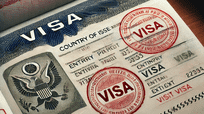
What Is A Pilgrimage Visa?
A Pilgrimage Visa is a special travel document issued by many countries to allow individuals to visit holy sites and engage in religious activities for a specified period. This visa is primarily intended for those undertaking spiritual journeys, religious tours, or attending major religious events. Unlike tourist visas, pilgrimage visas often have specific requirements such as sponsorship from recognized religious institutions, proof of accommodation near pilgrimage centers, and sometimes even medical clearances depending on the host country. The visa may be limited to specific cities or regions associated with religious significance, and it generally prohibits employment, business activities, or long-term residency. Pilgrimage visas can also vary in validity, entry options, and duration depending on the issuing country.
Eligibility Requirements For A Pilgrimage Visa
To obtain a pilgrimage visa, applicants must meet certain criteria set by the destination country. Typically, these requirements include a valid passport with at least six months’ validity, confirmed travel itinerary, proof of financial means to cover the trip, and sometimes sponsorship letters from religious organizations. Health certificates or vaccinations may be necessary depending on the region and local regulations. Applicants must also demonstrate the purpose of their journey is purely religious. In some countries, pilgrimage visas are limited to citizens of certain nations. Additionally, applicants may need to provide details of accommodation arrangements, return tickets, and a letter of recommendation from a recognized religious authority to strengthen their application.
How To Apply For A Pilgrimage Visa
Applying for a pilgrimage visa generally involves completing a formal application form online or at the embassy or consulate of the destination country. Applicants must submit all required supporting documents, including passport copies, photographs, proof of accommodation, travel itinerary, financial statements, and letters from religious organizations if required. Some countries may also require a processing fee. Once submitted, the application undergoes verification and background checks to confirm authenticity and eligibility. Interviews may be conducted in certain cases. After approval, the visa will be stamped or electronically issued, specifying the duration, number of entries allowed, and conditions of stay. Travelers should ensure they comply with all regulations to avoid penalties.
Duration And Validity Period Of A Pilgrimage Visa
The validity period of a pilgrimage visa can vary depending on the issuing country and the purpose of the pilgrimage. Generally, these visas are short-term, often ranging from a few weeks to a few months, sufficient to complete the religious journey. Single-entry visas may only allow one visit within the validity period, whereas multiple-entry visas may enable repeated visits over the validity timeframe. Some countries tie the validity period to specific religious events or pilgrimage seasons. Overstaying the permitted duration can result in fines, deportation, or future visa restrictions. Therefore, pilgrims should carefully check the dates, validity, and conditions outlined in the visa documentation before traveling.
Required Documents For Pilgrimage Visa
Obtaining a pilgrimage visa typically requires several critical documents. These often include a valid passport, recent passport-sized photographs, completed application forms, and proof of travel arrangements such as airline tickets and hotel bookings. In addition, financial statements showing the ability to support oneself during the trip, letters from religious institutions confirming participation, and health certificates may be requested. Some countries require vaccination proof, especially for mass gatherings. Ensuring all documents meet the embassy or consulate’s specifications is essential for approval. Missing, incomplete, or incorrectly formatted documents can lead to delays or rejection, making careful preparation critical for a successful pilgrimage visa application.
Tips For Maintaining Pilgrimage Visa Validity
Maintaining the validity of a pilgrimage visa involves adhering strictly to the rules set by the issuing authority. Travelers should ensure they enter the country within the visa’s effective dates and leave before expiration. Staying beyond the permitted period can result in penalties, fines, or bans on future travel. Pilgrims should also avoid engaging in activities prohibited under the visa, such as employment or business operations. Keeping all documents accessible and following local regulations is crucial. It’s also advisable to monitor any updates or extensions offered by the embassy or religious authorities, particularly if the pilgrimage involves longer durations or seasonal events that may extend the validity or allow for special accommodations.
Frequently Asked Questions
1. What Is The Validity Period Of A Pilgrimage Visa?
The validity period of a pilgrimage visa varies depending on the country issuing it, the type of pilgrimage, and whether it is single-entry or multiple-entry. Generally, most pilgrimage visas are short-term, ranging from two weeks to six months, providing sufficient time for travelers to complete their spiritual journey. Single-entry visas typically allow one visit within this period, while multiple-entry visas permit several visits within the validity timeframe. Some visas are tied to specific religious events or festivals, meaning they are valid only during those periods. Overstaying or violating visa conditions can lead to penalties, fines, or future travel restrictions, so understanding the exact validity period and entry conditions is essential for pilgrims planning their journey.
2. How Long Does It Take To Get A Pilgrimage Visa?
The processing time for a pilgrimage visa depends on the destination country, the completeness of the application, and the season. Generally, applications may take anywhere from a few days to several weeks. Countries with large pilgrimage events may experience longer processing times due to high demand. Providing accurate documents, proof of religious affiliation, and confirmed travel arrangements can expedite approval. Some countries offer expedited processing for urgent religious visits, but this often comes with additional fees. Applicants are advised to apply well in advance of their intended travel dates to avoid delays, ensure sufficient time for planning, and meet all entry requirements without stress.
3. How Much Does A Pilgrimage Visa Cost?
The cost of a pilgrimage visa varies depending on the issuing country, the type of visa, and the duration of stay. Typically, fees range from a modest amount to several hundred dollars, depending on whether the visa is single-entry or multiple-entry. Some countries may offer discounted rates for students, senior citizens, or religious groups. In addition to the official visa fee, applicants may incur additional costs for processing, courier services, or expedited approval. Payment is usually made online or at the embassy/consulate during submission. Understanding the complete cost, including potential hidden charges, ensures better budgeting and prevents financial surprises during the application process.
4. What Are The Eligibility Requirements For Obtaining A Pilgrimage Visa?
Eligibility for a pilgrimage visa often depends on nationality, purpose of travel, and sponsorship. Applicants generally must have a valid passport, sufficient funds, and proof of accommodation and travel arrangements. A letter from a recognized religious institution or authority confirming participation in the pilgrimage is usually required. Some countries may impose age, health, or vaccination requirements, particularly for mass gatherings. Applicants should also demonstrate that their travel purpose is purely religious and that they will not engage in employment or business during their stay. Meeting these eligibility criteria is critical to gaining approval and ensuring a smooth pilgrimage experience without legal complications.
5. Can A Pilgrimage Visa Be Extended?
In most cases, pilgrimage visas are short-term and not designed for extension. However, some countries allow extensions under special circumstances, such as medical emergencies, unavoidable travel disruptions, or extended participation in religious events. Extension applications must be submitted to the local immigration authority before the original visa expires and require justification and supporting documentation. Approval is not guaranteed and may involve additional fees. Pilgrims should plan their trip according to the original validity period and consult local authorities if an extension might be necessary. Attempting to overstay without approval can lead to fines, deportation, or future visa restrictions.
6. Is Multiple Entry Allowed With A Pilgrimage Visa?
Some pilgrimage visas are issued as multiple-entry visas, allowing the holder to enter and exit the country several times within the visa’s validity period. This is particularly useful for pilgrims attending multiple religious sites or events spread across different locations. Single-entry visas, however, restrict the traveler to one entry only. The specific terms are determined by the issuing country and clearly indicated on the visa document. Travelers should carefully review these terms to avoid violations, plan their itinerary accordingly, and ensure they do not miss any religious events due to entry restrictions.
7. What Documents Are Needed To Apply For A Pilgrimage Visa?
Applicants typically need a valid passport, completed visa application form, recent passport photographs, proof of travel arrangements, hotel bookings, financial statements, and a letter from a recognized religious organization. Health certificates, vaccination records, and additional supporting documents may also be required, depending on the country and the nature of the pilgrimage. Ensuring that all documents meet the specifications of the embassy or consulate is essential. Missing or incomplete documents can delay processing or result in visa rejection. Careful preparation of the application package increases the likelihood of successful approval.
8. Can I Work While On A Pilgrimage Visa?
No, a pilgrimage visa strictly prohibits employment or business activities during the period of stay. These visas are issued solely for religious purposes, including attending ceremonies, visiting holy sites, or participating in spiritual events. Engaging in work can result in visa cancellation, fines, deportation, or future restrictions on entry. Travelers should adhere strictly to the permitted activities and focus on their religious journey. Maintaining compliance ensures a positive pilgrimage experience and preserves eligibility for future visits.
9. Are There Age Restrictions For Pilgrimage Visa Applicants?
Some countries impose age restrictions for pilgrims, particularly for group travel or large religious gatherings. Children may require parental consent or accompanying adults, while elderly travelers may need medical certificates to confirm fitness for travel. Age restrictions ensure the safety and well-being of participants during potentially crowded or physically demanding religious events. Checking the specific regulations of the destination country is critical before applying to avoid delays or application rejection.
10. Do I Need A Sponsor To Obtain A Pilgrimage Visa?
Many countries require sponsorship from recognized religious institutions or authorities to validate the purpose of the pilgrimage. Sponsors often provide letters of invitation or confirmation that the applicant is participating in an organized religious event. This sponsorship helps immigration authorities verify the legitimacy of the visit and reduces the risk of misuse. In some countries, individual applications may also be accepted without formal sponsorship, but additional documentation may be required. Confirming sponsorship requirements is essential to avoid application rejection.
11. How Long Can I Stay On A Pilgrimage Visa?
The length of stay allowed on a pilgrimage visa depends on the issuing country and the type of visa. Typically, it ranges from two weeks to six months. Single-entry visas allow one visit, whereas multiple-entry visas may enable repeated visits within the validity period. The stay duration is strictly enforced, and overstaying can result in fines, deportation, or restrictions on future travel. Planning travel schedules according to the allowed stay ensures a smooth pilgrimage experience without legal complications.
12. Can I Travel To Other Cities On A Pilgrimage Visa?
Travel within the host country may be restricted depending on the visa conditions. Some pilgrimage visas limit movement to specific regions or holy sites, while others allow broader travel. It is important to check the visa’s terms and ensure compliance with local laws. Violating travel restrictions can lead to visa cancellation or legal consequences. Pilgrims should carefully plan their itinerary to respect geographic limitations and focus on the intended religious journey.
13. Are Medical Certificates Required For A Pilgrimage Visa?
Medical certificates may be required, especially for countries hosting large religious gatherings where health risks are elevated. Vaccination records, proof of good health, and sometimes specialized medical tests are requested to protect both pilgrims and local populations. The specific requirements vary by country and event type. Failure to provide necessary medical documentation can delay or prevent visa issuance. Applicants should consult the embassy or official pilgrimage guidelines to ensure compliance and safe travel.
14. Can I Apply For A Pilgrimage Visa Online?
Many countries now offer online application options for pilgrimage visas, allowing applicants to submit forms, documents, and payments digitally. Online applications can streamline processing, reduce errors, and provide tracking capabilities. However, some countries still require in-person submission at embassies or consulates, particularly for verification of documents or interviews. Checking the official immigration website of the destination country is essential to confirm the appropriate application method and avoid delays.
15. Are Pilgrimage Visas Country-Specific?
Yes, pilgrimage visas are typically issued by individual countries and are valid only for entry into the country that grants them. They cannot be used to travel to other nations. Each country sets its own eligibility criteria, validity period, and documentation requirements. Travelers intending to visit multiple countries for religious purposes must apply separately for visas to each destination, following local rules and timelines. Awareness of country-specific regulations ensures compliance and a seamless spiritual journey.
16. What Happens If I Overstay My Pilgrimage Visa?
Overstaying a pilgrimage visa can lead to serious consequences, including fines, deportation, and bans on future travel. Immigration authorities monitor visa expiration dates, and any violation can affect eligibility for subsequent visas. In some cases, overstaying may require legal proceedings or payment of penalties. Pilgrims should strictly adhere to the permitted duration and plan their departure accordingly. Awareness and compliance with visa terms are crucial for maintaining a positive record and avoiding travel complications.
17. Can Pilgrimage Visas Be Issued For Groups?
Many countries allow group applications for pilgrimage visas, particularly for organized religious tours. Group visas often require a coordinating organization, detailed itineraries, and collective sponsorship letters. Processing for groups may be faster and sometimes includes discounted fees. However, all participants must meet individual eligibility criteria, including valid passports, health certificates, and adherence to local regulations. Group applications streamline logistics but still require careful preparation to avoid delays or rejections.
18. Are There Special Pilgrimage Visas For Major Religious Festivals?
Yes, some countries issue special pilgrimage visas tied to major religious festivals or seasonal events. These visas have specific validity periods aligned with the festival dates and may include additional regulations to manage crowd control, health, and safety. Applicants must apply within designated timelines and provide supporting documents confirming participation in the festival. Special festival visas often prioritize timely submission and compliance with event-specific guidelines to ensure orderly conduct during high-traffic periods.
19. Can Pilgrimage Visa Holders Enter Multiple Countries On One Visa?
No, a pilgrimage visa is typically valid only for the issuing country. Travelers wishing to visit multiple countries for religious purposes must obtain separate visas for each destination. Attempting to enter other countries with a pilgrimage visa can result in denial of entry. Understanding this limitation is essential for planning multi-country religious journeys and ensuring that all necessary visas are obtained before travel to avoid disruptions.
20. How Can I Check The Validity Of My Pilgrimage Visa?
The validity of a pilgrimage visa can be checked through official channels, such as the embassy or consulate of the issuing country, or online visa verification systems if available. The visa document itself includes information on the duration, number of entries allowed, and expiration date. Travelers should regularly review these details and ensure compliance with the stated conditions. Keeping digital and physical copies of the visa and related documents is advisable for reference during travel, particularly for entry, exit, and immigration checks.
Further Reading
- How Much Does A Pilgrimage Visa Cost?
- How Long Does It Take To Get A Pilgrimage Visa?
- What Are The Eligibility Requirements For Obtaining A Pilgrimage Visa?
- How To Apply For And Get A Pilgrimage Visa
- What Is A Pilgrimage Visa? | Definition, Eligibility Requirements, Cost, Documents, Duration, Validity, How To Apply For A Pilgrimage Visa
- What Countries Offer Electronic Visa (E-Visa)?
- Are Electronic Visas (E-Visas) Recognized Globally?
- Can I Travel With An Electronic Visa (E-Visa) On A Mobile Device?
- Can I Apply For An Electronic Visa (E-Visa) On Behalf Of Someone Else?
- How To Check The Status Of Your Electronic Visa (E-Visa)?
- Should I Choose An Electronic Visa (E-Visa) Or A Traditional Visa?