
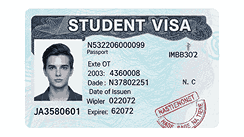
What Is A Student Visa?
A student visa is an official document issued by a country that allows international students to legally study at accredited educational institutions within its borders. It is typically granted for a specific period, corresponding to the length of the academic program, and comes with specific requirements, such as maintaining full-time enrollment, achieving satisfactory academic progress, and complying with immigration laws. Student visas are essential for those who wish to pursue higher education abroad, offering opportunities for personal growth, cultural exchange, and skill development. Understanding the responsibilities and obligations tied to a student visa is crucial to avoid violations that may lead to its revocation.

Maintaining Academic Performance And Attendance
One of the primary reasons a student visa can be revoked is failure to maintain satisfactory academic performance or required attendance. Immigration authorities expect students to actively engage in their studies and meet the minimum academic standards set by their institution. Falling below these standards or frequently missing classes can be considered a violation of visa terms. Maintaining proper documentation of grades, attendance, and academic progress is essential. Students should regularly communicate with their academic advisors and seek support if they face challenges. Schools are obligated to report students who do not meet requirements, which can directly trigger visa revocation if not promptly addressed.
Providing False Information During Application

Submitting false or misleading information during the student visa application process is a serious offense that can result in immediate revocation. This includes falsifying academic records, financial documents, or personal identification. Immigration authorities have sophisticated verification systems to detect discrepancies. Any discovered misrepresentation, even after a visa has been issued, can lead to cancellation. Applicants should ensure all documents are accurate, truthful, and verifiable. Being transparent about past academic or legal issues is critical. Misrepresentation not only jeopardizes the visa but can also impact future applications, making it a permanent mark on the student’s immigration record.
Engaging In Criminal Activities
Committing crimes or engaging in illegal activities is a major reason for revoking a student visa. Laws in most countries require students to adhere to local regulations, and criminal behavior is strictly monitored by law enforcement and immigration authorities. Convictions for crimes such as theft, assault, drug-related offenses, or other illegal acts can immediately trigger visa cancellation. Students must understand local laws and regulations, avoid risky situations, and seek legal assistance if confronted with charges. Being involved in criminal activities not only jeopardizes legal residency but also affects personal safety, reputation, and future immigration opportunities.
Violating Work Restrictions
Student visas often come with specific work restrictions, including limits on the number of hours or types of employment allowed. Violating these conditions, such as working more hours than permitted or engaging in unauthorized employment, can lead to revocation. Authorities monitor compliance closely, and employers may report violations. Students should be fully aware of the regulations governing work while studying and ensure any employment is legally authorized. Ignoring these restrictions not only risks the student visa but also exposes students to fines, penalties, and potential deportation, making it crucial to strictly follow all employment guidelines.
Overstaying Visa Duration
Failing to depart the host country upon the expiration of a student visa or ignoring extension requirements is a common reason for revocation. Immigration authorities track entry and exit dates, and overstaying can result in penalties, legal action, or permanent bans. Students should apply for extensions well in advance if their studies are not yet complete and maintain documentation of all immigration-related correspondence. Timely compliance with visa duration regulations demonstrates respect for the host country’s laws and prevents unnecessary complications, ensuring the student’s stay remains lawful and uninterrupted throughout the academic program.
Involvement In Fraudulent Activities
Engaging in fraudulent schemes, including academic fraud, financial scams, or visa-related deception, can result in immediate visa revocation. Immigration authorities actively investigate suspicious activities and coordinate with educational institutions. Students must avoid involvement in illegal or unethical actions and report any attempts to manipulate systems for personal gain. Participation in fraudulent activities can have long-term consequences beyond visa cancellation, including criminal charges, denial of future visas, and a damaged personal record. Maintaining integrity, honesty, and transparency in all dealings is essential to ensure the student visa remains valid throughout the period of study.
Failing To Maintain Health Insurance Or Required Documentation
Many countries require international students to maintain health insurance and submit regular documentation to confirm compliance with visa regulations. Failure to provide proof of insurance, updated medical records, or necessary academic and financial documents can lead to revocation. Authorities view these requirements as essential for student safety and accountability. Students should ensure they understand all documentation obligations, keep records updated, and promptly submit any requested materials. Compliance with administrative and legal documentation requirements is a key factor in maintaining a valid student visa and avoiding unnecessary complications.
Misrepresentation Of Study Purpose
Using a student visa for purposes other than studying, such as attempting to gain permanent residency or engaging in activities not aligned with the original visa intent, can result in revocation. Authorities scrutinize whether students adhere to the stated purpose of their visa, and deviation can be considered a violation. Students must focus on their academic program, participate in approved activities, and avoid actions that might be interpreted as misusing their student status. Transparent intentions and adherence to visa objectives ensure compliance with immigration regulations and prevent revocation.
Breaching Housing Or Residency Requirements
Certain student visas require students to maintain approved housing or comply with specific residency regulations. Violating these conditions, such as living outside approved accommodations or failing to register residence with local authorities, can be grounds for revocation. Immigration authorities monitor residential compliance closely, and schools often report discrepancies. Maintaining accurate housing information, adhering to registration requirements, and notifying authorities of changes in residence are crucial steps to prevent unnecessary visa cancellation and ensure a stable living arrangement while studying abroad.
Conclusion
Maintaining a student visa requires careful attention to academic performance, legal compliance, employment restrictions, documentation, and residency obligations. Violations in any of these areas can result in revocation, legal consequences, and potential deportation. Students must remain proactive, seek guidance from advisors, adhere to regulations, and ensure that all information submitted to authorities is accurate. Understanding the responsibilities associated with a student visa and taking preventative measures can help international students enjoy a secure and uninterrupted educational experience abroad.
Frequently Asked Questions
1. What Are Reasons Why A Student Visa Can Be Revoked?
A student visa can be revoked for several reasons, including failing to maintain satisfactory academic performance, providing false or misleading information during the visa application process, engaging in criminal activities, violating work restrictions, overstaying the visa duration, participating in fraudulent schemes, failing to maintain health insurance or required documentation, misrepresenting the purpose of study, or breaching housing and residency requirements. Immigration authorities monitor students closely to ensure compliance with regulations. Any violation, even if unintentional, can lead to revocation. Students must adhere to all academic, legal, and administrative obligations, maintain transparent communication with their institutions, and avoid activities that could jeopardize their visa status to ensure continued lawful residency.
2. How Can Academic Performance Affect Student Visa Revocation?
Maintaining satisfactory academic performance is crucial for retaining a student visa. Falling below the required academic standards or missing classes can prompt institutions to report non-compliance to immigration authorities, who may then revoke the visa. International students are expected to demonstrate progress in their studies, attend classes regularly, and meet all academic requirements. Academic probation or consistent poor performance can be interpreted as non-compliance with visa conditions. Proactively seeking academic support, tutoring, or counseling services can help students improve performance and prevent visa issues. Maintaining documentation of grades, attendance, and communication with academic advisors is also essential to demonstrate compliance and responsibility.
3. Can Providing False Information Lead To Visa Revocation?
Yes, submitting false information during the visa application process can result in immediate revocation. This includes falsifying academic credentials, financial proof, or personal identification. Even minor discrepancies can be flagged by immigration authorities through verification checks. Misrepresentation can affect the student’s eligibility for future visas and create permanent marks on their immigration record. Students should ensure that all documents submitted are accurate, truthful, and verifiable. Being transparent about any past academic or legal issues is essential. Providing accurate information not only maintains visa validity but also fosters trust with immigration authorities and ensures a smooth study abroad experience without legal complications.
4. What Criminal Activities Can Cause A Student Visa To Be Revoked?
Committing crimes such as theft, assault, drug offenses, or other illegal activities can result in immediate student visa revocation. Immigration authorities monitor criminal records closely, and convictions can trigger cancellation. Students are required to adhere to local laws and regulations at all times. Even minor legal infractions can have serious consequences if reported. Staying informed about local legal norms, avoiding risky behavior, and seeking legal counsel when necessary is essential. Criminal activities not only jeopardize visa status but also affect safety, reputation, and future immigration opportunities. Maintaining lawful conduct is critical to preserving a valid student visa and ensuring uninterrupted studies abroad.
5. How Do Work Restrictions Impact Student Visa Status?
Student visas often limit the number of hours a student can work or specify allowable employment types. Exceeding these limits or engaging in unauthorized work can lead to visa revocation. Immigration authorities and employers monitor compliance with work restrictions. Students must understand their employment eligibility, adhere to regulations, and obtain necessary authorization before starting work. Violating work restrictions can result in fines, penalties, and potential deportation. Awareness of visa-specific employment rules and diligent adherence are necessary to maintain lawful status. Ensuring all work is legally permitted and within prescribed limits helps students avoid revocation and remain compliant throughout their study period.
6. Can Overstaying A Student Visa Lead To Revocation?
Overstaying a student visa is a common reason for revocation. Immigration authorities track entry and exit dates, and failure to depart upon visa expiration can result in penalties or bans. Students must apply for extensions in advance if their academic program is not yet complete. Maintaining proper documentation and timely communication with immigration offices is essential. Overstaying undermines compliance with visa conditions and can affect eligibility for future visas. Proactive management of visa duration ensures students maintain legal residency and avoid unnecessary complications. Compliance with entry and exit regulations is crucial to preserving student visa status and ensuring uninterrupted studies abroad.
7. What Role Does Fraud Play In Student Visa Revocation?
Engaging in fraudulent activities, including academic fraud, financial scams, or visa deception, can lead to immediate revocation. Immigration authorities investigate suspicious activities and collaborate with educational institutions to identify misconduct. Participation in fraudulent schemes can result in criminal charges, denial of future visas, and permanent damage to the student’s record. Students must act ethically and transparently in all dealings. Avoiding illegal or unethical behavior is essential to maintain visa validity. Demonstrating honesty and integrity in academic, financial, and immigration matters ensures compliance with regulations, safeguards the student’s status, and promotes a positive study abroad experience.
8. How Does Health Insurance Compliance Affect Student Visa Validity?
Many countries require international students to maintain valid health insurance. Failure to provide proof of coverage or submit required medical documentation can trigger visa revocation. Health insurance ensures student safety and compliance with immigration policies. Students should stay informed about insurance requirements, keep records up to date, and promptly provide requested documentation. Maintaining insurance coverage throughout the study period demonstrates responsibility and adherence to regulations. Non-compliance not only risks visa cancellation but can also expose students to medical and financial challenges. Regular verification of insurance status and timely submission of documentation are key to preserving student visa status.
9. Can Misrepresentation Of Study Purpose Result In Visa Cancellation?
Using a student visa for purposes other than studying, such as seeking permanent residency or working unlawfully, can lead to revocation. Immigration authorities evaluate whether students are adhering to the stated intent of their visa. Misrepresentation can be detected through routine checks, interviews, or reporting by institutions. Students must focus on academic objectives and participate only in authorized activities. Ensuring all actions align with visa purpose safeguards legal status and prevents complications. Transparent communication with authorities and strict adherence to study objectives are necessary to maintain compliance and avoid revocation due to misuse of student visa privileges.
10. What Housing Or Residency Violations Can Lead To Visa Revocation?
Some student visas mandate living in approved accommodations and registering residence with local authorities. Violating these requirements, such as residing elsewhere without approval, can result in visa revocation. Schools often monitor residential compliance and report discrepancies to immigration authorities. Students must maintain accurate housing records, follow registration procedures, and notify authorities of any changes. Compliance with housing regulations ensures stability and legal residency. Non-compliance risks cancellation of the student visa and potential deportation. Awareness of residency obligations and timely adherence are essential for maintaining a valid visa and avoiding unnecessary legal or administrative issues during the study period.
11. How Important Is Communication With Educational Institutions?
Maintaining open communication with educational institutions is vital to prevent visa revocation. Institutions report non-compliance, academic issues, or attendance problems to immigration authorities. Proactive communication ensures timely support, guidance, and documentation for visa compliance. Students should notify schools of personal, academic, or legal challenges and seek assistance when needed. Effective communication demonstrates responsibility and transparency, helping resolve potential issues before they escalate. Institutions can provide interventions such as academic counseling or documentation support to prevent violations that may trigger visa revocation. Active engagement with the school is a key factor in maintaining lawful student status.
12. Can Legal Violations Other Than Criminal Offenses Affect Visa Status?
Yes, legal violations beyond criminal offenses, such as breaches of immigration law, unauthorized work, or non-compliance with administrative rules, can affect student visa status. Authorities monitor compliance with all legal obligations tied to the visa. Ignoring immigration directives, failing to update personal information, or violating study-related regulations can lead to revocation. Students should understand and adhere to the full spectrum of legal requirements. Awareness of local regulations, timely reporting of changes, and proactive compliance prevent inadvertent violations. Maintaining lawful behavior in all areas ensures continued eligibility for student visa privileges and avoids complications during the study period.
13. How Can Financial Mismanagement Influence Student Visa Status?
Student visas often require proof of sufficient funds to cover tuition and living expenses. Financial mismanagement, such as depletion of funds or providing inaccurate financial documentation, can trigger revocation. Authorities may verify the student’s ability to support themselves, and failure to meet financial obligations signals non-compliance. Students should maintain accurate financial records, provide truthful statements, and ensure consistent funding throughout their studies. Mismanagement or falsification of financial information can result in visa cancellation, fines, or future ineligibility. Sound financial planning and transparent reporting are essential to maintain student visa status and support a stable educational experience.
14. Can Changing Study Programs Affect Visa Validity?
Switching academic programs without proper authorization can affect visa validity. Immigration authorities issue visas based on a specific program and institution, and changes may require updated approvals. Students must consult both their institution and immigration office before altering their program. Unauthorized changes can be considered a violation and may lead to revocation. Ensuring that all academic modifications are formally documented and approved maintains compliance. Proper coordination with institutional advisors and immigration authorities guarantees that program changes do not jeopardize the student’s legal status or future eligibility for visas.
15. Are International Travel Restrictions Important For Student Visa Holders?
Yes, student visa holders must adhere to travel restrictions and maintain legal entry and exit documentation. Unauthorized international travel, overstaying abroad, or failing to report absences can result in revocation. Immigration authorities track student movement and expect compliance with travel-related conditions. Students should obtain necessary permissions, carry appropriate documentation, and report extended absences to the institution. Compliance ensures uninterrupted study, maintains lawful residency, and avoids complications with immigration authorities. Awareness and adherence to travel rules are crucial for preserving student visa status while enabling legitimate travel for personal or academic reasons.
16. How Does Non-Compliance With Reporting Requirements Affect Visa Status?
Many student visas require reporting updates on academic progress, residency, or personal information. Failure to submit reports or provide accurate information can trigger revocation. Authorities rely on these reports to monitor compliance. Students must understand all reporting obligations and submit documentation timely. Non-compliance may result in warnings, fines, or immediate cancellation of the visa. Maintaining accurate records, proactive communication, and timely submissions demonstrate responsibility and adherence to regulations. Consistent compliance prevents complications and ensures the student remains in good standing with both the institution and immigration authorities throughout the study period.
17. Can Immigration Audits Lead To Visa Revocation?
Yes, immigration audits can uncover non-compliance, leading to student visa revocation. Authorities periodically review student records, academic performance, employment, residency, and financial documentation. Any discrepancies or violations identified during audits may result in cancellation. Students should maintain organized, accurate, and up-to-date records of all visa-related documentation. Being prepared for audits, proactively addressing issues, and responding promptly to inquiries minimizes risks. Compliance with all visa conditions ensures a favorable outcome during audits and helps students retain lawful status while studying abroad.
18. How Do Academic Integrity Violations Impact Visa Status?
Violations of academic integrity, such as plagiarism, cheating, or submitting fraudulent assignments, can result in visa revocation. Educational institutions report such misconduct to immigration authorities, viewing it as a breach of student visa conditions. Students must adhere to ethical academic standards and seek guidance on proper research and citation practices. Maintaining integrity protects the student’s reputation, legal status, and eligibility for future academic opportunities. Academic misconduct not only jeopardizes immediate visa status but can have long-term consequences on career prospects, institutional standing, and potential future immigration applications.
19. Can Non-Compliance With Cultural Or Community Regulations Affect Student Visa?
In some countries, student visas may require compliance with local cultural, social, or community regulations. Violations, such as participation in prohibited activities or failure to respect local customs, can impact visa status. Authorities monitor adherence to broader societal expectations, and breaches may trigger revocation. Students should familiarize themselves with local norms, follow regulations, and engage respectfully with the community. Compliance ensures positive integration, reduces risk of administrative action, and maintains the validity of the student visa. Being culturally aware and legally compliant supports a safe, enriching study abroad experience.
20. How Can Students Prevent Visa Revocation?
Preventing student visa revocation requires proactive compliance with academic, legal, financial, and residency requirements. Students should maintain satisfactory academic performance, provide truthful documentation, avoid criminal or fraudulent activities, adhere to work restrictions, and comply with health insurance, reporting, and residency obligations. Regular communication with educational institutions and immigration authorities helps address potential issues before escalation. Staying informed about visa conditions, keeping accurate records, and seeking guidance when needed ensures students maintain lawful status. By prioritizing transparency, responsibility, and adherence to regulations, international students can enjoy uninterrupted studies, avoid legal complications, and preserve their future immigration opportunities.
Further Reading
- Can A Student Visa Be Revoked? | Everything About Student Visa Revocation
- Can A Student Visa Be Cancelled? | Everything About Student Visa Cancellation
- Can I Bring My Family On A Student Visa?
- Can I Sponsor Myself For A Student Visa?
- Is A Student Visa Hard To Get?
- What Documents Are Required For A Student Visa?
- How To Renew Your Student Visa: Everything About Student Visa Renewal
- What Are The Reasons Why A Student Visa May Be Denied? | Everything About Student Visa Denial
- Can A Student Visa Be Denied?
- Do I Need Insurance For A Student Visa?
- Can I Change Schools On A Student Visa?
- How To Get A Student Visa: Eligibility Requirements, Application Process, Documents, Interview Tips For A Student Visa
- How To Track A Student Visa Application
- What Is The Easiest Country To Get A Student Visa?