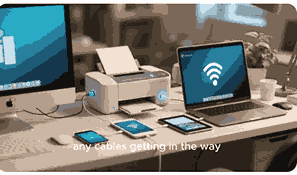
Posted on Leave a comment

Why Is My Printer Printing Slow Over Wi-Fi? | Causes, Fixes, And Speed Optimization For Wireless Printers

Printers connected over Wi-Fi can sometimes be frustratingly slow compared to their wired counterparts. Many users encounter delays when sending documents to print, with issues ranging from weak Wi-Fi signals to outdated drivers. Slow wireless printing can affect productivity in homes and offices, leading to wasted time and unnecessary frustration. Understanding the causes of slow printing and learning effective solutions will help you speed up your Wi-Fi printer and improve your overall printing experience. This guide explores the most common reasons behind slow wireless printing, how to troubleshoot them, and practical steps to ensure faster and more reliable print performance.

What Is A Printer?

A printer is a hardware device that produces a physical copy of digital documents, images, or files stored on a computer, smartphone, or tablet. Printers work by interpreting the data sent from a device and converting it into ink or toner impressions on paper. They come in different types such as inkjet printers, laser printers, and multifunction printers, each designed for specific printing needs. Modern printers often include wireless connectivity features like Wi-Fi, Bluetooth, or cloud-based printing, allowing users to print without direct physical connections. With Wi-Fi printing, convenience is enhanced, but factors such as network speed, printer memory, driver compatibility, and interference can sometimes slow down the printing process.

Common Reasons Why Printers Print Slow Over Wi-Fi

Wireless printers may print slowly due to weak Wi-Fi signals, outdated firmware, or interference from other devices. A weak network connection can cause delays in data transfer from the computer to the printer. Background applications consuming bandwidth can also reduce printing speeds. Printer settings, such as enabling high-resolution printing, may further slow down the process. Additionally, if your printer’s firmware or drivers are outdated, the communication between devices may not be optimized. For larger documents with complex graphics, the printer may take longer to process and print, especially if the internal memory is limited. Understanding these causes helps in finding appropriate solutions.

How Wi-Fi Signal Strength Affects Printer Speed

The strength of your Wi-Fi connection plays a crucial role in wireless printing performance. If your printer is located far from the router or blocked by walls and obstacles, the signal may weaken, causing slow data transmission. Printers rely on stable connections to receive print jobs without interruptions. Interference from nearby devices, such as microwaves or other Wi-Fi-enabled electronics, can also disrupt the signal. A poor connection results in slower printing speeds and sometimes incomplete jobs. Positioning the printer closer to the router or using Wi-Fi range extenders can significantly improve performance and reduce printing delays.

Impact Of Printer Drivers And Firmware On Wireless Printing

Outdated or incompatible printer drivers and firmware often contribute to slow Wi-Fi printing. Drivers act as communication bridges between your device and the printer, ensuring instructions are properly translated. If these drivers are not updated, print jobs may experience delays or errors. Similarly, outdated firmware can limit the printer’s ability to handle modern file formats or network configurations efficiently. Regularly updating your printer’s drivers and firmware not only resolves speed issues but also enhances security and compatibility. Manufacturers frequently release updates that address performance bugs and optimize Wi-Fi printing functions.

The Role Of Network Bandwidth In Printing Speed

Network bandwidth is another factor that impacts printing performance over Wi-Fi. In shared environments where multiple devices are connected to the same network, bandwidth may be limited. Activities such as video streaming, large file downloads, or online gaming consume significant bandwidth, slowing down the transmission of print jobs. This can cause documents to take longer to start printing, especially large files with images or graphics. To improve performance, prioritize the printer on the network or reduce bandwidth-heavy activities while printing. A dual-band router can also help allocate faster connections to the printer, enhancing speed.

Importance Of Printer Settings In Wi-Fi Printing

Printer settings can directly influence the speed of wireless printing. High-resolution settings or duplex (double-sided) printing often require more processing time. Similarly, advanced features like borderless printing or photo-quality outputs may slow down operations compared to standard text printing. Adjusting printer settings to draft or normal quality mode can speed up everyday printing tasks while saving ink or toner. For offices and homes with frequent printing needs, customizing settings for specific types of jobs can significantly improve efficiency. Balancing quality with speed is key to optimizing printer performance over Wi-Fi.

Troubleshooting Slow Wi-Fi Printing Issues

When troubleshooting slow Wi-Fi printing, start by checking the network connection strength. Restart both the router and the printer to refresh connections. Ensure the printer firmware and drivers are updated to the latest versions. Reconfigure wireless settings, and if possible, connect the printer to the 5GHz Wi-Fi band instead of 2.4GHz for faster data transfer. Reduce background tasks that consume bandwidth and consider relocating the printer closer to the router. If problems persist, resetting the printer’s network settings and reconnecting to the Wi-Fi can resolve hidden conflicts that affect performance.

How Printer Memory And Processing Power Affect Speed

Printer memory and internal processors determine how efficiently a printer handles print jobs. Low memory capacity may cause delays when processing large documents or graphics-heavy files. In such cases, the printer must process data in smaller chunks, slowing output speed. Higher-end models with larger memory and faster processors handle complex jobs more smoothly, even over Wi-Fi. If your printer supports memory upgrades, adding extra RAM can significantly improve performance. Choosing the right printer with adequate processing power is essential for environments where large or frequent print jobs are common.

Benefits Of Using Wired Connections Over Wi-Fi

Although Wi-Fi printing offers flexibility, wired connections such as USB or Ethernet often provide faster and more stable performance. Wired connections are less prone to interference and network congestion, ensuring data is transmitted directly without delays. For users who frequently print large documents, wired printing eliminates the lag associated with Wi-Fi signals. Some printers allow dual connectivity, letting you switch between wired and wireless depending on the situation. If speed and reliability are top priorities, using a wired connection may be a better choice, especially in office environments.

Optimizing Router Settings For Faster Printing

Router settings play an important role in improving Wi-Fi printing speeds. Updating router firmware, enabling Quality of Service (QoS), and assigning priority to the printer can reduce delays. Ensure the router is placed in a central location, free from obstructions that weaken signals. Switching to a less congested Wi-Fi channel can also minimize interference from neighboring networks. For maximum performance, configure the printer on the 5GHz band, which offers faster speeds compared to 2.4GHz. Regular router reboots help maintain smooth connections and ensure efficient wireless printing.

Conclusion

Slow printing over Wi-Fi can be frustrating, but it is often caused by fixable issues such as weak signals, outdated drivers, bandwidth limitations, or printer settings. By improving Wi-Fi strength, updating software, optimizing router configurations, and adjusting print settings, you can significantly increase printing speed. In some cases, upgrading printer hardware or using a wired connection may provide a more permanent solution. Understanding the underlying factors and applying practical fixes will help you achieve faster, smoother, and more efficient wireless printing both at home and in office environments.

Frequently Asked Questions

1. Why Is My Printer Printing Slow Over Wi-Fi?

A printer may print slowly over Wi-Fi due to weak network signals, outdated drivers, interference from other devices, or limited bandwidth. When a printer receives data wirelessly, any instability in the connection causes delays in processing and output. High-resolution settings, duplex printing, or complex documents with images also add to the printing time. Router placement, distance from the printer, and network congestion play key roles in performance. Updating printer firmware, adjusting settings to draft mode, and placing the printer closer to the router usually improves speed. Switching to the 5GHz Wi-Fi band or using a wired connection can further enhance performance.

2. How Can I Speed Up My Printer Over Wi-Fi?

You can speed up your printer over Wi-Fi by improving the signal strength and reducing interference. Place your printer closer to the router or use a Wi-Fi extender to stabilize the connection. Update your printer’s drivers and firmware to ensure compatibility and faster communication. Switch the connection to a 5GHz Wi-Fi band for quicker transmission compared to the 2.4GHz band. Adjust printer settings to draft or standard quality instead of high resolution to reduce processing time. If bandwidth is limited due to other devices, pause heavy activities like video streaming during printing. For best results, restart your router regularly.

3. Why Does My Wireless Printer Take So Long To Print?

A wireless printer may take a long time to print due to network congestion, weak Wi-Fi signals, or outdated firmware. Large print jobs with images or high-resolution content require more processing power and memory, slowing the output. Interference from household electronics or neighboring networks may further degrade the signal. Bandwidth-heavy activities on the same network, such as online gaming or streaming, can delay printing tasks. Adjusting printer settings, updating drivers, and positioning the printer closer to the router help improve speed. If issues persist, consider connecting the printer via Ethernet or USB for faster and more stable performance.

4. How Do Wi-Fi Signal Strength And Distance Affect Printing Speed?

Wi-Fi signal strength and distance directly impact how quickly a printer receives and processes print jobs. If the printer is placed far from the router or obstructed by walls, the signal weakens, causing delays and incomplete transmissions. The weaker the signal, the slower the print speed becomes. Interference from nearby wireless devices also disrupts the connection. To improve performance, reduce the distance between the printer and router or use a Wi-Fi extender. Configuring the printer to connect on the 5GHz band helps avoid congestion on the 2.4GHz frequency. Stronger signals ensure faster, smoother, and more consistent wireless printing.

5. How Do Printer Drivers Affect Wi-Fi Printing Performance?

Printer drivers act as a communication bridge between your computer and the printer. If they are outdated or incompatible, print jobs may slow down or even fail to complete. Updated drivers ensure the printer can handle file formats and network instructions efficiently. Manufacturers regularly release updates to fix bugs, enhance speed, and improve wireless performance. Without these updates, your printer may process jobs inefficiently, leading to delays. Installing the latest drivers from the manufacturer’s website is recommended. Properly maintained drivers minimize errors and boost overall printing speed, especially when working over Wi-Fi connections in busy environments.

6. Can Router Settings Improve Wireless Printing Speed?

Yes, router settings can significantly improve wireless printing speed. Features like Quality of Service (QoS) allow you to prioritize the printer over other devices, reducing delays. Updating router firmware ensures compatibility with modern printers and enhances performance. Switching to a less congested Wi-Fi channel minimizes interference from neighboring networks. Placing the router in a central location without obstructions improves signal strength. If available, use the 5GHz band for faster transmission. Regularly restarting the router also prevents network slowdowns. Optimizing router configurations ensures smoother data transfer between your devices and the printer, leading to quicker wireless printing results.

7. Why Does My Printer Print Slower Over Wi-Fi Than USB?

Wi-Fi connections are more prone to interference and signal loss compared to USB connections. With USB, data is transmitted directly to the printer without depending on wireless signals, making it faster and more stable. Over Wi-Fi, network congestion, signal strength, and interference from other devices can slow printing speeds. Bandwidth limitations may also cause delays, especially in busy networks. If speed is a top priority, using a USB or Ethernet connection often outperforms wireless printing. However, optimizing your Wi-Fi network, updating firmware, and adjusting settings can help reduce the speed gap between Wi-Fi and wired printing.

8. How Does Bandwidth Usage Affect Wireless Printing?

Bandwidth usage affects wireless printing because the printer shares the same network resources with other devices. When multiple devices are streaming, downloading, or gaming, available bandwidth reduces, causing delays in print jobs. Large files, especially those with graphics, require higher bandwidth and may take longer to process. If bandwidth is consistently limited, printing speed suffers significantly. To solve this, schedule print jobs during off-peak times or prioritize your printer in router settings. A dual-band router helps distribute devices between 2.4GHz and 5GHz bands, freeing up bandwidth for the printer. Minimizing competing activities ensures faster wireless printing performance.

9. What Role Does Printer Memory Play In Printing Speed?

Printer memory determines how quickly a printer processes and prints documents, especially large or complex files. When memory is limited, the printer must process data in smaller portions, which slows down the printing process. Higher-end printers with more memory handle multiple pages or graphics-heavy documents more efficiently. Some printers allow memory upgrades to boost performance. For everyday users, printer memory may not seem important, but in office environments with frequent large print jobs, it makes a significant difference. Adequate memory ensures smooth, uninterrupted printing and reduces the time required to complete wireless print tasks.

10. How Can I Reduce Wireless Printing Delays?

You can reduce wireless printing delays by ensuring your printer has a strong and stable Wi-Fi connection. Place the printer close to the router or use a Wi-Fi extender. Update your printer’s drivers and firmware regularly for compatibility and speed improvements. Switch to the 5GHz band to avoid congestion and achieve faster transmission. Adjust printer settings to draft or normal mode to reduce processing time. Limit bandwidth-heavy activities on the same network during printing. Restarting the router and printer often resolves temporary delays. If delays continue, consider using an Ethernet or USB connection for faster and more reliable printing.

11. Why Does My Printer Take A Long Time To Print Pictures Over Wi-Fi?

Printing pictures over Wi-Fi takes longer because images require more data and processing compared to text documents. High-resolution photo printing demands more bandwidth and memory, leading to delays, especially on slower networks. Wireless interference and weak signals can further slow transmission. Adjusting the print quality setting from high to standard reduces processing time while still producing good results. Ensure your printer drivers and firmware are updated for optimized performance. Positioning the printer closer to the router and using the 5GHz band can also speed up picture printing. Wired connections may provide faster and more consistent results for photo-heavy jobs.

12. How Do Interference And Obstructions Affect Printer Speed?

Interference and obstructions greatly affect printer speed when using Wi-Fi. Devices like cordless phones, microwaves, and other wireless gadgets operate on similar frequencies and can disrupt signals. Thick walls, floors, and furniture between the printer and router weaken the connection, slowing down data transfer. The weaker the signal, the longer it takes for print jobs to complete. To resolve this, place the router in a central, open location and minimize obstructions. Switching the printer to the 5GHz frequency band also reduces interference. Stronger and cleaner signals result in faster, more efficient wireless printing, ensuring smoother document processing.

13. Can Changing Printer Settings Improve Wi-Fi Printing Speed?

Yes, changing printer settings can improve Wi-Fi printing speed. High-resolution or duplex printing consumes more processing time, slowing down the job. Switching to draft or normal quality reduces the data load, allowing faster output. For text documents, avoid photo-quality modes unless necessary. Disabling unnecessary features, like borderless printing or advanced color management, can also speed up the process. Selecting the appropriate paper size and print mode tailored to the task improves efficiency. By balancing quality and performance in settings, users can significantly reduce delays and enjoy quicker printing over Wi-Fi connections, especially for everyday tasks.

14. Why Does My Printer Print Slowly After Updating Wi-Fi?

After updating Wi-Fi, your printer may print slowly if the settings are not reconfigured properly. Sometimes, firmware updates or router changes reset configurations, causing compatibility issues. The printer may reconnect to a congested channel or default to the slower 2.4GHz band. Additionally, driver conflicts after updates can slow communication between devices. To fix this, re-add the printer to the network, ensure it’s on the 5GHz band, and update both router firmware and printer drivers. Restarting both devices helps refresh connections. Proper reconfiguration after updates ensures the printer communicates smoothly over Wi-Fi, restoring normal printing speeds.

15. How Can I Fix A Printer That Is Slow Over Wi-Fi?

Fixing a printer that is slow over Wi-Fi involves checking several factors. First, ensure the printer is positioned near the router for stronger signals. Update the printer drivers and firmware to the latest versions. Switch the connection to the faster 5GHz Wi-Fi band instead of 2.4GHz. Reduce bandwidth usage by pausing activities like streaming during printing. Adjust printer settings to draft mode for quicker output. Restarting both the printer and router helps resolve temporary issues. If delays continue, reset the network settings on the printer and reconnect it properly. Using Ethernet or USB connections offers an alternative solution for speed.

16. Why Is My Printer Printing Slowly On Large Documents Over Wi-Fi?

Large documents take longer to print over Wi-Fi because they require more processing and memory. If the printer’s memory is limited, it breaks the job into smaller chunks, slowing down output. Wireless transmission of big files also stresses network bandwidth, especially on shared or congested networks. Complex documents with images, charts, and formatting demand additional processing time. To speed things up, reduce the resolution setting, break the document into smaller sections, or use draft mode. Upgrading printer memory or using a wired connection can significantly improve speed when handling large and complex documents over Wi-Fi networks.

17. How Do Software Updates Help Improve Wireless Printing Performance?

Software updates, including printer drivers and firmware, help improve wireless printing performance by fixing bugs, enhancing compatibility, and optimizing speed. Manufacturers release updates to ensure their printers can efficiently handle modern network protocols and file formats. Outdated software may cause delays, miscommunication, or errors during printing. Updating ensures smoother data transfer and faster processing, reducing the chances of slow printing. Router firmware updates also enhance connectivity and minimize interference. Regularly checking for updates and installing them ensures your wireless printer runs at its best, providing faster, more reliable, and more secure performance over Wi-Fi connections.

18. Why Does My Printer Pause Frequently When Printing Over Wi-Fi?

A printer may pause frequently when printing over Wi-Fi due to weak signals, limited memory, or network congestion. If the connection drops or slows, the printer temporarily halts to receive more data. Large files or high-resolution jobs increase processing demands, causing additional pauses. Background applications consuming bandwidth can worsen the issue. To fix this, place the printer near the router, update firmware, and limit competing online activities. Switching to the 5GHz band improves stability. For heavy printing needs, upgrading printer memory or using a wired connection eliminates pauses, ensuring smoother, faster printing over Wi-Fi without interruptions.

19. Can Using The 5GHz Band Improve Printer Speed Over Wi-Fi?

Yes, using the 5GHz band can improve printer speed over Wi-Fi compared to the 2.4GHz band. The 5GHz frequency provides faster data transfer rates and experiences less congestion from household devices. This ensures quicker communication between the computer and the printer. However, the 5GHz band has a shorter range than 2.4GHz, so the printer should be positioned relatively close to the router. By connecting your printer to the 5GHz network, you reduce interference and achieve faster, more consistent print speeds. For the best results, ensure both the printer and router support dual-band connections and are properly configured.

20. Why Does My Printer Only Print Slowly Over Wi-Fi But Not Wired?

A printer may print slowly over Wi-Fi but not wired due to wireless limitations. Wi-Fi signals are subject to interference, weak connectivity, and network congestion, all of which affect speed. Wired connections, like USB or Ethernet, transfer data directly, avoiding these delays. Outdated printer drivers or misconfigured Wi-Fi settings can also contribute to slower performance. To fix this, update firmware, adjust network settings, and use the 5GHz band for wireless printing. If speed remains a priority, sticking to a wired connection ensures faster, more stable performance, especially when handling large or frequent print jobs in office settings.

FURTHER READING

A Link To A Related External Article

What Is A Printer?

Posted on Leave a comment

What Is The Best Printer For Photographs? | Top Photo Printers For Stunning Prints And Professional Quality

When it comes to capturing life’s moments, choosing the best printer for photographs is essential for anyone who values high-quality photo printing. Whether you are a professional photographer, a hobbyist, or simply someone who loves printing personal memories, investing in the right photo printer ensures rich colors, sharp details, and long-lasting prints. Printers designed for photography differ greatly from standard office printers because they prioritize image precision, ink quality, and paper compatibility. In this article, we will explore what makes a printer ideal for photography, key features to consider, and the top photo printer options available today.

What Is A Printer?

A printer is a device that transfers digital images, text, or graphics from a computer or mobile device onto paper or other printable surfaces. Printers come in various types, such as inkjet, laser, dye-sublimation, and photo-specific models. For photography, printers are designed with specialized ink systems, often featuring more color cartridges than standard printers, which allow them to produce a broader spectrum of tones and shades. This ensures high-resolution and vibrant images that closely match the original photo. Unlike traditional printers, photo printers emphasize print quality over speed, making them the preferred choice for professional photo printing.

Importance Of Choosing The Right Printer For Photographs

Selecting the right printer for photographs ensures your images maintain their intended colors, brightness, and sharpness. A high-quality photo printer can produce gallery-worthy prints, while a poor one may result in faded or inaccurate tones. Professional photographers often rely on printers with advanced color management systems, pigment-based inks, and compatibility with premium photo papers. Choosing the right model also reduces waste, as you avoid unnecessary reprints caused by poor quality. The investment in a good photo printer directly translates into better satisfaction, long-lasting photos, and more professional results.

Types Of Printers Suitable For Photographs

The most common types of printers for photographs are inkjet and dye-sublimation printers. Inkjet printers, especially those with six or more ink cartridges, offer exceptional color reproduction and high resolution, making them ideal for professional-quality prints. Dye-sublimation printers, on the other hand, use heat to transfer dye onto paper, producing smooth and vibrant images with continuous-tone quality. Portable photo printers are also popular for quick prints, though they may not achieve the same professional standard. Each type of printer has its advantages depending on whether you prioritize portability, affordability, or gallery-level results.

Key Features To Look For In A Photo Printer

When choosing a printer for photographs, certain features stand out. Look for a printer with a high DPI (dots per inch) resolution, ideally 1200 dpi or higher. Ink system quality is crucial, with printers offering pigment-based inks generally providing longer-lasting prints than dye-based inks. Paper handling versatility is also important—ensure the printer supports glossy, matte, and fine art papers. Connectivity features such as Wi-Fi, Bluetooth, and cloud printing add convenience. Lastly, consider the cost of ink and paper over time, as photo printing can be expensive if consumables are inefficient.

Best Brands Of Printers For Photographs

Several brands dominate the market for high-quality photo printers. Canon is well-known for its PIXMA Pro and imagePROGRAF series, offering exceptional color accuracy and wide color gamut. Epson’s SureColor and Expression Photo printers are popular among professionals for their pigment-based inks and longevity. HP also provides strong photo printers with advanced inkjet technology suitable for casual and semi-professional users. Each brand offers models tailored to different budgets and needs, from compact portable photo printers to large-format professional-grade machines. Choosing among them depends on print volume, intended use, and desired print size.

Advantages Of Using A Dedicated Photo Printer

A dedicated photo printer ensures your photographs come out with superior quality compared to general-purpose printers. These printers often use specialized inks that produce deeper blacks, smoother gradients, and more vibrant colors. They also handle premium photo papers with greater ease, allowing for archival-quality prints that resist fading over time. Dedicated photo printers also support larger print sizes, making them suitable for posters and professional portfolio work. By investing in a photo-specific printer, you gain more control over your photography projects and achieve consistency across different printing needs.

Professional Vs. Home Photo Printers

Professional photo printers are designed for photographers, studios, and businesses requiring consistent, high-volume, and large-format prints. They are more expensive, larger, and use multiple ink cartridges for wide color coverage. Home photo printers, while more affordable and compact, are best suited for casual use, smaller prints, and personal projects. Both categories have their advantages: professionals benefit from reliability and top-tier quality, while home users enjoy convenience and cost-effectiveness. Deciding between them depends on your goals—whether you need gallery-ready prints or simply want to print memories at home.

Cost Considerations For Photo Printers

Photo printers can vary greatly in price, from budget-friendly compact models to professional-grade machines costing thousands. Beyond the initial purchase, ink and paper expenses are the most significant ongoing costs. High-quality photo paper and pigment-based inks can be pricey, but they deliver superior results and longevity. Buyers should also consider cartridge yield, as some printers consume ink quickly. While dye-based printers are often cheaper upfront, pigment-based models usually save money in the long term due to better durability and reduced fading. Balancing budget with print quality is key when investing in a photo printer.

Best Paper Types For Photo Printing

The type of paper used plays a major role in the final print quality. Glossy photo paper enhances vibrancy and sharpness, making colors pop, while matte paper offers a softer, artistic finish with reduced glare. Semi-gloss or luster paper provides a balance of both, combining rich colors with minimal reflections. Fine art papers are ideal for professionals seeking museum-quality prints. Choosing the right paper also depends on the type of printer and ink being used, as certain combinations perform better together. Matching your printer with compatible paper ensures optimal results and print longevity.

Maintenance Tips For Photo Printers

Maintaining a photo printer properly extends its lifespan and preserves print quality. Regularly cleaning print heads prevents clogging and uneven ink distribution. Using the printer frequently also keeps ink flowing and prevents drying. Always use recommended inks and papers to avoid compatibility issues. Keeping the printer covered when not in use protects it from dust. Running test prints ensures colors remain consistent and helps identify issues early. Updating printer firmware and drivers also improves performance. With proper care, a photo printer can remain reliable for years, ensuring professional-grade prints every time.

Conclusion

Choosing the best printer for photographs depends on your specific needs, budget, and desired print quality. Professional photographers benefit from large-format, pigment-based printers with advanced ink systems, while casual users may prefer compact and affordable models. By considering printer type, resolution, ink quality, and paper compatibility, you can select a machine that produces vivid, long-lasting prints. Whether for personal enjoyment or professional use, the right photo printer enhances your photography journey, allowing you to transform digital memories into stunning physical keepsakes.

Frequently Asked Questions

1. What Is The Best Printer For Photographs?

The best printer for photographs depends on whether you prioritize professional quality, affordability, or portability. Canon’s PIXMA Pro-200 and Epson SureColor P900 are widely regarded as top choices for professionals, offering wide color gamuts, high resolutions, and archival-quality prints. For casual users, compact printers like the Canon SELPHY CP1300 or HP Envy Inspire models deliver excellent results for home use. Dye-sublimation printers provide smooth tonal transitions, while inkjet models with multiple cartridges excel in color accuracy. The key factors to consider include print resolution, ink longevity, paper compatibility, and operating costs. Ultimately, the best printer balances your personal printing needs with budget considerations.

2. Why Is Ink Quality Important In Photo Printers?

Ink quality is one of the most critical elements in producing professional-grade photo prints. High-quality pigment-based inks resist fading, offer greater color depth, and ensure archival durability for decades. Dye-based inks, while vibrant and affordable, may fade more quickly, especially under direct light. Professional printers often use multiple ink cartridges, such as eight to twelve colors, which help achieve smoother gradients, deeper blacks, and accurate skin tones. Poor ink quality can result in muddy colors, banding, or loss of detail. Choosing the right ink type for your needs ensures consistent, long-lasting, and vibrant photographs.

3. What Is The Difference Between Inkjet And Dye-Sublimation Photo Printers?

Inkjet photo printers spray tiny droplets of liquid ink directly onto paper, allowing for high-resolution prints with sharp detail and rich color depth. They often use multiple ink cartridges, making them ideal for professional use. Dye-sublimation printers, on the other hand, transfer dye using heat, creating smooth, continuous-tone images without visible dots. While inkjets are more versatile with paper types and print sizes, dye-sublimation printers excel at producing lab-quality prints quickly and consistently. The choice depends on whether you need versatility and fine detail or smooth, vibrant photos for everyday and professional use.

4. Which Printer Brand Is Best For Printing Photographs?

Canon, Epson, and HP are leading brands in the photo printer market, each offering high-quality models tailored to different needs. Canon excels with its PIXMA Pro and imagePROGRAF series, delivering accurate color reproduction and wide-format printing. Epson’s SureColor line is favored by professionals for its pigment-based inks, longevity, and ability to handle fine art papers. HP produces reliable printers for home and casual users, with models like the Envy Inspire providing excellent photo quality at a reasonable price. Choosing the best brand depends on whether you require gallery-quality results, portability, or affordability.

5. How Important Is Printer Resolution For Photograph Printing?

Printer resolution, measured in dots per inch (DPI), directly affects photo sharpness and detail. A higher resolution, such as 1200 dpi or greater, allows the printer to reproduce fine textures, gradients, and edges accurately. This is particularly important for professional photographers who want to capture every subtle detail of their work. While most consumer photo printers offer excellent resolution for standard prints, professionals often seek out models capable of larger formats and higher dpi settings. High resolution ensures that images remain crisp and vibrant, whether printed for personal enjoyment, exhibitions, or professional portfolios.

6. What Type Of Paper Should I Use For Printing Photographs?

Choosing the right paper is just as important as selecting a high-quality printer. Glossy paper enhances vibrancy and detail, making it perfect for bright, colorful photos. Matte paper provides a more subtle and artistic look, reducing glare and fingerprints. Luster or semi-gloss paper offers a balance of both, giving rich colors with minimal reflections. Professionals often use fine art or archival papers for museum-quality prints. The paper’s weight and texture also affect how ink is absorbed and displayed. Pairing your printer with the right paper ensures optimal results and enhances the longevity of your photographs.

7. Do Professional Photographers Use Home Printers For Photos?

Some professional photographers use home printers for convenience, but most prefer professional-grade photo printers for consistent, high-quality results. Home printers are often limited in color range, resolution, and paper handling, which can restrict the level of detail and vibrancy required for gallery prints or client projects. Professional printers offer multiple ink systems, advanced color calibration, and support for larger print sizes, making them better suited for serious photography. However, home photo printers can be useful for test prints, small projects, or personal use when professionals need quick and affordable results without outsourcing.

8. How Long Do Printed Photographs Last?

The longevity of printed photographs depends on the type of printer, ink, and paper used. Pigment-based inks on archival-quality paper can last over 100 years without significant fading, making them ideal for professional and gallery use. Dye-based inks, while more vibrant initially, may fade within decades, especially if exposed to direct sunlight or poor storage conditions. Using acid-free, archival papers further extends print life. Proper framing with UV-protective glass and controlled humidity also increases durability. Investing in the right materials ensures that photographs remain vibrant and sharp for generations, preserving memories and professional work alike.

9. Are Portable Photo Printers Good For Quality Printing?

Portable photo printers are excellent for quick, on-the-go printing, but they generally cannot match the quality of professional-grade models. These compact devices, often using dye-sublimation or ZINK (zero ink) technology, are designed for convenience rather than gallery-level accuracy. They produce decent 4×6 or smaller prints suitable for casual use, scrapbooks, or instant sharing. While their portability makes them attractive for travelers and event photographers, the limited resolution, smaller paper sizes, and restricted color accuracy make them less suitable for professional projects. They are best used for personal enjoyment and everyday printing needs.

10. Why Do Photo Printers Use Multiple Ink Cartridges?

Photo printers often use six to twelve separate ink cartridges to achieve a wide range of colors and tones. Standard office printers typically use just four (cyan, magenta, yellow, and black), but photo printers add light cyan, light magenta, gray, and sometimes additional colors. This extended palette allows for smoother gradients, better skin tones, and richer details. Multiple cartridges also reduce banding and improve shadow depth, which is crucial for professional photography. Although using more cartridges increases ink costs, the improved print quality justifies the investment for photographers seeking true-to-life color reproduction.

11. Can Photo Printers Print In Large Formats?

Yes, many professional-grade photo printers are designed to handle large-format printing. Models like the Epson SureColor P900 and Canon imagePROGRAF series can print up to 17 inches or more in width, allowing for posters, gallery pieces, and large photographic displays. Large-format photo printers maintain high resolution even at bigger sizes, ensuring no loss of detail. This makes them invaluable for professional photographers, artists, and print shops. While these printers are more expensive and require more space, they deliver exceptional quality for those needing oversized prints without outsourcing to third-party services.

12. What Is The Role Of Color Management In Photo Printing?

Color management ensures that the colors you see on your screen match the printed output. Without proper calibration, prints may look dull, inaccurate, or inconsistent. Professional photo printers often work with ICC profiles, which standardize color reproduction across devices. Using a calibrated monitor alongside printer color management tools allows photographers to maintain consistency in brightness, contrast, and tones. High-end printers also feature advanced color software that improves accuracy. Proper color management not only saves ink and paper by reducing test prints but also ensures reliable, professional results in every print.

13. How Do I Maintain A Photo Printer?

Maintaining a photo printer involves regular care and preventive steps to ensure consistent quality. Clean the print heads routinely to prevent clogging, as dried ink can block nozzles. Use your printer frequently to keep ink flowing and reduce drying issues. Stick to manufacturer-recommended inks and papers to avoid compatibility problems. Store the printer in a dust-free environment and cover it when not in use. Run test prints periodically to check for color accuracy and alignment. Updating firmware and drivers also enhances functionality. Proper maintenance ensures your photo printer delivers sharp, vibrant prints for years.

14. Are All-In-One Printers Good For Photographs?

All-in-one printers, which combine printing, scanning, and copying functions, are convenient for general use but often lack the specialized features of dedicated photo printers. While some high-end all-in-one models can produce good-quality prints, they usually don’t offer the same color accuracy, resolution, or paper compatibility as professional photo printers. For casual users, they may be sufficient for printing family photos or small projects. However, professional photographers and serious hobbyists benefit more from dedicated photo printers designed specifically for photographic reproduction. Choosing depends on whether convenience or ultimate print quality is your priority.

15. Is Printing Photographs At Home Better Than Using A Print Shop?

Printing photographs at home provides greater control, flexibility, and immediate results. You can adjust settings, experiment with papers, and print only when needed. This is especially useful for professionals who value creative control and consistency. However, print shops often have industrial-grade printers capable of handling larger sizes and specialty papers at lower costs per print. Home printing can become expensive due to ink and paper costs, while print shops may offer better economies of scale. The decision depends on whether you prioritize creative freedom and convenience or professional-grade results with lower overhead costs.

16. Do Wireless Photo Printers Work Well?

Wireless photo printers have become increasingly popular due to their convenience and ease of use. They allow printing directly from smartphones, tablets, or cloud services without cables. Many support Wi-Fi Direct, Bluetooth, and app-based printing, making them ideal for home and professional use. Quality-wise, wireless printers perform just as well as wired ones, provided they are high-quality models designed for photographs. Connectivity does not reduce print sharpness, resolution, or color accuracy. However, wireless printing may be slower with large files. Overall, wireless photo printers offer flexibility without compromising quality.

17. Can Photo Printers Print On Canvas Or Fine Art Paper?

Yes, many professional photo printers are capable of printing on canvas and fine art papers. These materials allow photographers and artists to produce high-quality prints that resemble traditional artwork. Printers like the Epson SureColor and Canon imagePROGRAF series are designed to handle thick, textured media without sacrificing detail. Fine art papers often require pigment-based inks for durability and archival quality. Printing on canvas provides a unique aesthetic, making photographs look more like paintings. While this process may be more expensive, it offers stunning, gallery-worthy results for professionals and enthusiasts alike.

18. What Are The Disadvantages Of Owning A Photo Printer?

While owning a photo printer offers convenience and control, there are some disadvantages. The initial investment can be high, especially for professional-grade models. Ink and paper costs are also significant, making printing at home expensive in the long term. Printers require regular maintenance, such as head cleaning and calibration, to ensure consistent quality. Some models are bulky and require dedicated space. Additionally, technology advances quickly, so newer printers may outshine older models in efficiency and quality. For casual users, outsourcing prints to a shop may sometimes be more cost-effective than maintaining a home photo printer.

19. How Does Lighting Affect Printed Photographs?

Lighting plays a major role in how printed photographs are perceived. Images printed with high-quality inks and papers may look different under various lighting conditions. For example, fluorescent lighting can make prints appear cooler, while incandescent bulbs create warmer tones. Professionals often evaluate prints under standardized daylight conditions to ensure accuracy. Some papers also reflect light differently, impacting how colors and details are viewed. Proper framing with UV-protective glass minimizes fading and glare. Understanding lighting conditions ensures photographs maintain their intended look and prevents disappointment when viewing prints in different environments.

20. Are Photo Printers Worth It For Hobbyists?

Photo printers can be a worthwhile investment for hobbyists who value creative control, personalization, and immediate access to their work. While they involve higher upfront and ongoing costs, the ability to experiment with different papers, finishes, and sizes can enhance the photography experience. Hobbyists can print memories on demand, create albums, or even sell prints as a side business. Compact photo printers are ideal for casual use, while more advanced models suit those seeking professional results. For anyone passionate about photography, owning a photo printer adds value by transforming digital images into lasting keepsakes.

Further Reading

A Link To A Related External Article

What Is A Printer?

Posted on Leave a comment

What Is Printer Spooling? | Understanding Printer Spooling, Functions, Benefits, Errors, And Fixes For Smooth Printing

Printer spooling is a critical process in computer printing that manages how print jobs are queued, processed, and sent to a printer. Instead of sending documents directly to the printer, which could overwhelm it and slow down operations, printer spooling allows multiple print jobs to be stored temporarily in a queue until the printer is ready to handle them. This ensures smoother performance, prevents system crashes, and improves efficiency in both home and office environments. Understanding printer spooling is essential for troubleshooting, optimizing printer performance, and maintaining productivity.

What Is A Printer?

A printer is a hardware device that converts digital data into physical printouts, producing text, graphics, and images on paper or other media. Printers vary in type and technology, including inkjet, laser, dot matrix, and 3D printers. Modern printers often include wireless connectivity, multifunctional features like scanning and copying, and integration with cloud services. The printer relies on computer commands and operating system processes, such as spooling, to manage data efficiently. Without spooling, print jobs would overwhelm the printer’s memory, causing errors and inefficiency. Printers remain essential in business, education, and personal use, serving as a bridge between digital and physical information.

How Printer Spooling Works

Printer spooling works by queuing print jobs in the computer’s memory or on the hard drive. When a user sends a document to print, the operating system’s spooler temporarily stores the data, allowing the user to continue working without waiting for the printer to finish. The spooler then sends jobs to the printer one at a time in the order they were received. This background process ensures efficient task management and prevents system slowdowns. Spooling is especially beneficial when multiple users share a single printer, as it organizes and processes jobs fairly, improving performance across networks and devices.

Importance Of Printer Spooling In Modern Printing

Printer spooling is important because it improves efficiency, reduces delays, and prevents printer overload. Without spooling, computers would need to pause until each print job is completed, slowing down productivity. In office environments where multiple users share a printer, spooling ensures fair queue management and job prioritization. It also enables large documents or graphic-heavy files to be processed seamlessly without system errors. Spooling enhances multitasking by allowing users to continue working while print jobs are managed in the background. Overall, printer spooling is a vital function that supports reliable, high-performance printing in personal, professional, and industrial contexts.

Common Printer Spooling Errors

Printer spooling errors are frequent issues that disrupt printing. Some common problems include stuck print jobs in the spooler, corrupted print queue files, or spooler service crashes. These errors usually display as “Printer Spooler Error” or “Spooler Subsystem App Stopped Working.” Causes can range from outdated drivers, malware infections, or overloaded queues to incompatible software updates. Errors in printer spooling may prevent documents from printing or cause the spooler service to stop unexpectedly. Understanding these errors helps users troubleshoot effectively, restore printer functionality, and prevent workflow interruptions in both home and office settings.

How To Fix Printer Spooling Issues

Fixing printer spooling issues requires troubleshooting both software and hardware components. First, users can clear the spooler queue by accessing printer settings and deleting pending jobs. Restarting the spooler service via the operating system’s services menu often resolves crashes. Updating or reinstalling printer drivers ensures compatibility and reduces conflicts. If spooler corruption is suspected, users can delete spooler files located in the system folder and restart the printer service. For persistent issues, checking for malware, applying operating system updates, or reinstalling the printer software may be necessary. Regular maintenance helps prevent spooling issues and improves long-term printer performance.

Benefits Of Printer Spooling

The benefits of printer spooling are numerous. It allows users to continue working while documents are being printed, improving productivity and multitasking efficiency. Spooling prevents printer overload by organizing jobs in a queue and sending them sequentially. It is especially useful in networked environments, where multiple users rely on the same printer. Spooling also supports larger print jobs by temporarily storing them in memory until the printer is ready. Overall, spooling minimizes downtime, reduces user frustration, and ensures that printing tasks are handled smoothly and efficiently without interrupting computer operations.

Printer Spooling In Network Printing

In network printing, spooling plays a crucial role in managing multiple print requests from different devices. A network spooler collects jobs from computers across the network and queues them based on priority and order of arrival. This prevents printers from becoming overwhelmed and ensures fair resource allocation. Network administrators can monitor and manage spooler queues to prioritize urgent tasks or troubleshoot delays. Spooling also supports printer sharing in offices, schools, and organizations by reducing bottlenecks and improving efficiency. Without spooling, network printing would be chaotic, with frequent errors and system slowdowns.

Printer Spooling Vs Direct Printing

Printer spooling and direct printing are two different methods of handling print jobs. In direct printing, documents are sent straight to the printer without being queued, which may cause slowdowns if the printer cannot handle large or multiple jobs simultaneously. In contrast, spooling organizes and stores jobs in memory before sending them to the printer in manageable batches. While direct printing may be suitable for small, quick tasks, spooling is better for environments where large or multiple documents are printed frequently. Spooling provides stability, prevents errors, and improves multitasking compared to direct printing.

Printer Spooling And Operating Systems

Printer spooling is managed by the operating system through a built-in spooler service. Windows, macOS, and Linux all include spooler systems that temporarily store print jobs and manage communication between the computer and the printer. These spoolers work in the background, ensuring jobs are queued properly and sent to the printer when ready. System updates often improve spooler performance and fix compatibility issues. Users can access spooler settings through system control panels or terminal commands to troubleshoot errors. Understanding how operating systems handle spooling helps users optimize printing workflows and reduce technical issues.

Conclusion

Printer spooling is a vital function in modern printing that ensures efficiency, reduces system overload, and allows users to multitask while documents are processed. From managing network print jobs to preventing errors and delays, spooling plays an essential role in both personal and professional environments. Learning how printer spooling works, its benefits, and how to troubleshoot issues can greatly improve productivity and ensure smooth printing experiences.

Frequently Asked Questions

1. What Is Printer Spooling?

Printer spooling is the process of temporarily storing print jobs in a queue before sending them to a printer. Instead of sending data directly to the printer, the spooler organizes tasks in the order they are received, ensuring smooth and efficient operation. This process prevents system slowdowns, reduces errors, and allows users to continue working while print jobs are being processed in the background. Printer spooling is especially useful in offices or environments where multiple users share one printer, as it manages job distribution and prevents overload. Without spooling, printing would be less efficient and prone to frequent interruptions.

2. How Does Printer Spooling Work?

Printer spooling works by queuing print jobs in a temporary memory location, usually on the computer’s hard drive or system RAM. When a user sends a document to print, the spooler stores the data and releases it to the printer only when the device is ready. This allows the user to continue working on other tasks without waiting for the printer to finish. The spooler processes jobs in the order they are received unless an administrator prioritizes certain tasks. By organizing printing tasks in this way, spooling prevents printer overload and ensures consistent performance.

3. Why Is Printer Spooling Important?

Printer spooling is important because it optimizes printing efficiency, prevents system crashes, and supports multitasking. Without spooling, users would need to wait until a print job is fully completed before performing other tasks, which would reduce productivity. In multi-user environments, spooling ensures fair distribution of print jobs and avoids conflicts. It also helps manage large files and complex documents, which could overwhelm a printer if sent directly. Spooling enhances performance, saves time, and ensures that both personal and business printing tasks are completed smoothly without unnecessary interruptions or delays.

4. What Causes Printer Spooling Errors?

Printer spooling errors are often caused by corrupted print queues, outdated printer drivers, or spooler service malfunctions. Malware infections, system crashes, or software conflicts may also disrupt spooler operations. When spooler files are damaged, print jobs can become stuck in the queue, preventing further tasks from processing. In some cases, large or incompatible files can overload the spooler, leading to system errors. Errors typically display as “Spooler Service Not Running” or “Printer Spooler Error.” Understanding these causes allows users to troubleshoot effectively by clearing the queue, restarting the service, or updating drivers to restore printing functionality.

5. How Can I Fix Printer Spooling Problems?

To fix printer spooling problems, users should first clear the spooler queue by deleting pending print jobs. Restarting the spooler service in the operating system often resolves temporary crashes. Updating or reinstalling printer drivers ensures compatibility with the operating system. If spooler corruption is suspected, deleting spooler files from the system folder and restarting the service may help. Running malware scans, applying software updates, or reinstalling printer software can also resolve persistent errors. For networked printers, checking for connectivity issues and ensuring the spooler service is running across all devices is essential for stable performance.

6. What Are The Benefits Of Printer Spooling?

The benefits of printer spooling include improved efficiency, multitasking, and error reduction. Spooling allows users to continue working while print jobs are being processed in the background. It prevents system overload by organizing tasks in a queue and sending them sequentially to the printer. In shared environments, spooling ensures fair job management and reduces delays. It also helps with large or complex print jobs, storing them temporarily until the printer is ready. By streamlining workflow, spooling enhances productivity and minimizes downtime, making it essential for both personal and business printing.

7. What Is The Difference Between Printer Spooling And Direct Printing?

The difference between printer spooling and direct printing lies in how print jobs are handled. In direct printing, documents are sent immediately to the printer, which can cause delays or errors if the device cannot handle multiple or large files. In contrast, spooling queues print jobs in a temporary storage location before sending them to the printer in sequence. Spooling improves efficiency, allows multitasking, and prevents printer overload. Direct printing may be suitable for small, quick tasks, but spooling is far more reliable for high-volume or networked printing environments where multiple users share one device.

8. How Do Operating Systems Manage Printer Spooling?

Operating systems manage printer spooling through a dedicated spooler service. Windows, macOS, and Linux each include spooler programs that queue and organize print jobs before sending them to the printer. These spoolers run in the background and ensure smooth communication between software and hardware. Users can access spooler settings via control panels, system preferences, or terminal commands to clear queues, restart services, or adjust configurations. Operating system updates frequently include fixes and improvements for spooler performance. By managing spooling efficiently, operating systems prevent printing errors, optimize workflows, and support seamless multitasking during print operations.

9. What Is A Printer Spooler Service?

A printer spooler service is a background process in the operating system that manages print jobs. It receives documents from applications, stores them in a queue, and sends them to the printer in the proper order. The spooler service also allows users to pause, resume, or cancel jobs and provides administrators with control over networked printing. When functioning properly, the spooler service ensures smooth and efficient printing. However, if the service crashes or becomes corrupted, print jobs may fail to process. Restarting the service or troubleshooting drivers often resolves spooler-related problems.

10. How Do I Restart A Printer Spooler?

Restarting a printer spooler is a common solution for fixing spooler errors. On Windows, users can open the Services menu, locate the Print Spooler service, right-click, and select “Restart.” On macOS, users can reset the printing system via printer settings, which clears the queue and restarts the spooler. Linux users can restart the spooler using terminal commands. Restarting clears temporary errors and allows the spooler to reload. If problems persist after restarting, updating printer drivers or deleting spooler files may be necessary. This simple step is often enough to restore normal printer functionality.

11. How Do I Clear A Printer Spooler Queue?

To clear a printer spooler queue, users can access the printer settings on their computer, select the active printer, and manually delete pending print jobs. On Windows, this can be done through the Control Panel or Settings app by opening the printer queue and selecting “Cancel All Documents.” On macOS, users can access Printers & Scanners preferences and remove pending tasks. Clearing the queue removes corrupted or stuck jobs that prevent new documents from printing. After clearing, restarting the spooler service helps ensure smooth operation and prepares the printer for future tasks.

12. Can Printer Spooling Improve Printing Speed?

Yes, printer spooling can improve printing speed by allowing users to continue working while documents are being processed in the background. While the actual print speed of the device remains the same, spooling eliminates delays caused by system lockups or overloaded printers. By organizing jobs in a queue, spooling ensures the printer processes documents efficiently without interruptions. In networked environments, spooling prevents congestion and maintains steady output even with multiple users. This results in faster turnaround times, better productivity, and fewer frustrations compared to direct printing where jobs may compete for printer resources.

13. Why Does My Printer Say “Spooling”?

When a printer says “Spooling,” it means that the print job is being temporarily stored in a queue before being sent to the printer. This status indicates that the spooler is organizing and preparing the document for printing. The message is common and not an error unless it remains stuck for a long time. If spooling takes too long, it could signal a corrupted print job, outdated drivers, or spooler service issues. In such cases, clearing the queue, restarting the spooler service, or updating software usually resolves the problem and restores normal printing.

14. What Happens If I Disable Printer Spooling?

If you disable printer spooling, print jobs will be sent directly to the printer instead of being queued. While this may work for small or quick tasks, it can cause significant delays and errors with larger files or multiple jobs. The computer will be forced to wait until each job finishes before continuing with other tasks. In shared or networked environments, disabling spooling would lead to conflicts, slowdowns, and reduced efficiency. Spooling is designed to optimize performance, so disabling it is not recommended unless troubleshooting specific printer issues temporarily.

15. How Does Printer Spooling Affect Network Printing?

Printer spooling significantly improves network printing by organizing jobs from multiple users and devices into a single queue. Without spooling, printers could become overloaded and fail to process jobs efficiently. Network spoolers ensure fair distribution of tasks, preventing conflicts and delays. Administrators can monitor and prioritize certain jobs in shared environments, such as offices or schools. Spooling also supports large or complex documents, making network printing faster and more reliable. By handling requests in an orderly fashion, spooling improves performance, reduces downtime, and ensures smooth operation across networked printing systems.

16. What Types Of Printers Use Spooling?

Almost all modern printers use spooling, including inkjet, laser, dot matrix, and multifunctional printers. Spooling is also critical in networked and enterprise printers where multiple users submit jobs simultaneously. Even 3D printers rely on spooling to queue tasks and prevent overload. While direct printing exists, it is less efficient and not practical for most environments. Spooling ensures that all types of printers, regardless of size or technology, manage print jobs effectively. Whether in homes, schools, businesses, or industrial applications, spooling remains an essential function for maintaining smooth and reliable printing operations.

17. Can Printer Spooling Be Disabled Permanently?

Yes, printer spooling can be disabled permanently through the operating system’s service settings, but it is not recommended. Disabling spooling forces the computer to send print jobs directly to the printer, which may slow performance, cause crashes, or overload the device with large files. While some users disable spooling temporarily for troubleshooting, keeping it disabled long-term reduces efficiency and reliability. In networked environments, disabling spooling can disrupt workflows and frustrate users. Unless there is a specific reason, such as testing printer issues, it is best to keep spooling enabled for optimal performance.

18. What Is A Stuck Printer Spooler?

A stuck printer spooler occurs when a print job becomes trapped in the queue and prevents other jobs from being processed. This often happens due to corrupted files, driver conflicts, or spooler service crashes. Symptoms include documents not printing, repeated “spooling” status messages, or error notifications. To fix a stuck spooler, users can clear the print queue, restart the spooler service, or reinstall drivers. In severe cases, deleting spooler system files may be necessary. Addressing a stuck spooler quickly ensures smoother workflow and prevents long-term printing interruptions in both home and business environments.

19. How Do I Troubleshoot Printer Spooling On Windows?

To troubleshoot printer spooling on Windows, first open the Services menu, locate “Print Spooler,” and restart it. If the issue persists, clear the spooler queue by deleting pending print jobs. Users can also navigate to the spooler system folder, delete temporary files, and restart the service. Updating or reinstalling printer drivers often resolves compatibility problems. Running a malware scan and ensuring Windows updates are installed can prevent spooler crashes. If problems remain, reinstalling the printer software may restore proper functionality. These steps usually resolve most spooling-related issues in Windows environments.

20. How Do I Troubleshoot Printer Spooling On Mac?

To troubleshoot printer spooling on Mac, users can reset the printing system by navigating to “Printers & Scanners” in system preferences, right-clicking in the printer list, and selecting “Reset Printing System.” This clears queues and reinstalls printer configurations. Users can also remove pending jobs manually or reinstall printer drivers. Ensuring that macOS is updated prevents compatibility issues with spooler services. Restarting the Mac or printer may also resolve temporary glitches. If spooler problems persist, deleting system cache files or reinstalling the printer software may be necessary. These steps usually fix spooling errors on macOS.

FURTHER READING

A Link To A Related External Article

What Is A Printer?

Posted on Leave a comment

How To Share A Printer Between Two Computers | Easy Steps To Share A Printer On Windows And Mac

Sharing a printer between two computers is one of the most effective ways to save costs, reduce clutter, and improve productivity in homes and offices. Instead of buying multiple printers for different systems, you can connect one printer and allow both computers to use it seamlessly. Whether you are working with Windows, macOS, or a mix of the two, printer sharing can be accomplished through direct connections, Wi-Fi, Bluetooth, or network settings. This guide provides a comprehensive explanation of how printer sharing works, the steps to set it up, and the common troubleshooting methods to ensure smooth operation between two computers.

What Is A Printer?

A printer is an electronic output device that converts digital data from a computer into physical documents on paper. Printers come in various types, including inkjet, laser, thermal, and multifunction devices. Some models connect directly via USB cables, while others operate wirelessly over Wi-Fi or Bluetooth networks. Modern printers often include additional features such as scanning, copying, and faxing. In a shared environment, a printer can be set up on one computer and accessed by another through network or sharing settings. This functionality makes printers an essential tool for businesses, schools, and households where multiple users need access to the same device.

Benefits Of Sharing A Printer Between Two Computers

Printer sharing offers cost-efficiency by eliminating the need to purchase multiple printers. It reduces the amount of physical space taken up in a work area and lowers maintenance costs since only one machine needs upkeep. Additionally, sharing promotes collaboration in an office or household, as documents can be printed from multiple systems without transferring files manually. It also makes wireless and cloud printing easier when integrated with smart networks. By setting up sharing correctly, both computers can access the printer without interrupting each other’s workflow, increasing efficiency and saving valuable time.

Methods Of Sharing A Printer On Windows Computers

On Windows computers, printers can be shared via USB, Ethernet, or Wi-Fi. A printer directly connected to one computer can be set as a shared device by going into Control Panel, selecting Devices and Printers, right-clicking the printer, and enabling sharing. Both computers must be on the same network to access the shared printer. If the printer itself has built-in Wi-Fi, it can connect to the network independently, allowing both computers to install it as a wireless printer. Windows HomeGroup and advanced network settings also make printer sharing simple between two systems.

How To Share A Printer On Mac Computers

Mac systems allow printer sharing through System Preferences. By selecting Printers & Scanners, you can choose the printer and enable “Share this printer on the network.” Once enabled, the second computer can discover and connect to it under the available printer list. If using AirPrint-enabled devices, the printer can be accessed directly without extra drivers. For mixed environments where one system is a Mac and the other a Windows PC, compatibility settings and appropriate drivers must be installed to ensure proper communication between the systems.

Network And Wireless Printer Sharing

Network sharing is one of the most convenient ways to connect a printer to two computers. Both systems need to be connected to the same router, either via Ethernet or Wi-Fi. Many modern printers come with built-in wireless capabilities, making it simple for multiple computers to detect and use them. Cloud printing services, such as Google Cloud Print or manufacturer-specific solutions, allow users to print from anywhere without direct physical connections. Ensuring the printer has a proper IP address and updated firmware helps maintain consistent connectivity between devices.

Common Problems When Sharing A Printer

Sometimes, users face issues while setting up shared printers between two computers. Problems may include the printer not being detected, driver incompatibility, or network configuration errors. Firewalls and security software can also block printer sharing. Outdated drivers, improper IP settings, or incorrect sharing permissions may further complicate the process. Troubleshooting involves checking that both computers are on the same network, updating printer drivers, ensuring file and printer sharing is enabled, and disabling conflicting firewall rules temporarily. Correctly addressing these common issues ensures smooth and reliable printer sharing.

Security Considerations For Printer Sharing

While sharing a printer can be beneficial, security is an important factor to consider. Unauthorized access to a shared printer may expose sensitive information. Users should set permissions, ensuring only trusted computers or users can print. Enabling password protection for the printer or restricting access to specific devices enhances security. It is also advisable to update firmware regularly and configure firewall rules appropriately. Businesses handling sensitive documents should consider encryption and advanced access control. By managing security properly, you can protect data while enjoying the convenience of shared printing.

Conclusion

Sharing a printer between two computers is a practical and cost-effective solution for home and office environments. It allows both systems to print without the need for duplicate devices, saving money and space. Whether you choose USB, Ethernet, Wi-Fi, or advanced network setups, the process is straightforward with the right configuration. By ensuring proper installation, driver updates, and security measures, users can achieve seamless and reliable printer sharing. Once set up, this arrangement enhances collaboration and boosts productivity across multiple computer systems.

Frequently Asked Questions

1. How Do I Share A Printer Between Two Computers?

To share a printer between two computers, you can use either a direct USB connection, a network-based setup, or wireless connectivity. On Windows, connect the printer to one computer, open Devices and Printers in Control Panel, right-click the printer, and enable sharing. The second computer must be on the same network and install the shared printer. On macOS, go to System Preferences, select Printers & Scanners, and enable “Share this printer on the network.” Both computers should detect the printer if connected to the same Wi-Fi or Ethernet network. Updating drivers and ensuring proper permissions guarantees successful sharing.

2. Can I Share A Printer Using Wi-Fi Between Two Computers?

Yes, many modern printers have built-in Wi-Fi capabilities that allow sharing across multiple computers. To share using Wi-Fi, connect the printer to the wireless router so that both computers are on the same network. Once connected, you can add the printer to each computer by selecting it from the list of available printers. This method eliminates the need for a USB cable and offers flexibility in printer placement. It is important to ensure that the Wi-Fi connection is stable and that drivers are correctly installed to avoid connection problems. Wi-Fi sharing is ideal for offices and households.

3. How Do I Share A USB Printer Between Two Computers?

To share a USB printer, first connect it to one computer and enable printer sharing from the system settings. On Windows, navigate to Control Panel, Devices and Printers, right-click the printer, and select sharing options. On macOS, enable sharing from Printers & Scanners in System Preferences. The second computer must be on the same network to detect the printer. Alternatively, a USB switch can be used, allowing you to toggle the connection between two computers manually. This is a simple and inexpensive method but may be less efficient than network or Wi-Fi sharing in busy environments.

4. Can I Share A Printer Without A Network?

Yes, you can share a printer without a network by using a USB switch or manually connecting the printer to different computers when needed. A USB switch is a small device that lets two computers share one USB printer by pressing a button to switch control. However, this method does not allow simultaneous access, meaning only one computer can use the printer at a time. It is useful in settings where both computers do not need constant access. For more convenience, network sharing is recommended, but USB solutions work in simpler environments.

5. How Do I Share A Printer On Windows 10?

On Windows 10, start by connecting the printer to one computer and ensuring it is installed properly. Open Control Panel, go to Devices and Printers, right-click the printer, and choose Printer Properties. Under the Sharing tab, enable “Share this printer.” Next, ensure both computers are on the same Wi-Fi or Ethernet network. On the second computer, open Devices and Printers, select Add Printer, and choose the shared printer. If prompted, install the drivers. Windows 10 makes printer sharing straightforward, but both systems need to remain connected to the same network for successful operation.

6. How Do I Share A Printer On Mac?

To share a printer on macOS, connect the printer to one computer and ensure it is installed correctly. Go to System Preferences, select Printers & Scanners, and choose the printer you want to share. Enable the option “Share this printer on the network.” On the second Mac, open Printers & Scanners, click the plus button, and locate the shared printer under the network section. Once selected, it will be added to the system and ready to use. For cross-platform setups with Windows, additional drivers may be required to ensure compatibility. AirPrint-enabled printers simplify this process further.

7. How Do I Share A Printer With An Ethernet Connection?

An Ethernet-connected printer can be shared by connecting it directly to the router or switch using a network cable. Once connected, assign an IP address to the printer either manually or automatically through DHCP. On each computer, add the printer by selecting it from the network devices or entering its IP address. Ethernet provides a stable and fast connection, ideal for offices with multiple users. Both Windows and Mac systems support Ethernet-shared printers. It is important to keep the printer firmware updated and ensure firewall rules do not block network traffic to maintain uninterrupted printing access.

8. Can I Share A Printer Between Windows And Mac Computers?

Yes, printers can be shared between Windows and Mac computers with the right configuration. First, enable sharing on the host computer, whether it is Windows or macOS. Then, install the necessary drivers on the other system to ensure compatibility. Network or Wi-Fi printers are easier to set up in mixed environments because they are detected by both platforms automatically. For USB-connected printers, enabling sharing requires adjusting permissions and possibly using manufacturer drivers. Ensuring both computers are on the same network is essential. Once configured properly, both Windows and Mac users can print to the same shared device seamlessly.

9. Do I Need Special Software To Share A Printer?

In most cases, you do not need special software to share a printer between two computers. Both Windows and macOS include built-in printer sharing options. However, for advanced features such as remote access, monitoring, or cloud printing, manufacturer-provided software or third-party tools may be useful. Programs like HP Smart, Epson Connect, or Google Cloud Print (now deprecated but replaced by similar services) allow remote and wireless management of printers. While not necessary for basic sharing, such software can simplify setup, enhance security, and provide additional features that benefit office environments with multiple users.

10. Can Bluetooth Be Used To Share A Printer?

Yes, if the printer supports Bluetooth, it can be paired with two computers. To set this up, enable Bluetooth on both computers and the printer. Pair the printer with each computer individually through the Bluetooth settings menu. However, Bluetooth has limitations compared to Wi-Fi or Ethernet, such as shorter range and slower transfer speeds. It is best suited for small offices or home use where devices are close together. Additionally, some printers may not support simultaneous Bluetooth connections, requiring manual switching between computers. For broader and more stable access, Wi-Fi or Ethernet is usually preferred.

11. Why Is My Shared Printer Not Showing On The Other Computer?

If a shared printer is not visible on the second computer, the issue may be due to network configuration, driver problems, or sharing permissions. First, check if both computers are connected to the same Wi-Fi or Ethernet network. Next, confirm that printer sharing is enabled on the host computer. Updating or reinstalling the printer drivers often resolves detection problems. Firewalls or antivirus programs may also block communication between devices, so adjust settings if needed. If the printer uses a static IP address, verify that it is correctly entered on the second computer. Troubleshooting these steps usually fixes the issue.

12. Can I Share A Printer Without Internet Access?

Yes, a printer can be shared without internet access as long as both computers are connected to the same local network through a router or switch. Alternatively, a direct Ethernet crossover cable or USB switch can be used. Internet access is not required for local printing, but a stable connection between devices is necessary. This setup is common in small offices or homes where internet access is limited. Users can still print documents normally without being online. For cloud-based printing or remote access, however, internet connectivity is essential. Without it, printer sharing is limited to local connections only.

13. How Do I Share A Printer On Windows 11?

On Windows 11, connect the printer to one computer and ensure it is installed. Go to Settings, select Bluetooth & Devices, then Printers & Scanners. Choose the printer, select Printer Properties, and enable sharing under the Sharing tab. Make sure both computers are connected to the same network. On the second computer, add the printer by navigating to Printers & Scanners and selecting Add Device. Windows 11 simplifies the process with an updated interface but requires proper drivers and network connectivity. If issues occur, disabling firewall restrictions temporarily may help in detecting the shared printer.

14. Is It Possible To Share A Printer Using Cloud Services?

Yes, cloud services allow users to share printers across multiple computers without physical connections. Services like Google Cloud Print were popular, but many manufacturers now offer their own platforms such as HP Smart, Epson Connect, or Canon Print. By registering the printer with the cloud service, users can send print jobs remotely from anywhere. Both computers only need internet access and proper login credentials. Cloud printing is especially useful for remote work or businesses with distributed teams. While not essential for basic sharing, it adds flexibility and allows access to the printer even outside the local network.

15. How Do I Troubleshoot Printer Sharing Issues?

To troubleshoot printer sharing issues, first check that both computers are connected to the same network and that printer sharing is enabled. Update or reinstall drivers if the printer is not being recognized. Verify that firewalls or antivirus software are not blocking printer connections. Restart the router, computers, and printer to refresh the network. Ensure the printer’s IP address is correct and accessible. On Windows, use the built-in troubleshooter, while Mac users can reset the printing system. If using a wireless printer, confirm that the Wi-Fi connection is stable. These steps usually resolve most sharing problems effectively.

16. Can Two Laptops Share The Same Printer?

Yes, two laptops can share the same printer through Wi-Fi, Ethernet, or USB sharing. Wireless printers are easiest, as they can be connected to a router and detected by both laptops. For wired options, you can connect the printer to one laptop and enable printer sharing in the operating system settings. Both laptops need to be on the same network for seamless printing. USB switches are another option for manual sharing. With proper configuration, both laptops can send print jobs to the same printer, making it a convenient solution for students, professionals, and small office setups.

17. How Do I Share A Printer In A Small Office?

In a small office, the most efficient way to share a printer is through a network or wireless setup. Connect the printer to the office router using Ethernet or Wi-Fi so all computers on the network can detect it. Assign a static IP address to the printer for consistent access. Ensure that printer drivers are installed on each computer and configure permissions to restrict access if necessary. For environments with mixed operating systems, ensure compatibility by installing cross-platform drivers. Printer sharing in small offices reduces costs, minimizes clutter, and promotes efficient teamwork by allowing everyone access to the same device.

18. What Are The Advantages Of Sharing A Printer Between Two Computers?

Sharing a printer between two computers has several advantages. It saves money by eliminating the need for multiple printers and reduces maintenance costs. It conserves space, especially in small offices or homes where equipment can be limited. Sharing also enhances collaboration, as documents can be printed from either system without manual transfers. Additionally, modern shared printers support wireless and cloud printing, adding convenience. With proper security settings, printer sharing can be safe and efficient. Overall, it simplifies workflow, promotes resource sharing, and is a practical solution for homes, schools, and businesses where multiple systems require access to one printer.

19. Do I Need A Router To Share A Printer Between Two Computers?

A router is not always necessary to share a printer, but it simplifies the process in most cases. If using a USB switch, you can share the printer without a router, but only one computer can print at a time. For simultaneous access, a router allows both computers to connect to the printer through Ethernet or Wi-Fi. Many modern printers connect directly to the router, making them accessible to all devices on the network. Without a router, sharing options are limited, and flexibility is reduced. Therefore, while not mandatory, having a router provides greater efficiency and convenience.

20. How Can I Secure A Shared Printer Between Two Computers?

Securing a shared printer is essential to prevent unauthorized access and protect sensitive information. First, configure sharing permissions to allow only trusted computers to use the printer. Enable password protection or user authentication if supported by the printer. Keep firmware updated to patch vulnerabilities and configure firewall rules to block unwanted access. For business environments, consider encryption and advanced security protocols. Avoid leaving the printer accessible on public networks. Regularly monitor the printer’s activity logs if available. By implementing these measures, you can enjoy the benefits of printer sharing between two computers without compromising security or privacy.

FURTHER READING

A Link To A Related External Article

What Is A Printer?

Posted on Leave a comment

How To Connect A Printer To Bluetooth | Easy Steps To Set Up Wireless Printing On Any Device

Connecting a printer to Bluetooth can significantly simplify your printing experience by allowing wireless printing from multiple devices such as laptops, smartphones, and tablets. With Bluetooth connectivity, you no longer need to rely on cables or network configurations, making it ideal for home offices, small businesses, and personal use. Modern printers are equipped with Bluetooth technology, enabling seamless pairing and quick data transfer. However, connecting a printer to Bluetooth may seem challenging for those unfamiliar with wireless setups. This guide provides step-by-step instructions, practical tips, and solutions to common Bluetooth printing issues, ensuring that your devices communicate effortlessly for a smooth printing workflow.

What Is A Printer?

A printer is an output device that converts digital documents or images into physical copies on paper. Printers vary in types, including inkjet, laser, thermal, and 3D printers, each designed for specific printing needs. They are essential tools in homes, offices, and businesses for creating reports, photos, labels, or specialized outputs. Modern printers often include wireless options such as Wi-Fi and Bluetooth, enhancing flexibility and convenience. Bluetooth-enabled printers allow users to print directly from mobile devices without using a traditional network connection, supporting a seamless workflow. Printers also offer features like duplex printing, high-resolution output, and compatibility with multiple operating systems and software applications.

How To Enable Bluetooth On Your Printer

Before connecting your printer, ensure that Bluetooth is enabled. Most modern printers include a Bluetooth setup option in the settings menu. Access the printer’s control panel or touchscreen display, locate the Bluetooth settings, and toggle it on. Some printers require you to set a visibility mode to make the device discoverable by your computer or smartphone. Additionally, check the printer’s manual for specific pairing instructions. Ensuring the printer has the latest firmware can improve connectivity and performance. Properly enabling Bluetooth is the first step to establishing a reliable wireless connection, reducing the risk of pairing errors or connectivity issues that can delay your printing tasks.

Preparing Your Device For Bluetooth Connection

To successfully connect a printer via Bluetooth, your device must support Bluetooth and have it enabled. On Windows, Mac, Android, or iOS devices, navigate to the Bluetooth settings menu and make your device discoverable. Updating your device’s drivers or operating system ensures compatibility with modern printers. For smartphones and tablets, ensure Bluetooth permissions are granted for printing applications. Maintaining a short distance between your device and the printer enhances the stability of the connection. Preparing your device correctly is crucial, as an incompatible or improperly configured device may prevent pairing or result in interrupted printing, even when the printer is fully functional and ready to pair.

Pairing Your Printer With A Computer Or Mobile Device

Once Bluetooth is enabled on both the printer and your device, you can initiate the pairing process. On your computer or mobile device, search for available Bluetooth devices and select your printer from the list. Some printers require a PIN or passkey for authentication, often provided in the manual or displayed on the printer screen. Confirm the pairing on both devices to establish a secure connection. Once paired, your device may automatically recognize the printer for future printing tasks. Successful pairing is essential for seamless printing, allowing you to send documents or photos directly to the printer without cables, ensuring convenience and efficiency in both home and professional environments.

Installing Printer Drivers And Software

For optimal performance, install the printer’s official drivers and software on your device. Drivers act as a bridge between your device and the printer, ensuring proper communication and access to advanced printing features. Most manufacturers provide downloadable drivers on their websites or include a CD with the printer. Installing the correct driver ensures compatibility with your operating system, supports Bluetooth functionality, and enables features like duplex printing, print quality adjustments, and device monitoring. Regularly updating the driver maintains performance and resolves potential bugs. Without the proper software, your device may detect the printer but fail to execute print jobs accurately, highlighting the importance of this step.

Troubleshooting Common Bluetooth Printing Issues

Even after proper setup, Bluetooth printing may encounter issues such as failed connections, unresponsive printers, or intermittent printing. Common causes include outdated drivers, interference from other wireless devices, incorrect device pairing, or low printer battery (for portable models). Resolving these issues may involve restarting both devices, updating drivers, resetting the printer’s Bluetooth settings, or ensuring both devices are within optimal range. For persistent issues, consult the printer’s manual or the manufacturer’s support website. Understanding common problems and their solutions ensures a smoother printing experience, reduces downtime, and helps maintain consistent performance across all your Bluetooth-enabled devices.

Optimizing Bluetooth Printer Performance

To maximize your Bluetooth printer’s performance, maintain firmware updates, avoid physical obstructions between devices, and reduce interference from other wireless devices. Use high-quality consumables such as ink or toner to prevent print errors, and schedule regular maintenance as recommended by the manufacturer. Configuring your printing preferences, such as resolution, paper type, and print quality, ensures consistent results. Optimizing settings on both your device and the printer enhances speed, reliability, and output quality. Consistent maintenance and performance optimization not only extend the printer’s lifespan but also provide a seamless printing experience, especially in environments where multiple devices rely on Bluetooth connectivity for daily tasks.

Security Considerations For Bluetooth Printing

Bluetooth connections can be vulnerable to unauthorized access if not properly secured. Ensure that your printer requires authentication during pairing, and avoid leaving the printer in discoverable mode when not in use. Use strong, unique PINs or passwords if the printer supports them. Monitor connected devices regularly to detect unauthorized access, and keep firmware up to date to patch security vulnerabilities. Following security best practices protects sensitive information, prevents misuse, and maintains the integrity of your printing environment. Awareness of potential risks ensures that Bluetooth printing remains a convenient and secure option for both personal and professional use.

Conclusion

Connecting a printer to Bluetooth offers convenience, mobility, and efficiency for users across various devices. By following proper setup steps, installing the necessary drivers, troubleshooting common issues, and maintaining security, you can enjoy seamless wireless printing. Whether you are printing from a computer, smartphone, or tablet, Bluetooth-enabled printers simplify the printing process, reduce clutter, and enhance productivity. Regular optimization and attention to security ensure consistent performance, making Bluetooth printing an indispensable tool in modern workflows. With these guidelines, you can confidently set up and maintain a reliable Bluetooth printing environment.

Frequently Asked Questions

1. How Do I Connect A Printer To Bluetooth?

Connecting a printer to Bluetooth involves enabling Bluetooth on both the printer and your device, making the printer discoverable, and pairing it with your computer or mobile device. First, ensure your printer supports Bluetooth and turn on the Bluetooth feature through its settings. Next, access your device’s Bluetooth menu and search for available devices. Select your printer from the list, enter the PIN if required, and confirm the pairing. After successful pairing, install the necessary drivers or printing software to ensure full functionality. This allows you to print documents, photos, and other materials wirelessly, without using cables or network connections, providing flexibility and convenience in your home or office environment.

2. What Devices Are Compatible With Bluetooth Printers?

Bluetooth printers are compatible with a variety of devices, including Windows and Mac computers, Android and iOS smartphones, tablets, and certain smart home devices. Compatibility depends on the printer model and the device’s operating system version. Most modern devices with Bluetooth 4.0 or higher can connect without issues. Mobile devices often require manufacturer-specific printing apps, while computers may need official drivers installed. Checking the printer’s specifications and supported platforms ensures that your device will work seamlessly. Using compatible devices prevents connectivity issues, allows full access to printing features, and ensures smooth operation when printing documents, images, labels, or other media from multiple sources.

3. How Do I Enable Bluetooth On My Printer?

Enabling Bluetooth on a printer typically involves accessing the printer’s control panel or touchscreen display. Locate the settings menu and select Bluetooth or Wireless Options. Toggle the Bluetooth feature on, and, if necessary, set the printer to discoverable mode to allow devices to detect it. Some models may require a PIN for initial pairing. Refer to the printer’s user manual for specific instructions, as procedures can vary depending on the brand and model. Ensuring Bluetooth is enabled correctly is essential for successful device pairing, allowing wireless printing from computers, smartphones, and tablets without connectivity interruptions or errors during the printing process.

4. Do I Need Special Drivers For Bluetooth Printing?

Yes, installing the correct printer drivers is crucial for Bluetooth printing. Drivers act as the bridge between your device and the printer, enabling communication and access to advanced features such as print quality settings, duplex printing, and device monitoring. Most manufacturers provide drivers on their official websites, while some include them on installation CDs. Using outdated or incorrect drivers can result in failed print jobs or limited functionality. Regularly updating drivers ensures compatibility with new operating systems, improves performance, and resolves potential bugs. Proper driver installation guarantees smooth, reliable printing from computers, smartphones, or tablets connected via Bluetooth.

5. How Far Can I Be From My Printer For Bluetooth Printing?

Bluetooth connectivity typically works within a range of 30 feet (10 meters), though this can vary depending on device strength, obstacles, and interference from other wireless signals. Maintaining line-of-sight or minimizing walls and electronic interference enhances connection stability. Portable or compact printers may have shorter effective ranges, while some advanced models provide extended connectivity options. Staying within the recommended distance ensures consistent printing performance, prevents dropped connections, and reduces errors or delays during wireless printing tasks. For larger spaces, consider positioning the printer centrally or upgrading to devices with stronger Bluetooth capabilities to maintain reliable communication between devices and the printer.

6. Can I Connect Multiple Devices To One Bluetooth Printer?

Yes, many Bluetooth printers support connections from multiple devices, allowing users to print from computers, smartphones, and tablets interchangeably. However, simultaneous printing requests may be queued or managed sequentially, depending on the printer’s capabilities. Some models offer device management features that allow prioritization or limit connections to authorized devices. It is essential to pair each device individually and install the necessary drivers or printing apps. Connecting multiple devices enhances flexibility and convenience, making it easier for households or small offices to share a single printer without relying on wired connections or network printing, while maintaining seamless performance and accessibility for all users.

7. Why Is My Device Not Detecting The Printer?

If your device fails to detect the printer, common causes include Bluetooth being disabled on either device, the printer not in discoverable mode, outdated drivers, or distance and interference issues. Restarting both the printer and your device often resolves temporary glitches. Ensure that the printer’s firmware is updated and that your device’s operating system supports the printer model. Interference from other wireless devices or physical obstacles may also affect detection. Following proper troubleshooting steps, such as checking settings, updating drivers, and verifying compatibility, ensures successful device detection and seamless pairing for reliable Bluetooth printing without interruptions or errors.

8. How Do I Update My Printer’s Bluetooth Firmware?

Updating your printer’s Bluetooth firmware typically involves downloading the latest firmware from the manufacturer’s official website and following their installation instructions. Some printers offer over-the-air updates via Bluetooth or Wi-Fi, while others require connecting to a computer using a USB cable. Firmware updates improve connectivity, fix bugs, enhance performance, and add compatibility with new devices and operating systems. Always follow the manufacturer’s guidelines carefully to prevent errors during the update process. Regular firmware updates ensure that your Bluetooth printer maintains reliable performance, reduces connectivity issues, and provides the best possible printing experience across all compatible devices.

9. Can I Print From My Smartphone Using Bluetooth?

Yes, printing from smartphones via Bluetooth is supported by many modern printers. Ensure that Bluetooth is enabled on both the printer and your smartphone, and that the printer is discoverable. Install the manufacturer’s mobile printing app if required, and pair your smartphone with the printer. Once paired, you can select the print option in documents, photos, emails, or supported applications. Printing from a smartphone offers convenience and mobility, allowing users to produce physical copies without connecting to a computer or network. This feature is particularly useful for remote work, quick document sharing, or printing on-the-go in homes, offices, or other professional environments.

10. How Do I Pair My Printer With A Computer?

Pairing a printer with a computer involves enabling Bluetooth on both devices, making the printer discoverable, and initiating the pairing process through the computer’s Bluetooth settings. Select the printer from the list of available devices and enter any required PIN or passkey. Once paired, install the printer’s official drivers or software to ensure full functionality. Proper pairing allows the computer to communicate effectively with the printer for sending print jobs and accessing advanced features. Ensuring that both devices are within range, using updated drivers, and following manufacturer instructions provides a reliable connection, enabling efficient and seamless Bluetooth printing from your computer.

11. What Should I Do If My Printer Keeps Disconnecting?

Frequent disconnections may result from distance, interference, outdated drivers, or low battery in portable printers. Ensure the printer is within the recommended Bluetooth range and minimize obstacles or other wireless devices nearby. Updating drivers and firmware can resolve compatibility issues. Restarting both the printer and your device often restores a stable connection. Some printers allow you to reset Bluetooth settings and re-pair devices to fix persistent disconnection problems. Proper troubleshooting ensures consistent printing performance, prevents job interruptions, and maintains productivity, especially in environments where multiple devices rely on Bluetooth connectivity for regular printing tasks.

12. Is Bluetooth Printing Faster Than Wi-Fi Printing?

Bluetooth printing generally offers convenience over Wi-Fi but may be slower for large files due to limited bandwidth. Wi-Fi supports faster data transfer over longer distances, while Bluetooth is ideal for short-range, quick print jobs. The speed difference depends on file size, device capabilities, and interference. For mobile printing and occasional document output, Bluetooth is sufficient and practical. For large-scale or high-volume printing, Wi-Fi may be preferable. Understanding these differences helps users choose the best wireless printing method for their needs, balancing speed, convenience, and reliability based on file size, distance, and printing frequency.

13. How Do I Reset My Printer’s Bluetooth Settings?

Resetting Bluetooth settings often involves accessing the printer’s menu, selecting Bluetooth or network options, and choosing “Reset” or “Clear Paired Devices.” This removes previous pairings and allows fresh connections. Resetting is useful when devices fail to pair, connections are unstable, or you are troubleshooting issues. After resetting, enable Bluetooth, make the printer discoverable, and re-pair devices with updated drivers. Following manufacturer instructions ensures a safe reset process without affecting other printer functions. Regularly managing paired devices and resetting Bluetooth settings when necessary helps maintain a reliable and efficient wireless printing environment.

14. Can I Print Without Installing Drivers?

Some modern printers support driverless printing using Bluetooth-enabled mobile devices with compatible apps. However, for full functionality, installing drivers is recommended, especially on computers. Drivers provide access to advanced features, ensure compatibility, and prevent errors during printing. Without drivers, you may experience limited print options, reduced print quality, or failed jobs. Using official drivers or apps ensures smooth communication between devices and the printer, enhances performance, and enables the complete range of features, including duplex printing, resolution settings, and device monitoring, resulting in a better overall printing experience.

15. How Do I Check If My Printer Supports Bluetooth?

Check your printer’s specifications in the user manual or on the manufacturer’s website to confirm Bluetooth support. Look for mentions of Bluetooth version, wireless printing, or mobile printing compatibility. Modern printers usually indicate Bluetooth availability on packaging, control panels, or technical documents. Ensuring Bluetooth compatibility is essential before attempting to pair devices, as non-Bluetooth printers require alternative connectivity methods such as USB or Wi-Fi. Verifying support prevents compatibility issues, saves time, and allows you to set up wireless printing efficiently, taking full advantage of Bluetooth-enabled convenience for computers, smartphones, and tablets.

16. Why Is My Bluetooth Printer Printing Slowly?

Slow printing via Bluetooth can result from large file sizes, interference, outdated drivers, or distance from the printer. Bluetooth has lower bandwidth compared to Wi-Fi, affecting data transfer speed for complex documents or high-resolution images. Ensure devices are within optimal range, minimize obstacles, and update drivers or firmware. Reducing file size or using lower-resolution settings can also improve printing speed. Regular maintenance, including clearing print queues and checking printer health, contributes to faster performance. Understanding these factors helps optimize Bluetooth printing for efficiency, preventing delays and ensuring consistent output quality for both home and professional use.

17. Are Bluetooth Printers Compatible With All Operating Systems?

Bluetooth printers are generally compatible with major operating systems such as Windows, macOS, Android, and iOS. However, compatibility may vary depending on the printer model and driver support. Always check manufacturer specifications and install the correct drivers or mobile printing apps. Some printers may offer limited functionality on specific operating systems or older versions. Verifying compatibility ensures successful pairing, reliable performance, and access to advanced features, preventing issues during printing tasks. Maintaining up-to-date operating systems and drivers enhances interoperability, allowing users to maximize the convenience and flexibility of Bluetooth-enabled printing across multiple devices.

18. Can I Print Multiple Copies Using Bluetooth?

Yes, you can print multiple copies via Bluetooth, just like with wired or Wi-Fi printing. Ensure that your printer supports the desired number of copies, and configure the print settings in your device or printing app. Some mobile apps may have limitations on batch printing, while computer drivers usually allow multiple copies per job. Verify that the printer has sufficient paper and ink or toner to complete the job. Printing multiple copies via Bluetooth may be slightly slower for large volumes due to limited bandwidth, but it remains a convenient option for producing duplicate documents or materials quickly without needing physical connections or network setup.

19. How Do I Troubleshoot Printing Errors On Bluetooth Printers?

Troubleshooting Bluetooth printing errors involves checking device and printer settings, verifying proper pairing, updating drivers, and ensuring the printer is within range. Common errors include failed print jobs, partial prints, or connection drops. Restarting both devices often resolves temporary issues, while resetting Bluetooth settings can fix persistent problems. Interference from other wireless devices should be minimized, and firmware updates should be applied as needed. Reviewing printer manuals or support resources helps address specific error codes. Proper troubleshooting ensures smooth printing performance, prevents downtime, and maintains a reliable workflow, allowing users to enjoy uninterrupted wireless printing with minimal frustration.

20. How Can I Improve Bluetooth Printing Reliability?

Improving Bluetooth printing reliability involves maintaining close proximity between devices, updating drivers and firmware, reducing interference, and performing regular printer maintenance. Ensure proper pairing, remove unused paired devices, and use official printing apps or software for optimal performance. Avoid obstacles or crowded wireless environments that may disrupt signals. Monitoring printer health, replacing consumables when needed, and following manufacturer-recommended settings further enhance reliability. By following these best practices, users can achieve consistent, stable printing performance with Bluetooth, making it an efficient and dependable solution for home, office, or professional printing tasks without the need for cables or network connections.

FURTHER READING

A Link To A Related External Article

What Is A Printer?

Posted on Leave a comment

How To Install A Printer Driver | A Step-By-Step Guide For Windows, Mac, And Network Printers

Installing a printer driver is essential to ensure that your printer communicates efficiently with your computer. Printer drivers serve as the bridge between your operating system and your printing device, allowing you to send documents, photos, and other files for accurate printing. Without the correct driver, your printer may malfunction, fail to recognize your device, or produce low-quality prints. Whether you are using a Windows PC, Mac, or a network printer, understanding how to install printer drivers properly can save time, prevent errors, and optimize performance. This guide will walk you through the necessary steps and tips to ensure seamless printer functionality.

What Is A Printer?

A printer is an electronic device that converts digital documents, images, or files into physical copies on paper. Printers can vary in type, including inkjet, laser, and multifunction printers, each offering unique features like color printing, scanning, and wireless connectivity. Modern printers often require software drivers to communicate with computers or mobile devices effectively. These drivers interpret data from the device and format it into a language the printer can understand, ensuring accurate reproduction of the digital file. Additionally, some printers offer network connectivity, allowing multiple users to print from different devices, making them indispensable for both home and office environments.

Understanding Printer Drivers

Printer drivers are specialized programs that enable your operating system to recognize and communicate with a printer. They translate computer commands into a format that your printer understands. Without the proper driver, the printer may appear unresponsive, fail to print correctly, or be limited to basic functionality. Drivers are typically provided by the printer manufacturer and can be downloaded from their official website. Some operating systems, like Windows and macOS, offer built-in drivers for many popular printers, simplifying installation. Regularly updating drivers ensures optimal performance, improved print quality, and compatibility with the latest operating system updates.

Steps To Install A Printer Driver On Windows

Installing a printer driver on Windows involves several straightforward steps. First, connect your printer to your computer using a USB cable or ensure it is connected to the same network if it is a wireless printer. Next, access the Control Panel or Settings and select “Devices and Printers” or “Printers & Scanners.” Click “Add a Printer” and allow Windows to search for connected printers. If Windows recognizes your device, it may automatically install the driver. For printers not automatically detected, download the latest driver from the manufacturer’s website, run the installation file, and follow the on-screen prompts. Restarting your computer may finalize the installation.

Installing A Printer Driver On Mac

Mac users can install printer drivers using the built-in system preferences. Connect your printer to your Mac via USB or ensure it is connected to the same Wi-Fi network. Open “System Preferences” and select “Printers & Scanners.” Click the plus (+) button to add a new printer. macOS will often detect the printer and automatically download the correct driver. If the driver is not automatically installed, visit the printer manufacturer’s website, download the macOS-compatible driver, and run the installation. Once installed, your printer should appear in the list, and you can select it as the default printer. Regular updates help maintain compatibility with the latest macOS version.

Network Printer Driver Installation

Network printers require specific steps for driver installation. Ensure your printer is connected to your Wi-Fi or Ethernet network. On Windows or Mac, navigate to the printer settings and choose “Add a Network Printer” or “Add a Printer Using TCP/IP Address.” Enter the printer’s IP address, and your computer should detect the device. Download the latest driver from the manufacturer’s website to ensure compatibility. Proper installation is crucial for multiple users sharing the printer over a network. Always test the printer with a sample document to confirm connectivity and driver functionality. Using updated drivers reduces network errors and ensures smooth operation across devices.

Troubleshooting Printer Driver Installation

Sometimes, installing a printer driver may encounter issues. Common problems include the printer not being detected, driver compatibility issues, or incomplete installation. To troubleshoot, first ensure your printer is powered on and connected correctly. Restart your computer and printer. Check for updated drivers from the manufacturer’s website, especially if your operating system has recently been updated. Disable any firewall or antivirus temporarily if they are blocking installation. If the problem persists, uninstall any previous drivers and reinstall them. Consulting the printer’s manual or the manufacturer’s support site often provides specific troubleshooting steps tailored to your printer model.

Benefits Of Keeping Printer Drivers Updated

Updating printer drivers regularly ensures compatibility with your operating system and applications. Updated drivers often include bug fixes, improved print quality, enhanced security, and additional features that improve the overall user experience. Neglecting driver updates can lead to printing errors, slow performance, and potential security vulnerabilities. Many printer manufacturers provide automated tools or notifications to alert users about new updates. Regularly checking for and installing these updates guarantees optimal printer performance, reliable connectivity, and support for the latest file formats and printing technologies, making your printing experience seamless and efficient.

Conclusion

Installing the correct printer driver is critical for efficient printing, accurate document reproduction, and seamless device communication. Whether using Windows, macOS, or network printers, following proper installation steps ensures optimal performance and reduces troubleshooting issues. Regular updates and understanding driver functionality can significantly enhance your printing experience. By following this comprehensive guide, users can confidently install printer drivers and maintain reliable printing performance.

Frequently Asked Questions

1. How Do I Install A Printer Driver?

Installing a printer driver begins by connecting your printer to your computer via USB or network connection. On Windows, access “Devices and Printers,” select “Add a Printer,” and allow the system to detect the device. For undetected printers, download the latest driver from the manufacturer’s website and follow the installation instructions. On macOS, go to “Printers & Scanners” in System Preferences, click the plus (+) sign, and select your printer. If the driver does not automatically install, download it from the official site. Completing the installation often requires restarting your computer, ensuring your printer is recognized and fully functional.

2. Can I Install A Printer Driver Without The Installation CD?

Yes, you can install a printer driver without the installation CD by downloading the latest driver from the printer manufacturer’s website. Most manufacturers provide up-to-date drivers compatible with Windows and macOS. Navigate to the support or downloads section of the site, select your printer model, and download the appropriate driver. After downloading, run the installer and follow the prompts. Connecting your printer via USB or network ensures the driver correctly detects the device. This method is often preferable to using an outdated CD, as it ensures compatibility with current operating systems and offers access to the latest features and bug fixes.

3. How Do I Update My Printer Driver?

Updating a printer driver involves downloading the latest version from the manufacturer’s website or using built-in update tools. On Windows, go to “Device Manager,” find your printer, right-click, and select “Update Driver.” On macOS, use “Software Update” in System Preferences. Many manufacturers provide dedicated software that automatically checks for driver updates. Updating drivers enhances printer performance, fixes bugs, and ensures compatibility with new operating system updates. After downloading, follow the installation prompts and restart your computer if necessary. Regular updates prevent errors, improve print quality, and ensure your printer supports the latest applications and file formats.

4. Why Is My Printer Not Recognized After Installing The Driver?

A printer may not be recognized due to connection issues, outdated drivers, or conflicts with previous installations. Ensure the printer is properly connected via USB or network. Restart both the printer and computer. Uninstall any previous drivers and reinstall the latest version from the manufacturer’s website. Check for firewall or antivirus interference that may block the connection. Ensuring the correct driver for your operating system is used is essential. Testing with another USB port or network cable can also help. Following these steps usually resolves recognition issues, allowing your computer to communicate effectively with your printer.

5. Can I Install A Printer Driver On Multiple Computers?

Yes, printer drivers can typically be installed on multiple computers, depending on the manufacturer’s licensing. For network printers, installing the driver on multiple devices allows all users on the network to print efficiently. Each computer must have the appropriate driver version installed for compatibility with its operating system. Downloading the latest driver from the manufacturer’s website ensures optimal performance. Wireless and network printers may require IP address configuration or software setup on each device. Proper installation across multiple computers reduces connectivity issues, improves printing speed, and ensures consistent print quality for all users sharing the printer.

6. What Is The Difference Between Generic And Manufacturer Drivers?

Generic drivers are built-in drivers provided by operating systems that allow basic printing functionality. Manufacturer drivers are provided by the printer company and include full features, settings, and optimal print quality. Generic drivers can print documents but may lack advanced options like duplex printing, color calibration, or scanning. Manufacturer drivers ensure your printer operates at its full potential, offering software utilities and better compatibility with your operating system. For best performance, it is recommended to use the manufacturer driver. Generic drivers can serve as a temporary solution but may not support all printer features or deliver high-quality results consistently.

7. How Do I Install A Wireless Printer Driver?

Installing a wireless printer driver requires connecting your printer to your Wi-Fi network. On Windows, open “Devices and Printers,” select “Add a Printer,” and choose the wireless option. On Mac, go to “Printers & Scanners,” click the plus (+) button, and select your network printer. If the driver is not automatically installed, download it from the manufacturer’s website. Enter the printer’s network details, such as SSID and password, if required. Complete the installation by following the prompts and printing a test page to verify connectivity. Ensuring proper network configuration reduces errors and ensures smooth wireless printing.

8. Do I Need Administrator Rights To Install A Printer Driver?

Yes, installing a printer driver usually requires administrator rights on your computer. Administrative privileges allow the installation of software and system-level changes required for proper driver functionality. On Windows, running the installer as an administrator ensures the driver installs correctly without permission errors. On macOS, you may need to enter an administrator password during installation. Without these rights, the driver may fail to install, the printer may not be detected, or some features may be restricted. Ensuring you have administrator access simplifies the installation process and prevents common errors during setup.

9. How Do I Reinstall A Printer Driver?

Reinstalling a printer driver involves uninstalling the current driver and then installing the latest version. On Windows, go to “Device Manager,” select your printer, right-click, and choose “Uninstall Device.” On Mac, remove the printer from “Printers & Scanners.” Download the latest driver from the manufacturer’s website and follow the installation prompts. Reinstalling can resolve printing errors, recognition issues, or corrupted drivers. Restart your computer after installation to ensure proper configuration. Testing the printer with a sample print verifies successful reinstallation and restores full functionality, including advanced features provided by the manufacturer.

10. How Can I Install A Printer Driver Offline?

Offline installation involves downloading the printer driver on a device with internet access and transferring it to the target computer via USB, external drive, or network. Obtain the correct driver from the manufacturer’s website, ensuring it matches your operating system. Copy the installer to the offline computer, run the file, and follow the on-screen instructions. Offline installation is useful in environments without internet connectivity or restricted networks. After installation, you may need to configure the printer manually using its IP address or network settings. Testing the printer ensures proper offline functionality, confirming successful driver installation.

11. What Are Common Errors During Printer Driver Installation?

Common errors include driver incompatibility, missing files, printer not detected, and permission issues. These often occur if the wrong driver version is downloaded, the printer is not properly connected, or firewall/antivirus software interferes. Restarting the computer and printer, using administrator privileges, and downloading the latest driver from the manufacturer’s website often resolve these issues. Some errors may require uninstalling previous drivers to prevent conflicts. Ensuring correct operating system selection, proper network configuration, and following the installation steps closely minimizes the chances of encountering installation errors and ensures smooth printer functionality.

12. Can I Install A Printer Driver On A Chromebook?

Yes, Chromebooks support printer installation, though the process differs from Windows and Mac. Most modern printers are compatible via Google Cloud Print or manufacturer-provided Chrome OS drivers. Add the printer through Chromebook settings under “Printers,” or use the manufacturer’s web-based installation guide. Network printers are usually detected automatically, while USB printers may require a driver installation from the Chrome Web Store or manufacturer site. Chromebooks prioritize cloud printing, so connecting to a Wi-Fi network with the printer simplifies installation. Following the provided instructions ensures your printer functions correctly with printing tasks from a Chromebook.

13. How Do I Check If My Printer Driver Is Installed Correctly?

To check installation, print a test page or open printer settings on your computer. On Windows, navigate to “Devices and Printers,” select your printer, right-click, and choose “Printer Properties,” then click “Print Test Page.” On Mac, go to “Printers & Scanners,” select your printer, and click “Open Print Queue,” then print a test document. If the printer responds and prints correctly, the driver is installed properly. Additionally, checking the driver version in device settings ensures it matches the latest release. Proper installation guarantees full functionality and prevents errors during daily printing tasks.

14. Are There Risks To Installing The Wrong Printer Driver?

Installing the wrong printer driver can lead to device malfunction, print errors, reduced print quality, and unrecognized printers. Incorrect drivers may conflict with the operating system, cause system instability, or disable advanced printer features. Using the wrong driver can also prevent the printer from connecting to networks or computers correctly. Always download drivers directly from the manufacturer’s official website and match them to your printer model and operating system. Verifying compatibility before installation ensures safe and effective printing without risking hardware or software issues.

15. How Long Does It Take To Install A Printer Driver?

The installation duration varies depending on the printer type, driver size, and system performance. Basic drivers may take just a few minutes, while full-featured drivers with utilities and software suites may take 10–20 minutes. Network printers may require additional configuration time. The installation process usually involves running the installer, following on-screen prompts, and restarting the computer if needed. Slow downloads or older systems may increase the time. Performing installation systematically and ensuring the correct driver version helps complete the process efficiently and minimizes errors.

16. Can I Install A Printer Driver On A Virtual Machine?

Yes, printer drivers can be installed on virtual machines (VMs) like VMware or VirtualBox. The VM must recognize the virtualized USB or network printer. Install the driver within the VM’s operating system, similar to a physical machine. Ensure the VM has proper permissions to access host hardware or network resources. Virtual machine tools and integration features can improve printer compatibility. Installing drivers on a VM allows printing directly from virtualized environments, useful for testing or remote work scenarios. Following manufacturer instructions and using compatible drivers ensures full functionality within the virtualized system.

17. How Do I Remove Old Printer Drivers Before Installing A New One?

Removing old drivers helps prevent conflicts and installation errors. On Windows, go to “Device Manager,” select your printer, right-click, and choose “Uninstall Device.” Remove residual drivers using “Print Management” if available. On Mac, delete the printer from “Printers & Scanners” and remove associated software from Applications. Restart the computer before installing the new driver. Clearing old drivers ensures the latest version installs correctly, avoids system conflicts, and restores full printer functionality, including advanced features like duplex printing, scanning, and wireless configuration.

18. What Is The Best Way To Download Printer Drivers Safely?

Download drivers only from the official printer manufacturer’s website to avoid malware or outdated software. Navigate to the support or download section, select your printer model and operating system, and download the appropriate driver. Avoid third-party sites, as they may provide incorrect or unsafe files. Using official sources ensures compatibility, access to the latest updates, and proper functioning of your printer. Some manufacturers offer automatic update tools that detect your printer model and download the correct driver. Following this method guarantees safe, reliable, and optimized printer performance.

19. Can I Install Multiple Printer Drivers On One Computer?

Yes, multiple printer drivers can coexist on a single computer. This allows users to print to different printers, such as inkjet, laser, or network devices, without conflicts. Each printer must have its correct driver installed to ensure functionality. Using “Devices and Printers” on Windows or “Printers & Scanners” on Mac, you can add multiple devices and configure default settings. Regularly updating each driver ensures compatibility and maintains optimal print quality. Proper organization and naming prevent confusion when selecting the correct printer for different printing tasks.

20. How Do I Troubleshoot Printer Driver Conflicts?

Printer driver conflicts often arise from outdated drivers, multiple driver installations, or incompatible versions. Resolve conflicts by uninstalling all existing drivers, restarting the computer, and installing the latest driver from the manufacturer’s website. Ensure the correct driver version matches your operating system. Disable antivirus or firewall temporarily if they interfere. Checking device settings and testing with a sample print can confirm resolution. Regularly updating drivers and avoiding unnecessary installations reduces conflicts, ensuring stable printing performance and smooth communication between your computer and printer.

FURTHER READING

A Link To A Related External Article

What Is A Printer?

Posted on Leave a comment

How To Fix Printer Connectivity Issues | Troubleshooting Printer Connection Problems For Seamless Printing

Printer connectivity issues can be one of the most frustrating experiences for home and office users alike. Whether your printer suddenly stops responding, refuses to connect over Wi-Fi, or gives error messages, resolving connectivity problems requires a clear understanding of the underlying causes and step-by-step troubleshooting. Connectivity issues can stem from hardware faults, network configurations, outdated drivers, or software conflicts. In this comprehensive guide, we’ll cover practical solutions to fix printer connectivity problems, ensuring smooth and uninterrupted printing. From checking physical connections to updating software and adjusting network settings, you will gain a full understanding of the methods required to restore your printer’s functionality.

What Is A Printer?

A printer is an electronic device that converts digital documents and images into physical copies on paper. Printers vary in type, including inkjet, laser, and thermal models, each designed for specific printing needs. Modern printers often offer wireless connectivity options like Wi-Fi and Bluetooth, allowing multiple devices to connect without physical cables. Understanding the basic functions of a printer, such as processing print commands, interpreting data, and producing output, is crucial for troubleshooting connectivity issues. A printer also relies on drivers and network protocols to communicate with computers and other devices, which is why most connectivity problems can often be traced back to either software, configuration settings, or physical connection faults.

Common Causes Of Printer Connectivity Issues

Printer connectivity issues often occur due to network problems, outdated drivers, incorrect printer settings, or hardware failures. Wireless printers may lose connection if the Wi-Fi network is unstable or if the printer is out of range. Wired printers may face cable issues or port misconfigurations. Another common cause is outdated or corrupted printer drivers, which prevent proper communication between the printer and your computer. Conflicts with antivirus software, firewall restrictions, or operating system updates can also interfere with printer connectivity. Understanding these root causes helps in systematically resolving problems without unnecessary trial and error.

How To Check Physical Connections

Before troubleshooting network settings or drivers, it’s essential to verify that all physical connections are secure. For wired printers, ensure USB or Ethernet cables are correctly plugged in and not damaged. For network printers, check the power supply and network connectivity lights to confirm they are active. Resetting the printer by turning it off for a few seconds and then back on can resolve minor hardware glitches. Sometimes, simply reconnecting cables or moving the printer closer to the Wi-Fi router can restore connectivity. This basic step often eliminates simple issues before moving to more complex troubleshooting procedures.

Updating Printer Drivers

Outdated or corrupted printer drivers are a leading cause of connectivity problems. Manufacturers regularly release updated drivers to fix bugs and improve compatibility with the latest operating systems. To update drivers, visit the printer manufacturer’s official website, download the correct driver for your operating system, and follow installation instructions. Many modern printers also offer automatic driver updates through their software utilities. Once updated, restart your computer and printer to ensure the new drivers are applied correctly. This step often resolves communication issues between the printer and computer.

Configuring Network Settings

For wireless printers, correct network configuration is essential. Verify that the printer is connected to the same network as your computer or device. Check the printer’s IP address and ensure it is within your router’s range. Re-enter Wi-Fi credentials if necessary, and consider restarting your router to refresh network connections. For advanced users, manually assigning a static IP address to the printer can prevent future connectivity drops. Additionally, ensure that your network allows printer communication by checking firewall settings and enabling any necessary permissions. Proper configuration ensures uninterrupted wireless printing.

Restarting Devices And Troubleshooting Software

Sometimes, connectivity issues are temporary glitches caused by software conflicts or system errors. Restarting your printer, computer, and network devices can clear these temporary issues. Use the built-in troubleshooting tools in your operating system, such as the Windows Printer Troubleshooter or macOS Print & Scan diagnostics, to automatically detect and fix problems. Clearing the print queue and removing old printer entries can also resolve conflicts. Keeping your system updated with the latest operating system patches ensures compatibility and stability with your printer.

Advanced Troubleshooting Tips

If basic steps fail, advanced troubleshooting may be necessary. This includes checking for IP conflicts, resetting the printer to factory settings, updating router firmware, or reinstalling the printer entirely. For network printers, ensuring correct router settings, such as enabling DHCP or opening specific ports, may be required. In some cases, antivirus or firewall software may need temporary disabling to allow printer connectivity. Advanced troubleshooting requires careful observation and testing different configurations until the printer communicates correctly with your devices.

Preventing Future Connectivity Issues

Once printer connectivity is restored, taking preventive measures helps avoid future issues. Regularly update drivers, firmware, and operating system software. Maintain a stable network environment and avoid overloading the Wi-Fi with too many devices. Periodically check cables and connections for wear and tear. For wireless printers, placing them closer to the router ensures stronger signal strength. Finally, using official manufacturer software for printing tasks reduces compatibility problems and ensures seamless performance.

Conclusion

Fixing printer connectivity issues involves a combination of physical checks, software updates, network configuration, and systematic troubleshooting. By following the steps outlined above, users can identify the root causes of problems and apply effective solutions. Staying proactive with driver updates, network maintenance, and proper printer care ensures a reliable printing experience, minimizing disruptions in personal and professional tasks.

Frequently Asked Questions

1. How Do I Fix Printer Connectivity Issues?

Fixing printer connectivity issues involves several steps, starting with checking all physical connections, including power cables and USB or Ethernet connections for wired printers. For wireless printers, ensure the printer is connected to the same network as your computer or device, and re-enter Wi-Fi credentials if needed. Updating or reinstalling printer drivers from the manufacturer’s website often resolves communication problems. Restarting both the printer and the computer, clearing the print queue, and using built-in operating system troubleshooting tools can also fix issues. Additionally, checking firewall and antivirus settings, resetting the printer, or manually assigning a static IP address may be necessary for persistent connectivity problems.

2. Why Is My Printer Not Connecting To Wi-Fi?

A printer may fail to connect to Wi-Fi due to incorrect network credentials, an unstable Wi-Fi signal, or interference from other devices. Ensure the printer is within range of your router and connected to the same network as your computer. Restarting the printer and router can resolve temporary glitches. Updating printer firmware and drivers ensures compatibility with network protocols. Additionally, check your router settings, including DHCP, firewall, and MAC address filtering, which may block printer connections. If the issue persists, consider manually entering the printer’s IP address or using WPS setup if supported.

3. How Can I Troubleshoot Printer Connection Problems On Windows?

Windows users can troubleshoot printer connection problems by first checking physical connections and network status. Running the built-in Printer Troubleshooter detects and resolves common issues automatically. Ensure printer drivers are up to date and reinstall them if necessary. Clear the print queue and remove old printer entries from the system. Check firewall and antivirus settings to ensure they are not blocking communication. Restart both the printer and computer. For network printers, verify that the IP address is correct and accessible. Following these steps typically resolves most Windows printer connectivity problems efficiently.

4. How Do I Troubleshoot Printer Connection Problems On Mac?

Mac users should first ensure that the printer is properly connected via USB or Wi-Fi and that it shares the same network as the Mac. Open System Preferences > Printers & Scanners, remove any existing printer entries, and re-add the printer. Update printer drivers and macOS to the latest versions. Use the built-in “Reset Printing System” option to clear errors and refresh connections. Restart both the printer and Mac, and check network and firewall settings to allow printer communication. Ensuring firmware compatibility and proper network setup often resolves Mac printer connectivity issues effectively.

5. What Should I Do If My Printer Shows Offline?

If your printer shows offline, start by checking its power status and connectivity to the network or computer. For wired printers, confirm USB or Ethernet connections. For wireless printers, ensure Wi-Fi is enabled and the printer is on the same network as your device. Clear the print queue and restart both printer and computer. Updating printer drivers and firmware can restore proper communication. On Windows, set the printer as default and disable “Use Printer Offline” mode. These steps typically bring the printer back online and restore normal printing operations.

6. How Do I Reset My Printer To Fix Connectivity Issues?

Resetting your printer often resolves persistent connectivity problems. Most printers have a factory reset option in their menu settings. For wireless printers, resetting network settings and reconnecting to Wi-Fi can resolve IP conflicts. After resetting, reinstall printer drivers on your computer and reconfigure any custom settings. Power cycling the printer and router after reset ensures proper network reconnection. Always consult the manufacturer’s manual to follow the correct reset procedure to avoid accidental loss of essential configurations.

7. Can Updating Printer Drivers Solve Connectivity Problems?

Yes, updating printer drivers often resolves connectivity problems, especially when using newer operating systems. Outdated drivers can cause communication errors, misinterpret print commands, or prevent printers from appearing online. Download the latest driver directly from the manufacturer’s website or use the printer’s automatic update utility. After installation, restart your computer and printer to ensure the new drivers are applied. Regular driver updates not only fix connectivity issues but also improve printer performance, compatibility, and security, making it a crucial step in troubleshooting.

8. How Do I Assign A Static IP To My Printer?

Assigning a static IP to a printer can prevent network connectivity drops caused by changing IP addresses. Access the printer’s network settings via its control panel or web interface. Choose a fixed IP within your router’s subnet range and enter the corresponding subnet mask and gateway. Save the settings and restart the printer. Update your computer’s printer settings to match the new IP address. A static IP ensures consistent communication between the printer and connected devices, particularly in network environments with multiple users or complex configurations, reducing the likelihood of connectivity issues.

9. Why Does My Printer Lose Connection Randomly?

Random printer disconnections are often caused by unstable network signals, IP conflicts, outdated drivers, or interference from other devices. Wireless printers can lose Wi-Fi connectivity if placed too far from the router. Firmware bugs or system updates may also interrupt printer communication. Checking network stability, updating drivers and firmware, and assigning a static IP address can prevent intermittent disconnects. Avoiding crowded Wi-Fi channels, minimizing interference, and maintaining network hardware properly ensures more reliable and consistent printer connectivity.

10. How Can Firewall Or Antivirus Software Affect Printer Connectivity?

Firewall or antivirus software may block printer communication by restricting network ports or device access. Some security settings treat printers as untrusted devices, preventing proper connection. Temporarily disabling the firewall or adding printer exceptions can restore connectivity. Ensure both the printer and computer are on the same network and trusted by security software. Updating firewall or antivirus definitions can also prevent future conflicts. Configuring security software correctly is essential for seamless printer operation without compromising system safety.

11. How Do I Fix Network Printer Connection Issues?

Network printer connection issues often involve IP conflicts, incorrect Wi-Fi setup, or router configuration problems. Verify that the printer and computer are on the same network. Restart the router, printer, and computer to refresh connections. Update drivers and firmware to ensure compatibility. Assigning a static IP to the printer and checking firewall or security settings often resolves persistent network connectivity problems. Using built-in operating system troubleshooting tools can also detect and fix common network printer errors efficiently.

12. How Do I Clear A Stuck Print Queue To Fix Connectivity?

A stuck print queue can prevent a printer from responding and appearing connected. On Windows, open the “Printers & Scanners” menu, select the printer, and clear the queue. On Mac, open “System Preferences > Printers & Scanners” and delete pending jobs. Restart both printer and computer after clearing the queue. Ensuring drivers are up to date and that there are no software conflicts prevents future queue issues. Clearing a stuck print queue often restores connectivity and allows pending jobs to process correctly.

13. Can Router Settings Cause Printer Connectivity Problems?

Yes, router settings can affect printer connectivity. Settings like DHCP, IP filtering, MAC address restrictions, or firewall rules can block printer access. Ensuring the printer is on the correct network, assigning a static IP if necessary, and enabling required ports can prevent connectivity issues. Restarting the router after making changes helps apply new settings. Properly configuring router options ensures seamless communication between the printer and all connected devices.

14. How Do I Use Printer Troubleshooter Tools Effectively?

Printer troubleshooter tools, available on Windows and Mac, automatically detect and fix common connectivity problems. Run the tool from the system settings menu, select the printer, and follow the on-screen instructions. The tool checks drivers, network connections, printer status, and print queues. After completing the troubleshooting process, restart your computer and printer to apply the recommended fixes. Using these built-in tools often resolves issues without needing advanced technical knowledge.

15. How Do I Check Printer Firmware Updates?

Checking and updating printer firmware ensures compatibility with operating systems and network protocols. Visit the manufacturer’s website or use the printer software utility to check for updates. Follow installation instructions carefully and restart the printer after updating. Firmware updates can fix bugs, improve performance, and resolve connectivity issues caused by outdated software, ensuring smooth operation and reliable communication with computers and devices.

16. How Can I Prevent Printer Connectivity Issues In The Future?

Prevent future printer connectivity issues by maintaining updated drivers, firmware, and operating system software. Place wireless printers close to the router to improve signal strength. Use static IP addresses where possible to avoid network conflicts. Avoid overcrowding networks and periodically check cables for wear. Using official manufacturer software reduces compatibility problems. Regular maintenance and careful configuration of network and security settings ensure consistent and reliable printing performance.

17. How Do I Fix USB Printer Connectivity Problems?

For USB printers, connectivity problems often stem from faulty cables, incorrect ports, or driver issues. Ensure the cable is securely connected and try different USB ports. Update or reinstall printer drivers to fix communication errors. Restart the printer and computer to apply changes. Avoid using USB hubs if possible, as they can cause interruptions. Proper cable management, driver updates, and direct connections usually resolve most USB printer connectivity problems.

18. How Do I Diagnose Printer Connectivity Errors?

Diagnosing printer connectivity errors involves checking physical connections, driver status, network configurations, and error messages. Use built-in troubleshooting tools or manufacturer software to detect issues automatically. Observing error codes on the printer display or in software logs provides insight into the root cause. Testing different devices and connections can help isolate the problem. Systematic diagnostics prevent unnecessary replacements and ensure proper solutions.

19. How Do I Fix Wireless Printer Not Detected By Computer?

If a wireless printer is not detected, ensure it is powered on, connected to the correct Wi-Fi network, and within range. Restart the printer, computer, and router to refresh connections. Update drivers and firmware, and add the printer manually via system settings. Check firewall and security software to ensure the printer is not blocked. These steps typically restore detection and enable seamless printing.

20. How Do I Resolve Printer Connectivity Issues With Multiple Devices?

When multiple devices share a printer, connectivity issues can arise from IP conflicts, network congestion, or driver inconsistencies. Ensure all devices are on the same network and that the printer has a static IP. Update drivers on each device and use the printer’s official software for configuration. Restart devices to refresh connections and check firewall settings for each device. Proper setup ensures consistent access to the printer for all connected users.

FURTHER READING

A Link To A Related External Article

What Is A Printer?

Posted on Leave a comment

What Is A Printer Driver? | Understanding Printer Software, Installation, And Compatibility

A printer driver is essential software that allows your computer to communicate effectively with your printer, ensuring that every print job is executed correctly. Without the proper printer driver, your computer cannot send print instructions accurately, leading to errors, poor-quality prints, or complete failure to print. Printer drivers are designed specifically for each printer model and operating system, bridging the gap between software and hardware. Modern printers often rely on updated drivers for optimal performance, including color management, resolution settings, and paper handling. Understanding printer drivers is crucial for both personal and business printing needs, as it ensures compatibility, reliability, and efficiency in daily printing tasks.

What Is A Printer?

A printer is an output device that transforms digital documents, images, and files from a computer or mobile device into physical, printed copies on paper or other printable media. Printers vary widely in technology, including inkjet, laser, thermal, and 3D printing types, each offering distinct advantages depending on the use case. Modern printers often feature wireless connectivity, cloud printing options, and multifunction capabilities such as scanning, copying, and faxing. By installing the correct printer driver, users can control print quality, paper size, and orientation, as well as manage advanced features like duplex printing and color calibration. Selecting the right printer and driver combination ensures smooth operation and high-quality output for home, office, and professional environments.

How Printer Drivers Work

Printer drivers act as translators between your computer’s software and the printer hardware. When you hit “print,” the driver converts the digital file into a language the printer understands, such as PCL (Printer Command Language) or PostScript. It also interprets commands related to paper size, print quality, color management, and duplex printing. By using the correct driver, you prevent errors, mismatched print formats, and incomplete print jobs. Many drivers also include utility software for printer maintenance, firmware updates, and troubleshooting. Without an updated printer driver, users might experience lag, incomplete prints, or compatibility issues with newer operating systems.

Types Of Printer Drivers

Printer drivers come in several types, including manufacturer-specific drivers, universal drivers, and network or cloud-based drivers. Manufacturer-specific drivers are designed for a particular printer model and ensure full access to all features. Universal printer drivers, such as those offered by HP, Canon, and Epson, support multiple models from the same manufacturer, simplifying deployment across organizations. Network or cloud drivers allow remote printing over Wi-Fi, Ethernet, or cloud services, eliminating the need for direct connections. Choosing the right type of driver ensures compatibility, optimal print quality, and access to advanced printing functions, which is critical for both home users and large enterprises managing multiple devices.

Installing Printer Drivers

Installing a printer driver typically involves downloading the latest version from the manufacturer’s website or using the installation CD provided with the printer. For Windows systems, driver installation often includes an automatic setup wizard that detects the printer and configures necessary settings. Mac users may rely on Apple’s built-in printer support or downloadable driver packages. Many modern printers also support plug-and-play functionality, where the operating system automatically identifies the printer and installs a compatible driver. Proper installation ensures all printer features work as intended, prevents errors, and optimizes print speed and quality. Keeping drivers updated is critical to maintain compatibility with operating system updates and new software applications.

Updating Printer Drivers

Regularly updating your printer driver is essential for maintaining optimal performance. Updates often include bug fixes, improved compatibility with newer operating systems, and access to new printing features. Users can check for updates through the printer manufacturer’s website, automatic update software, or the operating system’s update utility. Installing the latest driver can resolve common printing issues, enhance print quality, and even increase the printer’s lifespan by ensuring the device runs efficiently. Neglecting updates can result in printer malfunctions, reduced functionality, and frustration, especially in environments that rely heavily on reliable printing capabilities.

Common Printer Driver Issues

Printer driver issues are among the most common printing problems encountered by users. These may include error messages, missing printer options, slow printing, incomplete documents, or the printer not being recognized at all. Conflicts often arise when multiple printer drivers are installed on the same computer or when the driver is incompatible with the operating system version. In some cases, corrupted driver files can prevent printing entirely. Resolving these issues typically requires reinstalling the driver, updating the driver software, or removing conflicting drivers. Understanding how drivers interact with both hardware and software helps prevent recurring printing problems.

Choosing The Right Printer Driver

Selecting the correct printer driver depends on your printer model, operating system, and intended use. Manufacturer-specific drivers are ideal for accessing advanced printer features, while universal drivers offer convenience for environments with multiple printer models. Additionally, consider whether you need network or cloud printing capabilities, as this may influence driver selection. Checking for regular driver updates and support ensures long-term compatibility and reliability. Choosing the right driver reduces troubleshooting time, improves print quality, and maximizes the printer’s functionality for both personal and professional printing tasks.

Printer Driver Security Considerations

Printer drivers can be vulnerable to security risks if downloaded from unofficial sources or outdated software repositories. Malicious drivers may introduce malware, compromise sensitive data, or allow unauthorized access to the printer and connected network. It is essential to download drivers only from trusted manufacturer websites or verified platforms. Enabling automatic updates and regularly checking for driver security patches can prevent vulnerabilities and protect confidential information. For organizations, managing printer drivers centrally ensures compliance with IT security policies and mitigates risks associated with outdated or unverified software.

Printer Drivers And Cloud Printing

Cloud printing relies heavily on compatible printer drivers to transmit documents securely over the internet. Modern cloud printing services, such as Google Cloud Print (now deprecated) or proprietary solutions from printer manufacturers, allow users to print from any device connected to the internet. Proper driver configuration ensures the printer accurately interprets commands and maintains print quality across devices. Cloud-compatible drivers may include features like mobile printing, remote monitoring, and secure job management. Understanding cloud driver functionality is crucial for businesses and individuals who require flexible, remote printing options without compromising on efficiency or output quality.

Conclusion

Printer drivers are the cornerstone of effective printing, ensuring seamless communication between your computer and printer. By understanding how drivers work, installing the correct type, and keeping them updated, users can prevent errors, enhance print quality, and access advanced printer features. From troubleshooting common issues to leveraging cloud printing, the printer driver plays a vital role in both personal and professional printing environments. Prioritizing proper driver management improves efficiency, reliability, and overall printing satisfaction.

Frequently Asked Questions

1. What Is A Printer Driver?

A printer driver is a software program that enables a computer to communicate with a printer effectively, translating digital data into commands the printer understands. It ensures proper formatting, color accuracy, print quality, and access to advanced features like duplex printing, paper selection, and resolution settings. Without the correct driver, print jobs may fail, appear corrupted, or display errors. Printer drivers are specific to both the printer model and the operating system, and modern printers often require updated drivers for optimal performance. Installing and maintaining the proper driver is crucial for reliable, high-quality printing on home or office devices.

2. How Do I Install A Printer Driver?

Installing a printer driver involves downloading the correct driver for your printer model and operating system, either from the manufacturer’s website or installation CD. Windows users typically use a setup wizard that detects the printer and configures settings automatically. Mac users can rely on Apple’s built-in printer support or download specific driver packages. Many modern printers support plug-and-play functionality, enabling automatic detection and installation. Proper installation ensures full access to all printer features, optimized print quality, and minimal errors. Regular updates are necessary to maintain compatibility with operating system upgrades and new software applications.

3. Why Is My Printer Not Recognized By My Computer?

A printer may not be recognized due to missing, outdated, or incompatible printer drivers, conflicts with multiple drivers installed on the same computer, or corrupted driver files. Network connectivity issues, incorrect USB or wireless connections, and outdated operating systems can also prevent recognition. Resolving this typically involves reinstalling the printer driver, updating it to the latest version, or removing conflicting drivers. Checking connections and ensuring proper network or USB configuration is crucial. Regular driver maintenance and updates help prevent recognition problems and ensure smooth, error-free printing across devices.

4. What Are The Different Types Of Printer Drivers?

Printer drivers include manufacturer-specific drivers, universal drivers, and network or cloud-based drivers. Manufacturer-specific drivers provide full access to all printer features and are tailored to a particular model. Universal drivers support multiple models from the same manufacturer, simplifying deployment in organizations with diverse printer setups. Network or cloud-based drivers enable remote printing over Wi-Fi, Ethernet, or cloud services, eliminating the need for direct connections. Selecting the appropriate driver type ensures compatibility, optimal print quality, and access to advanced features, making it essential for both home users and businesses managing multiple printing devices.

5. How Do I Update My Printer Driver?

Updating a printer driver is done by downloading the latest version from the manufacturer’s website or using the operating system’s update utility. Automatic update software provided by manufacturers can also notify users of new versions. Updates often include bug fixes, enhanced compatibility with new operating systems, and additional features that improve print quality and efficiency. Installing updates resolves common printing issues, prevents errors, and ensures that all printer functions operate correctly. Neglecting updates may lead to malfunctions, slower printing, or limited functionality, particularly in environments relying on the latest software and hardware configurations.

6. Can I Use A Universal Printer Driver?

Yes, universal printer drivers are designed to support multiple printer models from the same manufacturer, offering a convenient solution for businesses or users with various printers. They simplify installation, reduce driver conflicts, and provide access to essential printing functions such as paper size, print quality, and duplex printing. However, universal drivers may not offer full access to advanced features unique to specific printer models, such as specialized color management or firmware updates. Choosing between a universal driver and a model-specific driver depends on your printing needs, required features, and the level of control necessary for optimal output quality.

7. What Are Common Printer Driver Problems?

Common printer driver problems include error messages, incomplete print jobs, slow printing, missing options, or the printer not being recognized. These issues often arise from outdated, incompatible, or corrupted drivers, conflicts between multiple installed drivers, or operating system upgrades that affect driver functionality. Network or wireless printing can also introduce connection-related driver issues. Resolving problems usually involves updating the driver, reinstalling it, or removing conflicting drivers. Understanding the role of drivers in printing ensures proper troubleshooting and prevents recurring issues, maintaining consistent print quality and device reliability in both home and professional environments.

8. How Do Printer Drivers Affect Print Quality?

Printer drivers directly influence print quality by controlling resolution, color calibration, and paper handling. The driver translates digital files into printer-specific commands that determine how each pixel or color is printed. Advanced drivers allow users to adjust settings like print density, color balance, and duplex printing. Using an incorrect or outdated driver can result in poor color accuracy, streaks, misalignment, or incomplete prints. Keeping drivers updated and using the correct model-specific or universal driver ensures the printer operates at its full potential, producing professional-quality prints consistently while maximizing efficiency and minimizing errors.

9. Are Printer Drivers Necessary For All Printers?

Yes, all printers require some form of driver software to communicate with computers or devices effectively. Without the appropriate driver, a printer cannot interpret print commands correctly, leading to errors, incomplete jobs, or device malfunction. Even modern plug-and-play printers rely on built-in or downloadable drivers for proper functionality. While basic printing may work with generic drivers, accessing advanced features like duplex printing, resolution adjustments, and color management requires the correct driver. Ensuring proper installation and regular updates is essential for optimal performance, reliability, and longevity of the printer hardware.

10. Can I Print Without A Driver?

Printing without a driver is possible in limited cases using generic or built-in drivers provided by the operating system, such as Windows or macOS. These drivers offer basic functionality but may not support advanced features like duplex printing, high-resolution output, or color calibration. Network and cloud printing can sometimes bypass local drivers using service-specific protocols, but this requires compatible software and connections. For full printer capabilities, including reliability, optimized quality, and access to all features, installing the correct printer driver is essential. Skipping proper driver installation can lead to errors, incomplete prints, and limited printer performance.

11. How Do I Uninstall A Printer Driver?

Uninstalling a printer driver involves removing the software through the operating system’s control panel or settings menu. On Windows, this is typically done via “Devices and Printers” or “Add or Remove Programs.” Mac users can delete printer drivers from “System Preferences” under the “Printers & Scanners” section. After uninstalling, it may be necessary to delete leftover driver files manually or restart the computer. Proper uninstallation ensures that outdated or conflicting drivers do not interfere with new installations, resolving recognition issues and maintaining optimal printer functionality. It is also a precautionary step before updating to a newer version of the driver.

12. What Is A Network Printer Driver?

A network printer driver enables a computer to communicate with a printer connected via a network, whether through Ethernet, Wi-Fi, or cloud services. Unlike local drivers, which connect directly to the printer via USB, network drivers manage print jobs remotely, often supporting multiple users simultaneously. They ensure proper formatting, job prioritization, and secure transmission over the network. Network drivers are essential in office environments where printers serve multiple workstations and remote printing is required. Keeping network printer drivers updated prevents connection issues, ensures compatibility with various operating systems, and maintains print quality across all connected devices.

13. Do I Need Different Drivers For Windows And Mac?

Yes, Windows and Mac operating systems use different printer driver architectures, so the same printer often requires separate drivers for each OS. Manufacturer-specific drivers are tailored to the OS environment, ensuring full functionality and access to advanced features. While some universal drivers work across multiple platforms, they may not support all printer-specific settings or advanced printing options. Downloading the correct driver version for your OS ensures compatibility, reduces errors, and maintains optimal print performance. Checking manufacturer websites for OS-specific drivers is recommended, especially after major operating system updates that may affect driver functionality.

14. How Do I Troubleshoot Printer Driver Issues?

Troubleshooting printer driver issues starts with identifying symptoms such as error messages, incomplete prints, or unrecognized devices. Common solutions include reinstalling the driver, updating it to the latest version, removing conflicting drivers, and checking connections. For network or cloud printers, verifying connectivity and configuration is essential. Operating system updates or printer firmware updates may also resolve compatibility problems. Many manufacturers provide diagnostic tools or software utilities to detect and fix driver issues automatically. Regular maintenance, including driver updates and system checks, helps prevent recurring problems and ensures smooth printing performance.

15. Can Printer Drivers Be Hacked?

Yes, printer drivers can pose security risks if downloaded from untrusted sources or left outdated. Malicious drivers may introduce malware, compromise sensitive data, or provide unauthorized network access. Ensuring drivers are obtained from verified manufacturer websites, keeping them updated, and following security best practices mitigates these risks. Organizations often manage printer drivers centrally to maintain compliance with IT security policies. Secure printer driver management protects confidential information, prevents exploitation through networked printers, and safeguards both personal and business printing environments against cyber threats.

16. Are Cloud Printing Drivers Different From Regular Drivers?

Cloud printing drivers differ from regular drivers by enabling remote printing over the internet, often without a direct USB connection. These drivers allow devices to send print jobs securely to compatible printers via cloud platforms. While they share basic functions with regular drivers, cloud drivers often include features like mobile printing, remote job management, and monitoring capabilities. Proper configuration is crucial to maintain print quality, security, and device compatibility. Understanding the differences between cloud and traditional drivers helps users select the right solution for remote printing needs while ensuring reliable performance and optimal output.

17. How Do I Know If My Printer Driver Is Outdated?

Signs of an outdated printer driver include frequent print errors, incomplete print jobs, slow performance, missing features, and compatibility issues after operating system updates. Users can check the driver version through the printer properties or control panel, then compare it with the latest version on the manufacturer’s website. Many printers also provide automatic update notifications or utility software that alerts users when updates are available. Keeping drivers up-to-date ensures proper functionality, access to new features, improved print quality, and compatibility with modern operating systems and applications.

18. Can A Wrong Printer Driver Damage My Printer?

Using the wrong printer driver typically does not physically damage the printer, but it can cause poor print quality, incomplete documents, or frequent errors that affect workflow efficiency. In rare cases, continuous incorrect commands might strain printer mechanisms, particularly in high-volume printing environments. The main risk is operational disruption rather than hardware damage. Installing the correct, manufacturer-recommended driver ensures all printer functions work correctly, maintains print quality, and reduces the likelihood of technical issues. Regular driver updates and verification of compatibility are essential for optimal printer performance and longevity.

19. Do Printer Drivers Affect Printing Speed?

Yes, printer drivers can influence printing speed. Drivers manage data processing and send commands to the printer, and optimized drivers efficiently handle complex documents, large files, and high-resolution images. Outdated or incompatible drivers may slow down the print process, cause delays, or create errors that require resending jobs. High-performance drivers often include features like print job prioritization and resource management to enhance speed without compromising quality. Keeping drivers updated and selecting the correct type for your printer model ensures fast, reliable printing and efficient handling of all document types.

20. Where Can I Download Printer Drivers Safely?

The safest place to download printer drivers is the official manufacturer’s website or verified distribution platforms. These sources provide the latest, virus-free drivers compatible with your printer model and operating system. Avoid third-party websites or unverified downloads, as they may contain malware or incorrect drivers. Many manufacturers also provide automatic update utilities that detect and install the latest driver versions. Ensuring drivers are downloaded from trusted sources guarantees proper printer functionality, maintains print quality, and protects both the computer and network from potential security threats.

FURTHER READING

A Link To A Related External Article

What Is A Printer?

Posted on Leave a comment

How To Print To A Cloud Printer | A Step-By-Step Guide To Cloud Printing From Any Device

Printing documents has evolved dramatically with cloud technology, allowing users to print from virtually anywhere, at any time, without being tethered to a specific device or location. Cloud printing makes it possible to send documents to a networked printer via the internet, using services like Google Cloud Print, HP ePrint, or Epson Connect. This technology simplifies workflows for both home users and businesses, enabling seamless printing from smartphones, tablets, or laptops. Understanding how to print to a cloud printer involves setting up the device, connecting it to the cloud service, and ensuring compatibility across different platforms.

What Is A Printer?

A printer is an output device that transfers text and images from a digital format onto paper or other physical media. Printers come in multiple types, including inkjet, laser, and thermal, each suited for different needs. Modern printers often include network connectivity, Wi-Fi support, and integration with cloud printing services. With cloud-enabled printers, users no longer need a direct cable connection to print documents; instead, the printer receives print jobs from anywhere using internet protocols. Features like duplex printing, high-resolution output, and energy-saving modes make printers versatile tools for home offices, corporate environments, and educational settings.

How Cloud Printing Works

Cloud printing allows users to send print jobs over the internet, bypassing traditional local connections. Once a printer is registered with a cloud printing service, any device linked to the same account can submit a print command. The cloud service manages the job queue, sends the document to the printer, and ensures compatibility with printer drivers. This technology is particularly useful for mobile devices, which often lack native printer drivers. Users can print from apps, email, or web browsers, making cloud printing ideal for remote work, collaborative projects, and shared office environments.

Setting Up A Cloud Printer

To print to a cloud printer, begin by ensuring your printer supports cloud services. Most modern printers from brands like HP, Canon, Epson, and Brother offer cloud connectivity. First, connect the printer to your Wi-Fi network and update its firmware. Next, register the printer with a cloud printing service, such as Google Cloud Print or a manufacturer-specific cloud platform. Finally, link your devices by signing into the same cloud account. Once setup is complete, you can send print jobs from laptops, tablets, or smartphones with ease. Always test with a sample document to confirm successful integration.

Printing From Different Devices

Cloud printing is compatible with multiple devices and operating systems. On Windows and macOS computers, users can print via web browsers or dedicated apps linked to the cloud service. Mobile devices like Android and iOS smartphones use apps or system-level cloud print support to send documents directly to the printer. Chromebook users benefit from built-in cloud print functionality, which simplifies printing without additional drivers. Regardless of the device, ensuring that both the printer and device are connected to the internet is crucial. This flexibility enables seamless document sharing and printing across diverse environments.

Troubleshooting Cloud Printing Issues

Despite its convenience, cloud printing can encounter common issues such as printer offline errors, connectivity problems, or job submission failures. First, verify that the printer is powered on and connected to the network. Check your internet connection and ensure the device is logged into the correct cloud account. Clearing the print queue or restarting both the printer and device can resolve many problems. Firmware updates for the printer and updates to mobile or desktop apps may also improve performance. If persistent issues occur, consulting the printer’s support documentation or the cloud service help center is recommended.

Advantages Of Cloud Printing

Cloud printing offers numerous benefits over traditional printing methods. Users enjoy the ability to print remotely, save time by eliminating physical connections, and reduce dependency on printer drivers. Businesses benefit from centralized management of print jobs, enhanced collaboration, and simplified access for remote teams. Cloud printing also supports eco-friendly practices by enabling features like print job tracking, usage reports, and selective printing. Additionally, cloud-enabled printers can receive updates automatically, ensuring ongoing security and feature improvements.

Security Considerations For Cloud Printing

When printing sensitive documents, security is paramount. Cloud printing services employ encryption protocols to protect data in transit. Users should enable authentication features, such as login credentials or two-factor authentication, to prevent unauthorized access. Limiting printer sharing to trusted accounts, regularly reviewing activity logs, and updating firmware are key steps in maintaining secure cloud printing. Businesses handling confidential information should also consider secure cloud printing platforms that comply with data privacy regulations, ensuring both security and compliance.

Conclusion

Printing to a cloud printer revolutionizes the way individuals and businesses handle documents. With the ability to print from any device, manage jobs remotely, and leverage modern security protocols, cloud printing streamlines workflows and increases productivity. Proper setup, device compatibility, and attention to troubleshooting and security are essential for an optimal experience. By embracing cloud printing technology, users gain flexibility, efficiency, and convenience in a digitally connected world.

Frequently Asked Questions

1. How Do I Print To A Cloud Printer?

Printing to a cloud printer involves connecting your device to a cloud printing service, ensuring the printer is registered and online, and submitting the document from your computer, smartphone, or tablet. First, verify the printer supports cloud printing and is connected to Wi-Fi. Then, register it with a cloud service like Google Cloud Print or a manufacturer-specific platform. Next, link your devices to the same account and open the document you wish to print. Use the print command within the app or system interface, select the cloud printer, and confirm the job. The service manages sending the document to the printer, enabling seamless remote printing.

2. What Devices Can Use Cloud Printing?

Cloud printing supports desktops, laptops, smartphones, tablets, and Chromebooks. Windows and macOS devices can print via web browsers or cloud apps, while Android and iOS devices often require dedicated apps or system-level cloud support. Chromebooks typically have built-in cloud printing features, simplifying setup. Compatibility depends on the printer and cloud service, but most modern devices with internet connectivity can send print jobs to a cloud printer. Ensuring devices are linked to the same cloud account and connected to the internet is essential for smooth operation.

3. How Do I Set Up A Cloud Printer?

To set up a cloud printer, first connect the printer to Wi-Fi and update its firmware. Next, register the printer with a cloud printing service, like Google Cloud Print or a manufacturer-specific platform. Then, link your devices by signing into the same cloud account used for the printer registration. Test the connection with a sample document to confirm proper setup. This ensures your devices can communicate with the printer through the cloud service, enabling remote printing and device-independent workflows.

4. Can I Print From My Smartphone To A Cloud Printer?

Yes, smartphones are fully compatible with cloud printing. Both Android and iOS devices can print directly via cloud printing apps or system-level cloud print functionality. Users must ensure the printer is cloud-enabled and registered with the relevant service. Once linked to the cloud account, open the document or image on your phone, select the print option, and choose the cloud printer. The print job is sent over the internet, allowing users to print from virtually anywhere, providing flexibility for both personal and professional tasks.

5. Do I Need Special Software To Print To A Cloud Printer?

Some cloud printers require dedicated apps or software provided by the manufacturer, while others work directly through web browsers or system-level cloud printing support. For example, Google Cloud Print supports most devices without additional software, but HP ePrint or Epson Connect may require specific applications. Ensuring your device is linked to the same cloud account as the printer is essential. Firmware updates and app installations can improve compatibility, security, and functionality, allowing seamless cloud printing from multiple devices.

6. How Secure Is Cloud Printing?

Cloud printing is generally secure if proper precautions are taken. Data sent over the internet is typically encrypted, preventing unauthorized access. Users should enable authentication, such as login credentials or two-factor verification, to secure print jobs. Limiting printer sharing to trusted accounts and regularly updating printer firmware enhances security. Businesses handling sensitive documents should use cloud printing services compliant with data privacy regulations, ensuring confidential information is protected while maintaining productivity and efficiency.

7. What Are Common Cloud Printing Issues?

Common cloud printing issues include printer offline errors, network connectivity problems, and failed job submissions. Other issues may involve outdated firmware, software incompatibilities, or misconfigured settings. To resolve these, verify the printer is online, connected to the correct Wi-Fi network, and linked to the proper cloud account. Restarting devices, clearing the print queue, and updating firmware or apps can often fix problems. Consulting the printer’s support documentation or the cloud service help center is recommended for persistent issues.

8. Can Multiple Users Share A Cloud Printer?

Yes, cloud printers support multi-user access, allowing several devices to send print jobs to the same printer. Sharing is managed through the cloud service account, and access can be restricted to specific users or devices for security purposes. Businesses often benefit from centralized print management and job tracking. Users should ensure that all shared accounts are authorized, authenticated, and connected to the cloud service, enabling collaboration without compromising security or workflow efficiency.

9. Does Cloud Printing Work Offline?

No, cloud printing requires an active internet connection. The print job is sent from the device to the cloud service and then transmitted to the printer. If either the device or printer is offline, the job cannot be processed until connectivity is restored. Some services may queue print jobs temporarily, sending them automatically when the printer reconnects to the internet. Continuous connectivity is essential for reliable cloud printing operations.

10. Are All Printers Compatible With Cloud Printing?

Not all printers support cloud printing. Only cloud-enabled printers or devices connected to cloud print services can receive print jobs via the internet. Many modern printers from HP, Canon, Epson, and Brother include cloud printing support, while older models may require additional software or third-party solutions. Always check the printer’s specifications or manufacturer documentation to ensure compatibility before attempting cloud printing.

11. How Do I Update My Cloud Printer?

Updating a cloud printer involves checking the manufacturer’s website or app for firmware updates. Many modern printers offer automatic updates when connected to Wi-Fi. Keeping firmware current ensures compatibility with devices, improves security, and provides access to new features. After updating, test the printer by sending a sample print job from a connected device to confirm the update was successful and the cloud printing service is functioning properly.

12. Can I Print Large Documents To A Cloud Printer?

Yes, cloud printers can handle large documents, but performance depends on the printer’s memory, internet speed, and file size. For very large files, such as high-resolution images or multi-page reports, consider splitting the document into smaller sections or ensuring the printer supports large file processing. Using a stable, high-speed internet connection helps avoid delays, while compatible cloud printing services can manage job queues efficiently, ensuring that large print jobs complete successfully.

13. How Do I Cancel A Cloud Print Job?

To cancel a cloud print job, access the cloud printing service or app managing the print queue. Select the job you wish to cancel and confirm the action. Some printers may also allow cancellation directly from the device panel. Immediate cancellation ensures resources are not wasted and prevents unwanted prints. Regularly monitoring the print queue helps manage multiple jobs efficiently and avoids errors or conflicts during cloud printing operations.

14. Can I Print Photos Using Cloud Printing?

Yes, cloud printing supports photo printing if the printer is capable of high-quality color output. Users can send images from smartphones, tablets, or computers to the cloud printer using compatible apps or system-level print functions. Selecting the correct paper type, quality settings, and orientation is essential for optimal results. Cloud printing offers convenience for sharing and printing photos remotely without connecting directly to the printer.

15. How Do I Troubleshoot Printer Offline Errors?

Printer offline errors in cloud printing typically result from network issues or account misconfigurations. Ensure the printer is powered on, connected to Wi-Fi, and registered with the cloud printing service. Verify the device sending the job is logged into the correct cloud account and has internet access. Restarting both the printer and device, clearing the print queue, and updating firmware or apps often resolve the problem, restoring smooth cloud printing functionality.

16. Can I Print From Multiple Devices Simultaneously?

Yes, cloud printers allow multiple devices to send jobs simultaneously. The cloud service manages job queues, ensuring each document is processed in order. Users should monitor the queue for large or complex print jobs to avoid delays or conflicts. Proper setup and stable internet connectivity for all devices are essential for seamless operation. This feature is especially useful in collaborative environments or offices where multiple team members need access to the same printer.

17. What Is The Best Cloud Printing Service?

The best cloud printing service depends on device compatibility, ease of use, and features. Google Cloud Print (now deprecated) was popular for cross-platform support, while manufacturer-specific services like HP ePrint, Epson Connect, and Brother iPrint & Scan offer reliable alternatives. Key considerations include security protocols, mobile device support, and centralized print management. Selecting a service that integrates with your printer and devices ensures optimal performance and convenience for cloud printing.

18. How Do I Monitor Cloud Print Jobs?

Monitoring cloud print jobs is done through the cloud printing service dashboard or app. Users can view pending, completed, or failed jobs, cancel or reorder tasks, and check job details such as pages, file size, and user information. Notifications for completed jobs may also be available. Regular monitoring helps prevent errors, manage resources efficiently, and maintain productivity in both personal and business printing environments.

19. Can I Use Cloud Printing For Business Purposes?

Absolutely, cloud printing is ideal for business use. It enables remote teams to print documents without being physically present, supports centralized management, and allows multi-user access while tracking usage and costs. Businesses benefit from enhanced collaboration, reduced infrastructure requirements, and improved workflow efficiency. Security features, such as authentication and encryption, ensure sensitive documents remain protected, making cloud printing a practical solution for modern enterprises.

20. What Are The Environmental Benefits Of Cloud Printing?

Cloud printing promotes environmentally friendly practices by reducing paper waste through selective printing and job tracking. Users can avoid unnecessary prints, optimize print layouts, and use eco-friendly paper settings. Centralized management allows businesses to monitor usage, enforce duplex printing, and reduce energy consumption. By minimizing physical connections and supporting remote printing, cloud printing also reduces the need for additional hardware, contributing to a smaller environmental footprint and sustainable office practices.

FURTHER READING

A Link To A Related External Article

What Is A Printer?

Posted on Leave a comment

Why Is My Printer Not Detected? | Troubleshooting Printer Connection Issues For Windows, Mac, And Network Printers

Printers are essential tools in both home and office environments, allowing seamless printing of documents, photos, and other materials. However, one common frustration many users face is when a printer is not detected by a computer or device. This issue can occur due to hardware, software, or network problems, affecting productivity and workflow. Understanding the potential causes and solutions for a printer not being detected is crucial for resolving these problems quickly and efficiently. This guide will provide a comprehensive overview of troubleshooting steps, common reasons for detection issues, and best practices for maintaining printer connectivity.

What Is A Printer?

A printer is an output device that transfers digital data from a computer, smartphone, or other electronic device onto physical media, usually paper. Modern printers can be classified as inkjet, laser, or thermal printers, each with unique mechanisms and technologies for producing high-quality prints. Printers may connect to devices through USB cables, Wi-Fi, Bluetooth, or network servers, and some advanced models offer cloud printing capabilities. While printers provide convenience and efficiency, their performance depends on proper hardware functioning, up-to-date drivers, and correct network settings. Issues like “printer not detected” typically arise from connectivity, driver, or system configuration problems.

Common Reasons Why Printers Are Not Detected

Several factors can prevent a printer from being detected by a computer or network. Hardware-related issues include loose or damaged cables, power supply problems, or malfunctioning USB ports. Software problems, such as outdated, missing, or corrupt drivers, can also prevent the system from recognizing the printer. Network printers may not be detected due to Wi-Fi issues, incorrect IP addresses, firewall restrictions, or router configuration problems. Additionally, operating system updates can occasionally cause compatibility conflicts. Identifying whether the problem is hardware, software, or network-related is the first step in resolving detection issues efficiently.

How To Troubleshoot Printer Detection Issues On Windows

Windows users can perform several steps to resolve printer detection problems. First, ensure the printer is powered on and connected to the computer via USB or network. Restart both the printer and the computer to refresh connections. Next, check the Device Manager to see if the printer appears under “Printers” or “Other Devices.” Update or reinstall printer drivers by downloading the latest version from the manufacturer’s website. For network printers, confirm the device is connected to the same Wi-Fi network and verify the IP address settings. Running the built-in Windows Printer Troubleshooter can also help detect and fix configuration errors automatically.

How To Troubleshoot Printer Detection Issues On Mac

Mac users experiencing printer detection problems should first check physical connections and ensure the printer is powered on. For network printers, confirm that the printer and Mac are on the same Wi-Fi network. Open “System Settings” > “Printers & Scanners” and see if the printer is listed. If not, remove any old printer entries and click “Add Printer” to reinstall the device. Updating macOS ensures compatibility with the latest drivers, and downloading official printer software from the manufacturer’s website can fix driver-related issues. Resetting the printing system may also help eliminate corrupted settings and restore proper printer detection.

Printer Connectivity Troubleshooting For Network Printers

Network printers may fail to be detected due to Wi-Fi signal issues, IP conflicts, or firewall settings. Verify that the printer is connected to the correct network and has a valid IP address. Restart the router and printer to refresh the connection. Ensure that firewalls or antivirus programs are not blocking printer communication. For office environments, check network policies or VPN restrictions that may prevent detection. Using the printer’s control panel, print a network configuration page to confirm connectivity status. Many modern printers also offer app-based diagnostics to identify network-related problems and guide users through troubleshooting steps.

Checking Drivers And Software For Printer Detection

Outdated or missing drivers are among the most common reasons a printer is not detected. Always download the latest drivers from the printer manufacturer’s official website, selecting the correct model and operating system. Remove old drivers before installing new ones to avoid conflicts. Ensure that any printer software or utility programs are compatible with the current OS version. Some printers require additional firmware updates, which can be performed via the manufacturer’s software or website. Keeping drivers and software up to date is essential for preventing future detection issues and ensuring full functionality of advanced printer features.

USB And Cable Issues That Prevent Printer Detection

For printers connected via USB, cable and port issues are often the culprit. Inspect the USB cable for physical damage or wear, and try using a different port on the computer. Avoid USB hubs if possible, as they may cause intermittent connections. For long USB cables, signal degradation can affect detection, so consider using shorter, high-quality cables. Restarting the printer after connecting it to a different port can prompt the computer to detect it automatically. Regularly inspecting hardware connections and replacing worn cables can prevent recurring printer detection problems.

Printer Firmware And Hardware Malfunctions

Sometimes, a printer may not be detected due to internal hardware malfunctions or outdated firmware. Check the printer manufacturer’s website for firmware updates, which can fix bugs and improve device compatibility. If the printer displays error messages or warning lights, consult the user manual or manufacturer support to diagnose the problem. In severe cases, hardware components like the motherboard, USB interface, or network card may fail, requiring professional repair or replacement. Regular maintenance, including cleaning printer heads and ensuring proper ventilation, can reduce the risk of hardware-related detection issues.

Conclusion

A printer not being detected can stem from various causes, including hardware failures, outdated drivers, network issues, or firmware problems. Systematic troubleshooting that addresses connectivity, driver installation, and network configuration can usually resolve these problems efficiently. Maintaining updated software, checking cables, and monitoring network connections are essential best practices to prevent future detection issues. By understanding the common causes and implementing proactive measures, users can ensure smooth and reliable printer functionality across all devices and operating systems.

Frequently Asked Questions

1. Why Is My Printer Not Detected?

A printer not being detected can result from hardware problems such as faulty USB cables, loose connections, or power issues. Software issues, including outdated, missing, or incompatible drivers, can also prevent detection. Network printers may not be detected due to Wi-Fi connectivity problems, incorrect IP addresses, firewall restrictions, or router settings. Operating system updates sometimes cause conflicts with existing printer configurations. Resolving detection issues typically involves restarting devices, updating drivers, checking network settings, and ensuring all cables and ports are functioning correctly. Using built-in troubleshooting tools for Windows, Mac, or printer manufacturer software often identifies and fixes the problem efficiently, restoring printer functionality quickly.

2. How Can I Fix A Printer Not Detected On Windows?

Resolving printer detection issues on Windows begins by checking physical connections and ensuring the printer is powered on. Open Device Manager to see if the printer appears and update drivers from the manufacturer’s website. For network printers, verify Wi-Fi connectivity, confirm IP addresses, and ensure firewalls are not blocking communication. Running the Windows Printer Troubleshooter can automatically detect and fix configuration errors. Restart both the printer and computer to refresh connections. If issues persist, uninstall the printer, reconnect it, and reinstall drivers, ensuring compatibility with your Windows version. Maintaining updated drivers and software prevents recurring detection problems.

3. How Can I Fix A Printer Not Detected On Mac?

Mac users should check physical and network connections and ensure the printer is powered on. Open System Settings > Printers & Scanners to see if the printer is listed. If not, remove old printer entries and add the printer manually. Update macOS to ensure compatibility with the latest drivers and download official printer software from the manufacturer’s website. Resetting the printing system can resolve corrupted settings that prevent detection. For network printers, confirm that the printer and Mac are on the same Wi-Fi network and that firewall settings allow communication. Following these steps restores printer detection and functionality.

4. Can Network Issues Cause My Printer Not To Be Detected?

Yes, network problems often prevent printers from being detected. Common issues include weak Wi-Fi signals, incorrect IP addresses, firewall restrictions, router misconfigurations, or VPN interference. Restarting the router and printer can refresh the connection. Ensure the printer is connected to the same network as your computer or device. Check firewall and antivirus settings to ensure they are not blocking printer communication. Printing a network configuration page or using the manufacturer’s app-based diagnostics can help identify connectivity issues. Resolving network problems typically restores printer detection for both wired and wireless printers.

5. Do Outdated Drivers Affect Printer Detection?

Outdated or missing drivers are a primary reason printers are not detected. Drivers serve as the interface between your operating system and the printer, so incompatibility can prevent detection. Download the latest drivers from the manufacturer’s website, ensuring the correct model and OS version. Remove old drivers before installing new ones to prevent conflicts. Firmware updates may also be required. Keeping drivers and software updated improves compatibility, enables new features, and reduces the likelihood of detection problems, ensuring smooth printer performance across all devices.

6. How Do I Check USB Connections For Printer Detection?

Inspect USB cables for damage and ensure they are securely connected to both the printer and computer. Try using a different USB port or cable to rule out port or cable issues. Avoid using USB hubs if possible, as they can interfere with detection. For long USB cables, signal degradation may occur, so opt for shorter, high-quality cables. Restart the printer after changing connections to prompt detection. Regular inspection and replacement of worn cables and ports prevent recurring printer detection problems and maintain reliable connectivity.

7. Can Firewall Or Antivirus Settings Prevent Printer Detection?

Yes, firewalls and antivirus software can block communication between your computer and printer. Security programs may flag printer connections as unauthorized, preventing detection. To resolve this, temporarily disable firewall or antivirus settings and attempt to connect the printer. If detection succeeds, configure firewall or antivirus rules to allow printer traffic. Ensure the printer’s IP address is whitelisted in network security settings. Correct configuration ensures both security and reliable printer connectivity, preventing software from inadvertently blocking device detection.

8. How Can I Fix Firmware Issues That Affect Printer Detection?

Printer firmware updates resolve bugs and enhance compatibility with operating systems. Check the manufacturer’s website for firmware updates and follow instructions for installation. Some printers allow firmware updates through control panels or official apps. Outdated firmware can prevent detection, cause errors, or limit functionality. Regular updates ensure the printer communicates correctly with devices, improving performance, and preventing connectivity issues. Firmware maintenance is an essential step in comprehensive printer troubleshooting and long-term reliability.

9. Why Does Restarting Devices Help With Printer Detection?

Restarting both the printer and the computer refreshes hardware and software connections. Temporary glitches in communication, driver initialization, or network settings can prevent detection, which a restart often resolves. For network printers, restarting the router along with devices can reset IP configurations and restore connectivity. This simple step can solve many detection problems quickly without requiring complex troubleshooting. Regular restarting during troubleshooting ensures that both hardware and software start in a clean state, facilitating proper printer detection.

10. How Do I Reset The Printing System On Mac?

Resetting the printing system on Mac removes all printers, queues, and settings, allowing a fresh setup. Navigate to System Settings > Printers & Scanners, right-click, and select “Reset Printing System.” Confirm the reset and add printers manually afterward. This process clears corrupted settings or stalled jobs that may prevent detection. Updating drivers and software before or after the reset ensures full functionality. Resetting the printing system is particularly effective for resolving persistent detection issues and restoring reliable printer communication on macOS.

11. Can Operating System Updates Cause Printer Detection Issues?

Yes, OS updates can introduce compatibility conflicts with existing printer drivers or software. Some older drivers may not function correctly with new updates, causing the printer to remain undetected. After updating the OS, it is recommended to download and install the latest drivers and software from the printer manufacturer. Reconnecting or reinstalling the printer may also be necessary. Keeping both the OS and printer drivers updated ensures smooth communication and reduces the likelihood of detection problems after system upgrades.

12. How Do I Verify Network Printer IP Address?

Printing a network configuration page from the printer provides the current IP address. Alternatively, access the printer’s control panel or use manufacturer software to check network settings. Ensure the IP address matches the one configured on your computer or device. If necessary, assign a static IP to prevent conflicts. Correct IP configuration ensures the device is detectable over the network and communicates properly with connected computers, resolving common detection issues for Wi-Fi or Ethernet-connected printers.

13. Can VPNs Interfere With Printer Detection?

VPNs can block local network access, preventing devices from detecting network printers. Disconnecting the VPN often resolves detection issues. If a VPN is necessary, configure split tunneling or network exceptions to allow local printer communication. Ensuring that your printer and computer are on the same local network is crucial. Proper VPN configuration enables secure remote access without affecting printer detection or connectivity.

14. How Do I Update Printer Drivers On Windows?

Open Device Manager, locate the printer, right-click, and select “Update Driver.” Alternatively, download the latest drivers from the manufacturer’s website. Uninstall old drivers before installing new ones to prevent conflicts. Restart the computer after installation. Regular driver updates ensure compatibility with operating system updates, enhance printer functionality, and prevent detection problems caused by outdated or corrupt software.

15. How Do I Add A Printer Manually On Mac?

Open System Settings > Printers & Scanners, click “Add Printer,” and select the device from the list. For network printers, enter the IP address if the printer is not automatically detected. Install any required drivers or software from the manufacturer. Manual addition ensures the Mac recognizes the printer even when automatic detection fails, resolving persistent connectivity or detection issues.

16. What Is The Role Of Printer Troubleshooters In Detection Issues?

Printer troubleshooters scan for common hardware, software, and network problems preventing detection. They automatically detect errors, suggest fixes, and apply solutions, saving time and effort. Built-in troubleshooters on Windows and manufacturer-specific tools for both Windows and Mac can resolve driver issues, connectivity problems, and configuration errors. Using troubleshooters is an efficient first step in diagnosing why a printer is not detected and often restores functionality without manual intervention.

17. Can Damaged Printer Ports Cause Detection Problems?

Yes, damaged USB or network ports can prevent proper communication between the printer and computer. Inspect ports for debris or physical damage. Testing with alternative ports or cables can confirm port integrity. Repair or replacement may be necessary for persistently damaged ports. Proper port maintenance is essential to ensure reliable printer detection and avoid recurring connectivity issues.

18. How Do I Ensure My Printer Is Properly Powered On?

Check the power cable and ensure it is securely connected. Verify that the printer’s power switch is on and that indicator lights show normal status. Some printers have sleep or standby modes that may affect detection; fully powering off and on can resolve these issues. Consistent power supply is critical for printer functionality and proper detection by computers and network devices.

19. How Can I Check Printer Compatibility With My Device?

Review the printer specifications and ensure it supports your operating system, connection type (USB, Wi-Fi, Bluetooth), and driver availability. Manufacturer websites provide detailed compatibility information. Using compatible printers avoids detection problems and ensures access to all features and functions. Compatibility verification is a key preventive measure before purchasing or connecting a printer.

20. How Do I Prevent Future Printer Detection Problems?

Maintain updated drivers and firmware, regularly inspect cables and ports, and ensure consistent network connectivity. Avoid using outdated software or incompatible operating system versions. Perform routine printer maintenance, including cleaning print heads and checking hardware for wear. Configuring static IP addresses for network printers and managing firewall or antivirus exceptions improves detection reliability. Following these best practices reduces the likelihood of recurring issues and ensures smooth printer operation over time.

FURTHER READING

A Link To A Related External Article

What Is A Printer?