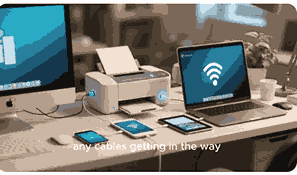
Adding a printer using an IP address is a practical solution for businesses and home offices that want to ensure a reliable connection without relying solely on USB or shared network setups. By directly assigning the printer’s IP address, you can bypass common connectivity issues, improve printing speed, and enhance network security. Whether you are setting up a new printer or connecting to an existing one, understanding how to add a printer using an IP address is crucial for both Windows and Mac operating systems. In this guide, we will cover everything from understanding printers to troubleshooting network connections.
What Is A Printer?
A printer is an essential peripheral device that converts digital data into physical output, usually on paper, making it indispensable for both personal and professional use. Modern printers include various types such as inkjet, laser, and thermal printers, each designed for specific purposes like high-quality photo printing or fast document printing. Network printers, which can connect via Wi-Fi or Ethernet, allow multiple users to access printing resources simultaneously. Printers can operate using direct USB connections, shared networks, or IP addresses, providing flexibility for different setups. Knowing the type and functionality of your printer is essential before attempting to add it via an IP address to ensure compatibility and optimal performance.
How To Find Your Printer’s IP Address
Before adding a printer using an IP address, you must locate the printer’s current IP. Most network printers display their IP address on a built-in LCD panel under network settings. Alternatively, you can print a network configuration page directly from the printer, which lists the IP address, subnet mask, and gateway information. On Windows, you can also discover the IP address by navigating to Control Panel > Devices and Printers > Printer Properties > Ports tab. For Mac users, go to System Preferences > Printers & Scanners, select the printer, and check the ‘Location’ or ‘Options & Supplies’ section. Identifying the correct IP ensures accurate configuration and prevents connection errors.
Adding A Printer Using An IP Address On Windows
To add a printer using an IP address on Windows, first open Control Panel and navigate to Devices and Printers. Click “Add a Printer” and choose “The Printer That I Want Isn’t Listed.” Select “Add a Printer Using a TCP/IP Address or Hostname” and enter the printer’s IP address. Ensure the device type is set to TCP/IP Device and click Next. Windows will attempt to detect the printer automatically and install the necessary drivers. If the printer isn’t detected, manually select the driver from the list or provide the manufacturer’s installation disk. After installation, set the printer as default if desired and print a test page to confirm successful connectivity.
Adding A Printer Using An IP Address On Mac
Mac users can add a printer using an IP address by opening System Preferences and selecting Printers & Scanners. Click the “+” button to add a new printer and choose the “IP” tab. Enter the printer’s IP address, select the correct protocol (usually HP Jetdirect – Socket or Line Printer Daemon – LPD), and provide a printer name and location for easier identification. macOS may automatically detect the printer driver, or you can choose it manually from the list or the manufacturer’s website. Once the configuration is complete, click “Add” and print a test page to verify proper setup. This method ensures a direct network connection without relying on shared computers.
Benefits Of Adding A Printer Using An IP Address
Adding a printer using an IP address offers several advantages, including increased reliability, direct network access, and improved printing speed. Unlike shared printers, networked IP printers are accessible to multiple devices without a central host, reducing downtime. Assigning a static IP prevents changes in network addresses that could disrupt connectivity. Additionally, administrators can monitor printer usage, manage permissions, and configure advanced settings remotely. For businesses, this setup also enhances security by limiting unauthorized access and ensuring that sensitive documents are printed only on designated devices. Overall, using an IP address optimizes workflow efficiency and ensures consistent printing performance.
Common Issues When Adding A Printer Using An IP Address
While adding a printer using an IP address is straightforward, several issues can arise. Incorrect IP addresses or subnet mismatches can prevent Windows or Mac from detecting the printer. Firewall settings may block communication between devices, and outdated drivers can cause errors. In some cases, DHCP-assigned IP addresses might change, disconnecting the printer. To resolve these issues, verify the IP address, ensure drivers are up-to-date, configure firewalls to allow printer traffic, and consider assigning a static IP to maintain consistency. Troubleshooting these common issues ensures smooth connectivity and long-term printer performance.
Tips For Maintaining IP-Based Printer Connections
Maintaining a printer added via IP address requires regular monitoring and updates. Periodically verify that the IP address hasn’t changed, especially if using DHCP. Keep printer firmware and drivers updated to avoid compatibility issues. Document printer IPs and network settings to simplify troubleshooting. For larger networks, consider using a dedicated print server to centralize management. Regularly clean and maintain the printer hardware to prevent jams and ensure print quality. By following these practices, you can maximize the lifespan, reliability, and efficiency of your IP-based printer connections.
Conclusion
Adding a printer using an IP address is a reliable and efficient way to manage network printing, especially in environments with multiple users or devices. By understanding printer types, finding the correct IP, and following system-specific installation steps, both Windows and Mac users can achieve seamless connectivity. With proper setup and maintenance, this method ensures faster, more secure, and more consistent printing, while minimizing common network issues. Whether for home or office use, connecting a printer via IP address enhances workflow efficiency and simplifies network management, making it an essential skill for modern computing environments.
Frequently Asked Questions
1. How Do I Add A Printer Using An IP Address?
Adding a printer using an IP address involves locating the printer’s IP via its control panel or network configuration page, then configuring the connection on your computer. On Windows, you go to Control Panel > Devices and Printers > Add a Printer > The Printer That I Want Isn’t Listed > Add a Printer Using a TCP/IP Address or Hostname, and input the IP. On Mac, open System Preferences > Printers & Scanners > + > IP tab, enter the IP address, select the correct protocol, and add the printer. This ensures a direct connection, bypassing shared network setups, and allows multiple devices to print reliably without a host computer.
2. Can I Add Any Printer Using Its IP Address?
Most network-enabled printers can be added using their IP address, including inkjet, laser, and multifunction devices. The printer must support TCP/IP connections, which is standard for modern network printers. Older models may not have network functionality, requiring USB or shared network connections. Always verify the printer’s compatibility with your operating system and ensure the correct drivers are available. Using the IP address is particularly advantageous for shared office environments, allowing multiple devices to print directly without relying on a central host.
3. What Is The Difference Between Adding A Printer Via IP And USB?
Adding a printer via IP creates a network-based connection, enabling multiple devices to print independently, while USB connections require direct physical links to a single computer. IP connections support faster, more reliable communication and allow remote management, whereas USB connections are limited by cable length and require sharing setup for multiple users. Using an IP address also reduces dependency on a host computer, improves printing workflow, and is more scalable for office environments or shared networks.
4. How Do I Assign A Static IP To My Printer?
To assign a static IP, access your printer’s network settings through its control panel or web interface. Navigate to the TCP/IP or network configuration section and select manual or static IP assignment. Input the desired IP, subnet mask, and gateway, then save the settings. Assigning a static IP prevents changes from DHCP servers, ensuring consistent connectivity when adding the printer to computers or networks. This is essential in office environments where multiple users rely on uninterrupted printing.
5. Why Is My Printer Not Detecting When Using Its IP?
If your printer isn’t detected via IP, common issues include incorrect IP address entry, subnet mismatches, firewall or antivirus blocking, and outdated drivers. Verify the IP address matches the printer’s current network configuration, ensure the computer and printer are on the same subnet, and check firewall settings. Updating drivers from the manufacturer’s website or reinstalling the printer may resolve detection issues. Static IP assignment can also prevent recurring detection failures caused by dynamic IP changes.
6. How Can I Add A Printer Using An IP On Windows 10?
In Windows 10, open Control Panel > Devices and Printers > Add a Printer. Select “The Printer That I Want Isn’t Listed” and choose “Add a Printer Using a TCP/IP Address or Hostname.” Enter the printer’s IP, ensure the device type is TCP/IP Device, and click Next. Windows will detect the printer and install drivers. If necessary, manually select the correct driver. Confirm installation by printing a test page. This method ensures reliable, network-based printing across Windows 10 devices.
7. How Can I Add A Printer Using An IP On Mac?
On a Mac, open System Preferences > Printers & Scanners and click the “+” button. Choose the IP tab, enter the printer’s IP address, select the correct protocol (usually HP Jetdirect – Socket or LPD), and input a name and location. macOS may auto-detect the driver or allow you to select it manually. Click Add and print a test page. This provides a direct network connection, ensuring reliable printing without relying on shared computers.
8. Can I Use DHCP IP For Adding A Printer?
While you can use a DHCP-assigned IP to add a printer, it’s not ideal because the IP may change, causing connection failures. Assigning a static IP is recommended to maintain consistent connectivity and avoid reconfiguring devices. DHCP may work for temporary setups or home networks but is less reliable for offices or environments where multiple devices depend on the printer.
9. What Protocol Should I Use When Adding A Printer By IP?
The most common protocols for IP printing are TCP/IP, LPD (Line Printer Daemon), and HP Jetdirect (Socket). The choice depends on the printer manufacturer and operating system compatibility. TCP/IP is standard, LPD is widely used in UNIX environments, and Jetdirect is specific to HP printers. Using the correct protocol ensures accurate communication and reduces connection errors.
10. How Do I Troubleshoot Printer IP Connection Issues?
To troubleshoot IP connection issues, first verify the printer’s IP address and ensure the computer is on the same network. Check firewall and antivirus settings to allow printer traffic. Update drivers and firmware. For recurring DHCP IP changes, assign a static IP. Ping the printer from your computer to verify network visibility. Reboot both devices if necessary. These steps typically resolve most IP-related printer connectivity issues.
11. Can I Add Multiple Printers Using Their IP Addresses?
Yes, you can add multiple printers by assigning each a unique IP address. On Windows or Mac, repeat the IP-based installation process for each printer, ensuring no conflicts between IP addresses. This method allows multiple devices to access different printers independently, improving workflow efficiency in shared networks.
12. Is It Safer To Add A Printer Using An IP Address?
Adding a printer via IP is often safer than shared network setups because it can reduce dependency on a host computer and allow administrators to manage permissions directly. Static IPs prevent unauthorized changes, and firewall configurations can limit access to authorized users only. This method enhances security, especially in business environments handling sensitive documents.
13. Can I Print Wirelessly Using An IP Address?
Yes, if your printer is network-enabled and connected via Wi-Fi or Ethernet, you can print wirelessly using its IP address. Assign the IP, configure the protocol on your computer, and the printer becomes accessible without cables. Wireless printing via IP ensures multiple devices can print directly over the network efficiently.
14. Do I Need Printer Drivers To Add By IP?
Yes, drivers are required to translate computer data into a format the printer can process. While Windows and macOS may auto-detect and install drivers, it’s best to download the latest version from the manufacturer’s website. This ensures compatibility, access to advanced features, and improved print quality when adding a printer using an IP address.
15. How Do I Print A Test Page After Adding By IP?
After installing the printer via IP, open Devices and Printers (Windows) or Printers & Scanners (Mac). Select the printer, access its properties, and click “Print Test Page” or “Open Print Queue > Printer > Print Test Page.” This verifies connectivity, driver functionality, and print quality, confirming the IP-based setup is successful.
16. Can I Change My Printer’s IP Address Later?
Yes, you can change a printer’s IP by accessing its network settings through the control panel or web interface. Update the IP to match network requirements and reconfigure any computers connected via the previous IP. Assigning a static IP during setup reduces the need for frequent changes and ensures stable network printing.
17. What Are The Advantages Of Using IP Printing Over USB?
IP printing allows multiple devices to connect directly, improves speed and reliability, supports remote management, and reduces dependency on host computers. USB printing is limited to a single device at a time and requires sharing setups for network access. IP printing is scalable, secure, and ideal for office environments with multiple users.
18. How Do I Monitor A Printer Added By IP?
Monitoring can be done using built-in printer management software or the web interface. Check ink or toner levels, job queues, and usage statistics. Network management tools can also provide alerts for errors, low supplies, or unauthorized access attempts. Regular monitoring ensures optimal performance and reduces downtime.
19. Can I Use The Same IP Address On Multiple Printers?
No, each printer must have a unique IP address to prevent conflicts. Using duplicate IPs can result in failed connections and network errors. Assign static IPs carefully and document network configurations to avoid overlap and ensure smooth operation of all devices.
20. What Is The Best Way To Secure A Printer Added By IP?
Secure an IP printer by assigning a static IP, enabling authentication, restricting access to specific devices, and configuring firewall rules. Regularly update firmware and monitor print logs for unusual activity. Using these measures protects sensitive data and ensures reliable, controlled network printing.
FURTHER READING
- What Is The Fastest Printer? | High-Speed Printing Solutions For Home And Office
- What Is Printer Sharing? | How To Share Printers Over A Network For Efficient Printing
- How To Fix A Printer That Won’t Print Colour | A Complete Guide To Troubleshooting Color Printing Issues
- What Is Printer Calibration? | Comprehensive Guide To Optimize Print Accuracy And Color Consistency
- Can I Use Third-Party Ink In My Printer? | A Comprehensive Guide to Printer Ink Compatibility
- Can I Connect A Printer To Multiple Computers? | A Step-By-Step Guide To Shared Printing Solutions
- How To Replace A Printer Toner | A Step-By-Step Guide To Printer Toner Replacement For Smooth Printing Performance
- How To Replace Ink Cartridges In A Printer | A Step-By-Step Guide To Replace Printer Ink Cartridges Easily
- How To Check Ink Levels On Your Printer | Easy Methods To Monitor Printer Ink And Avoid Printing Issues
- Why Is My Printer Printing Faded Text? | Common Causes, Solutions, And Maintenance Tips For Clear Printing